Jalsa Indisk Restaurant on Storegade brings Indian cuisine to Randers city centre, occupying a slot in a dining scene where South Asian options remain relatively sparse. Positioned among a mix of European bistros and Asian restaurants along one of the city's main commercial streets, Jalsa offers an alternative to the Danish-leaning menus that dominate the local market.
Pearl is the En Primeur Club membership app — saves, bookings, and concierge access live there. Same editors, same standards.
- Address
- Storegade 13, 8900 Randers C, Denmark
- Phone
- +4522554713
- Website
- jalsa.dk
- Directions
- Get directions
 Saves & bookings on Pearl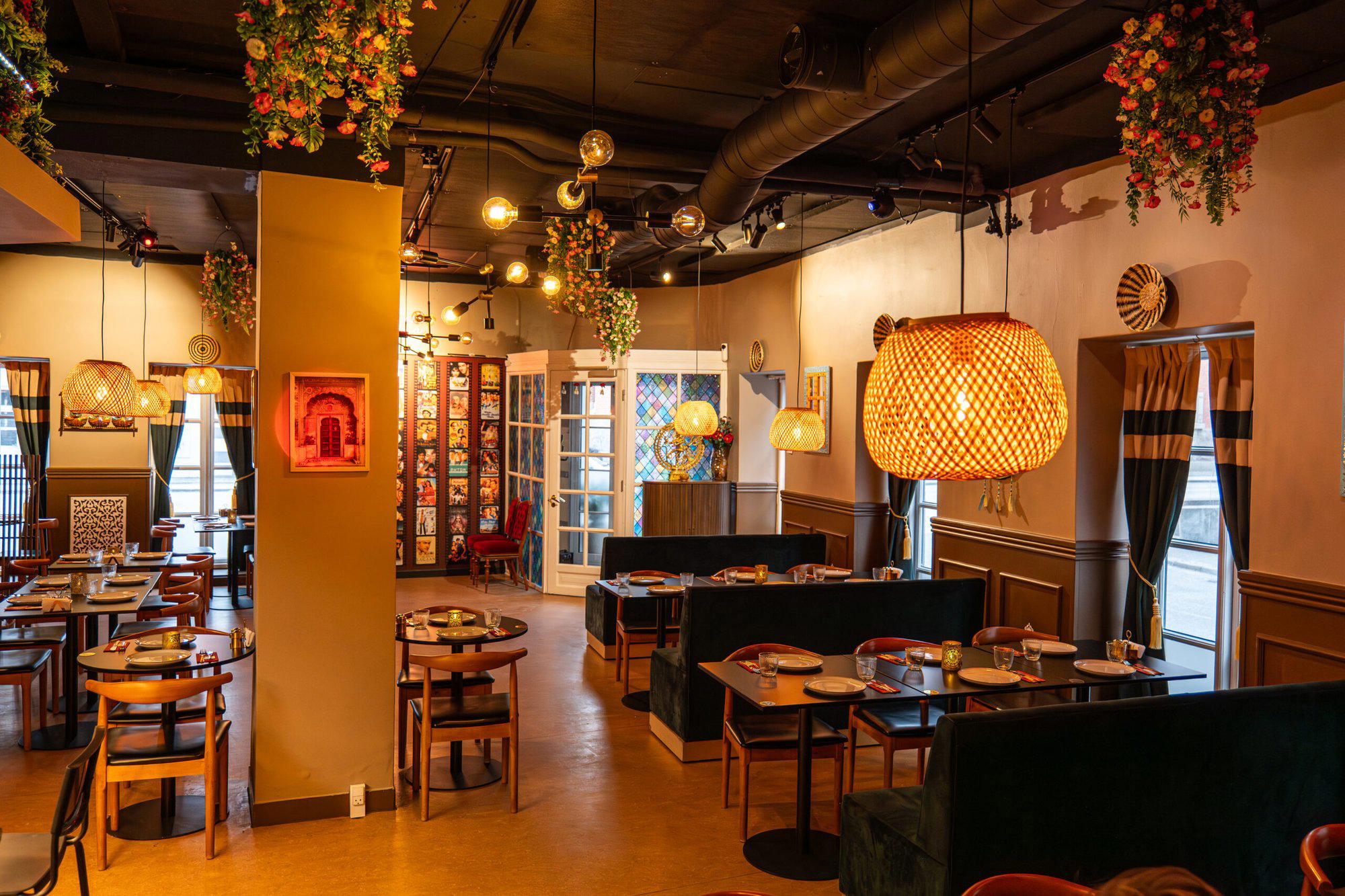
Storegade and the Space Indian Food Occupies in Randers
Randers is not a city that draws food writers the way Aarhus does. The Jutland port sits roughly 40 kilometres north of Aarhus, and the dining conversation in Denmark's provincial cities tends to follow a predictable arc: a handful of European bistros, a steakhouse, a sushi counter, and, if the city reaches a certain size, at least one South Asian restaurant filling a gap that local kitchens rarely address. Jalsa Indisk Restaurant, at Storegade 13 in the city centre, occupies that position in Randers. Its address on Storegade places it squarely in the pedestrian-adjacent commercial spine of the city, a street that sees steady foot traffic from shoppers and office workers rather than destination diners making deliberate journeys from Copenhagen or Aarhus.
That location matters more than it might first appear. In smaller Danish cities, Indian restaurants often function as the category anchor: the first point of reference for spiced, slow-cooked food in a market otherwise defined by smørrebrød, schnitzel, and the occasional Nordic tasting menu. Randers has no Michelin-starred table of its own to act as a gravitational centre for the food scene, unlike Aarhus, where Frederikshøj in Aarhus has long established a ceiling for fine dining ambition in Jutland, or Copenhagen, where Geranium in Copenhagen and Jordnær in Gentofte have reshaped expectations for what a Danish restaurant can be.
Indian Food in a Nordic Context
The broader context for Indian restaurants in Scandinavia is worth understanding. South Asian cuisine arrived in Denmark largely through immigration waves from the 1970s onwards, and the restaurant format that took hold followed the British-Indian model more than the subcontinental regional one: generous portion sizes, accessible spice levels, and menus structured around recognisable categories like tandoor dishes, curries, and rice preparations. That model still dominates in provincial Danish cities, where the customer base skews toward familiarity rather than regional specificity. Randers is not yet in the cohort of Danish cities where diners are seeking out Keralan fish preparations or Hyderabadi biryani by name. The expectation, shaped by decades of the same format, is for reliably spiced, comforting food at a price point that competes with the local burger or pasta option.
Where Indian restaurants have succeeded in similar Danish cities, they have done so by holding a consistent standard across their core dishes rather than by menu innovation. The comparison set for Jalsa in Randers is not Le Bernardin in New York City or Atomix in New York City; it is the local competition from Banana Leaf, the other South Asian option in the city, and the indirect competition from European-leaning options like Bistroteket and Cafe Hugo, or the American-inflected steakhouse format at Bone's.
The Storegade Address as Experience Frame
Arriving at Storegade 13 from the direction of Randers city centre puts you on a street that feels more commercial than atmospheric, but that is not a deficiency in a city of this scale. Danish provincial dining rarely performs the theatre of arrival that you encounter at destination restaurants like Henne Kirkeby Kro in Henne or Dragsholm Slot Gourmet in Hørve. The experience here is grounded in the ordinary rhythms of a mid-sized city: a street-level entrance, the smell of spiced cooking carrying further than the signage, and a room calibrated to the practical needs of a neighbourhood that wants dinner rather than a performance. That context sets the tone honestly. Jalsa is not positioning itself against Alimentum in Aalborg or ARO in Odense. It is a city-centre Indian restaurant serving a local population that includes families, students, and working professionals looking for a meal that delivers on flavour without requiring a reservation made weeks in advance.
For visitors to Randers, the Storegade location also has practical advantages. The street is walkable from the main train station and sits within the city's commercial core, making it accessible without a car in a region where driving between towns is otherwise standard. Randers is approximately a 45-minute train journey from Aarhus, and day visitors or overnight guests staying in the city centre will find Storegade a natural starting point for an evening meal.
Where Jalsa Sits in the Local Competitive Set
The Randers dining market is small enough that each category tends to have a single clear representative. For Japanese food, Atami Sushi Restaurant holds that position. For South Asian food, the competition narrows to Jalsa and Banana Leaf. In markets of this scale, the distinction between the two often comes down to format consistency, service speed, and familiarity of the menu rather than radical culinary differentiation. Diners who have been visiting the same Indian restaurant in a provincial Danish city for years are not always looking for change; they are looking for confirmation that the dish they remember is still being made the same way.
That dynamic shapes how Jalsa should be understood: not as a venue trying to redefine Indian food in Denmark, but as a reliable category presence in a city where reliable category presence is itself a form of value. The restaurant's position on Storegade, its longevity in a market with relatively low foot traffic from destination-seeking visitors, and its role as one of only two South Asian options in the city all contribute to a profile that is less about innovation and more about occupying a necessary slot in the local dining ecology.
Planning a Visit
Storegade 13 is in the pedestrian-accessible centre of Randers, reachable on foot from the train station in under ten minutes. Jalsa is recommended for reservations, and its regular hours are Monday to Wednesday and Sunday from 12 to 9 PM, and Thursday to Saturday from 12 to 10 PM. The broader Randers restaurant scene is compact enough that alternatives are close by if plans change.
A Lean Comparison
Comparable venues nearby, for context on price, style, and recognition.
| Venue | Cuisine | Price | Notes |
|---|---|---|---|
| Jalsa Indisk RestaurantThis venue — the venue you are viewing | Not listed | $$ | Not listed |
| Banana Leaf | Not listed | $$ | Central Randers, Authentic Northern Indian |
| MUNN Breakfast and Lunch | Not listed | $$ | Rådhus, Contemporary Breakfast and Brunch |
| Golden House | Randers, Chinese Buffet & Sushi | $$ | Not listed |
| Pepitos Pizza Grill | Not listed | $$ | central Randers, Pizza with Italian, Turkish & Mexican influences |
| Café K | center, European Café Fare | $$ | Not listed |
At a Glance
- Cozy
- Classic
- Intimate
- Family
- Group Dining
- Casual Hangout
- Standalone
- Beer Program
Current opening hours
- Monday
- 12–9 PM
- Tuesday
- 12–9 PM
- Wednesday
- 12–9 PM
- Thursday
- 12–10 PM
- Friday
- 12–10 PM
- Saturday
- 12–10 PM
- Sunday
- 12–9 PM
Hours can change for holidays and private events. Last verified .
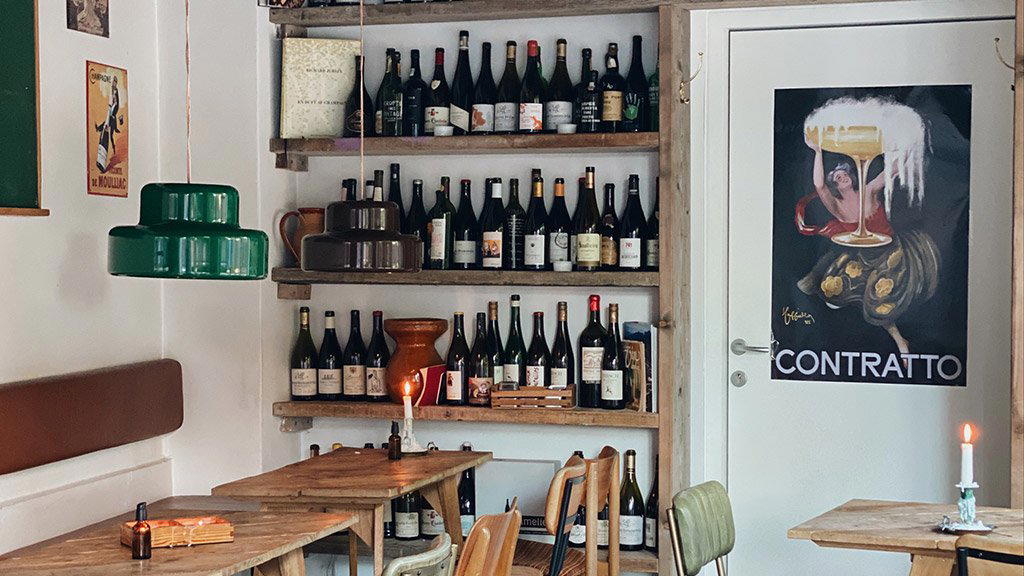
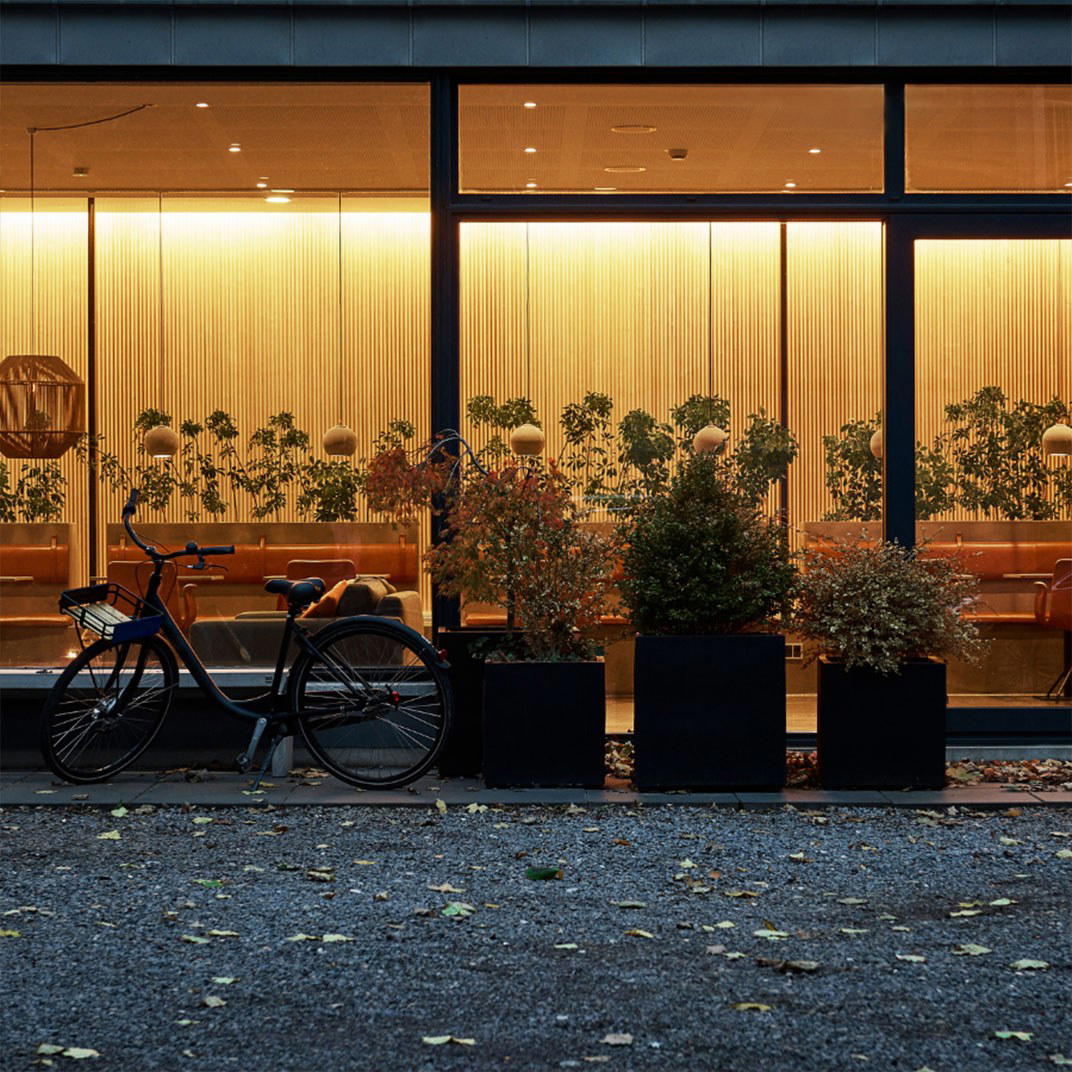
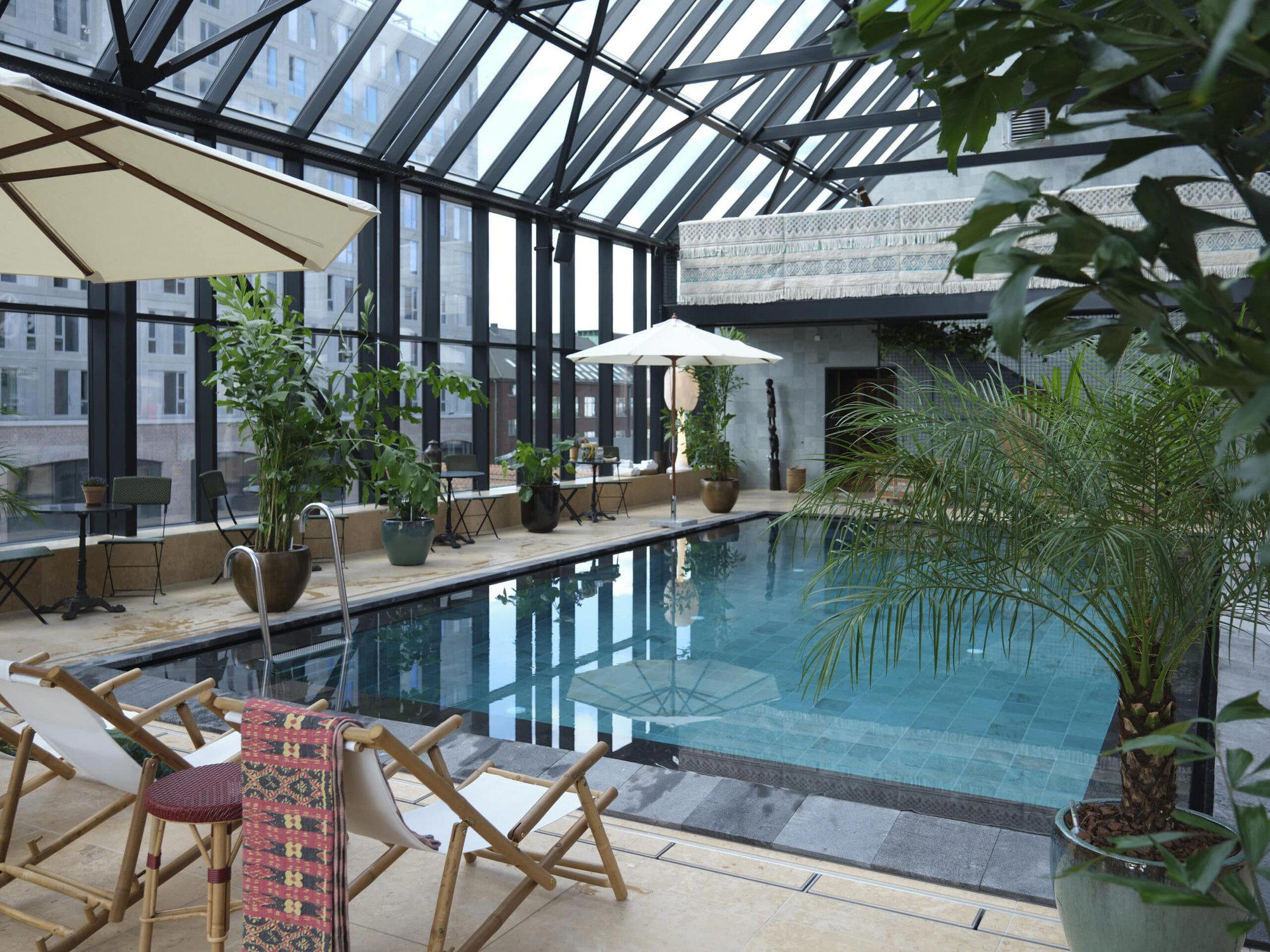
Beautifully decorated with respectful Indian aesthetic elements creating a cozy, welcoming atmosphere; described as hyggeligt (Danish concept of coziness).