
Tabelog 100 #10
Our verdict
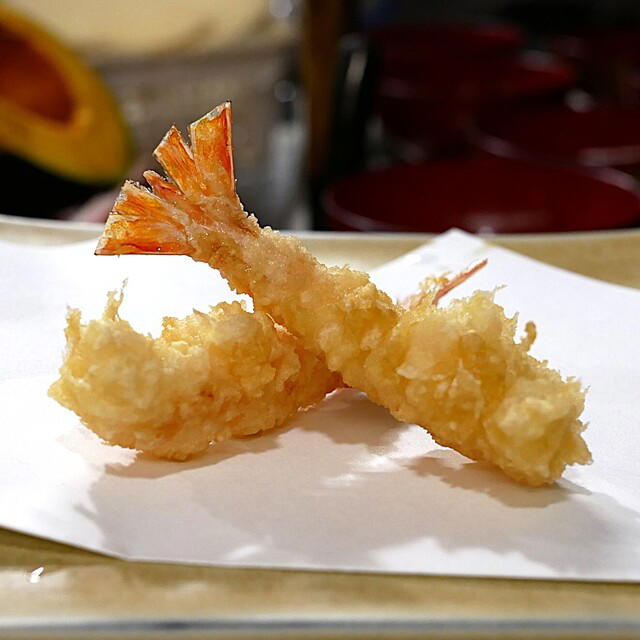
Izutsu is a Yokohama tempura address in Isogo with Tabelog Tempura 100 selection for 2025 and a menu language that keeps tempura tied to seafood, tendon, sake, and shochu rather than luxury theatre. It suits diners who want a serious local counter-and-tatami format outside the central tourist circuit, with recognition strong enough to justify the detour.

Pearl is the En Primeur Club membership app, where members save venues, book tables and use the concierge.
The menu
What to order
- Tempura set meal
- Tempura bowl (tendon)
- Seafood tempura assortment
Yokohama changes the tempo before the meal begins. The city’s port-side image gives way to quieter local dining rhythms, where the stronger signals are focused rooms with regulars, narrow purpose, and less dependence on neon or hotel polish. Here, tempura reads less like a performance label and more like a meal of batter control, oil discipline, seafood, and the useful quiet of tendon at lunch.
Izutsu belongs to that Yokohama register. Its Tabelog Hyakumeiten recognition in 2025 places it in a category where repetition matters as much as invention. Tempura has little tolerance for distraction: sequence, heat, and timing define the meal, then widen enough to include seafood and ten-don. That structure says more than any invented chef biography. The emphasis is not a personality-led tasting menu but a Japanese genre that exposes small errors immediately.
Tempura as a sequence, not a parade of luxury ingredients
Good tempura menus work less like Western tasting menus than controlled progressions of moisture, temperature, and appetite. The first decision is format: individual pieces create one kind of attention, while tendon folds the same craft into faster, more filling, less ceremonious rice-bowl grammar. The presence of both tempura and ten-don matters because it keeps the restaurant tied to everyday Japanese dining rather than pushing the genre into a purely special-occasion lane.
Yokohama has many casual specialists competing on speed, price, and habit. The city’s comparison venues underline the point: Ramen Sugita Ya Honten, G Men 7, Susurimase nka, Kawa no Saki no Ue, and boulangerie onni all use narrow formats to build followings without hotel polish. Tempura has a different cost structure and technical burden, but the local logic is similar: a small set of categories, repeated with discipline, carries more weight than breadth.
The menu architecture also shows how seafood functions in Yokohama dining. Yokohama is not Tokyo with a different postal code; its restaurant culture has absorbed port influence, neighborhood commerce, and commuter practicality. A tempura room listing seafood alongside tendon speaks to that mix. The category is refined, but the meal need not become precious. The best frame is one that supports fried food’s salt, oil, and sweetness without turning the table into a performance of excess.
For readers mapping Yokohama by appetite rather than sightseeing, this is where the city becomes interesting. A meal here pairs conceptually with the broader EP Club Yokohama restaurant map, from specialist counters to casual dining rooms and other tightly focused local formats. Those addresses are not one cuisine trail; they show how Yokohama rewards diners who move beyond one central district and let format guide the itinerary.
A local room with focused tempura logic
The room matters because tempura is a timing-sensitive cuisine. The easier it is for a diner to experience the food close to its ideal moment, the clearer the textures, heat, and balance become. That focus suits Yokohama, where serious dining often serves residents as much as destination diners, and keeps the experience from becoming a single-script ritual built only for visitors.
Recognition from Tabelog’s 2025 Hyakumeiten selection is the main trust signal. In Japan, Tabelog’s genre lists matter because they sort by category rather than broad luxury category, especially useful for tempura. A restaurant does not need global awards language to be credible; category-specific selection does the relevant work. It places the cooking among specialists, where the point is not room expense but whether the format holds up against other tempura and tendon restaurants.
That distinction helps visitors weighing Yokohama against Tokyo. Tokyo’s tempura reputation often means destination counters, long reservation lead times, and higher ceremonial expectations. Yokohama offers a looser proposition: recognized specialists embedded in the city, easier to pair with day plans, and less dependent on one prestige corridor. For a broader read on the city’s dining range, Our full Yokohama restaurants guide gives the better map; for trip structure around the meal, Our full Yokohama hotels guide, Our full Yokohama bars guide, Our full Yokohama wineries guide, and Our full Yokohama experiences guide fill in the surrounding choices.
How to place it in a Japan dining itinerary
Izutsu best fits diners who understand tempura as a craft category rather than a luxury checkbox. The useful comparison is not kaiseki or sushi, but a specialist meal versus a general Japanese restaurant where tempura is one item among many. Here, the category leads. Choose it when the meal’s purpose is tempura, seafood, and tendon, not when the evening needs a broad survey of Japanese cooking.
The Yokohama location changes planning. This is not just a drop-in between landmarks on a tight sightseeing grid. It rewards a deliberate route and suits diners comfortable treating the wider city as part of the food map. That is often where Japanese dining becomes less performative and more exacting: the room must satisfy local repeat use, not just visitor curiosity.
EP Club’s wider Japan and diaspora coverage helps calibrate that decision. Regional and category contrasts appear across other cities, from specialist Japanese rooms to casual counters, bars, bakeries, and neighborhood restaurants abroad. The lesson is consistent: a narrow format, taken seriously, tells the diner more than a long menu covering every mood.
The editorial call is simple. Izutsu is for a tempura-led meal in Yokohama with enough external recognition to justify planning around it, without making dinner a trophy event. The appeal lies in menu discipline: tempura, seafood, tendon, and a format that makes sense beside them. In a city often reduced to waterfront views and broad sightseeing itineraries, that is a more precise reason to plan the meal.
Frequently asked questions
What days is Izutsu closed?
Current opening days and hours for Izutsu should be confirmed directly before visiting.
What's the price range at Izutsu?
Pricing at Izutsu is listed as Dinner: JPY 8,000 - JPY 9,999; Lunch: JPY 3,000 - JPY 3,999.
What's Izutsu's location?
Yokohama.
What's the defining dish or idea at Izutsu?
Tempura is the core category at Izutsu, backed by its Tabelog Hyakumeiten recognition in 2025. The listing also includes seafood and ten-don, which points to a menu built around tempura rather than broad Japanese fare.
Do they accommodate allergies at Izutsu?
The venue is centered on tempura and seafood, so allergy handling should be discussed before dining. Izutsu lists a phone number, +81-45-752-2220, which is the practical way to confirm ingredients in advance.
Is Izutsu okay with children?
Izutsu is in Yokohama, so any seating needs for children should be confirmed directly when arranging the meal.
Peers Worth Knowing
Side-by-side context: comparable cuisine and price.
| Venue | Cuisine | Price | Awards | Notes |
|---|---|---|---|---|
| IzutsuThis venue (the venue you are viewing) | Traditional Tempura & Seafood | $10–20 | Tabelog 100 #10 | Not listed |
| Ramen Sugita Ya Honten | Traditional Yokohama Iekei ramen | $10–20 | Tabelog 100 #17 | JPY 999 - JPY 999 |
| boulangerie onni | Not listed | $10–20 | Tabelog 100 #20 | JPY 999 |
| G Men 7 | Classic Yokohama ramen shop | $10–20 | Tabelog 100 #72 | JPY 999 - JPY 999 |
| Susurimase nka | Ramen & Tsukemen Shop | $10–20 | Tabelog 100 #62 | JPY 999 - JPY 999 |
| Kawa no Saki no Ue | Japanese Ramen | $10–20 | Tabelog 100 #65 | JPY 1,000 - JPY 1,999 JPY 1,000 - JPY 1,999 |
Recognition history
Dated appearances from independent guides and award organizations, with the underlying list record or original source where available.
Tabelog 100 #10 · No. 10
Tabelog · Tabelog 100 - Tempura - 2025
Continue exploring
More in Yokohama
Restaurants in Yokohama
All restaurants in Yokohama →


Bars in Yokohama
Browse all →



Details
- Classic
- Cozy
- Intimate
- Solo
- Family
- Casual Hangout
- Group Dining
- Standalone
- Sake Program
- Beer Program
- A La Carte
- Set Menu
- Counter Dining
- Sake
- Beer
- Pescatarian Friendly
Current opening hours
- Monday
- 11:30 AM–2 PM, 5–9:30 PM
- Tuesday
- 11:30 AM–2 PM, 5–9:30 PM
- Wednesday
- Closed
- Thursday
- 11:30 AM–2 PM, 5–9:30 PM
- Friday
- 11:30 AM–2 PM, 5–9:30 PM
- Saturday
- 11:30 AM–2 PM, 5–9:30 PM
- Sunday
- 11:30 AM–2 PM, 5–9:30 PM
Hours can change for holidays and private events. Last verified .
Traditional, quietly bustling tempura shop with counter and table seating, simple décor, and a relaxed, local feel where guests linger over freshly fried tempura rather than rushing in and out.