Izletište Suhina
Our verdict
Izletište Suhina sits in Rakitje, on the rural fringe of Sveta Nedelja, where the Zagreb-adjacent hills have long supported a tradition of excursion dining rooted in local land and seasonal produce. The setting draws visitors away from the city grid and into a slower rhythm shaped by the ingredients grown nearby. For those tracing Croatia's inland restaurant culture, it represents a grounded alternative to the Adriatic coast's more heavily documented dining scene.

Pearl is the En Primeur Club membership app, where members save venues, book tables and use the concierge.

Where the Zagreb Hinterland Sets the Table
Croatia's dining conversation defaults to the coast: Dubrovnik terraces, Dalmatian fish markets, the island producers supplying kitchens from Korčula to Pag. But the inland corridor running southwest from Zagreb through Sveta Nedelja and into the Samobor hills operates on a different register entirely. Here, the excursion restaurant, locally called an izletište, is a genuine cultural institution, not a nostalgic affectation. These are places built around the idea of leaving the city deliberately, driving into agricultural land, and eating food that is defined first by what the surrounding fields and forests produce. Our full Sveta Nedelja restaurants guide maps the wider scene, but Izletište Suhina, addressed at Ulica Doktor Franje Tuđmana 1 in Rakitje, occupies a specific place within it: a rural setting that frames ingredient sourcing as the reason for the visit, not an afterthought to it.
The Logic of the Izletište Format
To understand what Izletište Suhina is, it helps to understand what the izletište format represents in Croatian dining culture. These establishments emerged as purpose-built destinations for day-trippers and weekend travellers, positioned at a deliberate remove from urban centres. The distance is the point. It signals a commitment to a particular kind of eating: unhurried, land-connected, and seasonal by necessity rather than menu-design philosophy. The format shares something with the Slovenian gostilna tradition and the Austrian Heuriger model, places where the surrounding agricultural context is inseparable from what arrives on the table.
Inland Zagreb-county venues of this type sit in a different competitive category from the Adriatic's high-profile kitchens. Pelegrini in Sibenik and Restaurant 360 in Dubrovnik operate within an internationally visible fine-dining tier oriented toward Mediterranean produce and coastal prestige. The inland izletište tradition makes a quieter, more local argument: that the continental interior has its own ingredient logic, smoked meats, freshwater fish, forest mushrooms, autumn game, orchard fruit, and that the ideal way to encounter it is to travel toward the source rather than wait for it to arrive in a city restaurant.
Ingredient Sourcing as the Defining Frame
The EA-GN-02 lens, ingredient sourcing as the editorial frame, fits the izletište format more naturally than almost any other restaurant category. In this part of Croatia, the agricultural calendar still drives the menu in a way that urban restaurants can approximate but rarely replicate. The Sveta Nedelja municipality sits in the Samobor-adjacent lowlands and gentle hills where smallholder farming, viticulture, and mixed livestock operations have persisted through decades of economic change. For kitchen operations tied to this territory, sourcing is not a marketing position; it is a logistical reality shaped by what neighbouring producers bring in and what the season makes available.
This places venues like Izletište Suhina in a tradition that shares some DNA with farm-to-table movements in Western Europe and North America, but predates the branding of that concept by several decades. The Croatian inland excursion restaurant was sourcing locally before that phrase existed, because the infrastructure for anything else was absent. What contemporary diners read as a virtue was, historically, a constraint that shaped an entire culinary identity.
Comparable ingredient-driven approaches at the higher end of the Croatian market are visible at Boskinac in Novalja, where a working estate supplies the kitchen, and at Korak in Jastrebarsko, a near-neighbour operating in the same inland Zagreb-county corridor with a stronger fine-dining positioning. The Cantilly Garden Restaurant in Samobor represents another point on the same regional axis. Izletište Suhina's Rakitje address places it within that cluster, serving a visitor who is as likely to be a Zagreb local on a Sunday drive as an international traveller working through Croatia's restaurant geography.
The Approach and the Setting
Arriving at a rural Croatian excursion restaurant typically involves leaving a main road for a narrower one, with the landscape opening into orchards or vineyards before the building comes into view. The physical approach is part of the experience the format promises. In the Rakitje area, the terrain is gentle: low hills, mixed woodland, agricultural plots that transition between seasons in ways that coastal Croatia's relatively stable olive and vine landscape does not. Autumn brings a different set of ingredients than spring; summer's abundance contracts into a winter larder of preserved, smoked, and fermented products. The setting communicates all of this before any food arrives.
Visitors making a comparable inland day trip from Zagreb might also consider Dubravkin Put in Zagreb for urban context before heading out, or use Izletište Suhina as one stop on a broader inland itinerary that might extend toward Alfred Keller in Mali Lošinj or Nebo by Deni Srdoč in Rijeka for those continuing toward the coast.
Planning Your Visit
Rakitje is accessible from Zagreb by car in under thirty minutes, placing Izletište Suhina firmly within day-trip range of the capital. The excursion restaurant format generally suits weekend visits when the pace of the experience can be matched by the pace of the day; arriving mid-week may shift the atmosphere considerably depending on the venue's operating rhythm. The address at Ulica Doktor Franje Tuđmana 1, Rakitje, 10437, Bestovje, Croatia provides the navigation anchor. Visitors travelling through the region for broader Croatian dining comparison might also consider BioMania Bistro Bol in Bol, Bodulo in Pag, Burin in Crikvenica, or Cubo in Opatija for coastal and Kvarner-region reference points. For a sense of how Croatia's most formally recognised kitchens handle the same regional ingredient pool at greater price and ambition, Agli Amici Rovinj, LD Restaurant in Korčula, and Krug in Split provide useful comparison. Those interested in how the ingredient-sourcing argument translates to the highest international tier might look further afield to Le Bernardin in New York City or Atomix in New York City for contrast.
Frequently asked questions
Is Izletište Suhina suitable for children?
The izletište format is built around the Croatian family excursion tradition, which places multi-generational groups at the centre of the experience. Rakitje's rural setting, with open outdoor space typical of the format, suits families travelling from Zagreb. It is not a formal dining environment, so children are a standard part of the room rather than an exception to it.
Is Izletište Suhina better for a quiet night or a lively one?
The izletište model skews toward weekend lunches and group excursions rather than intimate evening sittings, so Izletište Suhina in Rakitje is more likely to deliver a communal, table-sharing energy than a hushed dinner atmosphere. Midweek visits to this Sveta Nedelja area venue will generally be quieter. If solitude is the priority, arriving off-peak on a weekday is the more reliable approach.
How far is Izletište Suhina from Zagreb city centre, and how do I get there?
Izletište Suhina sits at Ulica Doktor Franje Tuđmana 1 in Rakitje, within the Sveta Nedelja municipality, placing it under thirty minutes from central Zagreb by car. Public transport connections to Rakitje exist but are limited, making a car the practical choice for most visitors. The route takes you west out of the capital into the Samobor corridor, where the terrain shifts quickly from suburban to agricultural.
What should I order at Izletište Suhina?
Across the izletište category, kitchens in the Zagreb hinterland typically anchor menus to slow-roasted meats, locally sourced vegetables, and regional preserves that reflect the surrounding agricultural land. Ordering to the table rather than individually is the standard format.
A Quick Peer Check
Comparable venues nearby, for context on price, style, and recognition.
| Venue | Cuisine | Price | Notes |
|---|---|---|---|
| Izletište SuhinaThis venue (the venue you are viewing) | Traditional Croatian | $10–20 | Not listed |
| Klet Europa | Traditional Croatian Rustic | $20–30 | Sveti Ivan Zelina |
| Lovački rog | Croatian Game & European | Not listed | Karlovac |
| Klet Kozjak | Traditional Croatian Zagorje | Not listed | Sveti Kriz Zacretje |
| Hotel & Restoran Degenija | Traditional Croatian Regional Grill | $20–30 | Selište Drežničko, Rakovica |
| Roki's-Plisko Polje VIS | Traditional Croatian Peka | Not listed | Plisko Polje |
Continue exploring
More in Sveta Nedelja
Restaurants in Sveta Nedelja
All restaurants in Sveta Nedelja →
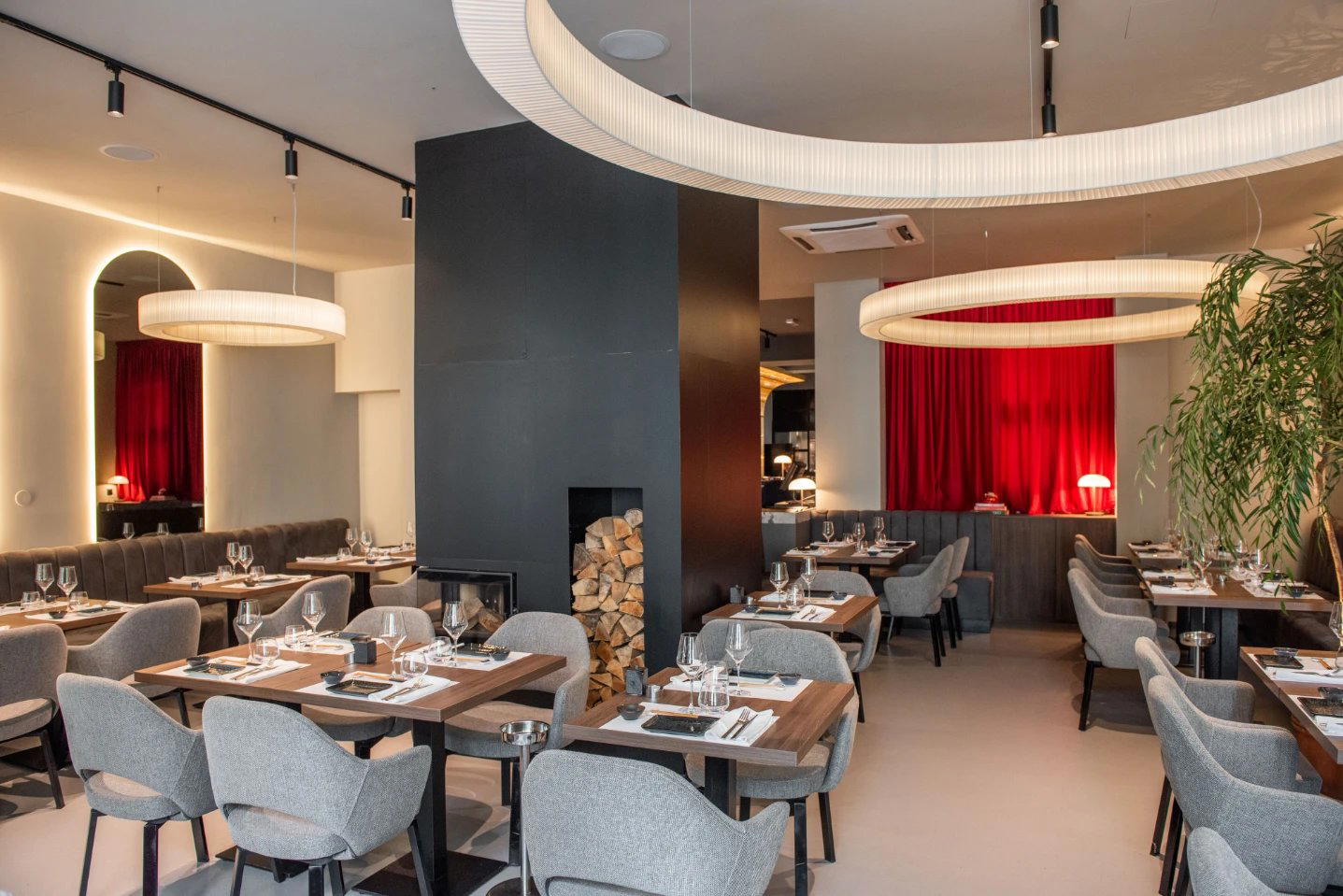
Bars in Sveta Nedelja
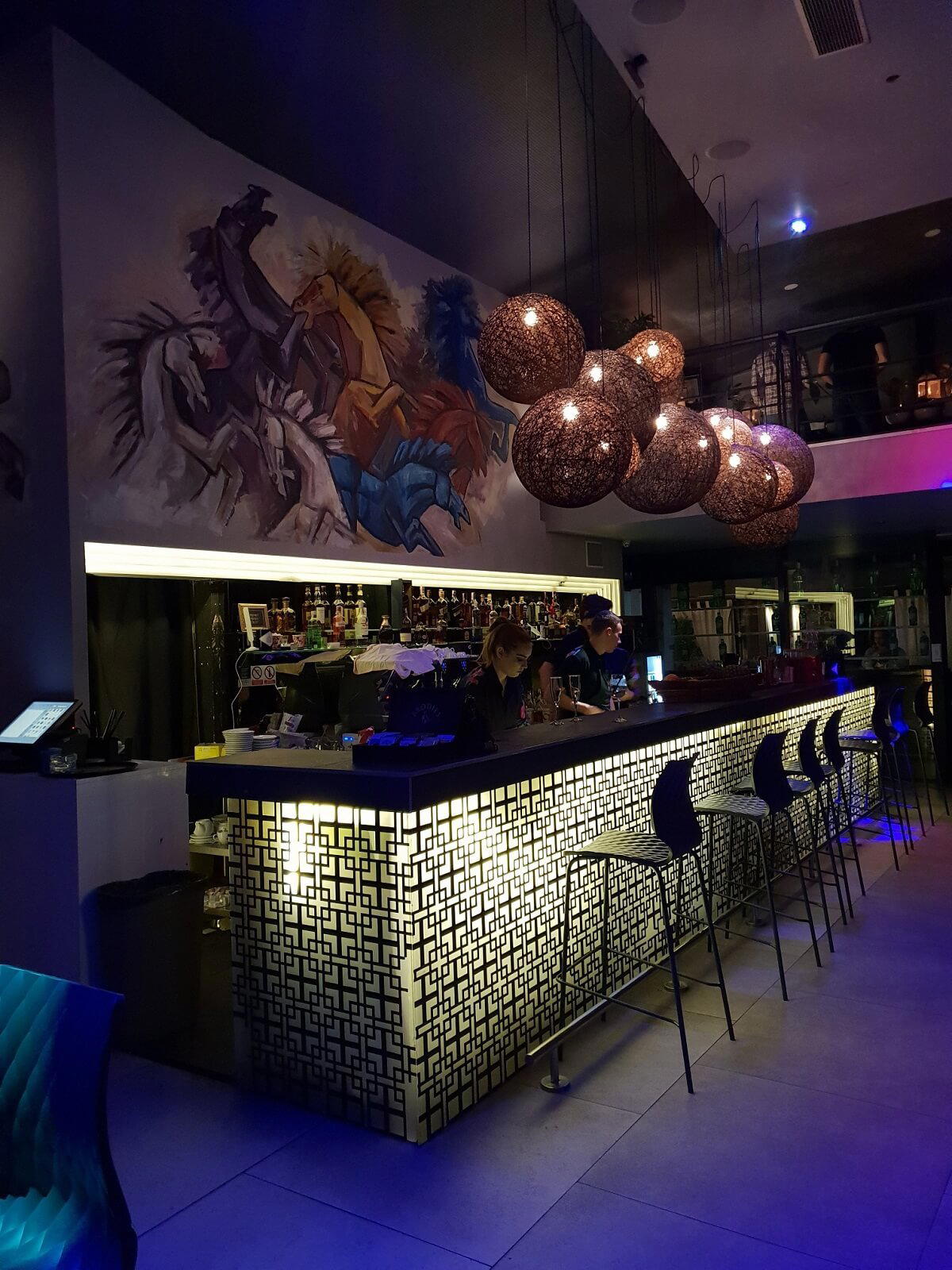
Browse all →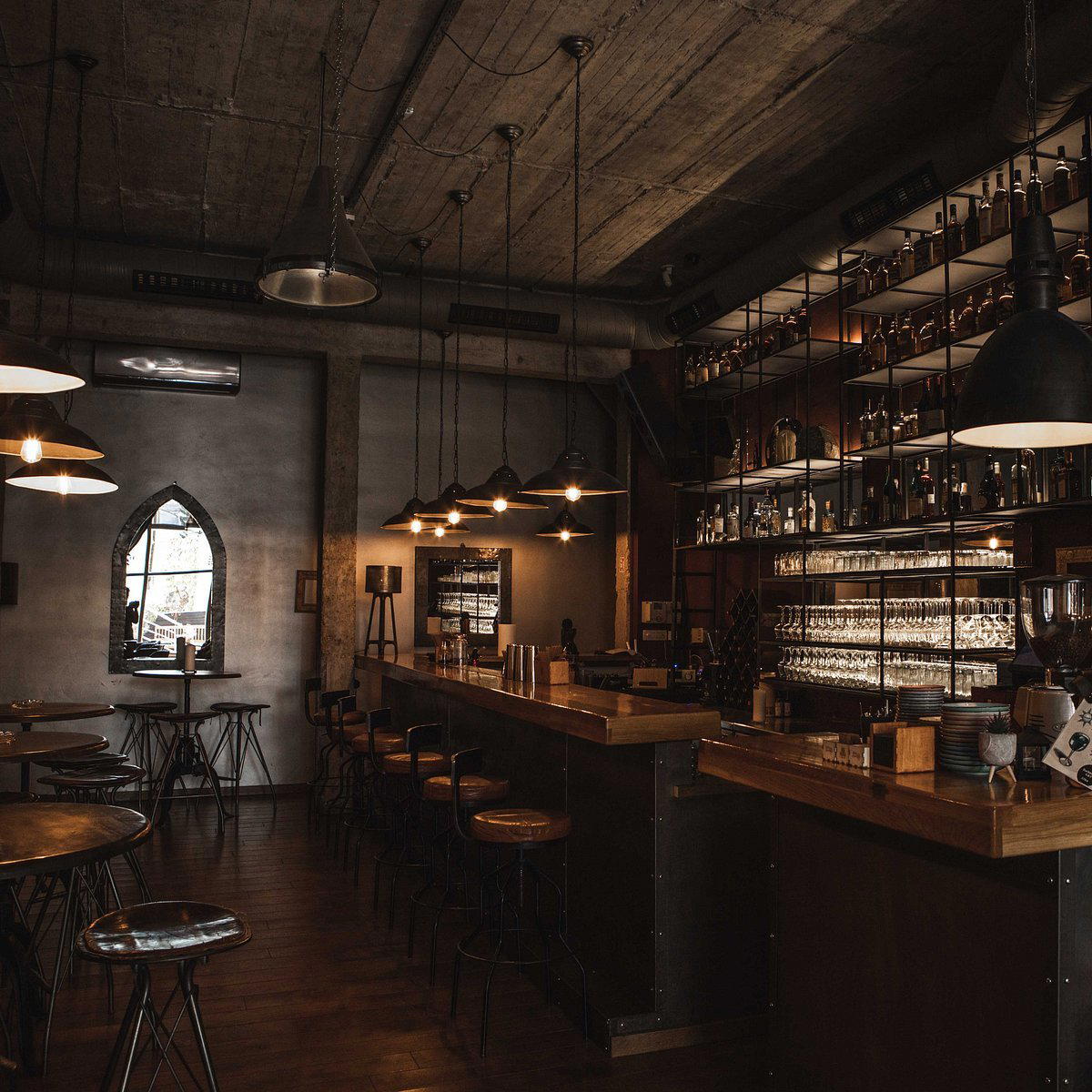
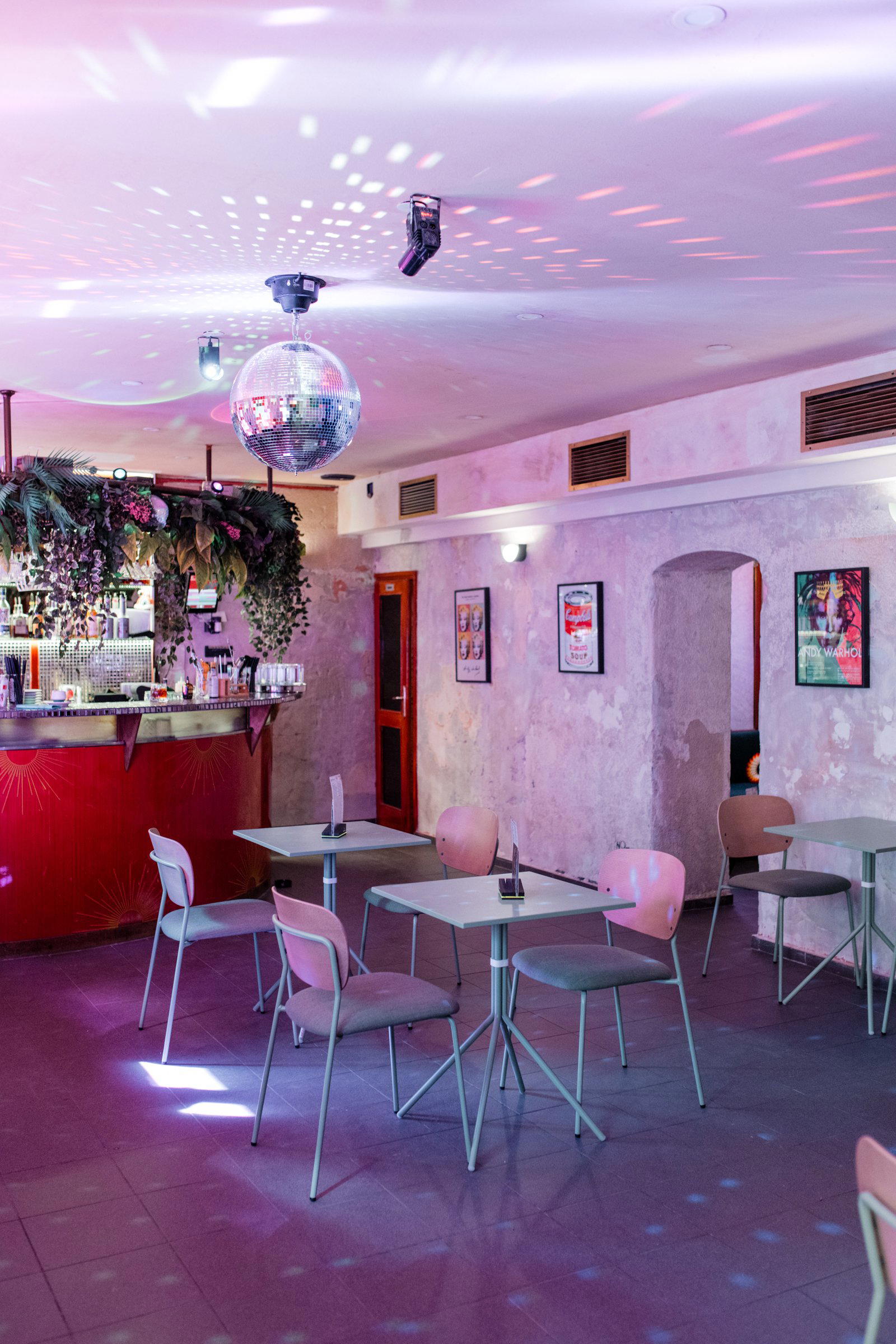

Hotels in Sveta Nedelja
Browse all →

Details
- Rustic
- Cozy
- Scenic
- Family
- Casual Hangout
- Garden
- Terrace
- Waterfront
- A La Carte
Current opening hours
- Monday
- 12–6:30 PM
- Tuesday
- Closed
- Wednesday
- Closed
- Thursday
- 12–6:30 PM
- Friday
- 12–6:30 PM
- Saturday
- 12–6 PM
- Sunday
- 10 AM–6 PM
Hours can change for holidays and private events. Hours as of .
Relaxed garden seating under old trees with roses, evoking nostalgic Croatian countryside atmosphere and grilled aromas.