Klet Europa
Klet Europa sits along Zagrebačka ulica in Sveti Ivan Zelina, a small agricultural town in the Prigorje region northeast of Zagreb where local produce and continental Croatian cooking traditions still hold their ground. The venue represents a strand of inland Croatian dining that rarely registers on the coastal circuit yet draws from one of the country's most food-productive hinterlands. For travellers moving between Zagreb and the Zagorje wine country, it warrants a closer look.
Pearl is the En Primeur Club membership app — saves, bookings, and concierge access live there. Same editors, same standards.
- Address
- Zagrebačka ul. 139, 10380, Sveti Ivan Zelina, Croatia
- Phone
- +38512060099
- Website
- business.site
- Directions
- Get directions
 Saves & bookings on Pearl
Prigorje at the Table: Inland Croatia's Quieter Food Tradition
Croatia's restaurant conversation defaults to the coast. Pelegrini in Šibenik, Restaurant 360 in Dubrovnik, Agli Amici Rovinj in Rovinj, these are the addresses that collect awards and international attention, all of them working with Adriatic seafood as the central material. But the inland arc stretching northeast from Zagreb through Prigorje and into Zagorje runs on a different logic entirely: cured meats, freshwater fish, foraged mushrooms, estate-grown wines, and vegetables pulled from the heavy clay soils of a region that has fed Zagreb for centuries. Sveti Ivan Zelina sits near the centre of that arc, a market town whose agricultural character has never fully given way to suburban sprawl, and whose food scene reflects an unbroken relationship with land-sourced produce.
Klet Europa operates at Zagrebačka ulica 139 in that town, occupying a position in the local dining fabric that is worth understanding in regional terms before examining it in isolation. Across inland Croatia, particularly credible eating addresses tend to share a structural feature: they source from the immediate agricultural environment rather than importing coastal ingredients to simulate a broader Croatian cuisine. This matters because Prigorje's larder is genuinely distinct. The region produces its own wine varieties, its own smoked and cured goods, and grows stone fruit, root vegetables, and brassicas that appear on tables in a form largely unchanged by global culinary fashion. A venue rooted in that supply chain is working with ingredients that carry provenance by default.
The Logic of Land-Sourced Cooking in Prigorje
Across northern Croatia, particularly convincing inland restaurants position themselves as translators of a specific local agriculture rather than as generalist Croatian kitchens. The distinction has practical consequences for what ends up on the plate. Closer to Zagreb, addresses like Dubravkin Put in Zagreb and Korak in Jastrebarsko have built reputations partly on their ability to source from the Zagorje and Prigorje hinterland and present it without overcomplicating the chain between field and fork. The further you move from the capital into the producing regions themselves, the more direct that chain becomes.
Sveti Ivan Zelina's position in the Prigorje wine belt adds another layer. The area around the town produces Graševina, Pinot Blanc, and Chardonnay under the Prigorje-Bilogora designation, a continental Croatian appellation that remains significantly less exported than Istrian or Dalmatian wines despite consistent quality from its leading producers. A dining room embedded in that geography, rather than importing wines from Plavac Mali country on the Dalmatian coast, is making a choice about culinary identity that shapes the entire meal. Wine-pairing in this context becomes a local conversation rather than a national survey.
This framing places Klet Europa in a category of restaurants that are more interesting as expressions of a specific place than as competitors in a national prestige ranking. Addresses like Boskinac in Novalja on Pag, or Alfred Keller in Mali Lošinj, occupy analogous positions on the islands: their authority derives less from culinary pyrotechnics and more from a coherent relationship between the land or sea immediately outside and the food immediately inside. For continental Croatia, that model is rarer and more fragile, because the agricultural sourcing requires active relationships with small producers rather than the more systematised supply chains that serve coastal tourism at scale.
Sveti Ivan Zelina as a Dining Context
The town itself is not a dining destination in the way that Dubrovnik or Split functions for international visitors. It is a working regional town, which is precisely the point. The restaurants that survive and develop in places like Sveti Ivan Zelina do so by serving a local constituency that has strong opinions about what honest regional cooking looks like. That pressure produces a different kind of quality discipline than the one applied by Michelin inspectors or international travel media. The regulars at a Prigorje klet know what the area's smoked sausage should taste like, what the local Graševina should cost, and what it means for a kitchen to cut corners on sourcing. For a visitor, that context is a useful calibration: you are eating in a room where the standards are set by people with multi-generational taste memory for the region's food.
Travellers who approach Sveti Ivan Zelina from Zagreb (approximately 30 kilometres northeast via the main road) will find the town most accessible by car, as public transport connections are limited to regional bus services. The drive takes between 30 and 40 minutes depending on traffic, making Klet Europa a plausible lunch or dinner stop on a route toward Varaždin or the Zagorje wine roads. For those combining the visit with a wider scan of the area's dining options, Taverna 1860 in the same town offers a point of comparison within the local circuit.
Where Klet Europa Sits in the Wider Croatian Picture
Coastal Croatian fine dining has moved decisively toward Mediterranean frameworks: olive oil, Adriatic fish, Pag lamb, and Dalmatian wine, presented in formats that reference Italian and French culinary vocabulary. The addresses at the summit of that system, from Pelegrini in Šibenik to LD Restaurant in Korčula and Nebo by Deni Srdoč in Rijeka, are in a conversation with European fine dining broadly conceived. Inland Croatian cooking, by contrast, has a Central European structure: heavier, more reliant on preserved and cured goods, more aligned with Hungarian and Austro-Hungarian culinary inheritance. Neither tradition is superior; they answer to different geographies and different histories.
The restaurant, operating in Prigorje, belongs to the second tradition. That makes it less photogenic in the way that coastal Croatian food photographs well for international media, but potentially more coherent as an expression of where it actually is. For a reader accustomed to places like Le Bernardin in New York City or Atomix in New York City, where ingredient sourcing and culinary lineage are foregrounded in every editorial description, the equivalent conversation in continental Croatia is simply happening at a different register of visibility, not a lesser one. The sourcing logic is the same; the stage is smaller and the press coverage thinner.
For visitors interested in Croatian food culture beyond the Adriatic circuit, venues like Cantilly Garden Restaurant in Samobor, Krug in Split, and Burin in Crikvenica all represent different points on the spectrum between coastal and continental approaches. Bodulo in Pag and BioMania Bistro Bol in Bol indicate how island dining can pivot around local agricultural identity in ways that parallel what the Prigorje kitchens are doing on the mainland. The restaurant represents one node in that network, the one rooted most firmly in the agricultural north.
Practical Notes for Planning a Visit
As with most regional restaurants in smaller Croatian towns, the safest approach is to plan visits around lunch service, when Croatian kitchen culture concentrates its leading effort, and to arrive with some flexibility. The address at Zagrebačka ulica 139 is direct to locate within the town. Given the absence of published booking details, arriving in person or contacting the venue directly is one reliable approach. The surrounding area rewards a half-day at minimum, particularly if the visit coincides with the regional wine producers who operate cellars in and around Sveti Ivan Zelina during the autumn harvest season.
Side-by-Side Snapshot
Comparable venues nearby, for context on price, style, and recognition.
| Venue | Cuisine | Price | Notes |
|---|---|---|---|
| Klet EuropaThis venue — the venue you are viewing | Traditional Croatian Rustic | $$ | Not listed |
| Taverna 1860 | Croatian Taverna | $$ | Donja Zelina |
| Bistro Loora | Modern Croatian Bistro | $$ | City Center |
| Petro | Croatian Barbecue & Grill | $$ | Rastoke |
| Zlatna Školjka | Croatian Seafood | $$ | Martićeva |
| SOL tapas na hrvatski | Croatian Tapas | $$ | centar |
Continue exploring
More in Sveti Ivan Zelina
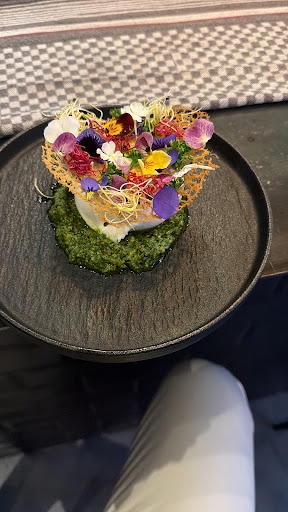
Restaurants in Sveti Ivan Zelina
Browse all →
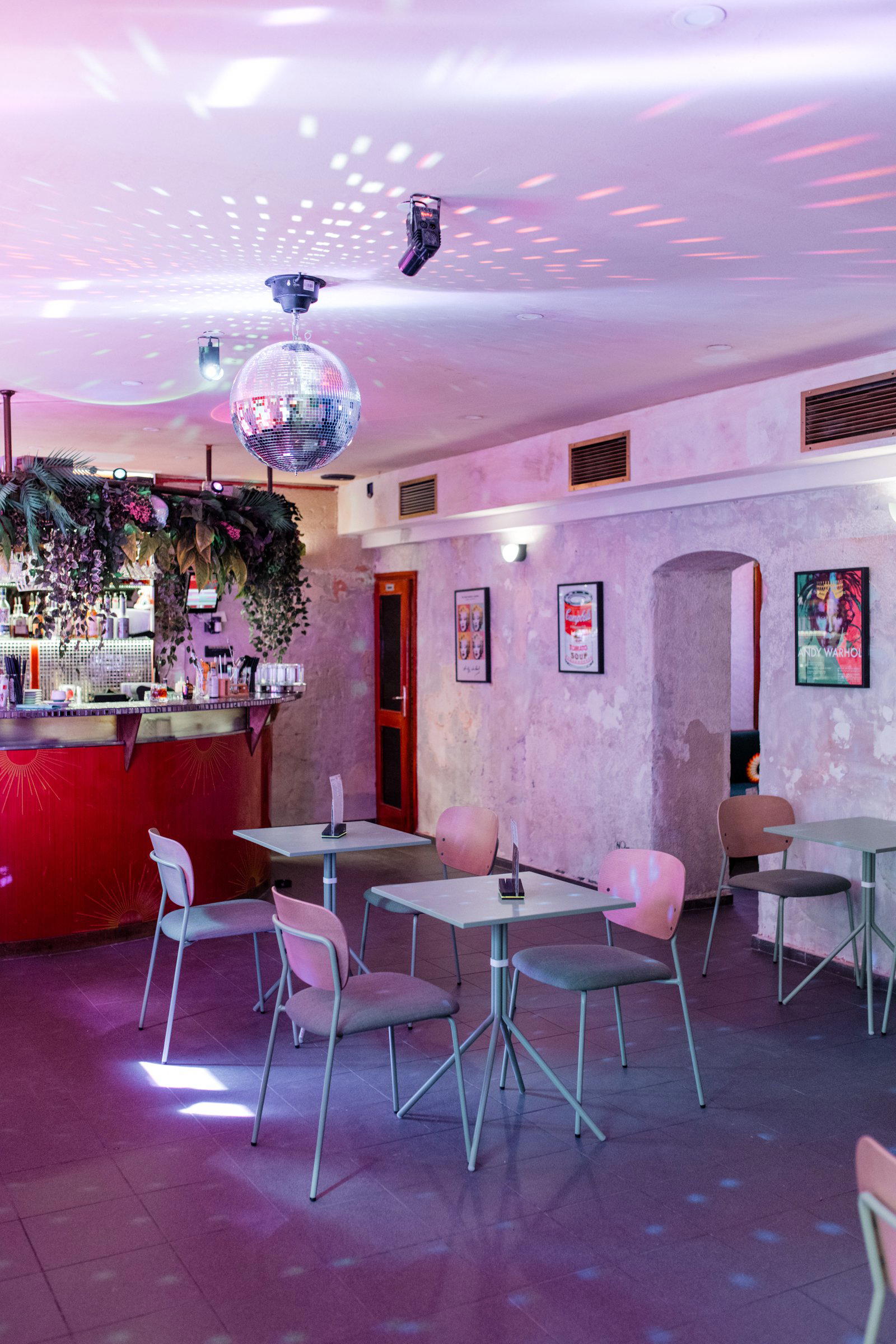
Bars in Sveti Ivan Zelina
Browse all →

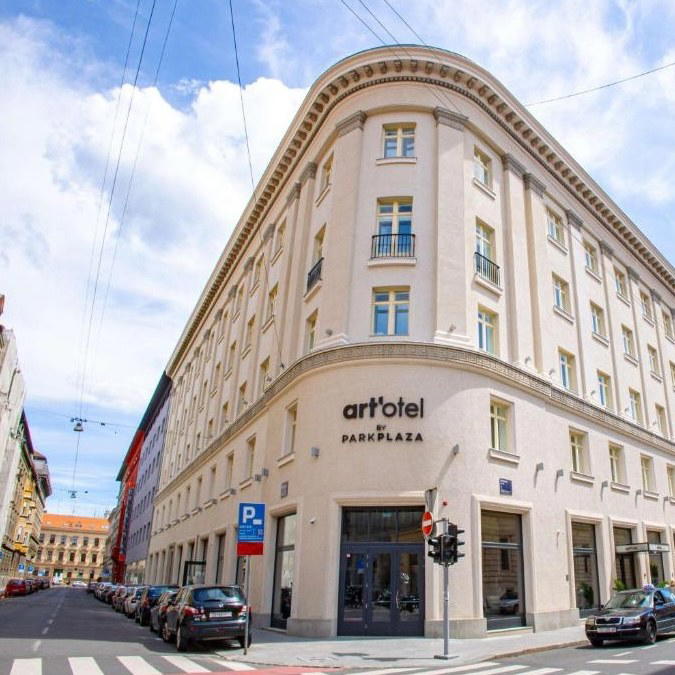
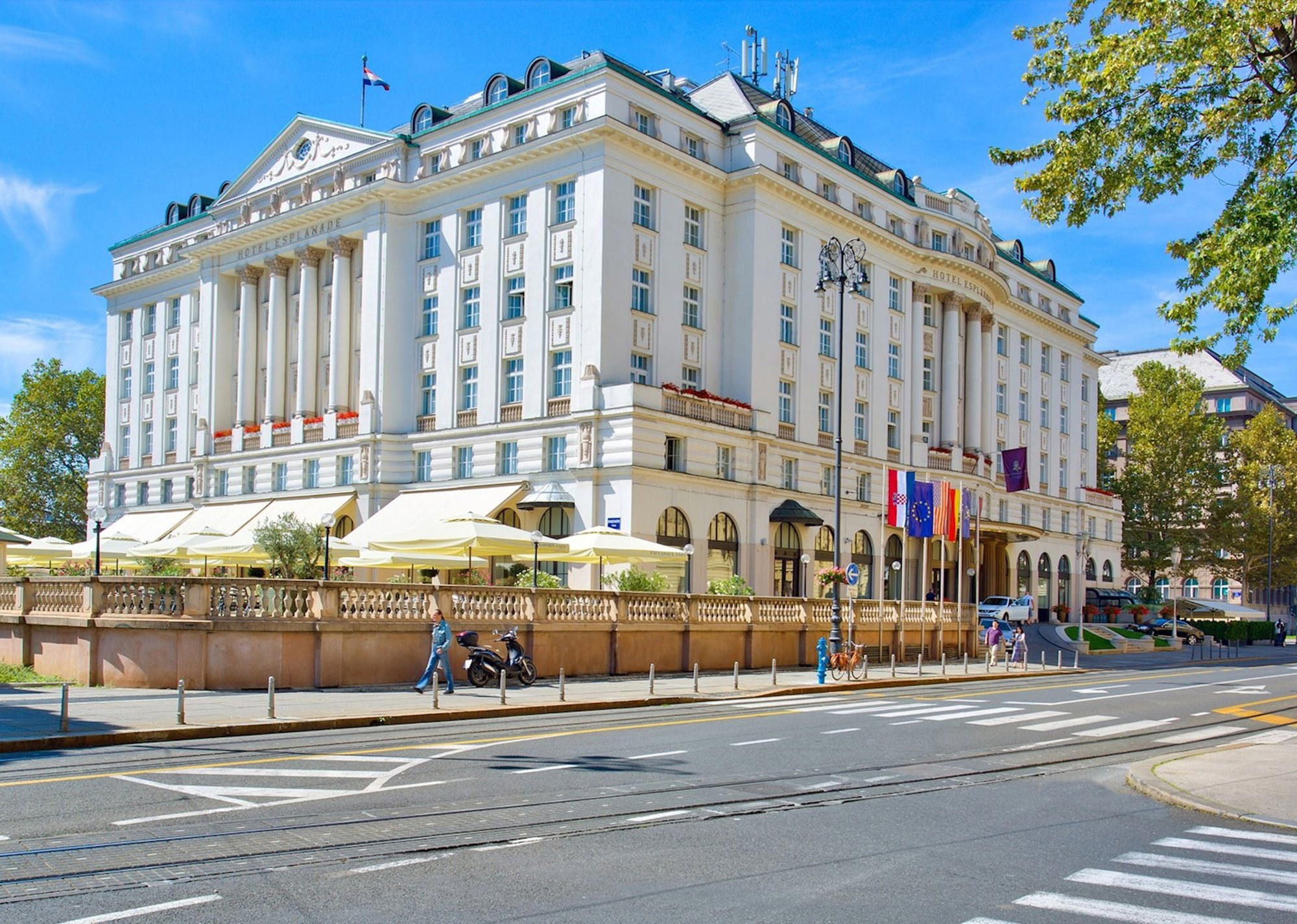
Hotels in Sveti Ivan Zelina
Browse all →

At a Glance
- Rustic
- Cozy
- Family
- Group Dining
- Casual Hangout
- Terrace
- Local Sourcing
- Vineyard
Current opening hours
- Monday
- 7 AM–10 PM
- Tuesday
- 7 AM–10 PM
- Wednesday
- 7 AM–10 PM
- Thursday
- 7 AM–10 PM
- Friday
- 7 AM–10 PM
- Saturday
- 7 AM–10 PM
- Sunday
- Closed
Hours can change for holidays and private events. Last verified .
Rustic and scenic atmosphere among vineyards with terrace seating.