Isara Thai and Japanese Restaurant
On a quiet residential street in Lytham St Annes, Isara brings Thai and Japanese cooking together under one roof, a combination that places it at an interesting point on the Fylde Coast dining map. In a town where independent restaurants operate against a backdrop of seaside informality, a dual-cuisine format signals ambition above the local baseline. Worth understanding before you book.
Pearl is the En Primeur Club membership app — saves, bookings, and concierge access live there. Same editors, same standards.
- Address
- 19 St Andrew's Rd S, Lytham Saint Annes FY8 1SX, United Kingdom
- Phone
- +441253543353
- Website
- isararestaurant.co.uk
- Directions
- Get directions
 Saves & bookings on Pearl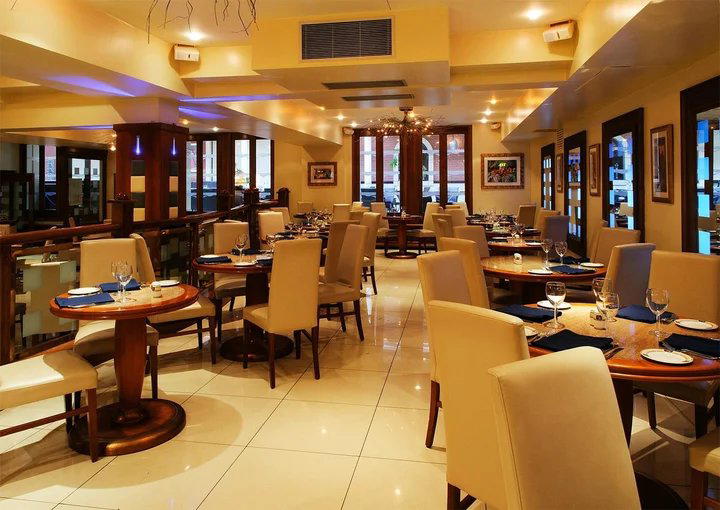
Where the Fylde Coast Meets Southeast Asia and Japan
Lytham St Annes occupies a particular position in the north of England's dining geography. The town sits along the Lancashire coastline with a quieter, more residential character than its neighbour Blackpool, and its restaurant scene reflects that temperament: smaller independents, local regulars, and occasional ambition that punches above what the postcode might suggest. It is into this context that Isara Thai and Japanese Restaurant arrives, occupying a spot on St Andrew's Road South that draws on two of Asia's most technically demanding culinary traditions.
Combining Thai and Japanese cooking under one roof is a format that has grown across mid-sized British towns over the past decade, but the combination carries real culinary logic when handled with care. Both traditions share a deep investment in ingredient quality and balance, Thai cooking through the interplay of aromatic herbs, fish sauce, and citrus; Japanese cooking through precision sourcing of protein and a restraint that lets primary ingredients carry the dish. Whether a kitchen is genuinely working in both modes or defaulting to a simplified pan-Asian register is usually visible on the plate, and it is the sourcing and technique applied to each tradition that separates serious operators from generic ones.
The Ingredient Question: Why Sourcing Defines This Kind of Kitchen
Across the United Kingdom, the restaurants that have made dual-Asian formats work at a credible level are those that treat each cuisine's sourcing requirements separately rather than blending them into a single supply chain. Thai cooking at any serious level depends on access to fresh galangal, makrut lime leaves, lemongrass, and Thai basil, ingredients whose aromatic intensity fades quickly and whose substitution is immediately detectable. Japanese cooking, particularly where raw fish, sashimi-grade seafood, or delicate dashi-based preparations are involved, demands cold-chain rigour and a supplier relationship that prioritises freshness over volume.
For a restaurant in Lytham St Annes, sourcing those ingredients requires deliberate logistics. The Fylde Coast has access to strong Lancashire produce networks and proximity to the port activity at Fleetwood, which has historically supplied seafood across the north-west. That regional seafood infrastructure matters for any kitchen working with fish at a Japanese standard of freshness. The degree to which Isara taps those local supply lines, or sources specialist Asian ingredients through dedicated wholesale routes into the region, will shape everything about what arrives at the table. In the UK's broader premium dining conversation, this kind of sourcing discipline is what separates venues like L'Enclume in Cartmel or Moor Hall in Aughton from the rest of the field, both have built reputations on supply-chain specificity that most kitchens never achieve.
Ingredient sourcing in the context of Thai-Japanese fusion is worth understanding because it determines the register the kitchen is operating in. A restaurant using frozen or pre-prepared components will produce a recognisable but fundamentally different dish from one sourcing live seafood and daily-prepared curry pastes. The distinction is not always obvious from a menu description, but it becomes apparent in the texture of a green curry paste, the bite of tempura batter, or the temperature and condition of sashimi. These are the signals worth reading when deciding how to approach an evening at Isara.
The Broader Context: Asian Dining Beyond the City
Much of the critical attention around serious Asian cooking in the UK concentrates in London and a handful of major cities. The high-end Korean and Japanese tier in New York, represented by venues like Atomix, or the French-influenced seafood precision of Le Bernardin, sets a global reference point that filters, eventually, into how kitchens outside major cities interpret their own standards. The question for a restaurant like Isara is how much of that broader technical conversation has informed its kitchen, and whether the dual-cuisine model is being executed with discipline or primarily as a commercial convenience.
Outside London, Asian restaurants in smaller British towns face a different competitive context. They are rarely measured against Michelin benchmarks in the way that restaurants like Opheem in Birmingham or Restaurant Sat Bains in Nottingham are, but the absence of that formal recognition structure does not lower what a kitchen can or should achieve. Particularly technically considered cooking in the UK happens in exactly these kinds of mid-sized towns, in rooms without awards infrastructure but with clear ingredient discipline and consistent kitchen standards. The presence of a Thai and Japanese kitchen on the Fylde Coast is an opportunity the local dining scene did not necessarily have before, and it carries genuine interest for visitors to the area who would otherwise default to the more familiar end of the local restaurant offer.
Visiting Isara: What to Know Before You Go
Isara Thai and Japanese Restaurant is located at 19 St Andrew's Road South, Lytham St Annes, FY8 1SX. The address puts it within the walkable core of Lytham itself, accessible from the town's main commercial streets and a short distance from the seafront. Lytham St Annes is served by the Blackpool South rail line, with Ansdell and Fairhaven station and St Annes-on-the-Sea station both within reasonable walking distance of the town centre.
Given the dual-cuisine scope of the menu, the kitchen is covering considerable ground, and visiting with an appetite for exploration across both the Thai and Japanese sections of the offer will give the fullest picture of what the restaurant does. At restaurants operating across two Asian traditions, the depth on any given section of the menu tends to reward guests who order deliberately rather than defaulting to particularly familiar options. Speaking with staff about which dishes represent the kitchen at its most considered is a reasonable approach, particularly on a first visit.
For context on what premium dining looks like at the opposite end of the UK spectrum, these restaurants provide reference points: CORE by Clare Smyth in London, Waterside Inn in Bray, Le Manoir aux Quat'Saisons in Oxford, Gidleigh Park in Chagford, Hand and Flowers in Marlow, hide and fox in Saltwood, Midsummer House in Cambridge, Restaurant Andrew Fairlie in Auchterarder, The Glenturret Lalique in Crieff, Ynyshir Hall in Machynlleth, and 33 The Homend in Ledbury, useful calibration for travellers moving between dining registers on a broader UK itinerary.
Fast Comparison
Comparable venues nearby, for context on price, style, and recognition.
| Venue | Cuisine | Price | Notes |
|---|---|---|---|
| Isara Thai and Japanese RestaurantThis venue — the venue you are viewing | Thai and Japanese Fusion | $$ | Not listed |
| Khao Thai Eatery | Authentic Thai | $$ | Preston city centre |
| Aquavit | Dining | Not listed | London |
| Grand Imperial | Dining | Not listed | London |
| Corner Shop | Basque & Catalan Tapas | $$ | Yorkhill/Finnieston |
| Naamyaa | Dining | Not listed | London |
Continue exploring
More in Lytham St Annes
Restaurants in Lytham St Annes
Browse all →
Bars in Lytham St Annes
Browse all →

At a Glance
- Cozy
- Trendy
- Date Night
- Family
Current opening hours
- Monday
- Closed
- Tuesday
- 4–10 PM
- Wednesday
- 1–10 PM
- Thursday
- 1–10 PM
- Friday
- 1–10 PM
- Saturday
- 1–10 PM
- Sunday
- 1–10 PM
Hours can change for holidays and private events. Last verified .
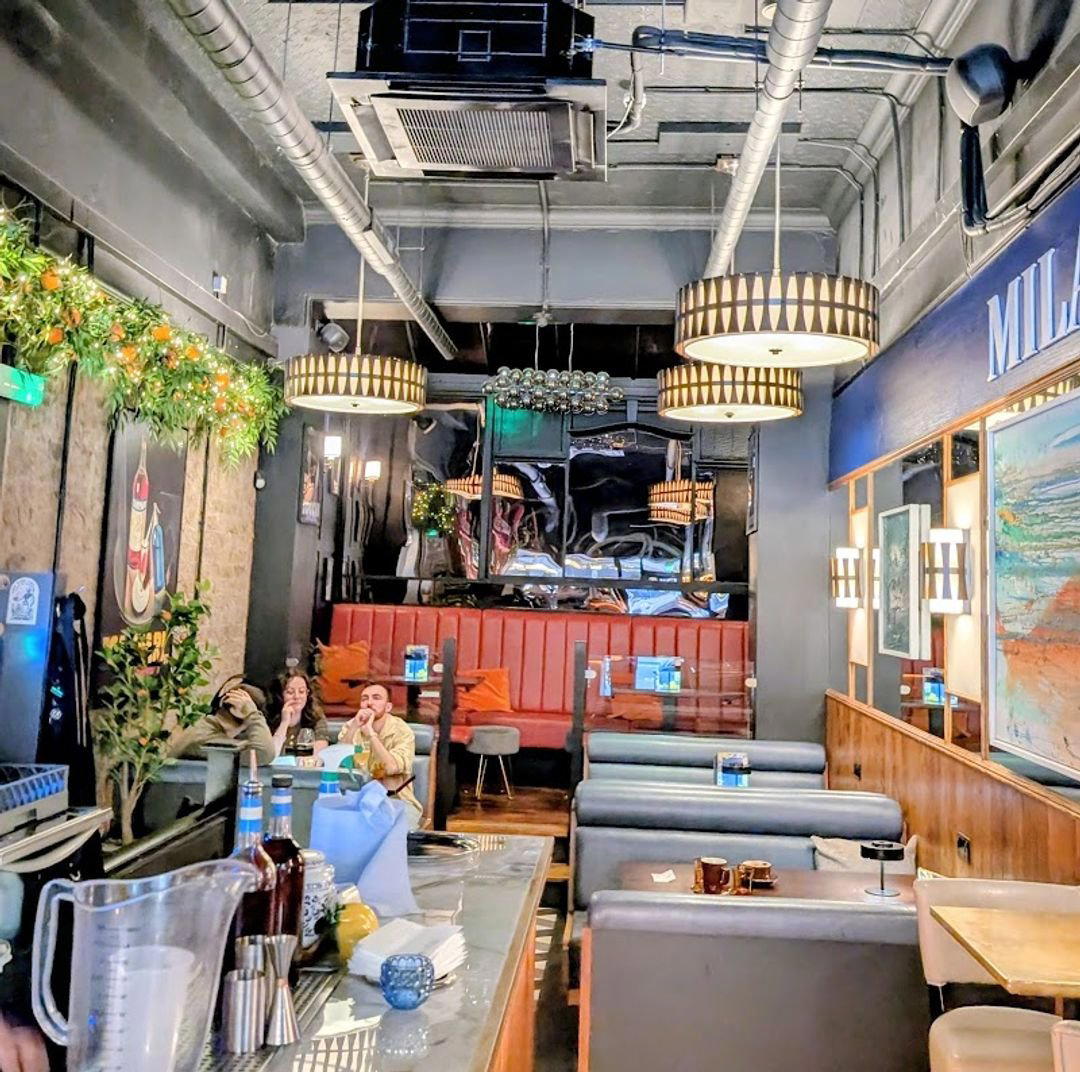
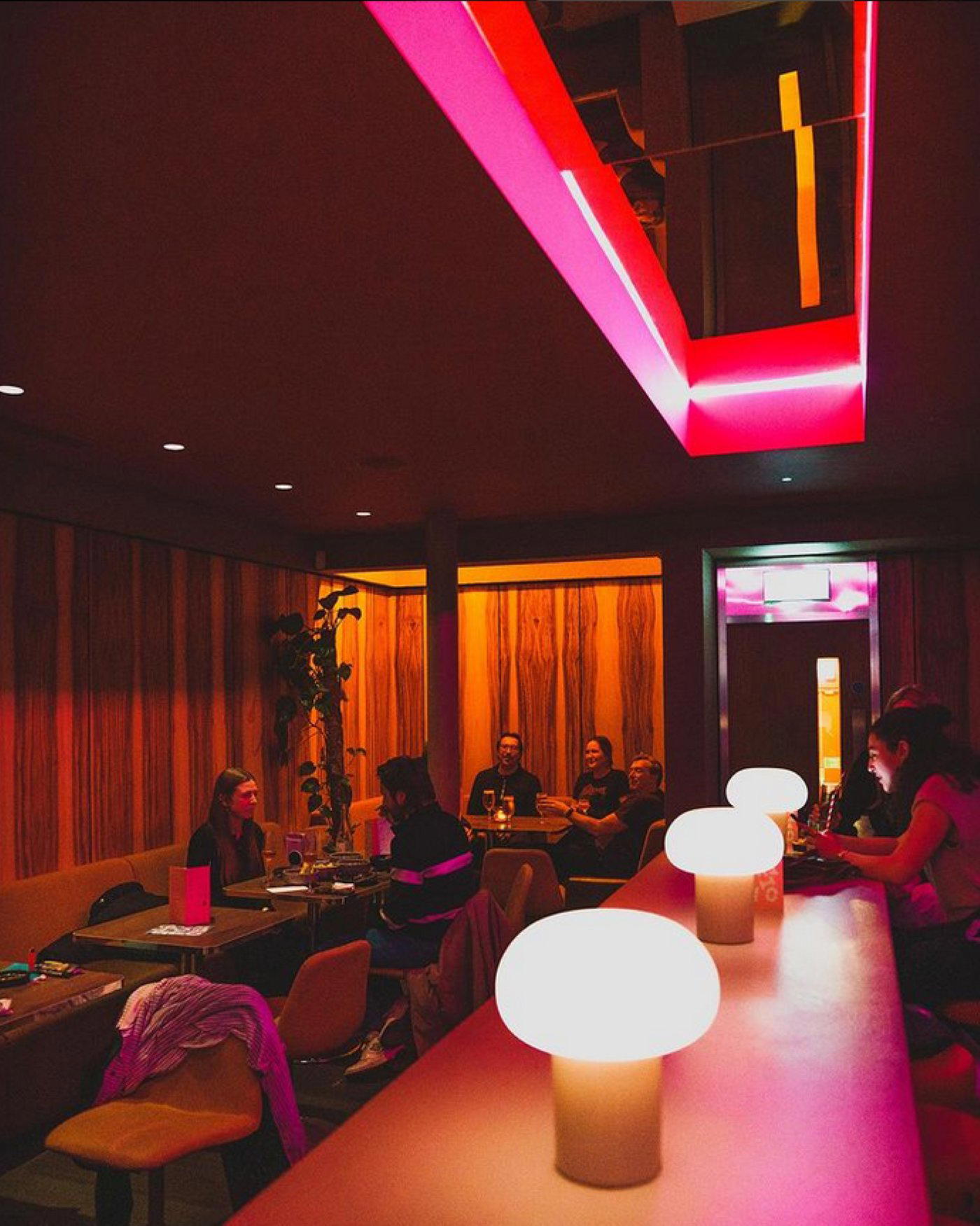
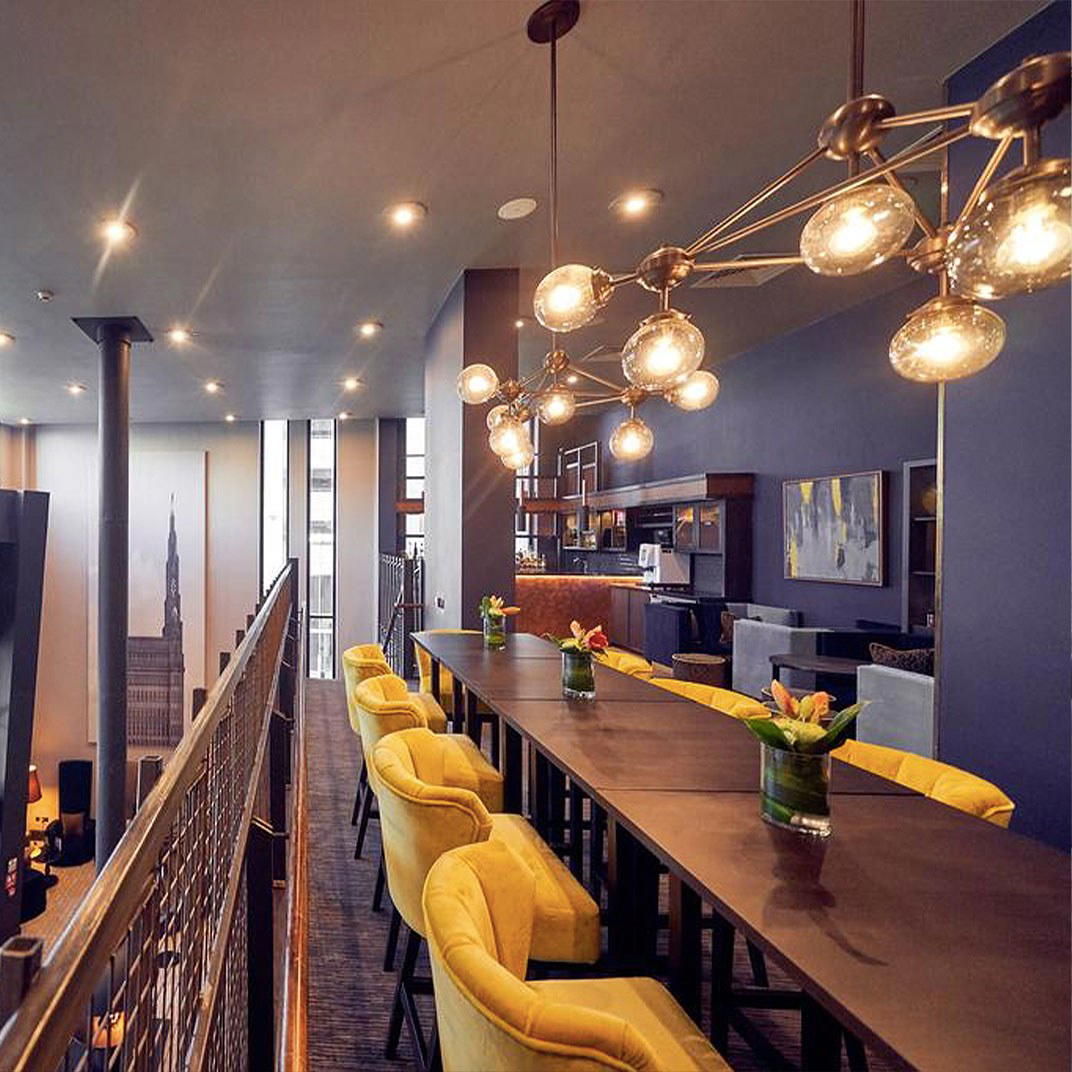
Colorful, clean, and welcoming underwater-themed interior with comfortable seating and a fun seaside vibe.