Irma's

Irma's at 22 N Chenevert St has anchored downtown Houston's Mexican dining scene for decades, drawing a cross-section of city hall regulars, construction workers, and visiting journalists who all line up for the same house-made tortillas and hand-lettered daily menu. It is the kind of institution that functions as a civic reference point rather than a restaurant choice — a place that tells you something real about how Houston eats.
Pearl is the En Primeur Club membership app — saves, bookings, and concierge access live there. Same editors, same standards.
- Address
- 22 N Chenevert St, Houston, TX 77002
- Phone
- +17132220767
- Website
- irmasoriginal.com
- Directions
- Get directions
 Saves & bookings on Pearl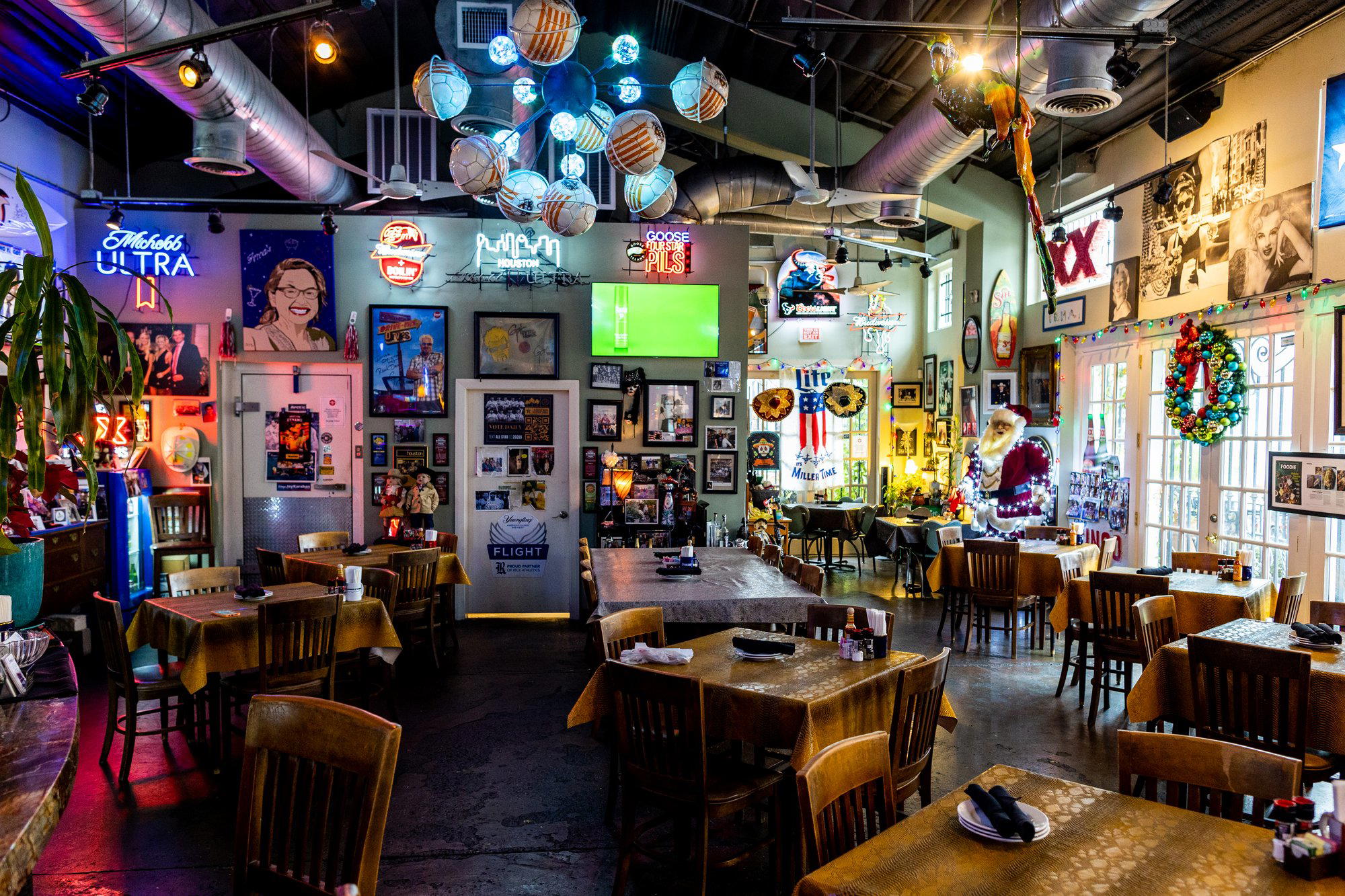
Where Downtown Houston Actually Eats
There is a particular kind of restaurant that cities build their dining identity around without ever quite explaining why. Not the tasting-menu address that earns the press coverage, not the hotel dining room that draws the expense accounts, but the counter or family dining room that has been absorbing the full social range of a city for long enough that it has become infrastructure. In Houston, that role in the downtown corridor belongs to Irma's, at 22 N Chenevert Street, a short walk from City Hall and the municipal courts.
The building itself announces nothing. The surrounding blocks mix county offices, parking structures, and the kind of urban Texas streetscape that prioritizes function over atmosphere. Walk past without knowing what you are looking for and you likely will. Walk in, and the room tells a different story: handwritten menu boards, tables that seat strangers alongside regulars, and a midday energy that has less to do with dining-as-performance and everything to do with the serious business of eating lunch.
Mexican Home Cooking as Civic Tradition
Houston's Mexican food culture is broader and more internally varied than the city's national dining reputation tends to suggest. The same metro area that supports high-concept masa programs like Tatemó and formal tasting rooms like March also sustains a deep network of family-run Mexican kitchens operating in a register that is harder to categorize but no less serious. Irma's belongs to the latter tradition: a style of cooking rooted in home technique, daily preparation, and an understanding that the meal is as much a social act as a culinary one.
Mexican home cooking in this mode is not a simplified version of restaurant food. It operates by its own standards, where handmade tortillas, long-simmered proteins, and freshly prepared salsas carry more weight than presentation or portion architecture. The daily menu format that Irma's employs, written out by hand and reflecting what was sourced and prepared that morning, is itself a cultural signal: it is how Mexican home cooks have always communicated what is available, and it places the kitchen's judgment, not the diner's preference, at the center of the meal.
That approach sits at some distance from the $$$$ tier that defines Houston's most formal dining rooms. Where Musaafer interprets Indian regional cooking through a fine-dining framework, and BCN Taste & Tradition positions Spanish cuisine in a formal European register, Irma's operates without that kind of mediation. The cooking is the point. The room is incidental. The value proposition is the food itself, prepared the same way regardless of who is sitting at the table.
The Daily Menu as Editorial Statement
In an era when American restaurants have largely moved toward fixed printed menus that rotate seasonally at leading, the handwritten daily board functions as a statement of intent. It tells the diner that the kitchen is working close to its sourcing, that flexibility is built into the operation, and that the discipline of daily preparation has not been traded away for logistical convenience. This format is common in traditional Mexican family restaurants and in some of the most acclaimed tasting-room kitchens in the country, though the two traditions arrive at it by different routes: one from necessity and cultural practice, one from ideology. Irma's approach is the former, and that distinction matters.
The hand-lettered menu also functions as a social leveler. Everyone in the room reads the same board, asks the same questions, and makes choices from the same set of options. There is no wine list to signal status, no prix-fixe tier to separate the committed from the casual. This is not an accident of scale. It is how this style of restaurant is meant to work, and it is part of why the dining room consistently draws the full range of Houston's downtown working population rather than a self-selecting dining public.
Houston's Downtown Dining Context
Downtown Houston has historically been an underperforming dining neighborhood relative to Montrose, the Heights, or the Galleria corridor. The office-tower lunch trade has sustained a handful of addresses, but the area lacks the residential density that drives evening dining culture. That makes the restaurants that have built genuine loyalty in the corridor more significant as neighborhood institutions, not less. Irma's longevity in this environment is itself a data point: it has maintained a following through multiple cycles of downtown Houston's development without repositioning or reinventing itself.
The broader Houston dining scene now includes a range of formally recognized addresses. Le Jardinier Houston represents the French fine-dining register. The tasting-menu tier is covered by a set of kitchens that benchmark against national peers like The French Laundry, Alinea, Blue Hill at Stone Barns, and Providence. At the other end of the formality spectrum, kitchens like Irma's anchor a tradition that those tasting rooms implicitly depend on: the deep familiarity with a cuisine's foundational techniques that only comes from decades of daily practice. You find the same dynamic in cities like New Orleans, where Emeril's occupies a different register from the neighborhood institutions that define the city's actual food identity.
Planning a Visit
Irma's operates primarily as a lunch destination, consistent with its downtown location and the working-day rhythm of its core clientele. Arriving at or shortly after opening avoids the midday rush from nearby municipal and courthouse crowds. The address, 22 N Chenevert St, places the restaurant within walking distance of several downtown Houston landmarks and is accessible from multiple Metro rail stops. Given the daily menu format, calling ahead to confirm current offerings is advisable, though walk-ins are the norm rather than the exception. Dress is not a consideration. Budget expectations should align with a neighborhood lunch counter, not a formal dining room: this is among the more accessible price points in the Houston dining circuit, and that accessibility is structural, not incidental.
For visitors building a fuller picture of Houston's dining range, our full Houston restaurants guide maps the city's key neighborhoods and categories. Irma's sits at a different point on that map than addresses like Atomix-tier tasting experiences or internationally recognized rooms like 8½ Otto e Mezzo Bombana, but it is no less considered a reference point for understanding what a city's food culture actually consists of, beyond its formal dining tier. Comparable institutions in other cities, from Lazy Bear's San Francisco context to the regional specificity of Single Thread Farm or The Inn at Little Washington, each reflect a local dining character that formal rankings alone do not capture. Irma's is Houston's version of that argument, made simply and without elaboration, every weekday at lunch. Similarly, Addison in San Diego and Le Bernardin in New York represent institutions that have earned civic reference status through consistency rather than reinvention — a quality Irma's shares, at its own price point and on its own terms.
How Irma's Houston compares with similar nearby venues.
| Venue | Cuisine | Price |
|---|---|---|
| Vic & Anthony’s | Steakhouse | Not listed |
| Theodore Rex | New American, Contemporary | $$$ |
Recognition history
Dated appearances from independent guides and award organizations, with the underlying list record or original source where available.
Diners, Drive-Ins and Dives Featured Restaurant
Diners, Drive-Ins and Dives · 2026 Diners, Drive-Ins and Dives Featured Restaurants
Continue exploring
More in Houston
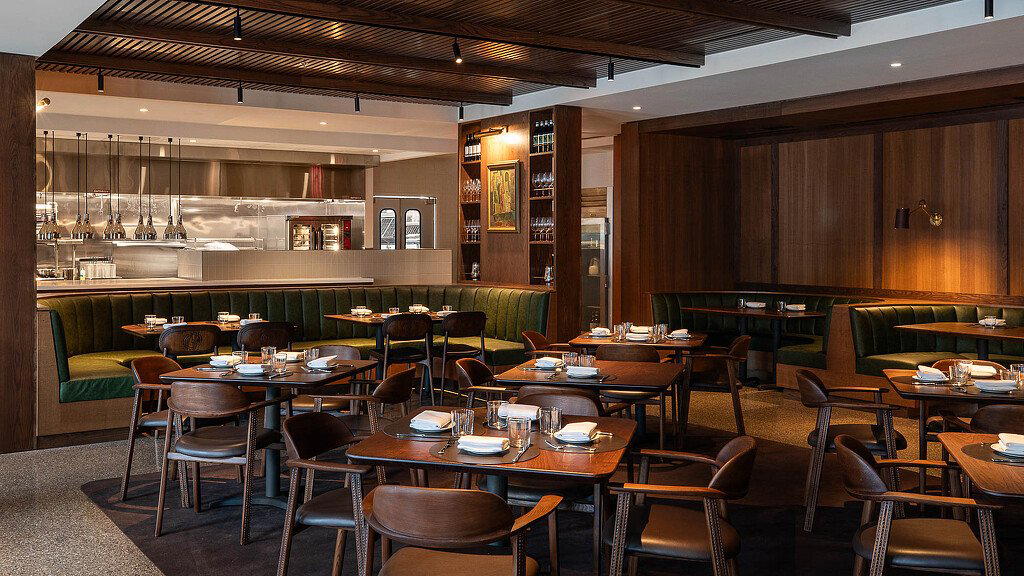
Restaurants in Houston
Browse all →
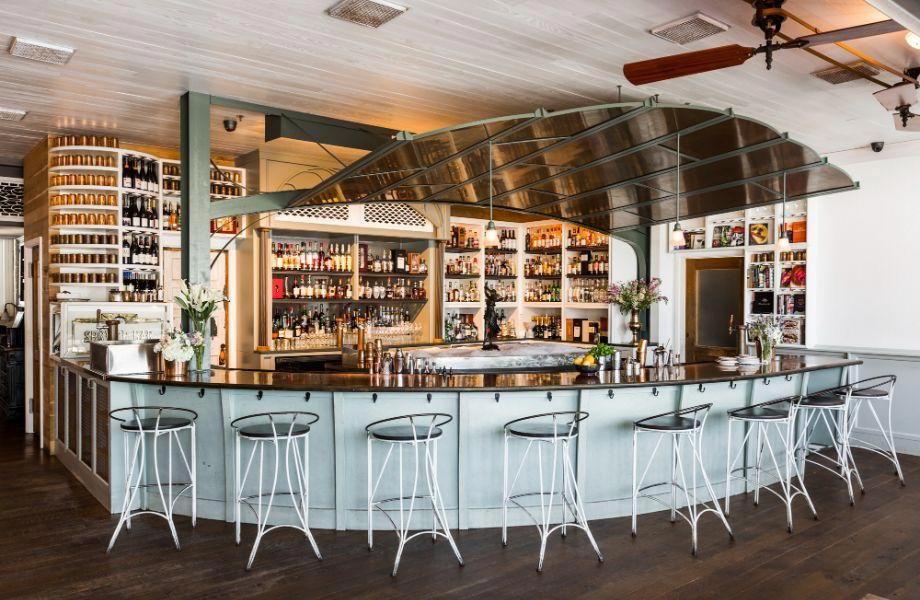
Bars in Houston
Browse all →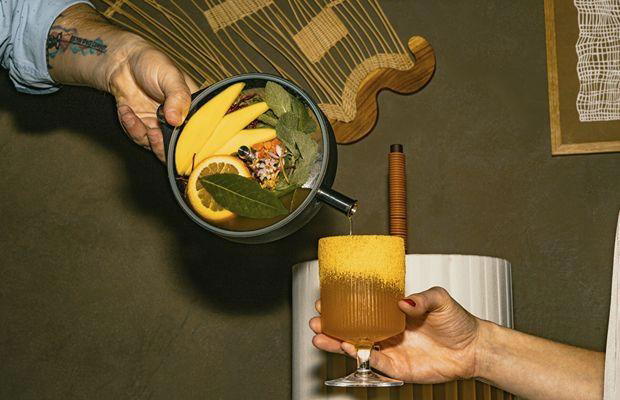
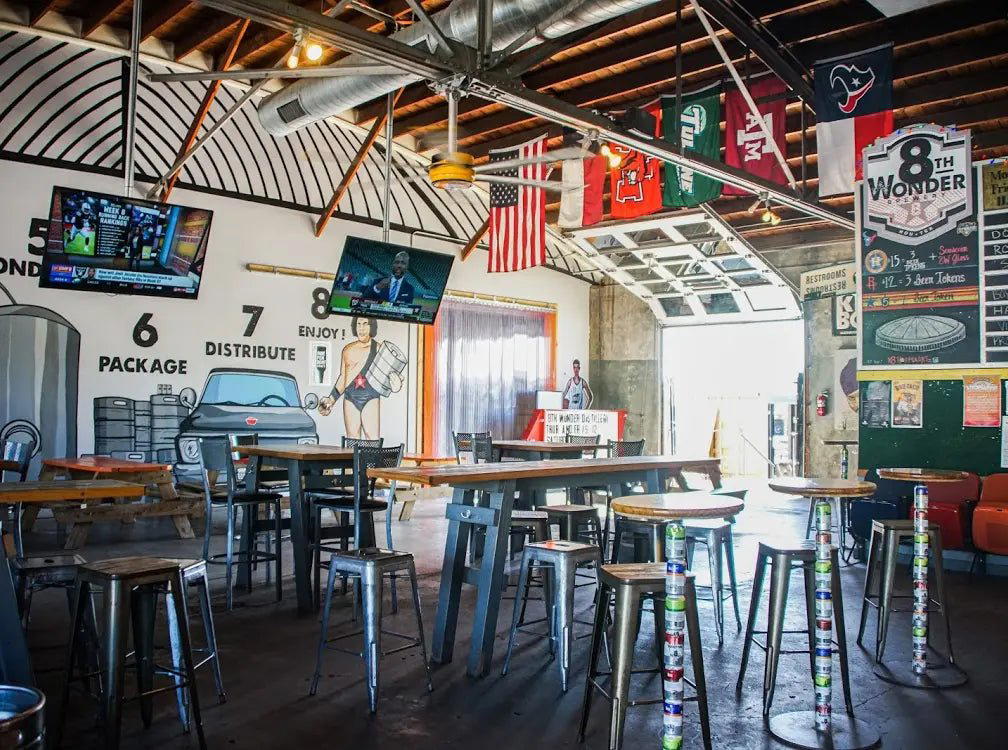

Hotels in Houston
Browse all →
At a Glance
- Cozy
- Classic
- Well Known
- Rustic
- Casual Hangout
- Business Dinner
- Group Dining
- Family
- Standalone
- Historic Building
- Local Sourcing
Current opening hours
- Monday
- 8 AM–3 PM
- Tuesday
- 8 AM–7 PM
- Wednesday
- 8 AM–7 PM
- Thursday
- 8 AM–7 PM
- Friday
- 8 AM–9 PM
- Saturday
- 4–9 PM
- Sunday
- Closed
Hours can change for holidays and private events. Last verified .
Eclectic, home-filled atmosphere with bric-a-brac, vintage furnishings, and celebrity photos; warm and welcoming with a nostalgic, intimate feel.
Know Before You Go
- Getting there
- 22 N Chenevert St, Houston, TX 77002