Irawaddy Taste of Burma
On Katella Avenue in Stanton, Irawaddy Taste of Burma represents one of the few dedicated Burmese kitchens in Orange County, a region where the cuisine remains genuinely underrepresented. The cooking draws on Myanmar's position at the crossroads of South and Southeast Asian culinary traditions, producing dishes that read differently from Thai, Chinese, or Indian food despite sharing ingredients with all three. For anyone tracking how immigrant food traditions take root in Southern California, this is a meaningful stop.
Pearl is the En Primeur Club membership app — saves, bookings, and concierge access live there. Same editors, same standards.
- Address
- 7076 Katella Ave, Stanton, CA 90680
- Phone
- +17142528565
- Website
- eatburma.com
- Directions
- Get directions
 Saves & bookings on Pearl
Where Burmese Cooking Meets the Orange County Strip
Katella Avenue in Stanton is not a destination dining corridor. It is a working commercial stretch of the kind that lines most of inland Orange County, where strip malls anchor practical businesses and the food that matters most tends to sit behind modest signage. Irawaddy Taste of Burma occupies exactly that kind of space at 7076 Katella Ave, and the setting is itself a signal: this is a kitchen focused on the food, not the room. In a county where Burmese cuisine has almost no dedicated representation, the address is beside the point.
Myanmar's culinary tradition is among the most geographically logical in Southeast Asia and among the least understood outside diaspora communities. The country shares borders with China, India, Thailand, Laos, and Bangladesh, and the cooking reflects each of those adjacencies without being reducible to any of them. Fermented ingredients, including the pungent shrimp paste known as ngapi and the preserved tea leaves central to laphet, anchor flavor profiles that have no direct equivalent in more familiar Southeast Asian cuisines. Dishes carry a layered sourness, an oiliness, and a depth of fermentation that require specific sourcing to execute properly.
The Sourcing Logic Behind Burmese Flavor
What separates a credible Burmese kitchen from an approximation is largely a question of ingredients. Laphet thoke, the fermented tea leaf salad that functions as something of a national dish, depends on properly cured tea leaves that bear almost no resemblance to dried tea for brewing. The leaves are fermented over weeks or months, producing a bitter, slightly sour, intensely savory base that gets dressed with fried garlic, sesame seeds, dried shrimp, peanuts, and sliced tomatoes. The textural and flavor contrast in a well-made laphet thoke is the product of that curing process, and there is no shortcut ingredient that replicates it.
The same logic applies to mohinga, Myanmar's rice noodle soup built on a catfish broth with lemongrass, ginger, banana stem, and chickpea flour as a thickening agent. The banana stem is not a decorative garnish; it provides a fibrous texture and mild bitterness that counterbalances the richness of the fish broth. Sourcing it requires access to Asian grocery supply chains that extend beyond the mainstream. Stanton and the surrounding cities in west Orange County sit within reach of the ingredient infrastructure that makes this kind of cooking feasible, with large Asian supermarkets in nearby Garden Grove, Westminster, and Anaheim that stock the fermented pastes, dried seafood, and specialty produce that Burmese cooking demands.
For broader context on how American restaurants engage seriously with sourcing as a culinary framework, properties like Blue Hill at Stone Barns in Tarrytown and Single Thread Farm in Healdsburg have made ingredient provenance central to their editorial identity. At Irawaddy, the sourcing imperative comes from a different direction: not farm-to-table philosophy, but diaspora necessity. Getting the ingredients right is what makes the food recognizable to the community it serves.
Burmese Cuisine in the Southern California Context
Southern California's immigrant food ecosystem is deep, but it is uneven. Vietnamese, Thai, Chinese, Korean, and Filipino cuisines each have established corridors with multiple competing kitchens at various price points. Burmese food does not. The community is smaller, the diaspora more dispersed, and the cuisine less familiar to non-Burmese diners who might seek it out. This makes dedicated kitchens like Irawaddy disproportionately important to anyone trying to track the full range of what the region's food scene actually contains.
The comparison set for Irawaddy is not the fine dining tier represented by places like Providence in Los Angeles or Addison in San Diego. Those restaurants operate in a different register entirely, with tasting menus, sommelier programs, and Michelin recognition that position them against national peers such as Le Bernardin in New York City, Alinea in Chicago, or Lazy Bear in San Francisco. Irawaddy's significance is categorical rather than hierarchical: it fills a gap in the cuisine map that no other kitchen in the immediate area covers. That function carries its own kind of authority.
For a sense of how other cities handle the preservation and presentation of underrepresented culinary traditions, Atomix in New York City offers an instructive counterpoint on the premium end of Korean cuisine, while operations like Causa in Washington, D.C. and Bacchanalia in Atlanta show how regional American cities build culinary identity through specific, committed cooking. Frasca Food & Wine in Boulder and Brutø in Denver demonstrate similar commitment in the Mountain West. Across all of these, the through-line is specificity: the willingness to do one thing with depth rather than many things at surface level. Burmese food, at its core, demands that same discipline.
Visiting and Planning
Irawaddy Taste of Burma sits at 7076 Katella Ave in Stanton, accessible by car from central Orange County and from Los Angeles via the 5 or 22 freeways. Stanton is a small city without a strong pedestrian dining district, so the practical approach is to drive, park, and eat. Given the limited number of Burmese kitchens in the region, it is worth calling ahead or checking current hours before visiting, as smaller independent restaurants in this category can adjust their schedules seasonally. The full Stanton restaurants guide covers the broader dining picture for the city if you are building an itinerary around the area. For those exploring the wider Stanton dining scene, Leaping Hare offers a Modern British perspective that rounds out the local options. On the national fine dining circuit, Emeril's in New Orleans, The French Laundry in Napa, and The Inn at Little Washington represent the kind of destination cooking that sits at the opposite end of the accessibility spectrum, which only underscores why locally rooted kitchens like Irawaddy occupy a different but equally defensible place in how we map what American food actually looks like.
How Irawaddy Taste of Burma Stanton compares with similar nearby venues.
| Venue | Cuisine | Price |
|---|---|---|
| Ramen & Tsukemen TAO | Japanese | $ |
| Taira Sushi & Sake | Japanese | $$$ |
| Brodard Chateau | Thai | Not listed |
Continue exploring
More in Stanton
Restaurants in Stanton
Browse all →
Bars in Stanton
Browse all →
Hotels in Stanton
Browse all →
Wineries in Stanton
Browse all →
At a Glance
- Cozy
- Family
- Casual Hangout
- Standalone
- Beer Program
Current opening hours
- Monday
- 11:30 AM–3 PM, 5–8:30 PM
- Tuesday
- 11:30 AM–3 PM, 5–8:30 PM
- Wednesday
- 11:30 AM–3 PM, 5–8:30 PM
- Thursday
- 11:30 AM–3 PM, 5–8:30 PM
- Friday
- 11:30 AM–3 PM, 5–9 PM
- Saturday
- 11:30 AM–9 PM
- Sunday
- 11:30 AM–8 PM
Hours can change for holidays and private events. Last verified .
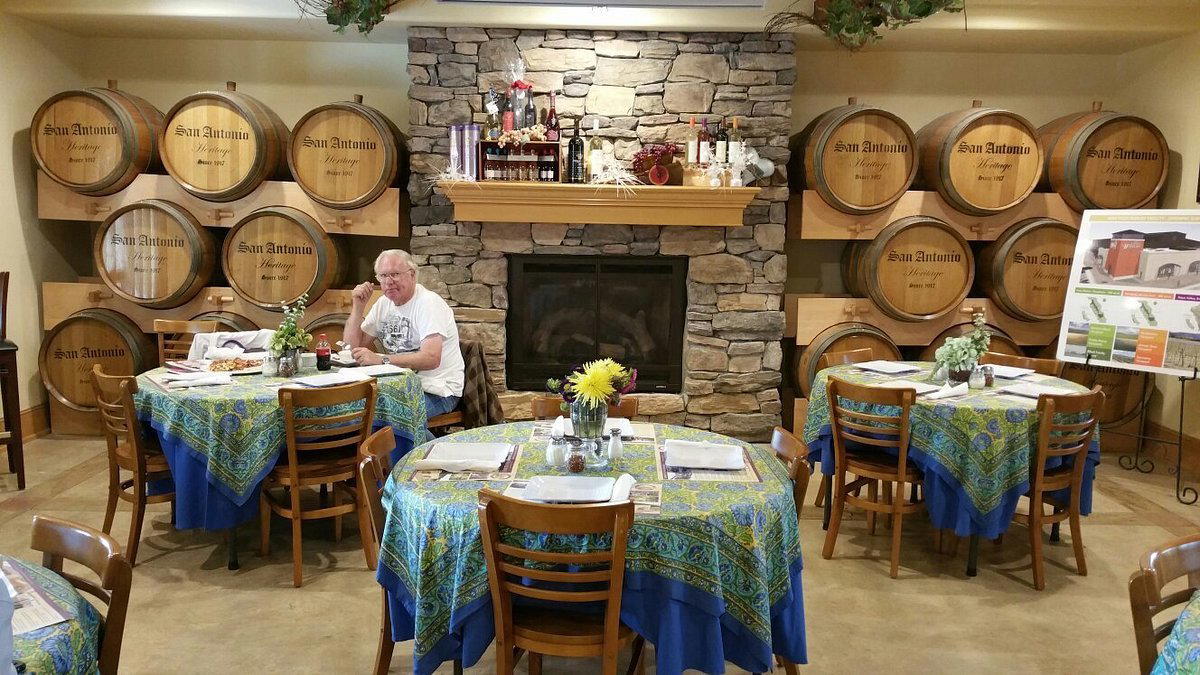
Clean and pleasant atmosphere with friendly, attentive service in a casual strip-mall setting.
Know Before You Go
- Getting there
- 7076 Katella Ave, Stanton, CA 90680