Our verdict
Ipo occupies a quiet corner of Tanakawu, Indonesia, where the surrounding region's agricultural abundance shapes what arrives at the table. In a country where ingredient provenance is increasingly the differentiator between serious kitchens and casual ones, Ipo positions itself on the sourcing side of that divide. Visitors to Tanakawu looking for a meal rooted in place will find this a worthwhile address.

Pearl is the En Primeur Club membership app, where members save venues, book tables and use the concierge.
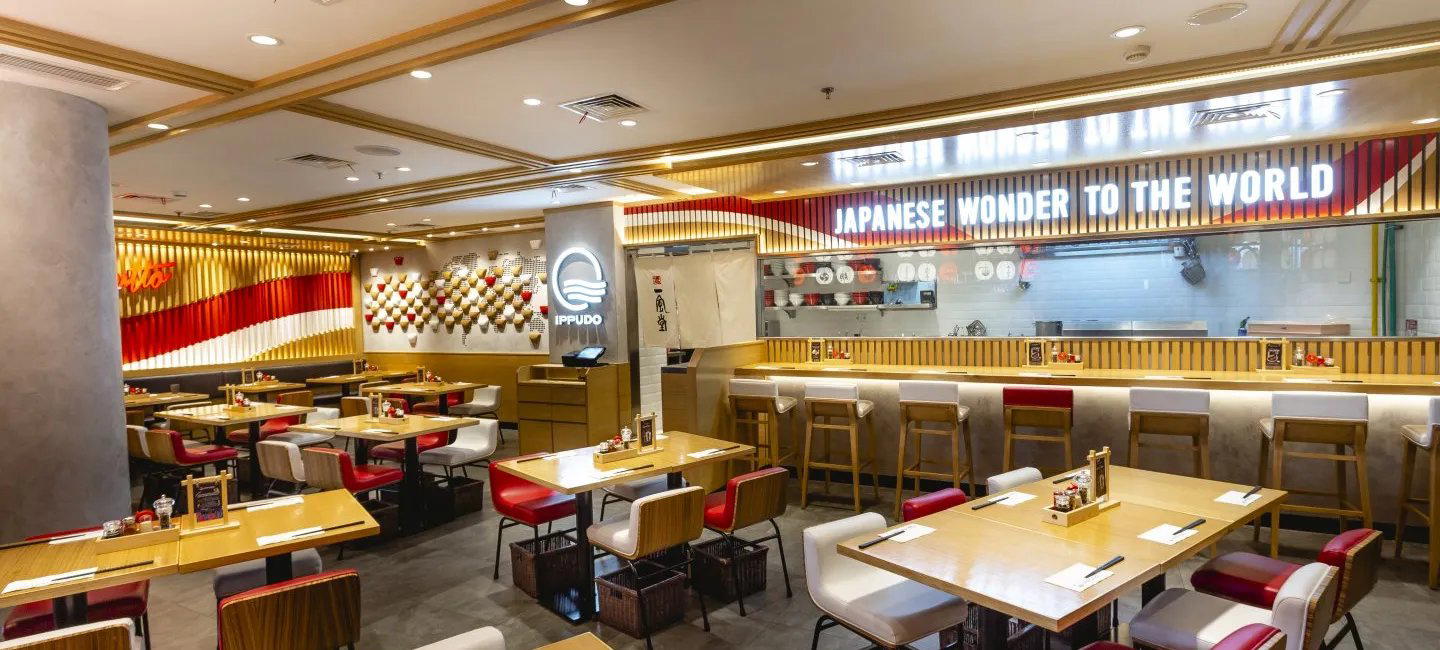
Where the Produce Does the Talking
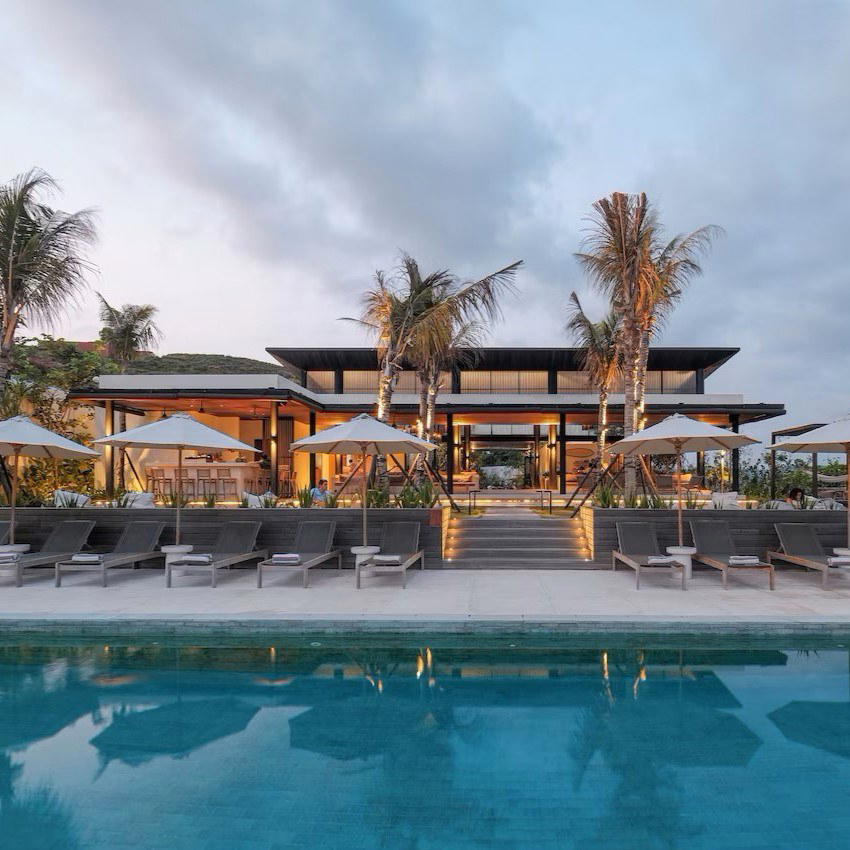
Tanakawu sits within one of Indonesia's more fertile agricultural pockets, and the kitchens that take that geography seriously tend to produce food that feels distinctly of its place rather than imported in style and ambition. Arriving at Ipo, the first impression is less about architectural spectacle and more about the quiet confidence of a room that doesn't feel the need to compete with the landscape outside. The materials are local, the pace is unhurried, and what reaches the table carries the weight of decisions made well before service begins, at the farm gate, the morning market, or the fishing landing.
In Indonesian dining, ingredient sourcing has become the clearest dividing line between kitchens operating at a serious level and those simply feeding a tourist economy. Restaurants like Locavore NXT in Ubud have built international reputations around hyperlocal supply chains, and August in Jakarta applies a similar sourcing discipline within an urban context. Ipo operates in a different register, smaller, less publicised, embedded in a town rather than a destination resort corridor, but the underlying commitment to provenance places it within the same broader movement reshaping how Indonesia's better kitchens think about their menus.
The Sourcing Argument in Indonesian Cooking
Indonesian cuisine has always been ingredient-driven at its core. The archipelago's biodiversity means that what grows or swims within a short radius of any given kitchen is genuinely different from what's available two islands over. The problem, historically, has been that modernisation and supply chain consolidation pushed many restaurants toward the same standardised inputs regardless of location, the same distributors, the same proteins, the same produce arriving on the same refrigerated trucks. The restaurants that have broken from that model in recent years are the ones generating the most interesting food.
Tanakawu's position within its region gives a kitchen like Ipo access to ingredients that don't travel far before they're used. That proximity matters texturally and nutritionally, produce picked at the right moment, fish handled with less intervention, proteins sourced from suppliers who aren't operating at industrial scale. Across Indonesia's dining scene, from Kunyit in Bandung to Gudeg Yu Djum in Yogyakarta, the restaurants with the most loyal followings tend to be those where the food tastes specifically of somewhere rather than anywhere. Ipo belongs to that lineage.
The ingredient-first approach also shapes what isn't on a menu as much as what is. Seasonal availability determines the offer, which means the kitchen doesn't anchor itself to a fixed document that ignores what's actually growing or running. That kind of discipline is common in the kitchens earning recognition at the top of Indonesia's dining conversation, and it filters down through the mid-tier scene in ways that benefit travellers willing to leave the main resort circuits.
Tanakawu and Its Place in Indonesian Dining
Indonesia's dining geography is still largely understood through its major nodes: Bali draws the design-led international crowd to places like Bikini Restaurant in Badung and the view-driven formats of Jungle Fish in Gianyar; Jakarta produces the concentrated urban dining scene visible at addresses like Kita in Menteng and the hotpot destinations of Hai Di Lao in Central Jakarta. Towns outside those corridors receive far less editorial attention, which means the restaurants operating in them are evaluated almost entirely by word of mouth and repeat custom rather than by press cycles.
That dynamic cuts both ways. Kitchens in smaller towns lack the marketing infrastructure of their big-city counterparts, but they also operate without the cost pressures that inflate prices in Bali and Jakarta to levels that strain the value proposition. A meal at Ipo in Tanakawu positions itself against local hospitality norms rather than against the international pricing of resort-district dining. For the traveller constructing a broader Indonesian itinerary, one that moves beyond the obvious nodes, Tanakawu represents the kind of address worth building time around. Our full Tanakawu restaurants guide maps the broader scene for those planning extended stays.
Comparisons to the internationally tracked sourcing-led kitchens elsewhere in the archipelago, Locavore NXT's produce-first tasting formats, the urban fine-dining precision of August, are useful as context rather than direct benchmark. Ipo operates at a different scale and for a different primary audience, but the ingredient philosophy connects it to a conversation happening across serious Indonesian kitchens regardless of city size or Michelin proximity.
Planning Your Visit
Tanakawu is not a destination with the transport infrastructure of Bali or Java's major cities, so visitors arriving specifically for the food scene should factor in ground travel time from the nearest regional hub. Given the venue's positioning and the town's general character, booking ahead is advisable rather than optional, smaller restaurants in agricultural towns rarely hold much walk-in capacity, and the sourcing-led format means the kitchen is calibrating supply to expected covers. Dress expectations in this part of Indonesia tend toward smart casual rather than formal, and the local dining tempo skews toward unhurried meals rather than the faster turnover of urban establishments. Those coming from the international fine-dining circuit, from tracked rooms like Le Bernardin in New York or Atomix, should recalibrate expectations toward a more rooted, less theatrical experience. That recalibration is the point.
Frequently asked questions
Can I bring kids to Ipo?
Ipo is in Tanakawu, a destination that draws visitors specifically for its food scene rather than as a family resort stop.
What's the vibe at Ipo?
Tanakawu sits outside Indonesia's major dining corridors, which tends to shape the atmosphere in its kitchens: fewer performance theatrics, more focus on what's on the plate. Ipo fits that register, the surrounding agricultural context suggests a setting where the sourcing is the statement rather than the interior design. Expect something closer to a working kitchen's seriousness than a Bali-style dining spectacle.
Is Ipo worth travelling to Tanakawu specifically for, compared to dining in Bali or Yogyakarta?
Tanakawu lacks the transport infrastructure of Bali or Java's major cities, so a visit to Ipo requires deliberate planning rather than a casual detour. The argument for making the trip is the same one that applies to any regionally rooted kitchen in Indonesia: the closer a restaurant sits to its ingredient sources, the less those ingredients travel, and the more directly the food reflects a specific place. Bali and Yogyakarta offer density and convenience; Tanakawu, and Ipo within it, offers proximity to the agricultural source that urban dining nodes cannot replicate.
What do people recommend at Ipo?
What's consistent with the Tanakawu food context is that kitchens here tend to anchor their menus in hyper-local produce, so the dishes most worth ordering are typically whatever reflects what's in season in that agricultural pocket at the time of your visit. Asking the kitchen on the day is more reliable than any fixed list.
Fast Comparison
Comparable venues nearby, for context on price, style, and recognition.
| Venue | Cuisine | Price | Notes |
|---|---|---|---|
| IpoThis venue (the venue you are viewing) | Indonesian Warung | $1–10 | Not listed |
| Madame Djeli | Indonesian Peranakan | Not listed | Bogor |
| Kunyit Restaurant | Authentic Indonesian | $10–20 | central Bandung |
| Secret Garden Restaurant | Indonesian Seafood in Garden Setting | $10–20 | Anturan, Lovina Beach |
| Purnawarman Restaurant | Indonesian and Asian Buffet | $20–30 | Cicendo |
| Makan Pangrarang | Torajan Grilled Meat Skewers | Not listed | Kabupaten Tanatoraja |
Continue exploring
More in Tanakawu
Restaurants in Tanakawu
All restaurants in Tanakawu →

Bars in Tanakawu
Browse all →


Details
- Casual Hangout
- Family
- Standalone
- A La Carte
Casual and unpretentious with simple lighting and everyday local atmosphere.