Makan Pangrarang
Our verdict
Makan Pangrarang sits along the Rantepao–Makale corridor in Tana Toraja, one of Sulawesi's most culturally significant highland regions. The restaurant draws on a food tradition shaped by altitude, agriculture, and ceremony, placing it in a distinct tier among dining options in this rarely visited part of eastern Indonesia. For travellers moving through Torajan country, it represents a practical and culturally grounded stop.

Pearl is the En Primeur Club membership app, where members save venues, book tables and use the concierge.
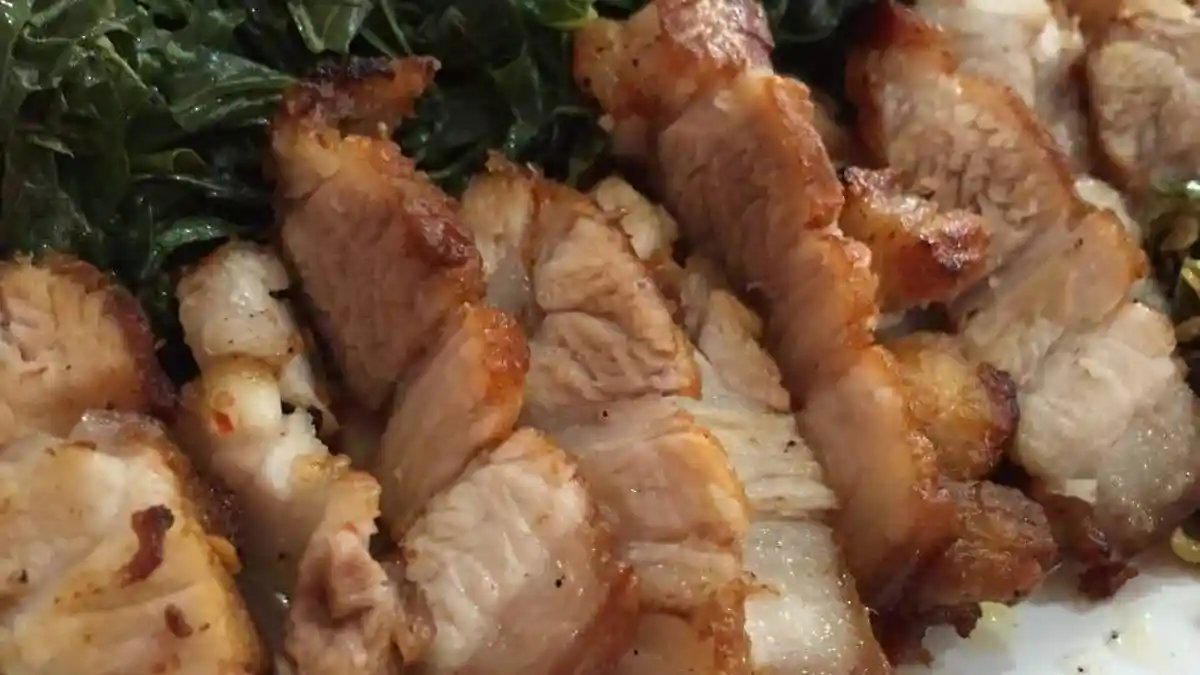
The menu
What to order
- Pangrarang
Eating at Altitude: The Torajan Table and What Feeds It
The drive along Jl. Poros Rantepao–Makale, the spine road connecting Tana Toraja's two principal towns, passes through a landscape that makes the food here legible in a way that lowland Indonesian dining rarely manages. Wet rice terraces climb the hillsides. Buffalo graze on land that doubles as ceremonial ground. The highland air, cooler and cleaner than Makassar or the Sulawesi coast, shapes what grows here and, by extension, what ends up on the plate. Makan Pangrarang occupies a position along this corridor, in the Makale Utara sub-district, where the interplay between agricultural tradition and local appetite is immediate rather than curated.
Tana Toraja sits at roughly 700 to 1,400 metres above sea level, and that elevation is not incidental to its food culture. The cooler temperatures support rice varieties and vegetable crops that distinguish the Torajan table from coastal Sulawesi cuisine. Pork, largely absent from Muslim-majority Indonesian cooking, appears openly here in a region where the majority population is Christian, a demographic reality that gives Torajan food a character quite different from anything you encounter across most of the archipelago. The use of pa'piong, meat or vegetables cooked inside bamboo tubes over open flame, is perhaps the most distinctive local technique: it seals in moisture and imparts a faint woody aroma that no other cooking vessel replicates.
The Sourcing Logic Behind Torajan Cooking
Understanding what makes food in this part of Sulawesi coherent requires understanding where the ingredients originate. Unlike the farm-to-table framing that Indonesian fine dining venues such as Locavore NXT in Ubud or August in Jakarta deploy as a conscious editorial statement, sourcing in Tana Toraja is structural rather than ideological. The supply chain is short because the infrastructure for anything longer barely exists. Vegetables come from nearby gardens. Pork comes from animals raised within the community. Rice comes from the terraces visible from the road.
This compression of supply chain creates food with a regional specificity that is difficult to replicate in urban Indonesian restaurant contexts. The spicing in Torajan cooking leans on galangal, lemongrass, and a locally produced rica (chilli) that has a different heat profile from the sambal traditions of Java or Bali. Black meat, known locally as pa'tampak, relies on long cooking over local hardwood rather than any imported technique. When you eat along the Rantepao–Makale corridor, you are eating from a system that has not been substantially reorganised by the demands of tourism or export, which, in the broader Indonesian dining context, is a meaningful distinction.
This contrasts with the more internationally inflected approach you find at venues like Bikini Restaurant Bali or Jungle Fish Bali, where the audience and the supply chains have been shaped significantly by international visitor flow. Tana Toraja receives far fewer foreign tourists than Bali, and its food infrastructure reflects that accordingly. The eating here is less mediated.
Where Makan Pangrarang Sits in the Local Picture
Along the Rantepao–Makale axis, dining options divide broadly into warung-style roadside stops, mid-range local restaurants serving Torajan staples, and the small number of hotel restaurants attached to properties serving the trekking and cultural tourism circuit. Makan Pangrarang, positioned in Makale Utara, falls within reach of travellers moving between Makale, the administrative centre, and Rantepao, which functions as the main tourist hub and gateway to the megalithic burial sites and traditional tongkonan houses that draw visitors to the region.
The name itself offers a signal: pangrarang relates to grilling over charcoal or open fire, a technique central to Torajan meat preparation. In a region where ceremony and food are inseparable, Torajan funeral rites involve the slaughter and communal consumption of buffalo and pigs on a scale that has no direct parallel elsewhere in Indonesia, the grilling tradition carries cultural weight beyond the purely culinary. Visitors who arrive without this context eat the food; visitors who arrive with it eat something more layered.
For practical navigation, the address places the restaurant on the main Poros road through Makale Utara. Travellers flying into Sultan Hasanuddin Airport in Makassar and driving north reach Tana Toraja in approximately six to eight hours depending on road conditions, or can take regional flights to Pongtiku Airport near Rantepao, which reduces the journey considerably. The Rantepao–Makale corridor is compact enough that most stops along it are accessible without private transport arrangements, though having a driver for the day is standard practice among visitors to the region.
The Broader Indonesian Restaurant Context
Placing Tana Toraja on any map of Indonesian dining requires acknowledging how decentralised and internally varied the country's food culture actually is. The version of Indonesian cuisine that most international travellers encounter, whether through Balinese warung culture, Jakarta's restaurant density, or the Javanese tradition represented by places like Gudeg Yu Djum in Yogyakarta, is only a partial account. The eastern islands, Sulawesi included, operate on different ingredient logic, different religious and cultural frameworks, and different relationships to the outside culinary world.
Sulawesi's food culture is split across at least four major regional traditions: Minahasan cooking in the north (represented in the dining scene by venues like Kimukatsu Manado Town Square in Manado City), Makassarese and Bugis traditions in the south, Gorontalese cuisine in the central peninsula, and the highland traditions of Tana Toraja. Each of these is as distinct from the others as Sundanese cooking is from Padang. Torajan food occupies the smallest international profile of these traditions, partly because the region's tourism infrastructure is modest by comparison, and partly because its most culturally specific elements, the use of pork, the ceremonial food system, sit outside the mainstream of Indonesian culinary representation.
That relative obscurity is not a flaw in the product. It is, for certain travellers, the point. For a broader overview of where Makan Pangrarang sits within the local dining picture, see our full Kabupaten Tanatoraja restaurants guide. Those building a wider Indonesian itinerary might also reference the plant-forward sourcing philosophy at work in Kunyit Restaurant in Bandung, which approaches regional Indonesian ingredients from a more urban vantage point.
Planning Your Visit
This is consistent with how most local dining along the Rantepao–Makale corridor operates: walk-in, cash-based, with hours shaped by ingredient availability and local demand rather than fixed service windows. Travellers accustomed to the reservation infrastructure of, say, Hai Di Lao in Central Jakarta or Kita Restaurant and Bar in Kecamatan Menteng should calibrate expectations accordingly. Arriving midday is generally the most reliable window for finding local restaurants at full capacity in Indonesian highland towns. Bringing cash in smaller denominations is standard practice throughout Tana Toraja.
Frequently asked questions
What should I expect atmosphere-wise at Makan Pangrarang?
The restaurant occupies a position along the Rantepao–Makale axis in Tana Toraja's highland interior, where the surrounding landscape at roughly 800 metres elevation shapes the mood as much as the room itself. Local restaurants in this corridor tend toward practical, unfussy settings that serve a working mix of residents and travellers passing between the two towns. Expect a straightforward dining room rather than a designed experience.
What should I order at Makan Pangrarang?
Dishes are typically tied to what is sourced locally rather than imported, given Tana Toraja's geographic remove from coastal supply chains.
Where exactly is Makan Pangrarang?
Makan Pangrarang is located at Jl. Poros Rantepao - Makale, Lion Tondok Iring, Kec. Makale Utara, Kabupaten Tana Toraja, Sulawesi Selatan 91812, Indonesia, Kabupaten Tanatoraja.
How far ahead should I plan for Makan Pangrarang?
Arriving during peak travel periods, particularly around Torajan funeral season from June to August, warrants some flexibility, as visitor numbers in the region increase significantly then. Walk-in is likely the standard approach.
Comparison Snapshot
Comparable venues nearby, for context on price, style, and recognition.
| Venue | Cuisine | Price | Notes |
|---|---|---|---|
| Makan PangrarangThis venue (the venue you are viewing) | Torajan Grilled Meat Skewers | Not listed | Not listed |
| Kynd Community | Plant-Based Café | $10–20 | Seminyak |
| Super Grain | Healthy Grain Bowls | $10–20 | Menteng |
| Made's Warung | Traditional Indonesian Warung | $1–10 | Denpasar |
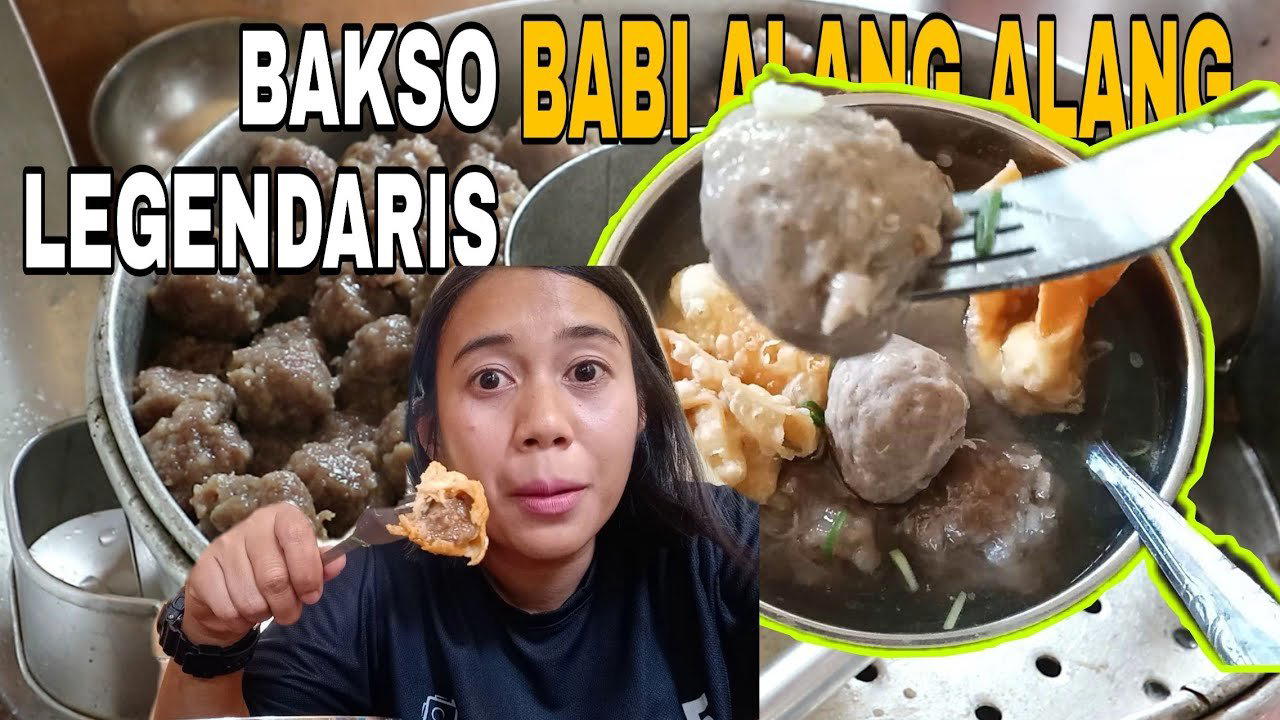
| Bakso Babi Alang-alang | Indonesian Pork Meatballs (Bakso Babi) | Not listed | Makale |
| Bubur Aguan | Chinese Chicken Porridge | $1–10 | Mangga Besar |
Continue exploring
More in Kabupaten Tanatoraja
Restaurants in Kabupaten Tanatoraja
All restaurants in Kabupaten Tanatoraja →
Details
- Rustic
- Casual
- Casual Hangout
- Group Dining
- Family
- Local Sourcing
- A La Carte
Current opening hours
- Monday
- 10:30 AM–8 PM
- Tuesday
- 10 AM–8 PM
- Wednesday
- 10:30 AM–8 PM
- Thursday
- 11 AM–8 PM
- Friday
- 10:30 AM–8 PM
- Saturday
- 10 AM–7 PM
- Sunday
- Closed
Hours can change for holidays and private events. Hours as of .
Casual, informal dining atmosphere typical of local Torajan eateries, focused on authentic traditional preparation and communal dining.