
Indian Restaurant Aarti places Akihabara’s curry culture in a Tokyo register: compact, practical, and sharper than its modest price band suggests. Its Tabelog 100 selections for Asian and ethnic cuisine in 2024, plus earlier curry recognition, make it a useful address for reading how Indian cooking has settled into the city’s everyday dining rhythm.
Pearl is the En Primeur Club membership app — saves, bookings, and concierge access live there. Same editors, same standards.
- Address
- 50-2 Kanda Sakumagashi, Chiyoda City, Tokyo 101-0026, Japan
- Phone
- +81 3-3864-5602
- Website
- tabelog.com
 Saves & bookings on Pearl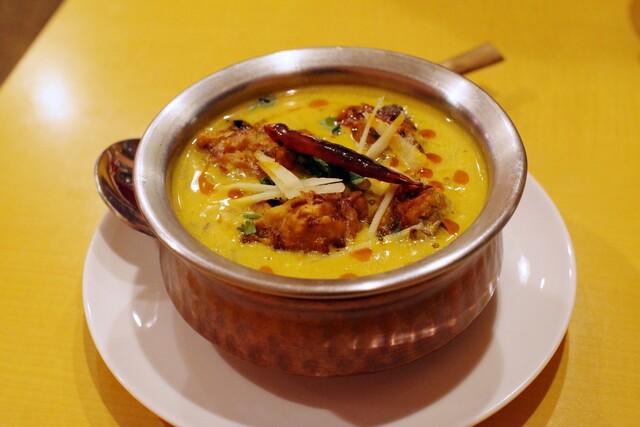
Akihabara changes texture quickly east of the station: electronic-store glare gives way to office blocks, train-line edges, and second-floor dining rooms where lunch traffic moves with little ceremony. Here, Indian cooking in Tokyo is not novelty; it is part of the city’s daily restaurant grammar, especially around stations where workers want heat, grain, vegetables, and speed without formal-dining costs.
Indian Restaurant Aarti fits that practical Tokyo category, but recognition lifts it beyond an anonymous curry stop. It was selected for Tabelog 100 - Asian cuisine / Ethnic cuisine - TOKYO - 2024, and its awards history includes Tabelog Curry TOKYO 100 selections in 2019 and 2020. In Tokyo’s broad, price-sensitive Indian and curry field, where many places serve functional lunch, selection in both ethnic-cuisine and curry categories signals convenience refined into curation.
Indian technique filtered through Tokyo's vegetable-first dining habits
Aarti is best read at the meeting point between imported method and local expectation. Indian curry in Japan has long split between Japanese-style curry rice, South Asian restaurant cooking, and hybrid neighborhood formats. Around Akihabara and Iwamotocho, strong casual rooms win regulars through consistency rather than spectacle: rice, bread, spice, portioning, lunch rhythm, and vegetables treated as more than filler.
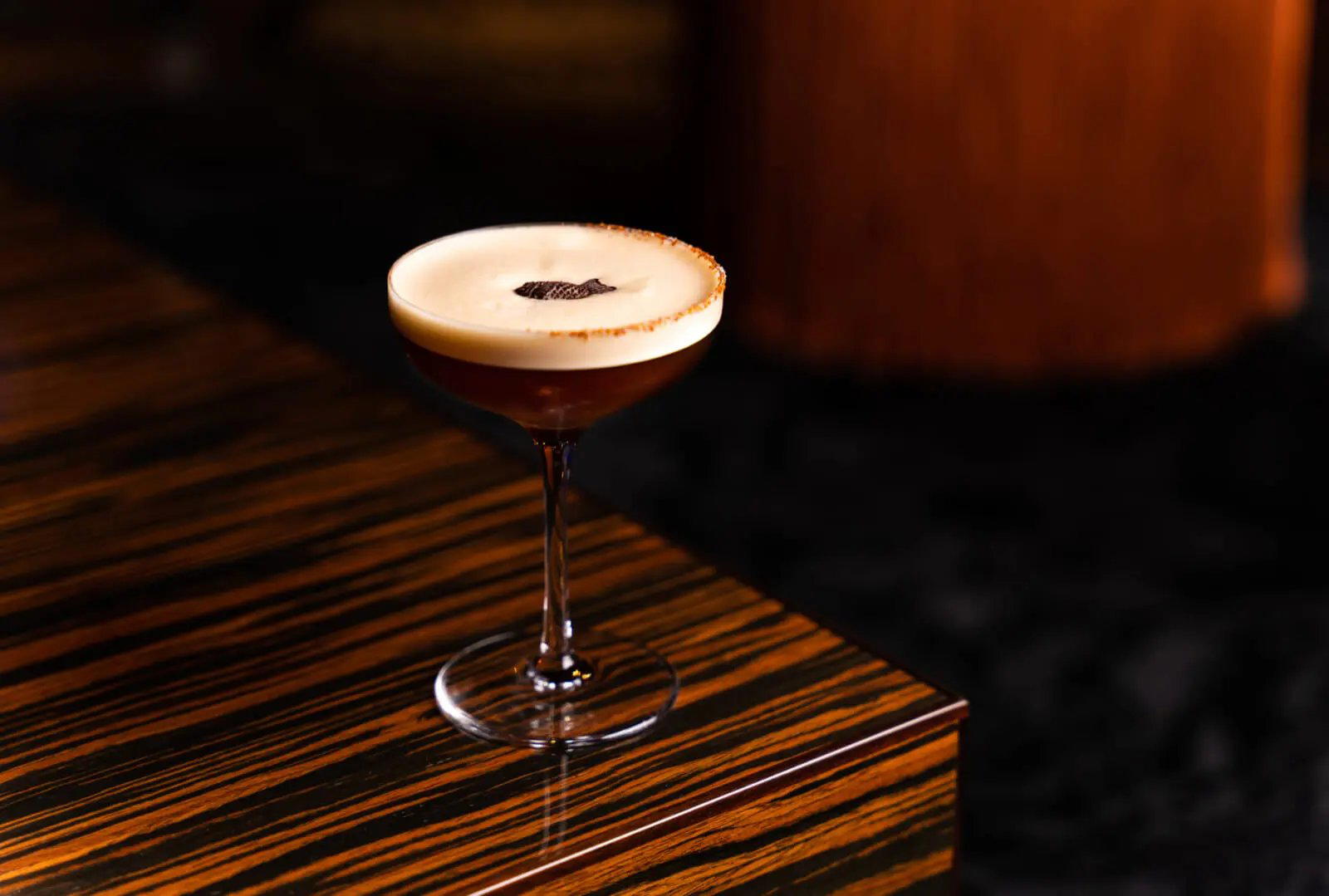
Aarti’s listed categories are Indian and Indian curry, with vegetarian options and a health-and-wellness menu noted. In Tokyo, vegetable-led choices are not marketed as abstinence, but as a way to make curry work across office lunch, casual dinner, and mixed groups. The drinks list extends beyond default soft drinks, with shochu, wine, and cocktails, placing the room closer to an all-day neighborhood restaurant than a single-purpose lunch counter.
The nearby comparison set shows why that matters. Akihabara can absorb focused formats, from noodle shops such as Tokyo Style Noodle Hotate Biyori and Mendokoro Honda Akihabara honten to station-adjacent sweet-leaning rooms such as The French Toast Factory Yodobashi Akiba ten. Against those, an Indian curry room with Tabelog recognition competes less on novelty than repeat utility. For broader area mapping, . 鮪と炭火焼き うお炭 秋葉原店 gives another view of Akihabara’s post-work dining register, while 3 Chome no Curry Ya San is a useful Tokyo curry reference point in a different lane.
Recognition without the expense of Tokyo's trophy dining tier
Tokyo’s high-end restaurant conversation often tilts toward counters, tasting menus, and international award circuits. Aarti sits in a more democratic bracket: lunch is JPY 1,000 - JPY 1,999, dinner JPY 2,000 - JPY 2,999. That price band changes the decision: this is not ceremony-led destination dining, but a recognised neighborhood Indian restaurant whose cost of entry stays aligned with everyday Tokyo eating.
Scale reinforces that point. Thirty-two seats, private rooms for groups of 8 and 10-20, and private use for up to 20 people place it between compact counter restaurant and large casual dining hall. During busy lunch periods, shared tables may be part of the experience, a telling Tokyo detail: efficiency outranks lingering space during the midday rush. Reservations are available, but the rhythm is shaped by station traffic and office timing as much as by destination diners.
Access is central to the case. The restaurant is listed 1 minute on foot from Akihabara Station Exit 4 on the Tokyo Metro Hibiya Line, 2 minutes from Iwamotocho Station’s A4 exit, and 3 minutes from JR Akihabara’s Showa Dori Exit. That places it in the commuter belt, not a tucked-away residential pocket. For a broader itinerary, Our full Tokyo restaurants guide gives the citywide dining frame; Our full Tokyo bars guide, Our full Tokyo hotels guide, Our full Tokyo experiences guide, and Our full Tokyo wineries guide help place the meal inside a wider Tokyo plan.
How to place it in a Tokyo eating day
Aarti makes most sense when Akihabara is already on the route, rather than as a cross-city pilgrimage. The address in Kanda Sakumagashi is close enough to the station for fast lunch, while evening hours and the drinks list allow casual dinner with friends or family. Children are welcome, the space is non-smoking, and no dress code is listed, keeping the tone accessible.
Payment is the practical constraint: credit cards, electronic money, and QR code payments are not accepted. Parking is unavailable, normal for this part of central Tokyo and another reason to treat rail access as default. The restaurant opened on 8 June 2009, giving it operating history beyond newer trend-driven curry rooms. In a city where restaurant turnover can be swift, that date plus multiple Tabelog 100 selections says more than decoration.
Readers building a Tokyo food map can use Aarti as the Akihabara curry anchor, then branch by mood. 12/10 Shinjuku ten and 124. KAGURAZAKA (Yakitori) point to other Tokyo neighborhood identities, while 2D Cafe shows the city’s visual-concept dining. Beyond Tokyo, -Grilled beef Sukiyaki- KAMAKURA TANUKIAN 鎌倉 たぬき庵 in Kamakura.cafe in Osaka.know in Kumamoto, (Shoku) Vietnam in Kawasaki, [Curry Senmon Ten] Maruyama Kyoju. in Sapporo, and [ki:] in Kyoto show how regional context changes casual dining formats. Overseas, Jōdo Saké Bar in Los Angeles and Onigiri Time in Pasadena underline the larger point: Japanese dining culture travels, adapts, and meets local habits in specific ways.
The editorial verdict is restrained but clear. Aarti is strongest as an Akihabara meal with evidence behind it: Tabelog 100 recognition, modest pricing, vegetable-conscious Indian cooking, and transport logistics suited to a dense Tokyo day. It is not the city’s formal dining theatre, and that is the point. It belongs to the layer of Tokyo restaurants frequent travellers rely on between appointments, shops, trains, and late-afternoon course corrections.
Cuisine and Awards Snapshot
Comparable venues at the same tier for side-by-side context.
| Venue | Cuisine | Price | Notes |
|---|---|---|---|
| Indian Restaurant AartiThis venue — the venue you are viewing | Indian Curry | $$ | Not listed |
| Minami Indian Nandori | South Indian Meals & Tiffin | $$ | Arakawa |
| spice kitchen moona | Spice-driven Indian & Asian curry bar | $$ | Setagaya |
| Ginza Nair's Restaurant | Historic South Indian curry house in Ginza | $$ | Chūō |
| NANDHINI Toranomon ten | Authentic South Indian (Halal) Restaurant | $$ | Minato |
| Spicy Curry House Hangetsu | Indian Curry | $$ | Shinjuku |
Recognition history
Dated appearances from independent guides and award organizations, with the underlying list record or original source where available.
Tabelog 100 #7 · No. 7
Tabelog · Tabelog 100 - Asian cuisine / Ethnic cuisine - TOKYO - 2024










At a Glance
- Cozy
- Classic
- Intimate
- Family
- Group Dining
- Casual Hangout
- Solo
- Standalone
- Beer Program
Current opening hours
- Monday
- 11:30 AM–2:30 PM, 5–10 PM
- Tuesday
- 11:30 AM–2:30 PM, 5–10 PM
- Wednesday
- 11:30 AM–2:30 PM, 5–10 PM
- Thursday
- 11:30 AM–2:30 PM, 5–10 PM
- Friday
- 11:30 AM–2:30 PM, 5–10 PM
- Saturday
- 11:30 AM–2:30 PM, 5–10 PM
- Sunday
- 11:30 AM–2:30 PM, 5–10 PM
Hours can change for holidays and private events. Last verified .
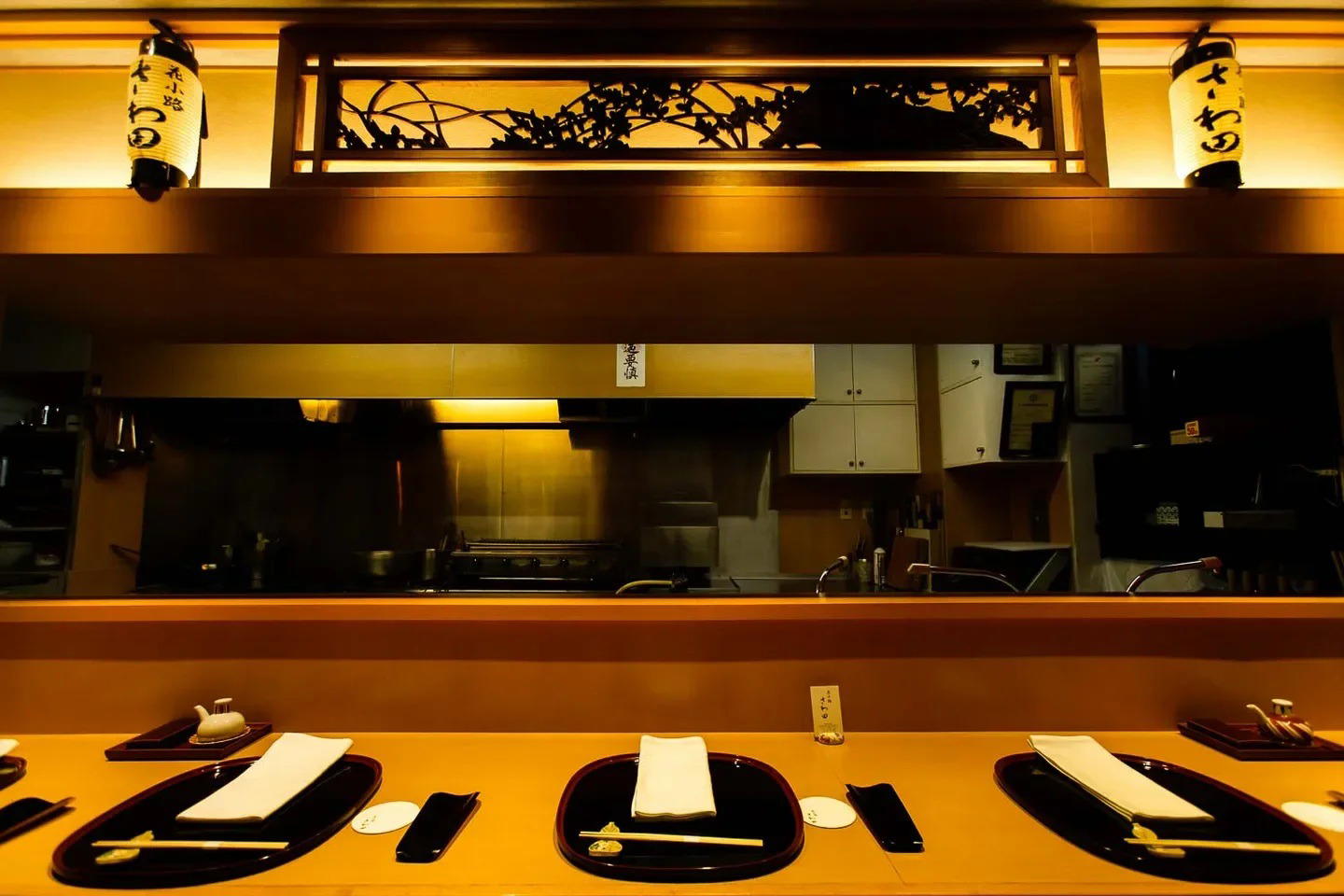
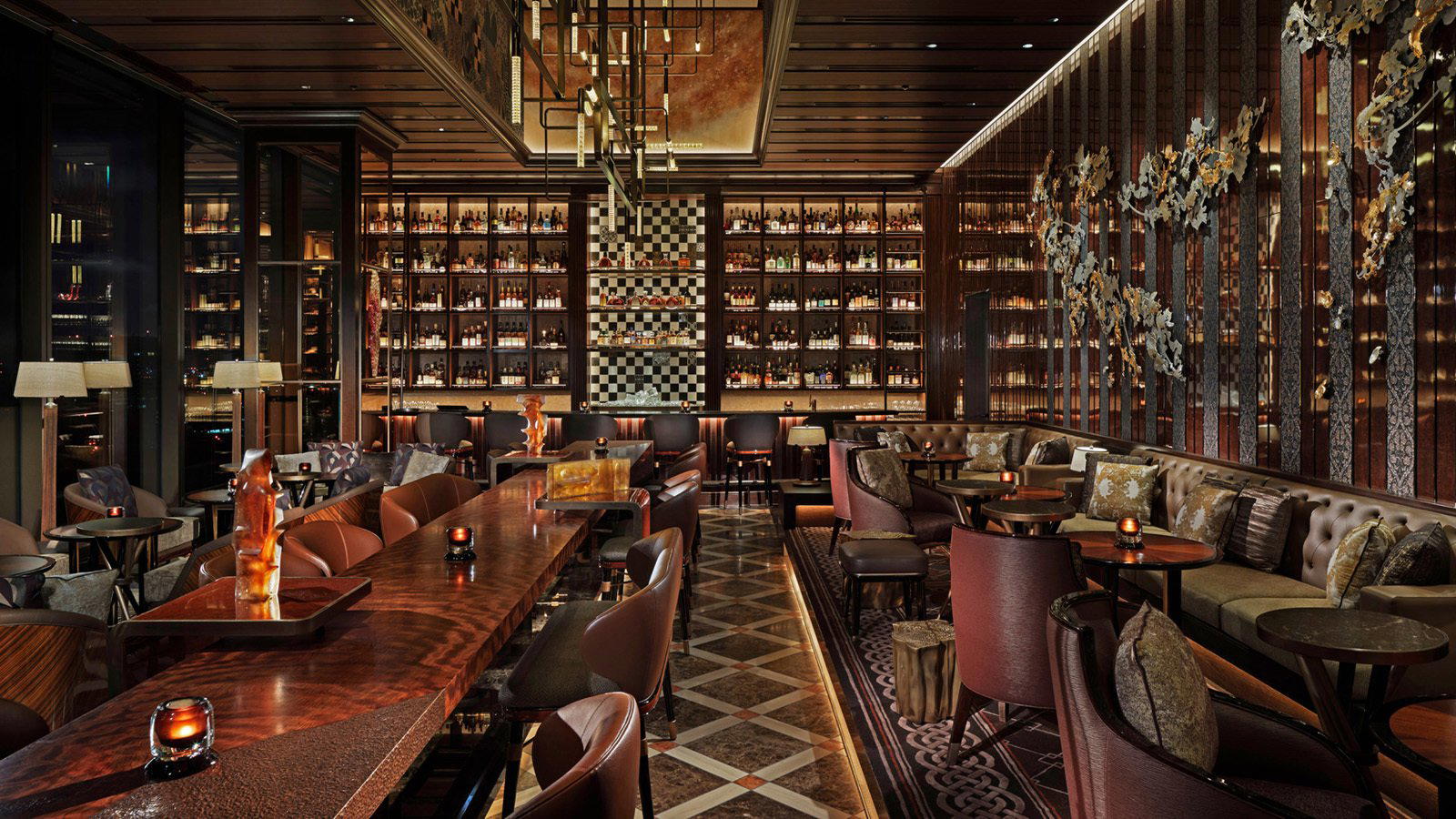
A relaxed, stylish neighborhood spot with a cozy, hideout-like feel that suits casual meals, small groups, and family visits.