Ichiban
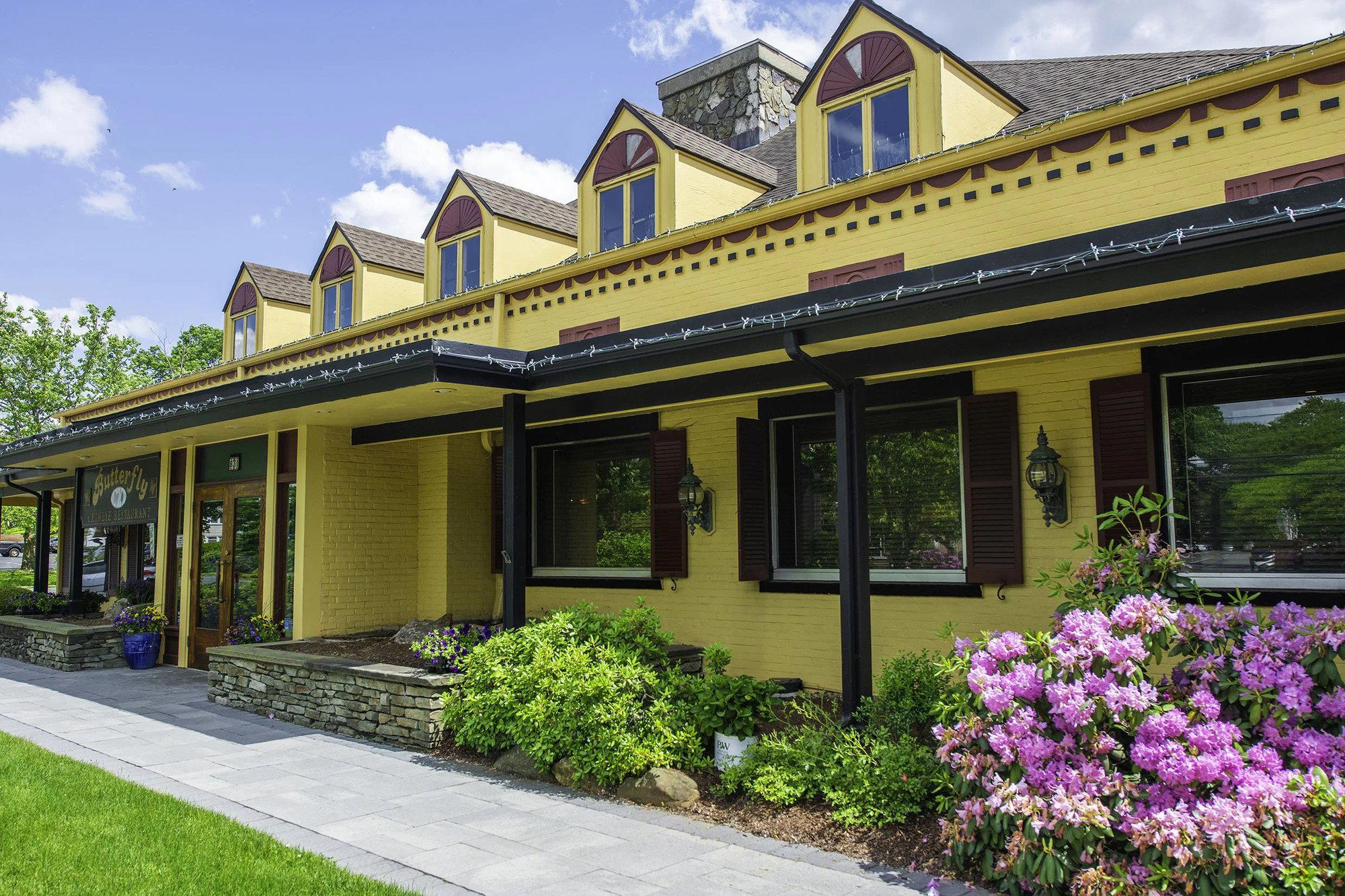
On Farmington Avenue, Hartford's main artery for independent dining, Ichiban occupies a position that Japanese restaurants in mid-sized American cities rarely manage: a local identity strong enough to anchor a neighborhood's dining character. The address at 530 Farmington Ave places it squarely within the West End, where the city's more considered restaurant choices tend to cluster, drawing both neighborhood regulars and cross-city visitors.
Pearl is the En Primeur Club membership app — saves, bookings, and concierge access live there. Same editors, same standards.
- Address
- 530 Farmington Ave, Hartford, CT 06105
- Phone
- +18602365599
- Website
- ichibanhartford.com
- Directions
- Get directions
 Saves & bookings on Pearl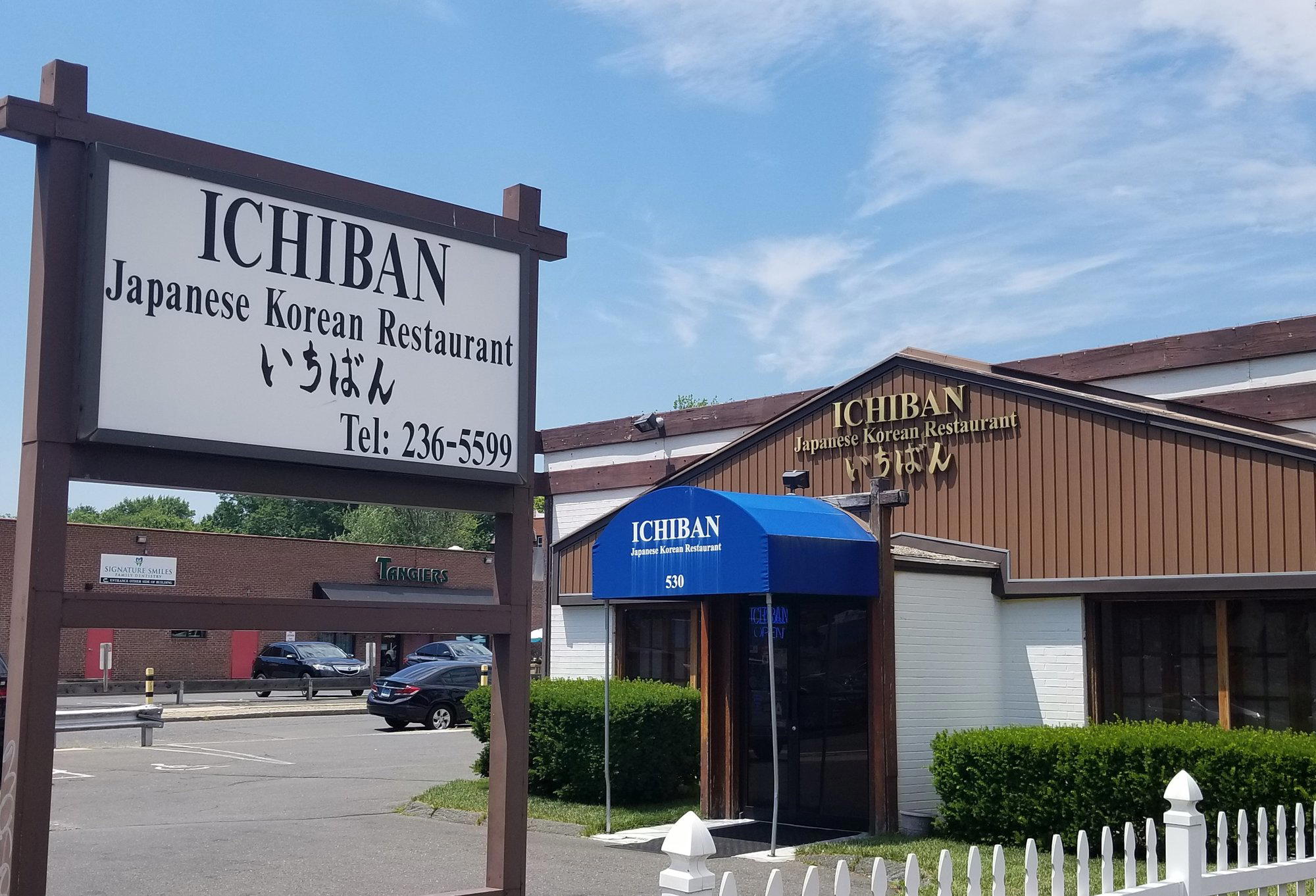
Farmington Avenue and the West End's Dining Character
Hartford's West End has a different dining register than downtown. Where the city center runs on expense-account Italian and gastropub staples, Farmington Avenue accumulates the kind of independently operated restaurants that define a neighborhood's actual eating habits over decades. Ichiban at 530 Farmington Ave sits within that corridor, in a stretch where the competition includes Coyote Flaco, Agave Grill, and El Sarape — Mexican and Latin-inflected spots that collectively show how far West End dining leans toward independent, neighborhood-rooted operators rather than branded concepts.
Japanese restaurants in mid-sized American cities operate in a specific kind of pressure: they serve a market that knows sushi well enough to have opinions but lacks the critical mass of a coastal city to sustain multiple specialist tiers. In a market like Hartford, a single well-positioned Japanese restaurant often ends up doing the work of three or four distinct formats simultaneously — counter sushi, hot kitchen, weeknight takeout, compressing what a Tokyo neighborhood would distribute across a dozen storefronts. That compression is both a constraint and, when it works, a kind of efficiency that produces reliable, legible menus over time.
The Address as Context
530 Farmington Ave is a practical location by Hartford standards. The West End corridor is walkable within the immediate neighborhood and accessible by car from surrounding towns including West Hartford, Bloomfield, and Avon, which collectively represent a significant share of greater Hartford's restaurant-going population. The avenue itself functions as one of the city's more consistent dining streets, meaning foot traffic here is less dependent on downtown event cycles and more tied to residential routine, a different kind of customer, and generally a more forgiving one for restaurants that build loyalty over novelty.
For visitors oriented primarily toward downtown Hartford, Ichiban's location requires a short trip west. The contrast in atmosphere is worth factoring in: Farmington Avenue at this stretch runs quieter than downtown's Trumbull Street or Pearl Street blocks, with a more settled, residential feel on either side. Compared to the louder settings you'd encounter at First & Last Tavern or the counter energy at Franklin Giant Grinder Shop, this part of Farmington Avenue offers a lower ambient temperature, which suits the format of most Japanese dining.
What Japanese Dining in Hartford Actually Looks Like
Hartford is not New Haven, which has a more developed independent restaurant culture, and it is not Boston or New York, where Japanese dining stratifies into omakase-only counters, izakayas, ramen specialists, and soba houses occupying separate addresses and distinct price brackets. Restaurants operating in this tier, city-anchored Japanese spots in smaller New England markets, tend to anchor their menus around sushi and maki as the commercial core, with cooked kitchen options carrying the weeknight traffic. That format serves the broadest possible cross-section of a market where the same group might include committed fish-only diners and someone who wants teriyaki chicken.
The comparison set for Ichiban is not places like Atomix in New York City or the highly structured omakase format of the country's most recognized Japanese-influenced kitchens. Those properties, including Le Bernardin in New York City and destination-level American fine dining such as Alinea in Chicago, The French Laundry in Napa, or Lazy Bear in San Francisco, operate at price points and with booking infrastructures that belong to an entirely different category. Equally removed are farm-integrated tasting-menu operations like Blue Hill at Stone Barns in Tarrytown or Single Thread Farm in Healdsburg.
Further afield, the contrast also holds against coastal-city Japanese fine dining specialists: Providence in Los Angeles operates as a seafood-driven tasting menu with James Beard recognition; Addison in San Diego holds Michelin stars. In the American South, Emeril's in New Orleans shows how regional identity can sustain long-term restaurant positioning. The international tier, represented by restaurants like 8½ Otto e Mezzo Bombana in Hong Kong or The Inn at Little Washington, is a different conversation entirely. What links all of them, however, is that restaurant longevity in any market depends on the same variables: consistency, neighborhood fit, and the ability to serve both regulars and newcomers without alienating either. Ichiban's Farmington Avenue tenure speaks to at least the first two.
Planning Your Visit
Ichiban is located at 530 Farmington Ave, Hartford, CT 06105, in the West End. Street parking along Farmington Avenue is generally available, though the stretch can fill on weekend evenings when foot traffic from the broader corridor picks up. Visitors traveling from outside Hartford should factor in the West End's residential pace: this is not a neighborhood where you arrive, eat, and immediately flow into a bar scene. For those who prefer to sequence a Hartford evening, the downtown corridor is a short drive east and connects easily after a West End dinner. See our full Hartford restaurants guide for a broader picture of where Ichiban fits within the city's dining options by neighborhood and cuisine type.
Prospective visitors should verify directly before traveling, particularly for weekend evenings when neighborhood demand tends to be higher. The West End's independent restaurant segment generally does not require weeks-out advance booking on the scale that omakase counters or tasting-menu rooms demand, but calling ahead for weekend tables is a reasonable precaution.


At a Glance
- Classic
- Cozy
- Family
- Casual Hangout
- Open Kitchen
- Sake Program
Current opening hours
- Monday
- 11:30 AM–3 PM, 4:30–10 PM
- Tuesday
- 11:30 AM–3 PM, 4:30–10 PM
- Wednesday
- 11:30 AM–3 PM, 4:30–10 PM
- Thursday
- 11:30 AM–3 PM, 4:30–10 PM
- Friday
- 11:30 AM–3 PM, 4:30–10 PM
- Saturday
- 12–10 PM
- Sunday
- 12–10 PM
Hours can change for holidays and private events. Last verified .
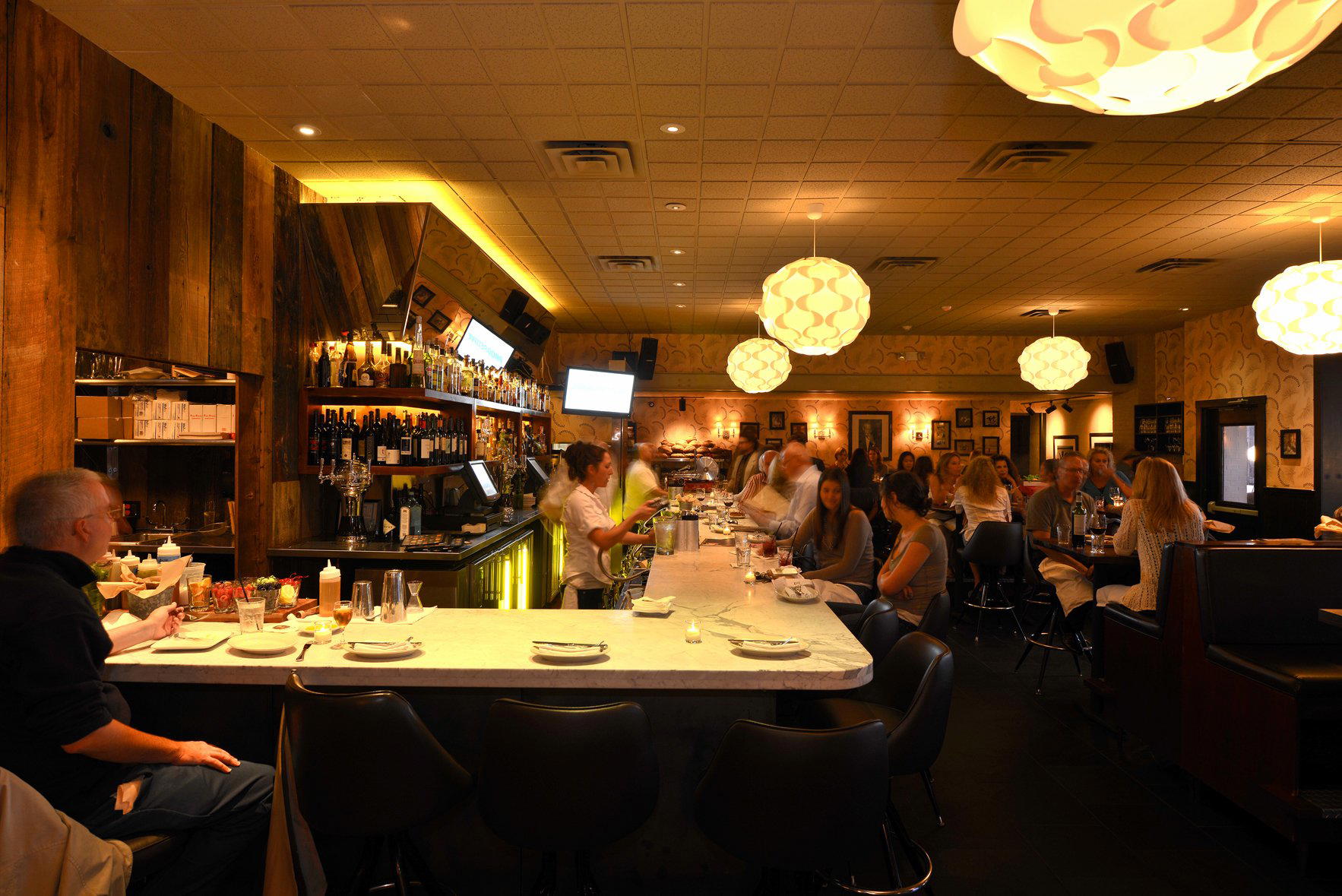
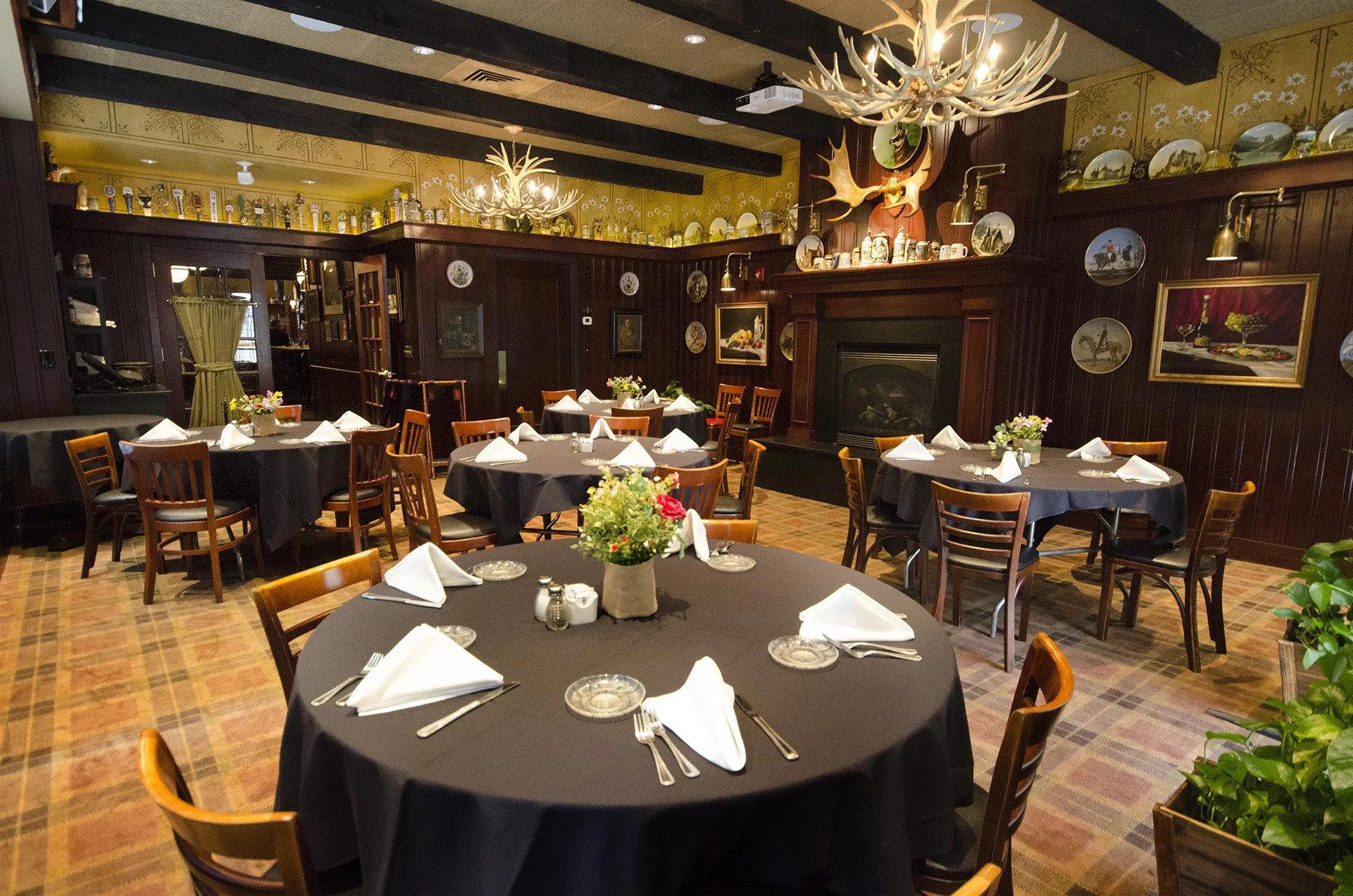
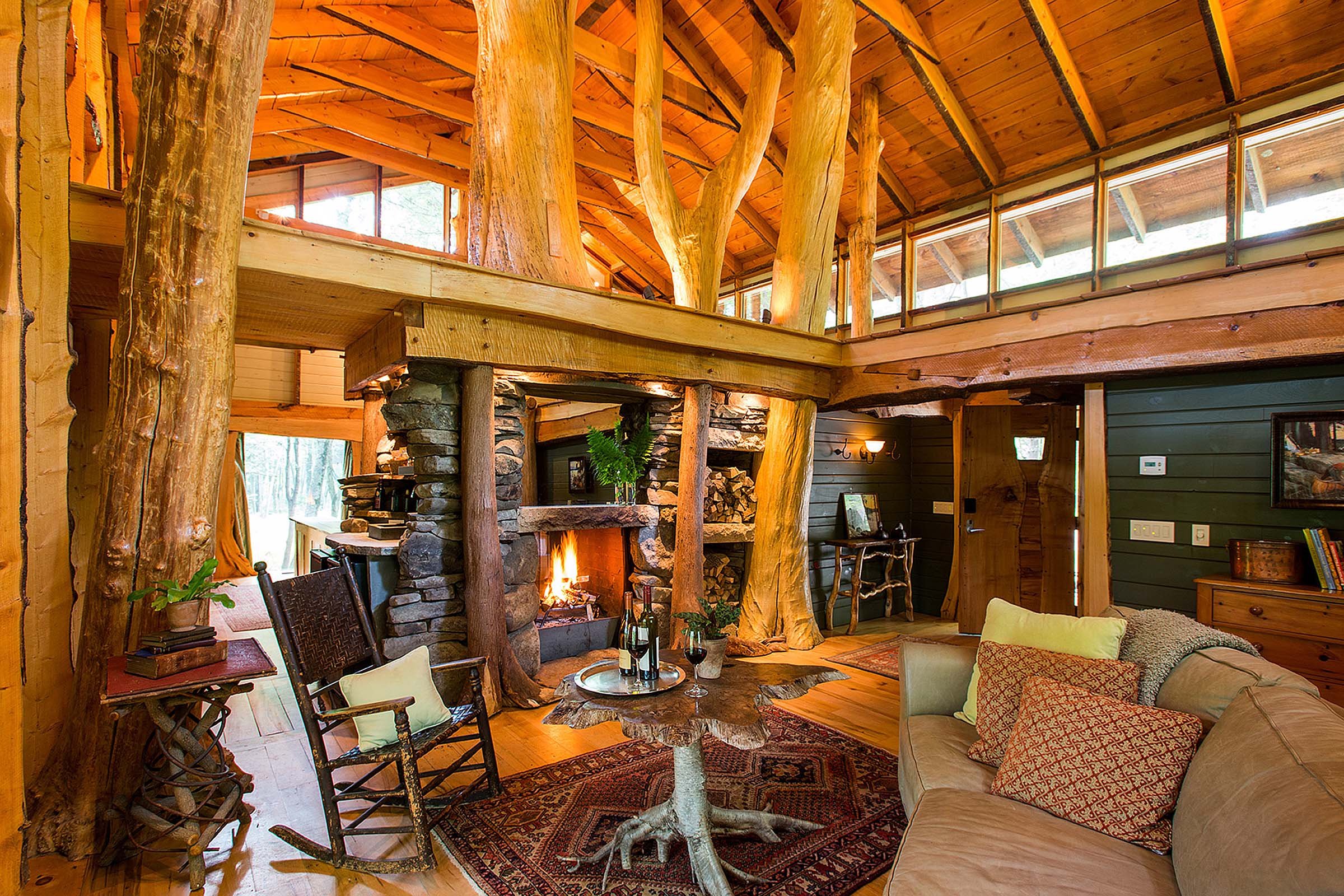
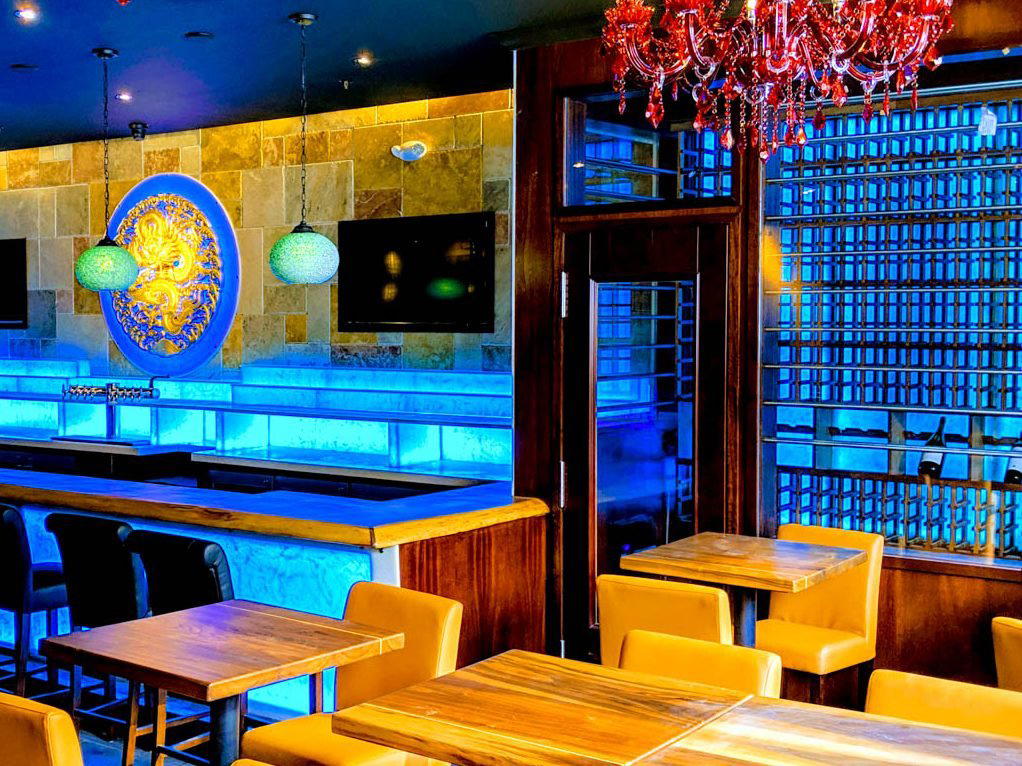
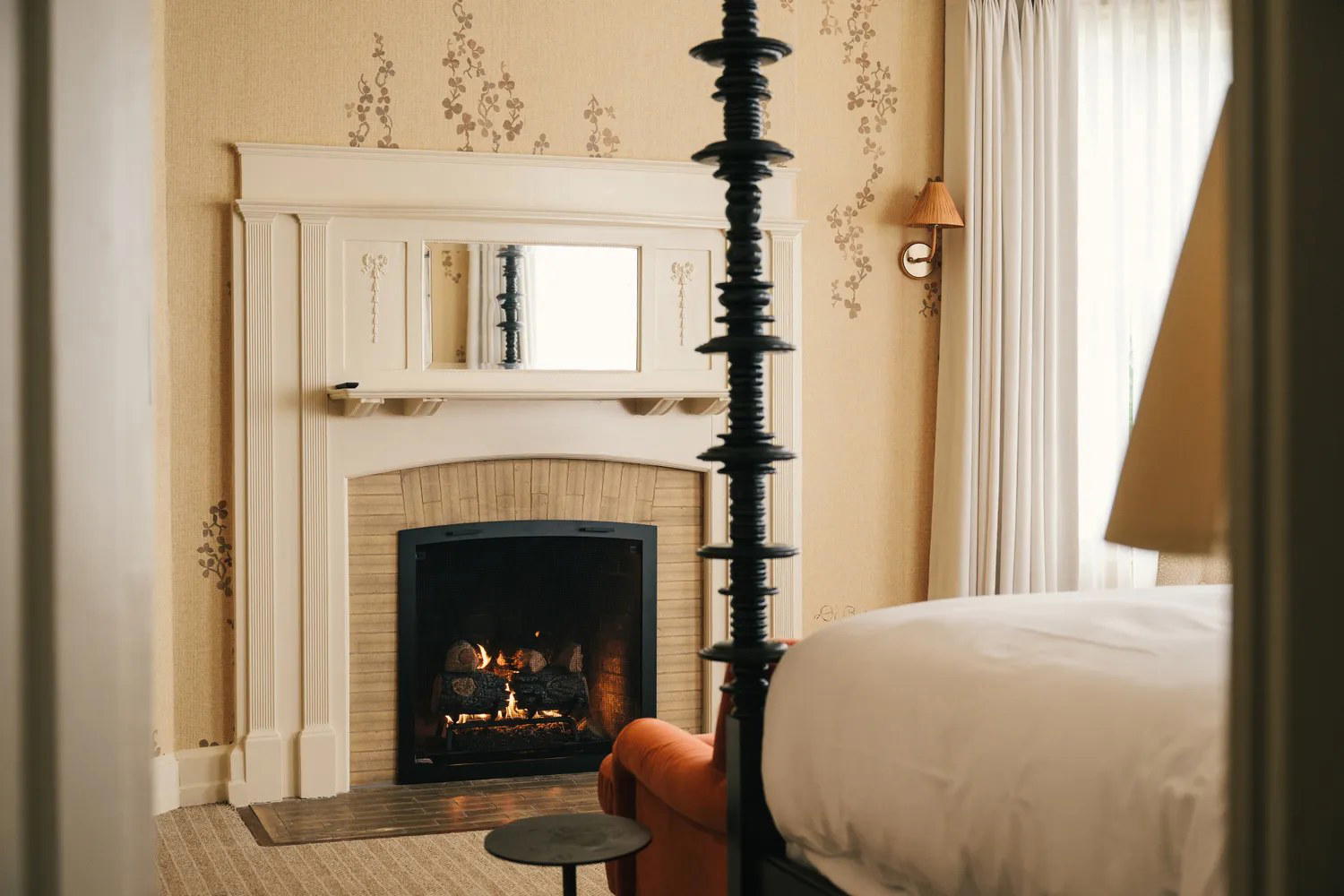
Relaxing atmosphere with sushi bar and tables/booths, recently redecorated interior.
Know Before You Go
- Getting there
- 530 Farmington Ave, Hartford, CT 06105