On Saint-Denis Street in the Plateau-Mont-Royal, Ibéricos Taverne à Tapas Espagnoles brings the informal, share-everything rhythm of Spanish bar culture to one of Montreal's most walkable dining corridors. The format follows the classic tapas tradition: small plates, Iberian produce, and a room designed for lingering. A practical address for those who want Spanish drinking-and-eating culture without ceremony.
Pearl is the En Primeur Club membership app — saves, bookings, and concierge access live there. Same editors, same standards.
- Address
- 4475 Saint Denis St, Montreal, Quebec H2J 2L2, Canada
- Phone
- +15148454475
- Website
- ibericos.ca
- Directions
- Get directions
 Saves & bookings on Pearl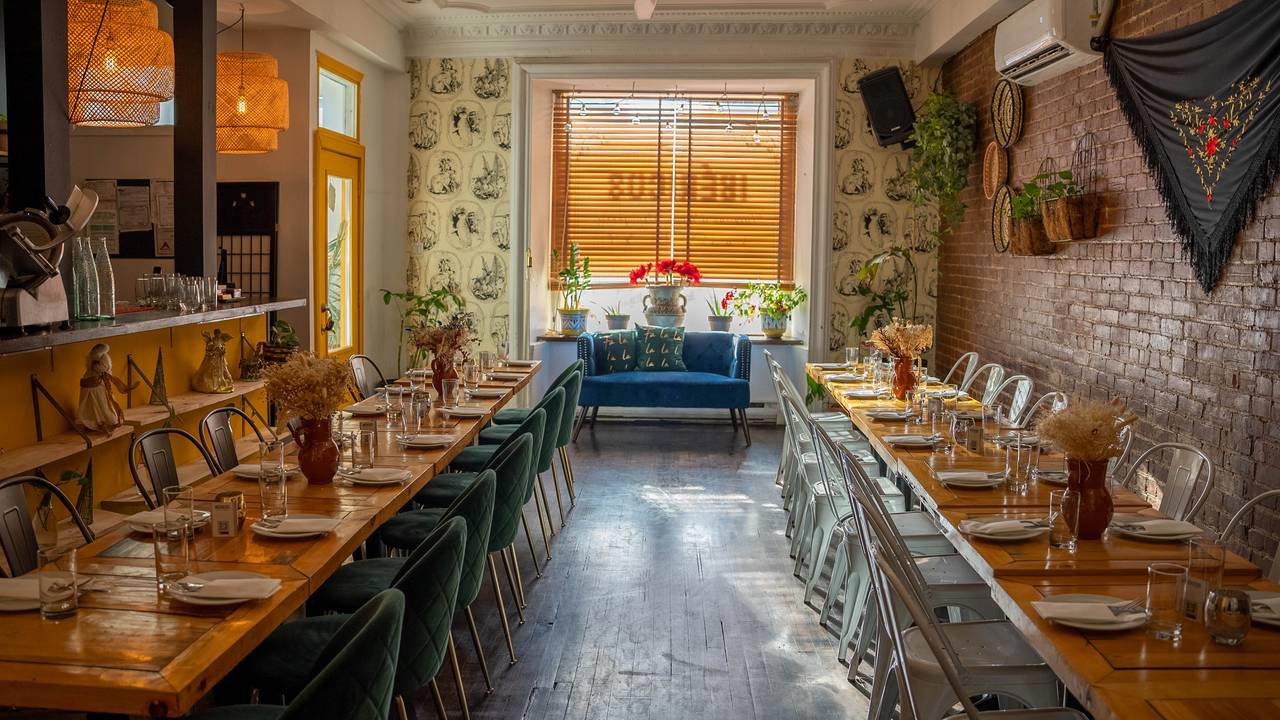
Saint-Denis and the Spanish Tavern Format
The stretch of Saint-Denis Street running through the Plateau-Mont-Royal has long operated as one of Montreal's most consistent dining corridors, where the density of independent operators creates genuine competition and a street-level energy that larger commercial strips rarely produce. Within that context, the Spanish tavern format occupies a specific and underserved niche. Where the neighbourhood's stronger gravitational pull runs toward French bistro tradition, think the white-tablecloth permanence of Jérôme Ferrer - Europea at the higher end or the tightly packed booths of L'Express further down, the taverna model works from a different set of assumptions entirely. The room is the meal as much as the food is. Sharing is structural, not optional. And the timeline is elastic by design.
Ibéricos Taverne à Tapas Espagnoles is a Spanish tapas restaurant at 4475 Saint Denis St, Montreal, Quebec H2J 2L2, Canada. The address is walkable from the Mont-Royal metro station and sits in a block dense enough with restaurants that the decision to stay or move on is never far from the surface, which is precisely the social context the tapas format was built for.
What the Space Is Doing
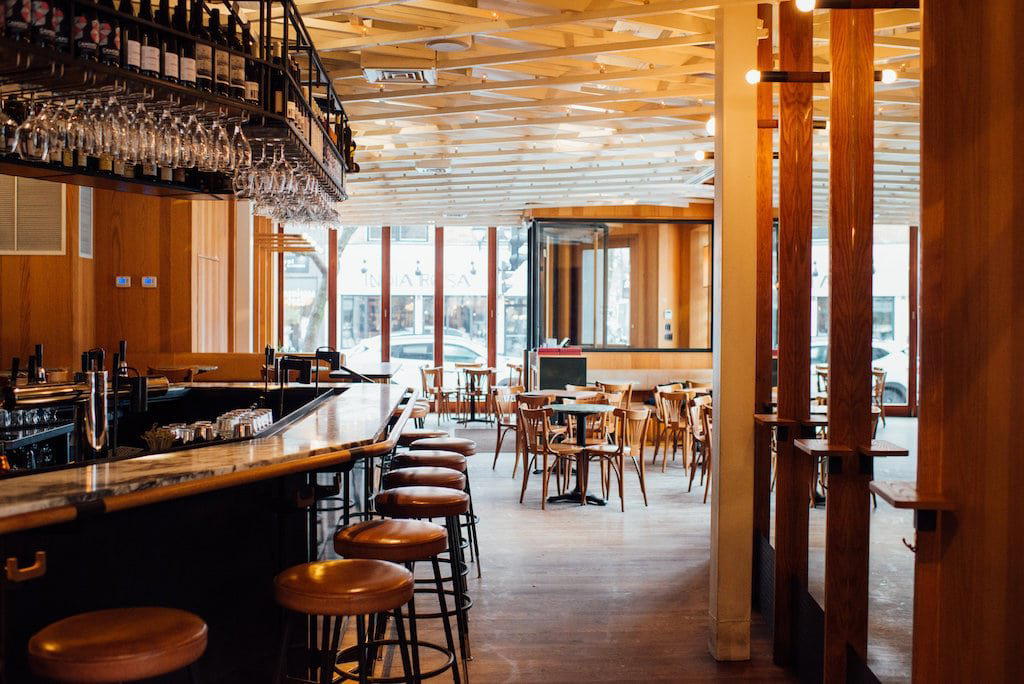
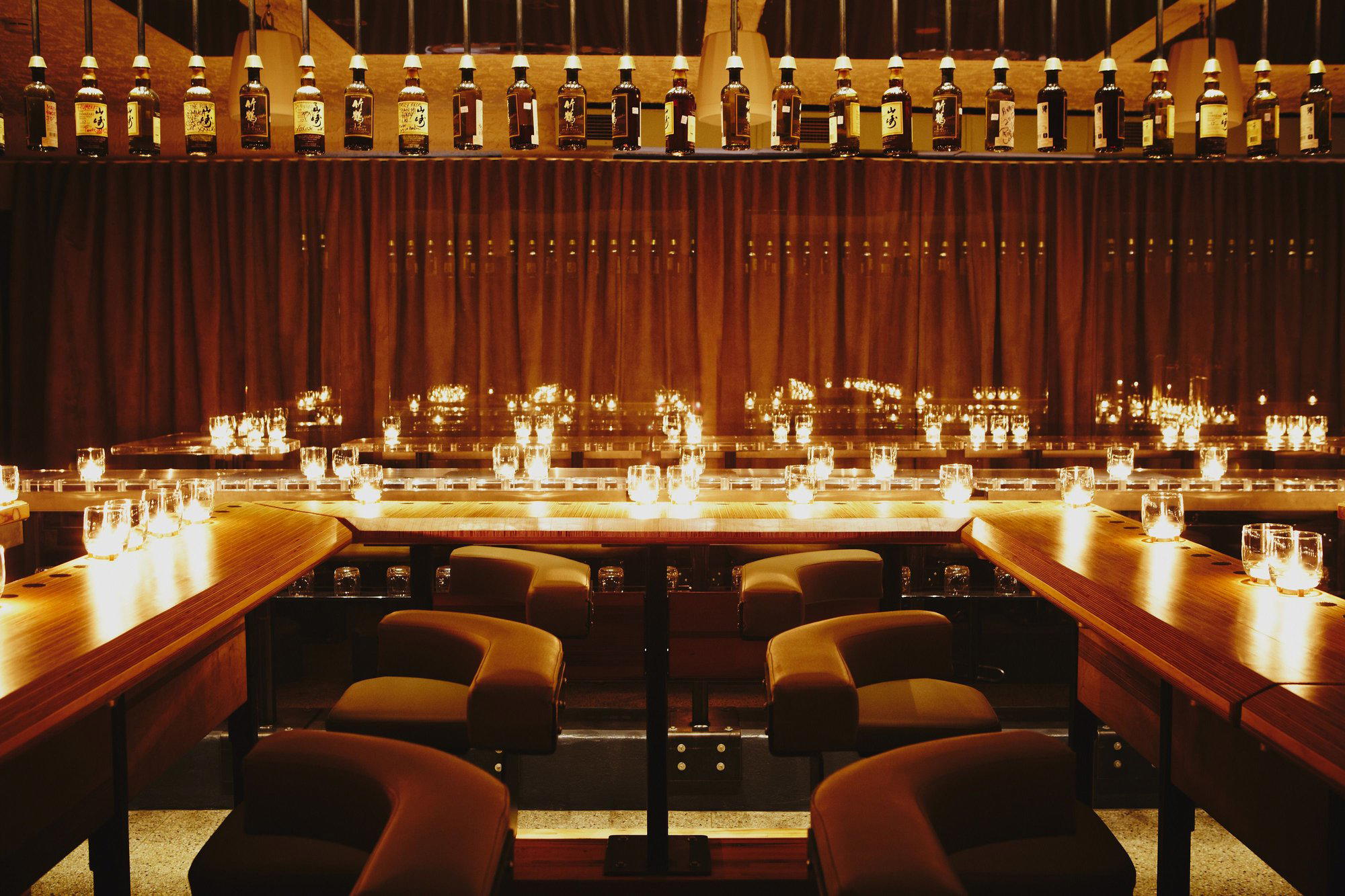
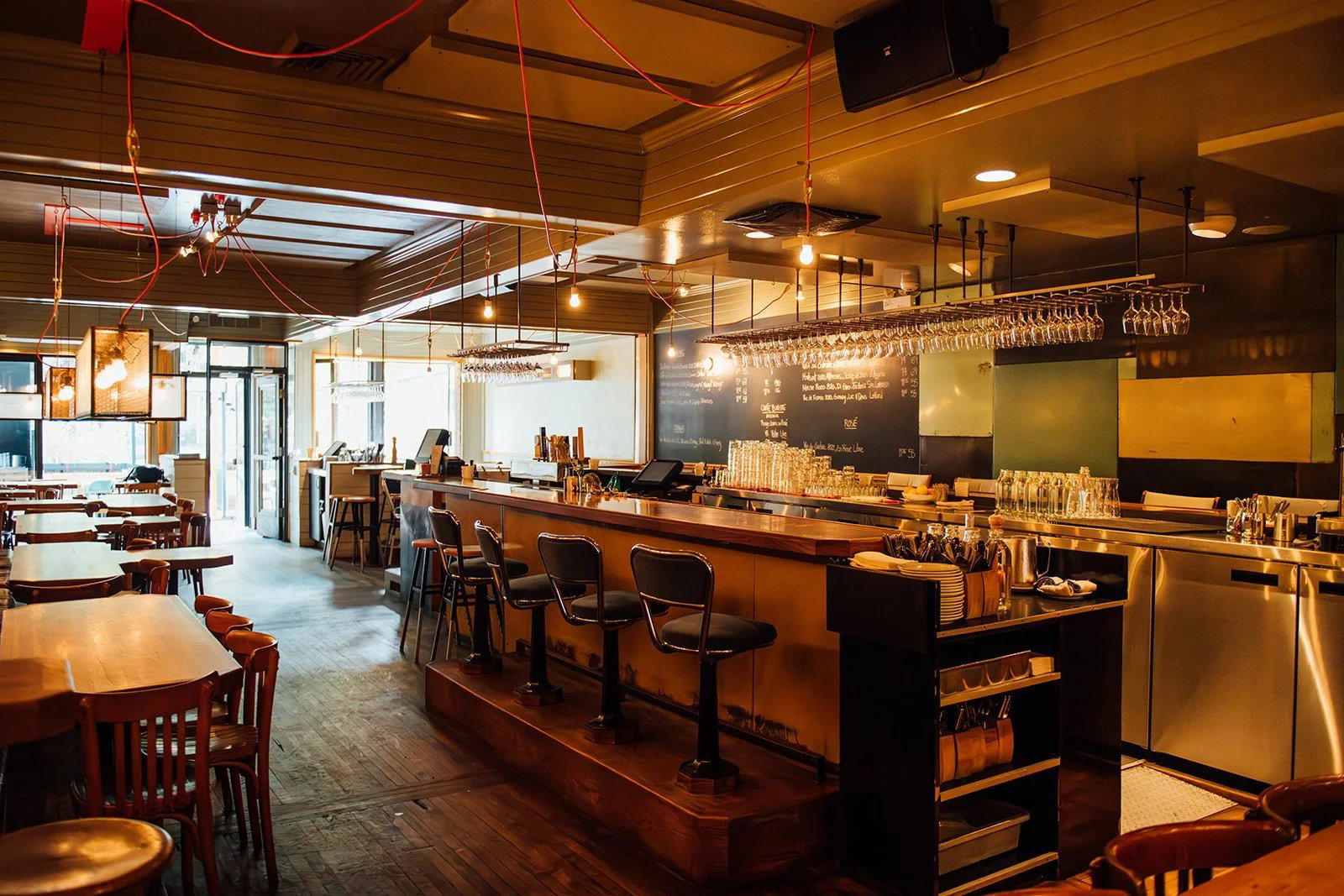
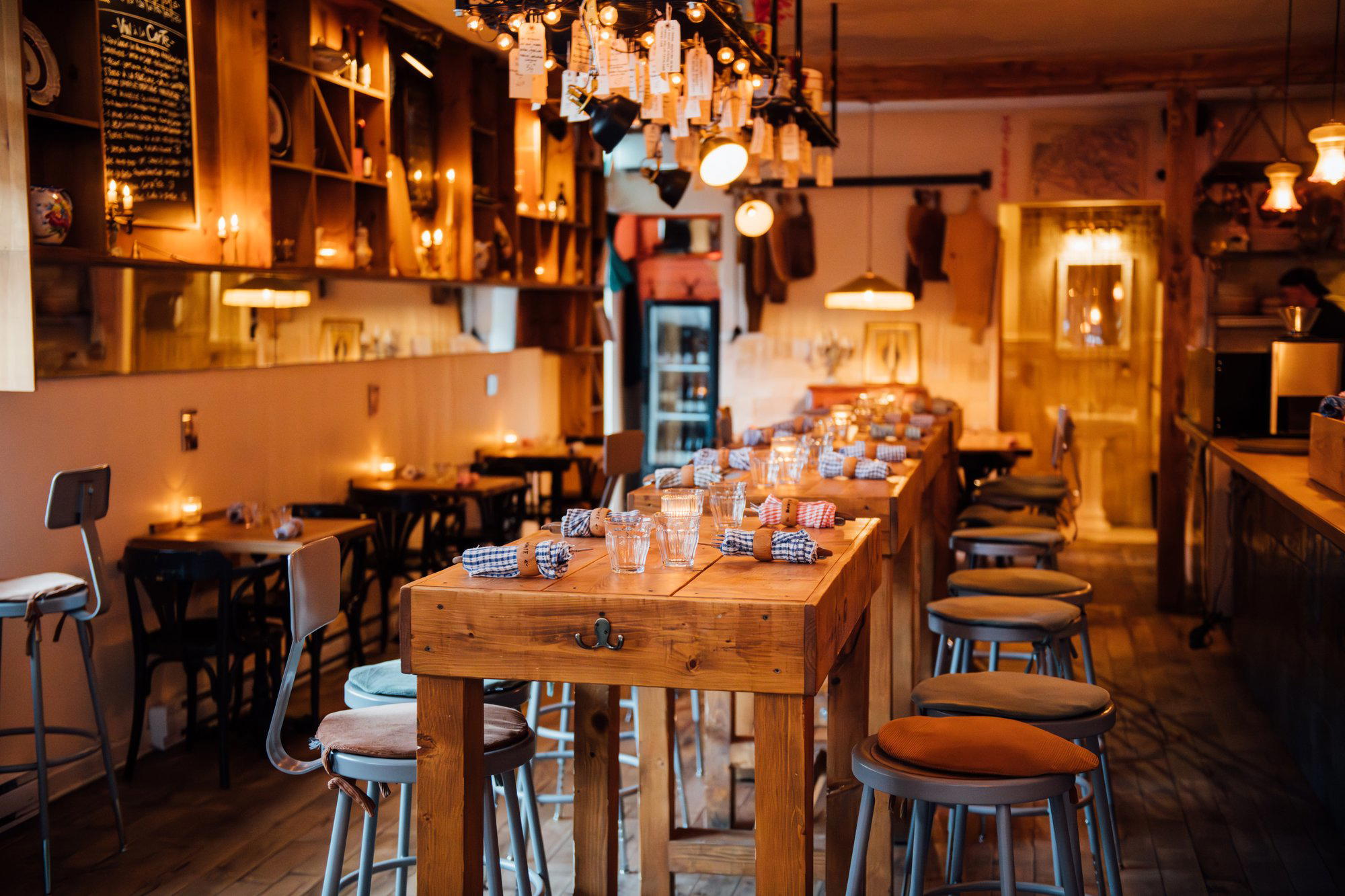
The Spanish tavern interior follows a recognizable grammar: lower light than a brasserie, surfaces that absorb the sound of a full room without killing conversation at the table, and seating arrangements that prioritize lateral proximity over the formal face-to-face geometry of French dining. This is not accidental. The tapas tradition developed in spaces where the bar and the table were continuous rather than separate zones, where standing, perching, and sitting occupied the same room without hierarchy. Montreal's version of this format has historically been thinner on the ground than its French and Italian counterparts, which means a room that executes the spatial logic well carries disproportionate appeal for those who find the bistro register too stiff and the contemporary tasting-menu format too structured.
The Plateau's dining rooms tend to run small. That compression, when it works, creates the kind of ambient warmth that larger rooms spend money trying to manufacture. A tavern format in a compact Plateau space has the bones for that atmosphere built in, the question is always execution.
The Iberian Produce Tradition in a Montreal Context
Spanish tapas culture at its most rigorous is built around product: jamón from specific regions, conservas with named origins, cheeses tied to particular denominations. The word "ibéricos" in the name signals that orientation directly. Ibérico product, the cured pork from acorn-fed black-footed pigs in Spain's Extremadura and Andalusia, sits at the premium end of Spanish charcuterie and commands a different price and sourcing logic than generic charcuterie formats. In a city where the dominant charcuterie reference point runs French, a Spanish cured-meat program asks something different of the kitchen and of the customer.
Montreal has a credible Spanish food retail infrastructure, with importers supplying Iberian conservas, wines, and cured products to the city's restaurant trade. The tapas format that works in this context tends to combine imported anchoring products with local sourcing for produce and proteins, which is the practical reality for any Spanish-influenced kitchen operating outside the Iberian Peninsula. Peer restaurants in Montreal's modern cuisine tier, Mastard and Sabayon among them, have demonstrated that Montreal diners are comfortable with ingredient-forward formats that foreground provenance. The tapas model makes that argument with less ceremony.
How Ibéricos Sits in the Broader Canadian Spanish-Dining Picture
Spanish dining across Canada remains thinner than Italian or French in terms of established critical recognition, which means individual operators often carry more weight in their local market than they would in a city with a denser comparable set. In Toronto, Alo represents the highest tier of the city's tasting-menu scene, but Spanish-format casual dining there sits in a different and less-developed bracket. Vancouver's AnnaLena operates in the neighbourhood-bistro register with a different culinary reference point entirely. Quebec City's Tanière³ anchors the province's most ambitious tasting-menu conversation. None of these are direct peer comparisons for a tapas tavern, which illustrates precisely why the format occupies its own space rather than competing directly with the fine-dining tier.
Within Montreal's mid-range restaurant field, the relevant comparison set for Ibéricos is less about starred restaurants and more about neighbourhood operators who have built a specific identity around a cuisine tradition. 3 Pierres 1 Feu and Abu el zulof operate in adjacent registers, each anchoring a distinct cultural reference point in a city that supports that kind of specificity at the neighbourhood level.
Planning Your Visit
Saint-Denis Street at this address is accessible without a car: the Mont-Royal metro stop (Orange Line) puts you a short walk away, and the street itself is navigable on foot year-round, with the density of the block making it reasonable to arrive, assess, and settle without a reservation app. That said, the tavern format tends to fill on weekend evenings when the share-plate rhythm suits groups, so arriving earlier or on a weekday gives the room a different pace.
Category Peers
Comparable venues nearby, for context on price, style, and recognition.
| Venue | Cuisine | Price | Notes |
|---|---|---|---|
| Ibéricos Taverne à Tapas EspagnolesThis venue — the venue you are viewing | Spanish Tapas | $$ | Not listed |
| Tinc Set Montréal | Spanish Tapas & Catalan Wine Bar | $$$ | Outremont |
| Société de Développement de l'Avenue du Mont-Royal | :null | Not listed | La Fontaine Park |
| Byblos Le Petit Cafe | Traditional Persian | $$ | Parc-Laurier |
| Dinette Triple Crown | Southern American Comfort | $$ | District de Saint-Édouard |
| Sabrosa | Latin American Fusion with Japanese-Peruvian Influences | $$ | Vieux Montréal |
At a Glance
- Cozy
- Lively
- Rustic
- Date Night
- Group Dining
- Casual Hangout
- Terrace
- Extensive Wine List
- Local Sourcing
Current opening hours
- Monday
- 5–10 PM
- Tuesday
- 5–10 PM
- Wednesday
- 5–10 PM
- Thursday
- 5–10 PM
- Friday
- 5–10 PM
- Saturday
- 10 AM–10 PM
- Sunday
- 10 AM–9 PM
Hours can change for holidays and private events. Last verified .
Warm, inviting, and convivial with Spanish music evoking the lively atmosphere of Barcelona taverns.