
Tabelog 100 #66
Our verdict
ginmi places Fukuoka’s izakaya tradition in a more ingredient-led register, with seafood and Japanese cooking framed by sake, shochu and wine rather than a single-chef tasting-room narrative. Its Tabelog 100 Izakaya WEST selections in 2024 and 2025 put it inside a competitive regional category where sourcing, course structure and group flexibility matter as much as polish.

Pearl is the En Primeur Club membership app — saves, bookings, and concierge access live there. Same editors, same standards.
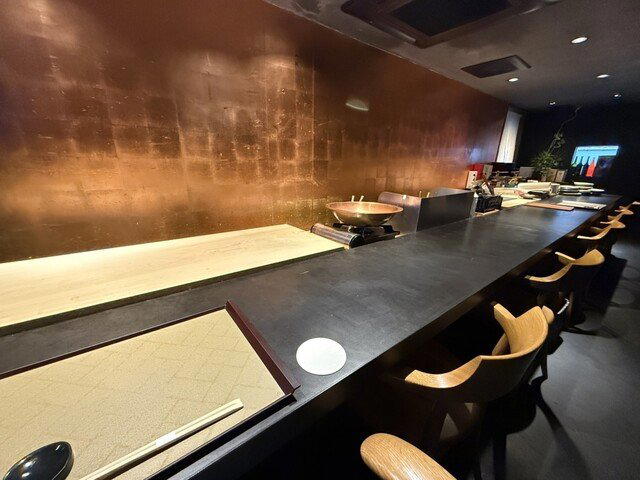
Fukuoka has a distinct evening charge: compact dining rooms, a strong after-work appetite and a serious culture of eating while drinking. Here, the modern Fukuoka izakaya is not a casual afterthought. It can be a focused seafood room, a Japanese cooking address and a repeat-use dinner choice at once. ginmi belongs to that disciplined tier, where the draw is how local seafood culture is organized for drinking, sharing and return visits.
Fukuoka’s dining identity has always been broader than ramen. Its coastal position, Kyushu produce close at hand and workweek drinking culture give its izakaya scene weight beyond a tourist checklist. The meal is not necessarily formal or austere. The point is range: seafood, Japanese dishes and enough structure to feel planned rather than improvised.
Fish-led izakaya cooking without the tasting-room pose
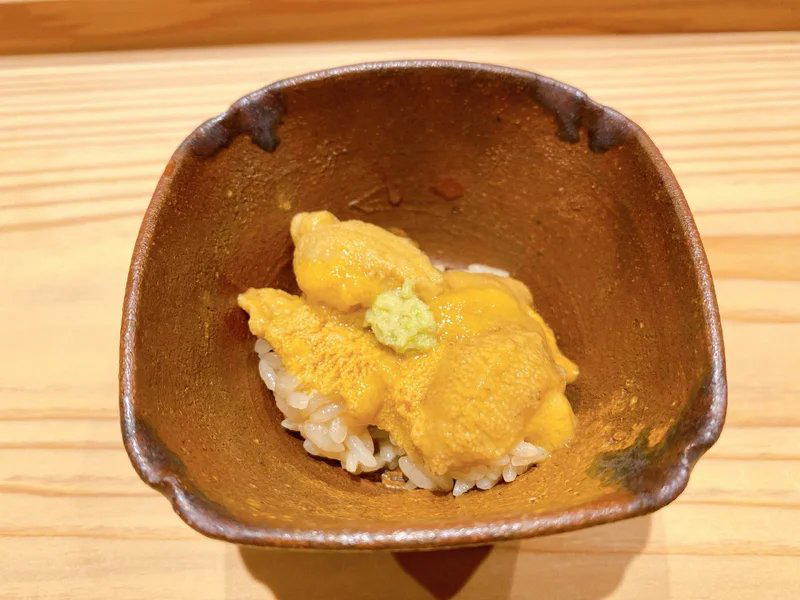
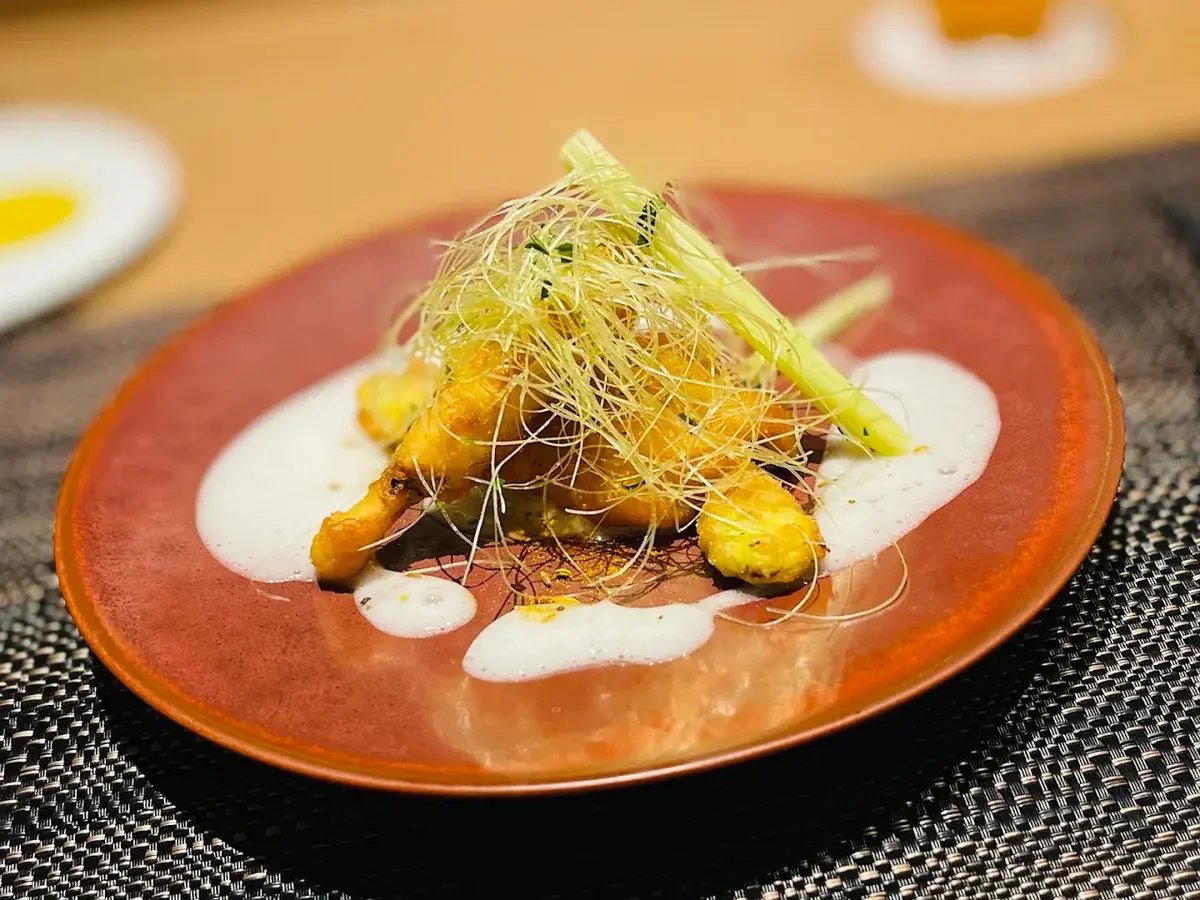
The useful way to read ginmi is through category and purpose, not luxury signals. Its public category stack, izakaya, seafood and Japanese cuisine, points to a kitchen built around fish and Japanese cooking rather than a narrow single-dish specialty. That matters in Fukuoka, where better izakaya cooking depends on how a room can shape seafood, cooked dishes and drinking rhythm for different kinds of diners. The appeal is in the way the meal can move between seafood, Japanese cooking and drinking-room ease.
This is where izakaya culture becomes more interesting than “Japanese-style tavern” suggests. The category can include serious cooking and a social dining rhythm without losing its drinking-house logic. It can absorb celebrations, family dinners and business meals while remaining more flexible than formal fine dining. That flexibility is why Fukuoka’s serious izakaya addresses a different need from more narrowly choreographed dinner formats.
The 2025 Tabelog Hyakumeiten recognition gives ginmi a clear external marker inside Japan’s izakaya field. Tabelog’s Hyakumeiten lists are not Michelin-style stars, but in Japan they are useful category-depth signals: they reward restaurants performing strongly within a defined genre rather than across fine dining as a whole. For a seafood-leaning Fukuoka izakaya, that recognition places ginmi in a wider conversation, not only a local one.
Comparisons sharpen the point. Other Fukuoka dining rooms speak to the city’s appetite for direct, ingredient-led Japanese cooking and comfort formats with serious local loyalty. ginmi sits closer to the structured izakaya end of that spectrum, with seafood and the social rhythm of the meal doing the heavy lifting rather than one headline dish.
The format supports Fukuoka drinking habits
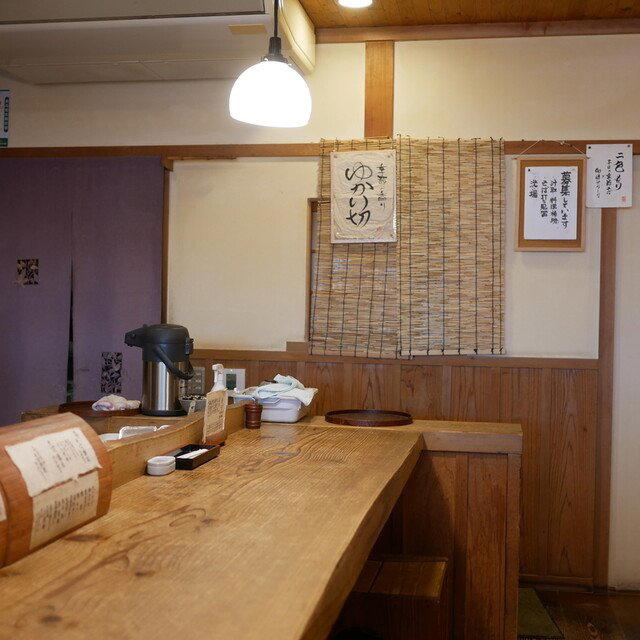
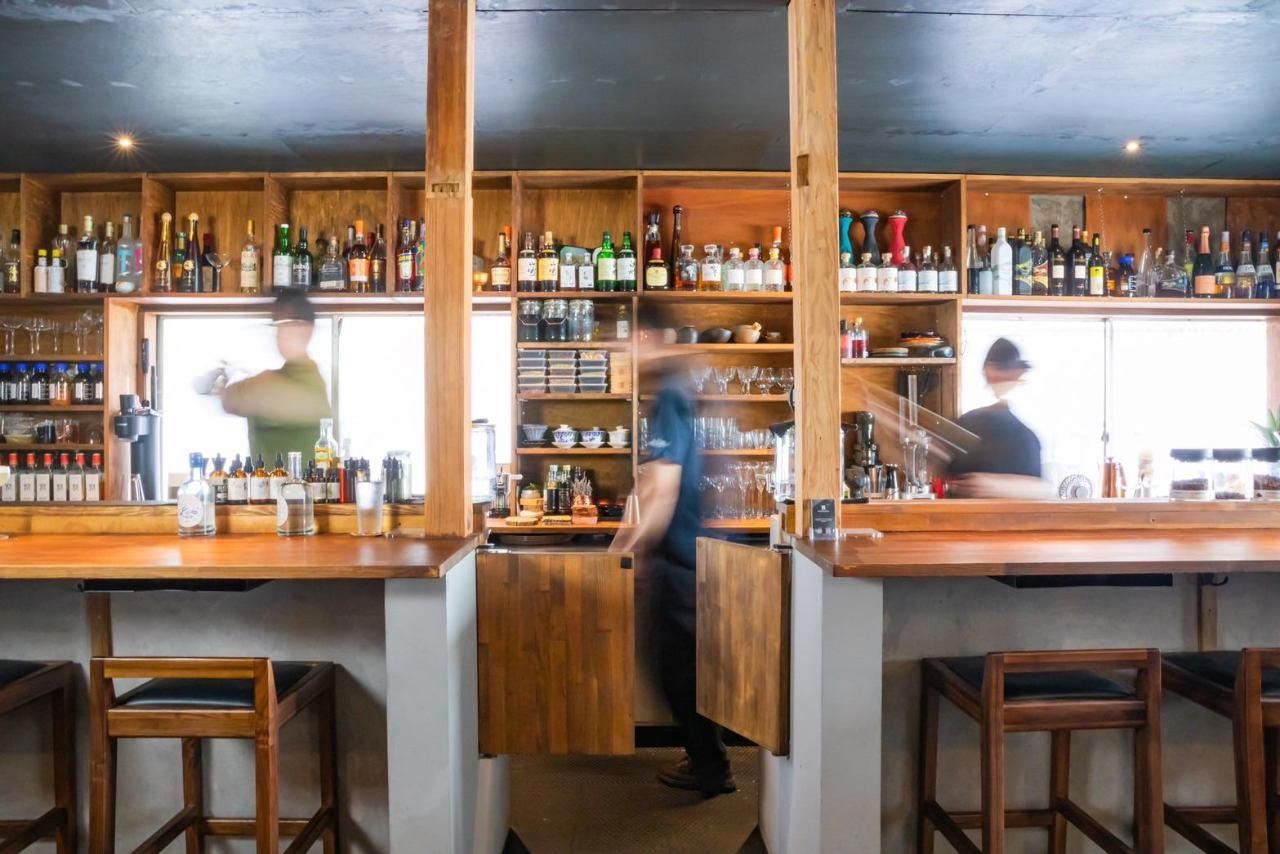
Format changes an izakaya’s character. A smaller-feeling meal can create focus and theatre; a more relaxed dinner must manage pacing, conversation and groups. ginmi is best understood as a Fukuoka izakaya built for more than a quick bite. In the city, stronger izakaya rooms often double as social infrastructure: colleague dinners, family gatherings, celebrations and catch-ups all need different degrees of comfort.
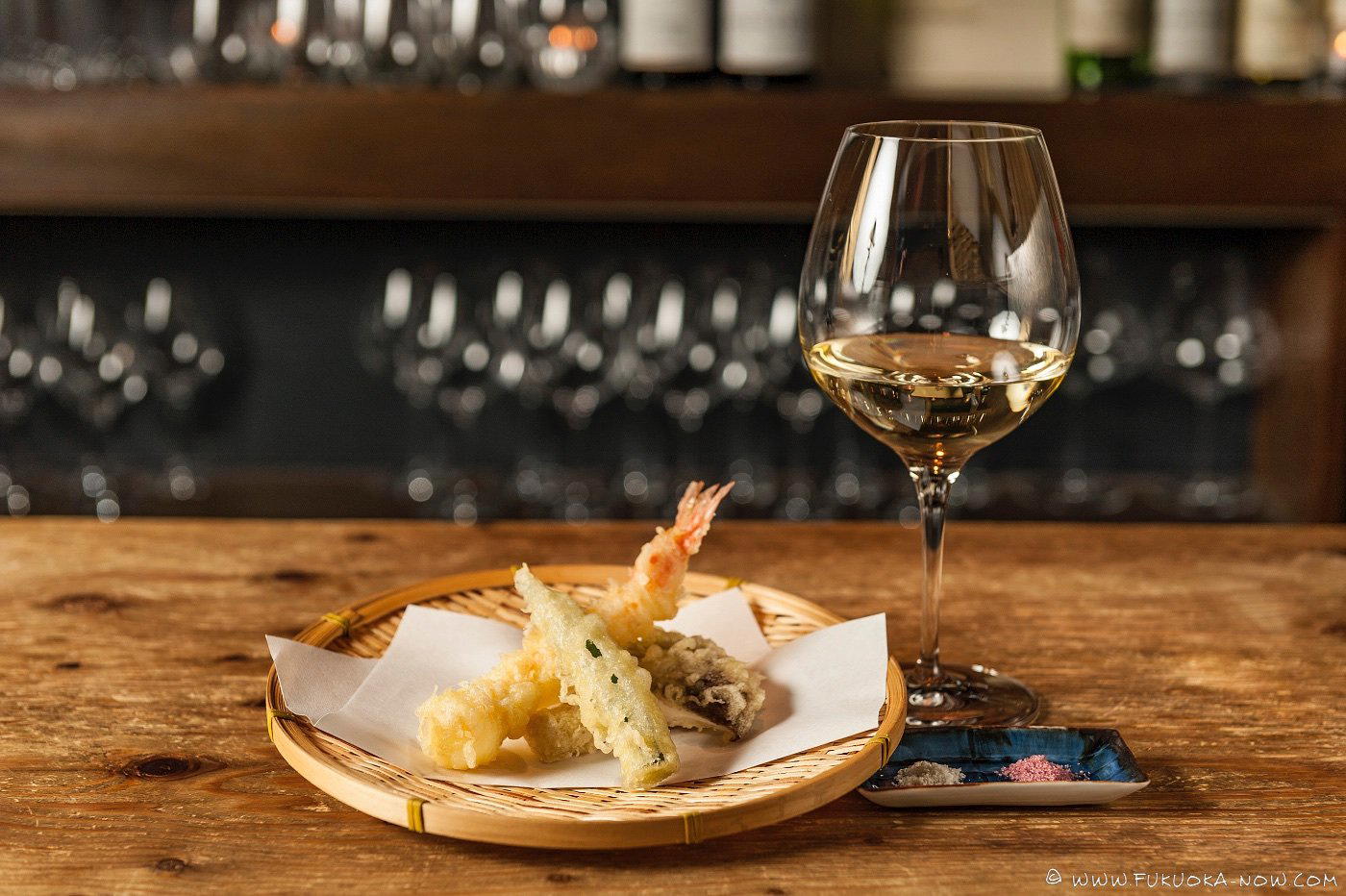
The drinking context reinforces that reading. In Kyushu, drinking with Japanese food is not a novelty add-on but part of the region’s meal pacing. Seafood-focused kitchens benefit from a format where dishes can arrive in sequence, conversation can stretch and the table can decide how serious or relaxed the night should feel. That is the strength of the izakaya frame when it is handled with discipline.
That cross-category movement is increasingly visible in Fukuoka. At the higher spend end, other dining in the city shows confidence beyond a single local template, while Raisin d'Or and Restaurant Arena indicate another premium lane. Nakahan and Sushi Sakai occupy different reference points, and Shin-shin Nishinakasu shop represents another Fukuoka register. Against that spread, a seafood izakaya offers less ceremony than some specialist formats and more flexibility than many highly defined meals.
The Fukuoka location also matters editorially, without turning the meal into a transit note. Dining decisions in the city are often made by occasion as much as cuisine. A serious izakaya lets diners choose focus without requiring hushed formality.
How to place it in a Fukuoka dining itinerary
For travellers building a Fukuoka eating schedule, ginmi works well as an izakaya anchor rather than a snack stop. It fits the evening slot for seafood, Japanese cooking and drinks in one sitting, especially for diners wanting Japanese food without a tightly prescribed format. The category gives the meal shape, while the izakaya mood keeps it social.
That makes it a useful contrast to ramen, curry, fried fish and specialist counters across the city. Readers mapping a broader itinerary can use Our full Fukuoka restaurants guide for dining context, then balance the trip with Our full Fukuoka hotels guide, Our full Fukuoka bars guide, Our full Fukuoka wineries guide and Our full Fukuoka experiences guide. For a wider Japan comparison set, unnamed dining rooms in other cities show how Japanese drinking, seafood and rice-centered formats can vary by place. Outside Japan, similar ideas translate differently, but ginmi’s relevance is rooted in Fukuoka.
The editorial case is direct: choose this address for Fukuoka’s fish-and-drink culture in a controlled izakaya format. The 2025 recognition signals category credibility, the format supports several dinner types, and the ingredient emphasis keeps the meal tied to the city rather than generic Japanese dining.
Frequently asked questions
What does dinner at ginmi typically cost?
Dinner at ginmi is listed as JPY 8,000 - JPY 9,999; lunch is listed as JPY 3,000 - JPY 3,999.
Where is ginmi in Fukuoka?
Fukuoka.
Is ginmi reservation-only?
Reservation-only service is not specified in the provided venue information. ginmi is listed in Fukuoka, with Japanese-style tavern, seafood and Japanese cuisine categories.
What is ginmi known for?
ginmi is known as a Fukuoka izakaya focused on seafood and Japanese cuisine, with 2025 Tabelog Hyakumeiten recognition.
How It Stacks Up
Comparable venues by cuisine and price in the same metro.
| Venue | Cuisine | Price | Awards | Notes |
|---|---|---|---|---|
| ginmiThis venue (the venue you are viewing) | Kyushu Izakaya | $50–100 | Tabelog 100 #66 | Not listed |
| あ三五 | Authentic Sarashina Soba | $50–100 | Tabelog Bronze #29 | Chūō |
| Sushi Ryori Ichitaka | Kyushu Edomae Omakase | $50–100 | Not listed | Chūō |
| Oryori Uchiyama | Japanese Izakaya | $50–100 | Tabelog 100 #56 | Chūō |
| Shokuji to Sake Dokoro Makoto | Casual Japanese izakaya and set meals | $10–20 | Tabelog 100 #41 | Chūō |
| Yakitori Mako | Yakitori & Kushiyaki | $50–100 | Tabelog 100 #32 | Chūō |
Recognition history
Dated appearances from independent guides and award organizations, with the underlying list record or original source where available.
Tabelog 100 #66 · No. 66
Tabelog · Tabelog 100 - Izakaya - WEST - 2025
Continue exploring
More in Fukuoka
Restaurants in Fukuoka
All restaurants in Fukuoka →
Details
- Sophisticated
- Cozy
- Modern
- Casual Hangout
- Group Dining
- Business Dinner
- After Work
- Standalone
- Sake Program
- Local Sourcing
- A La Carte
- Sake
Current opening hours
- Monday
- 12–3 PM, 6–11 PM
- Tuesday
- 12–3 PM, 6–11 PM
- Wednesday
- 12–3 PM, 6–11 PM
- Thursday
- 12–3 PM, 6–11 PM
- Friday
- 12–3 PM, 6–11 PM
- Saturday
- 12–3 PM, 6–11 PM
- Sunday
- 12–3 PM, 6–11 PM
Hours can change for holidays and private events. Last verified .
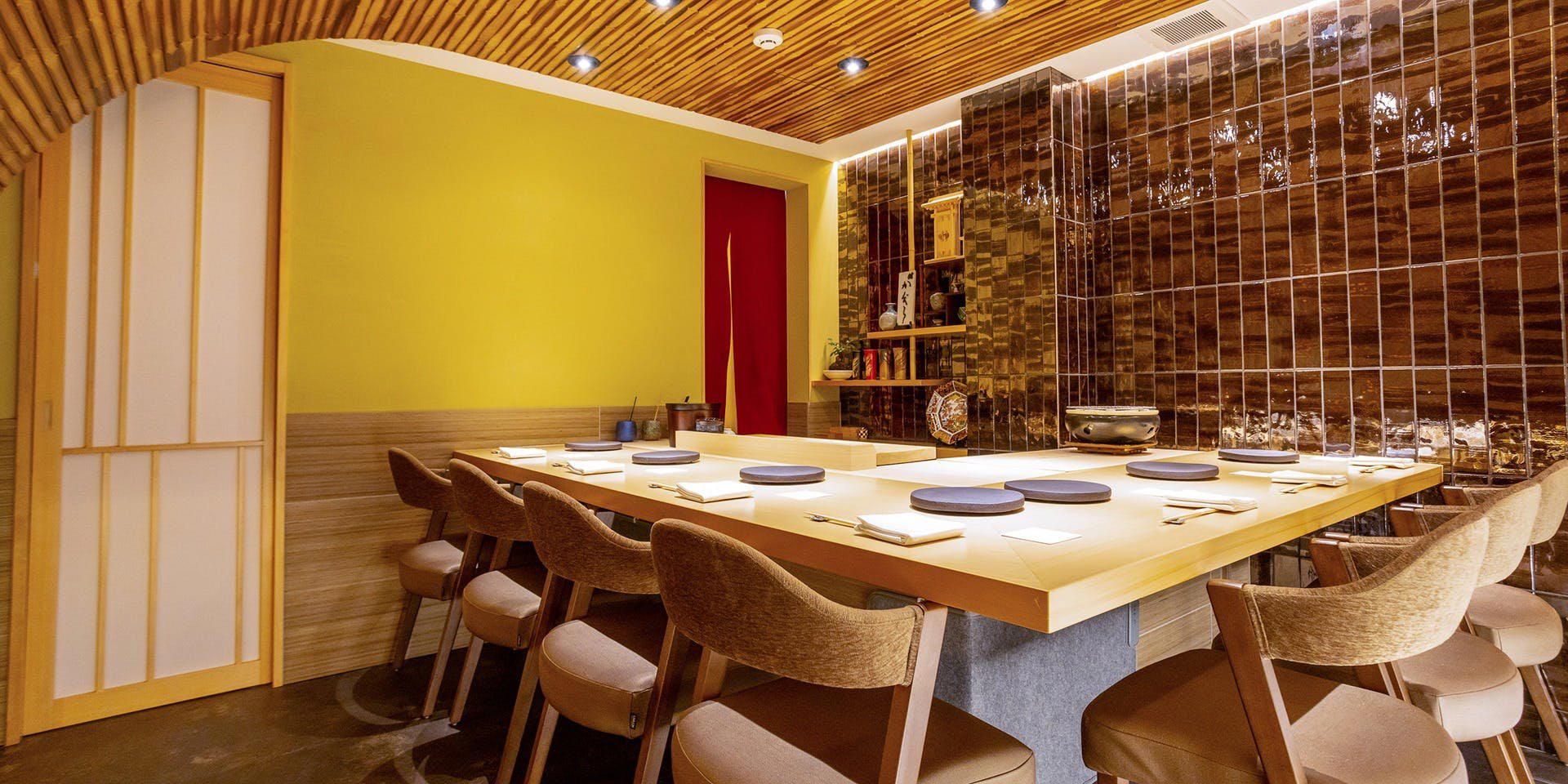
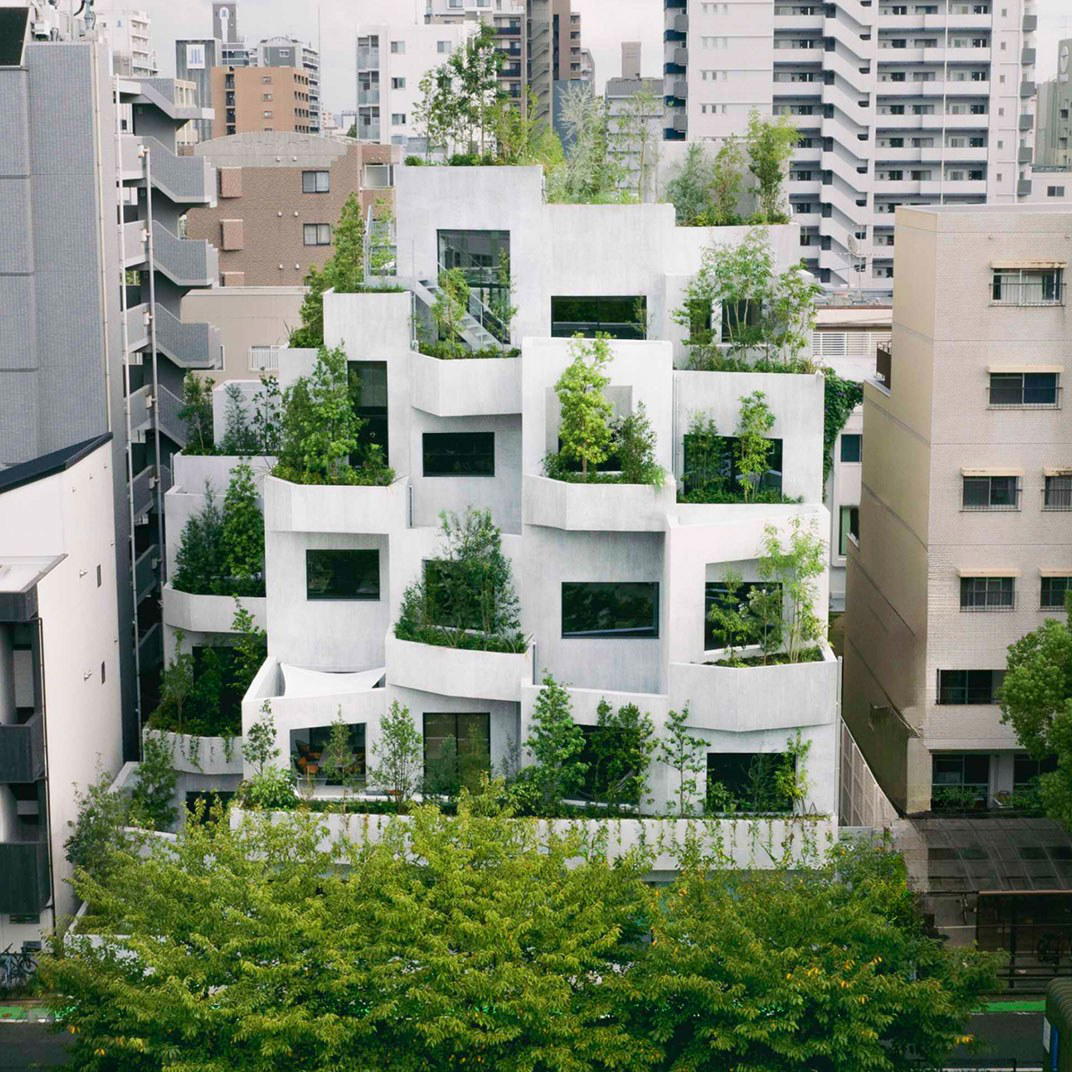
Modern and carefully detailed, with a polished Japanese atmosphere that feels more refined than a typical izakaya.