Hunan Satélite
Hunan Satélite brings the bold, smoke-driven flavors of China's Hunan province to Ciudad Satélite, one of Mexico City's most established suburban dining corridors. Set inside the Centro Comercial Satélite complex in Naucalpan de Juárez, it occupies a niche where Chinese regional cooking meets a Mexican dining public with increasingly precise expectations for Asian cuisine beyond Cantonese standards.
Pearl is the En Primeur Club membership app — saves, bookings, and concierge access live there. Same editors, same standards.
- Address
- Cto Centro Comercial 2251-Local P-1, Cd. Satélite, 53100 Naucalpan de Juárez, Méx., Mexico
- Phone
- +525550844498
- Website
- hunan.com.mx
- Directions
- Get directions
 Saves & bookings on Pearl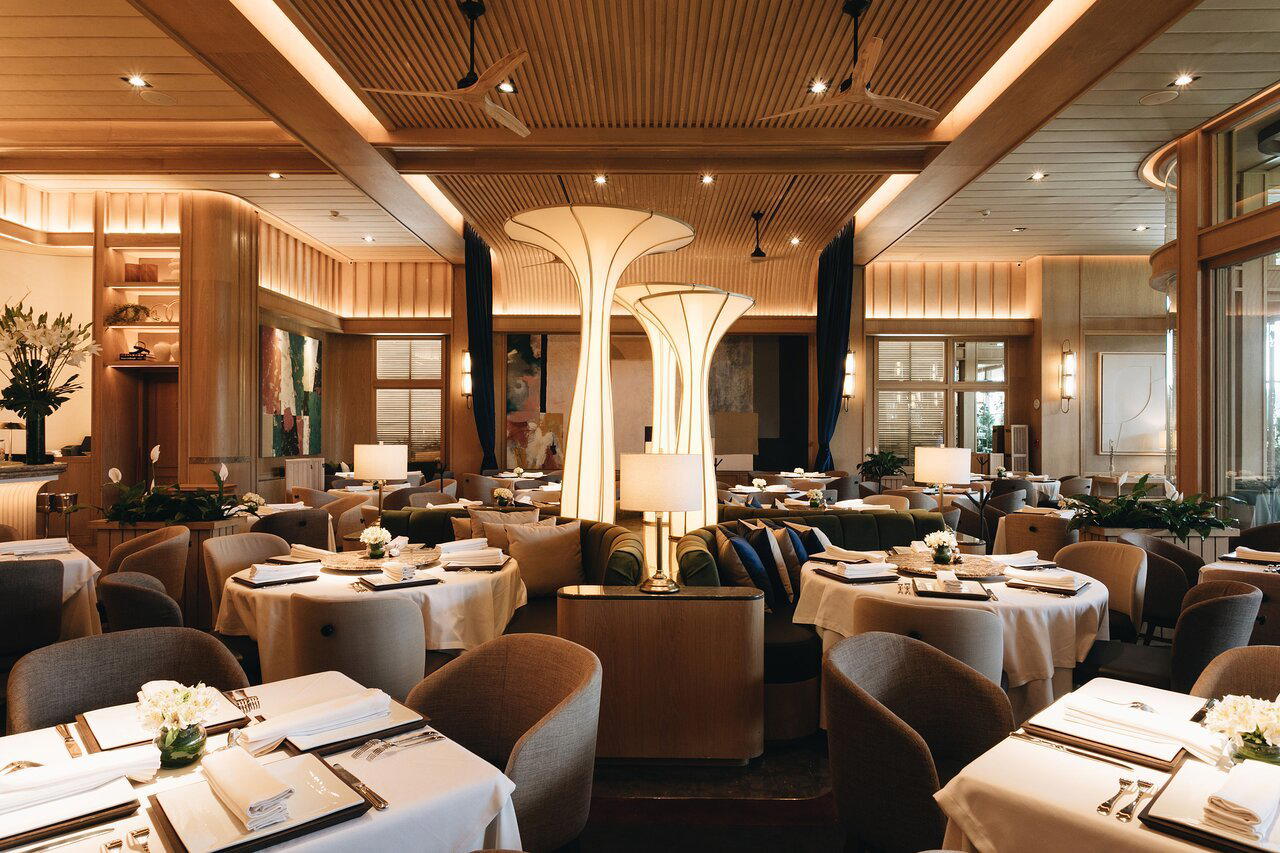
Chinese Regional Cooking in Mexico's Suburban Dining Belt
The suburbs northwest of Mexico City have developed a dining culture that often moves faster than the capital gets credit for. Ciudad Satélite, the mid-century planned community anchored by Luis Barragán's Torres de Satélite, has accumulated a serious restaurant corridor along and around the Centro Comercial complex. You find Spanish-inflected wine bars like Carajillo Satélite, seafood-forward addresses like Barrita de Mar Satelite, and Italian-leaning rooms such as Fiorella. Into that mix, Hunan Satélite introduces a regional Chinese proposition that departs from the Cantonese-dominant model that shaped most of Mexico's Chinese restaurant history.
Hunanese cuisine is one of China's eight recognized great culinary traditions. Where Cantonese cooking is known for restraint and the preservation of ingredient flavor, Hunan cooking draws on dried chilies, fermented black beans, smoked meats, and a technique called dry-frying that concentrates heat and aromatics without the glossy saucing associated with Westernized Chinese food. The result is a table of deeper reds, stronger preservation notes, and a heat that differs from Sichuan's numbing mala profile: Hunan's spice is direct and persistent rather than anesthetic. For a dining public in the greater Mexico City area that has grown up eating mole and chile-forward salsas, the structural logic of Hunan food is not entirely foreign, even if the specific ingredients are.
The Satélite Setting and What It Signals
Hunan Satélite's address inside a commercial center on Circuito Centro Comercial places it within the mall-adjacent dining format that a significant share of suburban Mexican restaurant culture occupies. This is not a marginal format in this market: some of the zone's most consistent restaurants operate inside or adjacent to the Satélite complex, drawing families and working professionals from across Naucalpan de Juárez and neighboring municipalities. The footfall and parking logistics of the location support mid-week dining in a way that freestanding addresses in the same zone cannot always match.
That context matters when reading the regional Chinese dining scene here against the broader national picture. In Mexico City proper, the Zona Rosa's Barrio Chino remains the oldest reference point for Chinese food in the metro area, but its reputation has become more historical than gastronomic. The more interesting Chinese cooking in Greater Mexico City has, over the past decade, migrated to addresses in suburban zones, often driven by communities with direct ties to specific Chinese provinces rather than the general-purpose Cantonese template. Hunan Satélite's name makes an explicit provincial claim, which is itself a signal of a more category-conscious operator.
Hunan Cuisine in the Mexican Context
Mexican diners encounter Hunanese cooking through a different frame than, say, diners in San Francisco's Richmond district or London's Chinatown. In those cities, regional Chinese cuisine exists within a larger Chinese-American or British-Chinese infrastructure of specialty grocers, diaspora communities, and critical writing that has educated palates over generations. In Naucalpan de Juárez, the reference points are fewer, which means the kitchen carries more responsibility for educating through the plate itself.
The broader Mexican dining scene has shown a consistent appetite for exactly this kind of education in recent years. Restaurants like Pujol in Mexico City and KOLI Cocina de Origen in Monterrey have demonstrated that Mexican diners across income brackets will engage deeply with cuisine that carries a legible cultural argument. At the regional level, places like Levadura de Olla Restaurante in Oaxaca and Alcalde in Guadalajara have built serious followings by making the provenance of ingredients and technique explicit. A Hunanese restaurant making a clear provincial declaration fits this pattern, even if it operates in a different price tier and register than those fine-dining addresses.
The structural parallels between Hunan cooking and central Mexican food traditions are worth noting here. Both cuisines rely on dried and fresh chili varieties as distinct flavor categories rather than interchangeable heat sources. Both use fermentation extensively, whether in Hunan's preserved vegetables and fermented bean pastes or in Mexico's vinegar-based escabeches and fermented corn preparations. Neither cuisine defaults to cream or butter as a finishing register. For a diner arriving with experience in Mexican regional cooking, Hunan food offers unfamiliar techniques in a flavor grammar that is not entirely new.
Where Hunan Satélite Sits in the Local Scene
Within the Satélite corridor specifically, the competition set for Hunan Satélite includes both direct neighbors and the broader question of what draws diners across the commercial complex. Addresses like Guadiana and MARJUL occupy different cuisine categories but compete for the same suburban dinner occasions. A venue offering Hunanese cooking rather than another iteration of Mexican or European food differentiates itself through category rather than execution tier, which is a reasonable strategy in a zone where variety is itself a selling point.
For those building a broader picture of serious dining across Mexico, Hunan Satélite belongs to a different register than destination addresses like Animalón in Valle de Guadalupe, HA' in Playa del Carmen, or Le Chique in Puerto Morelos. Those are rooms built for culinary tourism and high-commitment dining occasions. Hunan Satélite operates in the neighborhood-anchor tier, where consistency and accessibility matter more than headline ambition, and where a well-executed regional Chinese menu can develop a genuinely loyal repeat clientele. For context on what that tier looks like across international benchmarks, places like Le Bernardin in New York City or Atomix in New York City represent the opposite end of the formality spectrum, but they illuminate what sustained cuisine-specific commitment looks like at any level.
The full picture of what Naucalpan de Juárez offers across cuisine categories is covered in our full Naucalpan De Juarez restaurants guide, and for those tracking the development of wine-country dining in Mexico, Olivea Farm to Table in Ensenada, Lunario in El Porvenir, and Pangea in San Pedro Garza Garcia each offer a useful counterpoint on how regional specificity is being deployed in Mexican dining more broadly.
Planning Your Visit
Hunan Satélite is located at Circuito Centro Comercial 2251, Local P-1, inside the Ciudad Satélite commercial complex in Naucalpan de Juárez, Estado de México, postal code 53100. The mall-adjacent location means parking is generally available and the address is direct to reach by car from either the Periférico or Boulevard Manuel Ávila Camacho. No booking data, hours, or price range is confirmed in the EP Club database at this time; arriving mid-week or at off-peak hours is a reasonable hedge for securing a table without advance coordination.
Continue exploring
More in Naucalpan De Juarez
Restaurants in Naucalpan De Juarez
Browse all →
Bars in Naucalpan De Juarez
Browse all →
At a Glance
- Elegant
- Modern
- Sophisticated
- Business Dinner
- Celebration
- Special Occasion
- Open Kitchen
- Terrace
Current opening hours
- Monday
- 1–11 PM
- Tuesday
- 1–11 PM
- Wednesday
- 1–11 PM
- Thursday
- 1 PM–12 AM
- Friday
- 1 PM–12 AM
- Saturday
- 1 PM–12 AM
- Sunday
- 1–7 PM
Hours can change for holidays and private events. Last verified .
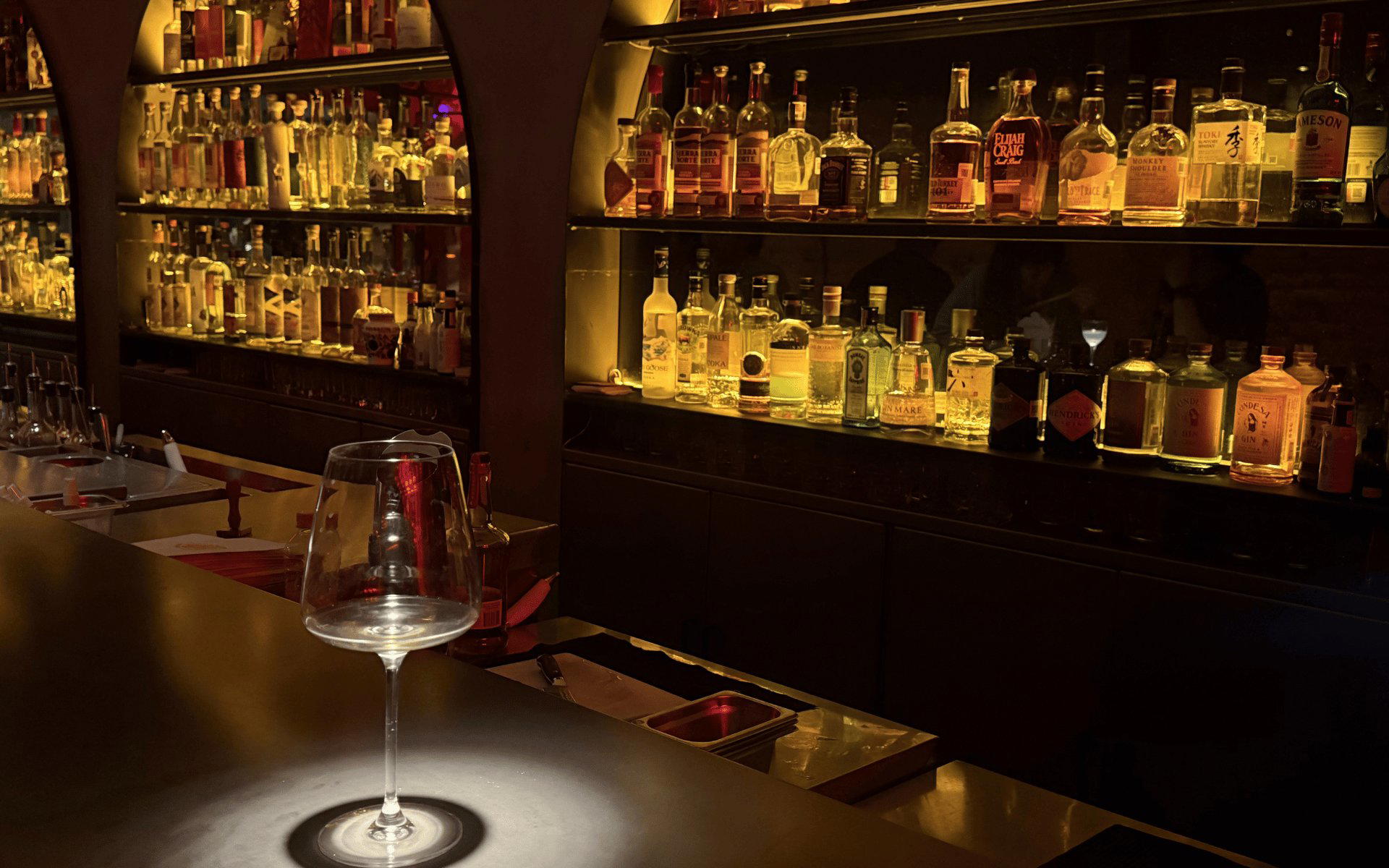
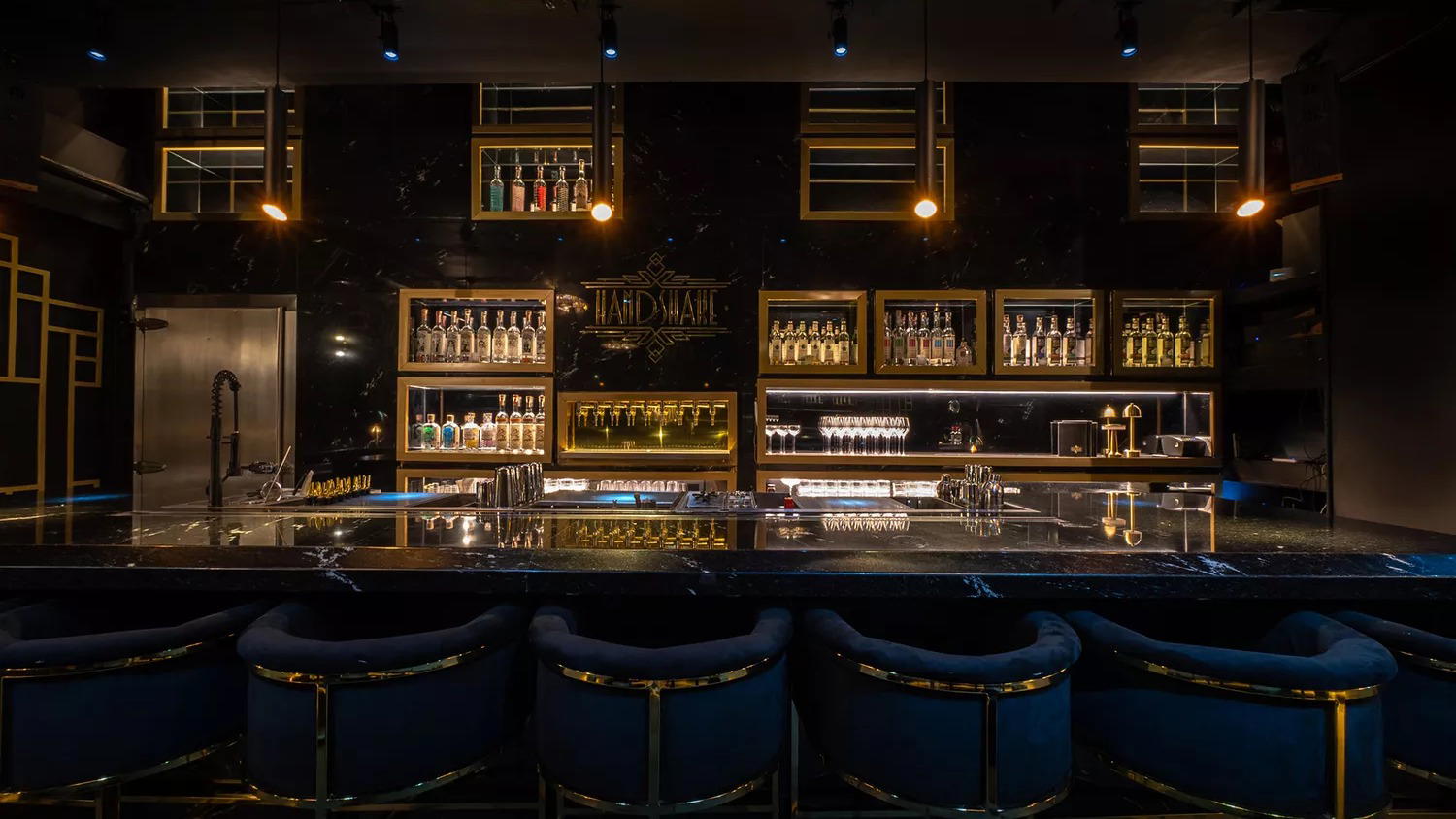
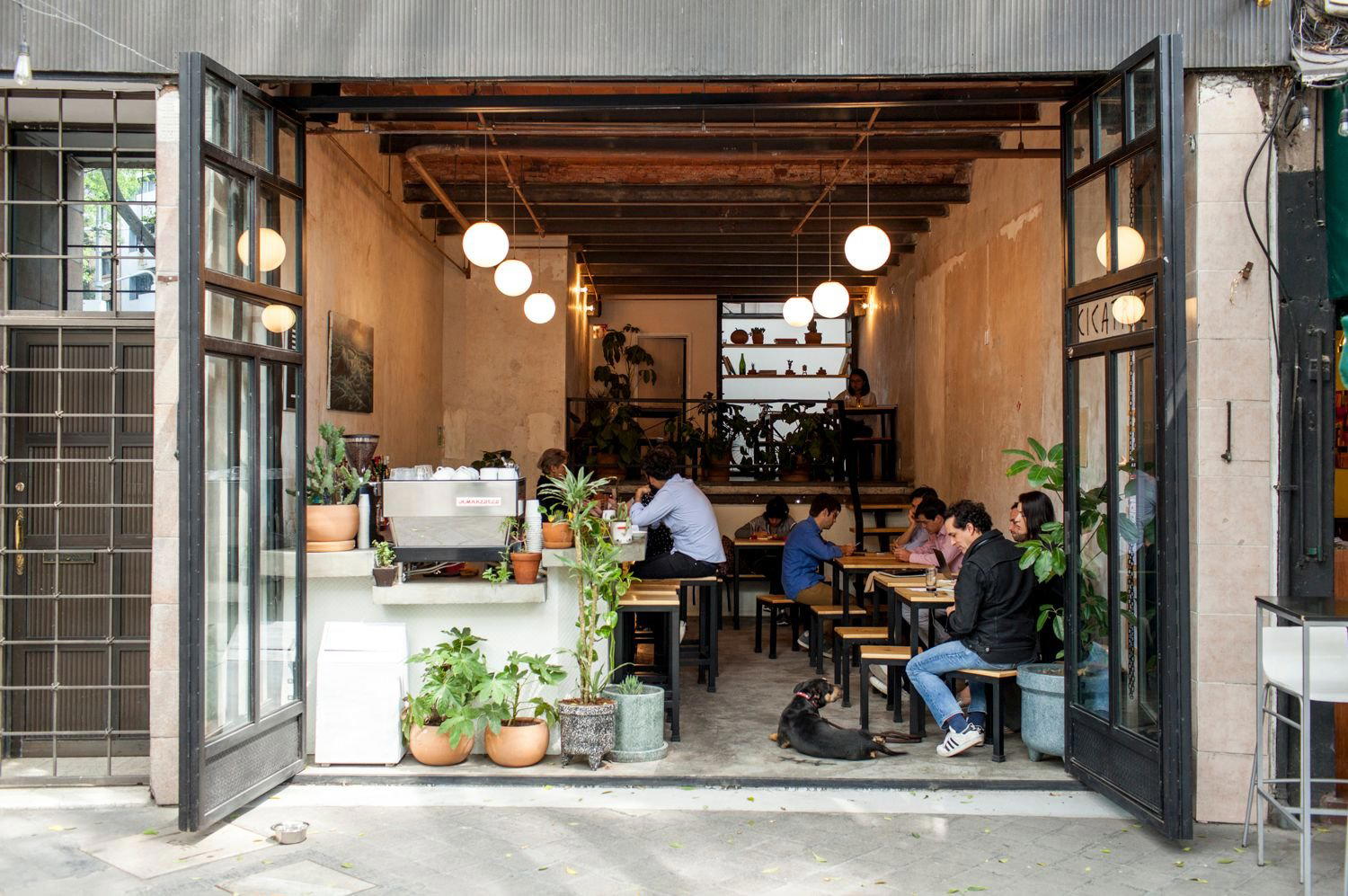
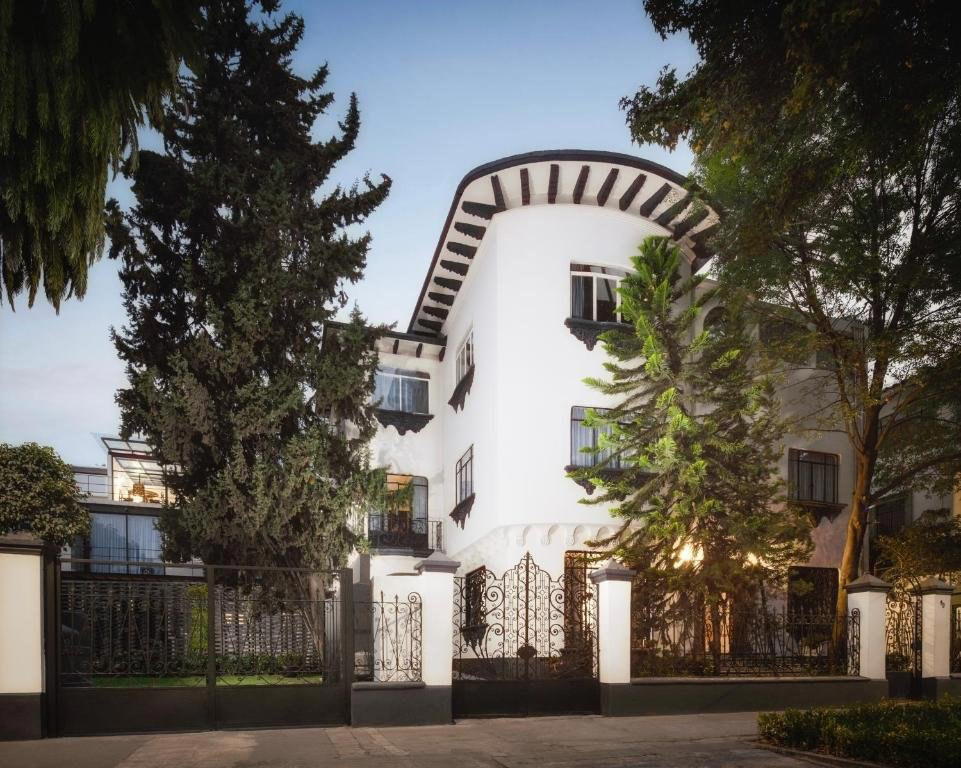
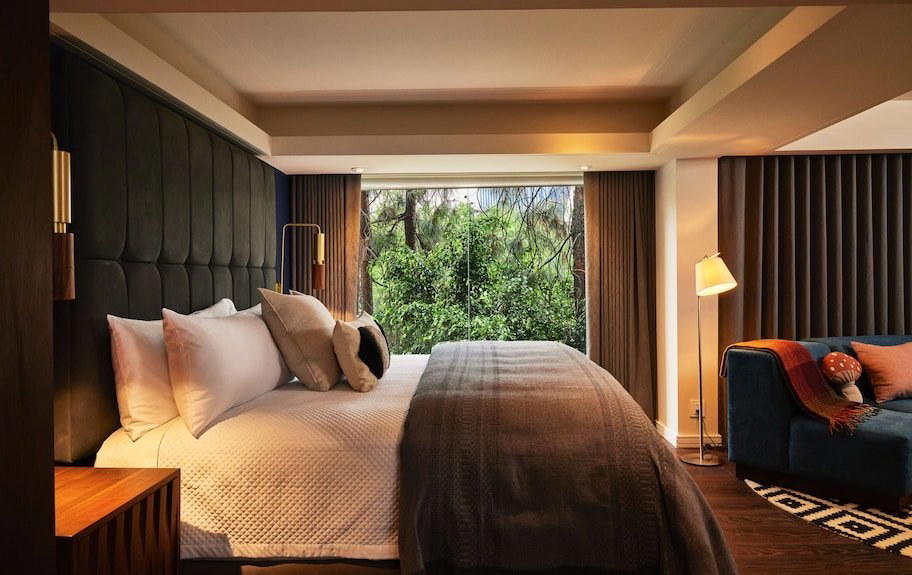
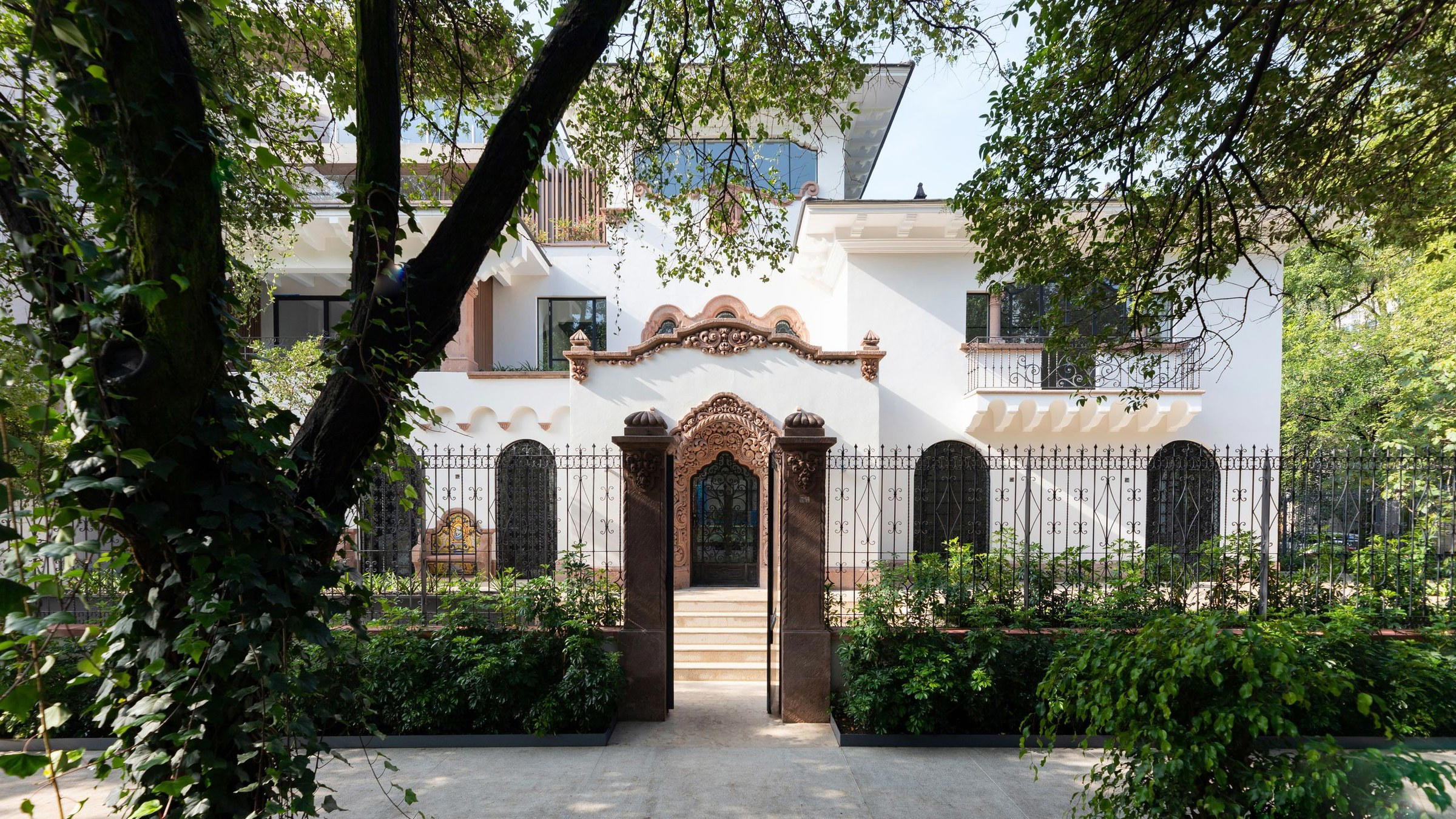
Elegant atmosphere with architectural design, art, vegetation, lighting, and terrace featuring hanging lamps.
Know Before You Go
- Getting there
- Cto Centro Comercial 2251-Local P-1, Cd. Satélite, 53100 Naucalpan de Juárez, Méx., Mexico