Hunan Return of the Phoenix
Hunan Return of the Phoenix sits inside Houston's Hobby Airport (HOU), placing regional Chinese cooking at an address most travelers pass through without a second glance. As an airport concourse restaurant, it represents a category that rarely earns serious attention, yet its presence signals something worth noting about Houston's broader appetite for regional specificity in dining.
Pearl is the En Primeur Club membership app — saves, bookings, and concierge access live there. Same editors, same standards.
- Address
- Central Concourse (HOU Airport), Houston, TX 77061
- Directions
- Get directions
 Saves & bookings on Pearl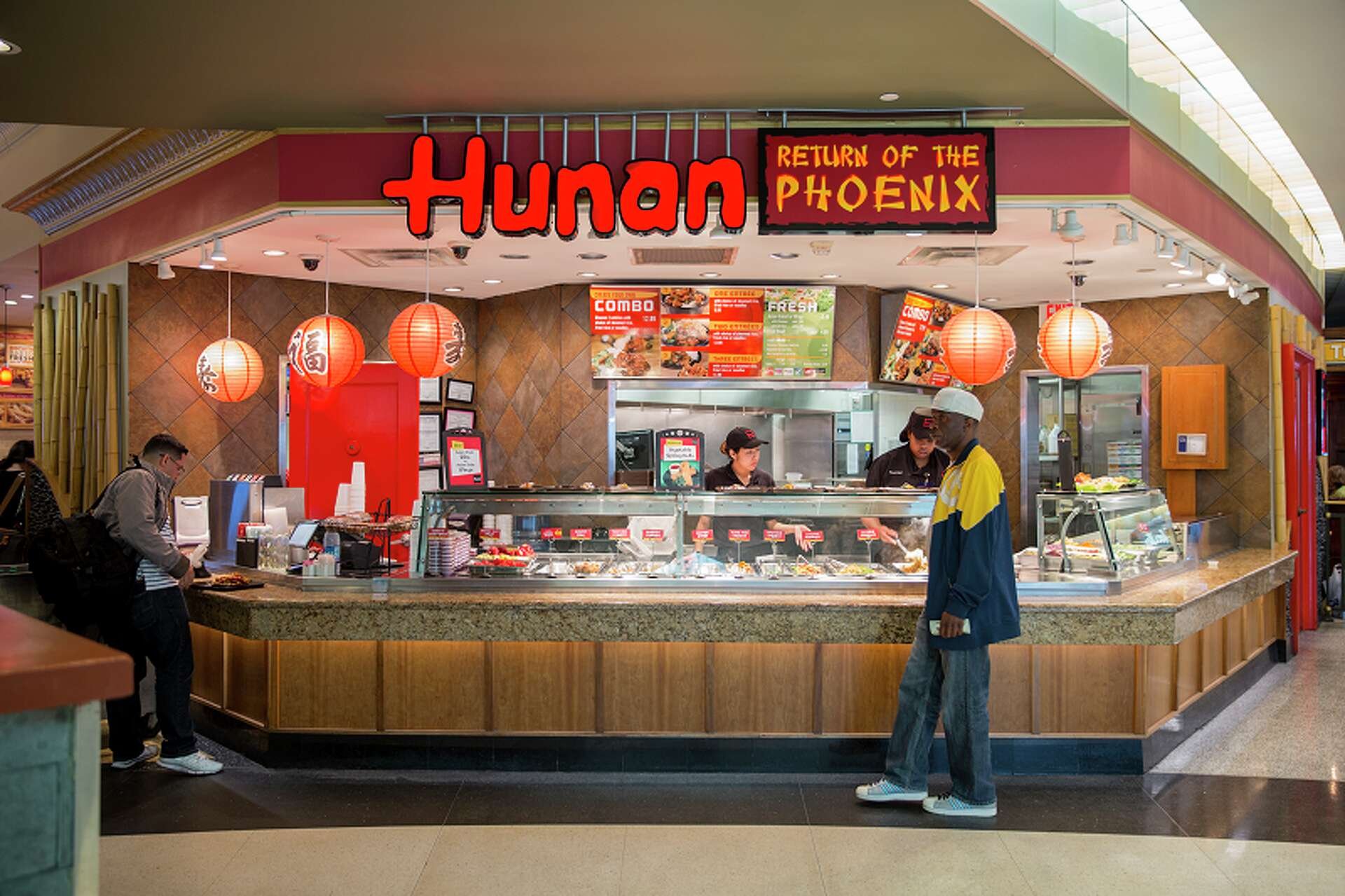
What a Hunan Restaurant Is Doing at Gate Level
Airport dining in the United States occupies a predictable band: fast-casual chains, rebranded bar concepts, and the occasional outpost of a name-brand chef whose food lands well below the standard of the flagship. Hobby Airport (HOU) in Houston operates within that same general framework, which makes the presence of Hunan Return of the Phoenix on the Central Concourse worth pausing on. Hunan cuisine is not common airport territory. The style draws from China's landlocked south-central province of Hunan, and its cooking is defined by dried chilis, fermented black beans, smoked and cured meats, and a sharpness that differs substantially from the milder, sauce-forward Cantonese profiles that tend to travel more easily into generalist Chinese-American restaurant formats.
The fact that this kind of regional specificity appears at all inside a mid-sized domestic terminal says something about Houston's Chinese dining population and its expectations. Houston's Chinatown along Bellaire Boulevard is one of the most concentrated and regionally diverse Chinese food corridors in the American South, with restaurants serving Sichuan, Shanghainese, Hong Kong-style seafood, and Fujian alongside Hunan. That culinary density has a way of raising the floor for what counts as an acceptable version of regional Chinese cooking, even in contexts like airport concourses where the institutional pressure to generalize is significant.
The Airport Concourse as Dining Context
Location shapes the terms of engagement here more than almost any other variable. HOU is a mid-capacity airport serving primarily domestic routes, with Southwest Airlines as its dominant carrier. Dwell times are shorter than at international hubs like George Bush Intercontinental (IAH), and the passenger mix skews toward frequent domestic travelers and Houston-area residents on regional routes. For that audience, a Hunan restaurant inside the terminal functions differently than it would at an international gateway: it is less likely to serve as introduction and more likely to serve returning travelers who know what they are looking at.
Concourse dining in this tier of airport typically operates under a concessionaire model, meaning the brand identity may or may not reflect an independent kitchen operating to the same standards as a street-level restaurant of equivalent name. That distinction matters when setting expectations. At airports across the country, regional food concepts often represent a branded version of the cuisine rather than a full expression of it, with menus calibrated for speed of service and the limited equipment footprint of a terminal kitchen. Whether Return of the Phoenix operates with that kind of constraint or achieves something closer to a full Hunan kitchen program is not documented in available public data.
Where This Sits Against Houston's Chinese Dining Spectrum
Houston's restaurant scene has developed genuine depth across multiple cuisines, and its Chinese restaurant community is no exception. The city supports a range of formats from quick lunch operations along Bellaire to sit-down regional specialists drawing serious attention from food-focused travelers. In that context, airport-based Chinese dining occupies a distinct and somewhat separate tier, evaluated against different criteria than the city's destination restaurants.
For comparison, the higher end of Houston's dining spectrum runs through venues like March, the Venetian-format tasting counter that sits at the upper tier of the city's formal dining, and Musaafer, the Indian concept at the Galleria that brought regional Indian cuisine into a fine-dining price bracket. Further across the city's cuisine range, BCN Taste & Tradition represents the serious end of Spanish cooking in Houston, while Le Jardinier Houston and Tatemó demonstrate the city's appetite for conceptually rigorous formats. None of that translates directly into what Return of the Phoenix is doing or attempting to do at HOU, but the wider ecosystem gives useful context: Houston diners who encounter regional Chinese food at an airport are not necessarily working from low expectations.
Nationally, airports have occasionally produced restaurant concepts worth taking seriously. The broader conversation about airport dining quality has shifted over the past decade, with a handful of terminals in cities like San Francisco and New York commissioning genuine chef-driven programs. That shift has not fully reached mid-sized domestic hubs, which still tend to prioritize throughput over culinary ambition. For readers interested in how American restaurant culture has developed at the higher end, the spectrum runs from concepts like Le Bernardin in New York City and Alinea in Chicago through regionally grounded projects like Lazy Bear in San Francisco, Providence in Los Angeles, and Addison in San Diego. The airport dining category sits at a significant remove from that tier, but the gap has been narrowing slowly in cities where food culture has sufficient density to demand better terminal options.
Other reference points from the American fine dining spectrum, including The French Laundry in Napa, Single Thread Farm in Healdsburg, Blue Hill at Stone Barns in Tarrytown, The Inn at Little Washington, Atomix in New York City, and Emeril's in New Orleans, along with international comparisons such as 8½ Otto e Mezzo Bombana in Hong Kong, illustrate how wide the field runs. See our full Houston restaurants guide for a broader map of the city's dining options.
What the Location Tells You About the Experience
The Central Concourse placement at HOU means this is a pre-flight or layover option, not a destination visit. Travelers arriving from or departing to regional Texas routes, Gulf Coast cities, and domestic hubs will pass through the terminal regularly. For that audience, the value of having a Hunan-named concept on the concourse is primarily about variety within a constrained environment: it represents an alternative to the burger-and-bar format that dominates most domestic terminals of this size.
What Hunan cuisine actually brings to that environment, when executed with any fidelity to the source tradition, is a flavor profile that does not soften for generalist palates. The province's cooking has historically resisted the adjustments that made Cantonese and Americanized Chinese food widely accessible: the heat from dried red chilis is drier and more persistent than Sichuan's numbing effect, and the use of preserved and smoked ingredients adds a fermented depth that takes some familiarity to read correctly. Whether that character carries through in a concourse kitchen context depends entirely on the operational model, which is not documented here.
Know Before You Go
- Location: Central Concourse, Hobby Airport (HOU), Houston, TX 77061
- Access: Airside only — you must be a ticketed passenger to reach the concourse
- Airport: William P. Hobby Airport serves primarily domestic routes, dominated by Southwest Airlines
- Booking: No reservation system applies; seating is walk-in by nature of the airport format
- Hours: Airport concourse hours vary and are not independently confirmed — check HOU terminal operations before planning a visit around a meal
- Pricing: Price range not documented; airport concourse pricing typically runs above street-level equivalents
At-a-Glance Comparison
| Venue | Cuisine | Price | Awards |
|---|---|---|---|
| Hunan Return of the PhoenixThis venue — the venue you are viewing | This venue | Not listed | Not listed |
| March | Venetian | $$$$ | Michelin 1 Star |
| Musaafer | Indian | $$$$ | Michelin 1 Star |
| Nancy's Hustle | New American, Contemporary | $$ | New American, Contemporary, $$ |
| Hidden Omakase | Sushi | $$$$ | Sushi, $$$$ |
| Theodore Rex | New American, Contemporary | $$$ | New American, Contemporary, $$$ |
Continue exploring
More in Houston
Restaurants in Houston
Browse all →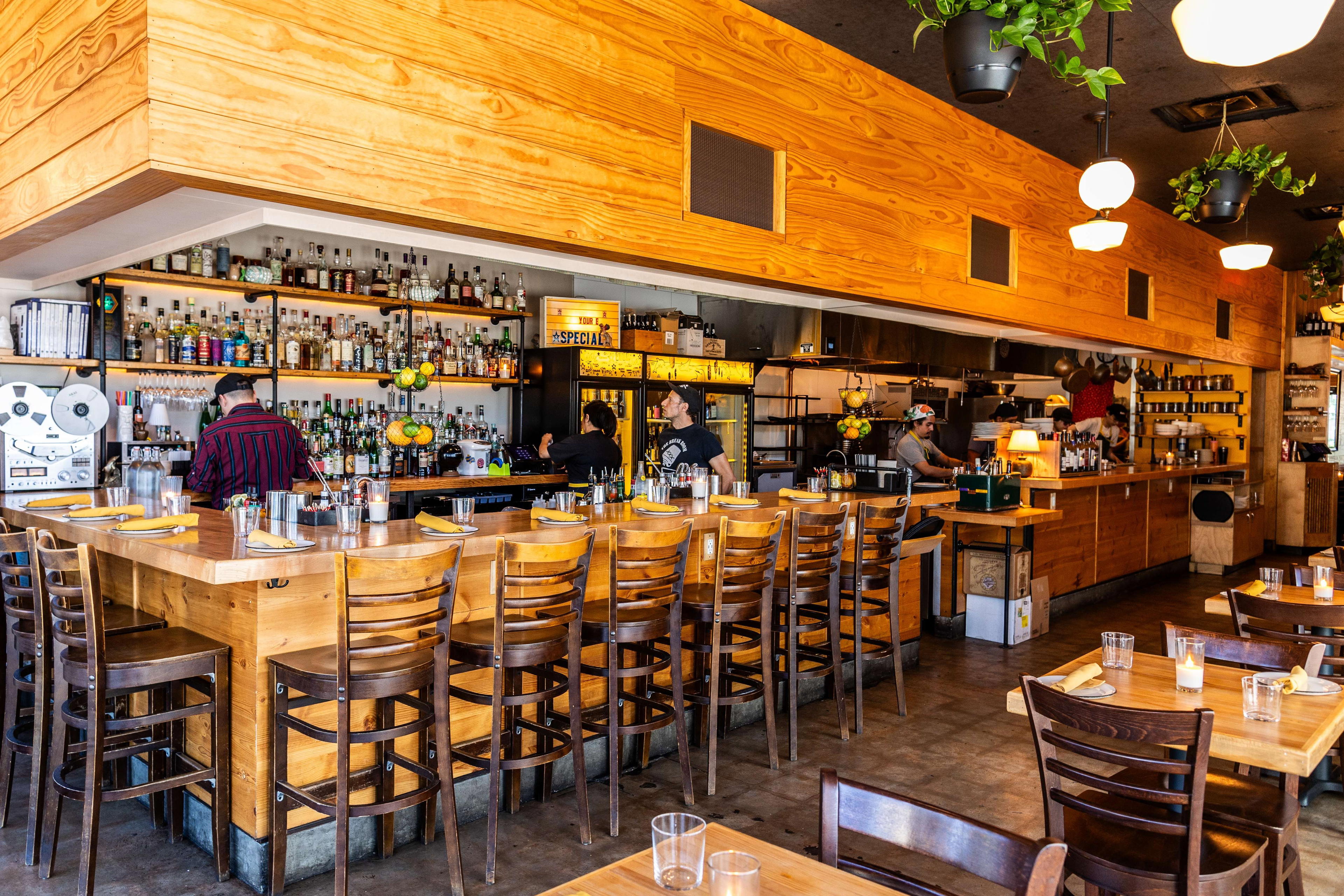
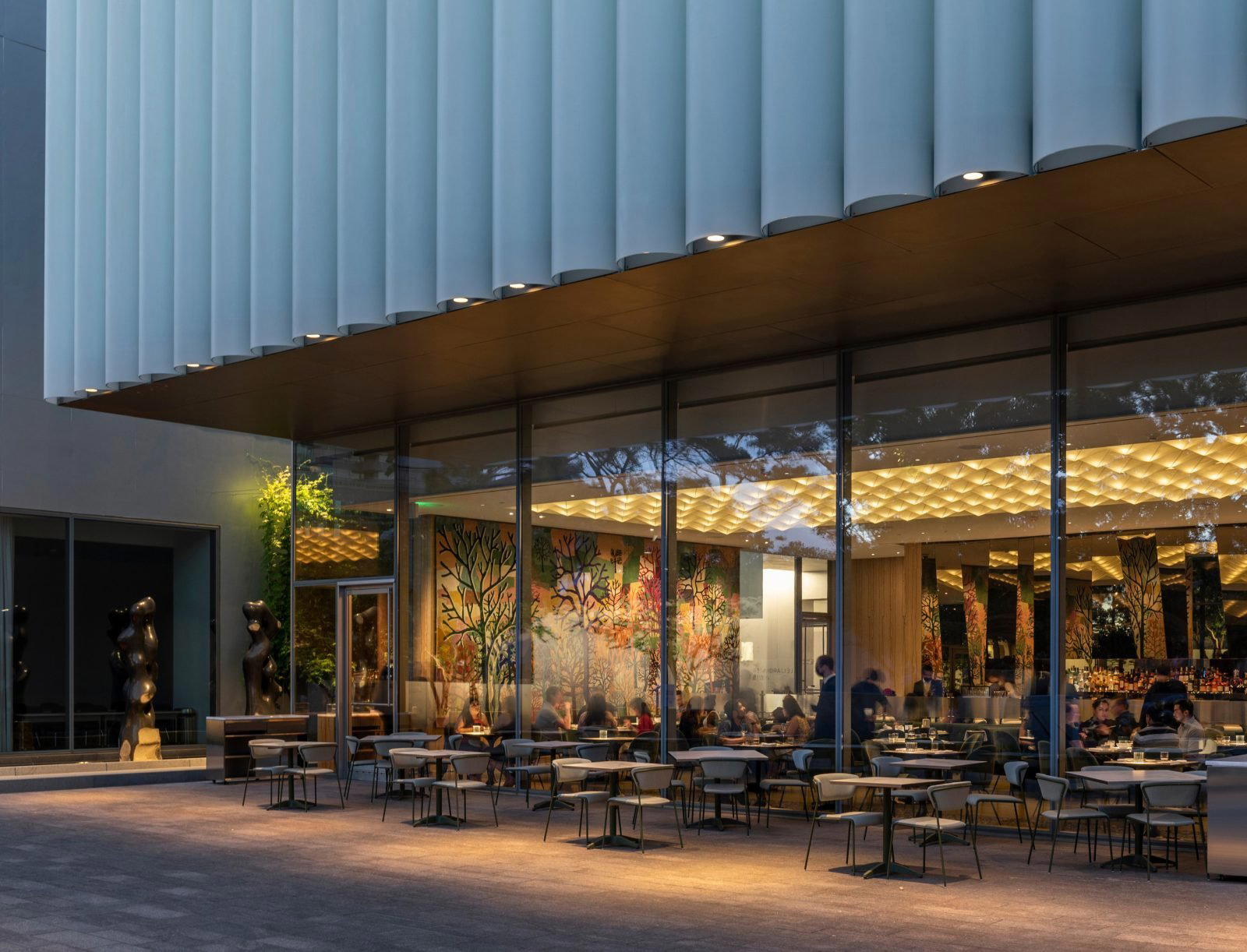
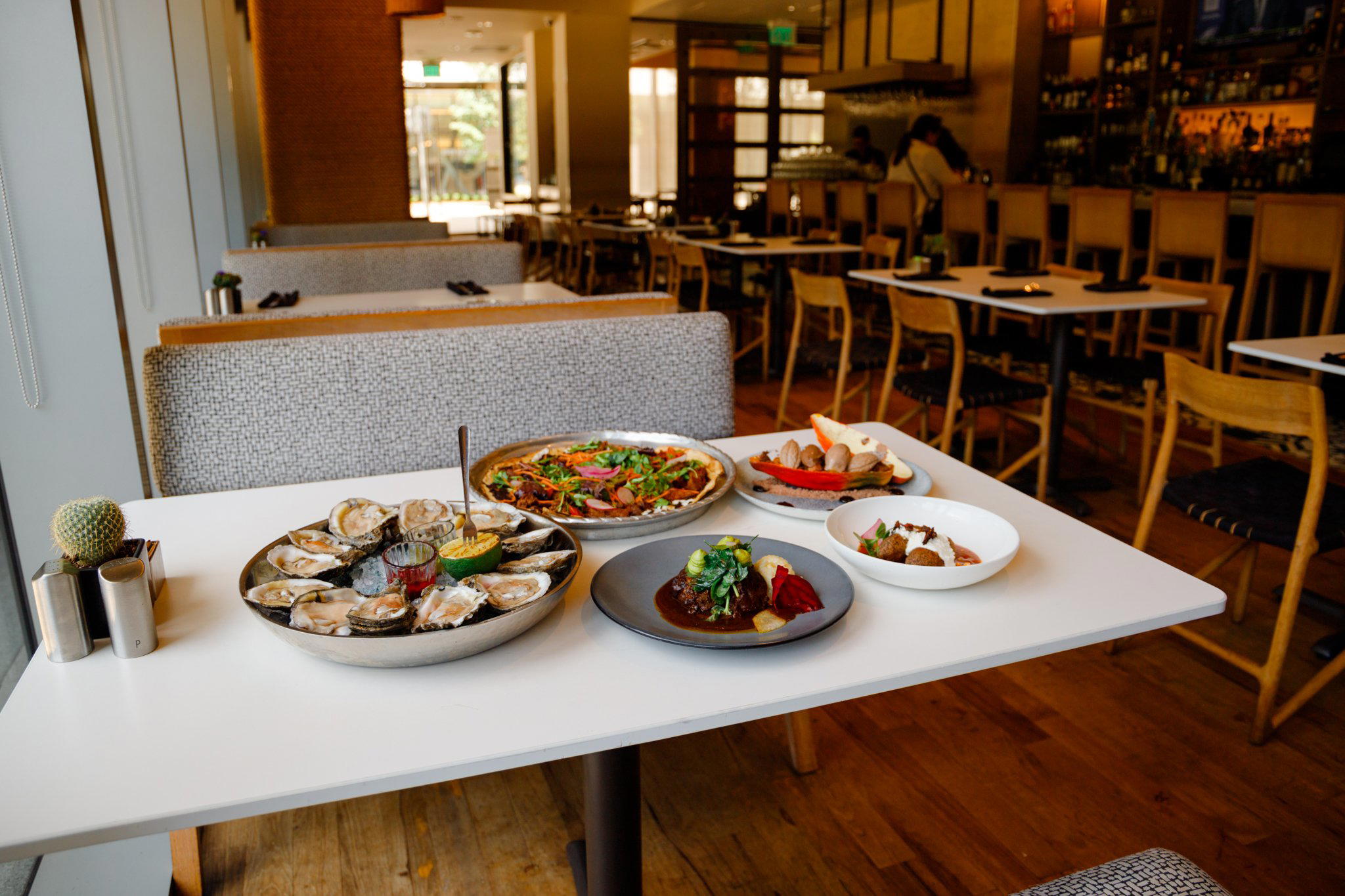
Bars in Houston
Browse all →

Hotels in Houston
Browse all →

At a Glance
- Casual Hangout
Know Before You Go
- Getting there
- Central Concourse (HOU Airport), Houston, TX 77061