Hôtel Restaurant l'Océan
Our verdict
On the Île de Ré, where Atlantic oyster beds and salt marshes define the table before the kitchen does, Hôtel Restaurant l'Océan occupies a position in Le Bois-Plage-en-Ré that makes geography the primary ingredient. The restaurant operates within a hotel format on an island where seasonal rhythms and proximity to the sea shape every sourcing decision. For travellers crossing the toll bridge from La Rochelle, it represents the island's quieter, more rooted dining proposition.

Pearl is the En Primeur Club membership app — saves, bookings, and concierge access live there. Same editors, same standards.
- Address
- 172 Rue de Saint-Martin, 17580 Le Bois-Plage-en-Ré, France
- Phone
- +33546092307
- Website
- re-hotel-ocean.com
- Directions
- Get directions
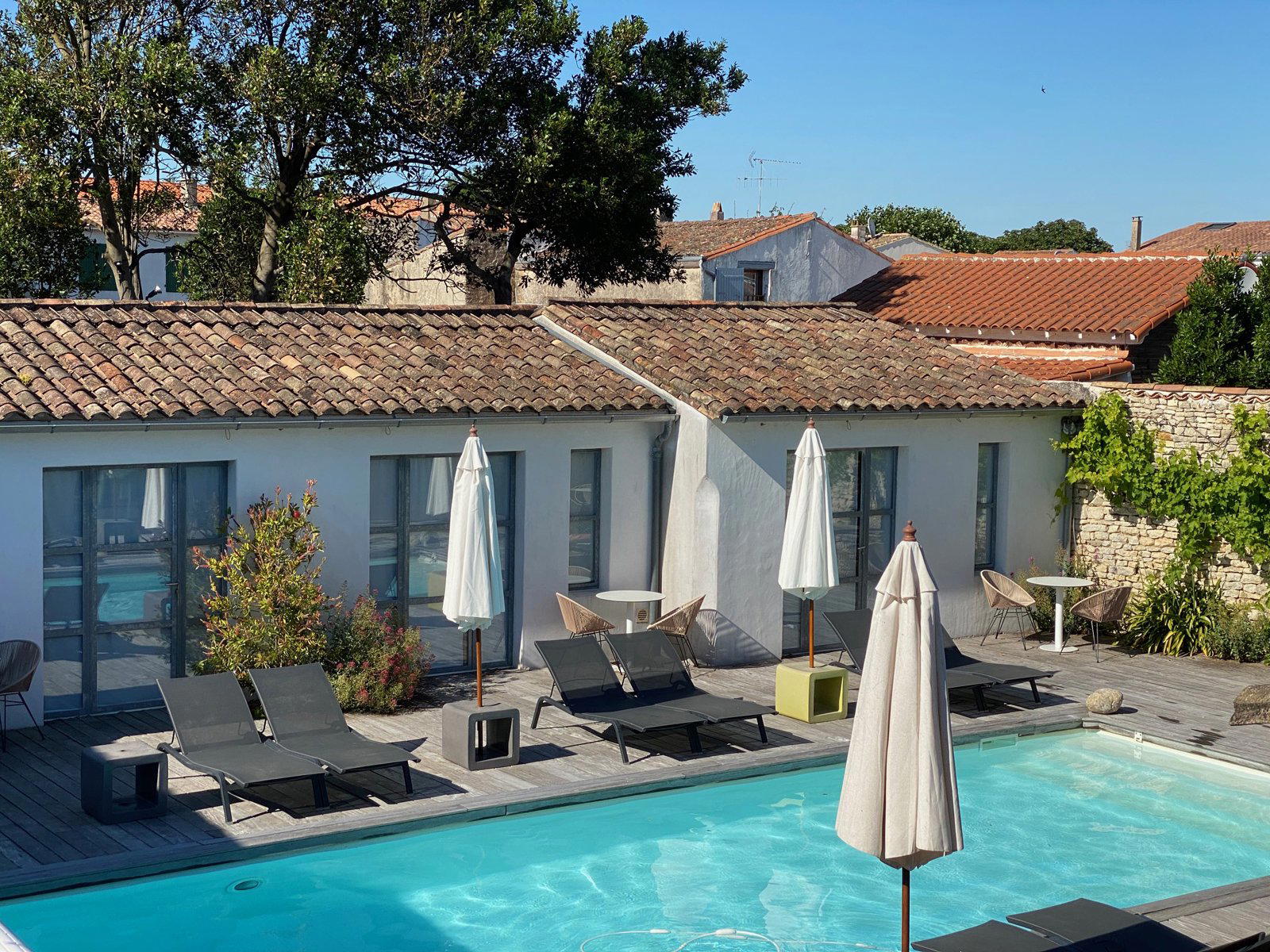
The menu
What to order
- Tartare de Saumon
- Poulpe grillé et saucisse Txistorra
- Soupe de poissons
Where the Atlantic Sets the Menu
Île de Ré operates on a logic that most French coastal destinations have abandoned: the island's produce calendar still largely dictates what appears on local tables. The salt marshes around Loix and Ars-en-Ré supply fleur de sel harvested by hand each summer. The oyster beds at La Couarde produce bivalves that travel minutes, not hours, to reach a plate. Mussels, sea bass, and sole come from waters close enough that weather affects both the catch and the diner's experience of arriving at the table. At Hôtel Restaurant l'Océan, situated along the Rue de Saint-Martin in Le Bois-Plage-en-Ré, that geography is the organizing principle of the kitchen rather than a marketing footnote.
Le Bois-Plage-en-Ré sits on the southern stretch of the island, roughly equidistant from the busier port town of Saint-Martin-de-Ré to the north and the more sheltered western beaches. The town itself is quieter than the island's main commercial centres, which matters for a hotel-restaurant format: the clientele arriving here tends to be settled, unhurried, and more interested in the quality of a dinner than in the social theatre of being seen. That dynamic shapes the room's atmosphere before the food arrives.
The Île de Ré Sourcing Context
To understand what a kitchen on the Île de Ré can realistically do with sourcing, it helps to map the island's food geography. The oyster-farming cooperatives cluster along the northern and central coastline, with classified Marennes-Oléron designations applying to much of the regional production. The island's position in the Charente-Maritime department places it within one of France's most productive shellfish zones, where tidal range and salinity levels produce oysters with a mineral character that distinguishes them from Brittany or Normandy equivalents. Cooks working on the island who build menus around this supply chain are working with material that needs little intervention to justify its place on the plate.
The broader Atlantic French coast has produced some of France's most seafood-focused serious restaurants. Christopher Coutanceau in La Rochelle, directly across the bridge on the mainland, holds three Michelin stars and operates one of France's most rigorously sourced coastal menus, where the supply chain from sea to kitchen is a documented, publicised commitment. That benchmark sits just over the toll bridge, which means any kitchen on the Île de Ré is implicitly compared against it by visitors who cross regularly. The comparison is instructive rather than damning: the island's hotel-restaurants occupy a different register, one where the setting and the ingredient proximity do more of the work than technical elaboration.
France's wider canon of place-rooted restaurants — from Mirazur in Menton with its kitchen gardens overlooking the Mediterranean, to Bras in Laguiole with its Aubrac plateau foraging programme, to La Marine in Noirmoutier-en-l'île on a comparable Atlantic island — demonstrates that geography-led cooking at serious levels requires both supply chain discipline and kitchen ambition. The Île de Ré's mid-tier hotel-restaurant format operates below that ceiling, but the raw material advantage remains genuine regardless of the technical register being applied to it.
The Hotel-Restaurant Format on the Island
On French islands with strong seasonal tourism, the hotel-restaurant combination serves a different function than it does in cities. Guests staying at properties like l'Océan are often on the island for several days, which means the restaurant becomes their primary dining anchor rather than a single-occasion destination. This creates a menu logic favouring consistent, ingredient-led cooking over elaborate set pieces: the kitchen needs to perform night after night for the same faces, which tends to reward restraint and quality of sourcing over technical showmanship.
The Île de Ré attracts a clientele with purchasing power and food awareness, Parisian second-home owners, cycling tourists from Germany and the Netherlands, British visitors using the Poitiers or La Rochelle rail connections, which creates demand for food that is honest about its ingredients without being apologetic about its simplicity. The salt, the oysters, the Atlantic fish, the island's white Pineau des Charentes and local Charentais wines: these are the materials a hotel kitchen here can credibly build around.
For practical orientation: Le Bois-Plage-en-Ré is reached via the D735 toll bridge from La Rochelle, which takes approximately 20 minutes from the mainland. The island is cyclable and actively promoted as a cycling destination, with routes connecting all the main villages. Accommodation at l'Océan at 172 Rue de Saint-Martin places guests within easy reach of the town's beaches and the network of cycling paths that link to the rest of the island. On a French Atlantic island where summer occupancy runs high from July through August, advance planning on accommodation is consistently advisable regardless of the specific property.
Placing l'Océan in the Wider French Coastal Register
The French coastal dining tradition covers an enormous range. At the technical apex sit houses like Auberge de l'Ill in Illhaeusern and Troisgros - Le Bois sans Feuilles in Ouches, both carrying generational Michelin recognition built on obsessive ingredient relationships. At the other end sit simple port-side bistros where the fish is fresh and the cooking is functional. Hotel-restaurants on island destinations like the Île de Ré typically occupy the territory between those poles: better ingredient access than a city bistro, less technical ambition than a destination restaurant, and a setting that does significant work in framing the experience.
That positioning is not a criticism. Auberge du Vieux Puits in Fontjoncouse and L'Oustau de Baumanière in Les Baux demonstrate what happens when hotel-restaurant formats in scenic French regions commit fully to ingredient sourcing and technical investment. The broader lesson from those properties is that setting and supply chain are necessary but not sufficient, kitchen vision closes the gap. For travellers visiting the Île de Ré, the more useful question is whether the kitchen at l'Océan treats the island's exceptional raw materials as the point or as a background assumption.
Those interested in the wider range of France's serious restaurant culture can explore the EP Club coverage spanning Alléno Paris au Pavillon Ledoyen in Paris, Flocons de Sel in Megève, AM par Alexandre Mazzia in Marseille, Assiette Champenoise in Reims, Au Crocodile in Strasbourg, Georges Blanc in Vonnas, and Paul Bocuse in Collonges-au-Mont-d'Or, alongside international references like Le Bernardin in New York City and Atomix in New York City. See also our full Le Bois-Plage-en-Ré restaurants guide for further context on dining on the island.
Planning Your Visit
Can I bring kids to Hôtel Restaurant l'Océan?
Hotel-restaurants in Le Bois-Plage-en-Ré at this format and price positioning are generally family-compatible, particularly during the island's summer season when the clientele skews toward families with children.
What's the vibe at Hôtel Restaurant l'Océan?
Le Bois-Plage-en-Ré is one of the Île de Ré's quieter towns, and the hotel-restaurant format here tends to reflect that: unhurried, settled, and oriented toward guests who are staying on the island for multiple nights rather than passing through. The atmosphere aligns with the broader character of a French Atlantic island property rather than the more animated dining rooms of, say, Saint-Martin-de-Ré's port restaurants.
at Hôtel Restaurant l'Océan?
What the Île de Ré's position within the Marennes-Oléron shellfish zone reliably suggests is that any kitchen here with a sensible sourcing approach should be putting the island's oysters and Atlantic fish at the centre of the menu. Those are the ingredients the geography argues for most persuasively.
Should I book Hôtel Restaurant l'Océan in advance?
The Île de Ré runs at high occupancy through July and August, and hotel-restaurants with limited dining room capacity in seasonal destinations tend to fill alongside their accommodation. If your visit falls within the peak summer window, advance booking is the practical approach regardless of award status or price point.
Is Hôtel Restaurant l'Océan worth choosing over dining options in La Rochelle?
The decision turns on what you are optimising for. La Rochelle's dining scene, anchored at the high end by Christopher Coutanceau's three-Michelin-star address, offers greater range and technical ambition. What a hotel-restaurant on the Île de Ré offers instead is the specific experience of eating Atlantic ingredients within the environment that produced them, which is a different proposition rather than an inferior one. For guests already staying on the island, the calculus favours l'Océan on logistical and atmospheric grounds.
Frequently asked questions
Can I bring kids to Hôtel Restaurant l'Océan?
Le Bois-Plage-en-Ré is one of the Île de Ré's more relaxed, residential-feeling towns, and hotel-restaurants at this address tend to be structured around guests staying on-site, including families. The summer season draws a predominantly French clientele with children in tow, so the format is generally compatible with family dining. Calling ahead to confirm seating arrangements during peak July and August weeks is advisable given the island's high seasonal occupancy.
What's the vibe at Hôtel Restaurant l'Océan?
Le Bois-Plage-en-Ré sits at a quieter register than the island's busier centres like Saint-Martin-de-Ré, and the hotel-restaurant format at 172 Rue de Saint-Martin reflects that pace: unhurried evenings oriented around guests who are already on the island rather than destination diners driving in. The coastal setting shapes the atmosphere more than any deliberate design concept. Expect something closer to a French seaside auberge than a formal dining room.
How does dining at Hôtel Restaurant l'Océan compare to eating in La Rochelle?
La Rochelle's dining scene includes Christopher Coutanceau's three-Michelin-star address on the waterfront, which operates at a different level of technical ambition and price point than a hotel-restaurant in Le Bois-Plage-en-Ré. The case for l'Océan is geographic: if you are already based on the Île de Ré, the 30-kilometre round trip across the toll bridge to La Rochelle adds time and cost that shifts the calculus. A kitchen working with Île de Ré produce in situ offers something the mainland cannot replicate regardless of brigade size.
What's the best thing to order at Hôtel Restaurant l'Océan?
What can be said with confidence is that any kitchen on the Île de Ré operating within reach of the Marennes-Oléron shellfish zone has access to some of France's most reputable oyster production, along with local salt from the island's own salt marshes. Shellfish and Atlantic fish preparations are the logical anchor of a kitchen in this position, and they are worth prioritising over meat-centred choices.
Where is Hôtel Restaurant l'Océan located?
Hôtel Restaurant l'Océan is located at 172 Rue de Saint-Martin, 17580 Le Bois-Plage-en-Ré, France, Le Bois Plage En Re.
Should I book Hôtel Restaurant l'Océan in advance?
The Île de Ré runs at high occupancy through July and August, when the island's access via the toll bridge from La Rochelle creates a bottleneck effect on accommodation and dining alike. Hotel-restaurants with limited covers in Le Bois-Plage-en-Ré tend to fill their dining rooms with in-house guests first, leaving fewer tables for walk-ins during peak season. Booking ahead is the practical approach for any visit between mid-June and early September.
At-a-Glance Comparison
Comparable venues nearby, for context on price, style, and recognition.
| Venue | Cuisine | Price | Awards | Notes |
|---|---|---|---|---|
| Hôtel Restaurant l'OcéanThis venue — the venue you are viewing | French Seafood Bistro | $30–50 | Not listed | Not listed |
| Marah | Modern French Bistro | Not listed | Michelin Plate | Cougnes |
| A Côté de Chez Fred | Traditional French Seafood Bistro | Not listed | Not listed | Saint Martin de Re |
| O' Bistro du Sud | French Bistronomic with Southern Mediterranean Accents | $30–50 | Not listed | centre ville |
| La Cabane du Fier | French Seafood Bistro | $30–50 | Not listed | Ars-en-Re |
| Bon Temps | Contemporary French Brasserie | $50–100 | Not listed | Vieux Port |
Continue exploring
More in Le Bois Plage En Re
Restaurants in Le Bois Plage En Re
Browse all →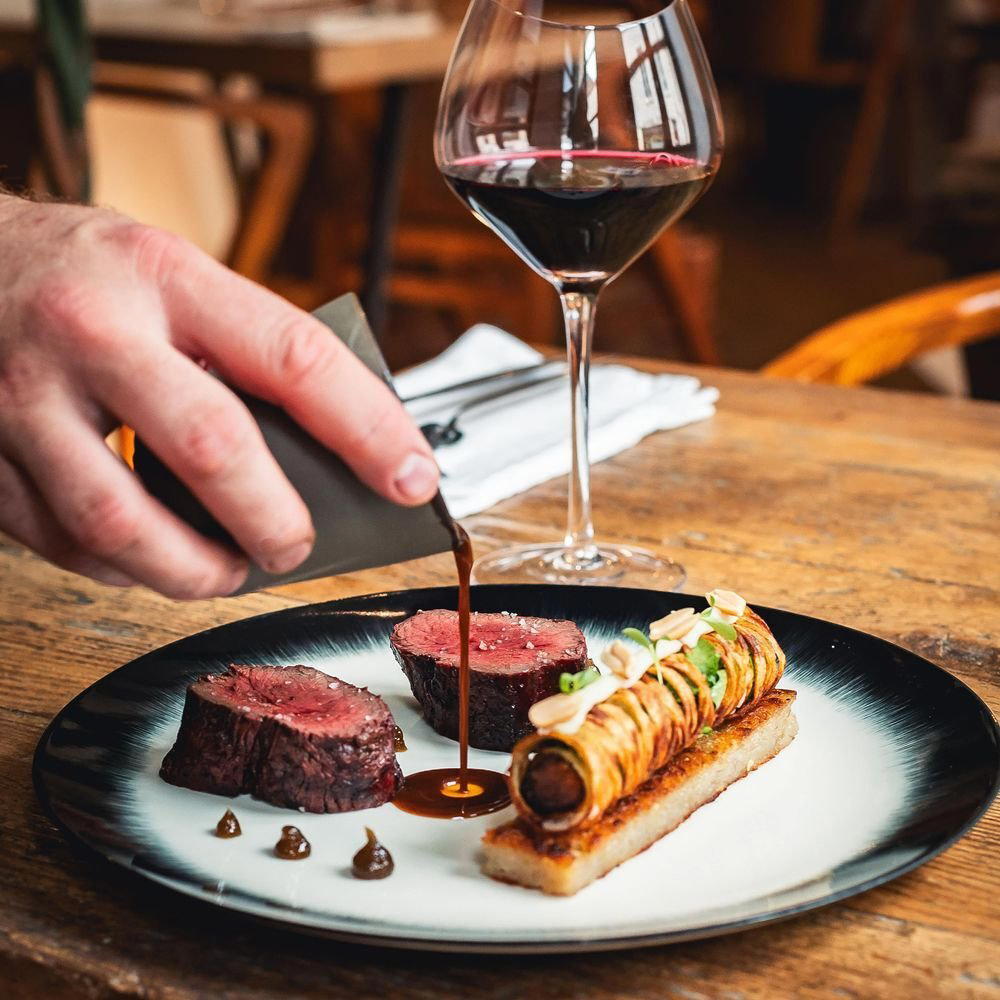
Bars in Le Bois Plage En Re
Browse all →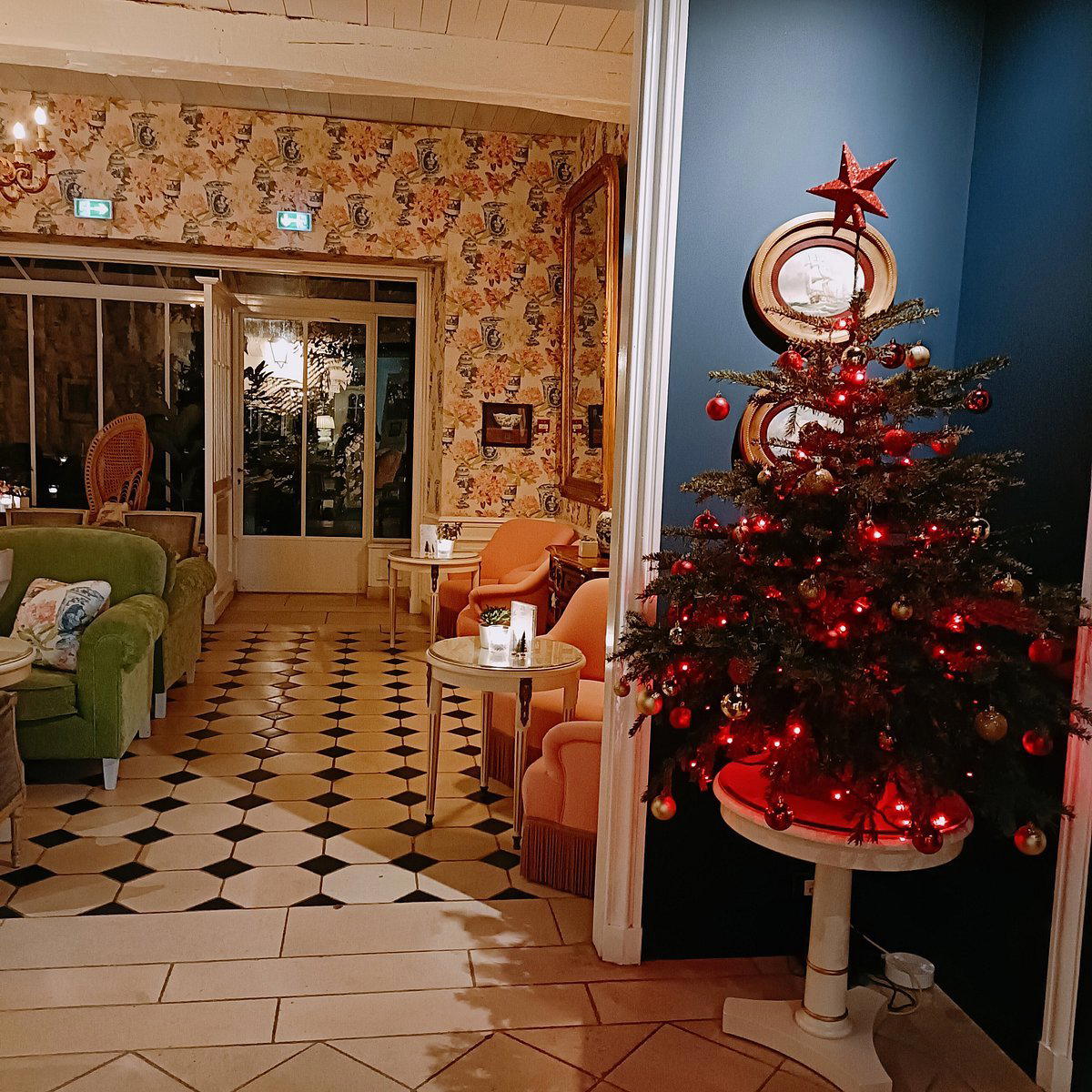
Hotels in Le Bois Plage En Re
Browse all →
Wineries in Le Bois Plage En Re
Browse all →
Details
- Cozy
- Classic
- Elegant
- Family
- Casual Hangout
- Hotel Restaurant
- Terrace
- Local Sourcing
- A La Carte
- Vegetarian Friendly
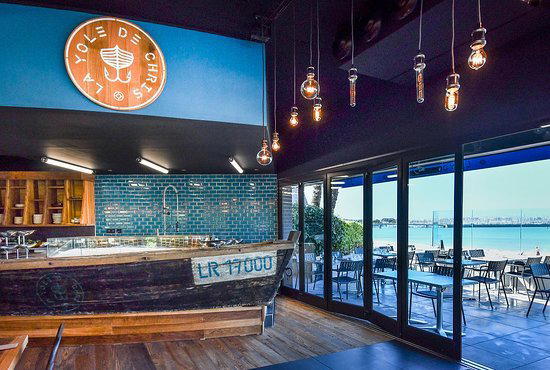
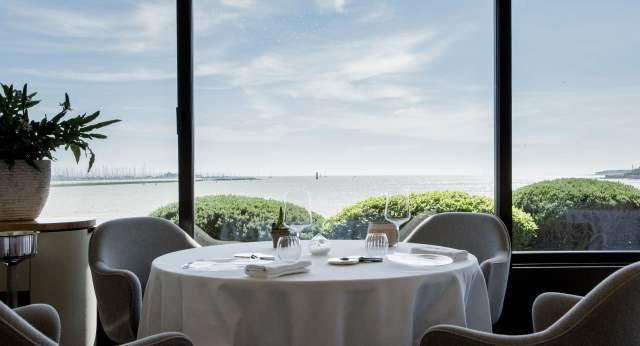
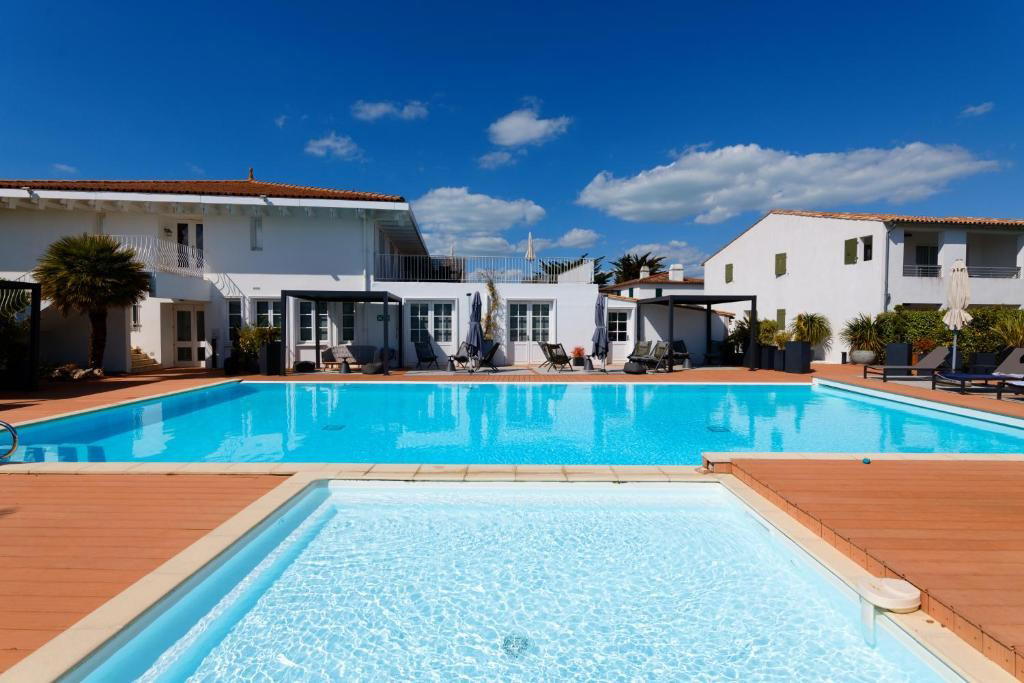
Cozy dining room with typical Rétais decor and a festive, convivial atmosphere in the evening under boat sail patio.