
Héritage East holds consecutive Michelin Plate recognition (2024 and 2025) for its contemporary Chinese cooking in Chaoyang, Beijing. Positioned in the mid-to-upper tier of the city's modern Chinese dining circuit, it offers a considered, ritual-paced meal format that suits guests who want proximity to classical technique without the formality of a full banquet house. Located along the Third Ring Road corridor at Dongfang Road.
Pearl is the En Primeur Club membership app — saves, bookings, and concierge access live there. Same editors, same standards.
- Address
- China, Beijing, Chaoyang, 东三环北路东方路1号 邮政编码: 100028
- Phone
- +86 10 5865 5030
- Website
- hilton.com.cn
- Directions
- Get directions
 Saves & bookings on Pearl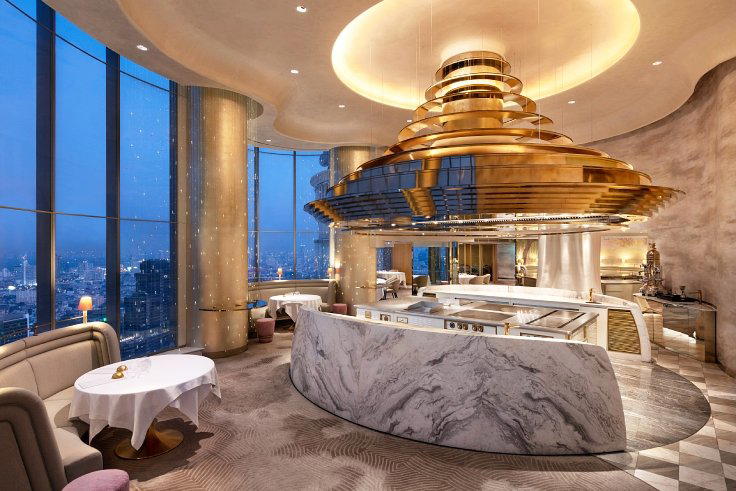
Dining as Sequence: How Contemporary Chinese Restaurants Have Reframed the Chinese Meal
In Beijing's higher-end restaurant circuit, the dominant shift of the past decade has been the move away from the banquet hall model, with its lazy Susan, shouted toasts, and dishes arriving without sequence, toward something more structured. Contemporary Chinese restaurants like Héritage East, operating in Chaoyang's commercial stretch along the North Third Ring Road, belong to a generation of dining rooms that have applied the logic of the tasting menu, careful pacing, and considered plating, to a cuisine that traditionally resisted that framework. The result is a format where the meal itself functions as an argument: that Chinese cooking can be experienced as a progression rather than a simultaneous spread.
That argument has traction in Beijing partly because the city's dining public has evolved. Younger professionals and internationally experienced diners have pushed demand for formats that are deliberately paced, quieter, and more focused on the individual dish. Héritage East's Michelin Plates in 2024 and 2025 place it inside the tier of restaurants the Guide considers worthy of attention without yet assigning a star, a cohort that in Beijing sits just below the decorated level occupied by addresses like Jingji (two Michelin stars, Beijing Cuisine) and the three-starred regional specialists Xin Rong Ji and Chao Shang Chao.
Chaoyang and the Geography of Modern Beijing Dining
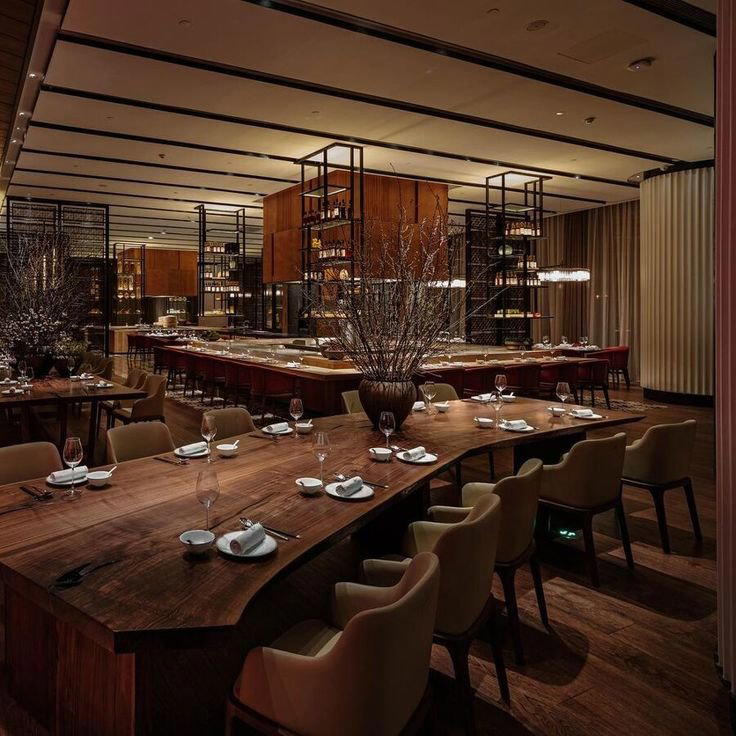
Héritage East sits in Chaoyang, the district that concentrates the majority of Beijing's internationally oriented restaurants, embassy row neighbours, and the city's denser pocket of fine dining. The address on Dongfang Road, off the North Third Ring, is a commercial zone rather than a heritage quarter, which is consistent with much of Chaoyang's restaurant geography: modern dining rooms in mixed-use developments rather than courtyard settings or hutong-adjacent spaces. That environment shapes the atmosphere. Expect a room designed for the urban professional dinner, not for tourism or occasion dining tied to historical setting.
Within this district, the contemporary Chinese category has become one competitive bracket. Restaurants drawing on classical regional technique but presenting through modern plating and sequenced service have multiplied across Chaoyang over the past five years. At the mid-to-upper price tier, marked here by the ¥¥¥ bracket, the competitive set includes venues that pitch directly at the business dinner and the food-literate couple's evening out, rather than the large-group banquet market still served by the older banquet houses elsewhere in the city. For broader orientation across the city's dining options, our full Beijing restaurants guide maps the category landscape in detail.
The Ritual of the Contemporary Chinese Meal
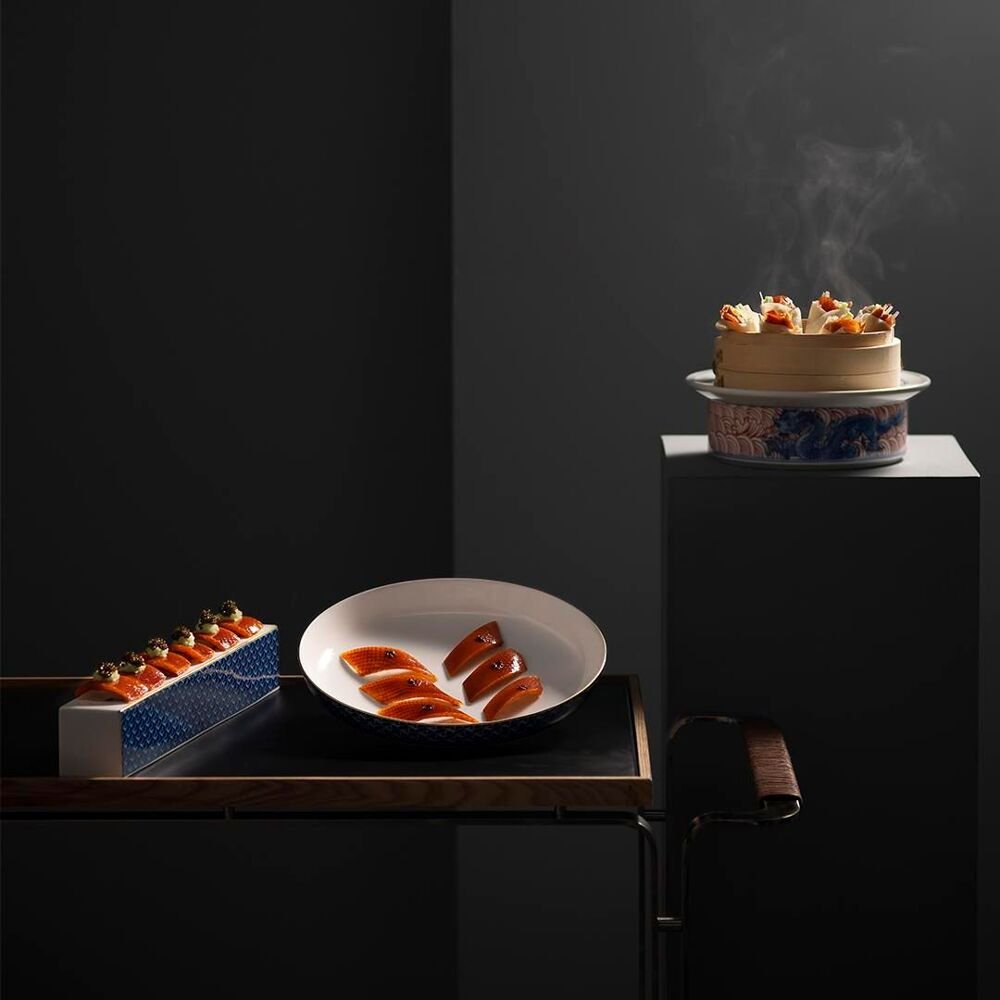
The eating customs at a restaurant of this type differ from both the Western tasting-menu format and the traditional Chinese banquet in ways that matter to how you experience the meal. Cold appetisers typically arrive first, functioning as palate orientation. Warm dishes follow in a deliberate sequence that moves through lighter to richer preparations, with the kitchen managing pace rather than leaving decisions to the table. Tea is treated as a serious accompaniment rather than an afterthought, and service tempo is calibrated to allow conversation between courses rather than pressing the table toward rapid turnover.
This pacing model is what separates the contemporary Chinese format from the casual Chinese dining room, where dishes arrive as they finish and the sequence is negotiated collectively at the table. At Héritage East's price point and recognition level, the expectation is that the kitchen controls the progression. For guests accustomed to Western fine dining, the adjustment is subtle but real: sharing remains central, courses are not individually portioned in the way a European tasting menu would present them, and the meal rewards a willingness to engage with the whole table's experience rather than tracking a personal sequence of courses.
This dining ritual is one of the distinguishing features of the contemporary Chinese tier across the region. Similar approaches are applied at addresses like 102 House in Shanghai and Chef Tam's Seasons in Macau, both operating in the space where classical Chinese culinary knowledge is expressed through modern service architecture. The tradition of sequenced, considered Chinese dining is older than these restaurants suggest; what has changed is the transparency of the format and the deliberateness with which kitchens now communicate it.
Where Héritage East Sits in Beijing's Recognition Tier
The Michelin Plate, awarded consecutively across 2024 and 2025, signals that the Guide's inspectors consider the cooking here to be a reference point within its category without yet placing it in the starred bracket. In practical terms, this means the kitchen is producing food that rewards attention, at a price point one tier below the city's decorated Chinese addresses. Compared to the ¥¥¥¥ tier occupied by Chao Shang Chao or Lamdre, the restaurant's ¥¥¥ positioning makes it an accessible entry point into Beijing's Michelin-recognised contemporary Chinese dining without the spend commitment of the fully starred houses.
The absence of dramatic swings in visitor feedback typically indicates reliable execution rather than experimental risk-taking, which aligns with the contemporary Chinese format at this tier: the ambition is refinement and coherence, not provocation.
For comparison across the broader Chinese contemporary category in other cities, Da Dong in Shanghai's Xuhui district and the Gastro Esthetics at DaDong format in Shanghai represent how the same contemporary Chinese idiom scales at different ambition levels, while Beijing's own Gastro Esthetics DaDong offers a useful local reference point for how the city's most prominent contemporary Chinese operator approaches the format.
Regional Chinese contemporary dining across the country has developed distinct local characteristics. Ru Yuan in Hangzhou, Xin Rong Ji in Chengdu, and Imperial Treasure Fine Chinese Cuisine in Guangzhou each reflect how the contemporary Chinese format adapts to local ingredient traditions and regional palate expectations. Beijing's version, including what the restaurant represents, tends toward the richer, wheat-forward flavour register of northern Chinese cooking, even when the presentation borrows from the broader contemporary playbook.
Planning Your Visit
The restaurant occupies a commercial address at 东三环北路东方路1号 in Chaoyang, accessible from the North Third Ring Road corridor. The area is well-served by taxi and ride-hailing apps, which remain the practical default for reaching Chaoyang restaurant addresses from central or western Beijing. The ¥¥¥ price tier in Beijing's contemporary Chinese market typically implies a per-person spend in the mid-to-upper hundreds of yuan for a full meal with tea; guests should budget accordingly and be prepared to confirm current reservation policy directly, as booking procedures for this category of restaurant are not always visible through international platforms.
Autumn and early winter represent the period when Beijing's northern Chinese cooking traditions are most coherent with the season: richer preparations, game-adjacent flavours, and warming techniques that align with the city's sharp temperature drop from October onward. For those building a broader Beijing dining programme,
Peers Worth Knowing
Comparable venues nearby, for context on price, style, and recognition.
| Venue | Cuisine | Price | Notes |
|---|---|---|---|
| Héritage EastThis venue — the venue you are viewing | Chinese Contemporary | $$$$ | Not listed |
| Yu De Fu (Dongzhimennei Street) | Traditional Beijing Instant-Boiled Mutton Hotpot | $$$ | Chaowai |
| Family Li Imperial Cuisine | Imperial Qing Dynasty Court Cuisine | $$$$ | Chaoyangmen |
| Duck de Chine | Modern Peking Duck | $$$$ | Chaoyangmen |
| Rong Pao | Yibin Sichuan Cuisine | $$$$ | Jiulongshan |
| Mandarin Grill | Classic French-Inspired Steakhouse | $$$$ | Wangfujing |
Recognition history
Dated appearances from independent guides and award organizations, with the underlying list record or original source where available.
Michelin Plate
Michelin
Michelin Plate
Michelin
At a Glance
- Elegant
- Sophisticated
- Special Occasion
- Business Dinner
- Design Destination
Current opening hours
- Monday
- 12–2:30 PM, 6–10:30 PM
- Tuesday
- 12–2:30 PM, 6–10:30 PM
- Wednesday
- 12–2:30 PM, 6–10:30 PM
- Thursday
- 12–2:30 PM, 6–10:30 PM
- Friday
- 12–2:30 PM, 6–10:30 PM
- Saturday
- 12–2:30 PM, 6–10:30 PM
- Sunday
- 12–2:30 PM, 6–10:30 PM
Hours can change for holidays and private events. Last verified .
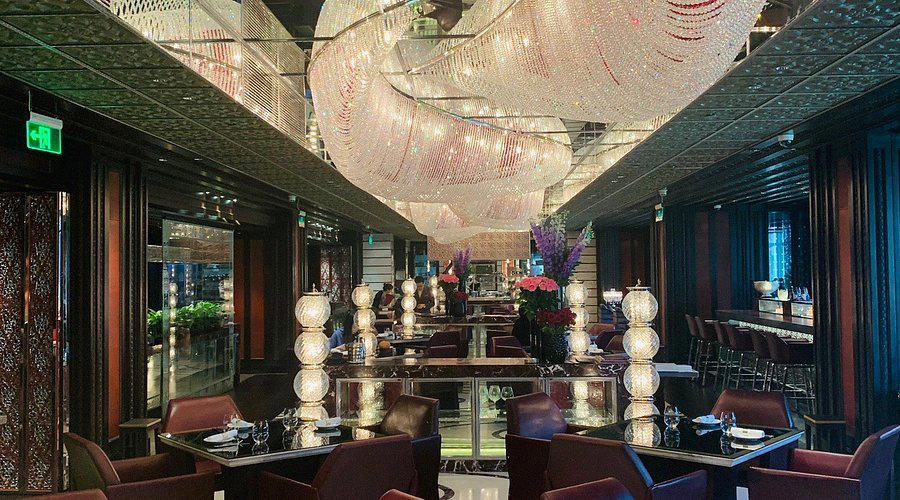
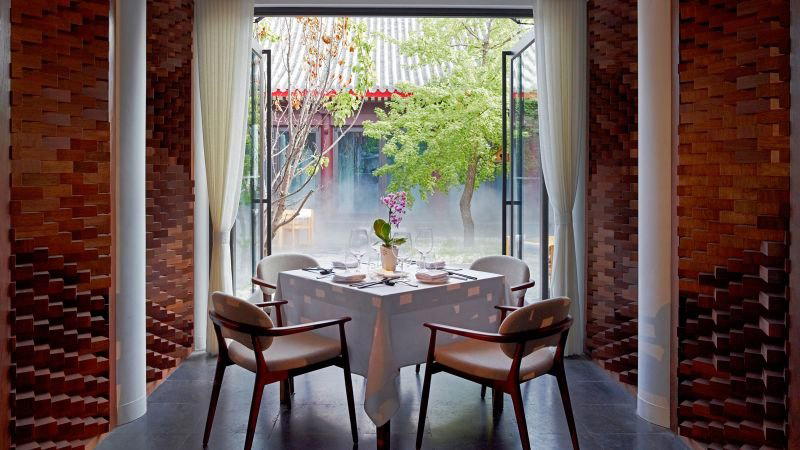
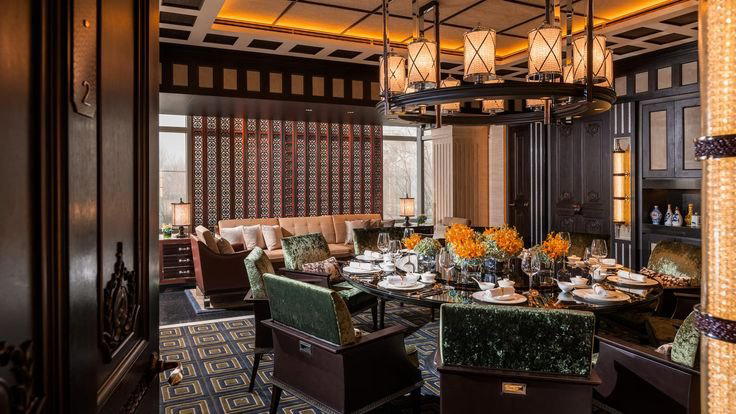
Stylish and elegant atmosphere with precise artwork and elaborate wainscoting.