Hovarda
Hovarda on Rupert Street brings a Soho address to a dining format rooted in the Eastern Mediterranean — a region whose cooking traditions rarely receive the formal treatment found here. The meal unfolds at a pace that rewards attention, with sharing plates designed to sequence across an evening rather than arrive all at once. It occupies a distinct position in London's mid-to-upper dining tier, where cuisine identity and atmosphere carry as much weight as credentials.
- Address
- 36-40 Rupert St, London W1D 6DW, United Kingdom
- Phone
- +44 20 3019 3460
- Website
- hovarda.london
- Directions
- Get directions
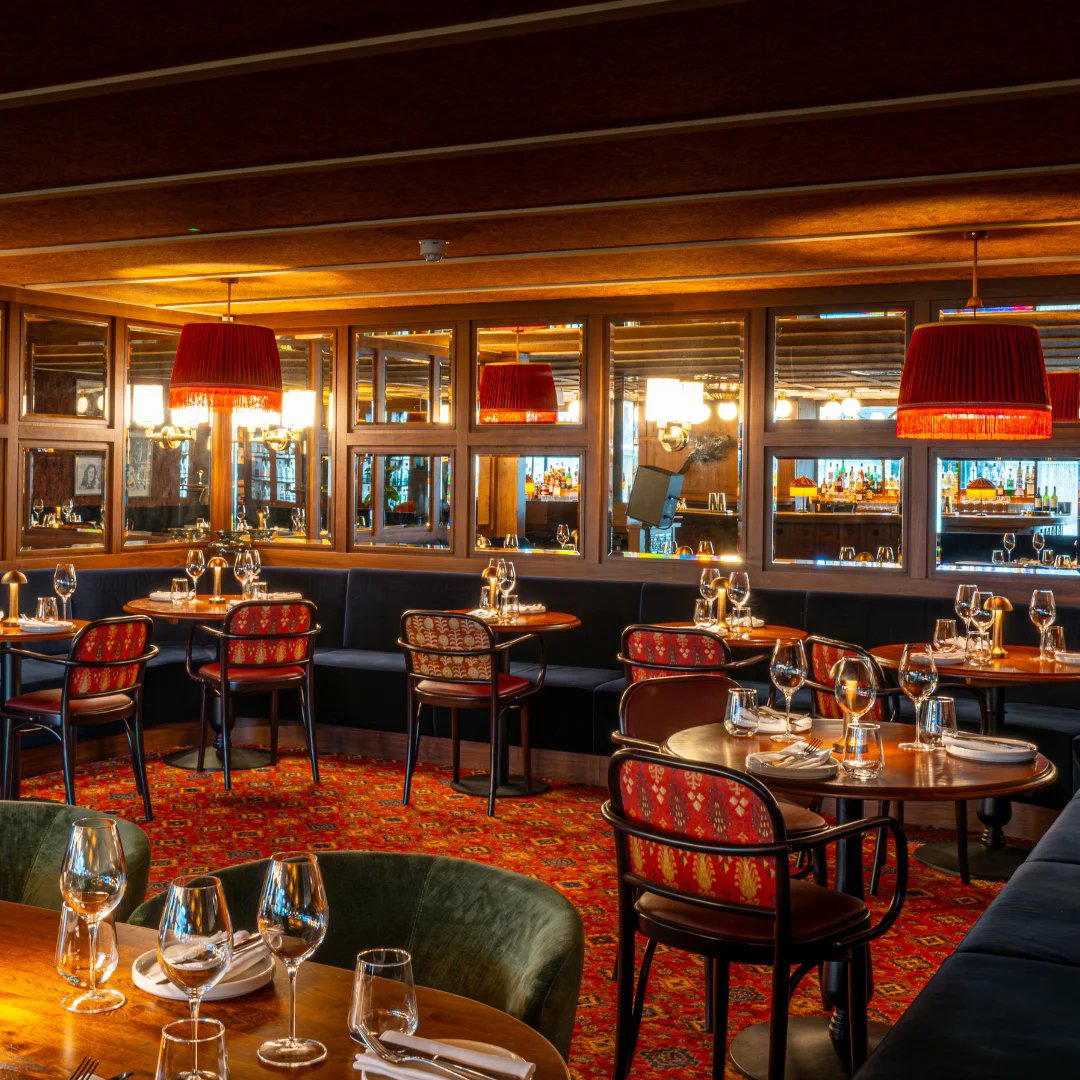
Soho's Eastern Mediterranean Counter-Current
Rupert Street runs through one of London's most saturated restaurant corridors, where formats cycle quickly and neighbourhood loyalty is hard-won. Within that context, Hovarda operates at an interesting angle. While much of Soho's premium dining leans toward either the Modern British canon — represented a few streets away by venues like CORE by Clare Smyth — or the French classical tradition found at places such as Sketch, The Lecture Room and Library and Restaurant Gordon Ramsay, Hovarda draws from a different source: the fish-forward, fire-cooked, herb-bright cooking of Turkey and the broader Eastern Mediterranean.
That distinction matters more than it might seem at first. Eastern Mediterranean cooking in London has historically been flattened into casual formats, kebab houses and neighbourhood mezes, or absorbed into the loosely defined Middle Eastern category. A restaurant that treats the tradition with the same seriousness that French technique receives at the summit of the London market is doing something structurally different from the competition, not just stylistically.
The Architecture of the Meal
The Eastern Mediterranean dining ritual is not a tasting menu tradition in the European sense. It is a sharing culture, built around the idea that the table accumulates over time, cold plates first, then warm, then the main event of grilled fish or meat, then something sweet without much ceremony. At Hovarda, that sequence is the organising logic of the meal. Dishes arrive in a progression that respects the tradition's internal pacing rather than imposing a European tasting-menu overlay on top of it.
This matters to how you should arrive. A solo diner or a couple can work through the format, but the table opens up considerably with three or four people, as the sharing structure was designed for groups. Order broadly across the cold and hot sections rather than converging too quickly on mains, the earlier plates carry significant culinary interest and set up the proteins that follow. This is the kind of meal where restraint in the first round is rewarded later.
Among London's restaurants that take seafood seriously, The Ledbury and Dinner by Heston Blumenthal each engage with it from British and historical angles respectively, Hovarda approaches fish from the Aegean and Bosphorus end: whole fish cooked over high heat, raw preparations with acid and herb, cured and pickled treatments that reflect a coastal culture rather than a northern European one. Comparison with Le Bernardin in New York City is instructive: both place seafood at the centre of a serious dining proposition, but the grammar is entirely different.
Soho as Location Strategy
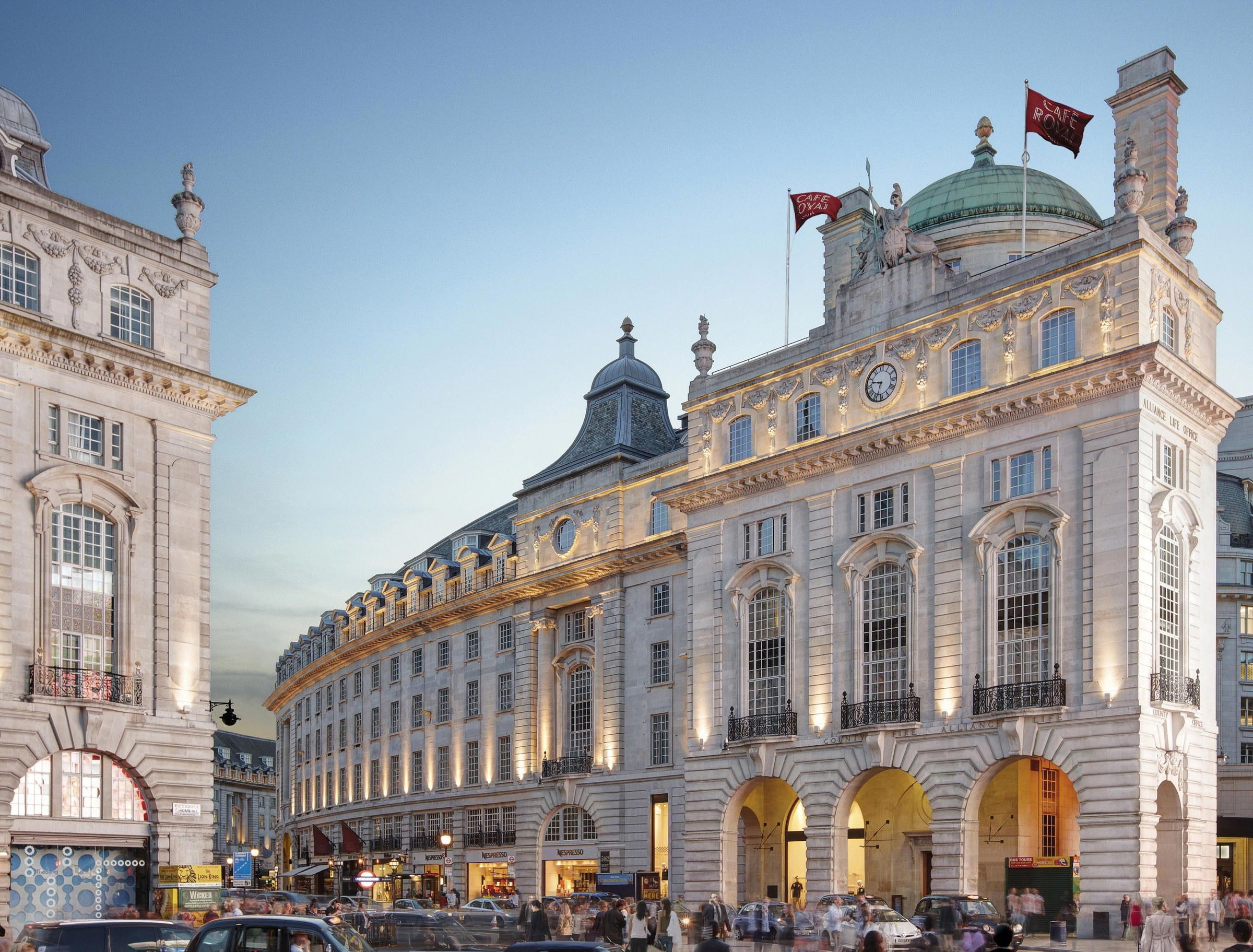
The address at 36-40 Rupert Street places Hovarda within walking distance of Piccadilly Circus and the western edge of Chinatown, in a block that mixes late-night theatre crowds with deliberate destination diners. This is not the kind of neighbourhood where a restaurant can rely on ambient footfall from the right demographic, the surrounding streets pull in volume rather than intent. A restaurant operating at this register in Soho has to earn its room by reputation rather than location.
That dynamic shapes the experience: the room tends to fill with people who have booked with purpose, which gives the service a different energy than a restaurant in, say, Chelsea or Notting Hill, where neighbourhood regulars anchor the dining room. The pace of service reflects this, it reads the table rather than running to a fixed clock, which suits the sharing format's natural variability.
For visitors oriented primarily toward formal European dining, it is worth noting that London's Michelin-starred tier covers a wide geographic spread. Waterside Inn in Bray, L'Enclume in Cartmel, Moor Hall in Aughton, and Gidleigh Park in Chagford represent the country-house and regional pole of that tier. Within London itself, Hand and Flowers in Marlow, hide and fox in Saltwood, Midsummer House in Cambridge, Opheem in Birmingham, Ynyshir Hall in Machynlleth, and Restaurant Andrew Fairlie in Auchterarder each represent distinct regional traditions. Hovarda does not compete within that formal awards-led tier; it occupies a different competitive register, one where cuisine identity and atmosphere do the work that Michelin stars do elsewhere. See our full London restaurants guide for a broader orientation across the city's dining categories.
The comparison that lands most cleanly is with the communal-format, technique-forward restaurant movement visible at places like Lazy Bear in San Francisco, both operate on the premise that a fixed or guided progression of sharing dishes can carry the same seriousness as a traditional tasting menu, and that the communal table ritual is itself the product, not just the container for the food.
Planning Your Visit
Hovarda sits at 36-40 Rupert Street in Soho, W1D 6DW. Piccadilly Circus station (Bakerloo and Piccadilly lines) is one direct approach by Underground, with the walk taking under five minutes. Leicester Square is broadly equidistant. Given the restaurant's positioning in London's mid-to-upper dining tier and the sharing-format structure that benefits from group bookings, reservations are advisable, particularly for weekend evenings when Soho's broader hospitality foot traffic competes for available tables. The format rewards arriving without a hard deadline on the other end of the meal, the sequencing of a sharing table at this level does not compress well into ninety-minute slots.
| Venue | Cuisine | Price | Awards |
|---|---|---|---|
| HovardaThis venue — the venue you are viewing | This venue | Not listed | Not listed |
| CORE by Clare Smyth | Modern British | ££££ | Michelin 3 Star |
| Restaurant Gordon Ramsay | Contemporary European, French | ££££ | Michelin 3 Star |
| Sketch, The Lecture Room and Library | Modern French | ££££ | Michelin 3 Star |
| The Ledbury | Modern European, Modern Cuisine | ££££ | Michelin 3 Star |
| Dinner by Heston Blumenthal | Modern British, Traditional British | ££££ | Michelin 2 Star |
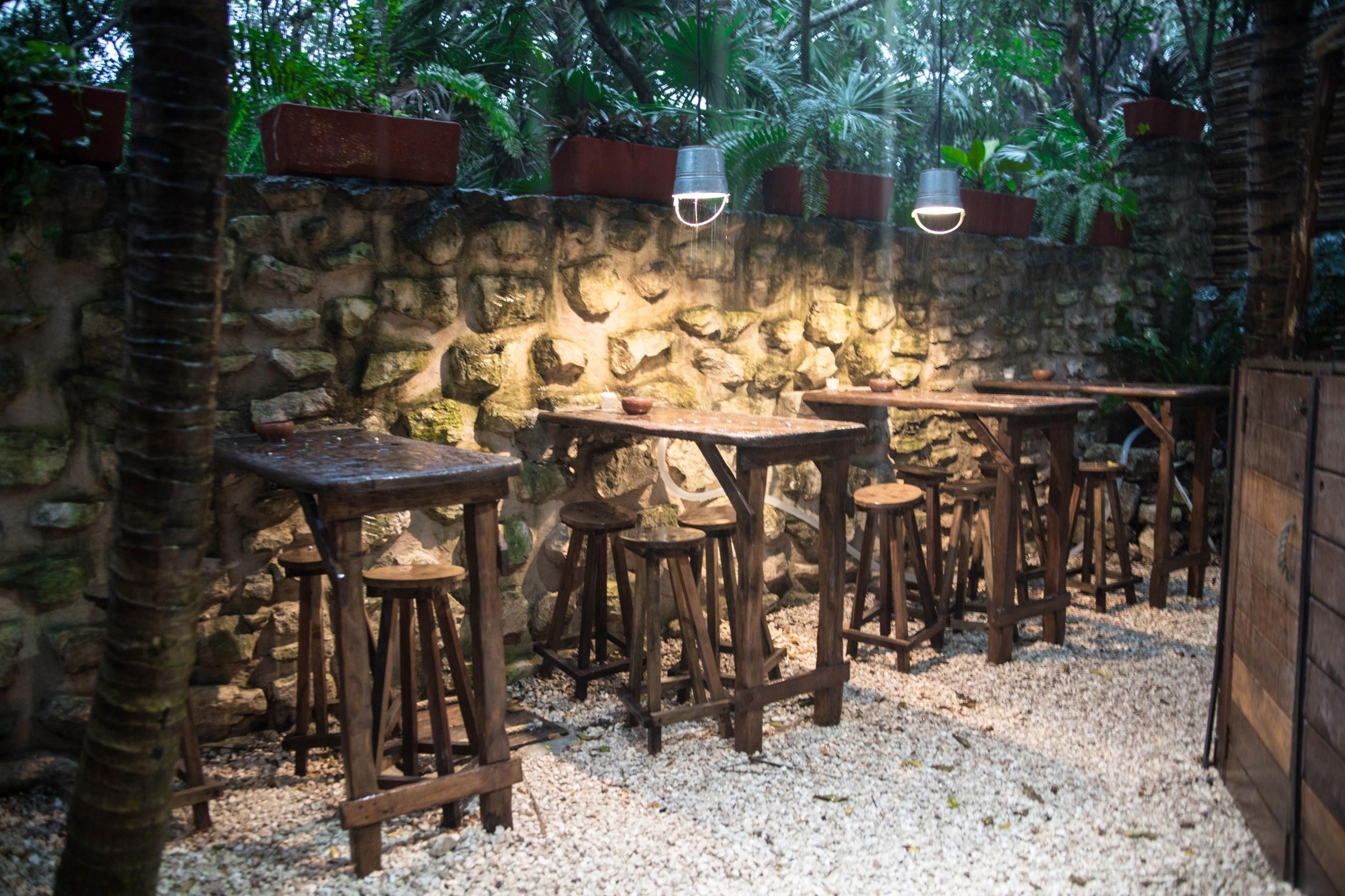
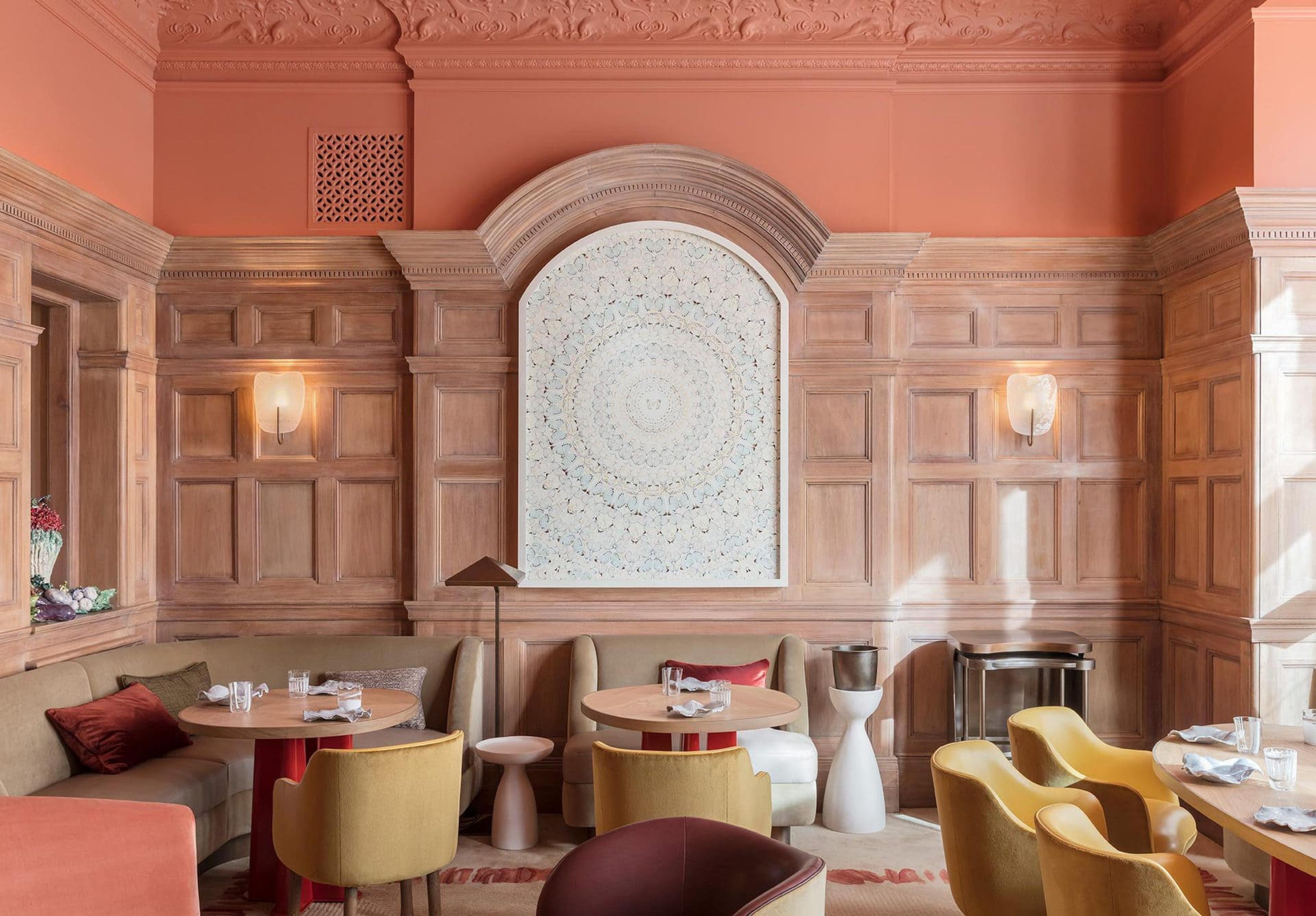
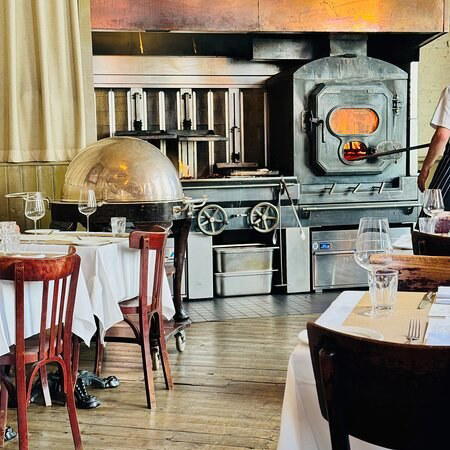
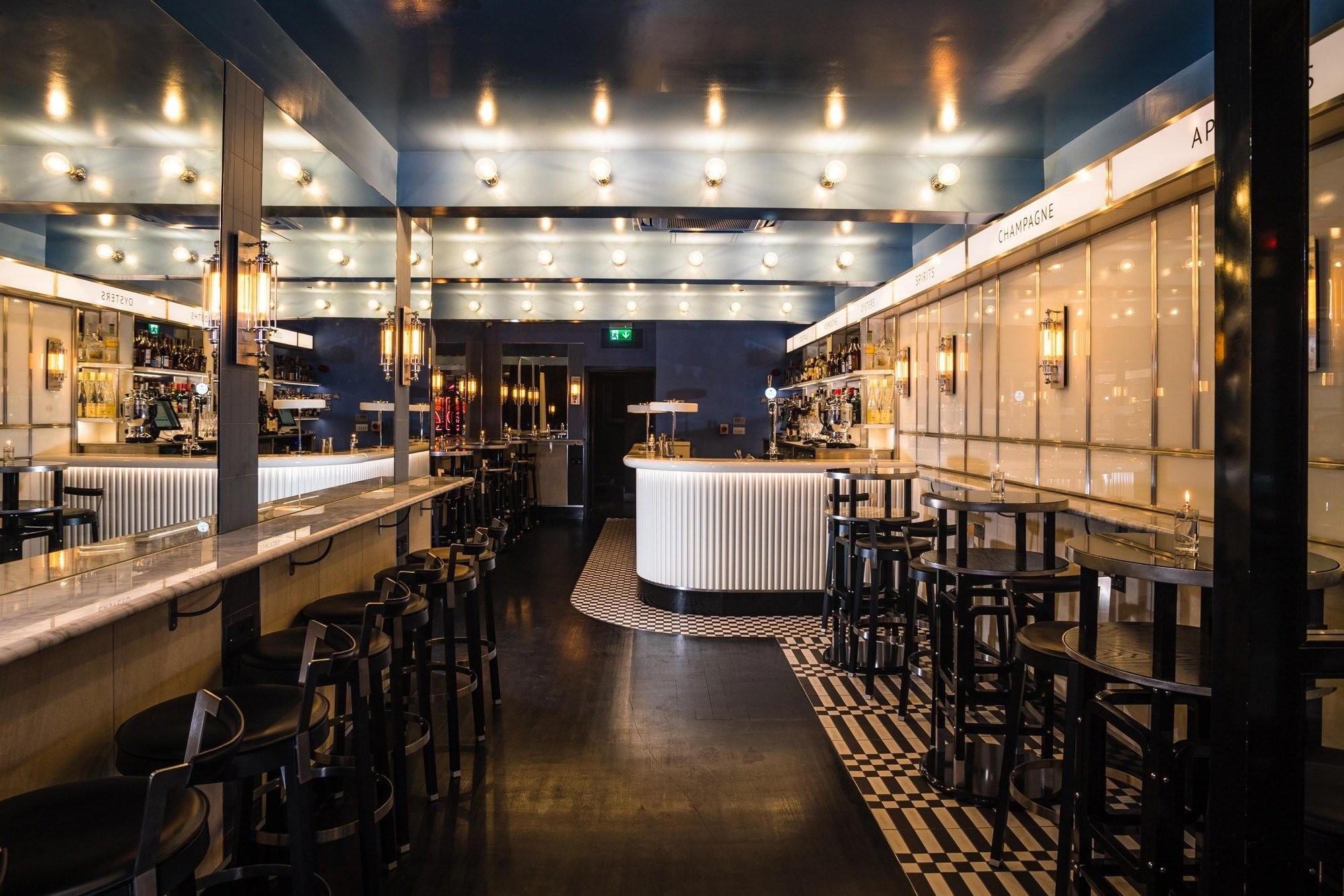



At a Glance
- Trendy
- Lively
- Sophisticated
- Modern
- Energetic
- Date Night
- Late Night
- Casual Hangout
- Special Occasion
- Waterfront
- Terrace
- Standalone
- Craft Cocktails
- Sustainable Seafood
- Waterfront
- Skyline
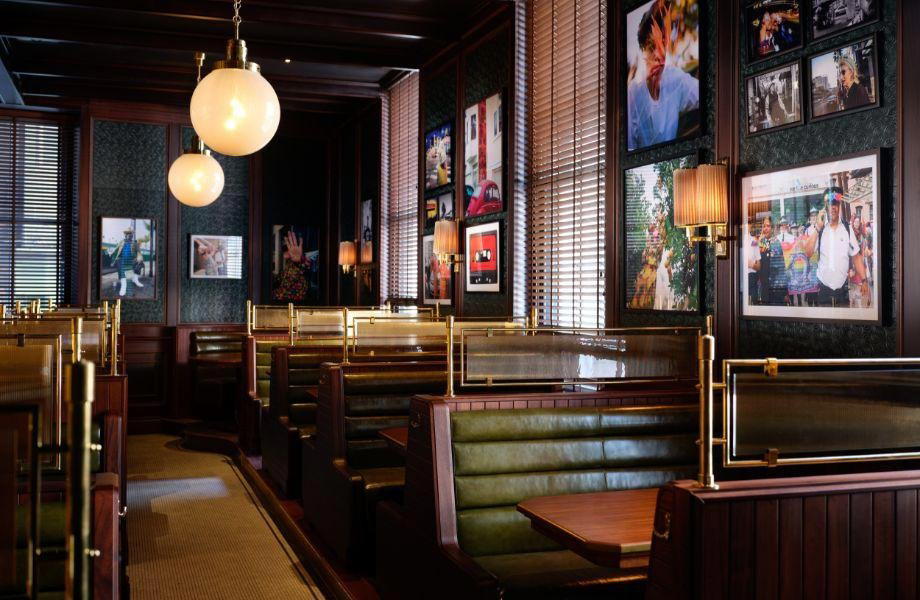
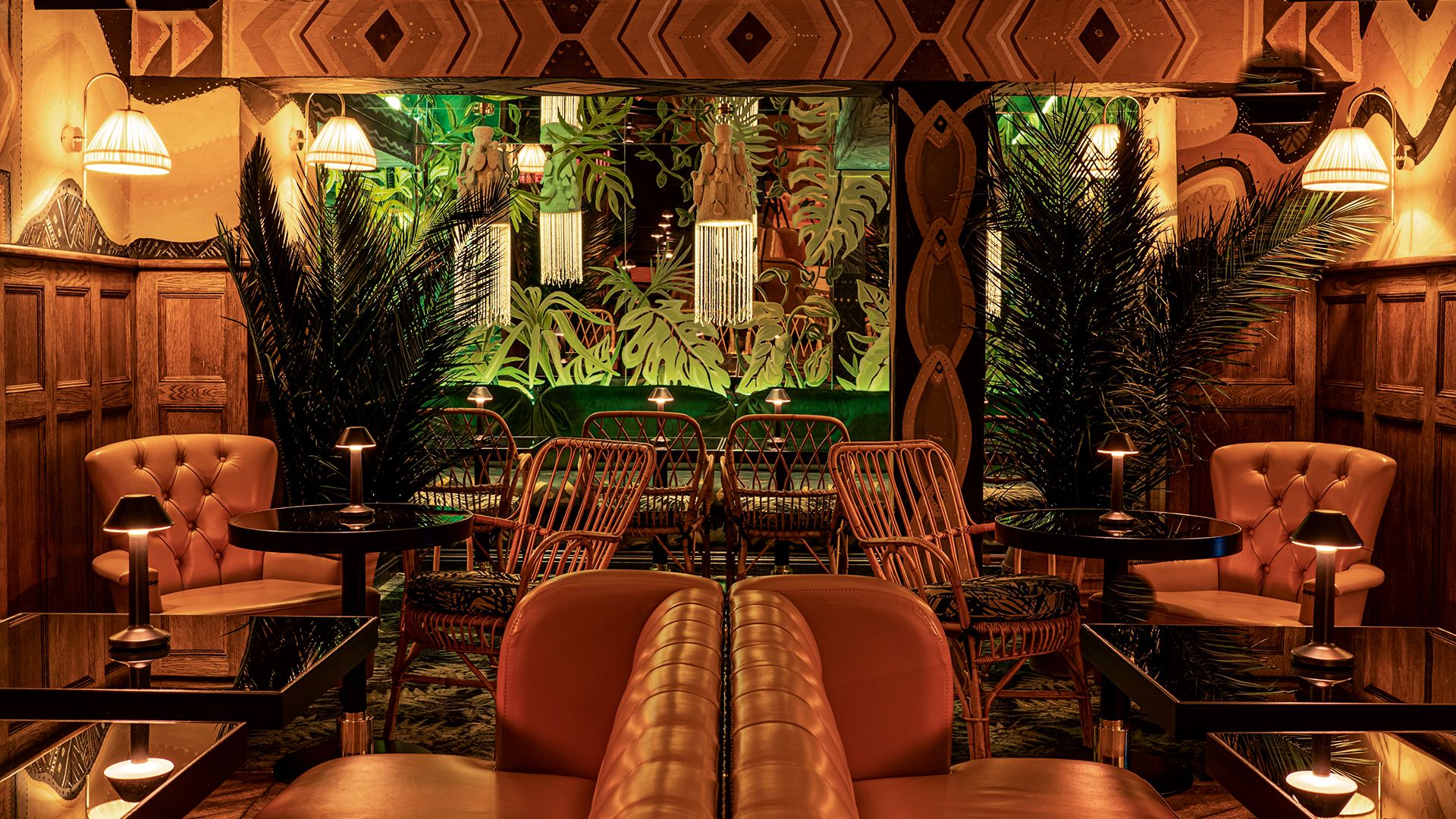
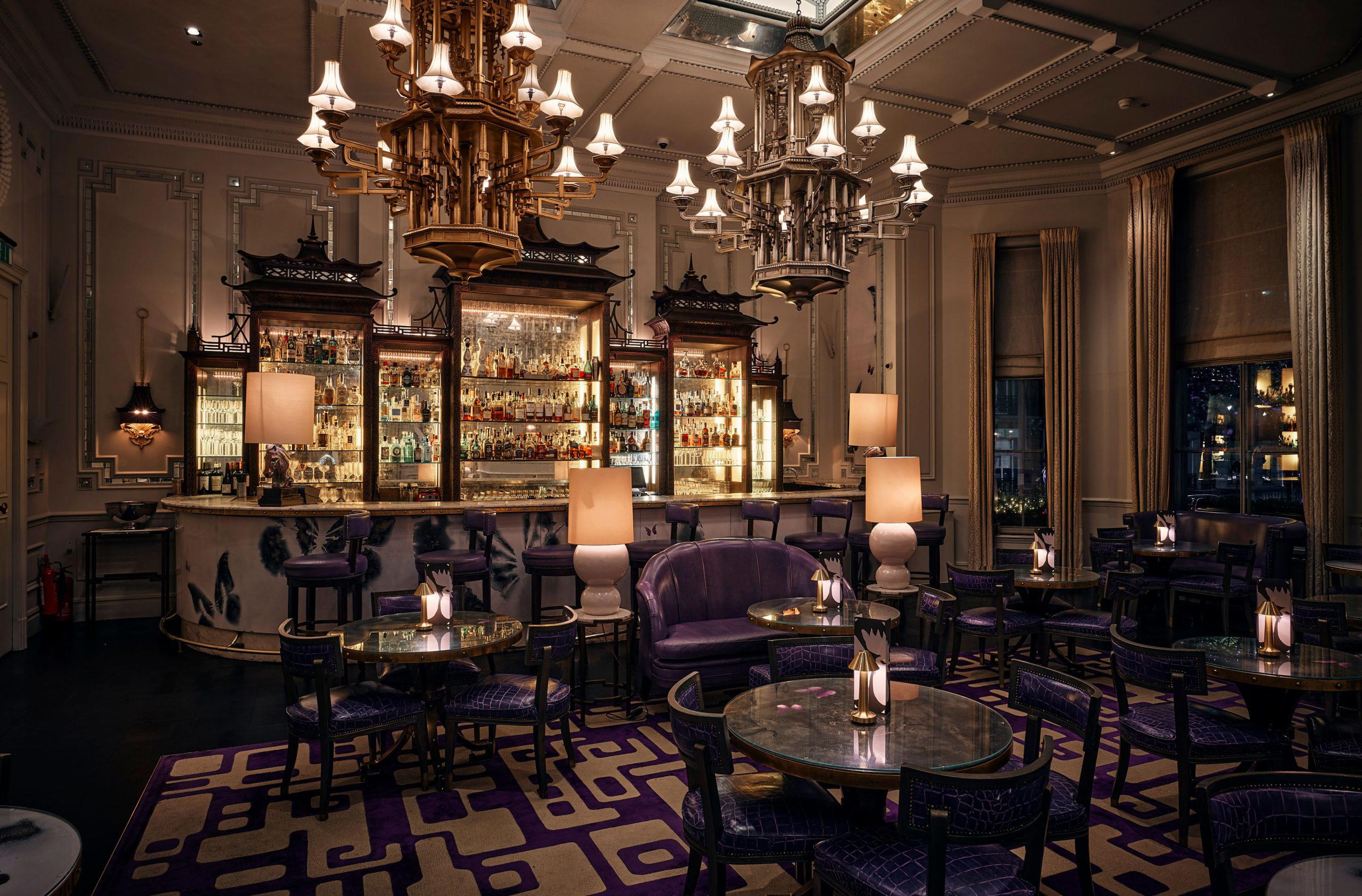
Lively and trendy, with a lively late-night energy, DJ soundtrack, and a stylish waterfront atmosphere.