Tamago Monogatari Egg Story

Tabelog 100 #26
Our verdict
Tamago Monogatari Egg Story belongs to Kitakyushu’s everyday yoshoku tradition rather than its luxury dining circuit: omurice, modest scale, and ingredient-led comfort cooking near Kokura. Its selection for Tabelog 100 Yoshoku WEST 2025 gives a measurable signal in a category where craft is often judged by repetition, egg handling, and the discipline of a narrow specialty.

Pearl is the En Primeur Club membership app, where members save venues, book tables and use the concierge.
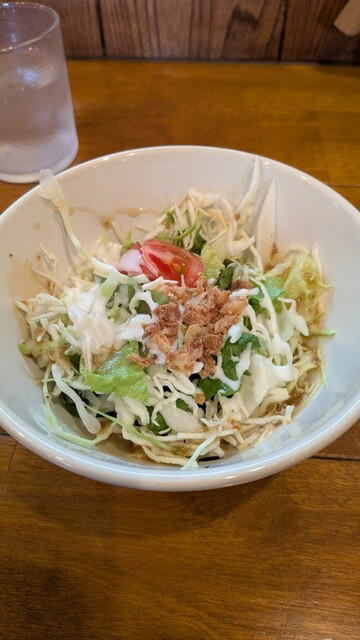
The approach to Kitakyushu’s everyday dining streets is practical, fast-moving, and built around meals between trains, workdays, and local errands. That setting matters for omurice. Japan’s long-running casual restaurant culture has always lived partly in the ordinary: ketchup rice, sauces, and eggs handled carefully enough to turn lunch into a small test of technique. Tamago Monogatari Egg Story sits in that grammar, closer to the daily counter than the destination tasting room.
Kitakyushu is often read through noodles, bakeries, and old industrial-port appetite, but omurice has its own place in the city’s eating culture. The strongest versions need consistency, heat control, and a plate that lets the central ingredient carry the meal, not luxury cues. Here the name puts the egg first, which is the correct editorial lens: not novelty or theatre, but how a narrow ingredient focus can sharpen a familiar form.
Omurice as a test of eggs, rice, and restraint
Omurice looks simple until compared across Japan. In casual shops it can be soft nostalgia; in more technical kitchens it becomes a timing exercise, where the rice cannot be wet, the egg cannot turn rubbery, and the sauce cannot flatten everything beneath it. The category rewards cooks repeating a small set of motions precisely, not kitchens chasing breadth. A specialist omurice address can therefore be more revealing than a long-menu restaurant: the margin for error is narrower than the format suggests.
Tamago Monogatari Egg Story’s public category is omurice, placing it inside Japan’s casual Western-influenced dining tradition rather than a broader formal frame. Its selection for Tabelog Hyakumeiten 2025 is the key external signal. The list is not a Michelin-style hierarchy, but it separates notable specialists from the mass of cafés and casual rooms serving similar dishes. A Tabelog score of 3.59 adds another data point in a market where scores move conservatively, especially outside the largest media corridors.
The ingredient-sourcing angle is not luxury provenance. It is whether the food gives the egg enough responsibility. In omurice, egg quality shows through texture, colour, and how cleanly it binds or covers the rice; the dish has fewer places to hide than a heavy plate. A restaurant built around this category wagers that the egg can be centre, not garnish. That puts it in a different conversation from Kitakyushu’s noodle counters and more formal dining rooms, where other ingredients or rituals carry authority.
For travellers mapping a broader Kitakyushu food day, the contrast helps. Other local dining points toward the city’s noodle culture, comfort cooking, bakeries, and casual rhythms. Omurice occupies the middle ground: familiar in outline, Japanese in execution, and often judged by diners who have eaten it since childhood.
Kitakyushu's casual dining tier, judged by focus rather than polish
The city’s everyday dining range is broad enough that price alone does not explain ambition. A bakery such as Shiroya Bakery Kokura ten sits in one casual lane, while Miyoshino occupies another. Addresses such as 寿司つばさ and 天寿し 京町店 are a separate decision, shaped by counter culture and a more deliberate meal. Tamago Monogatari Egg Story operates in the everyday meal tier, making the award recognition more interesting: omurice credibility is earned without premium-service markers.
That matters for visitors who over-index on grand meals in Japan. Kitakyushu rewards a mixed itinerary. A day might move from city omurice to sweets, noodles, bakeries, or other local cooking. The useful question is not which address is more formal, but which part of the city’s appetite each explains.
Compared with a different kind of dining room such as Sato, omurice has almost no ceremonial buffer. It is judged quickly: rice, egg, sauce, plate temperature, portion, and pacing. That compression is why the category remains durable. It gives the kitchen a small vocabulary and asks for fluency. When a short-format restaurant gets national-platform recognition within an omurice list, it signals the category is being taken seriously beyond nostalgia.
How it fits into a sharper Kitakyushu itinerary
Use this address as a daytime anchor rather than the formal centre of a trip. The better Kitakyushu dining plan is not one trophy meal but a sequence of local forms. Omurice in Kitakyushu, noodles, sweets, bakeries, and a more serious evening counter show more of the city than one expensive reservation. For broader planning, the full Kitakyushu restaurants guide is the natural starting point, with parallel context in the Kitakyushu hotels guide, bars guide, wineries guide, and experiences guide.
Japan’s casual-specialist culture also travels well as a comparison point. Focused restaurants in other cities can show the same national habit: a narrow proposition can carry more authority than a sprawling menu. The same pattern appears outside Japan in different forms, where format discipline gives casual food a clearer identity.
The editorial case for Tamago Monogatari Egg Story is specific. It is not a grand-room recommendation and does not need to be. It belongs to Japanese dining where a humble category receives serious repetition, where ingredient focus is visible through execution rather than luxury language. In Kitakyushu, it corrects itineraries chasing only noodles, formal counters, or regional cooking. For a wider lens on Japan’s contemporary casual spectrum, compare it with other tightly focused dining rooms: different formats, same lesson that the tighter the format, the more clearly the kitchen’s priorities show.
Frequently asked questions
Is Tamago Monogatari Egg Story expensive?
Pricing at Tamago Monogatari Egg Story is listed as JPY 1,000 - JPY 1,999 JPY 1,000 - JPY 1,999.
Is Tamago Monogatari Egg Story open every day?
Published opening details are not provided here; check directly with Tamago Monogatari Egg Story before visiting.
Where is Tamago Monogatari Egg Story in Kitakyushu?
Kitakyushu.
What is Tamago Monogatari Egg Story known for?
Tamago Monogatari Egg Story is known for omurice in Kitakyushu and was recognized in Tabelog Hyakumeiten 2025.
Comparison Snapshot
Comparable venues by cuisine and price in the same metro.
| Venue | Cuisine | Price | Awards | Notes |
|---|---|---|---|---|
| Tamago Monogatari Egg StoryThis venue (the venue you are viewing) | Omurice-focused Japanese yoshoku | $10–20 | Tabelog 100 #26 | Not listed |
| Imanami Udon | Japanese Udon Noodles | $1–10 | Tabelog 100 #41 | Kokuraminami-ku |
| Zubora Tei | Traditional Okonomiyaki & Teppan-yaki | $20–30 | Tabelog 100 #62 | Kokurakita Ward |
| Gyoran Tei Honten | Traditional Kitakyushu Tonkotsu Ramen | $10–20 | Tabelog 100 #23 | Kokurakita Ward |
| teppan sakaba hitojiman | Teppan izakaya with okonomiyaki & monjayaki | $30–50 | Tabelog 100 #74 | Kokuraminami-ku |
| Miyoshino | Traditional Yakitori & Chicken Dishes | $30–50 | Tabelog 100 #8 | Kokura Kita Ward |
Recognition history
Dated appearances from independent guides and award organizations, with the underlying list record or original source where available.
Tabelog 100 #26 · No. 26
Tabelog · Tabelog 100 - Yoshoku - WEST - 2025
Continue exploring
More in Kitakyushu
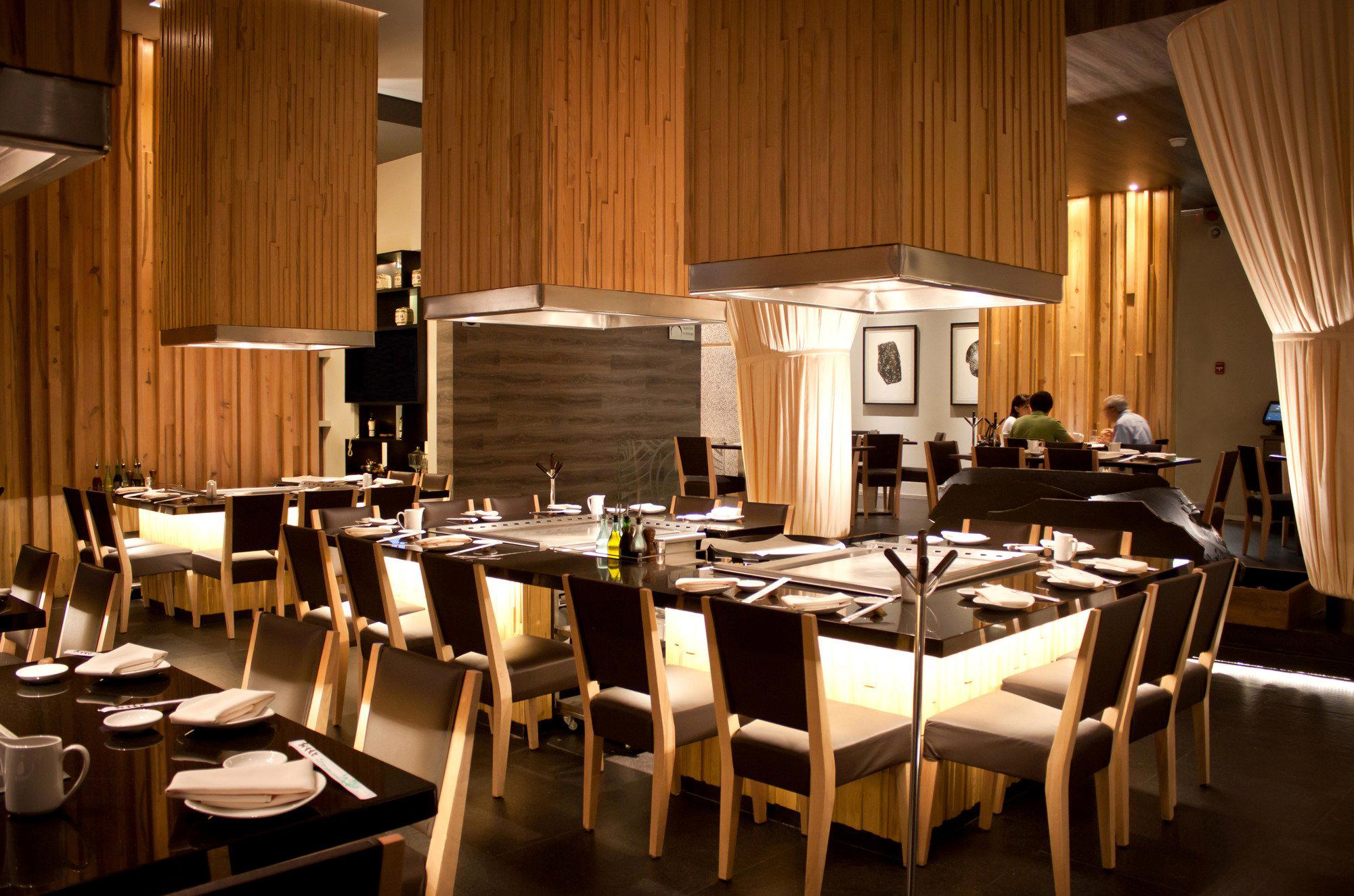
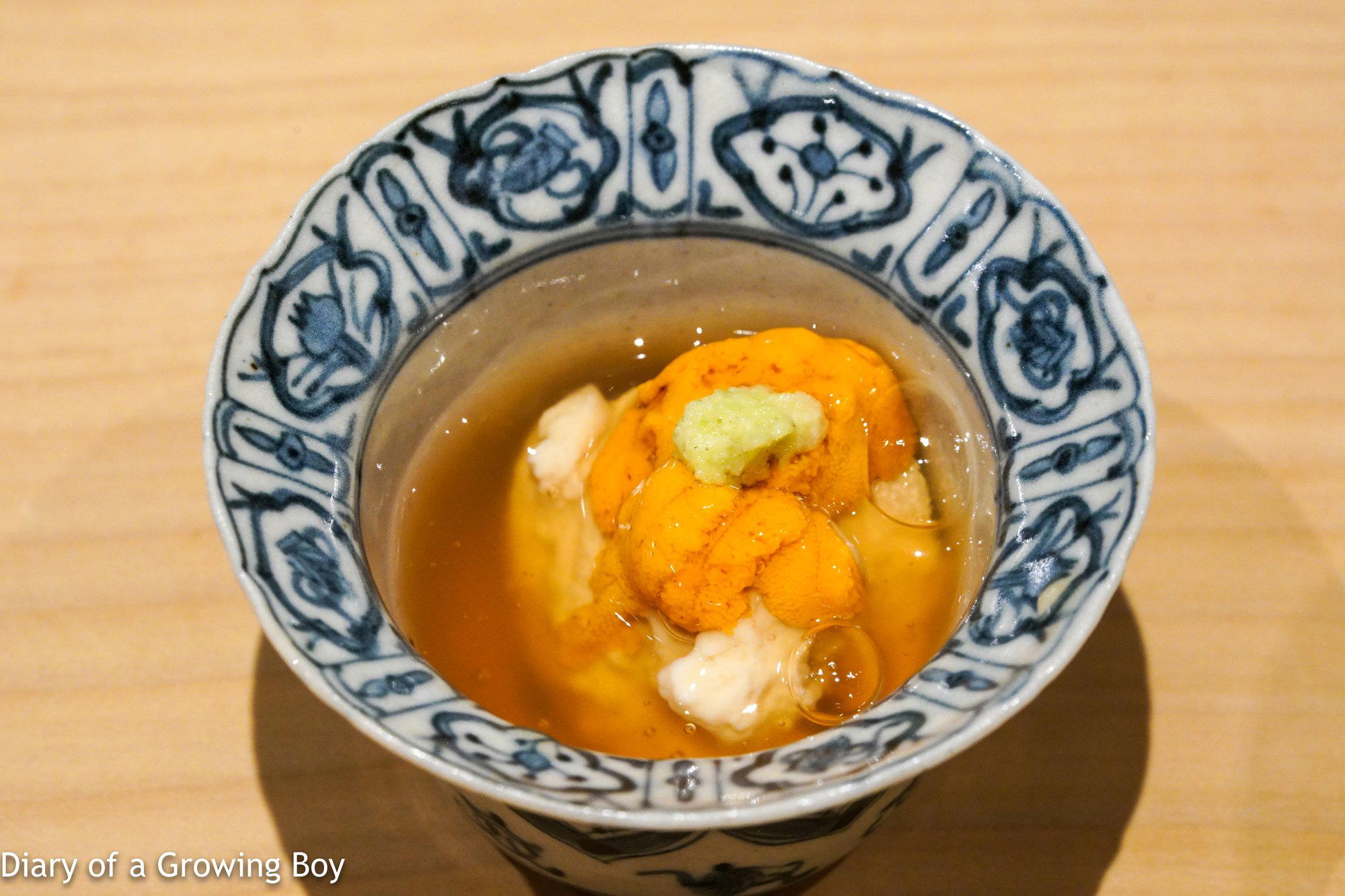
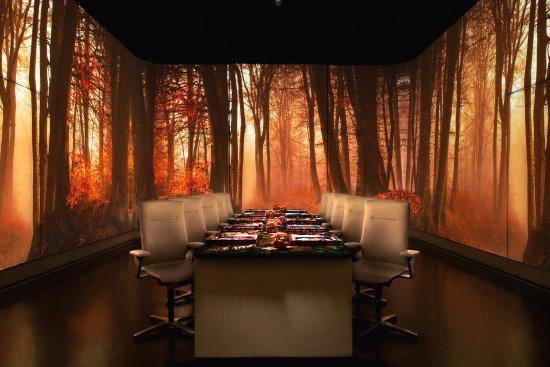
Details
- Cozy
- Solo
- Casual Hangout
- After Work
- Standalone
- A La Carte
- Counter Dining
Current opening hours
- Monday
- 11:30 AM–2:30 PM, 6–8:30 PM
- Tuesday
- 11:30 AM–2:30 PM, 6–8:30 PM
- Wednesday
- 11:30 AM–2:30 PM, 6–8:30 PM
- Thursday
- Closed
- Friday
- 11:30 AM–2:30 PM, 6–8:30 PM
- Saturday
- 11:30 AM–2:30 PM, 6–8:30 PM
- Sunday
- Closed
Hours can change for holidays and private events. Hours as of .
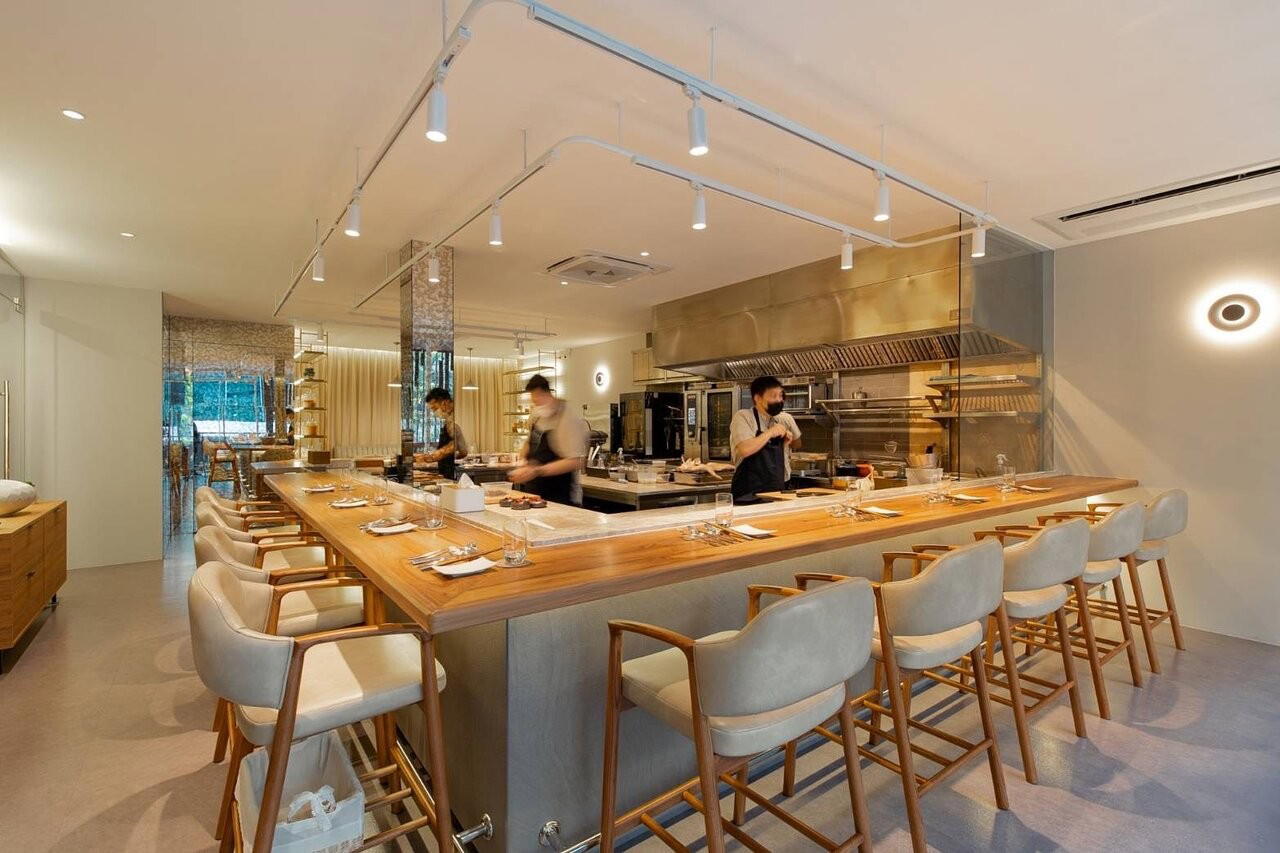
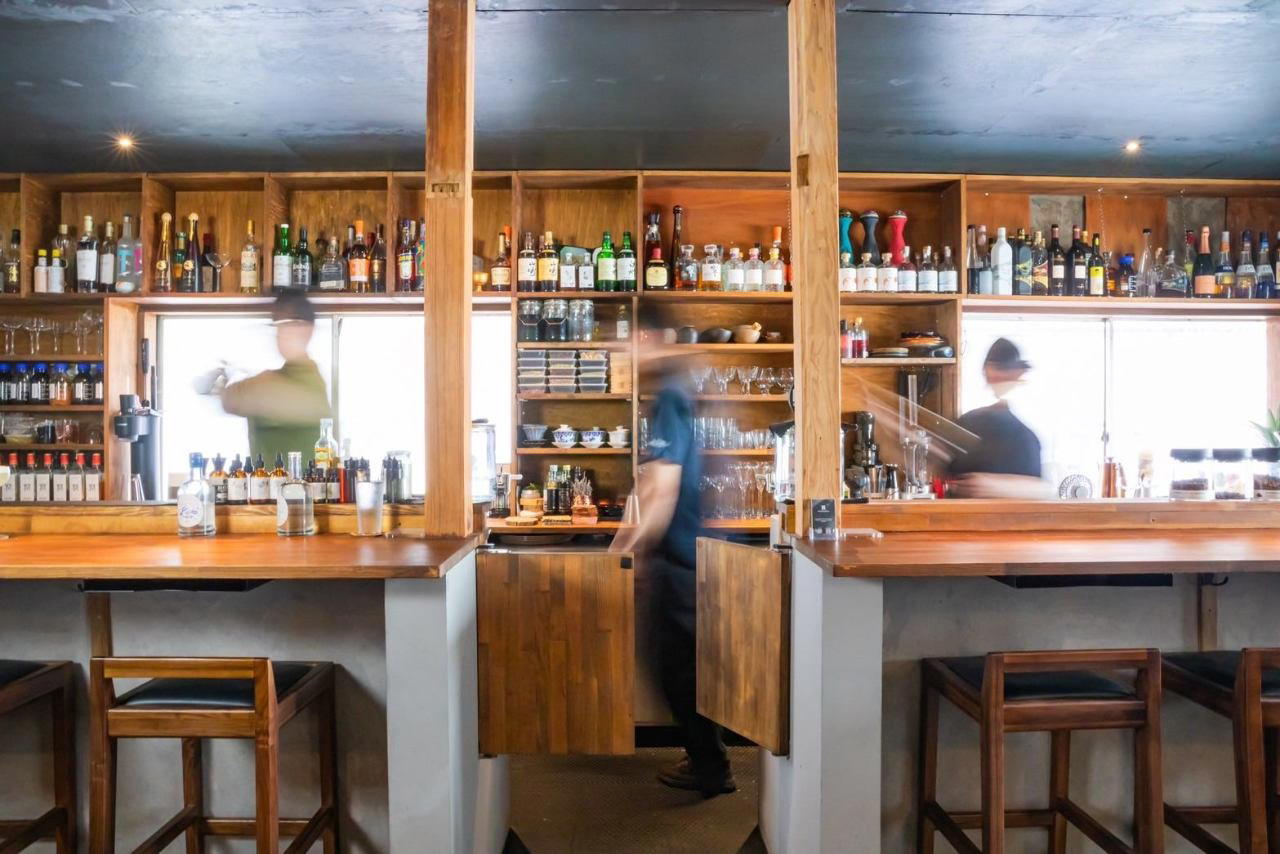
Simple, non‑smoking, counter‑oriented space with a few small tables, creating a modest and cozy atmosphere typical of a local yoshoku-style spot.