Our verdict
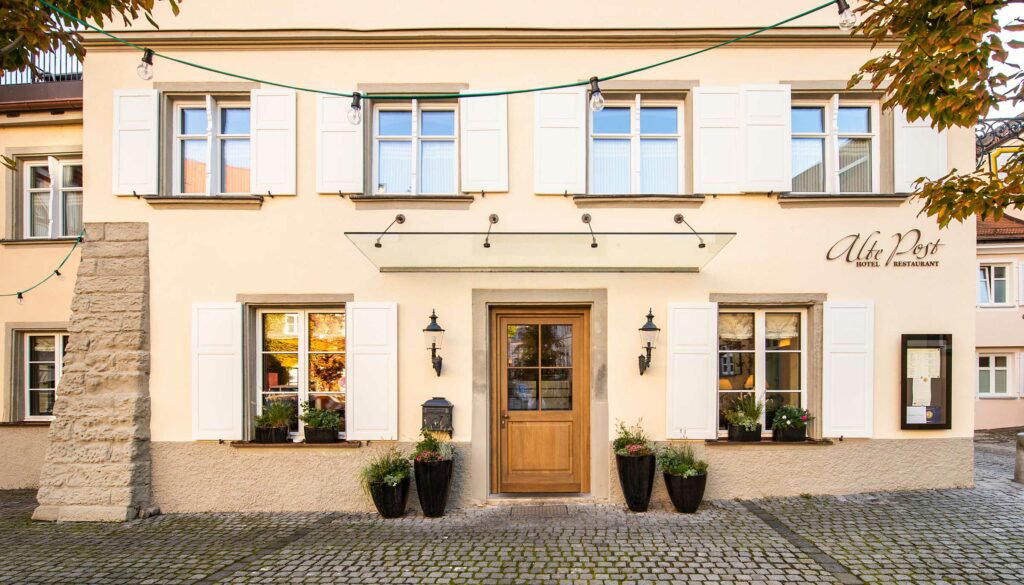
On a narrow lane in Lindau's medieval island quarter, Hotel-Restaurant Alte Post occupies one of the town's oldest addresses on Fischergasse. The kitchen draws on the agricultural and lake traditions that define this corner of Bavaria, placing it in a category of Bodensee dining that values provenance over spectacle. It sits in a different register from Lindau's more formally structured dining rooms.

Pearl is the En Primeur Club membership app, where members save venues, book tables and use the concierge.
The menu
What to order
- Wiener schnitzel
- Zanderfilet in mandelbutter
- Rindergulasch mit spaetzle
Fischergasse and the Logic of Place
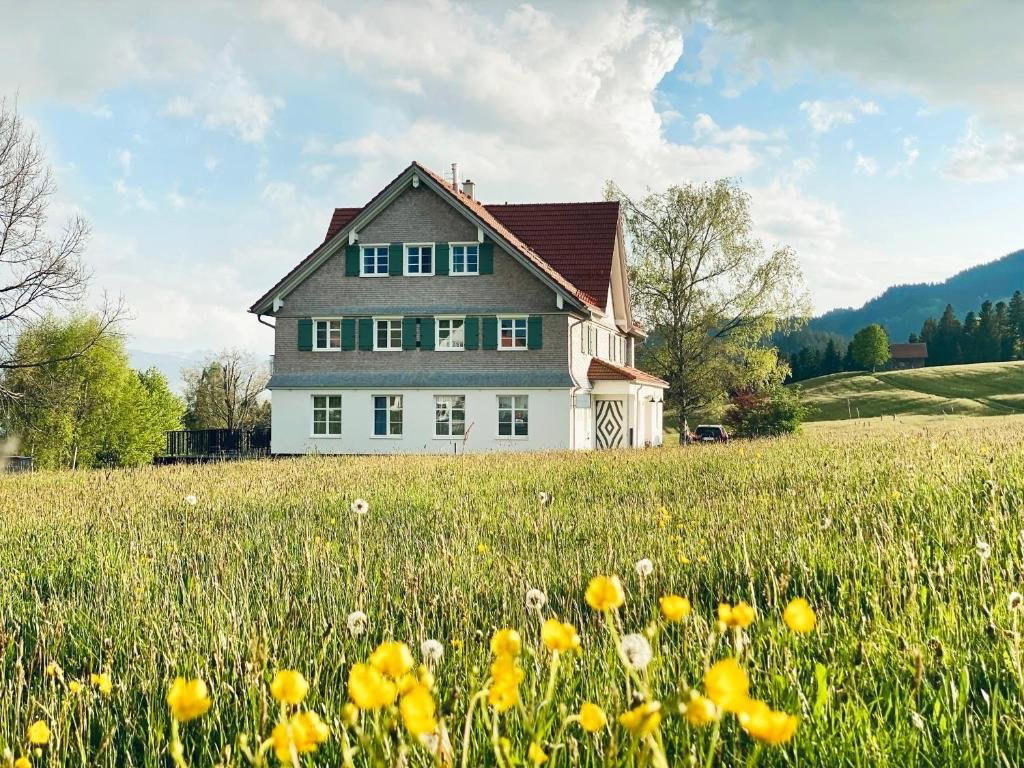
Lindau's island core is one of the better-preserved medieval town centres in southern Germany, a place where the street grid still follows a logic laid down before the railway arrived in the nineteenth century. Fischergasse runs close to the water, and addresses along it carry the cumulative weight of the fishing and trading economy that once defined the island. Hotel-Restaurant Alte Post at number three is part of that physical record. The building reads as a historic inn rather than a contemporary restaurant project, and that framing matters for understanding what kind of meal you are arriving for.
In a town where the premium dining tier is occupied by places like VILLINO and KARRisma, both running modern tasting-menu formats at the leading price bracket, Alte Post operates in a different register. It is not competing with those rooms on technique or conceptual ambition. It belongs instead to a category of German regional inn that treats continuity with local culinary tradition as its primary credential. That is a meaningful position in a region where the Bodensee and the Alpine foothills provide an unusually dense network of quality producers.
The Bodensee as a Sourcing Geography
The Lake Constance basin sits at the intersection of German, Austrian, and Swiss agricultural zones, and the variety of produce that flows from that geography is considerable. Freshwater fish from the lake itself, particularly Felchen (the regional whitefish), are the most direct expression of local sourcing in this kitchen tradition. The Felchen has been a Bodensee staple for centuries, fished by local families and sold through the small markets and direct suppliers that still operate around the lakeside towns. Any kitchen on Lindau's island that draws on this supply chain is working with ingredients that carry genuine geographic specificity, not the generic provenance language that has become common in European restaurant marketing.
Beyond the lake, the region produces dairy from Alpine grazing systems, fruit from the orchards that terrace the lower slopes around the Bodensee, and vegetables from the broad flat farmland on the German and Swiss sides of the water. For a traditional inn kitchen, these are the ingredients that define the menu's character from season to season. The shift from spring produce to summer stone fruit to autumn game and root vegetables is not a marketing concept in this context: it is the operational reality of cooking from a regional supply base. This is the opposite end of the spectrum from destination fine dining houses like Aqua in Wolfsburg or JAN in Munich, where sourcing is curated at a national or international level and presented as part of the dining narrative.
German regional inn cooking of this type tends to be substantive and unfussy: preparations that foreground the ingredient rather than transform it through elaborate technique. That approach suits lake fish particularly well. Felchen served simply, with browned butter, lemon, and whatever vegetable the season offers, is a preparation that rewards good sourcing and punishes bad procurement far more transparently than a heavily sauced dish. Kitchens that have maintained relationships with local fishermen and farmers over years hold a real advantage in this format.
Where Alte Post Sits in Lindau's Dining Pattern
Lindau's dining scene is compressed, as you would expect from a town that functions partly as a leisure destination and partly as a year-round residential community on the German-Austrian border. The full range runs from casual lakeside cafes to the structured modern cuisine of Valentin and the more ambitious tasting formats further up the price ladder. Amaris Restaurant and Café represents a different mid-point in that range. Our full Lindau restaurants guide maps the complete spread.
The traditional inn format occupies its own lane within this pattern. It draws a different guest: less interested in a progressive tasting sequence, more interested in a generous, regionally grounded meal in a room that feels like it has existed for a long time. Tourist seasons around the Bodensee run hard from May through September, and the island's hotels and restaurants move through high occupancy during those months. Visiting outside peak season, particularly in early spring or late autumn, tends to produce a quieter, more local dining room.
By comparison, Germany's most formally recognised restaurants, places such as Schwarzwaldstube in Baiersbronn, Vendôme in Bergisch Gladbach, or Victor's Fine Dining by Christian Bau in Perl, operate on a completely different structural logic: long booking windows, set menus, and kitchen teams organised around precision at scale. Waldhotel Sonnora in Dreis and Restaurant Haerlin in Hamburg similarly run within that top-tier framework. Alte Post is not in that conversation, and should not be evaluated against it. Internationally, the equivalent register can be found in places like Bagatelle in Trier or Schanz in Piesport at different ambition levels.
Planning Your Visit
Alte Post is on Fischergasse 3 on Lindau's island, reachable on foot from the main harbour area. As a hotel-restaurant combination, it serves both resident and non-resident guests. The island is pedestrianised across much of its historic core, so arriving by car means parking on the causeway or mainland and walking across. The train station sits at the island's western tip, placing Fischergasse within a short walk of rail arrivals. Summer weekends book out quickly given Lindau's popularity as a Bodensee destination, and walking in without a reservation during high season carries real risk of finding the dining room full. For context on booking difficulty at comparable German destination restaurants, consider that even mid-tier recognised houses like ES:SENZ in Grassau and CODA Dessert Dining in Berlin require planning weeks in advance. For high-volume international reference points at the opposite end of the dining spectrum, Le Bernardin in New York City and Atomix in New York City illustrate how booking depth correlates with format ambition. At the inn level, Alte Post is likely more accessible, but confirming directly before travel is advisable.
Frequently asked questions
Is Hotel-Restaurant Alte Post suitable for children?
Lindau's island centre operates as a year-round residential town as much as a leisure destination, and Alte Post on Fischergasse 3 sits within that mixed-use fabric rather than in a purely adult dining enclave. Hotel-restaurant formats in this part of southern Germany typically accommodate families, particularly outside peak evening service. Confirming directly with the property ahead of your visit is advisable, as the house sets its own pace.
Is Hotel-Restaurant Alte Post formal or casual?
The address, Fischergasse 3, on Lindau's medieval island, signals a setting shaped more by the town's centuries-old street logic than by resort-hotel formality. Hotel-restaurants of this type in southern German lake towns tend toward a relaxed but considered register: neither a lakeside beer garden nor a jacket-required dining room. The specific dress expectations are best confirmed with the venue before arrival.
Does Hotel-Restaurant Alte Post on Fischergasse serve guests who are not staying at the hotel?
Alte Post operates as a combined hotel and restaurant at Fischergasse 3 on Lindau's island, and in that configuration the dining room typically serves both residents and outside guests. Lindau's compressed dining scene means that walk-in capacity varies with season, and the island location, reachable on foot from the main harbour, makes it a practical stop for day visitors as well. Confirming a reservation in advance is the reliable approach, particularly during the summer lake season.
What's the signature dish at Hotel-Restaurant Alte Post?
The Lake Constance basin gives Lindau kitchens access to produce and fish from German, Austrian, and Swiss agricultural zones simultaneously, a sourcing geography that informs what regional restaurants in this town put on the plate. Felchen, the mild whitefish native to the Bodensee, appears on tables across Lindau's dining circuit and is a reasonable reference point when reading any local menu. Dish-level specifics for Alte Post are best confirmed directly with the restaurant.
| Venue | Cuisine | Price | Awards | Notes |
|---|---|---|---|---|
| Hotel-Restaurant Alte PostThis venue (the venue you are viewing) | Traditional Swabian-German | $20–30 | Not listed | Not listed |
| KARRisma | Modern Contemporary Fine Dining | $150–200 | 1 Michelin Star | Creative |
| VILLINO | Michelin-Starred Italian-Asian Fusion | $150–200 | 1 Michelin Star · Relais Chateaux Award | Modern Cuisine |
| Valentin | Modern International Fine Dining | $50–100 | Michelin Plate · Star Wine List | Not listed |
| Amaris Restaurant & Café | Modern German Bistro | $50–100 | Not listed | Not listed |
Continue exploring
More in Lindau
Restaurants in Lindau
All restaurants in Lindau →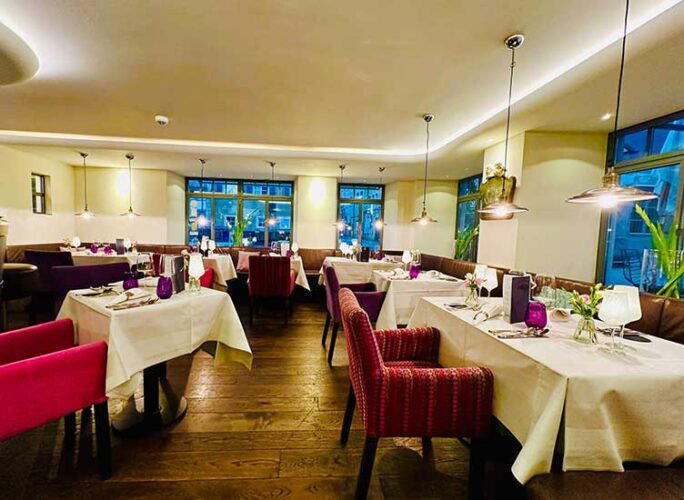
Bars in Lindau
Browse all →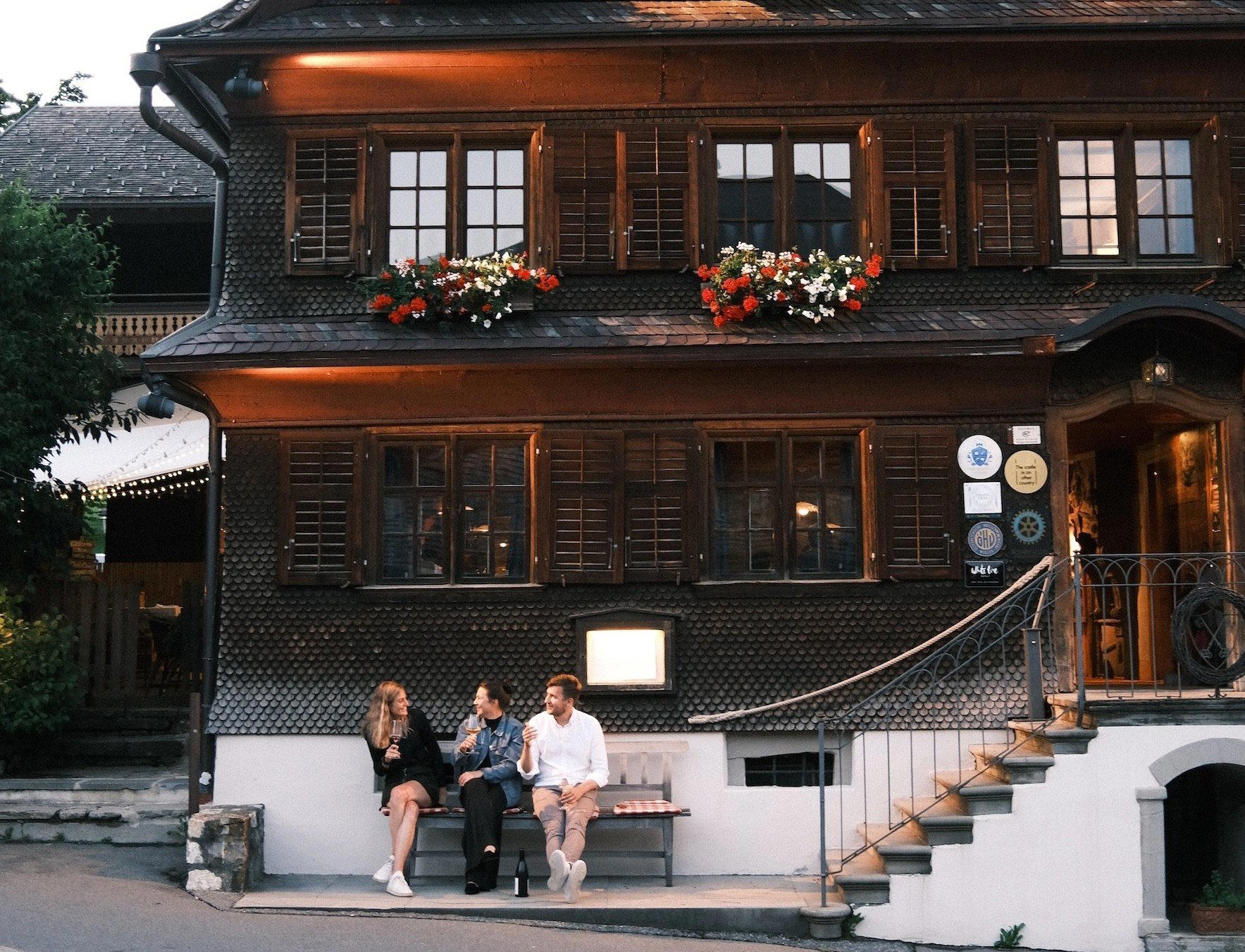

Details
- Cozy
- Classic
- Rustic
- Family
- Group Dining
- Casual Hangout
- Hotel Restaurant
- Historic Building
- Terrace
- Local Sourcing
- Street Scene
- A La Carte
- Vegetarian Friendly
- Vegan Options
- Gluten Free Options
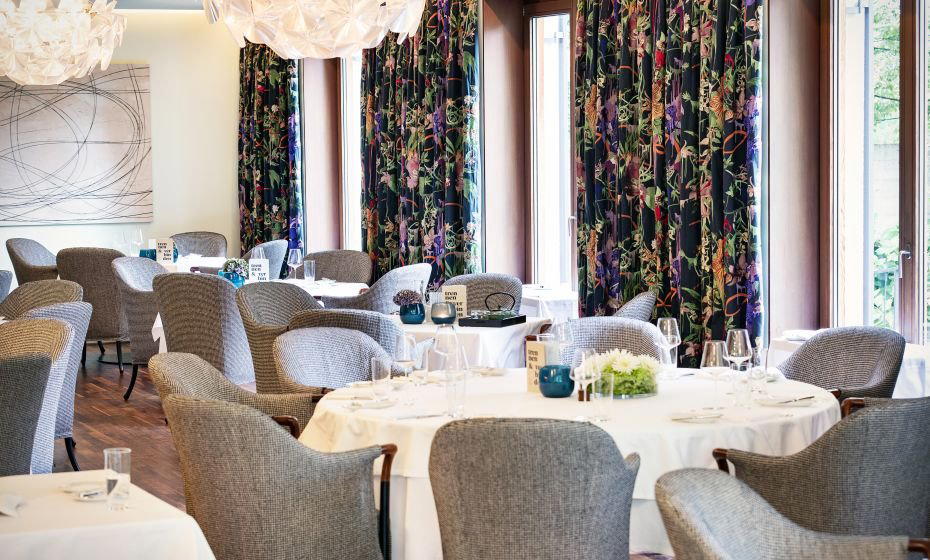
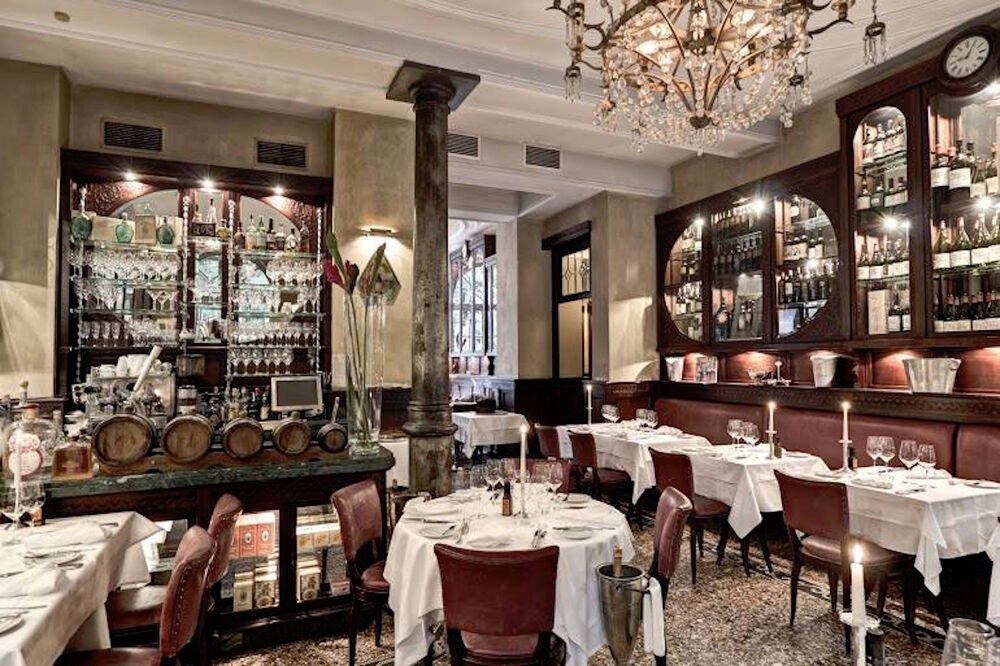
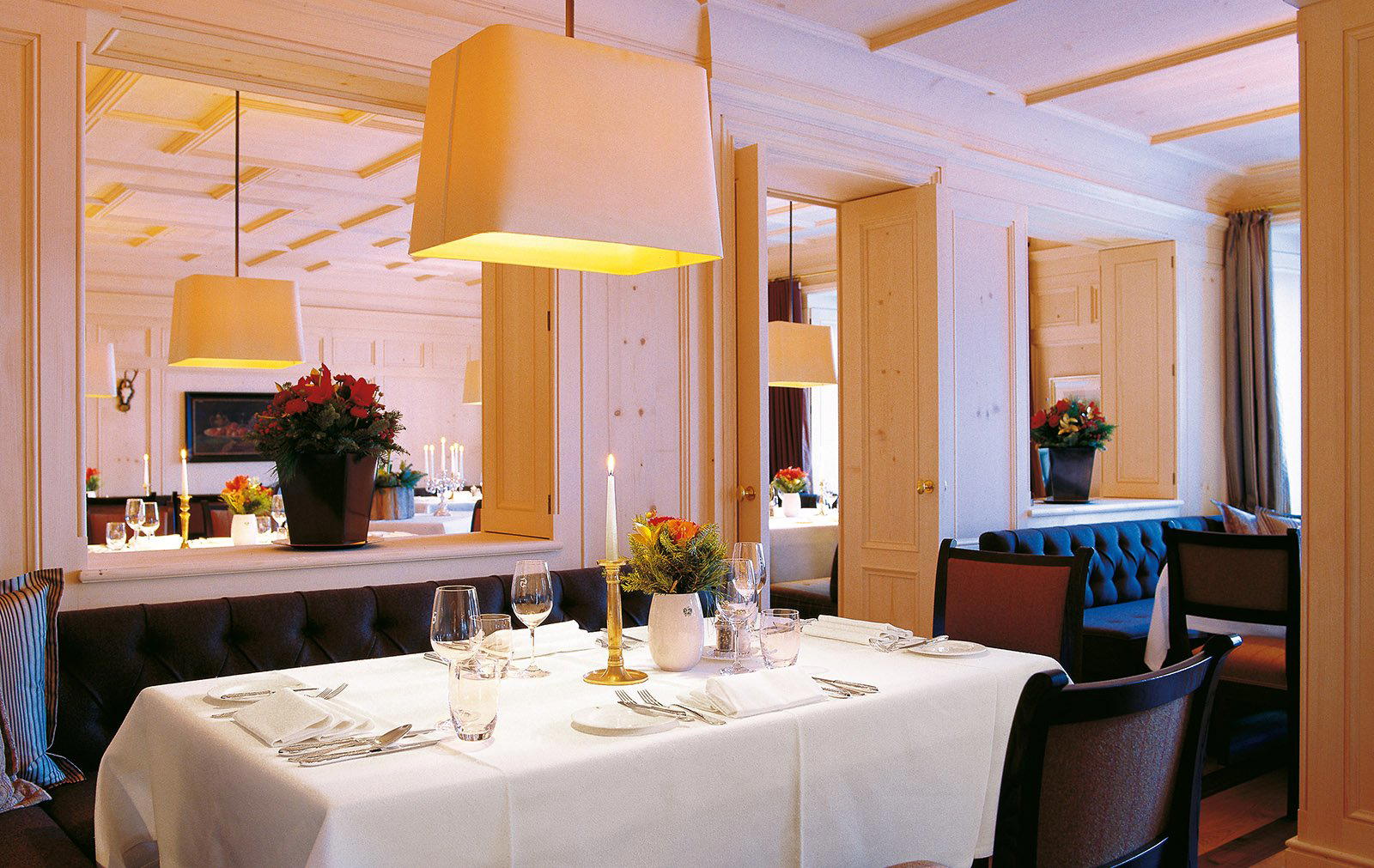
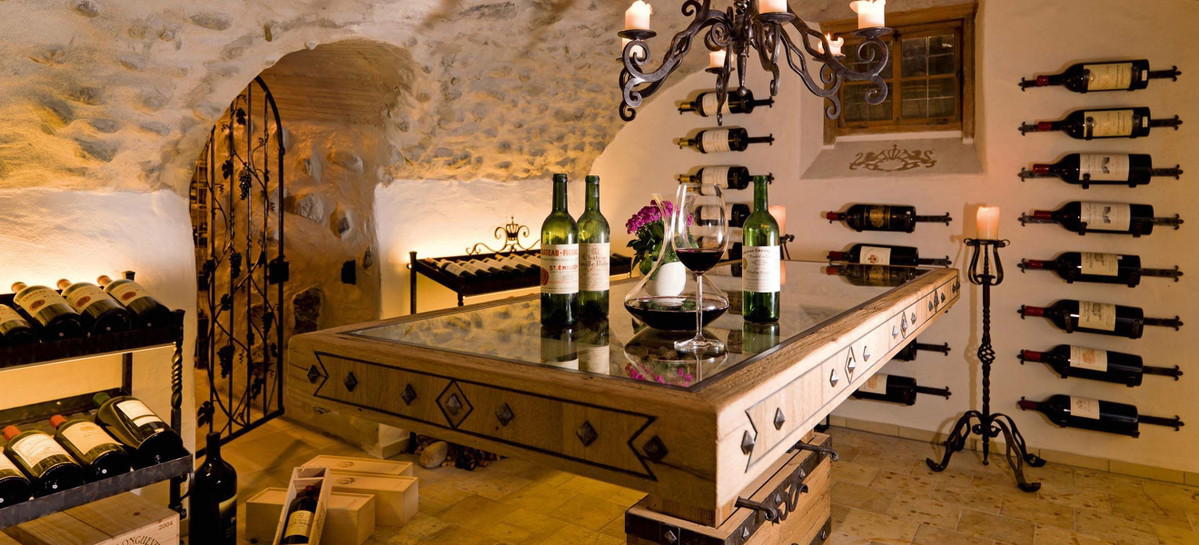
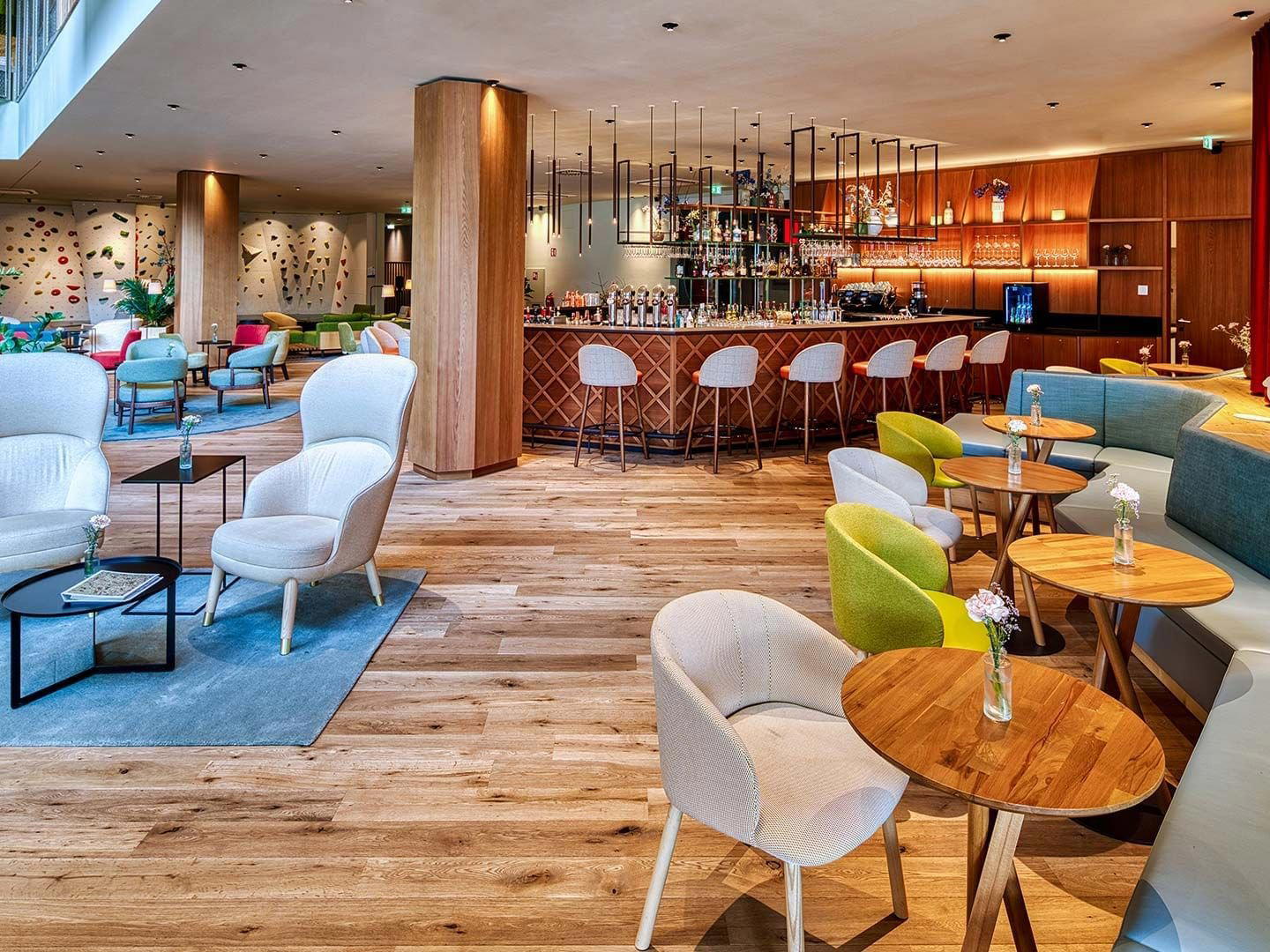
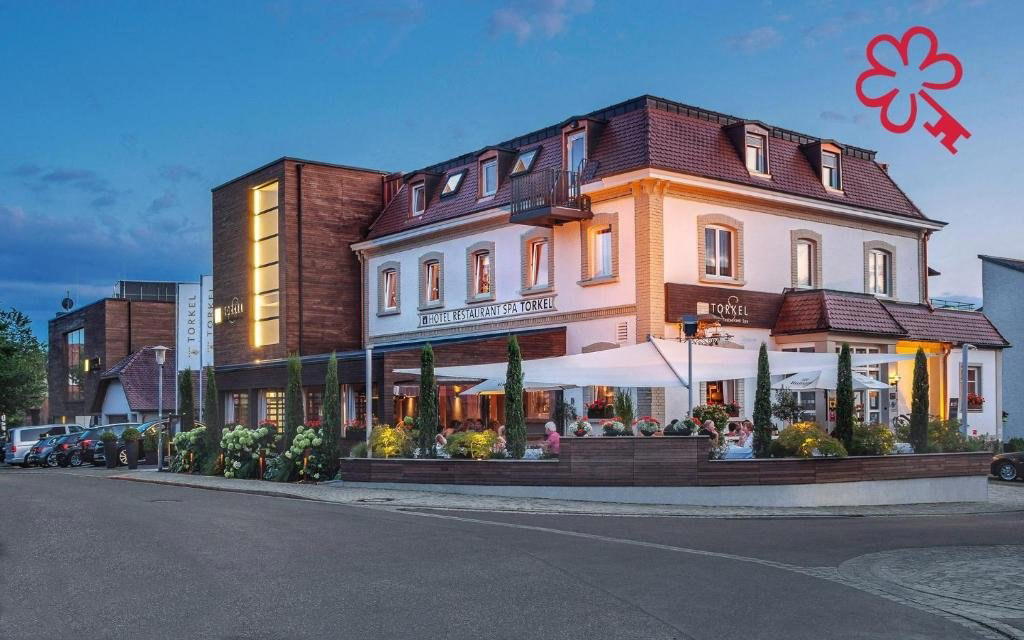
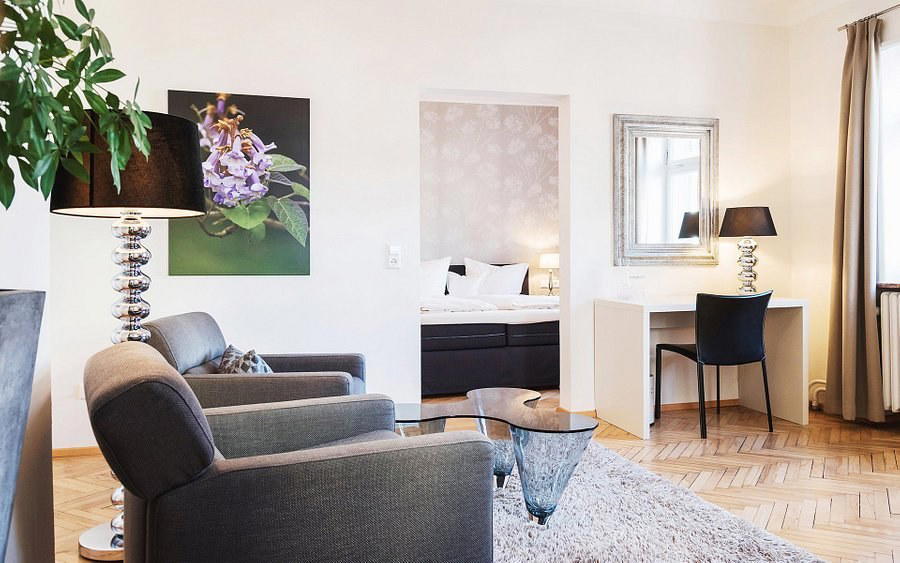
Homely and pleasant atmosphere with attentive service, fresh flowers on tables, and a modern touch in a traditional setting.