On a quiet lane in Lindau's old island town, Amaris Restaurant & Café occupies a position between neighbourhood café and sit-down dining room, a format that suits the island's unhurried pace well. Lindau's dining scene has grown more ambitious in recent years, and Amaris sits within that broader shift toward ingredient-conscious cooking at accessible price points, making it a practical first stop for visitors and a reliable local fixture.
Pearl is the En Primeur Club membership app — saves, bookings, and concierge access live there. Same editors, same standards.
- Address
- Bindergasse 15, 88131 Lindau, Germany
- Phone
- +4983829724098
- Website
- amaris-lindau.de
- Directions
- Get directions
 Saves & bookings on Pearl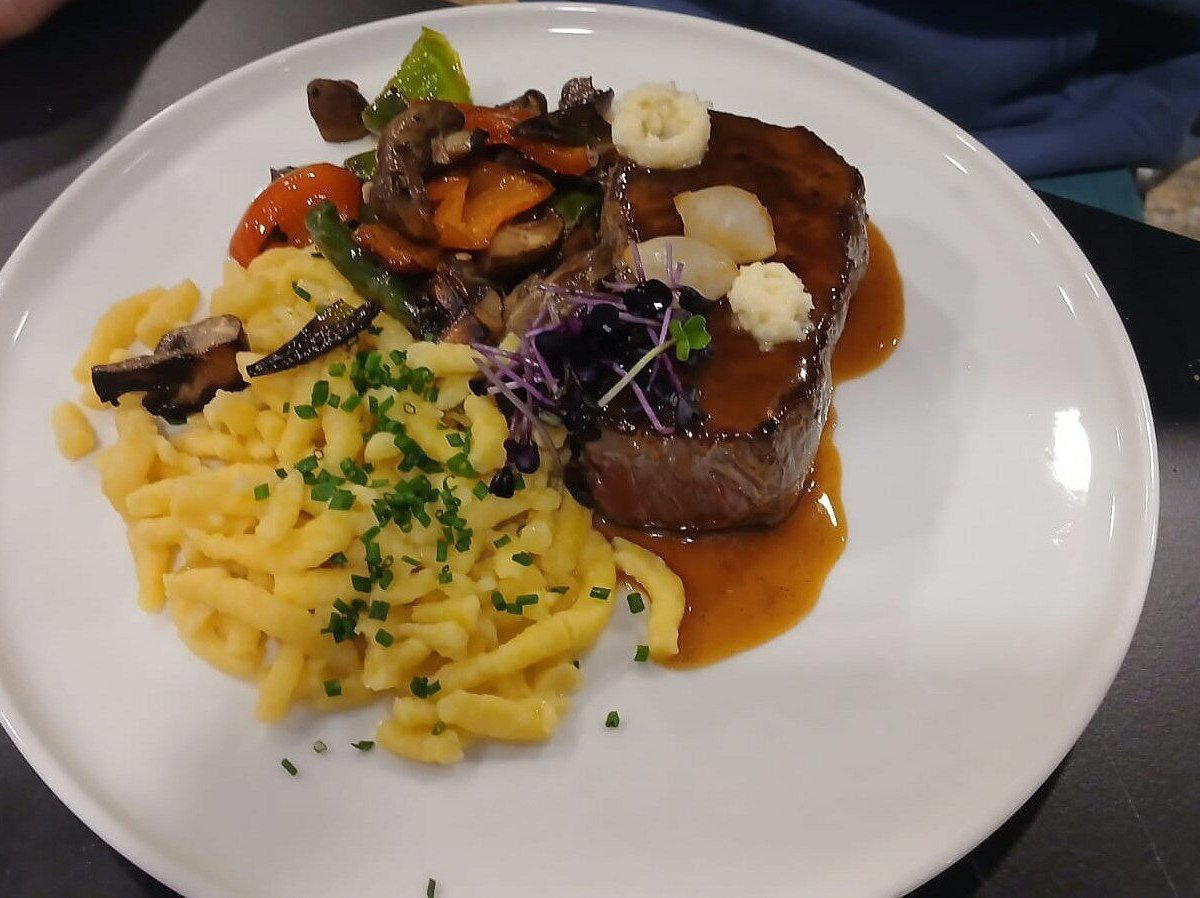
Where Lindau's Old Town Sets the Table
Lindau's island quarter has a way of slowing everything down. The medieval streets narrow, the lake appears between rooftops, and the café-to-restaurant continuum that defines the town's eating culture becomes immediately legible. Bindergasse 15 sits within that fabric: a Lindau address that places Amaris Restaurant & Café inside the old town's walkable core, within reach of the harbour and the pedestrian lanes that connect the island's main draws. For a town of Lindau's scale, location within the island rather than on the mainland side of the causeway carries real weight, foot traffic here is purposeful rather than accidental, and regulars tend to return rather than wander.
The café-restaurant hybrid is a format Lindau does particularly well. Unlike the sharper fine-dining tier represented by venues such as VILLINO or the more overtly creative programming at KARRisma, the café-restaurant sits in a middle register: attentive without being ceremonial, food-focused without requiring a tasting menu commitment. That positioning serves a different reader decision entirely, the weekday lunch, the post-walk coffee that turns into a plate of something, the early dinner before the last ferry to the Austrian shore.
Ingredient Sourcing in a Lake-Adjacent Town
The southern German lake region, the Bodensee, bounded by Germany, Austria, and Switzerland, carries genuine sourcing advantages that kitchens at this price point can put to use without the overheads of a full fine-dining operation. Perch and whitefish come out of the lake itself; the surrounding Alpine foothills supply dairy, game, and seasonal produce through short supply chains that longer-established German restaurant markets, particularly urban ones, tend to envy. What a kitchen in Lindau's old town can access on a Tuesday morning is structurally different from what a comparable operation in Munich or Hamburg can source with the same budget.
Across Germany's serious dining tier, from Schwarzwaldstube in Baiersbronn to Aqua in Wolfsburg, the sourcing argument is well-rehearsed at the leading end, where Michelin recognition tends to reward its expression. Further down the price tier, in café-restaurant formats like Amaris, the logic holds differently: proximity to good ingredients matters more, not less, when the kitchen is not operating with the margin to import or specialist-source from a distance. A Bodensee perch served at a café table on Bindergasse is simply closer to its origin than the same fish would be anywhere else in Germany.
This is also why the Bodensee region functions as a coherent dining destination rather than just a transit zone between Swiss and Austrian eating cultures. Lindau's restaurants, from the contemporary register of Valentin to the more traditional format at Hotel-Restaurant Alte Post, draw on the same regional larder, each inflecting it differently according to ambition and format.
The Café-Restaurant Format as a Serious Category
Across Germany's restaurant culture, the café-restaurant hybrid has often been underestimated as a category. The assumption, that serious food belongs to the white-tablecloth tier, while cafés fill a secondary function, has eroded considerably over the past decade, driven partly by post-pandemic recalibrations in how people want to eat and partly by a generation of cooks more interested in accessible formats than tasting-menu theatre. Venues at the ambitious end of that shift, such as CODA Dessert Dining in Berlin or JAN in Munich, demonstrate how a format can carry serious culinary intent without the full apparatus of formal dining. Amaris occupies a different register within that spectrum, more neighbourhood, less destination, but the category logic is the same: format does not determine quality, and a café setting can deliver food worth choosing rather than merely settling for.
For visitors arriving in Lindau from the broader German fine-dining circuit, having passed through the Rhineland to visit Vendôme in Bergisch Gladbach or Restaurant Haerlin in Hamburg, Amaris represents a deliberate gear-change: a place to eat well without the structure of a formal progression, in a setting where the lake light and the old-town stones do the atmospheric work that a tasting menu interior might otherwise attempt through design.
Lindau as a Dining Context
Lindau is a small town that functions as a significant destination, roughly 25,000 residents, an island old town that draws visitors from across the German-speaking region, and a dining culture that has grown more considered over the past decade without losing the informality that defines lake-town eating. The island's restaurant density is high relative to its size, which creates genuine competition at every price point and raises the floor on what a café-restaurant can reasonably serve without losing its regular clientele to stronger alternatives a short walk away.
That competitive pressure has been broadly positive. Lindau's eating options now span from the ingredient-forward café register to credentialed fine dining, Amaris sits at one end of that spectrum, where accessibility and location drive the decision as much as menu ambition, which, for a significant proportion of visitors to the island, is exactly the right offer.
For context on what serious sourcing-driven cooking can achieve further afield in the region, ES:SENZ in Grassau and Waldhotel Sonnora in Dreis demonstrate the upper tier of Alpine and southwestern German cooking, while Schanz in Piesport and Bagatelle in Trier show how the wine-adjacent dining culture of western Germany differs structurally from the lake-region model. Internationally, the ingredient-sourcing discipline that defines the Bodensee's leading kitchens finds a parallel in the approach of Le Bernardin in New York City, though at a scale and price point that makes the comparison instructive rather than direct. Closer in format and intent, Lazy Bear in San Francisco demonstrates how a less formal structure can still carry a clear culinary point of view, and Victor's Fine Dining by Christian Bau in Perl represents the precision end of German fine dining for those calibrating their expectations across the tier.
Planning a Visit
Amaris is on Bindergasse 15 in Lindau's island old town, reachable on foot from the main island train station in under ten minutes. The old town is compact enough that Amaris sits within easy walking distance of the harbour, the lighthouse, and the principal pedestrian shopping street. The café-restaurant format suggests walk-in capacity during quieter periods, though advance contact is sensible.
How It Stacks Up
Comparable venues nearby, for context on price, style, and recognition.
| Venue | Cuisine | Price | Awards | Notes |
|---|---|---|---|---|
| Amaris Restaurant & CaféThis venue — the venue you are viewing | Modern German Bistro | $$ | Not listed | Not listed |
| Hotel-Restaurant Alte Post | Traditional Swabian-German | $$ | Not listed | Lindau Altstadt |
| Valentin | Modern International Fine Dining | $$$ | Michelin Plate | Lindau-Insel |
| VILLINO | Michelin-Starred Italian-Asian Fusion | $$$$ | Michelin 1 Star | Bodolz |
| KARRisma | Modern Contemporary Fine Dining | $$$$ | Michelin 1 Star | old town |
| Alte Kanzlei Stuttgart | Traditional Swabian | $$ | Not listed | Gablenberg |
Continue exploring
More in Lindau
Restaurants in Lindau
Browse all →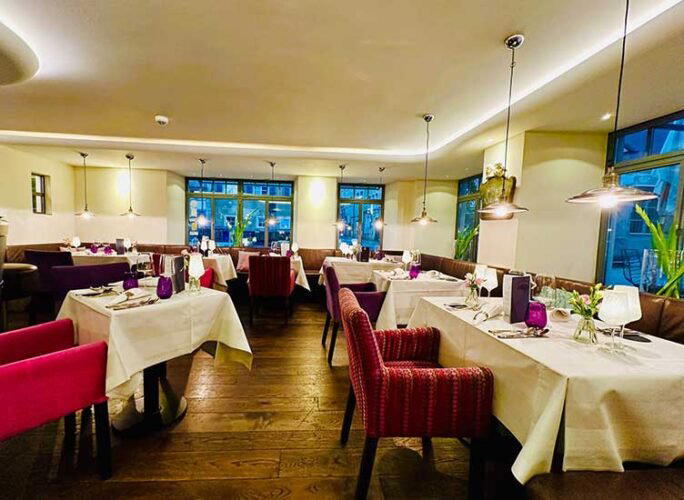
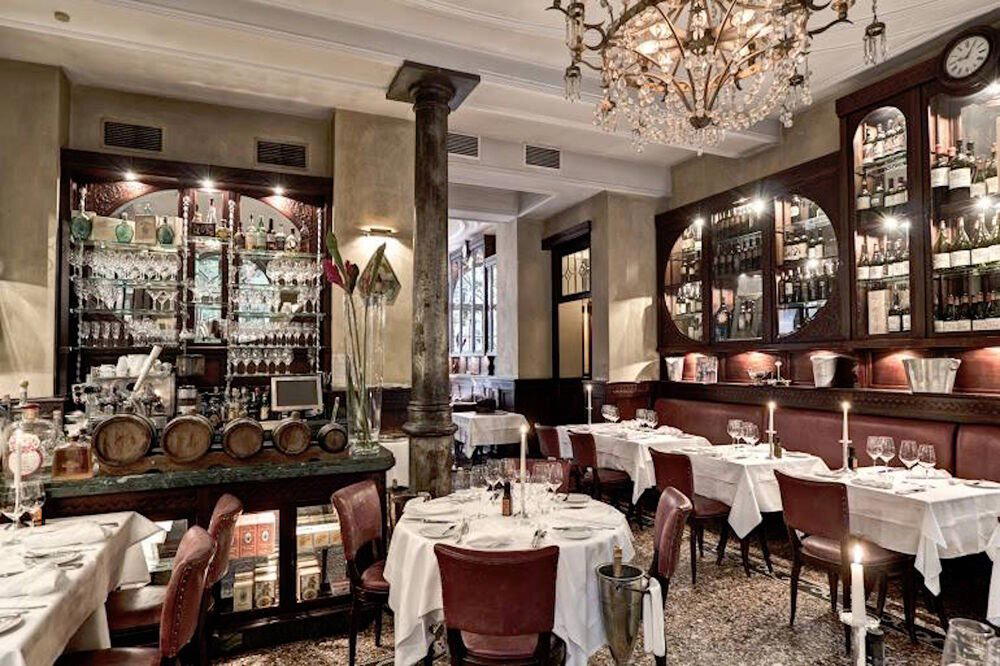
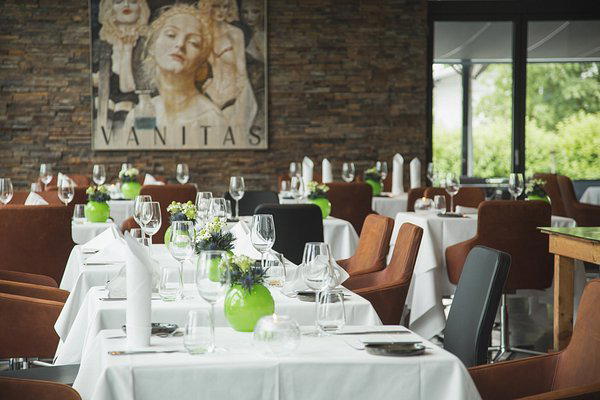
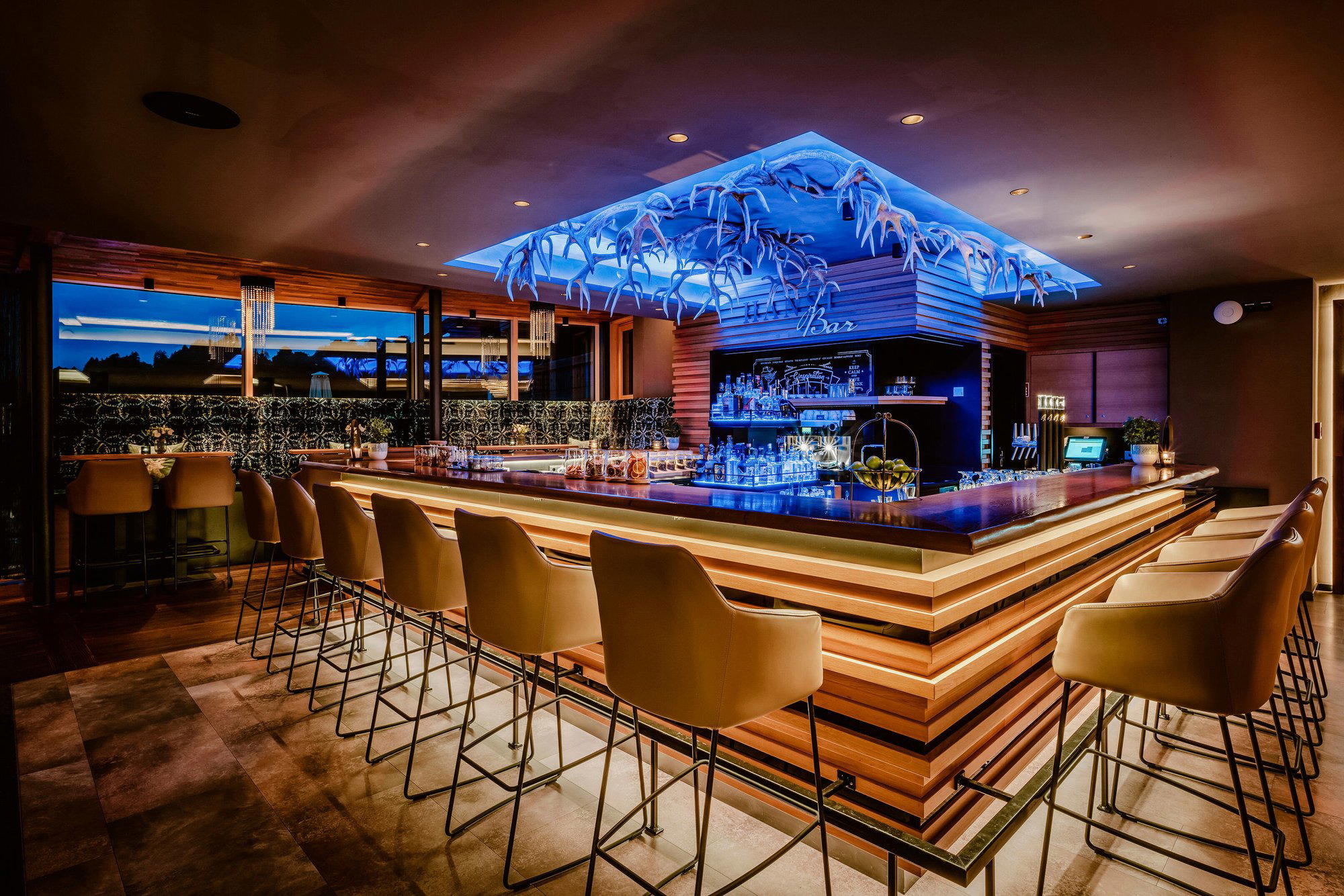
Bars in Lindau
Browse all →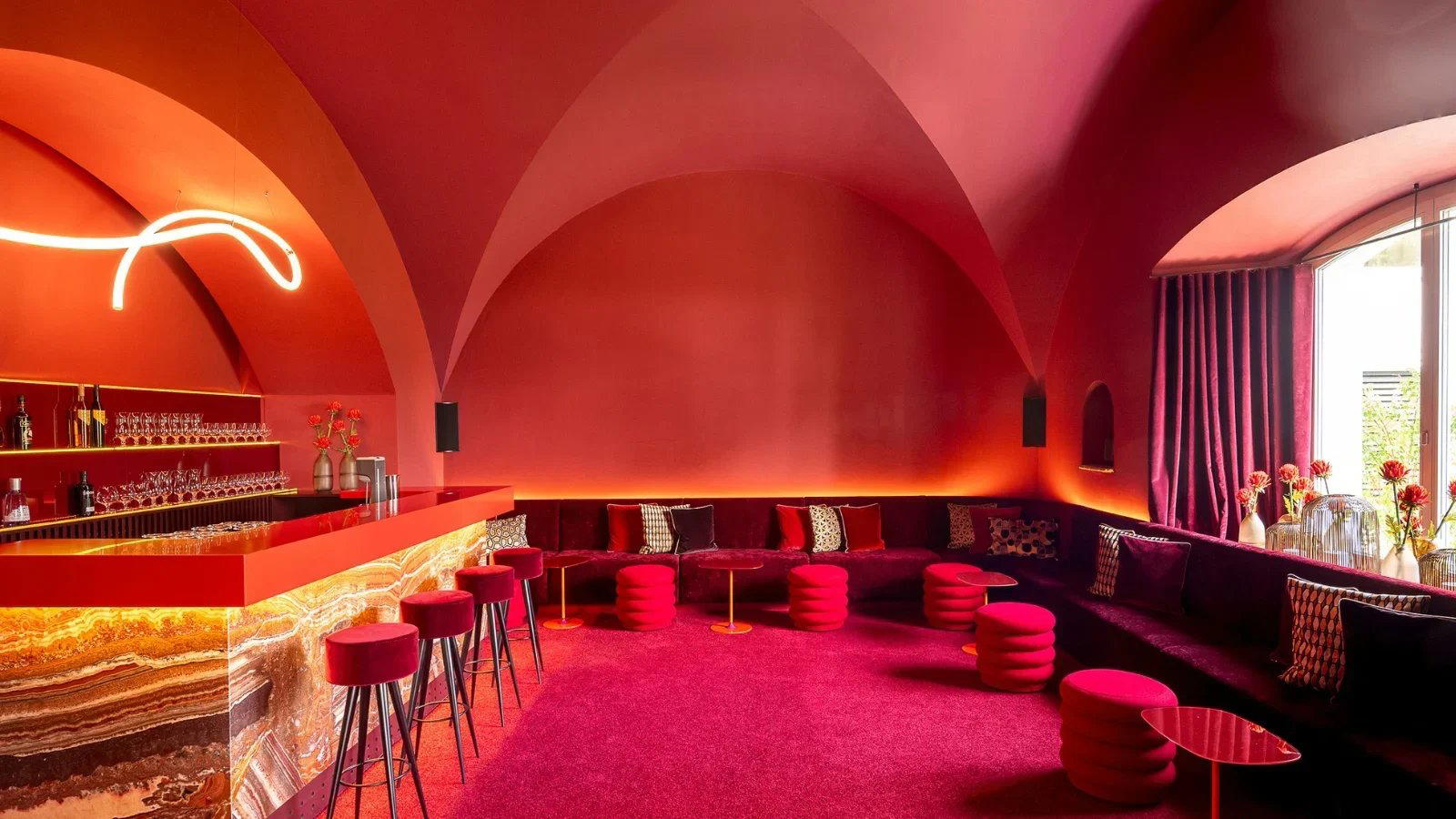
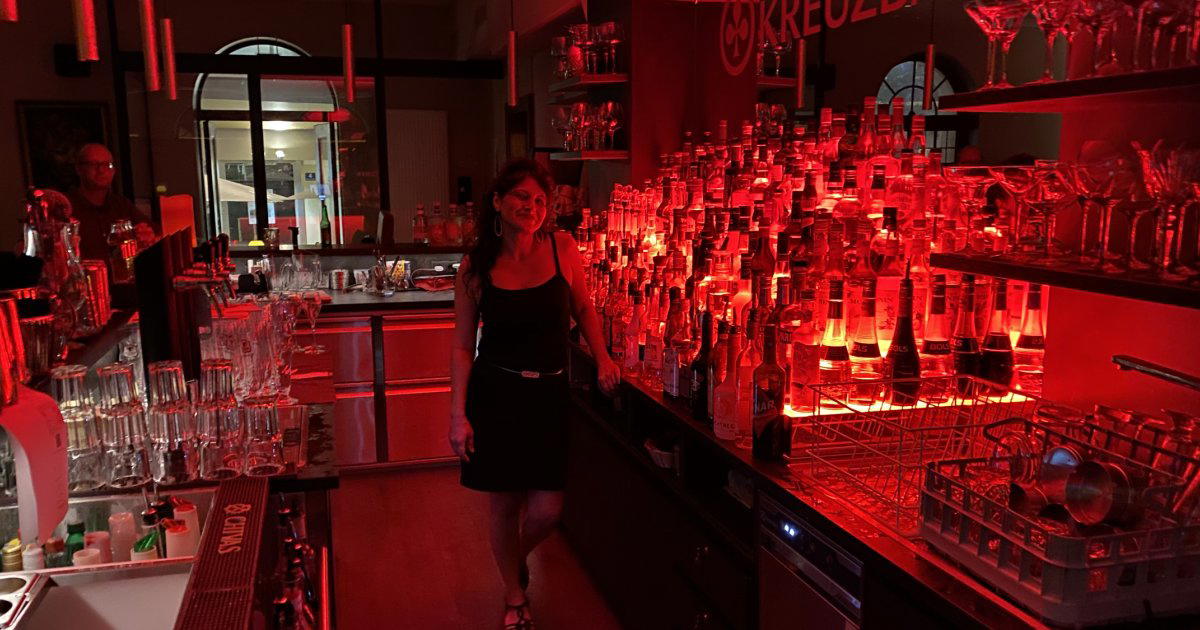

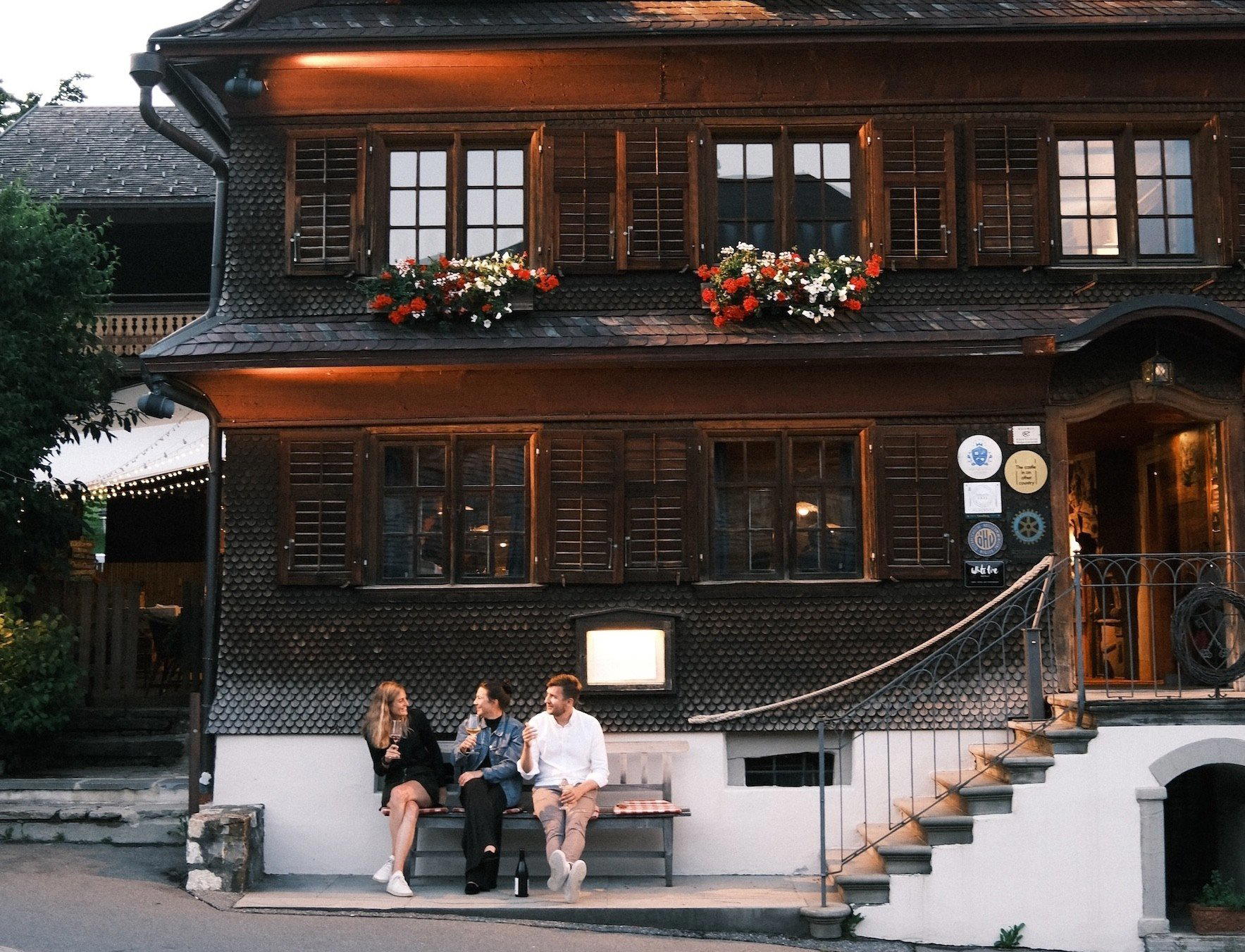
Hotels in Lindau
Browse all →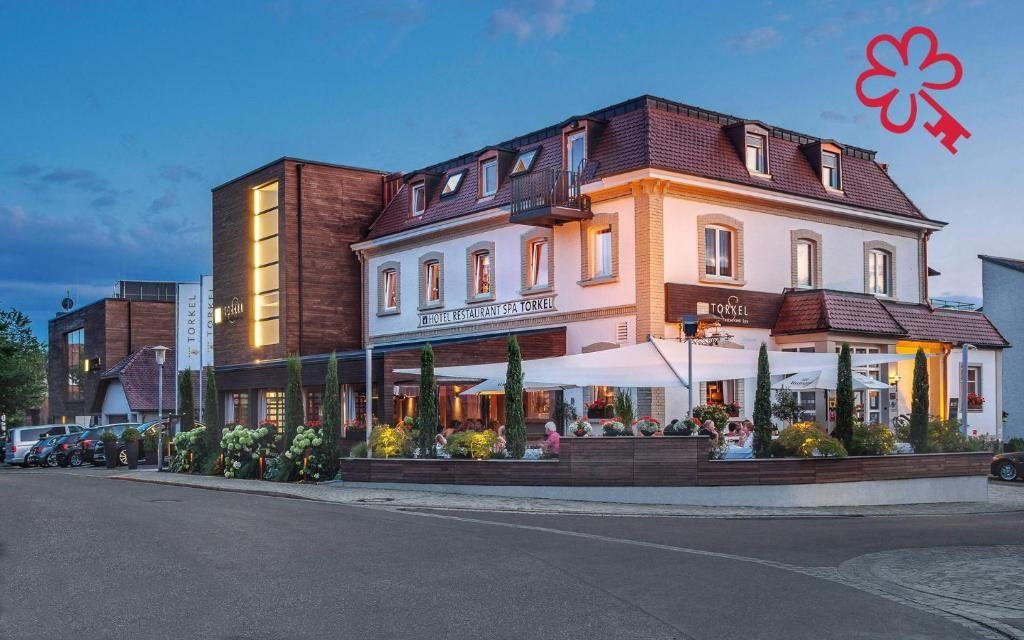
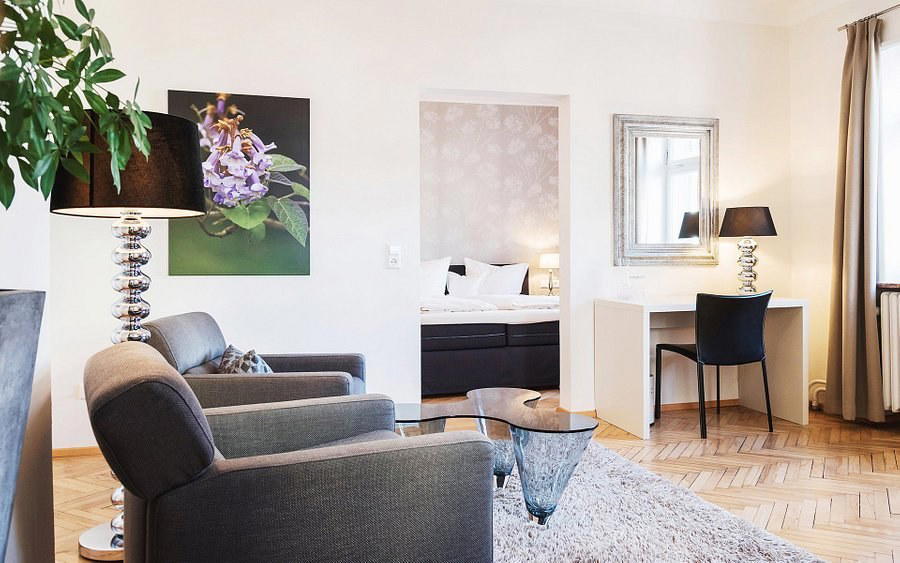
Wineries in Lindau
Browse all →
At a Glance
- Cozy
- Intimate
- Modern
- Date Night
- Family
- Casual Hangout
- Open Kitchen
- Zero Proof
Current opening hours
- Monday
- 12–4 PM, 5–9 PM
- Tuesday
- 12–4 PM, 5–9 PM
- Wednesday
- 12–4 PM, 5–9 PM
- Thursday
- 12–4 PM, 5–9 PM
- Friday
- 12–4 PM, 5–9 PM
- Saturday
- 12–4 PM, 5–9 PM
- Sunday
- 12–4 PM, 5–9 PM
Hours can change for holidays and private events. Last verified .
Stylish and cozy atmosphere with a young yet tastefully traditional vibe, well-suited for relaxed dining.