Hotel Posta
Hotel Posta sits in Rueras, a small Romansh-speaking village in the Surselva valley of Graubünden, where the Alps compress daily life into something elemental. As a historic post house on one of Switzerland's oldest alpine transit routes, it represents the kind of lodging where geography and tradition do most of the storytelling. Travellers passing through the Oberalp corridor find here a reference point for mountain hospitality rooted in place rather than branding.
Pearl is the En Primeur Club membership app — saves, bookings, and concierge access live there. Same editors, same standards.
- Address
- Via Alpsu 217, 7189 Tujetsch, Switzerland
- Phone
- +41819491126
- Website
- posta-rueras.ch
- Directions
- Get directions
 Saves & bookings on Pearl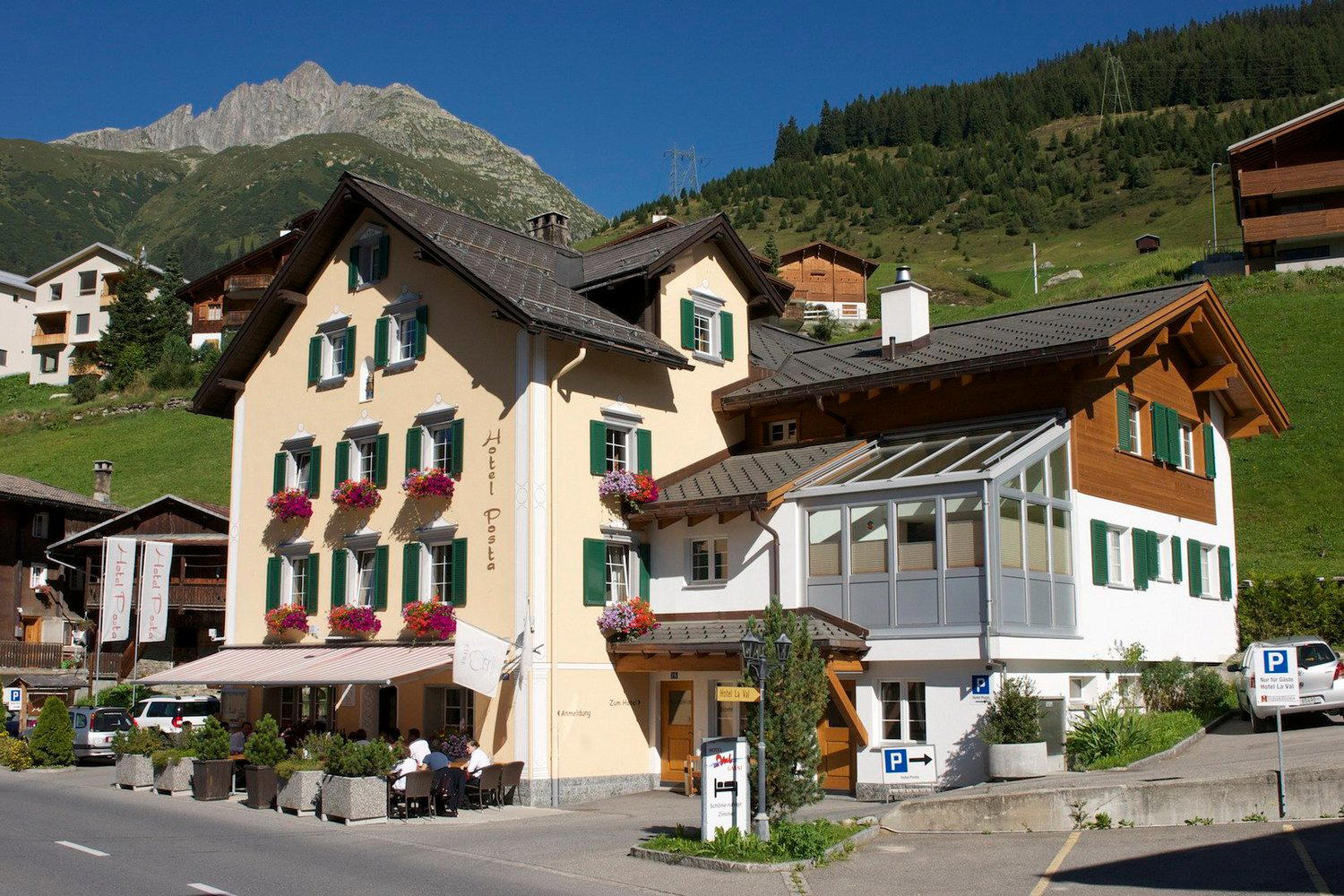
Where the Surselva Valley Sets the Terms
The approach to Rueras along the Via Alpsu tells you something before you arrive. The Surselva region of Graubünden is one of the last areas of Switzerland where Romansh remains a living, daily language rather than a heritage curiosity, and the village sits at an altitude where the landscape dictates the rhythm of everything, including what gets served, when, and how. Post houses like Hotel Posta were not built around a concept. They were built around a route, and in this part of the Alps, that route, connecting the Oberalp Pass to the lowlands, was the reason the village existed at all.
In Swiss alpine hospitality, the distinction between properties that follow international luxury conventions and those that remain anchored to regional character has sharpened considerably over the past decade. Properties like Schloss Schauenstein in Fürstenau and Memories in Bad Ragaz operate at the upper end of that spectrum, with Michelin recognition and tasting menus priced accordingly. Hotel Posta occupies a different position entirely: a village institution in a community of a few hundred residents, where the function of the building has always been hospitality as infrastructure rather than hospitality as destination theatre.
A Post House in an Alpine Farming Village
The address itself is instructive. Via Alpsu 217, Tujetsch, Tujetsch being the municipality that contains Rueras along with several other small Romansh communities in the valley. The building's identity as a Posta, or post house, places it in a European tradition of traveller accommodation that predates the hotel industry as a commercial category. These were waypoints: places where horses were changed, mail was sorted, and travellers from the lowlands rested before crossing high passes. That function shaped everything from the building's position on the street to the expectations guests brought with them.
In Graubünden specifically, the post house tradition intersects with a culinary identity built around altitude and seasonality. The canton's short growing seasons and long winters historically required a cuisine of preservation and density: dried meats, aged cheeses, grain-based dishes, and preparations that could sustain physical labour in cold conditions. This is not a regional food culture oriented toward lightness or refinement for its own sake. It is a cuisine shaped by what the land produces and what the body needs at 1,400 metres. For visitors accustomed to the tasting-menu formats at places like focus ATELIER in Vitznau or IGNIV Zürich by Andreas Caminada, the framing is categorically different.
Ingredient Sourcing at Altitude: What the Valley Provides
The Surselva valley's agricultural character shapes what any kitchen here can honestly call local. Graubünden is Switzerland's largest canton by area, and its food economy is built around mountain farming: Alpine dairy operations, summer pastures that produce milk with a flavour profile distinct from lowland equivalents, and a livestock tradition oriented toward hardy breeds suited to high-altitude conditions. The cheese and cured meat categories that dominate traditional Bündner cooking, Bündnerfleisch being the widely recognized example internationally, are products of this specific geography, where air-drying in mountain conditions produces textures and flavours that cannot be replicated at lower elevations.
For a property in Rueras, the sourcing logic follows from proximity. The Surselva region is not served by the kind of specialised food supply networks that reach urban kitchens in Zurich, Geneva, or Basel, where chefs at restaurants like Cheval Blanc by Peter Knogl or L'Atelier Robuchon in Geneva can access global produce networks alongside Swiss regional suppliers. A village kitchen in this part of Graubünden works with what the valley and neighbouring agricultural communities provide, which in practice means seasonal availability drives the menu more directly than at most urban properties.
This is not a disadvantage in the editorial sense. Particularly coherent food in Switzerland comes from kitchens that have fewer choices, not more. The constraint of place, what grows here, what is raised here, what can be preserved through winter here, produces a specificity that menus designed around global ingredient access rarely achieve. The broader Swiss alpine dining conversation, visible at properties from 7132 Silver in Vals to Magdalena in Schwyz, increasingly recognises regional sourcing as a distinguishing factor rather than a limitation.
The Rueras Context: Planning a Visit
Rueras is accessible via the Matterhorn Gotthard Bahn railway line connecting Andermatt to Disentis, with Sedrun serving as the nearest major stop for the Tujetsch municipality. The village sits along the route toward the Oberalp Pass, which closes to road traffic in winter, making the train the practical option for much of the year. Visitors combining Hotel Posta with broader Graubünden itineraries might consider the corridor from Disentis toward Da Vittorio in St. Moritz to the east, or use the property as a staging point before or after crossing the pass toward Andermatt and the Uri canton.
The village itself has a population measured in hundreds rather than thousands. There is no significant commercial infrastructure beyond what the local hospitality economy provides, which means the restaurant functions as a genuine community anchor rather than one option among many. For travellers oriented toward that kind of specificity, the full Rueras restaurants guide provides additional context on what the village and surrounding valley offer. Those seeking comparable alpine mountain hospitality with different atmospheres might also look at Colonnade in Lucerne, Einstein Gourmet in Sankt Gallen, Hotel de Ville Crissier in Crissier, La Brezza in Ascona, Maison Wenger in Le Noirmont, or La Table du Lausanne Palace in Lausanne for a contrasting register of Swiss hospitality. For those with international points of comparison, the precision-focused tasting formats at Le Bernardin in New York City and Atomix in New York City represent what the other end of the formality spectrum looks like.
Side-by-Side Snapshot
Comparable venues nearby, for context on price, style, and recognition.
| Venue | Cuisine | Price | Notes |
|---|---|---|---|
| Hotel PostaThis venue — the venue you are viewing | Upscale Alpine Cuisine with Regional Specialties | $$$ | Not listed |
| Ustria Miracla | Rustic Swiss Regional | $$$ | Breil-Brigels |
| Am Gallusplatz | Swiss, Austrian & Central European | $$$ | Abbey District |
| Restaurant Schiff | Swiss Regional with International Influences | $$$ | Old Town |
| Boutique-Hotel Schlüssel | Creative Regional Swiss | $$$ | Beckenried |
| The Jack's House | Modern Balkan Grill | $$ | Kriens |
At a Glance
- Romantic
- Cozy
- Rustic
- Scenic
- Classic
- Elegant
- Date Night
- Special Occasion
- Group Dining
- Terrace
- Garden
- Hotel Restaurant
- Panoramic View
- Historic Building
- Extensive Wine List
- Sommelier Led
- Local Sourcing
- Mountain
- Garden
- Street Scene
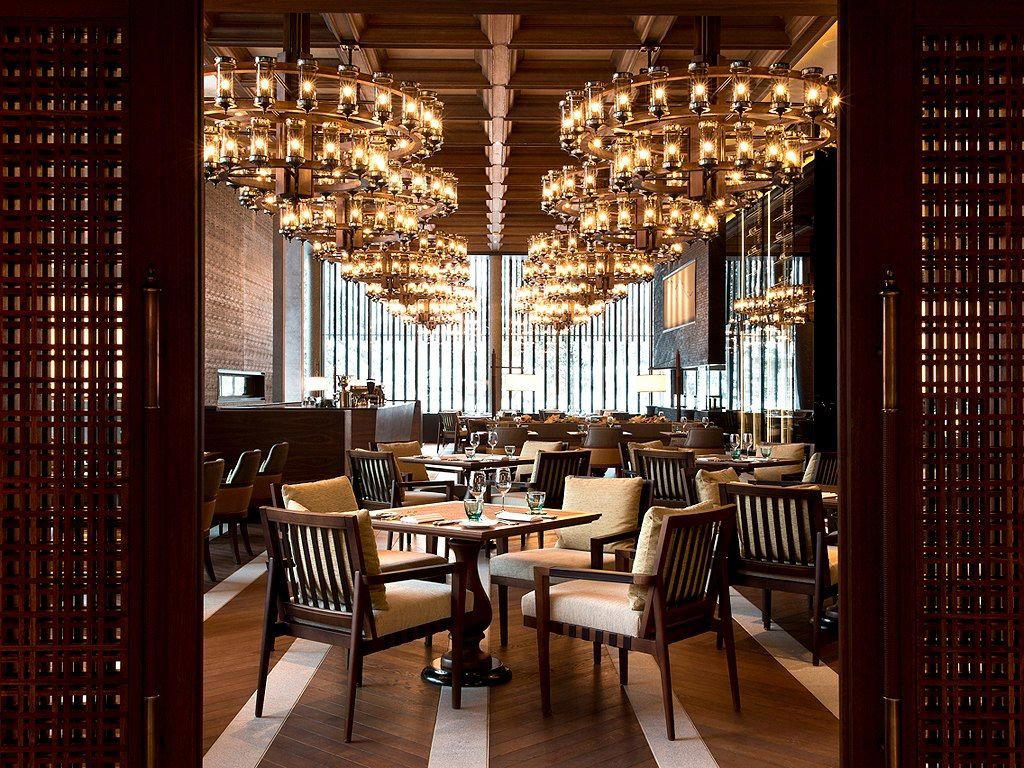
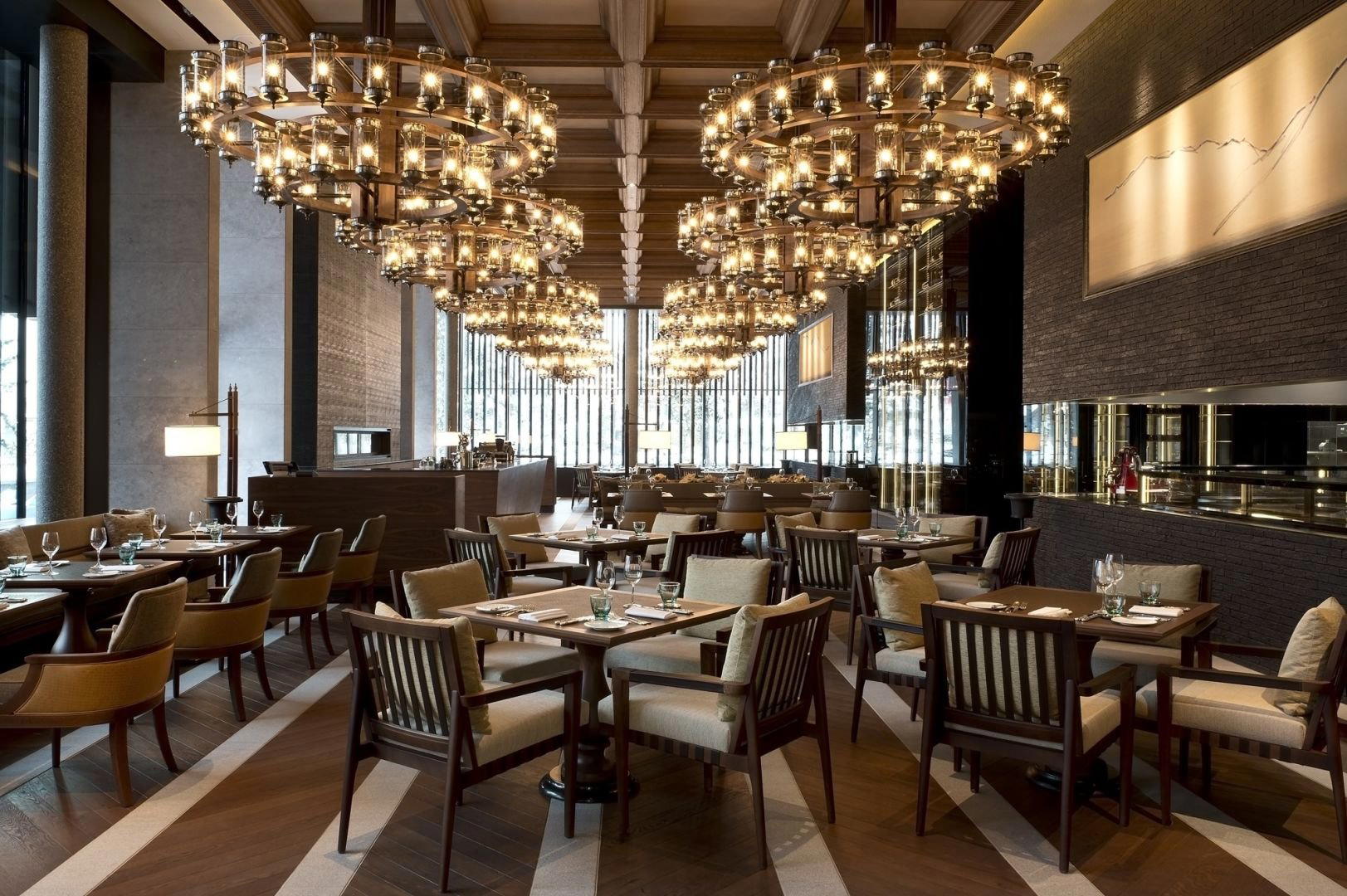
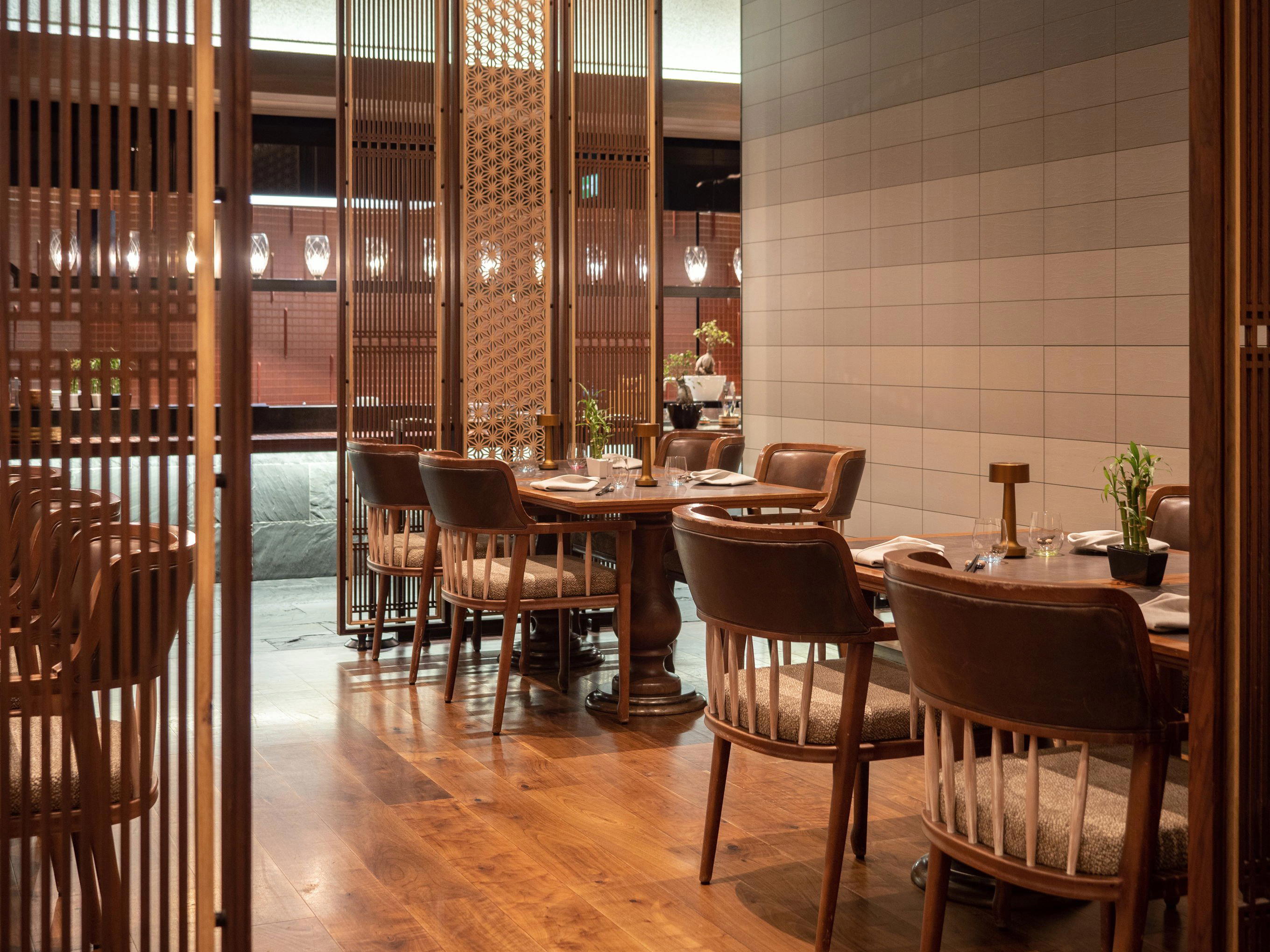
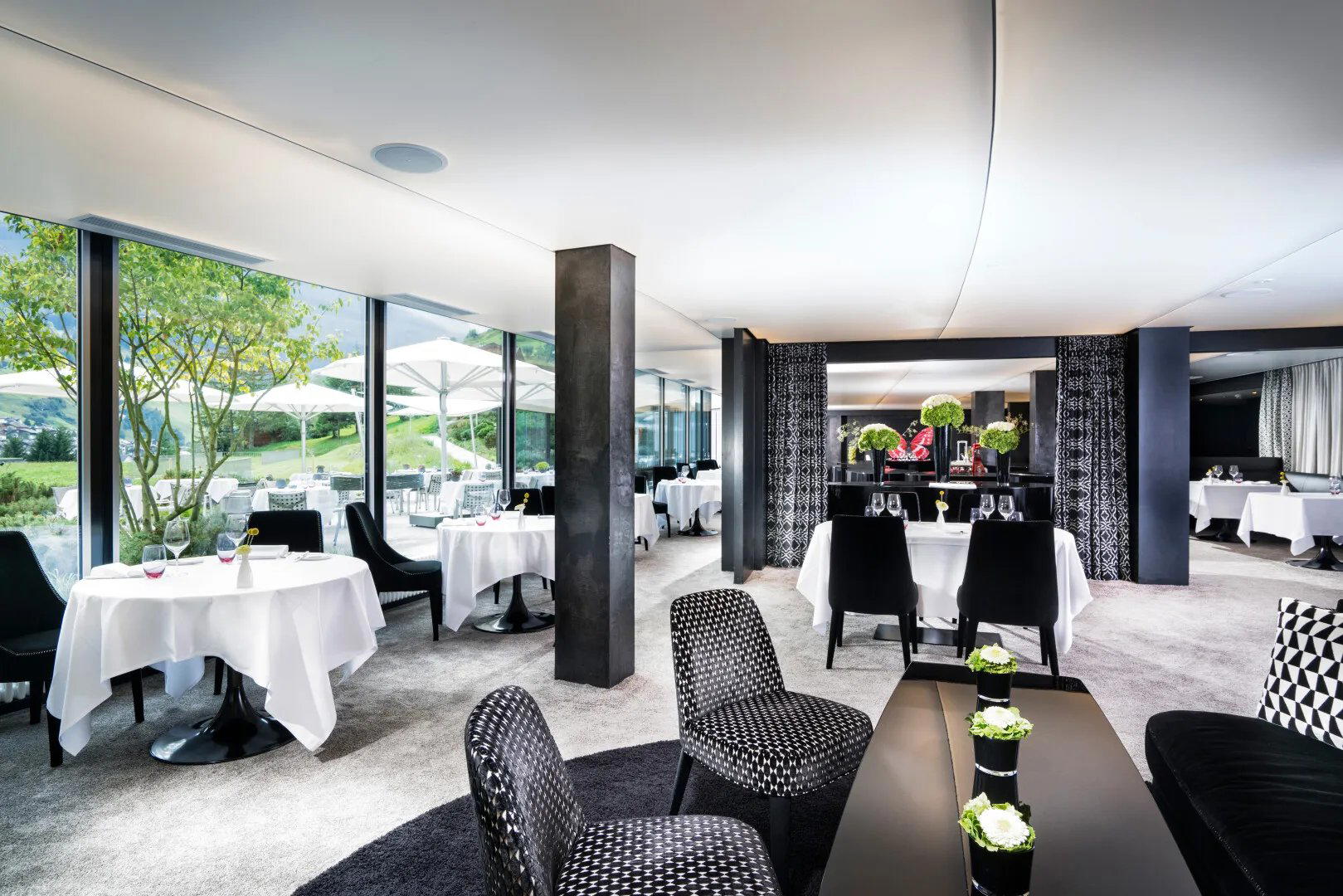
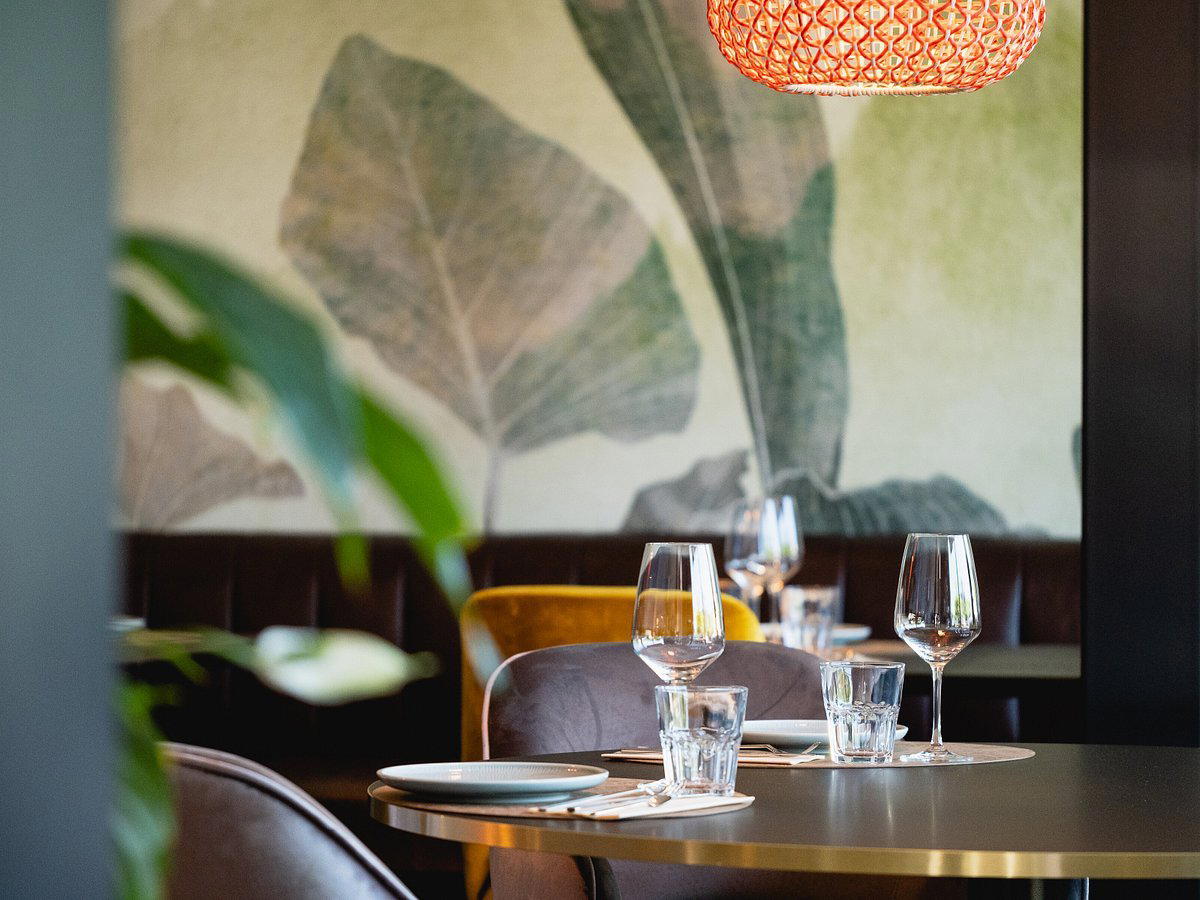
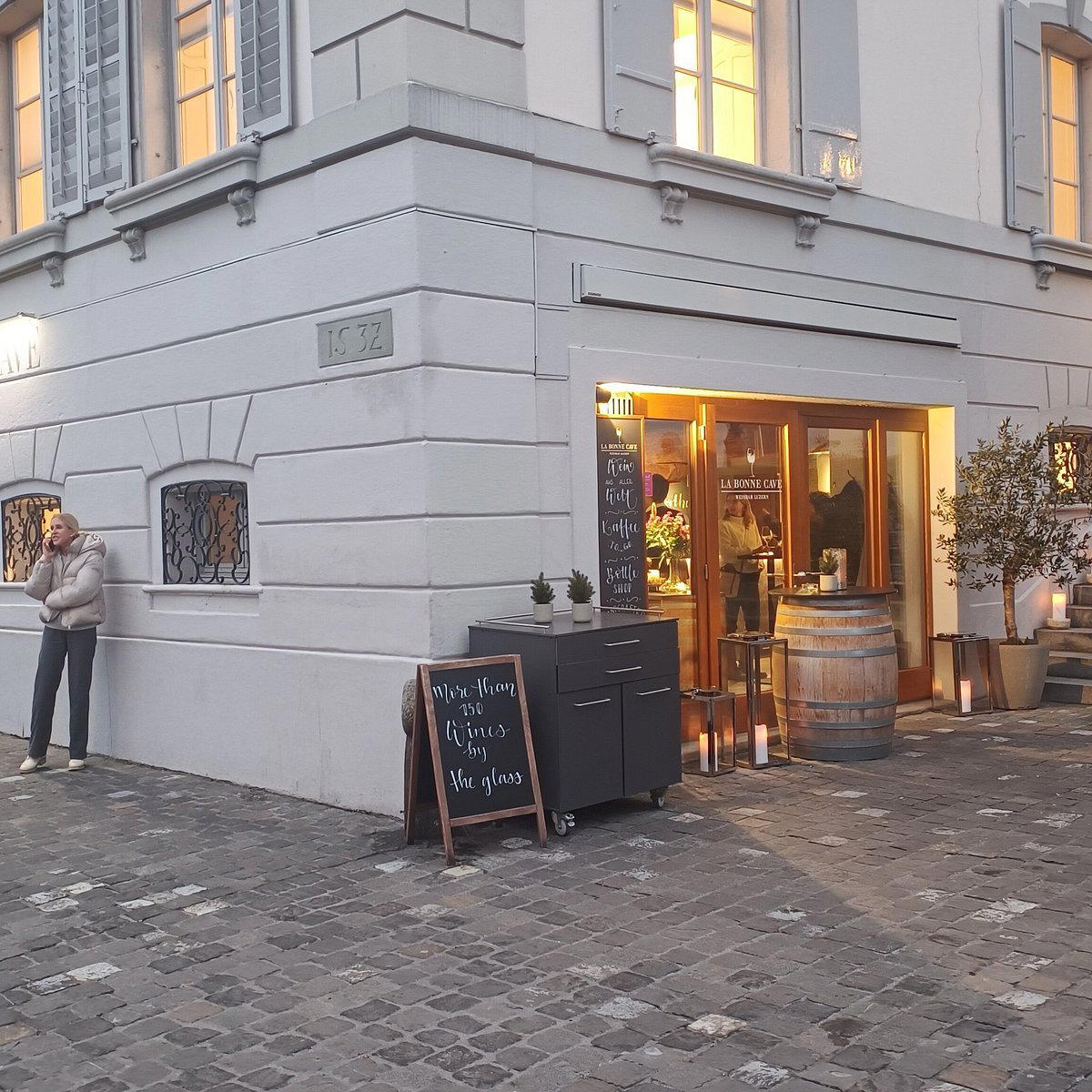
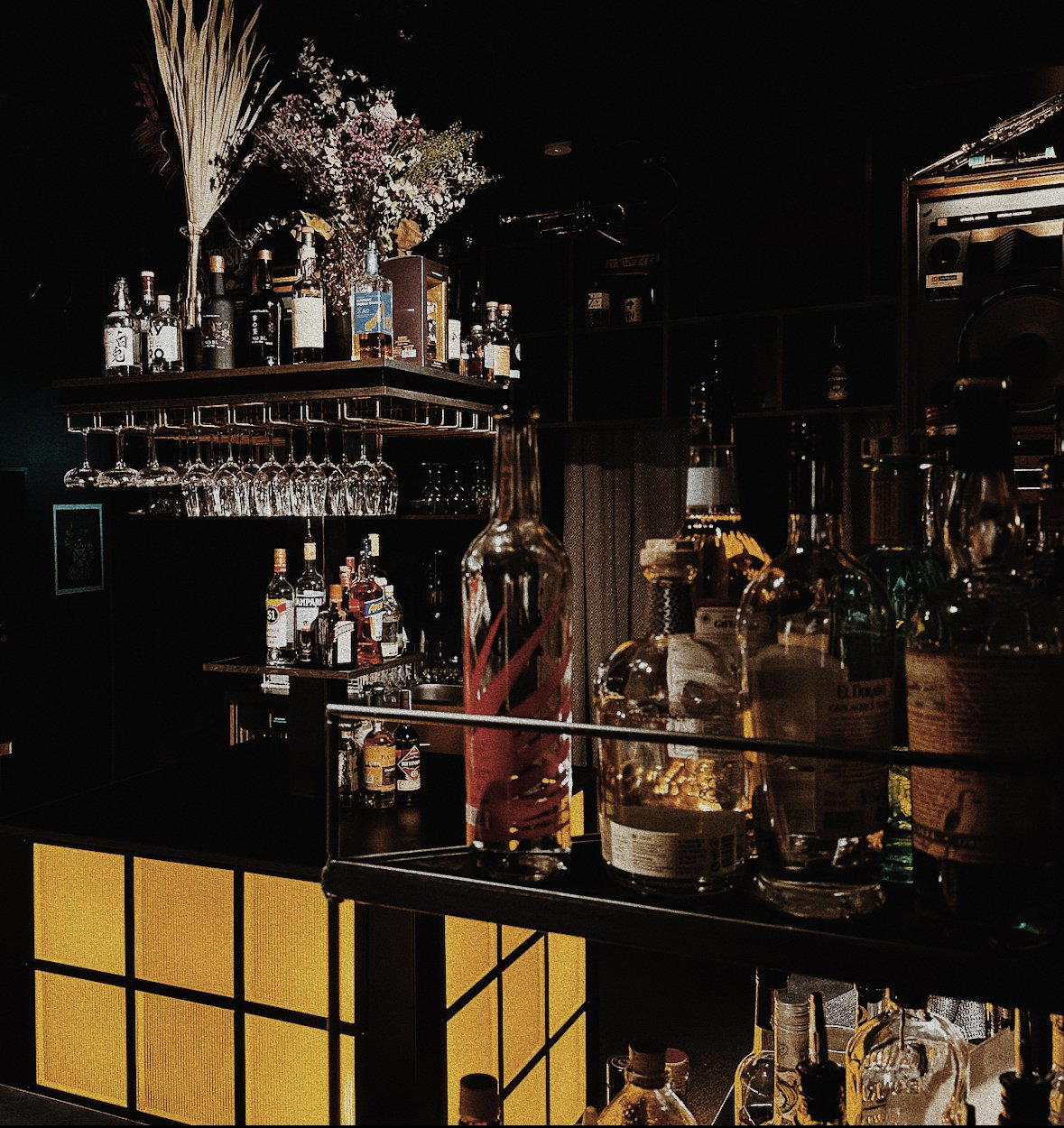
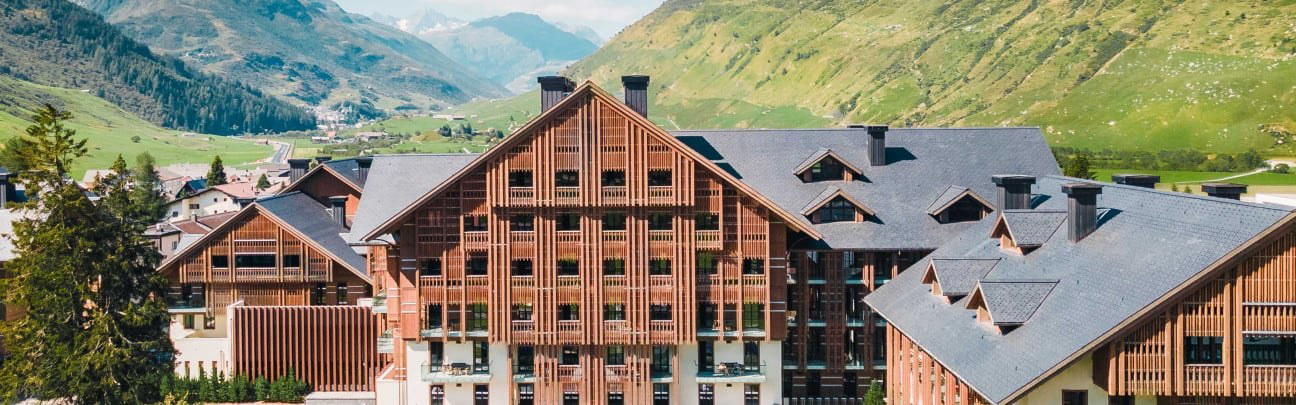
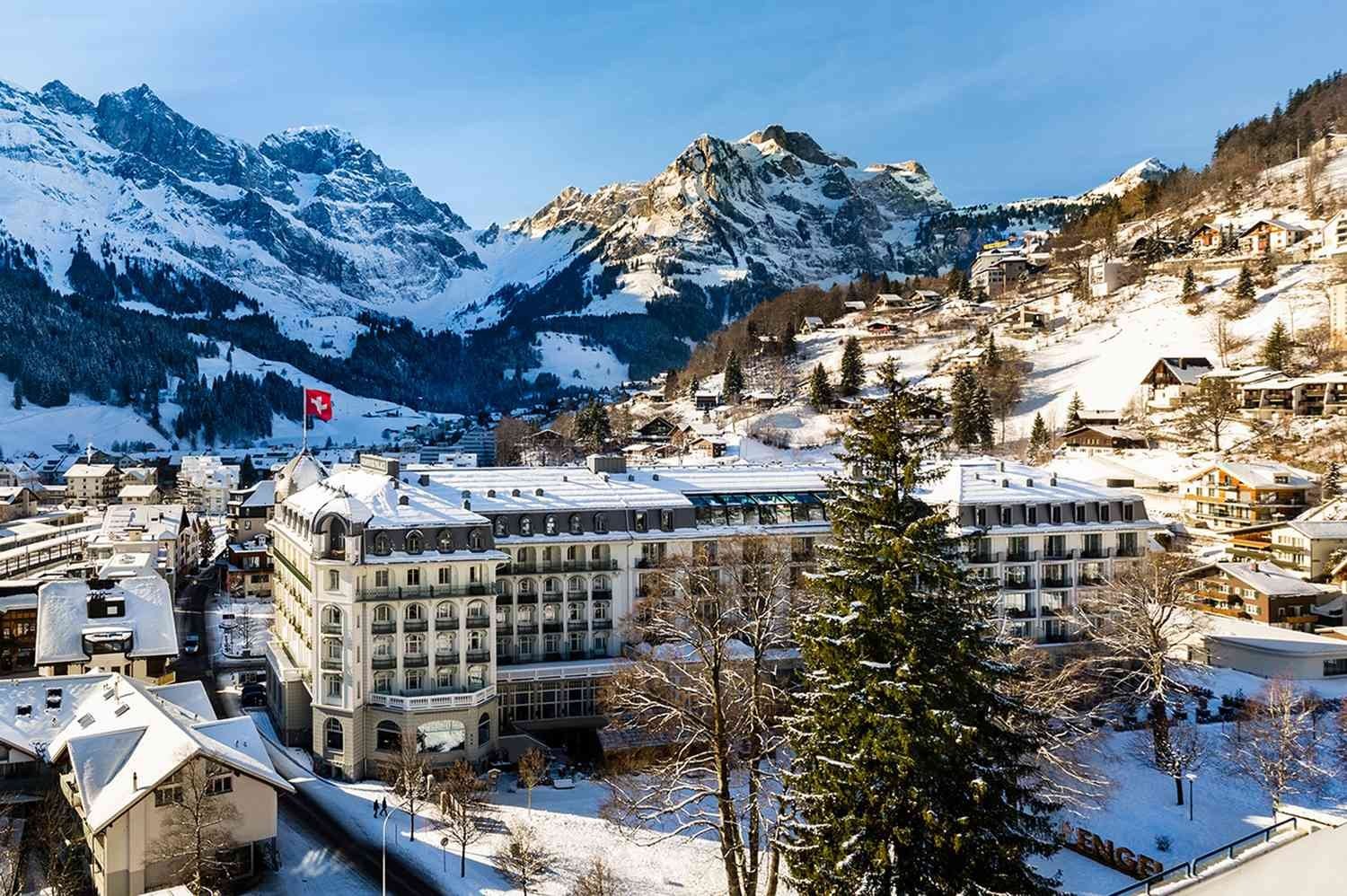
Cozy interior with wooden walls and ceilings, streetside terrace overlooking the village with sunny alpine views, intimate and warm atmosphere.