Restaurant Schiff
Our verdict
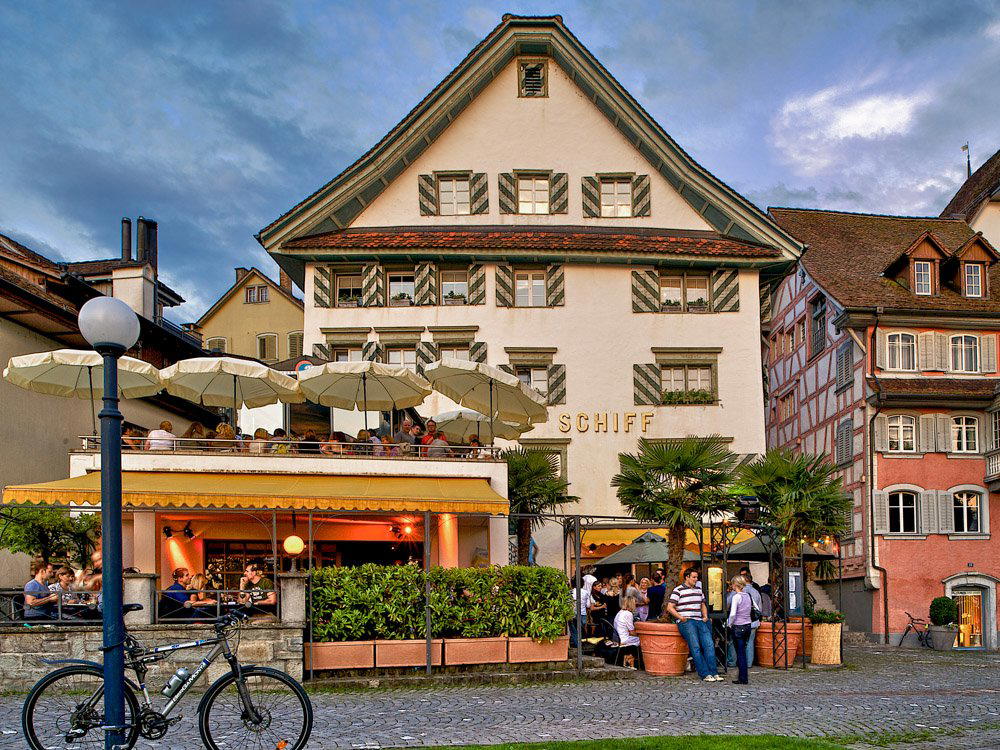
On the old town edge of Zug, Restaurant Schiff occupies an address at Graben 2 that has fed the city's working and mercantile life for generations. The setting — stone, timber, and the particular quiet of a Swiss lakeside town — frames a dining experience rooted in central European tradition rather than trend. For visitors calibrating their time in Zug, it belongs in the same conversation as the city's other established tables.

Pearl is the En Primeur Club membership app — saves, bookings, and concierge access live there. Same editors, same standards.
- Address
- Graben 2, 6300 Zug, Switzerland
- Phone
- +41417110055
- Hours
- Mon ClosedTue–Thu 11:30 AM–2 PM, 5:30–11:30 PMFri–Sat 5:30–11:30 PMSun Closed
- Website
- restaurant-schiff.ch
- Directions
- Get directions
- Booking
- Book on the venue's website
The menu
What to order
- Zürcher Geschnetzeltes
- Fondue
- Lake Fish
Where the Old Town Meets the Table
Zug's dining scene divides more sharply than most Swiss cities of its size. On one side sit the newer, internationally inflected addresses that have followed the canton's financial prosperity; on the other, a cluster of long-standing restaurants whose identity is architectural and civic as much as culinary. Restaurant Schiff, at Graben 2 in the historic centre, belongs to the second category. The address itself does much of the storytelling. Graben — the word means moat or ditch in German, a reference to the old defensive perimeter — runs along what was once the outer edge of the medieval town. Walking toward the restaurant, the street narrows, the building heights drop to a more human scale, and the lake announces itself in flashes between the rooftines. This is the part of Zug that predates the hedge funds.
The Atmosphere as Argument
In Switzerland's central cantons, the traditional Gasthaus format has proved more durable than anywhere else in the German-speaking world. The model is specific: a ground-floor room with heavy timber, ceramic-tiled stoves or their visual echo, and a menu that moves through the seasons without chasing them ostentatiously. Sound is part of the proposition. These rooms absorb conversation differently from a contemporary dining room, the acoustics are softer, thicker, shaped by decades of use rather than an acoustic consultant. At Restaurant Schiff, the physical context at Graben 2 places it squarely within this tradition. The exterior address alone signals a building with age, and in Zug's old town, age and atmosphere are inseparable.
The sensory register that defines a room like this is one that many newer restaurants spend considerable money trying to approximate: the smell of woodwork that has absorbed decades of cooking, the particular quality of light through windows that were not designed to maximise it, the sound of a room that has learned to hold people comfortably. These are not design choices; they are the result of continuity. In Zug's competitive set, Felsenkeller and Hafenrestaurant occupy adjacent positions in this traditional tier, each with its own relationship to the lake and the old town fabric.
Central Swiss Dining Tradition and What It Implies
Understanding Restaurant Schiff requires some context about what central Swiss cuisine actually is, as distinct from the fondue-and-rösti shorthand that gets exported. The region around Zug and the neighbouring cantons of Lucerne and Schwyz has historically produced a cuisine of freshwater fish, dairy-led sauces, and produce from the valley floors and lower alpine pastures. Zuger Rötel, a char found in Lake Zug, is among the most specific regional ingredients, a fish that appears on menus here and almost nowhere else. The autumn months bring game from the surrounding forests; summer brings stone fruits from the Zug valley that find their way into both savoury courses and desserts.
This seasonal rhythm is not a marketing angle in this part of Switzerland; it is structural. Kitchens in the traditional mould have always worked this way because the supply chain demanded it. The contrast with addresses that perform seasonality as a concept is worth noting. At the higher end of Swiss fine dining, places like Schloss Schauenstein in Fürstenau and Hotel de Ville Crissier in Crissier have built Michelin recognition on a rigorous interpretation of this same local-seasonal logic. Restaurant Schiff operates in a different register, but the underlying philosophy shares the same geography.
Zug as a Dining City: The Peer Context
Zug is often read, correctly, as a financial centre, low tax rates have attracted corporate headquarters and private wealth in numbers disproportionate to the city's size of roughly 30,000 residents. What this has produced, over time, is a restaurant market that punches above its demographic weight. The city can sustain a range of price points and formats that a town this size elsewhere in Europe could not.
Restaurant Schiff sits within this field as a traditional Swiss address in a city that has developed the wealth to sustain alternatives. Its continued presence on Graben 2 suggests it serves a genuine local constituency, not just passing trade. In Swiss restaurant culture, that kind of rootedness is a signal worth reading carefully. Compare this to the broader Swiss fine dining circuit, where destinations like Cheval Blanc by Peter Knogl in Basel, Memories in Bad Ragaz, and focus ATELIER in Vitznau anchor the upper tier with Michelin credentials. Schiff is not competing in that bracket; it is competing for the regular table, the business lunch, the family dinner, the calendar of a Zug resident rather than a destination traveller.
That said, travellers visiting Zug as part of a broader Swiss itinerary will find the old town addresses like Schiff more representative of local life than the internationally oriented alternatives. For further orientation on the city's full dining range, the EP Club Zug restaurants guide maps the scene across formats and price points.
Planning Your Visit
Restaurant Schiff is located at Graben 2, in the historic core of Zug, within walking distance of the lakefront and the old town's main landmarks. Zug's central train station connects directly to Zurich in under thirty minutes, making the city accessible as a day trip or as a base for exploring central Switzerland. For visitors who have already spent time at Colonnade in Lucerne or Einstein Gourmet in Sankt Gallen, Zug's traditional addresses offer a different register: less formal, more civic, more directly tied to local life. The autumn season, when regional game and Zuger Rötel are both in supply, is the most representative time to visit a kitchen of this profile. For those coming from further afield and planning a Swiss itinerary that also includes Da Vittorio in St. Moritz, 7132 Silver in Vals, or IGNIV Zürich by Andreas Caminada in Zurich, Restaurant Schiff provides a grounding counterpoint: the Switzerland that existed before the Michelin guides arrived. International points of comparison for those calibrating expectations: the Swiss traditional format shares more with the French brasserie tradition than with anything in the American dining idiom. If your reference points are Le Bernardin in New York City or Atomix in New York City, recalibrate toward the unhurried, the seasonal, and the civic.
Frequently asked questions
Is Restaurant Schiff a family-friendly restaurant?
The Gasthaus format that defines Restaurant Schiff — located at Graben 2 in Zug's historic core — has historically been Swiss dining's most inclusive category, built around shared tables and communal meals rather than exclusivity. That tradition generally accommodates families without the formality of destination dining. For specific facilities or menu accommodations, check the venue's official channels before visiting.
Is Restaurant Schiff formal or casual?
Restaurant Schiff occupies Graben 2 in Zug's old town, a setting consistent with the traditional Swiss Gasthaus model — which leans toward the relaxed end of the spectrum without being a pub. Expect a grounded, unhurried atmosphere rooted in central Swiss hospitality conventions rather than either fine-dining formality or deliberate rusticity.
How does Restaurant Schiff fit into Zug's broader dining scene?
Zug's status as a low-tax financial centre has brought a wave of internationally inflected addresses to the city, making traditional Gasthaus restaurants like Restaurant Schiff at Graben 2 a relative rarity in the current market. Positioned in the historic old town rather than the newer corporate quarter, it represents the central Swiss dining tradition that predates the city's recent economic profile — a different proposition from the modern, globally oriented restaurants that have multiplied elsewhere in the canton.
What's the signature dish at Restaurant Schiff?
Central Swiss cuisine — the tradition the restaurant draws from — tends to centre on lake fish, braised meats, and regional preparations distinct from the fondue-and-rösti shorthand most visitors expect. Checking directly with the restaurant will give the most accurate picture of what's currently on the menu.
What's Restaurant Schiff's location?
Restaurant Schiff is located at Graben 2, 6300 Zug, Switzerland, Zug.
Comparable Options
Comparable venues nearby, for context on price, style, and recognition.
| Venue | Cuisine | Price | Awards | Notes |
|---|---|---|---|---|
| Restaurant SchiffThis venue — the venue you are viewing | Swiss Regional with International Influences | $50–100 | Not listed | Not listed |
| Più Zug | Modern Neapolitan Italian | $30–50 | Not listed | Altstadt |
| Felsenkeller | Swiss-European Wine Restaurant | Not listed | Star Wine List · Falstaff Wine Bar - 90 Falstaff Points | old town |
| Restaurant Zur Taube | Modern Mediterranean Fine Dining | Not listed | Not listed | Old Town |
| Restaurant au Premier at Hotel Ochsen | Seasonal Regional International Fine Dining | $50–100 | Star Wine List | Old Town |
| Meating | Modern Swiss Steakhouse & Grill | $30–50 | Not listed | center |
Continue exploring
More in Zug
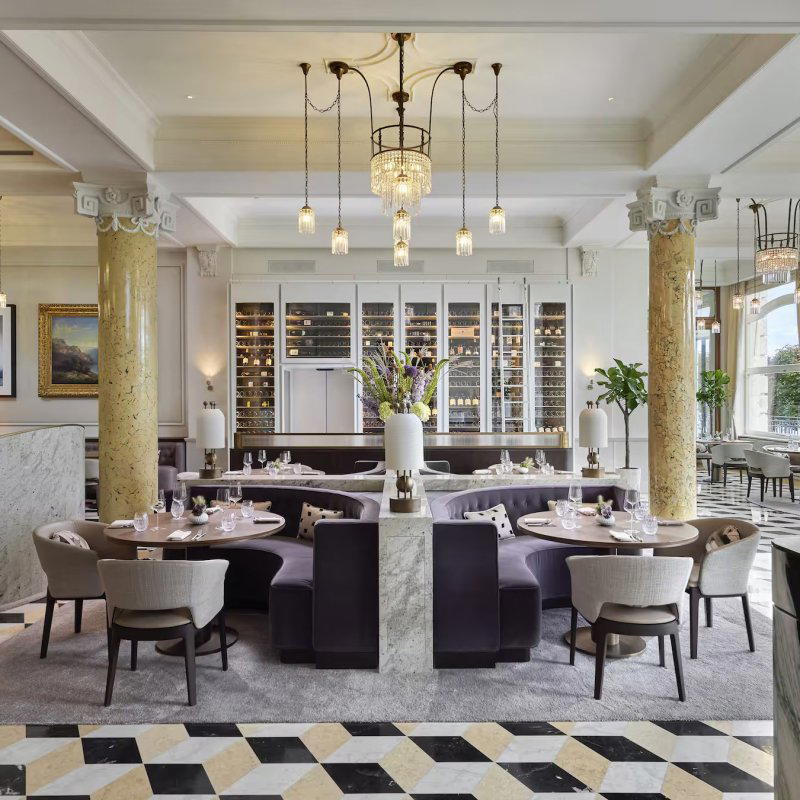
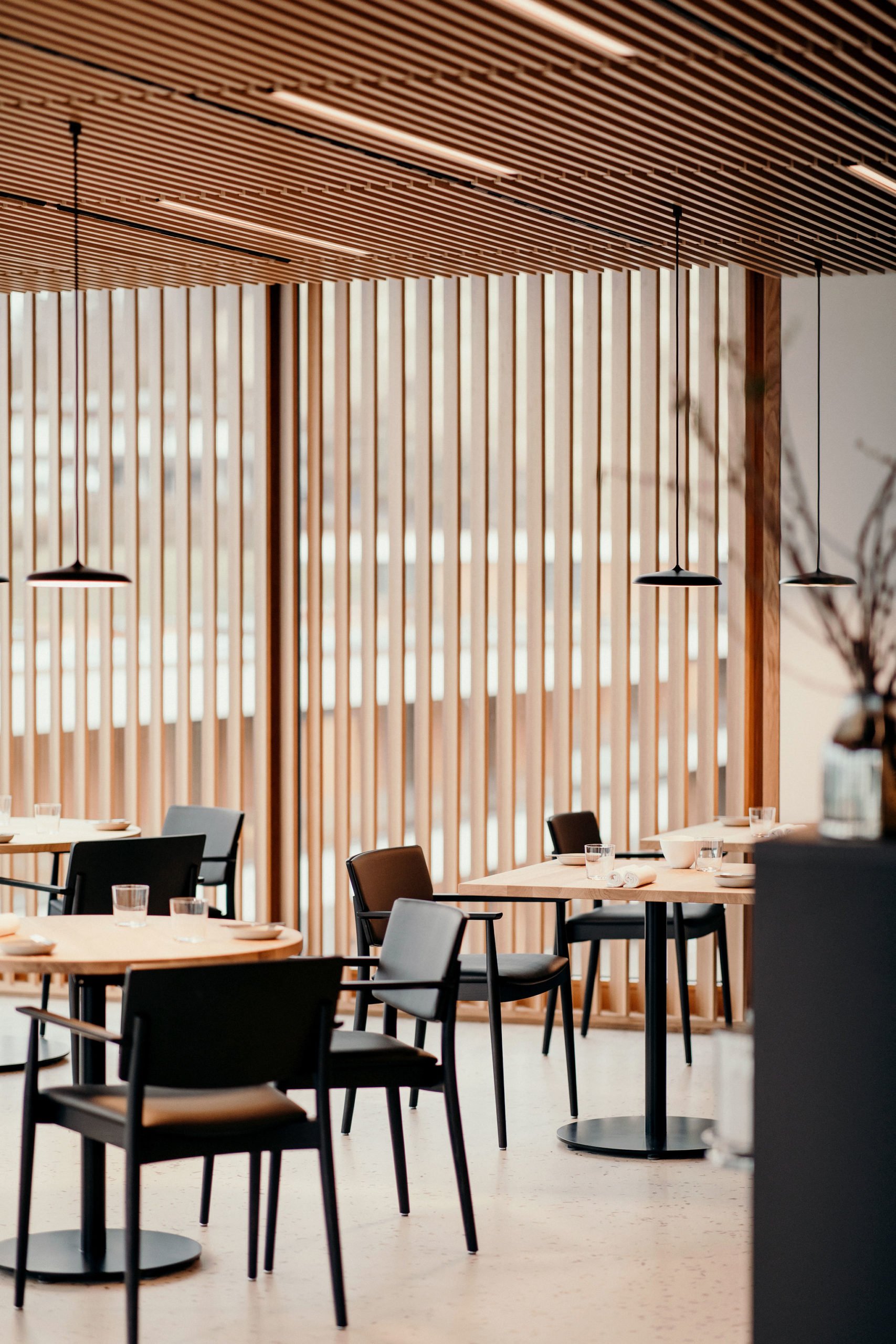
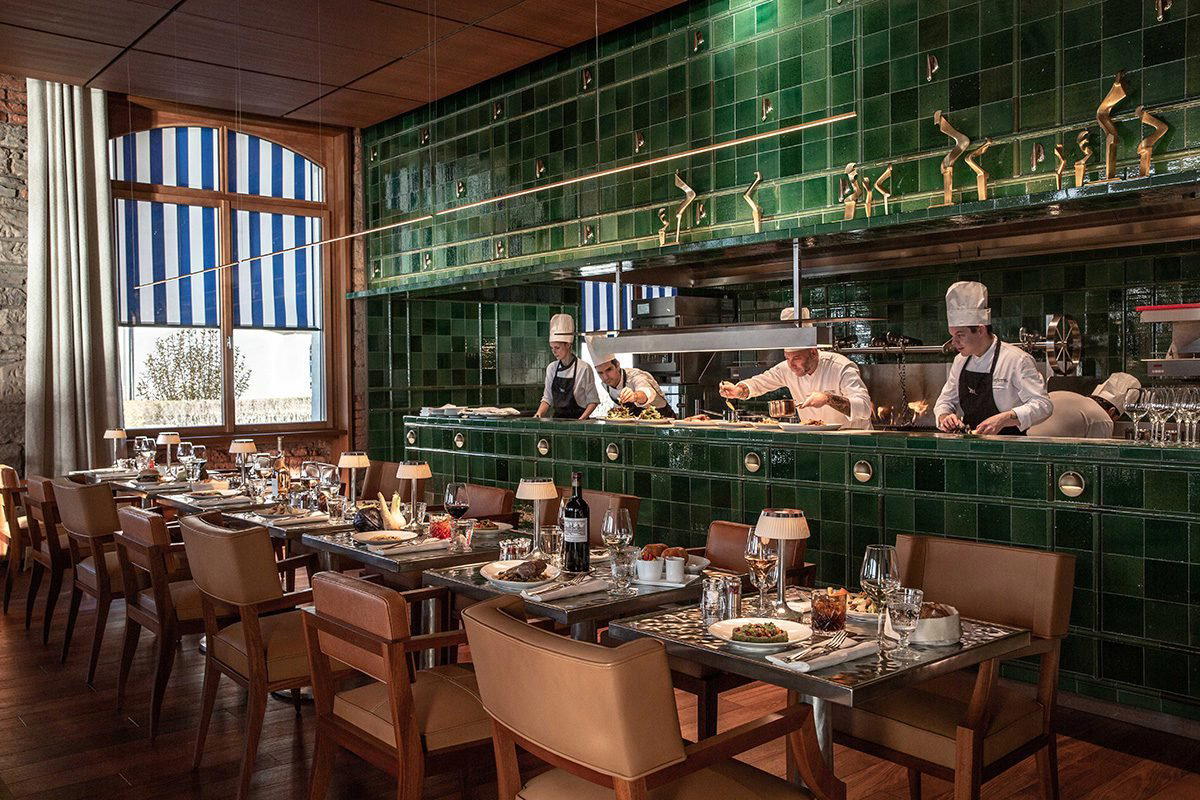
Restaurants in Zug
Browse all →
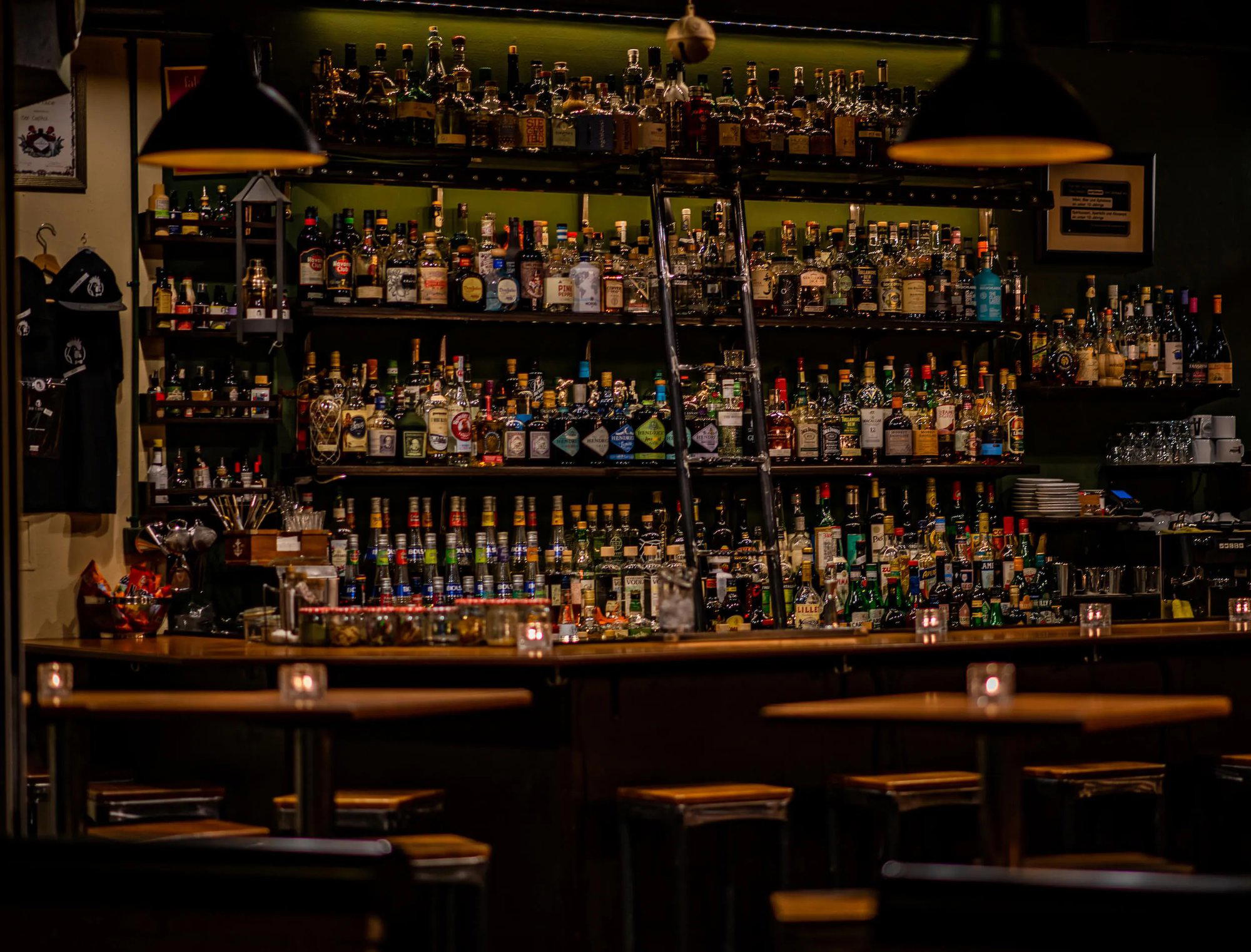
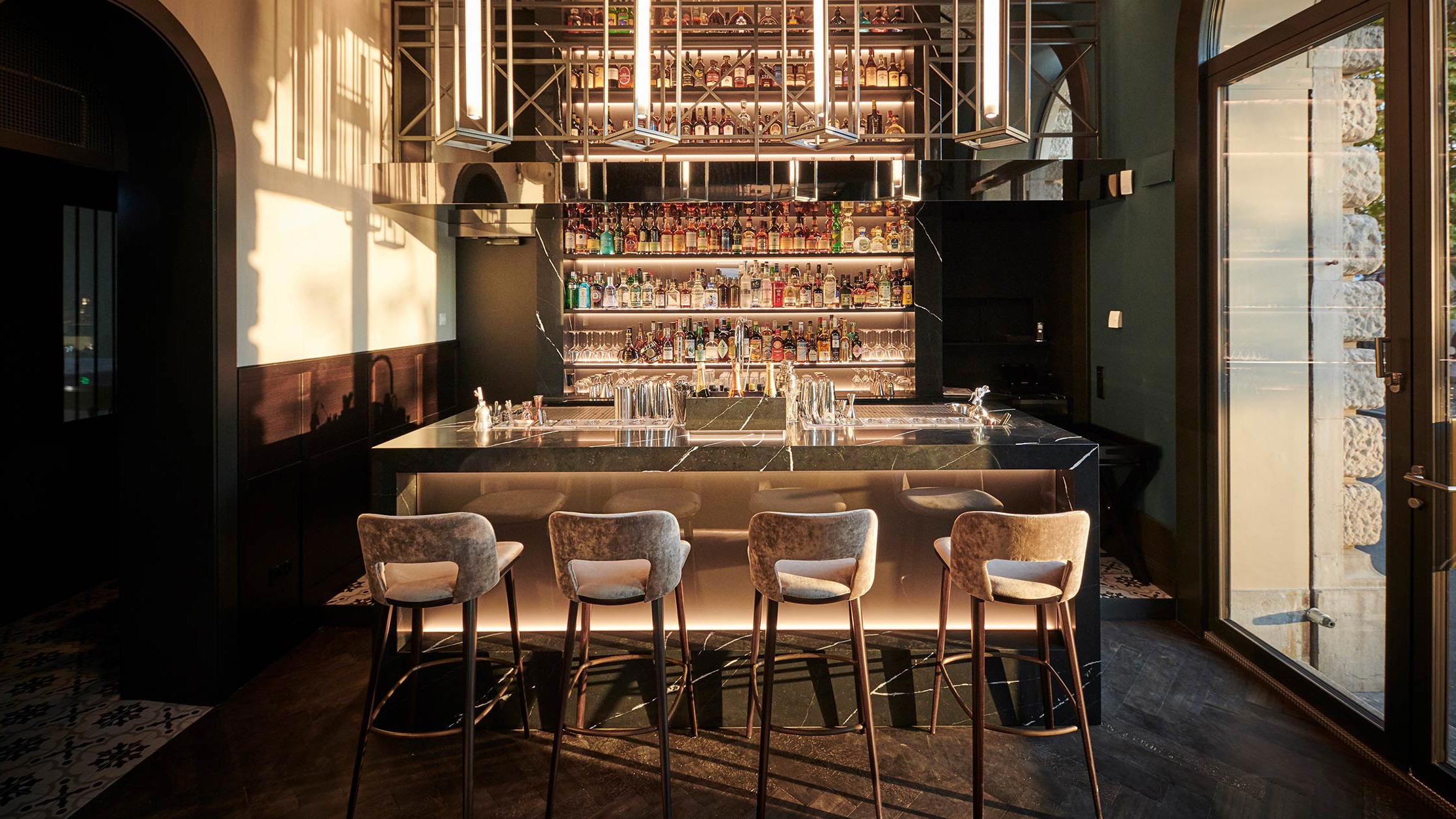
Bars in Zug
Browse all →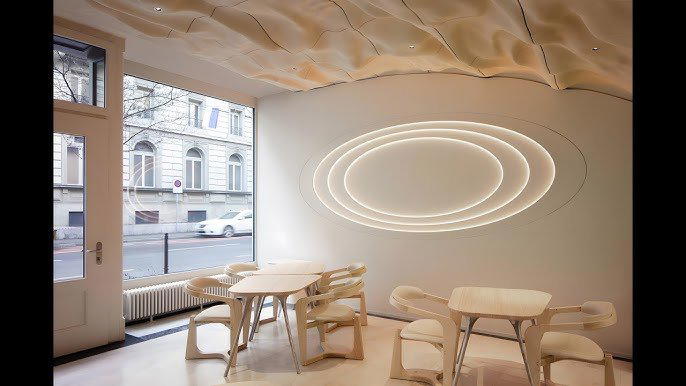
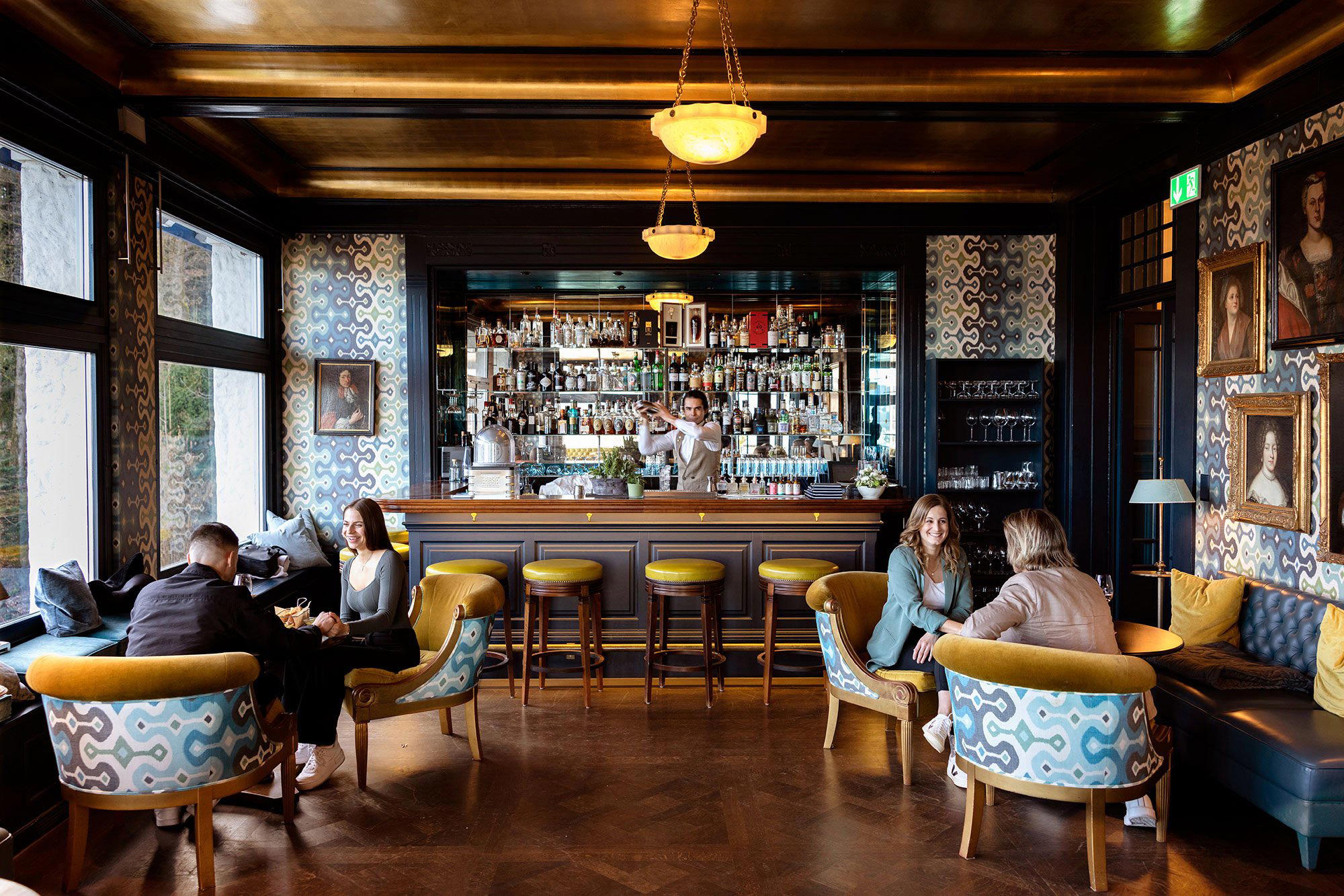
Hotels in Zug
Browse all →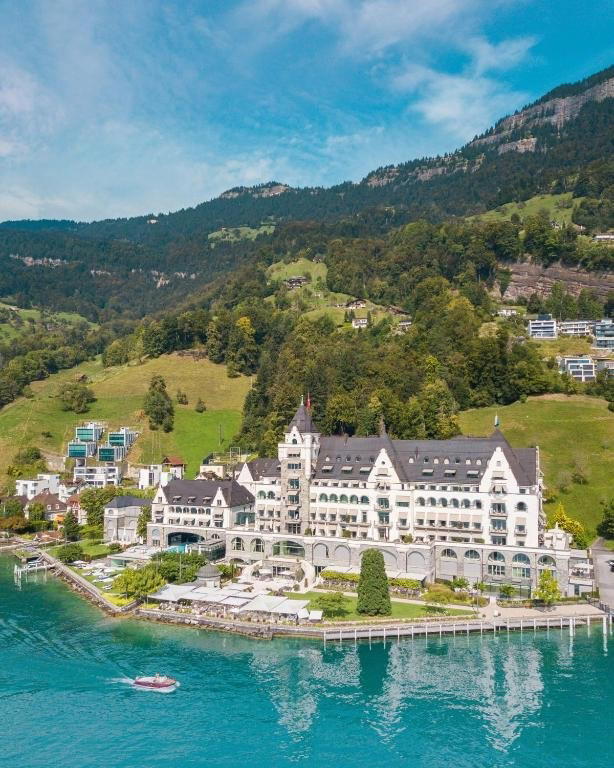
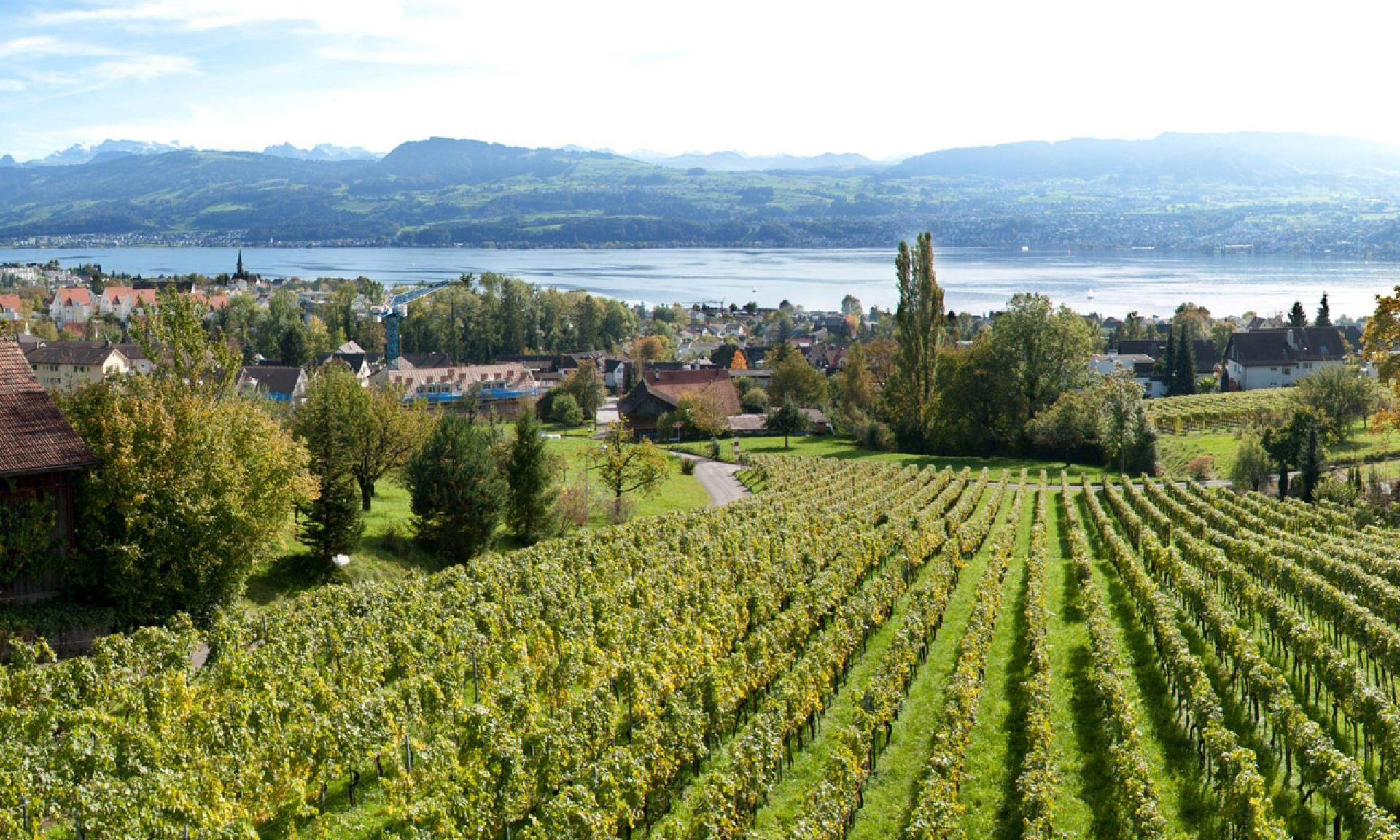

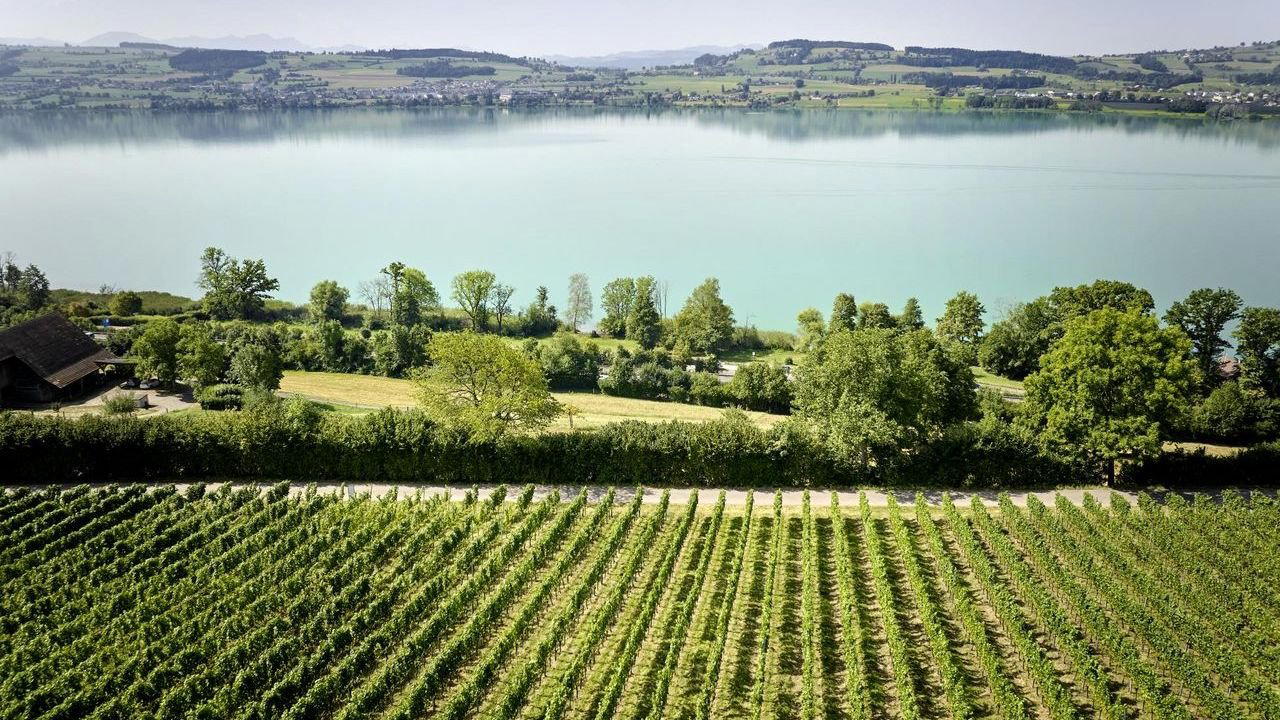
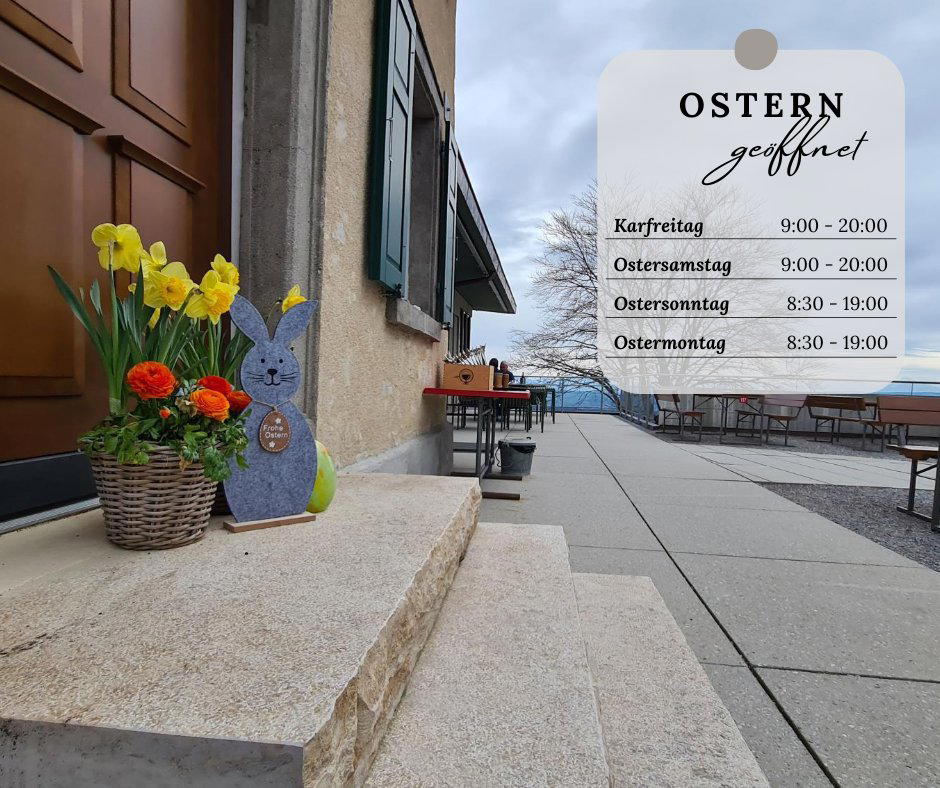
Restaurant Schiff
The wine
- Wine program
- Curated wine list
- Extensive wine list
Details
- Classic
- Scenic
- Cozy
- Elegant
- Date Night
- Family
- Business Dinner
- Celebration
- Terrace
- Waterfront
- Private Dining
- Historic Building
- Extensive Wine List
- Local Sourcing
- Organic
- Waterfront
- A La Carte
- Wine
- Vegetarian Friendly
- Vegan Options
- Gluten Free Options
Current opening hours
- Monday
- Closed
- Tuesday
- 11:30 AM–2 PM, 5:30–11:30 PM
- Wednesday
- 11:30 AM–2 PM, 5:30–11:30 PM
- Thursday
- 11:30 AM–2 PM, 5:30–11:30 PM
- Friday
- 5:30–11:30 PM
- Saturday
- 5:30–11:30 PM
- Sunday
- Closed
Hours can change for holidays and private events. Last verified .
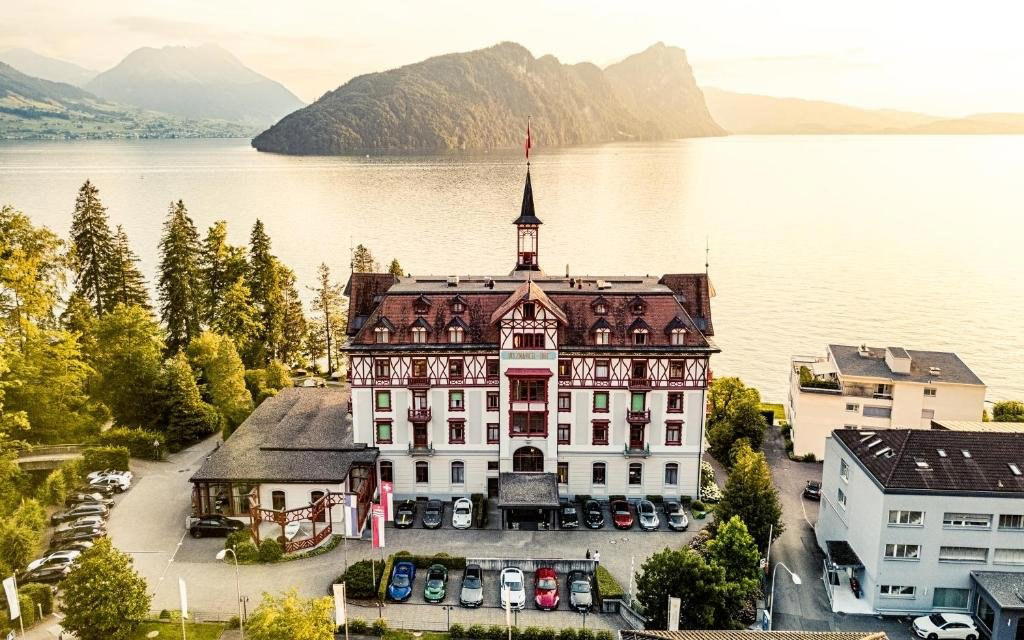
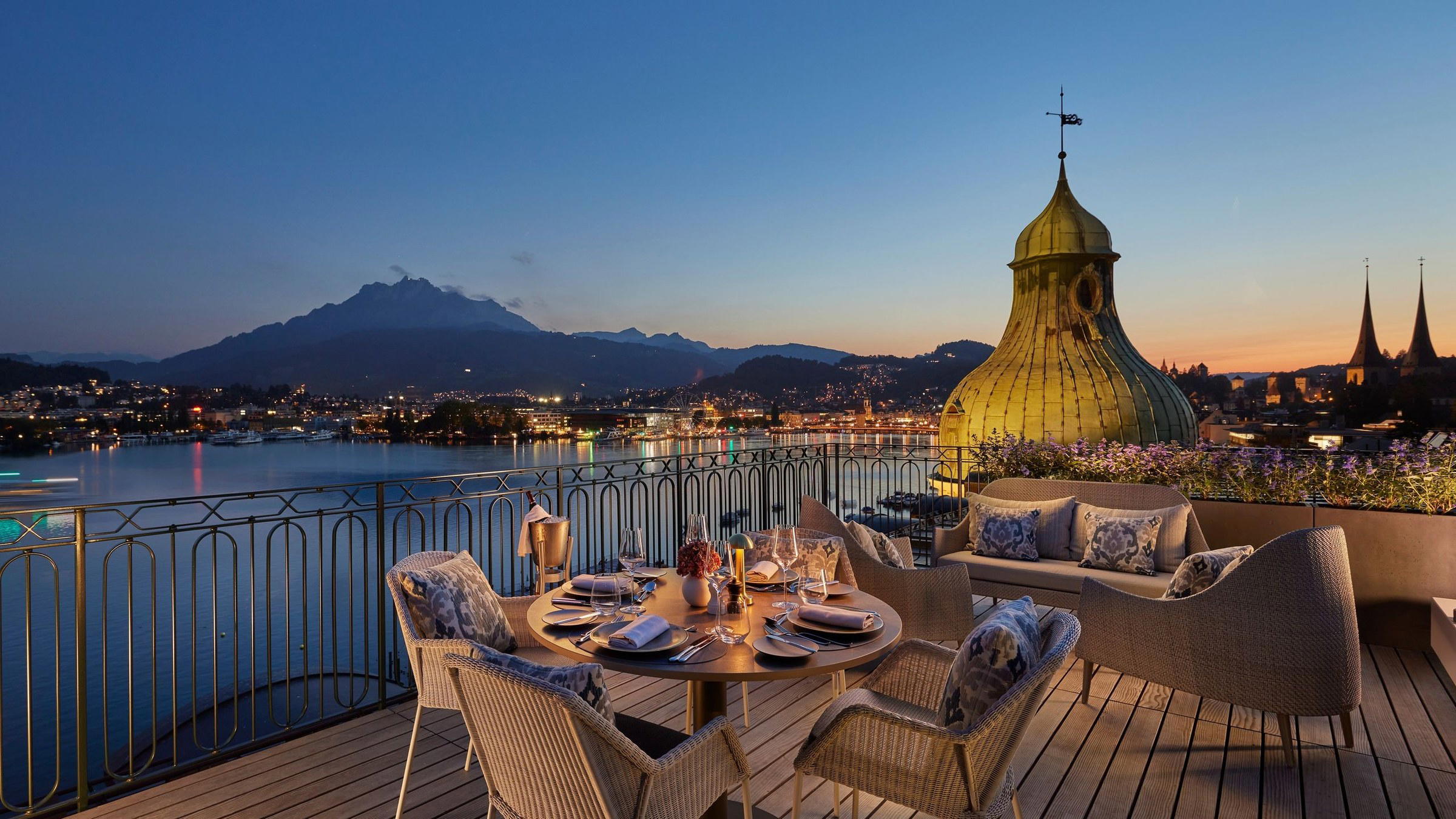
Beautiful historical setting with precise Biedermeier dining room, terrace overlooking Lake Zug, and a welcoming atmosphere praised for its views and cozy interiors.