

Star Wine List · World's Best Wine Lists Awards WBWL 1-Star
Our verdict
Hotel Alpenstern sits in the high-altitude village of Damüls in Vorarlberg, combining hotel accommodation with a restaurant operation that has earned a White Star from the World of Fine Wine's Best Wine Lists awards. For travellers pairing alpine skiing or hiking with serious wine, the property sits inside a small peer group of Vorarlberg mountain venues where the list carries genuine editorial weight. See our full Damüls guide for context on the broader scene.

Pearl is the En Primeur Club membership app, where members save venues, book tables and use the concierge.
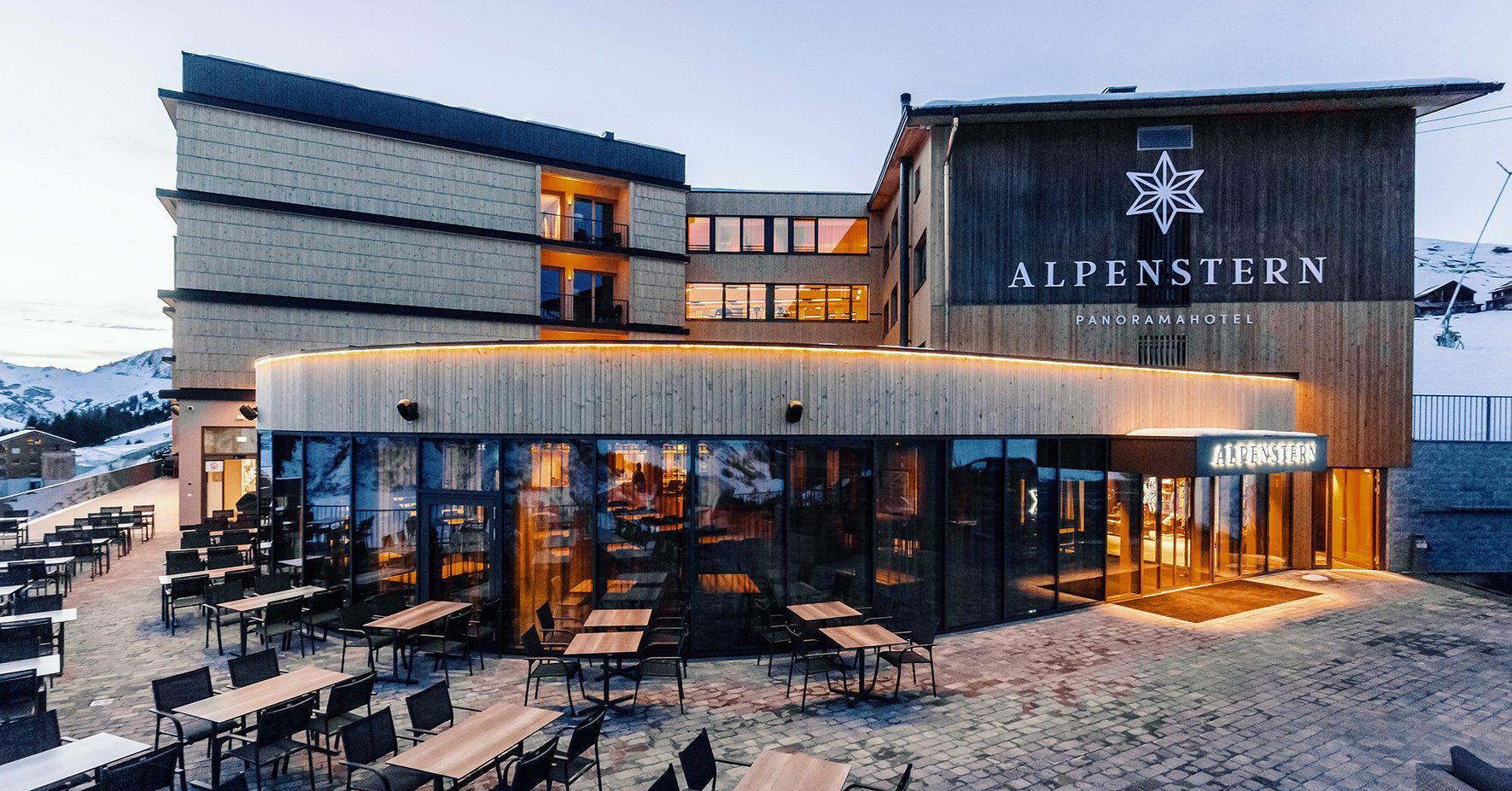
Where Vorarlberg's Alpine Terrain Meets Serious Wine Culture
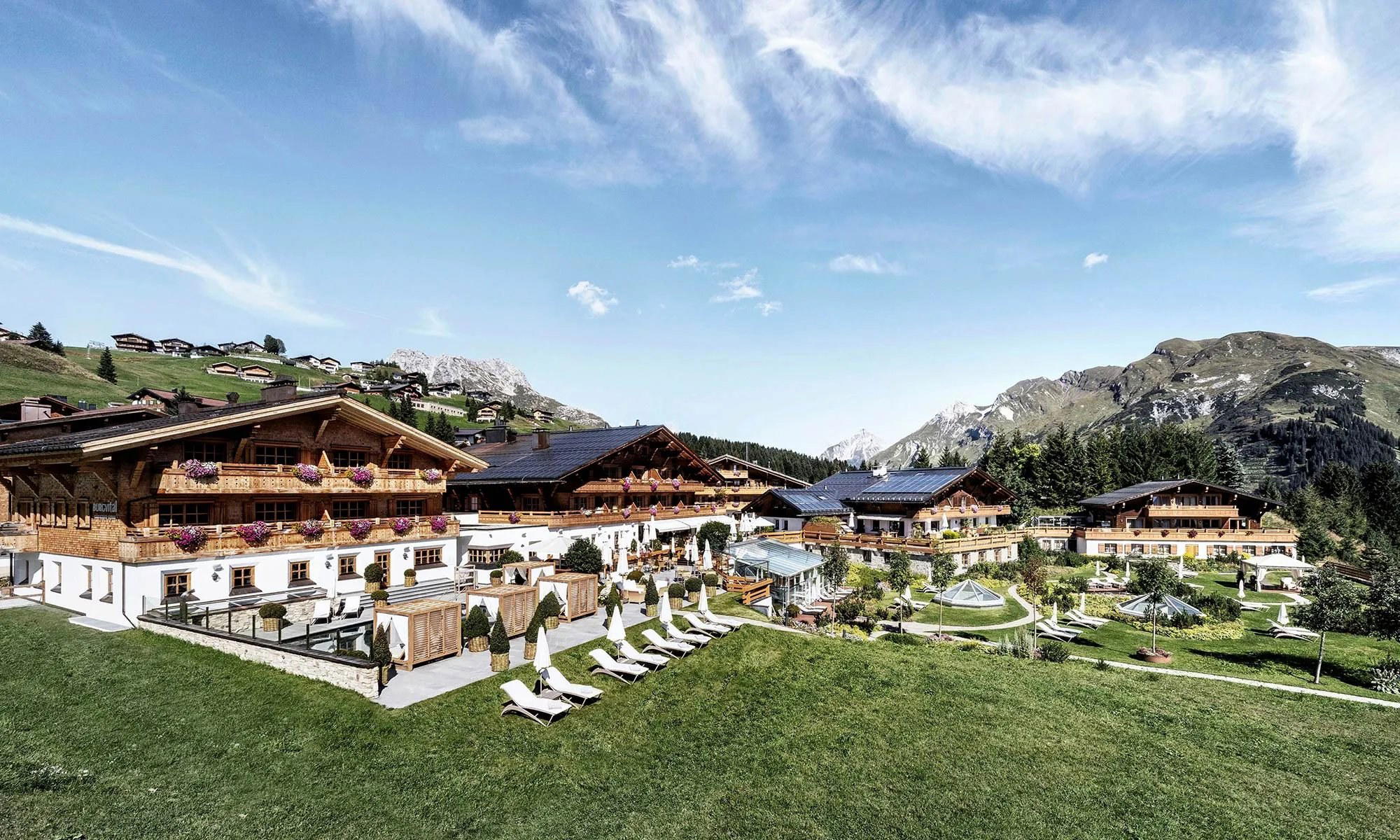
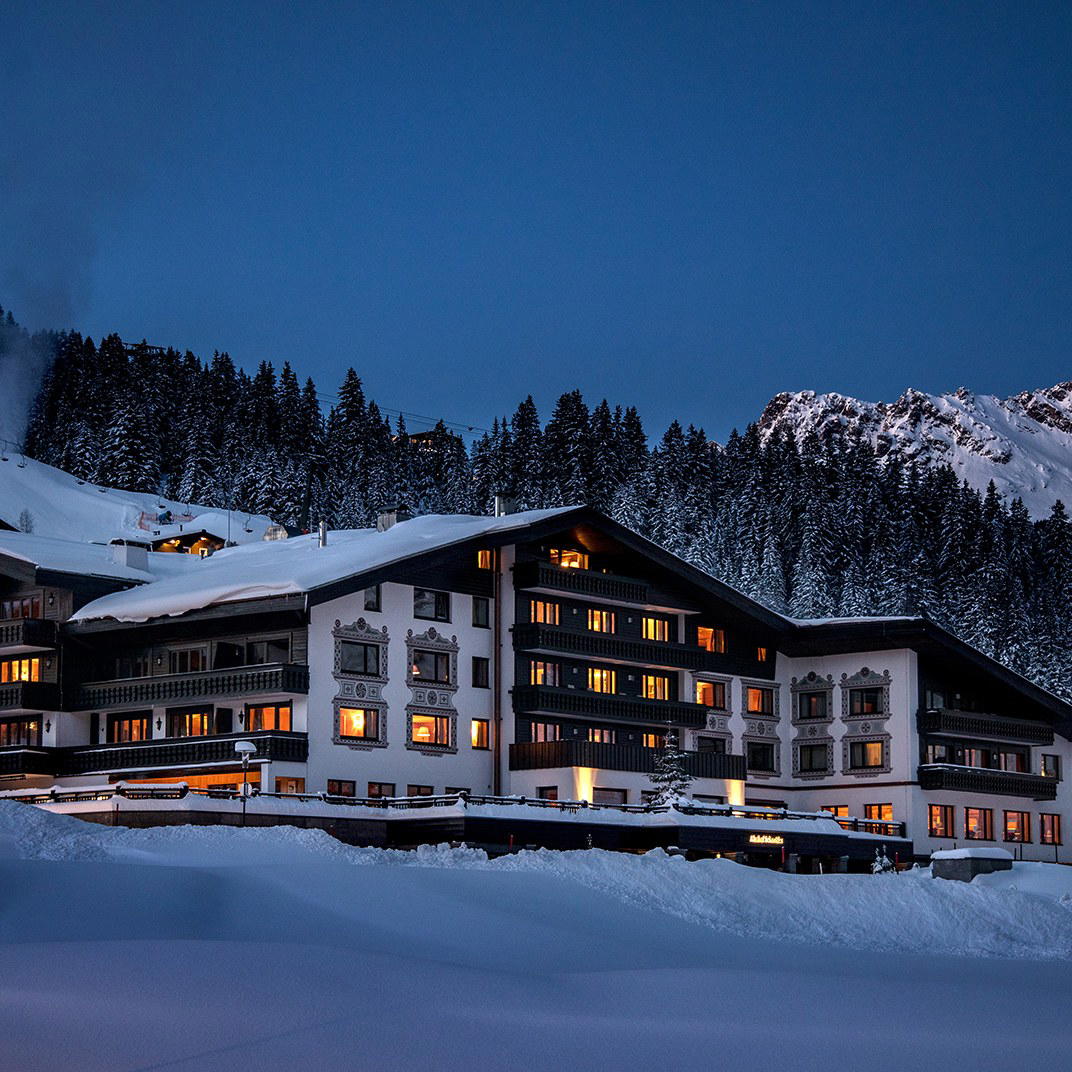
Damüls sits at roughly 1,400 metres in the Bregenzerwald region of Vorarlberg, Austria's westernmost province, and the village's identity is almost entirely organised around snow. In winter it functions as one of the higher-elevation ski stations feeding into the Bregenzerwald ski area; in summer the same slopes and meadows draw hikers and cyclists. What the village is not, historically, is a destination for serious wine. That is precisely what makes Hotel Alpenstern's White Star accreditation from the World of Fine Wine's Leading Wine Lists awards worth examining. In an alpine context where the house Grüner and a token red selection would satisfy most guests, a wine programme of sufficient depth to attract independent editorial recognition is a deliberate choice, not an accident of geography.
The Wine Accreditation in Context
The World of Fine Wine Leading Wine Lists awards operate a tiered accreditation structure, and a White Star accreditation, the entry point into that system, is awarded only to venues where the list demonstrates measurable quality and breadth. In Austria, the properties that collect stars at the upper end of that scale tend to cluster in Vienna and Salzburg. Steirereck im Stadtpark in Vienna and Ikarus in Salzburg represent the kind of urban fine-dining operations where deep cellars and full-time sommeliers are structurally expected. Mountain hotel restaurants occupy a different position: the guest base is transient, the cellar requires capital tied up against seasonal demand, and the sommelier pipeline is thinner. Against that backdrop, earning any World of Fine Wine recognition in Damüls represents an investment that most comparable properties do not make. The accreditation was published in September 2024, placing it among the more recent cohort of recognised venues in the Austrian alpine category.
For a broader map of where Alpenstern sits relative to Austria's recognised wine-forward dining rooms, Landhaus Bacher in Mautern an der Donau and Obauer in Werfen represent the benchmark for Austrian regional restaurant-hotels where both the kitchen and the list receive sustained critical attention. Alpenstern operates at a different scale and in a different context, but the wine accreditation signals that it is attempting to compete in that wider conversation, not simply serve its ski guests adequately.
Alpine Vorarlberg and the Sourcing Logic of Mountain Cooking
Vorarlberg's cuisine has always been shaped by what the surrounding terrain produces and what can be transported across mountain passes. The province borders Switzerland, Liechtenstein, and Bavaria, and its food culture reflects that crossover: dairy is central, particularly the aged mountain cheeses produced by the region's Alpe farms, and freshwater fish from the Rhine valley and Bodensee appear regularly on menus with any serious regional ambition. The broader Arlberg corridor, which connects Vorarlberg to Tyrol, has become one of Austria's more competitive restaurant zones in recent years. Griggeler Stuba in Lech and Gourmetrestaurant Tannenhof in Sankt Anton am Arlberg both demonstrate that the skiing corridor can support kitchens operating well above resort-hotel standard.
Damüls is a smaller, quieter node in that network. The village does not have the après-ski infrastructure of Lech or the name recognition of Ischgl, where Stüva has built a reputation for serious cooking inside a resort context. What Damüls offers instead is compression: a small number of properties, a close relationship between the accommodation stock and the farming community in the valley below, and a pace that suits guests who are not primarily chasing the circuit. In that environment, a restaurant like Alpenstern's is operating for a more attentive audience than a high-volume ski hotel would face.
The sourcing logic of mountain cooking matters here. At altitude, the supply chain is shorter but more seasonal. Vorarlberg's Alpkäse, produced on summer pastures above 1,000 metres, is among the most geographically specific dairy products in the German-speaking world, with flavour profiles that shift depending on which meadow and which herd. Freshwater char and trout from the Bregenzerach river system are common in valley restaurants and available to alpine kitchens with the right supplier relationships. Restaurants in this tier of the Austrian mountain circuit, from Kräuterreich by Vitus Winkler in Sankt Veit im Pongau to Ois in Neufelden, are increasingly building menus around this kind of hyper-local sourcing argument rather than importing ingredients from lowland suppliers.
Where Alpenstern Sits Among Austria's Alpine Dining Options
The comparison set for a wine-accredited mountain hotel restaurant in Vorarlberg is deliberately narrow. In the broader Austrian context, the serious wine-and-food operations tend to sit in two clusters: urban fine dining at the Vienna or Salzburg level, and destination restaurant-hotels in the Salzburg or Tyrolean valleys. Vorarlberg has fewer entries in that second category than its Tyrolean neighbours, partly because the province's restaurant culture has historically been less export-facing. Restaurant 141 by Joachim Jaud in Mieming and Schwarzer Adler in Hall in Tirol represent the Tyrolean end of that map.
Alpenstern's positioning is therefore less about competing with those operations and more about anchoring the quality ceiling for the Damüls-Bregenzerwald micro-zone. For guests who are choosing between Damüls and a more established ski-dining destination, the wine accreditation functions as the clearest external signal that the property has invested beyond baseline hospitality. For comparison, the difference between a White Star and a venue with no accreditation is not merely symbolic: it reflects a list that has been submitted, assessed, and found to meet measurable criteria by an editorial body that also recognises operations at the level of Le Bernardin in New York City and Emeril's in New Orleans at the top of its tiers.
Planning a Visit
Hotel Alpenstern operates at Damüls 191, in the centre of the village. Damüls is accessible by road from Bregenz (approximately an hour in clear conditions) or from the Rhine valley via Egg and Andelsbuch. In winter, the road can require snow chains or winter tyres; the village sits at altitude and conditions vary considerably between November and April. For guests combining a stay with skiing, Damüls connects to the Mellau-Damüls ski area, one of the snowiest in the Vorarlberg range by statistical average. Summer visits, typically from late June through September, offer hiking access to the Bregenzerwald ridge trails directly from the village. For a wider orientation to what the destination offers across accommodation, dining, and activity, see our full Damüls restaurants guide, our full Damüls hotels guide, our full Damüls bars guide, our full Damüls wineries guide, and our full Damüls experiences guide.
Frequently asked questions
Would Hotel Alpenstern be comfortable with kids?
Hotel Alpenstern is a hotel-restaurant in the village of Damüls, a small Austrian ski and hiking resort at roughly 1,400 metres in Vorarlberg. Mountain resort properties at this altitude and scale typically accommodate families, though the venue's White Star wine accreditation from the World of Fine Wine signals that the dining side carries a more considered tone. Checking directly with the property before arrival is the practical step.
What's the overall feel of Hotel Alpenstern?
Alpenstern sits at Damüls 191 in the centre of a high-alpine village in Vorarlberg's Bregenzerwald, a region defined by serious local food culture and proximity to seasonal mountain terrain. The White Star accreditation from the World of Fine Wine Best Wine Lists awards, published in September 2024, places it in a category of properties where the cellar receives deliberate attention, uncommon at this altitude in western Austria.
What kind of recognition has Hotel Alpenstern received?
Hotel Alpenstern has received recognition including: Hotel Alpenstern is a restaurant venue.without_translation_and hotel in Damüls, Austria. It was published on Star Wine List on September 13, 2024 and is a White Star.;
What do people recommend at Hotel Alpenstern?
No specific dish or menu data is available in the public record for Hotel Alpenstern. What is documented is the wine programme: the property earned a White Star accreditation from the World of Fine Wine Best Wine Lists awards in 2024, which suggests the list itself is a draw for guests who take wine seriously. Vorarlberg's culinary tradition leans on Alpine dairy, cured meats, and cross-border Austrian-Swiss influences, which typically frames the kitchen's direction in properties of this type.
Comparison Snapshot
| Venue | Cuisine | Price | Awards | Notes |
|---|---|---|---|---|
| Hotel AlpensternThis venue (the venue you are viewing) | Alpine Austrian Fine Dining | Not listed | Star Wine List · World's Best Wine Lists Awards WBWL 1-Star | Not listed |
| Steirereck im Stadtpark | Modern Austrian Fine Dining | $200–300 | 3 Michelin Stars · World's 50 Best #33 | Creative |
| Ikarus | Guest Chef Fine Dining | $200–300 | 2 Michelin Stars · La Liste Top Restaurants | Modern European, Creative |
| Konstantin Filippou | Modern Fish-Led Fine Dining | $200–300 | 2 Michelin Stars · La Liste Top Restaurants | Modern European, Modern Cuisine |
| Landhaus Bacher | Classic Austrian Fine Dining | $100–150 | 2 Michelin Stars · La Liste Top Restaurants | Austrian, Classic Cuisine |
| Mraz & Sohn | Contemporary Austrian Fusion | $150–200 | 2 Michelin Stars · La Liste Top Restaurants | Modern Austrian, Creative |
Recognition history
Dated appearances from independent guides and award organizations, with the underlying list record or original source where available.
Star Wine List
Star Wine List
World's Best Wine Lists Awards WBWL 1-Star
World's Best Wine Lists Awards
Continue exploring
More in Damüls
Restaurants in Damüls
All restaurants in Damüls →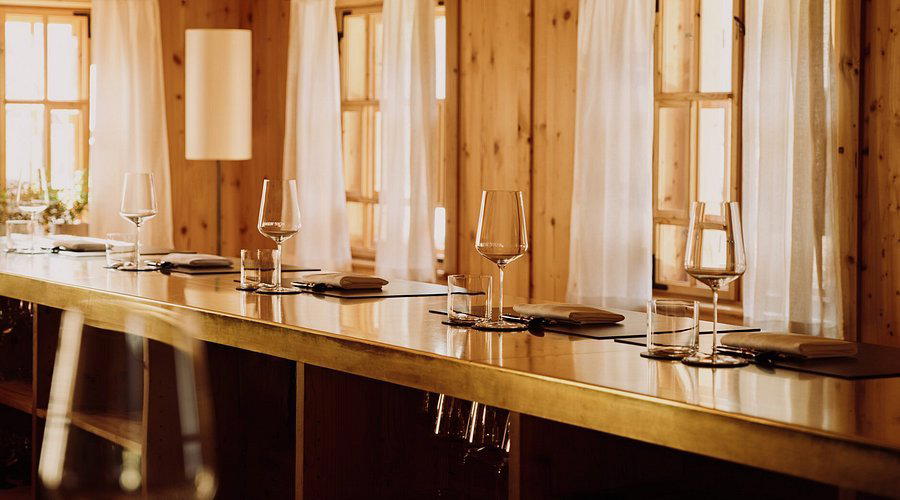
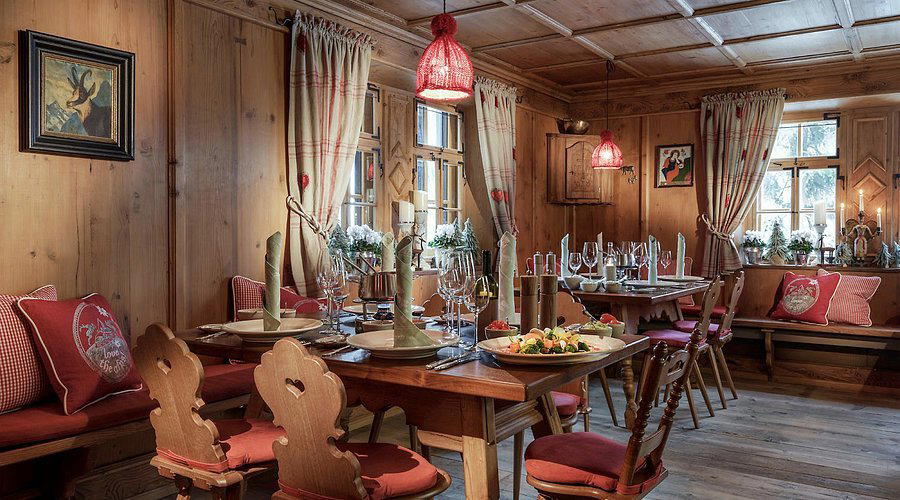
Bars in Damüls
Browse all →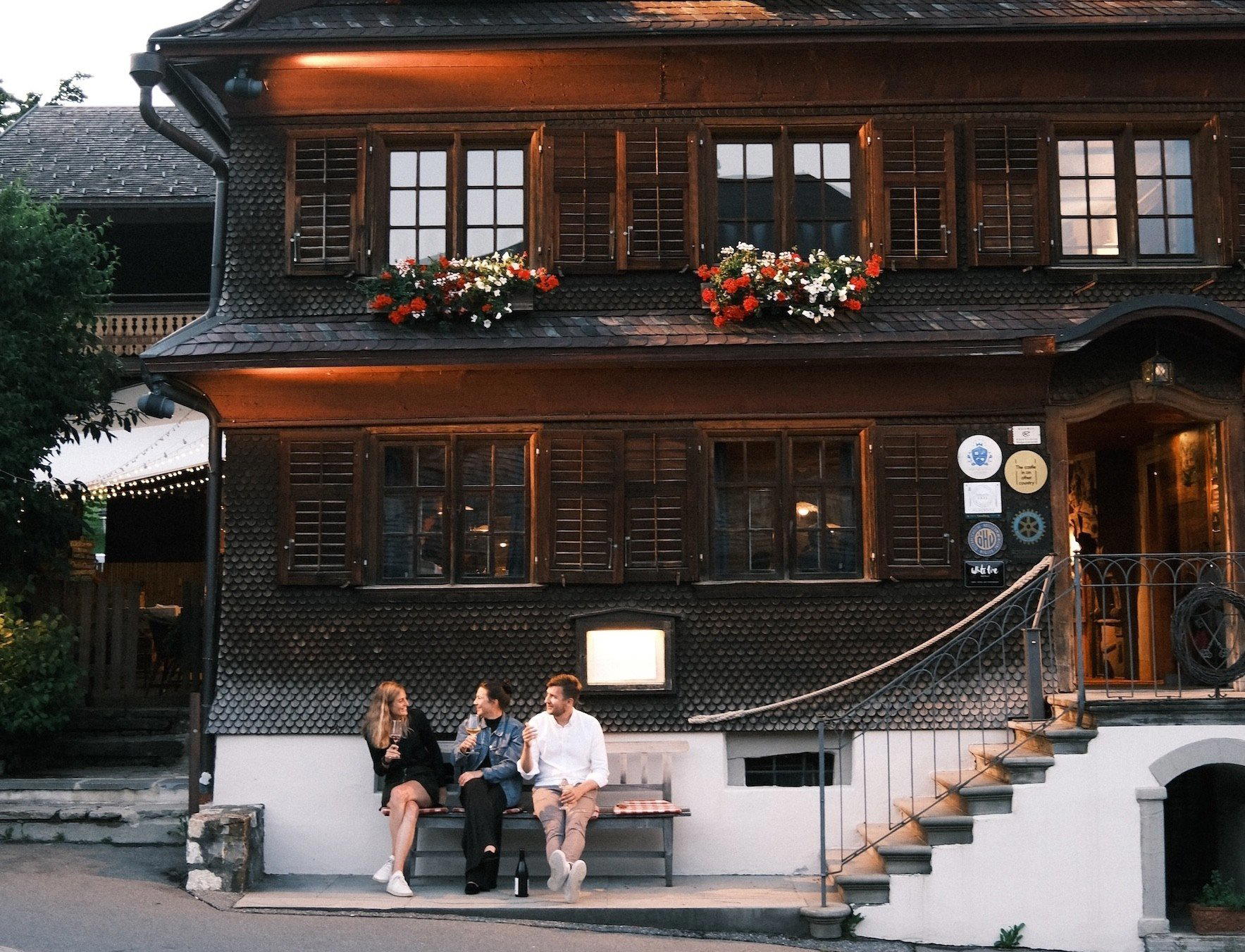

Hotel Alpenstern
The wine
- Wine program
- Deep wine list
- Extensive wine list
- Sommelier-led
Details
- Cozy
- Modern
- Scenic
- Rustic
- Date Night
- Special Occasion
- Hotel Restaurant
- Open Kitchen
- Panoramic View
- Extensive Wine List
- Sommelier Led
- Local Sourcing
- Mountain
- Tasting Menu
- A La Carte
- Vegetarian Friendly
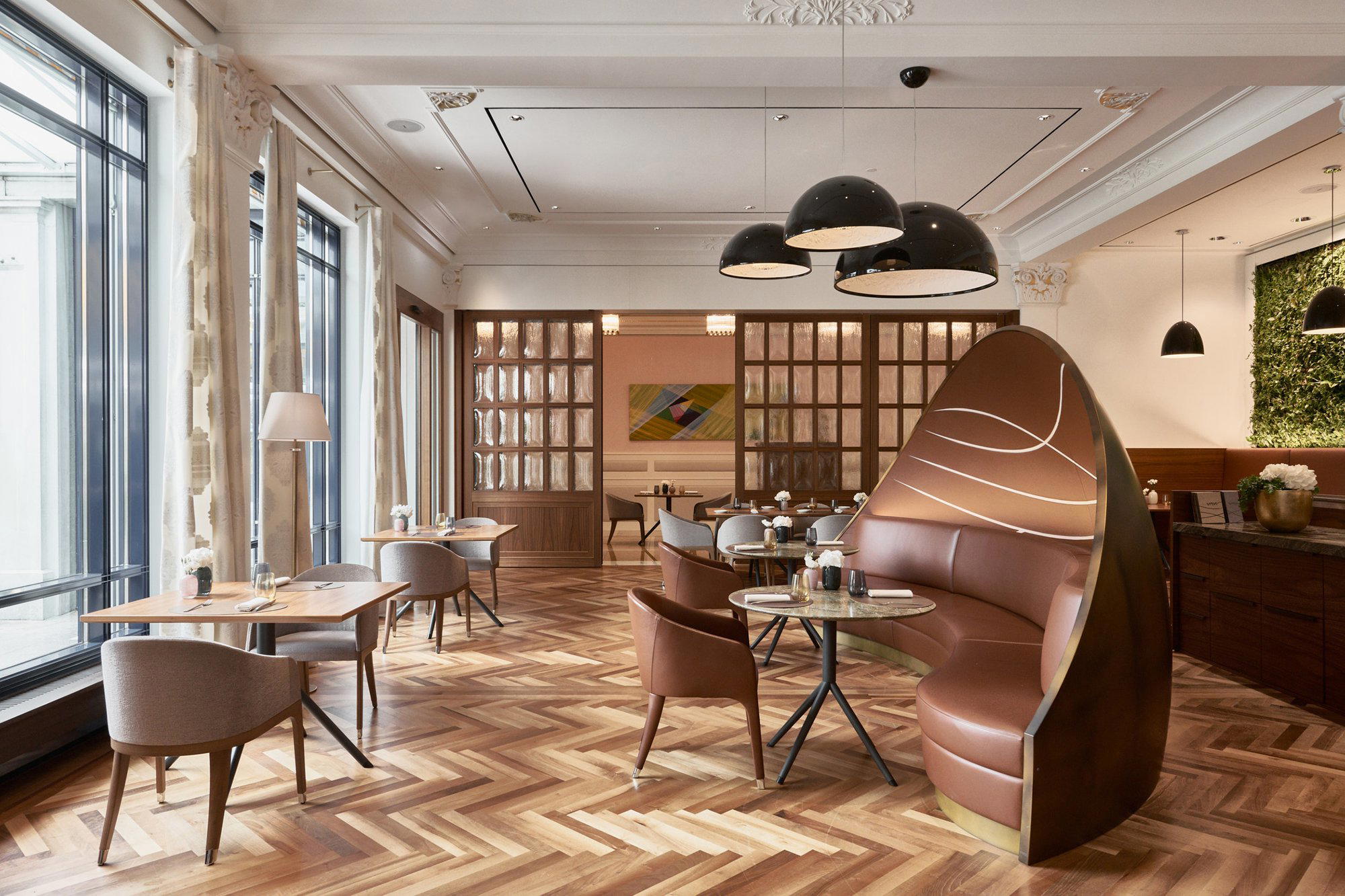
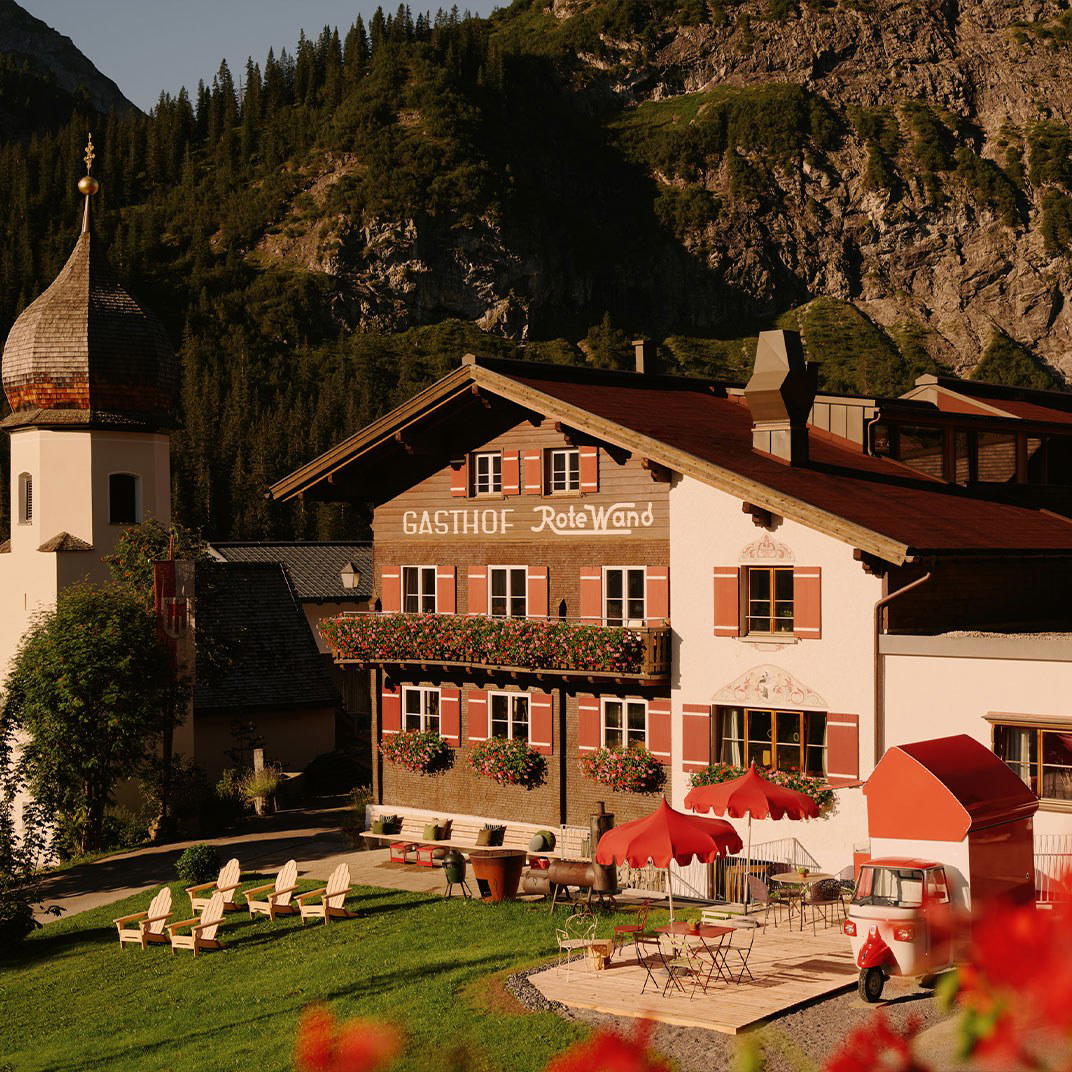
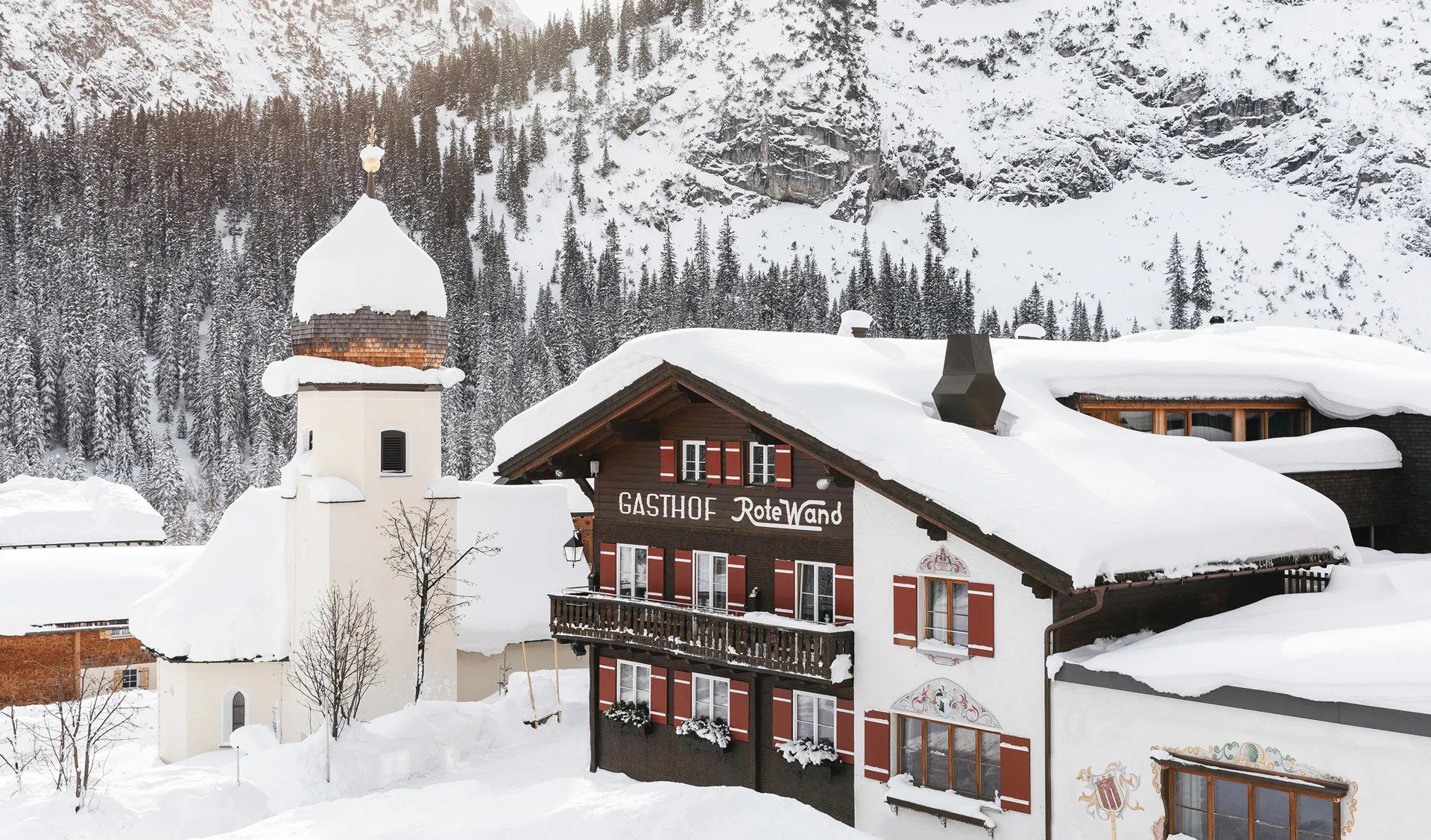
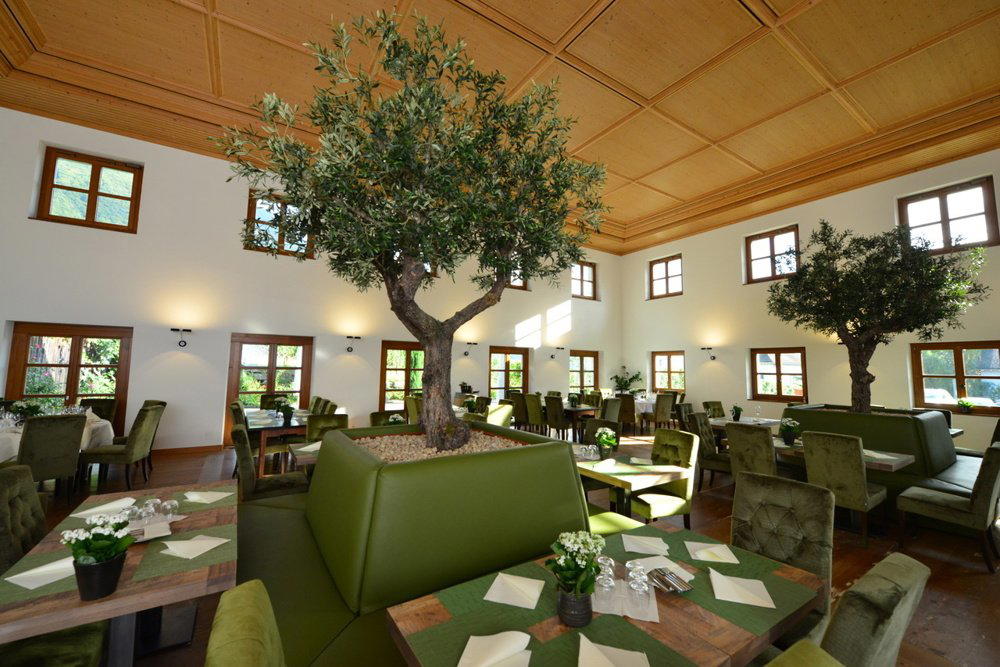
Modern alpine ambiance with cozy fireplace room, panoramic views, and relaxing atmosphere praised in guest reviews.