Our verdict
Hostellerie d'Oc sits in the village of Noailhac in the Tarn, a corner of southern France where the auberge tradition runs deep and sourcing from the surrounding farmland is less a marketing decision than a structural habit. The cooking here belongs to a regional register that larger cities have largely moved past, making it a point of reference for anyone tracing Occitan hospitality at its least theatrical.

Pearl is the En Primeur Club membership app — saves, bookings, and concierge access live there. Same editors, same standards.
- Address
- 13 Av. Charles Tailhades, 81490 Noailhac, France
- Phone
- +33563505037
- Hours
- Mon–Tue ClosedWed 12–2 PMThu–Sun 12–2 PM, 7–11:30 PM
- Website
- restaurant-noailhac.fr
- Directions
- Get directions
The menu
What to order
- Cassoulet maison
- Foie gras aux pommes
- Ris de veau aux morilles
Where Occitan Farmland Meets the Auberge Table
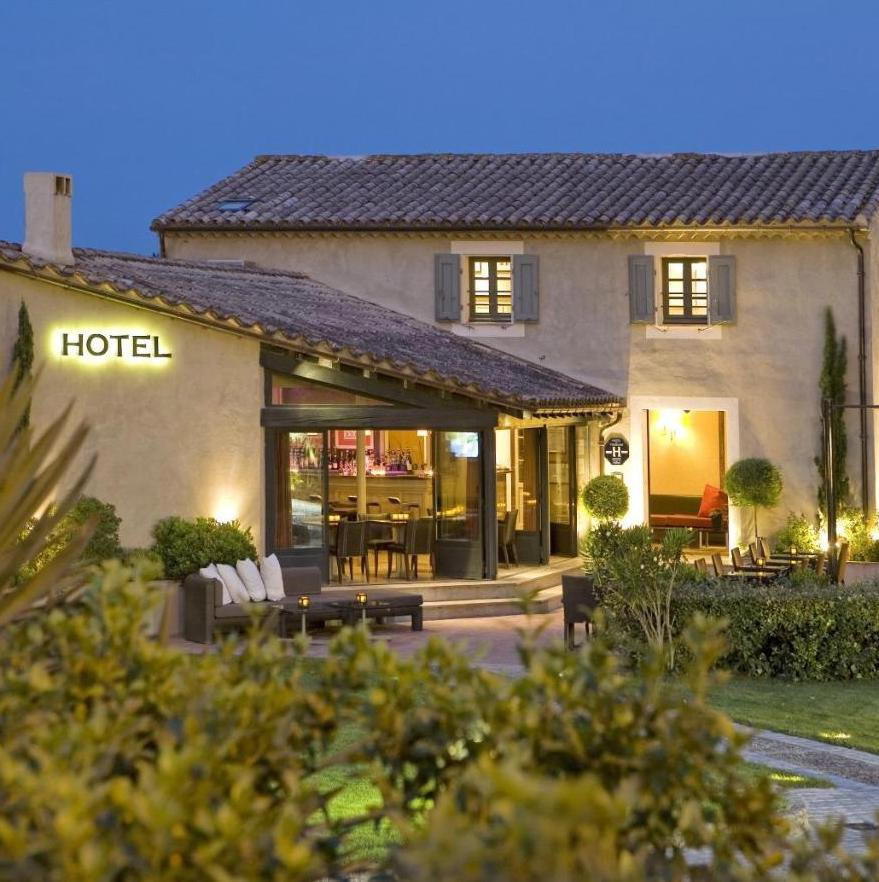
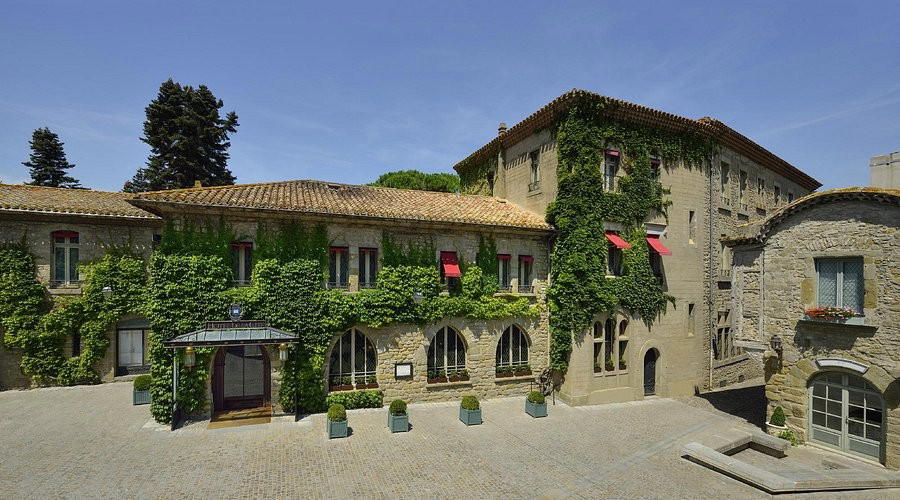
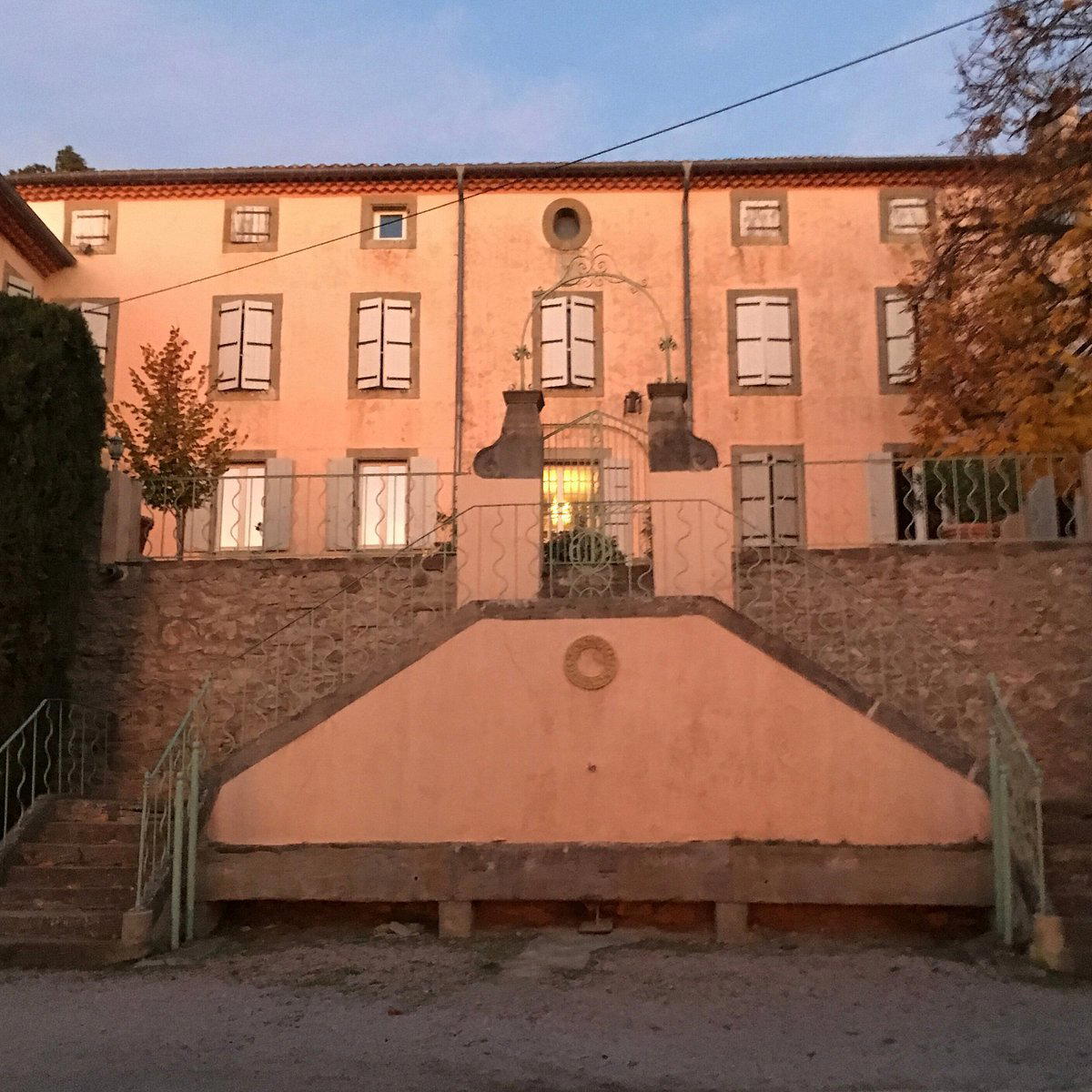
The village of Noailhac sits in the Tarn department of southern France, in a stretch of countryside between Castres and the Black Mountain range where agriculture has shaped the local economy for centuries. Arriving at 13 Avenue Charles Tailhades, the physical grammar is immediately legible: a village auberge of the kind that predates the concept of destination dining, where the building and the table exist in direct relationship with the land immediately around them. This is not a context manufactured for visitors. It is the residual form of a hospitality tradition that the Occitan south has sustained through successive waves of gastronomic fashion, precisely because the supply chain was never abstract to begin with.
That continuity matters when you consider what rural auberge dining in France has meant historically. Before ingredient provenance became a competitive differentiator for restaurants in Paris or Lyon, institutions in the Tarn and neighbouring departments were already cooking within a tight geographic radius by necessity. The distance between the farm and the kitchen was short because the infrastructure demanded it. What some contemporary dining rooms now perform as a value statement, places like Hostellerie d'Oc inherited as a structural condition.
Sourcing in the Tarn: The Short Chain as Default
The Tarn is one of the lesser-discussed agricultural departments in France, sitting between the higher-profile food regions of the Aveyron to the north and the Languedoc-Roussillon to the south and east. That positioning is, in practice, an advantage. The Aveyron supplies some of France's most closely tracked beef and lamb, with Aubrac cattle and Lacaune sheep both tracing routes through the plateau and into local markets. The Montagne Noire to the west of Noailhac contributes forested terrain that supports mushroom varieties, game, and the kind of ingredient calendar that shifts week by week rather than season by season.
Regional charcuterie culture in this part of the Midi-Pyrénées runs through Lacaune specifically, a town roughly 60 kilometres north of Noailhac whose cured meats carry protected geographical indication status. A village auberge in Noailhac operates within that supply geography almost automatically. When Bras in Laguiole built its reputation partly on hyperlocal Aubrac sourcing and became a reference point for ingredient-led cooking in the French south, it was drawing from the same agricultural basin that smaller establishments in the Tarn have relied on for generations without the same visibility.
The contrast with urban French fine dining is instructive. At restaurants such as Alléno Paris au Pavillon Ledoyen in Paris or Assiette Champenoise in Reims, ingredient sourcing involves active curation across multiple regions and suppliers, a deliberate editorial process. At a rural auberge in the Tarn, the sourcing radius is constrained geographically, which means the seasonal menu is less a creative decision than a direct transcript of what the surrounding land is producing at any given moment. That distinction changes the way you read a plate.
The Auberge Format and Its Place in French Hospitality
The French auberge occupies a specific register that sits between the relais (a roadside stop with lodging) and the restaurant gastronomique. It implies a combination of accommodation and table, a place where eating and staying are bound together rather than treated as separate commercial propositions. In the Tarn, the auberge format has survived because it maps onto the rhythms of the region: slower travel, multi-day stays, a relationship with the kitchen that extends across breakfast and dinner rather than a single service.
That format also shapes the competitive set differently. Hostellerie d'Oc is not measuring itself against Mirazur in Menton or Flocons de Sel in Megève, both of which occupy the destination-restaurant tier where the meal is the reason for travel. The auberge pitch is different: the place is the reason for travel, and the table is embedded in that experience rather than standing apart from it. Comparisons are more usefully drawn with properties like Auberge du Vieux Puits in Fontjoncouse, another southern French auberge that built a serious kitchen within a residential format, or L'Oustau de Baumanière in Les Baux, which positioned itself in a similar auberge-with-table framework in the Alpilles.
What distinguishes smaller establishments like Hostellerie d'Oc within this format is the absence of institutional scaffolding. There is no hotel group managing the supply chain, no corporate sourcing team, and no marketing apparatus translating the kitchen's decisions into a brand narrative. The choices made about what to cook and where to source it are direct and immediate, which produces a different kind of accountability than you find at scale.
Planning Your Visit to Noailhac
Noailhac is a small commune in the Tarn, accessible by road from Castres (roughly 25 kilometres to the north) or from Mazamet to the northeast. Neither city has a major rail hub, so arriving by car is the practical approach for most visitors. The village is not a day-trip destination in the conventional sense: the logic of the auberge format suggests staying overnight and using the surrounding countryside as the context for the visit. The Tarn's market calendar runs through Castres and the smaller market towns, and those markets are the upstream expression of the same supply geography that informs regional cooking. For anyone cross-referencing with broader French restaurant coverage, our full Noailhac restaurants guide provides additional context on the local dining scene.
Among the wider cohort of French auberges with serious kitchens, other points of reference worth tracking include Auberge de l'Ill in Illhaeusern in Alsace and Georges Blanc in Vonnas in the Bresse, both of which demonstrate how deeply the auberge model can anchor itself to a specific regional food culture over multiple generations. The Tarn iteration is less decorated and less discussed, which is precisely what keeps it within a tradition rather than outside it.
Frequently asked questions
Can I bring kids to Hostellerie d'Oc?
The auberge format, which Hostellerie d'Oc follows, is built around family meals and extended tables rather than formal tasting menus. Noailhac is a quiet rural commune in the Tarn, which sets a relaxed rather than ceremonial tone.
What should I expect atmosphere-wise at Hostellerie d'Oc?
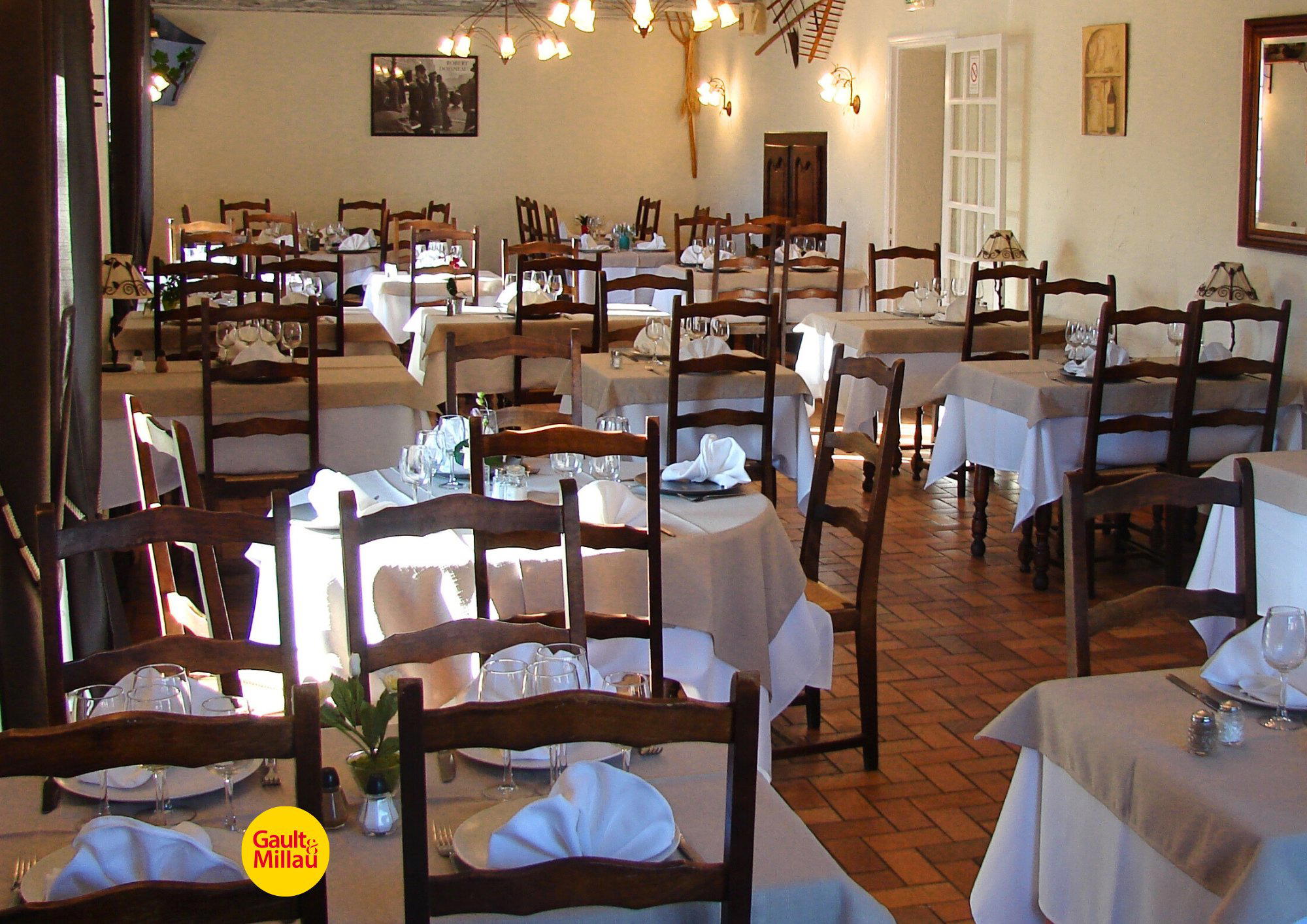
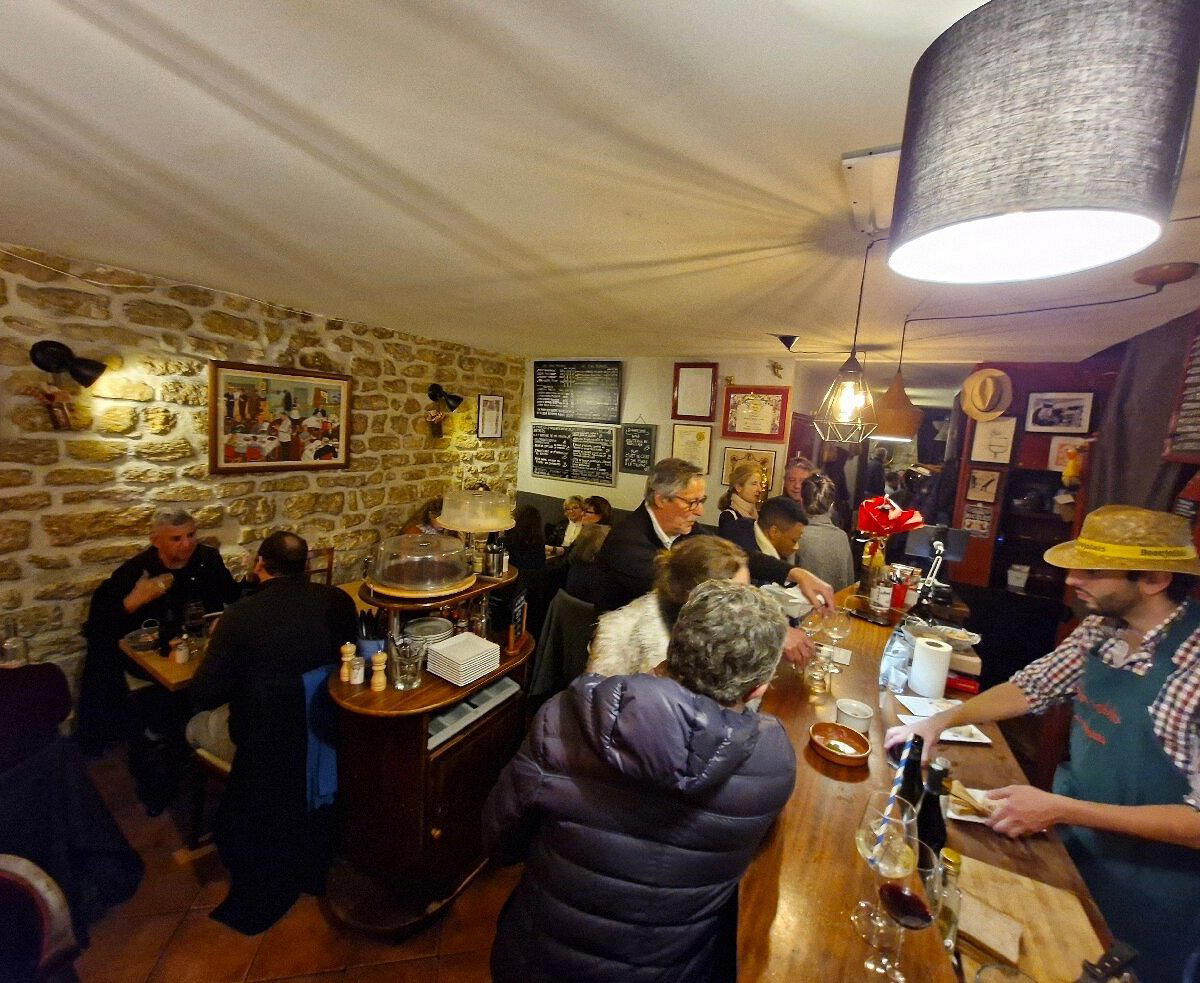
The auberge register sits between a roadside relais and a restaurant gastronomique, which in practice means a grounded, room-to-linger environment rather than a high-formality dining room. In a village the size of Noailhac, set between Castres and the Black Mountain range, the context is rural and unhurried. Expect straightforward service and a room likely filled with local regulars alongside passing visitors.
Is Hostellerie d'Oc a good base for exploring the Tarn countryside?
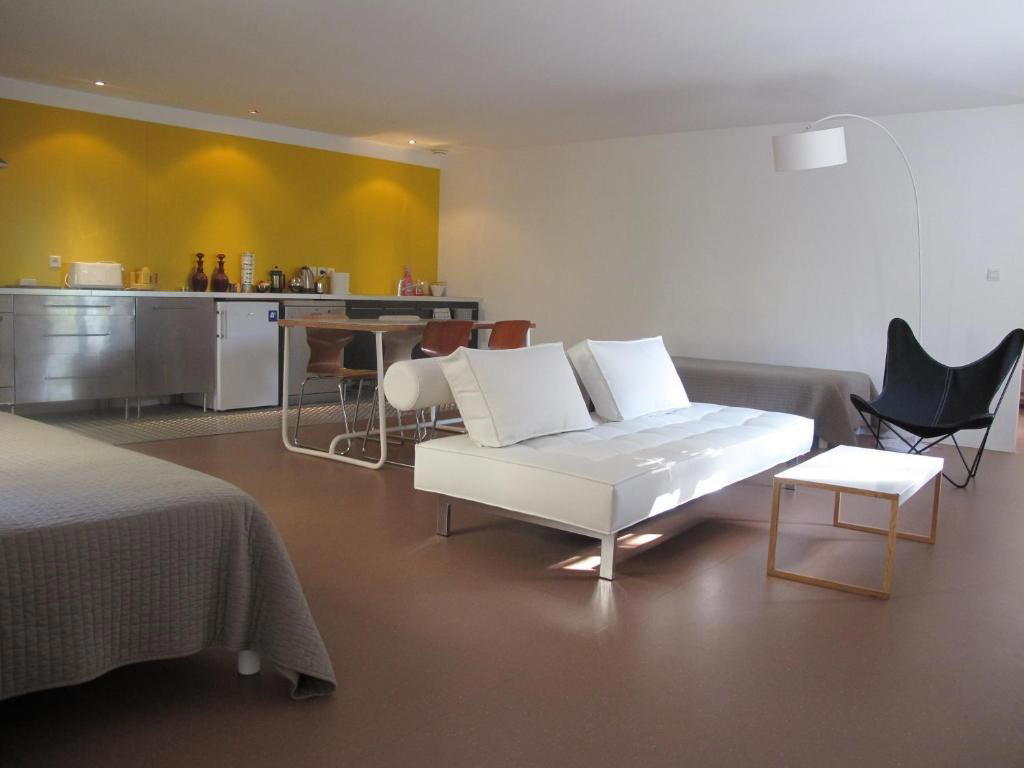
Located at 13 Av. Charles Tailhades in Noailhac, the property sits roughly 25 kilometres south of Castres and close to the Black Mountain range, placing it within reach of the Tarn's walking trails and hilltop villages. As an auberge rather than a pure restaurant, it operates within a tradition of combining lodging with meals, which makes it a functional anchor for multi-day exploration of the department. Specific room availability and rates are not currently listed, so direct contact is the route to booking.
What should I order at Hostellerie d'Oc?
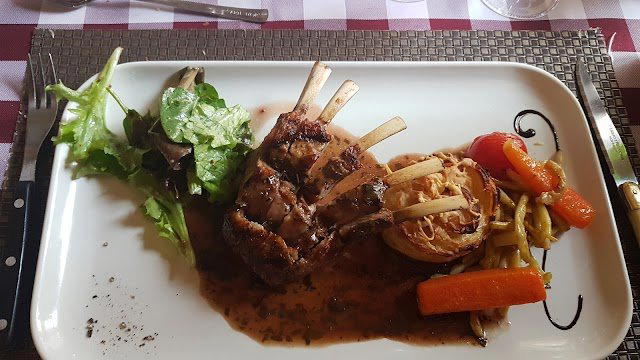
The Tarn department has a strong agricultural identity, with producers supplying restaurants through short local chains rather than national distributors, which typically shapes what an auberge in this region puts on the plate. Auberges in this part of southern France commonly anchor menus around regional staples from the Aveyron and Languedoc borders.
Quick Comparison
Comparable venues nearby, for context on price, style, and recognition.
| Venue | Cuisine | Price | Notes |
|---|---|---|---|
| Hostellerie d'OcThis venue — the venue you are viewing | Traditional French Regional | $30–50 | Not listed |
| La Fourchette Adroite | Traditional French Bistro with Seasonal Specialties | $20–30 | Centre historique |
| Château de Garrevaques | Regional French Terroir | $30–50 | Garrevaques |
| L'Epicurien | French Bistro | Not listed | Villefranche-de-Rouergue |
| Ferme Carles | Traditional Aveyron Farm Cuisine | $20–30 | Monteils |
| Idea | Modern French Inventive | $30–50 | Place De La Republique |

Details
- Rustic
- Cozy
- Lively
- Family
- Group Dining
- Special Occasion
- Terrace
- Private Dining
- Local Sourcing
- A La Carte
- Vegetarian Friendly
Current opening hours
- Monday
- Closed
- Tuesday
- Closed
- Wednesday
- 12–2 PM
- Thursday
- 12–2 PM, 7–11:30 PM
- Friday
- 12–2 PM, 7–11:30 PM
- Saturday
- 12–2 PM, 7–11:30 PM
- Sunday
- 12–2 PM, 7–11:30 PM
Hours can change for holidays and private events. Last verified .
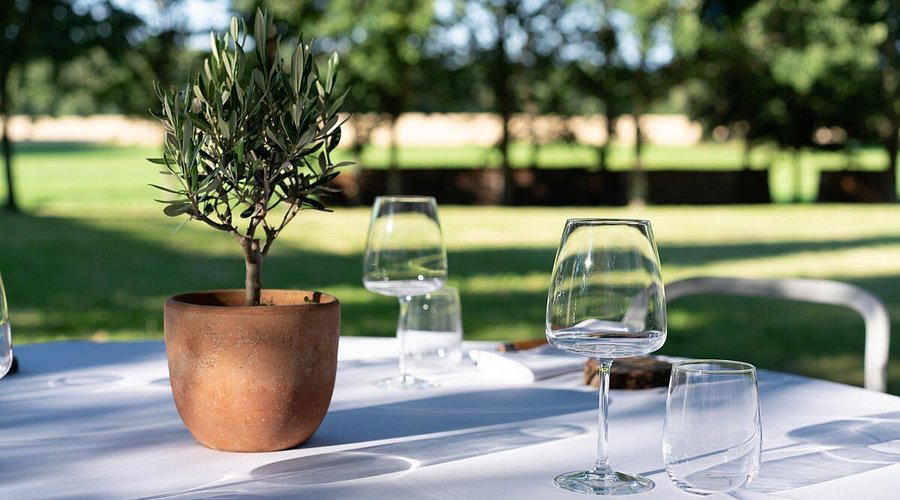
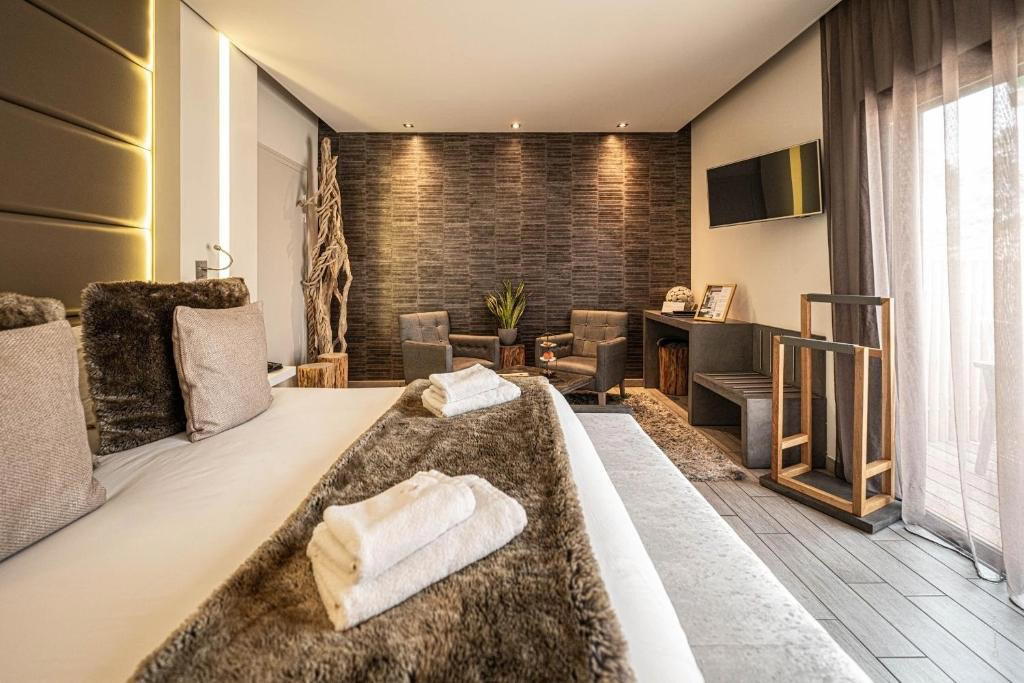
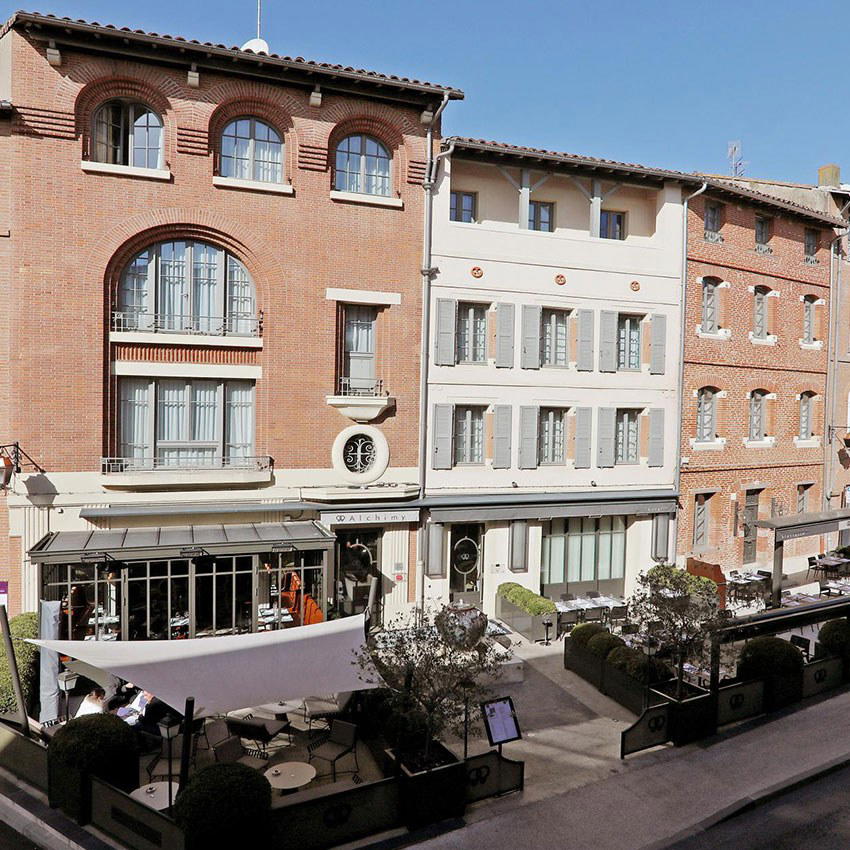
Convivial and warm country ambiance with terrace seating.