

Allium sits outside Quimper's town centre on the Boulevard de Créac'h Gwen, where chef Benjamin Higgins builds a creative menu around Brittany's coastal and forested larder. Rated Notable, the restaurant is known for herb-forward, foamy sauces and seafood sourced from the Bay of Morlaix. A counter facing the open kitchen adds a more direct engagement with the kitchen's tempo.
Pearl is the En Primeur Club membership app — saves, bookings, and concierge access live there. Same editors, same standards.
- Address
- 88 Bd de Créac'h Gwen, 29000 Quimper, France
- Phone
- +33 2 98 10 11 48
- Website
- restaurant-allium.fr
- Directions
- Get directions
 Saves & bookings on Pearl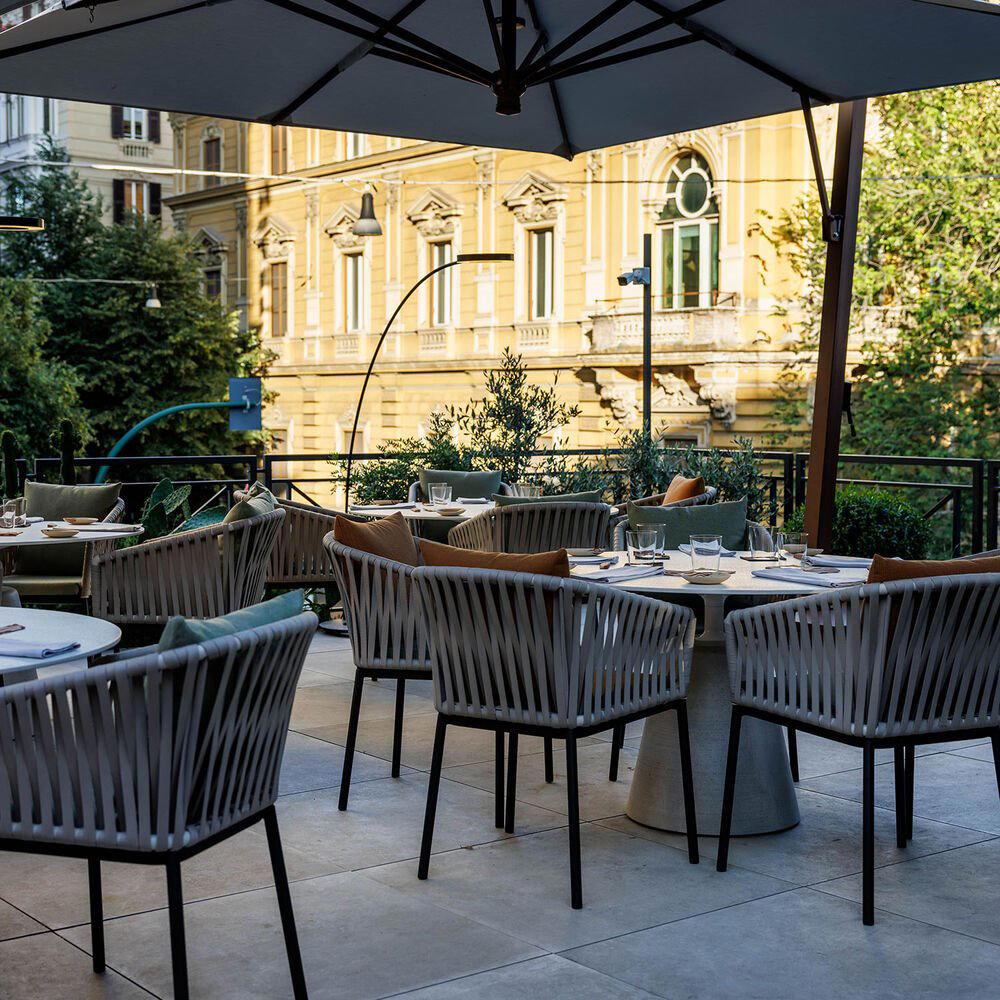
Where Brittany's Larder Meets Creative Technique
Creative cooking in Finistère occupies a particular position in French regional dining: far enough from Paris to develop on its own terms, close enough to serious Atlantic produce to build menus that Paris restaurants spend considerable effort importing. Quimper, the departmental capital of Finistère and Brittany's most culturally coherent city, has a dining scene that reflects this geography with unusual directness. The restaurants that work here tend to do so because they understand the coast, the herb beds, and the seasonal rhythms of the far west rather than because they replicate a metropolitan template.
Allium, on the Boulevard de Créac'h Gwen outside the town centre, sits within that tradition. It holds one Michelin star and sits in the upper tier of Quimper's creative restaurants, a position it shares with Sao at the same €€€ price level, while operating with a different emphasis on local ingredient narrative. Placed against the broader city offer, which also includes modern cuisine addresses such as La Ferme de l'Odet, Nous Restaurant, and Éclosion at lower price points, Allium's position is as a kitchen where technical ambition is visible and intentional.
The Dining Room and What It Signals
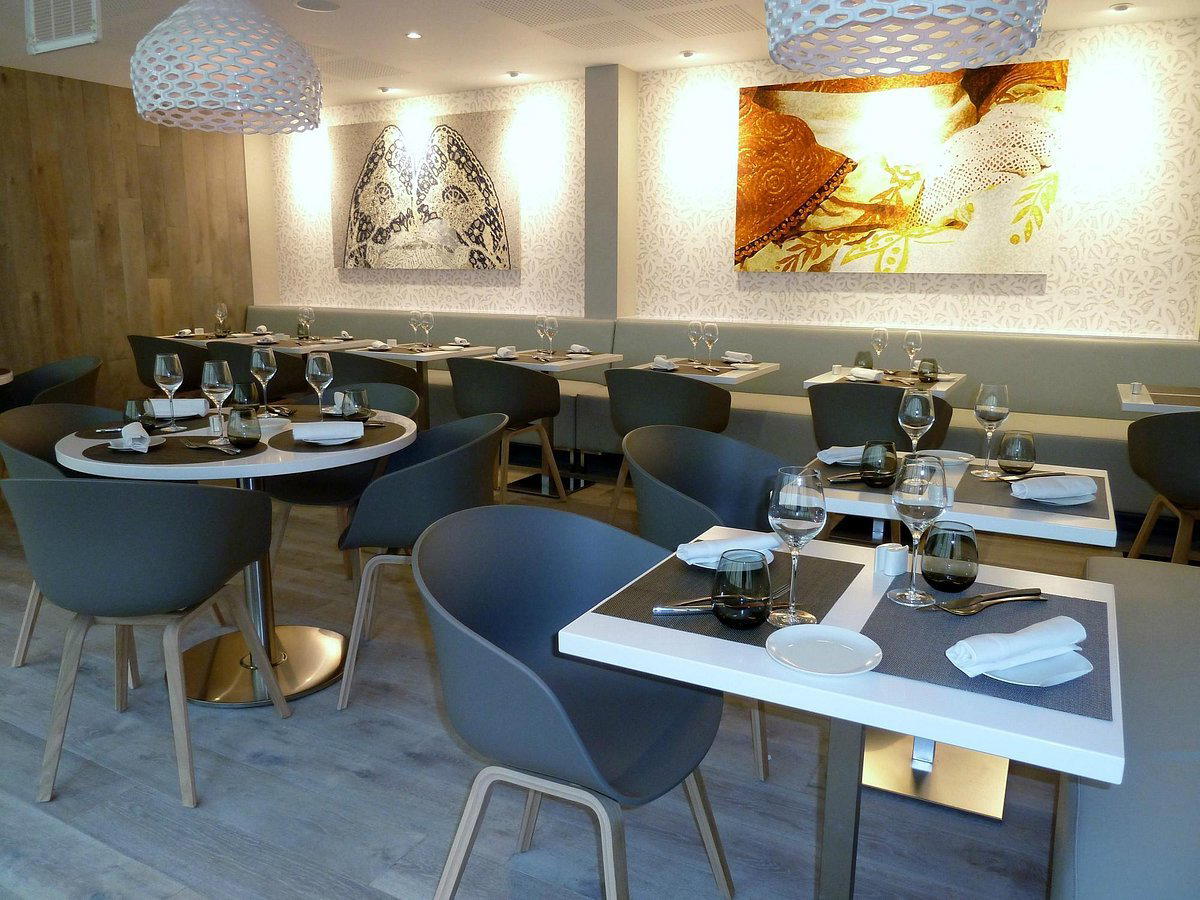
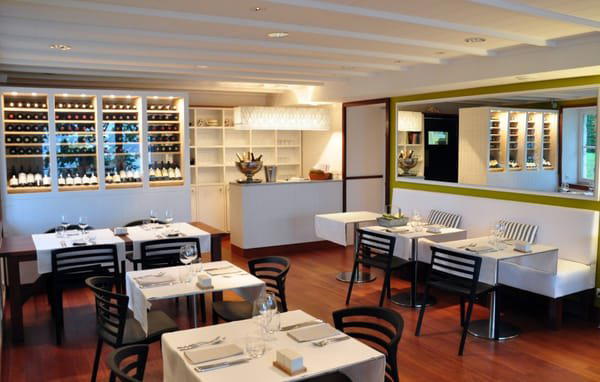
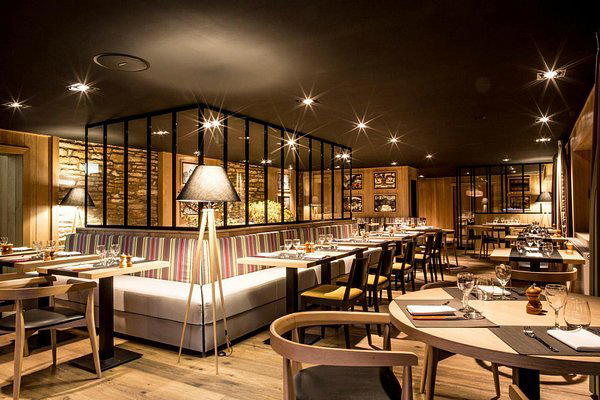
The dining room reads as composed rather than theatrical: tasteful and measured in its register, with a handful of counter seats positioned to face the open kitchen. That counter arrangement carries meaning in the context of French provincial restaurants. It places Allium in a recognisable contemporary mode without making a spectacle of it.
The restaurant sits beyond the historic centre, which means arriving by intention rather than by accident. That geography is worth noting for planning purposes: this is not a spontaneous choice for visitors already in the medieval quarter, but a deliberate destination. Opening hours run Tuesday through Saturday, 9 AM to 9 PM, with the kitchen closed Sunday and Monday.
Chef Benjamin Higgins and the Evolution of the Menu
Creative cuisine in France's regions has a particular set of pressures. The national frame of reference, from houses like Arpège in Paris and Mirazur in Menton at the recognised summit, down through dozens of regional practitioners, means that a creative kitchen working outside major cities is always implicitly in conversation with a demanding comparative set. Regional terroir can be the basis for genuine differentiation rather than a retreat from ambition, and in Brittany the argument is easier to make than in most places: the produce is genuinely distinct.
Chef Benjamin Higgins works within a culinary direction that the Notable rating describes as firmly anchored in nature. Herbs and flowers appear throughout the menu as structuring elements rather than garnishes, and the kitchen uses light foamy siphoned sauces as a recurring technique. That preference for aeration and lightness places Higgins in a lineage that runs through post-nouvelle French cooking, where sauce volume decreased but technical precision in preparation increased. The comparison points here are not the grand classical houses like Auberge de l'Ill in Illhaeusern or Troisgros in their richness-forward registers, but rather the nature-led creative cooking that characterises places like Bras in Laguiole or, at higher altitude of ambition, Flocons de Sel in Megève. The restrained, ingredient-forward logic is shared even if the specific produce differs entirely.
This editorial angle matters because it locates Allium's cooking within a coherent French creative tradition rather than treating it as an isolated local phenomenon. What Higgins does with Breton seafood and foraged botanicals is legible within a wider national conversation about how serious regional kitchens should relate to their own geography. The answer here is direct engagement: the produce leads, and the technique serves it.
Brittany's Seafood as the Menu's Anchor
Scallops from the Bay of Morlaix and abalone appear in the Notable assessment's description of Allium's sourcing, and both are meaningful signals. The Bay of Morlaix, on Finistère's north coast, is a recognised scallop ground with a season that shapes menus across the region from October through April. Abalone, rarer and more demanding to cook, appears in Breton waters but requires careful sourcing; its presence on a menu at this price tier is an indicator of kitchen confidence and supplier relationships rather than a casual addition.
This seafood orientation places Allium within Brittany's broader restaurant culture, where the coast's offer sets the quality floor in ways that inland French regions cannot replicate. Alongside venues like Ti-Coz, which approaches traditional Breton cuisine at a lower price point, Allium represents the direction that regional seafood cooking takes when ambition and technique are applied to the same raw material. The juxtaposition is instructive: the produce is often not so different; the transformation it undergoes in the kitchen is what separates the tiers.
The herb and flower dimension adds a further layer of regional specificity. Wild garlic, which gives the restaurant its name, has long had a symbolic role in Breton folk culture: according to the legend cited in the Notable assessment, bear's garlic, or allium ursinum, begins sprouting when the brown bear emerges from hibernation in spring, with the plant coming to represent strength and renewal after winter. As a naming decision, it encodes an entire seasonal and ecological sensibility into the restaurant's identity, signalling that the kitchen thinks in terms of the calendar and the land as well as the coast.
Planning a Visit
Allium is at 88 Boulevard de Créac'h Gwen, 29000 Quimper, outside the historic centre. The restaurant operates Tuesday through Saturday with hours running to 9 PM, making it workable for an evening sitting earlier in the week. Given the 4.8 rating across a substantial number of reviews, reservations made ahead of arrival are the practical approach. The €€€ price range positions a full meal here at about $65 per person.
For visitors building a wider Quimper itinerary, EP Club's full guides cover all categories: restaurants, hotels, bars, wineries, and experiences. For those comparing Allium against other creative addresses at the same French level of ambition, Alléno Paris au Pavillon Ledoyen and Cocina Hermanos Torres in Barcelona represent the scale of the conversation Allium is implicitly participating in, even from its position in the far west of France.
Side-by-Side Snapshot
Comparable venues nearby, for context on price, style, and recognition.
| Venue | Cuisine | Price | Awards | Notes |
|---|---|---|---|---|
| AlliumThis venue — the venue you are viewing | Modern Breton Fine Dining | $$$$ | Michelin 1 Star | Not listed |
| Éclosion | Modern French Bistronomic | $$$ | Bib Gourmand | cœur historique |
| Ti-Coz | Contemporary Breton Cuisine | $$$ | Bib Gourmand | Quimper, Finistère |
| L'Identité | Modern French Bistro | $$$ | Not listed | Centre-ville |
| Tiberi | Bistronomic French | $$ | Not listed | Boulevard de Kerguelen |
| An Diskuiz | Traditional Breton Crêperie | $$ | Not listed | Quimper historic district |
Recognition history
Dated appearances from independent guides and award organizations, with the underlying list record or original source where available.
Michelin 1 Star
Michelin
Gault & Millau Remarkable Restaurant
Gault & Millau
Michelin 1 Star
Michelin
Michelin 1 Star
Michelin
Continue exploring
More in Quimper
Restaurants in Quimper
Browse all →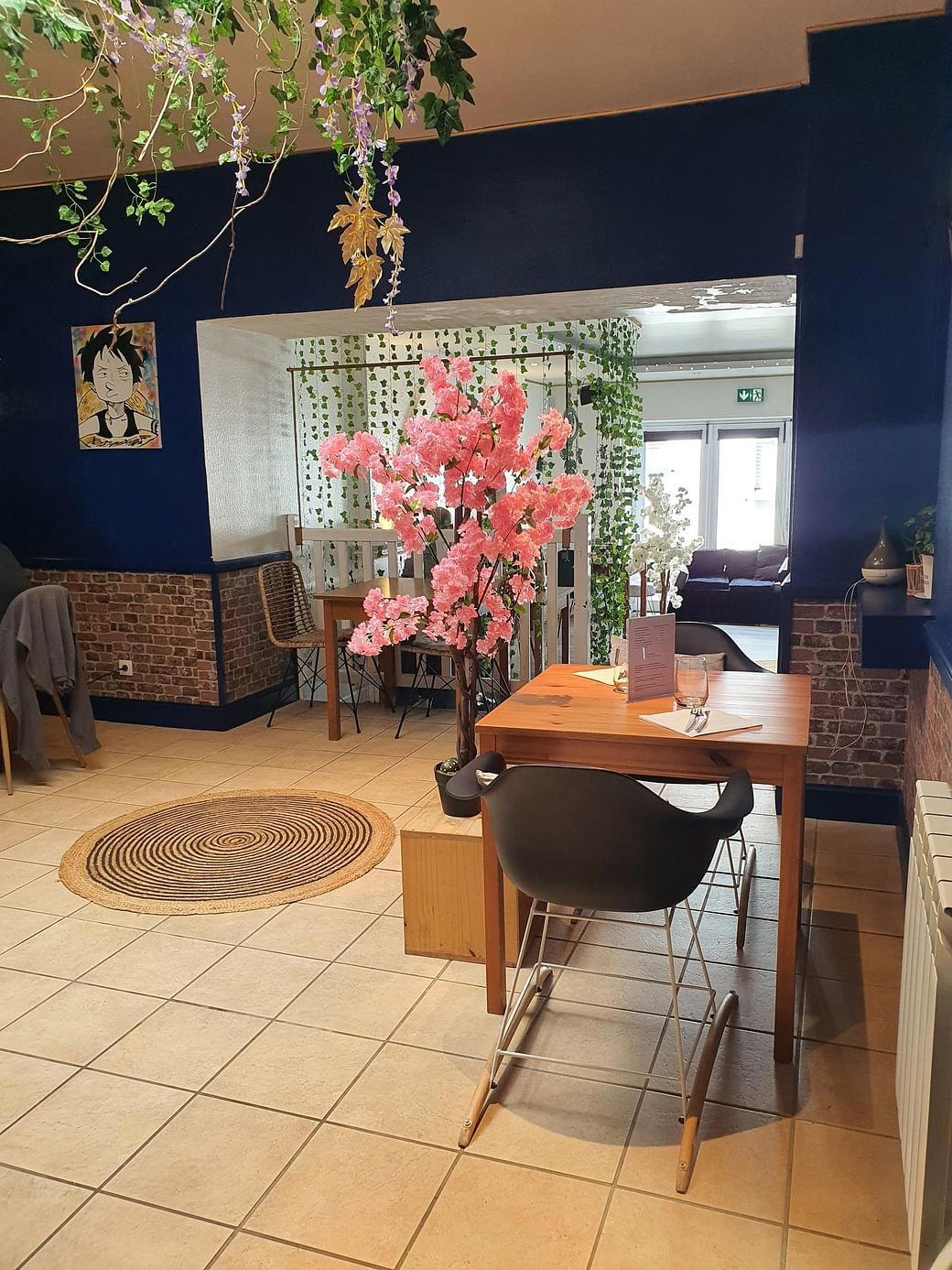
At a Glance
- Elegant
- Modern
- Intimate
- Sophisticated
- Date Night
- Special Occasion
- Celebration
- Open Kitchen
- Garden
- Chefs Counter
- Sommelier Led
- Farm To Table
- Local Sourcing
- Sustainable Seafood
- Garden
Current opening hours
- Monday
- Closed
- Tuesday
- 9 AM–9 PM
- Wednesday
- 9 AM–9 PM
- Thursday
- 9 AM–9 PM
- Friday
- 9 AM–9 PM
- Saturday
- 9 AM–9 PM
- Sunday
- Closed
Hours can change for holidays and private events. Last verified .
Bright, contemporary space with white walls decorated with cypress bark, large windows overlooking the chef's vegetable gardens, solid wood tables without tablecloths, and counter seating facing the open kitchen creating an intimate yet refined atmosphere.