Bistrot 1954

Michelin Plate
Our verdict
Bistrot 1954 holds a Michelin Plate for 2024 and 2025, placing it among the more formally recognised tables in Plougonvelin's modest dining scene. The €€ price point and modern cuisine format position it as a practical entry into the kind of ingredient-led cooking that Finistère's Atlantic coastline makes possible.

Pearl is the En Primeur Club membership app — saves, bookings, and concierge access live there. Same editors, same standards.
- Address
- 9 Pl. Saint-Tanguy, 29217 Plougonvelin, France
- Phone
- +33 2 29 00 03 28
- Hours
- Daily 12–2 PM, 7–10 PM
- Website
- thefork.fr
- Directions
- Get directions
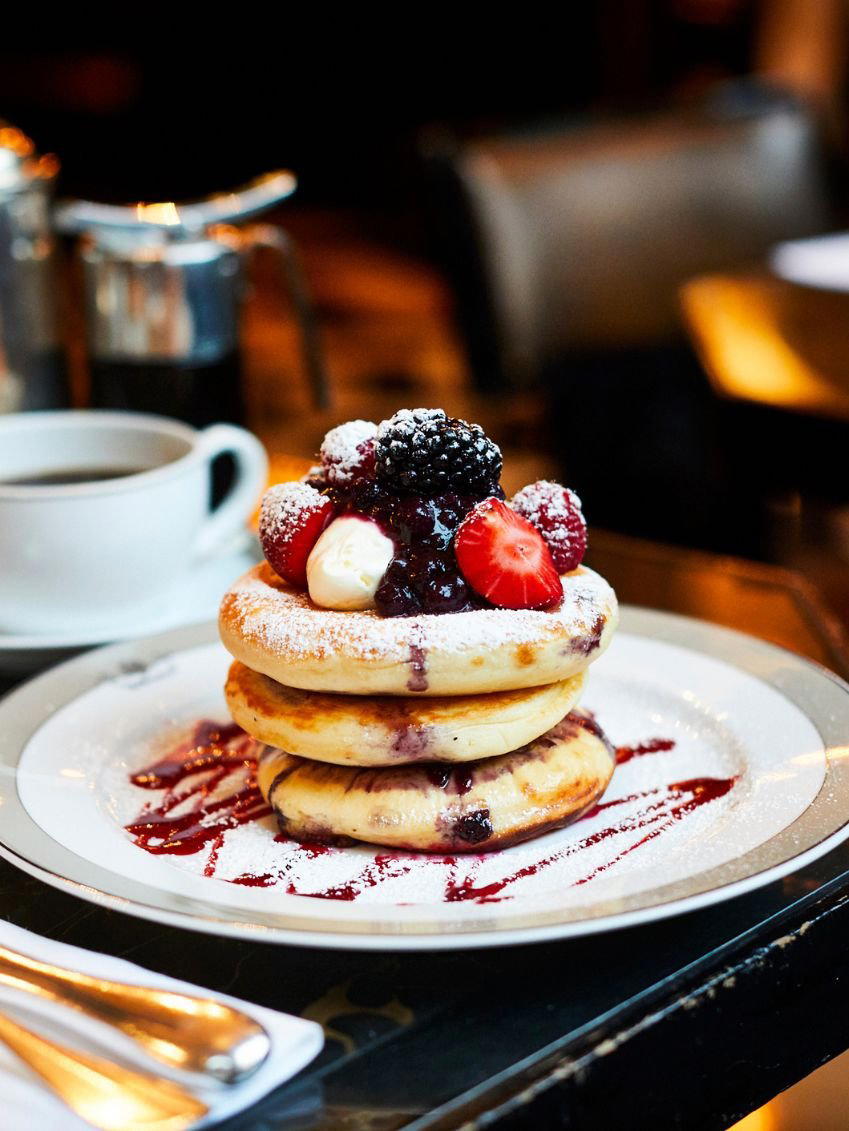
The menu
What to order
- Couteaux gratinés
- Filet de merlu
- Poisson du jour
Where the Finistère Coast Sets the Menu
The western tip of Brittany does not ease you in gently. Plougonvelin sits at the Pointe Saint-Mathieu, where the Atlantic pushes hard against a granite shoreline that has been shaping the local diet for centuries. The fishing ports nearby — Brest to the north, Le Conquet a few kilometres south — land shellfish, flat fish, and crustaceans that move quickly from boat to kitchen. Restaurants in this corner of Finistère are not sourcing regionally as a marketing position; proximity to the water makes it the logical default. Bistrot 1954, on the Place Saint-Tanguy in the village centre, sits inside that tradition and earns its Michelin Plate recognition, awarded for both 2024 and 2025, in a context where the raw material quality is high but the competition for serious attention is real.
What a Michelin Plate Signals at This Price Point
France's Michelin Plate designation does not carry the same prestige as a star, but it is a meaningful marker in smaller towns where the inspectorate does not distribute recognition casually. The Plate indicates cooking of consistent quality: technically sound, ingredient-respecting, worth a deliberate stop rather than an accidental one. At the €€ price tier, Bistrot 1954 is not pricing against the three-star tables you find at Alléno Paris au Pavillon Ledoyen in Paris or Mirazur in Menton. It occupies an entirely different register: the kind of bistrot where the cooking ambition runs ahead of the bill, and where local sourcing does more of the work than elaborate technique.
That positioning matters in Brittany, where the regional restaurant culture has always leaned toward honest execution over spectacle. The starred destinations elsewhere in France, Flocons de Sel in Megève, Troisgros - Le Bois sans Feuilles in Ouches, Auberge de l'Ill in Illhaeusern, represent a different investment in kitchen infrastructure and menu complexity.
The Ingredient Logic of the Finistère Coast
Modern cuisine, as a category label, covers a wide range of approaches. In a coastal Breton context, it tends to mean one specific thing: classical French technique applied to Atlantic and local farm produce, with enough contemporary sensibility to move beyond purely traditional preparations. The Finistère coastline produces some of France's most referenced shellfish, Cancale oysters are nationally known, but the waters around Brest and the Iroise Sea have their own strong identity. Sea vegetables, line-caught fish, and locally landed crab and lobster are available to kitchens in this area at a freshness level that inland restaurants cannot match regardless of budget.
For a bistrot operating at the €€ level, that proximity is a competitive advantage rather than an aspiration. The sourcing decisions are embedded in the geography: what arrives at the quay in the morning shapes what appears on the plate at lunch. This is not a philosophy statement, it is how coastal Breton restaurants have always functioned, and the better ones have always let the market dictate the menu rather than the other way around. Bras in Laguiole built its reputation on exactly this relationship between terroir and table, though in a very different landscape. The principle translates cleanly to the Atlantic fringe.
A Place Saint-Tanguy Address in Context
Plougonvelin is not a restaurant destination in the way that a city neighbourhood might be. It is a small commune whose principal draw is its position at the Pointe Saint-Mathieu, with a ruined Benedictine abbey, a lighthouse, and the Iroise Marine Natural Park directly offshore. Visitors arriving for the landscape end up needing to eat, and the village's dining options are limited enough that a Michelin-recognised address on the Place Saint-Tanguy carries genuine local weight. The square itself is a modest one, framed by stone buildings typical of the Finistère interior, and the bistrot sits within the village's pedestrian logic rather than on a scenic promontory.
That ordinariness of setting is worth noting. The Atlantic light and the coastal drama are a few minutes' walk away; the restaurant itself asks you to focus on the plate rather than the panorama. The Hostellerie de la Pointe Saint-Mathieu holds the more dramatically positioned dining in the commune, set directly against the lighthouse ruins. Bistrot 1954 operates on different terms: village-centred, lower-key in presentation, and priced for the local rhythm of lunch and dinner rather than a destination-hotel clientele.
Who Goes and Why
That figure suggests a consistent draw from both repeat local visitors and tourists making their way along the Breton coastline. The Pointe Saint-Mathieu is a documented stop on the route from Brest toward the Crozon Peninsula, and visitors moving through that corridor account for a meaningful share of the cover count at any dining address in the village.
At the €€ tier, the restaurant is accessible to a broad range of travellers, from those spending a night at one of the local accommodations to day visitors from Brest. For planning purposes, Plougonvelin is approximately thirty kilometres from Brest city centre, making it a viable lunch excursion from the city.
The Broader Breton Table
Brittany's restaurant culture does not generate the same international attention as, say, Paul Bocuse - L'Auberge du Pont de Collonges in Collonges-au-Mont-d'Or or the kind of high-technique modern French cooking represented by AM par Alexandre Mazzia in Marseille or Assiette Champenoise in Reims. What it does produce is a strong regional identity built on seafood, buckwheat, salted butter, and a directness of flavour that resists unnecessary elaboration. The bistrots and auberges along the Finistère coast are not chasing the kind of international visibility associated with Au Crocodile in Strasbourg or the Nordic-influenced modern cuisine at addresses like Frantzén in Stockholm or FZN by Björn Frantzén in Dubai. They are serving a different function: grounding visitors in the specific taste of a coastline that has strong culinary logic of its own.
Bistrot 1954 is leading understood within that frame. The Michelin Plate is confirmation that the kitchen is doing its work with care; the address and price point confirm that the ambition is local and consistent rather than destination-building. For visitors working through [our full Plougonvelin restaurants guide](), this is one of the more formally recognised options in a small pool. Those extending their stay can consult [our full Plougonvelin hotels guide](), [our full Plougonvelin bars guide](), [our full Plougonvelin wineries guide](), and our full Plougonvelin experiences guide to build a fuller picture of what the commune offers beyond the table.
Frequently asked questions
Can I bring kids to Bistrot 1954?
Bistrot 1954 sits in the €€ price range in a small Finistère commune, which points to a relaxed, village-scale setting rather than a formal dining room. That format tends to accommodate families without friction. Michelin Plate recognition here signals kitchen consistency, not a rigid tasting-menu structure that would make a children's visit awkward.
What's the vibe at Bistrot 1954?
The address on Place Saint-Tanguy in Plougonvelin — a commune of a few thousand people near the Pointe Saint-Mathieu — sets the tone: this is a local bistrot, not an urban destination restaurant. The €€ pricing and village context suggest an informal register. Two consecutive Michelin Plate designations (2024 and 2025) confirm the kitchen is taken seriously, but the surrounding commune keeps the atmosphere grounded.
Is Bistrot 1954 award-winning?
Bistrot 1954 has received recognition including: Michelin Plate (2025); Michelin Plate (2024).
What do people recommend at Bistrot 1954?
Bistrot 1954 carries Michelin Plate recognition for both 2024 and 2025 under a modern cuisine approach, which in a coastal Breton setting typically centres on local seafood and regional produce handled with classical technique.
Is Bistrot 1954 more mid-range or high-end?
Pricing at Bistrot 1954 is listed as €€.
Fast Comparison
| Venue | Cuisine | Price | Awards |
|---|---|---|---|
| Bistrot 1954This venue — the venue you are viewing | French Seafood Bistro | $20–30 | Michelin Plate |
| Alléno Paris au Pavillon Ledoyen | Creative | Not listed | Michelin 3 Star |
| Kei | Contemporary French, Modern Cuisine | Not listed | Michelin 3 Star |
| L'Ambroisie | French, Classic Cuisine | Not listed | Michelin 3 Star |
| Le Cinq - Four Seasons Hôtel George V | French, Modern Cuisine | Not listed | Michelin 3 Star |
| Plénitude | Contemporary French | Not listed | Michelin 3 Star |
Recognition history
Dated appearances from independent guides and award organizations, with the underlying list record or original source where available.
Michelin Plate
Michelin
Full recognition history (2 entries)
Michelin Plate
Michelin
Continue exploring
More in Plougonvelin
Restaurants in Plougonvelin
Browse all →
Details
- Romantic
- Modern
- Cozy
- Scenic
- Date Night
- Special Occasion
- Waterfront
- Terrace
- Historic Building
- Natural Wine
- Local Sourcing
- Waterfront
- A La Carte
Current opening hours
- Monday
- 12–2 PM, 7–10 PM
- Tuesday
- 12–2 PM, 7–10 PM
- Wednesday
- 12–2 PM, 7–10 PM
- Thursday
- 12–2 PM, 7–10 PM
- Friday
- 12–2 PM, 7–10 PM
- Saturday
- 12–2 PM, 7–10 PM
- Sunday
- 12–2 PM, 7–10 PM
Hours can change for holidays and private events. Last verified .
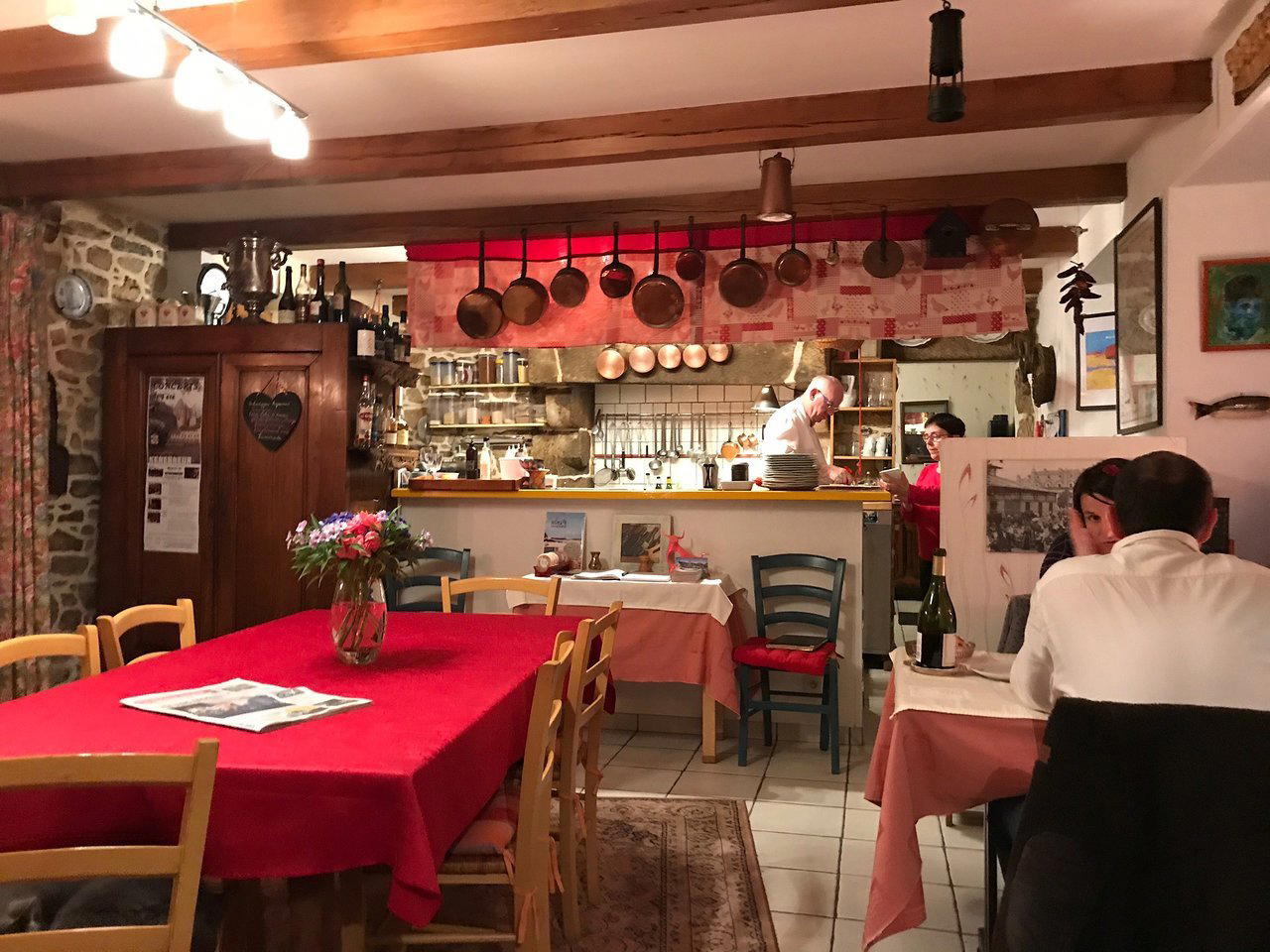
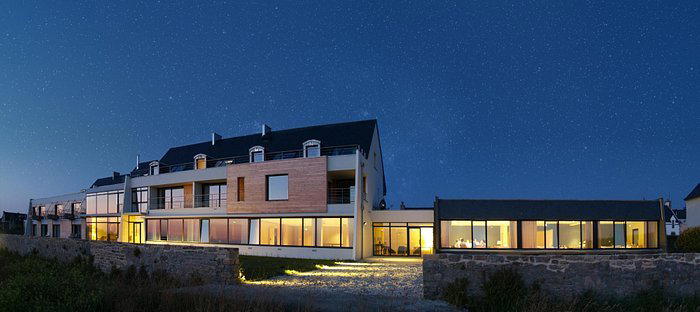
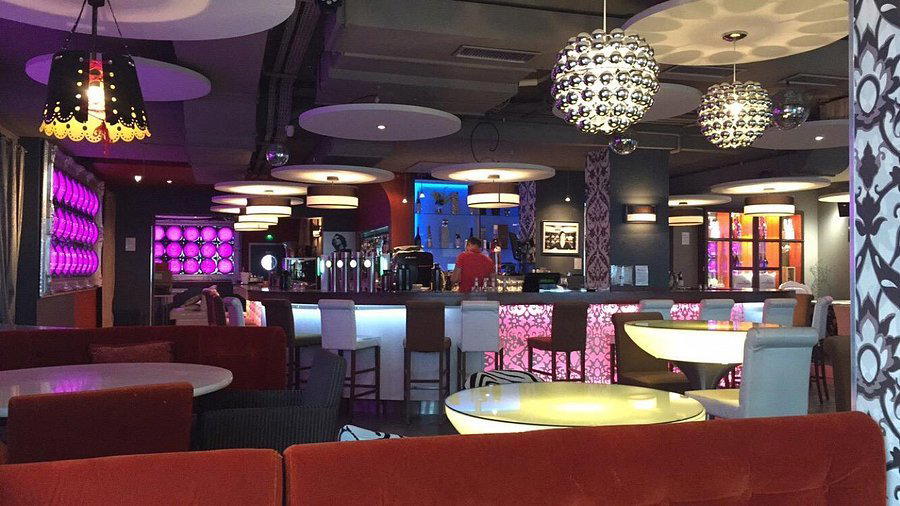
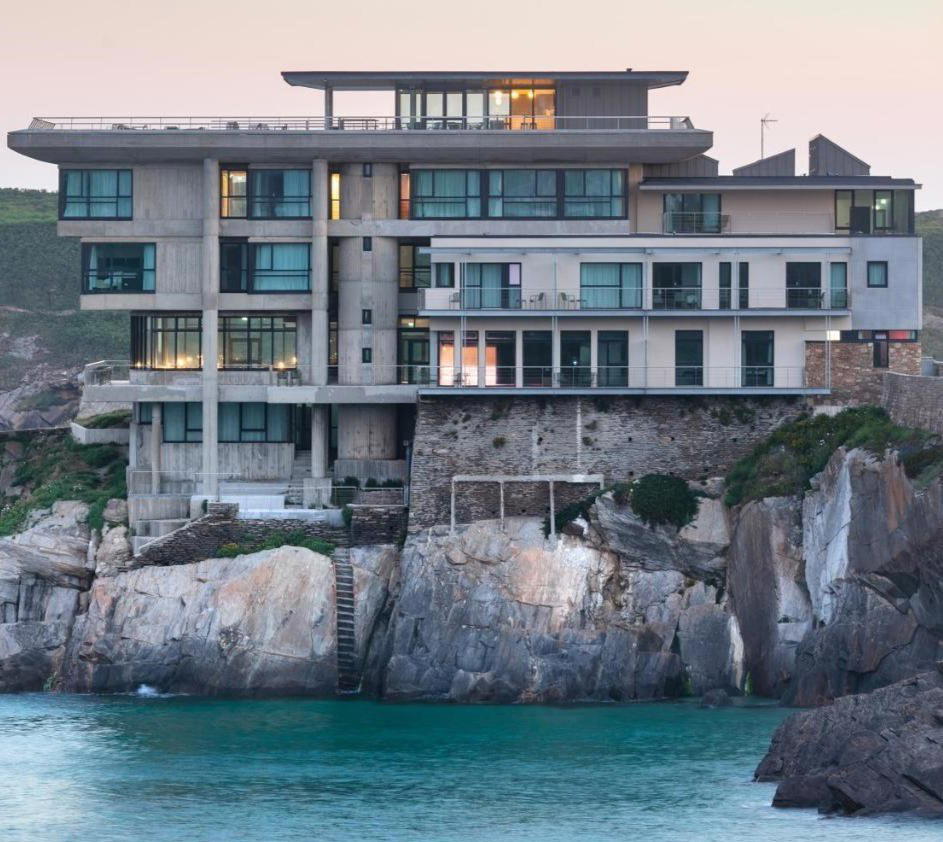
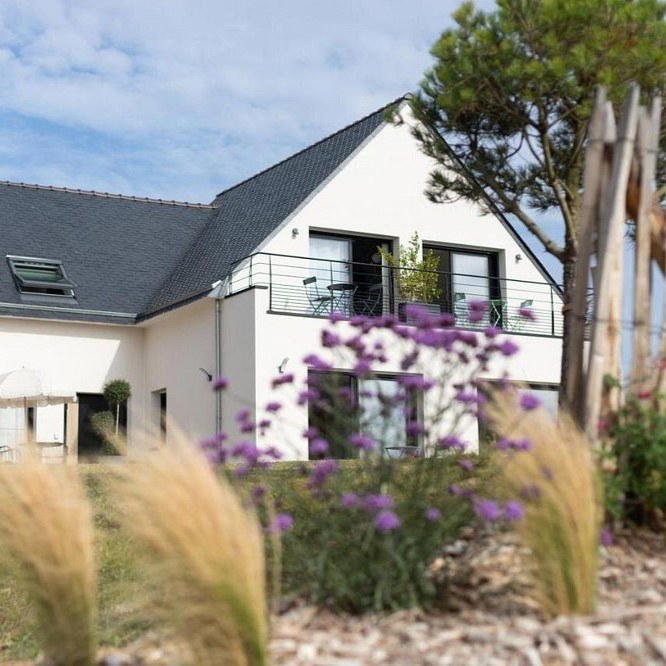
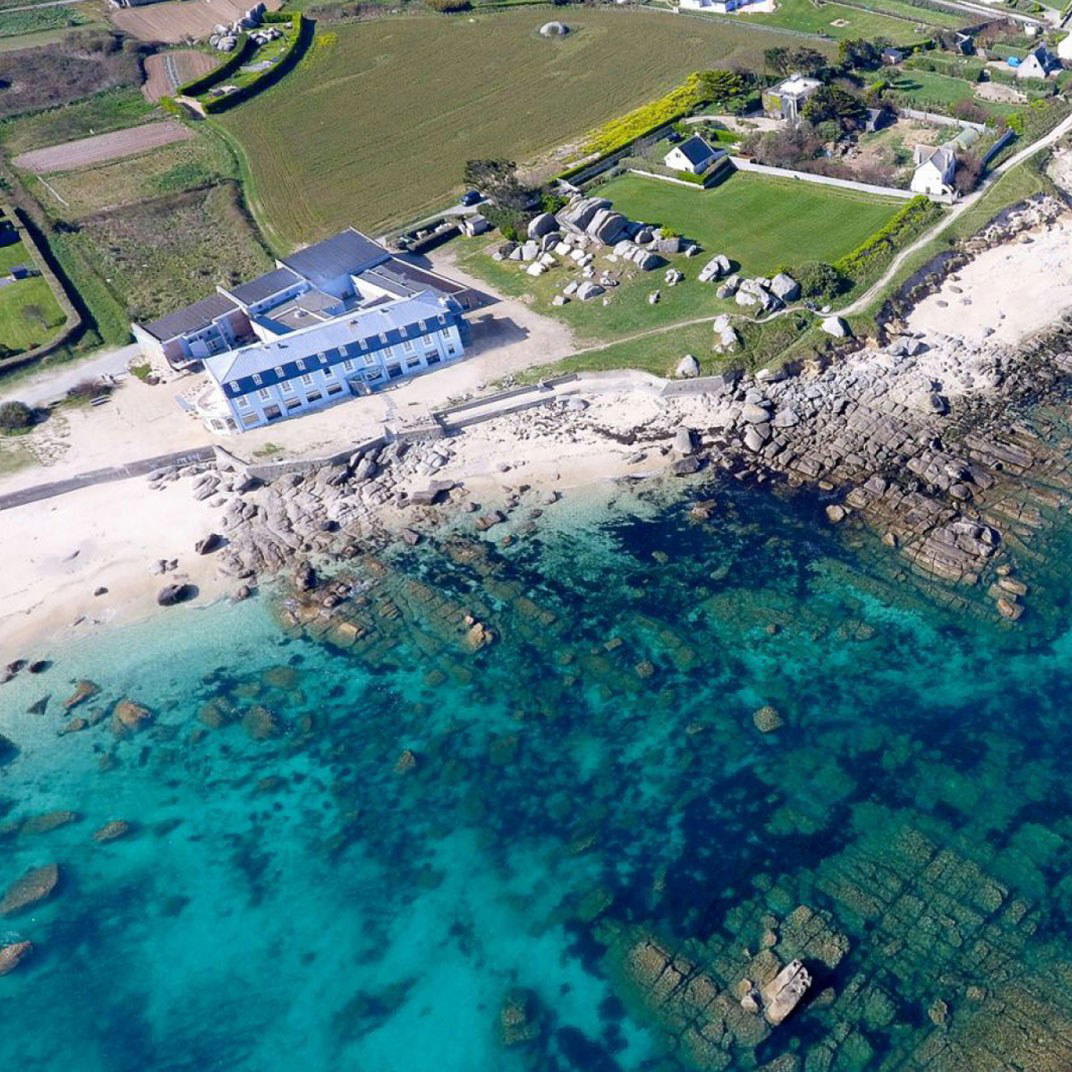
Contemporary decor contrasting with dramatic Finistère nature, romantic atmosphere with sea horizon views.