Horto
Our verdict
Horto at Rudding Park brings a produce-led fine dining format to North Yorkshire's country house hotel circuit, drawing on the estate's kitchen garden as its primary ingredient source. The restaurant places itself in the tier of destination dining outside the major British cities, where setting, sourcing discipline, and seasonal menu structure do much of the editorial work. Reserve well in advance for weekend sittings.

Pearl is the En Primeur Club membership app — saves, bookings, and concierge access live there. Same editors, same standards.
- Address
- Rudding Park Hotel, Follifoot, North Yorkshire, Rudding Ln, Harrogate HG3 1JH, United Kingdom
- Phone
- +441423871350
- Website
- ruddingpark.co.uk
- Directions
- Get directions
- Booking
- Book on the venue's website
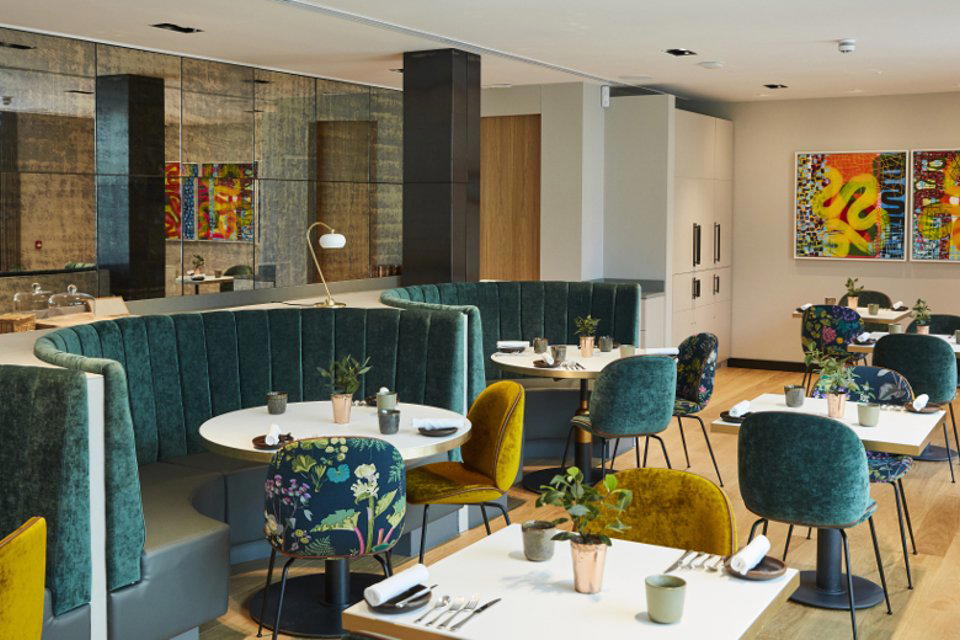
Country House Fine Dining and the Ingredient Chain
The category of country house fine dining in Britain has fractured over the past decade. At one end sit the grand-hotel flagships: Le Manoir aux Quat'Saisons in Oxford and Waterside Inn in Bray, where decades of Michelin recognition have made the restaurant the reason guests book the room. At the other end, a younger cohort of hotel-based dining rooms earns its reputation through sourcing discipline rather than legacy, building menus around estate or regional produce and letting the kitchen garden, not the trophy cabinet, frame the offer. Horto at Rudding Park, on the outskirts of Harrogate in North Yorkshire, positions itself in this second grouping.
The name signals the intent: hortus is Latin for garden. For a restaurant to take that as its identifier, it is making a structural claim about where its food comes from and how the menu is ordered. In a dining category where sourcing language is frequently decorative, the commitment implied by the name is one of the first things a critical visitor will test.
Approaching Rudding Park
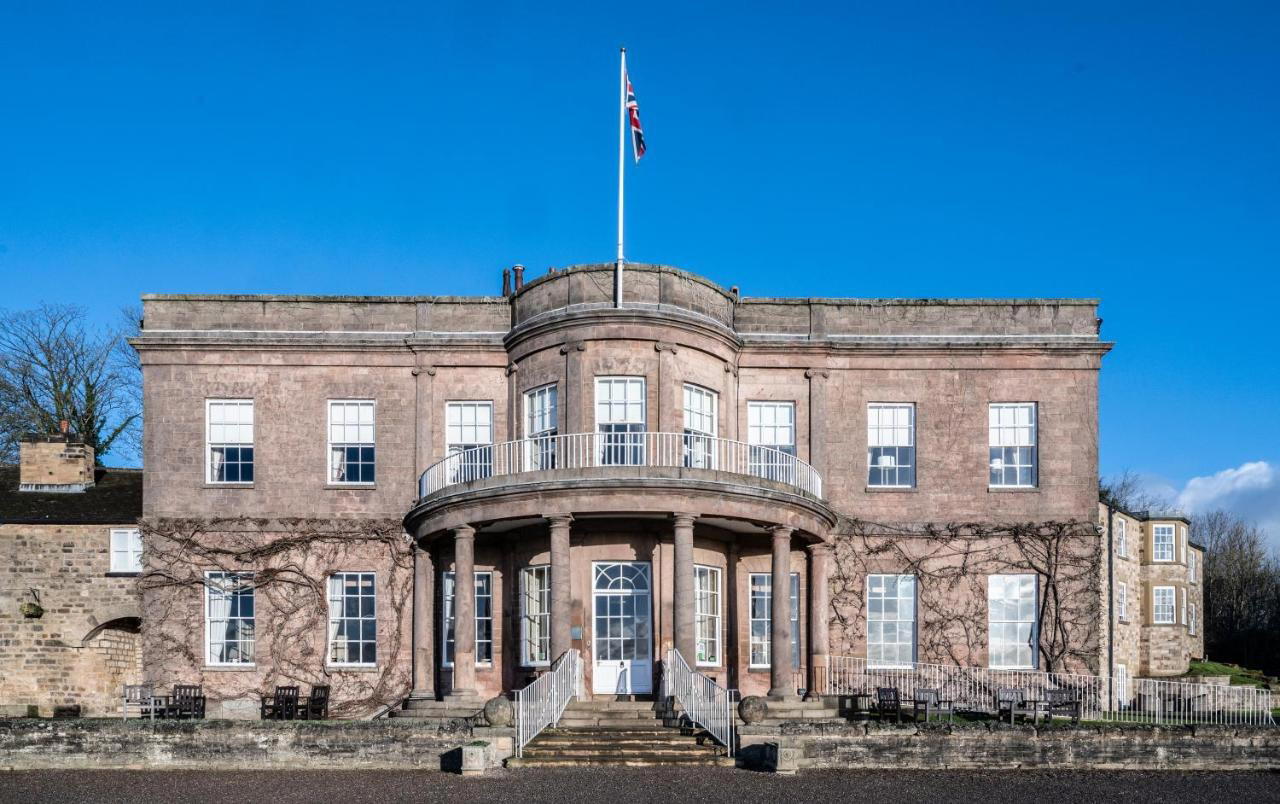
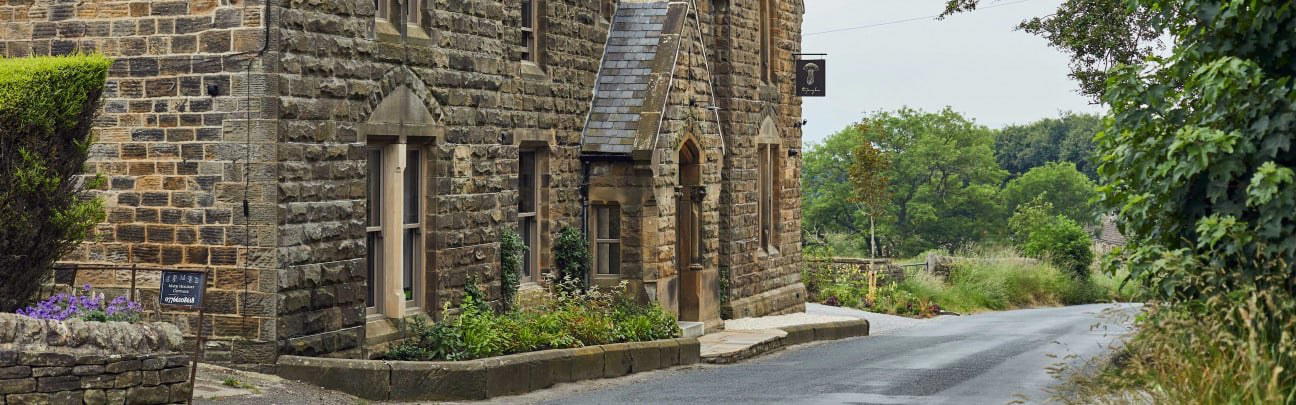
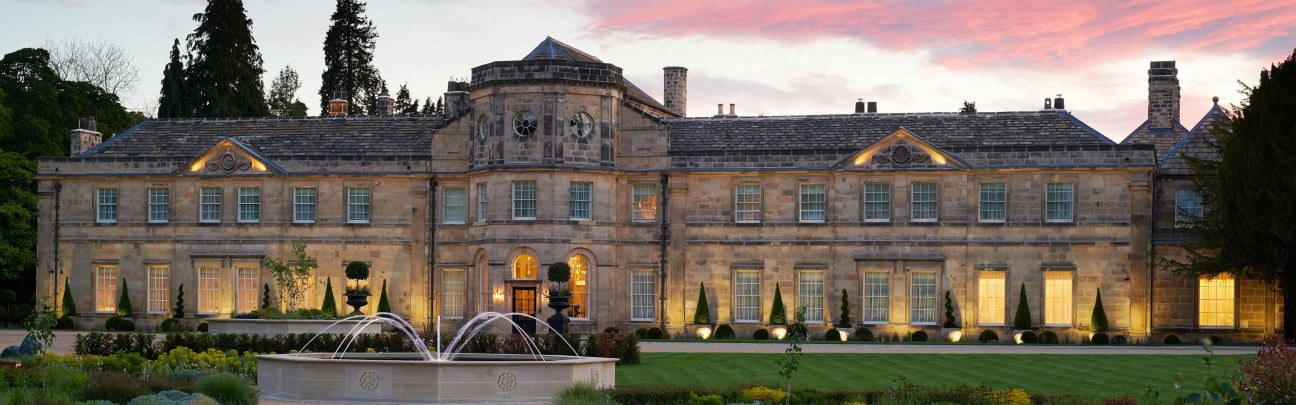
Rudding Park occupies a landscaped estate on the southern fringe of Harrogate, separated from the spa town proper by a short drive through the Follifoot countryside. The approach along Rudding Lane gives the property its particular character: mature woodland, a working walled garden, and a Georgian-era house that the hotel has extended without erasing the original scale. This is the physical context that frames Horto before a diner steps inside. The kitchen garden that supplies the restaurant is visible from parts of the estate, which is not incidental. In the tier of ingredient-led hotel dining that includes L'Enclume in Cartmel and Moor Hall in Aughton, the proximity of growing to cooking is a practical and symbolic argument for the food's authority.
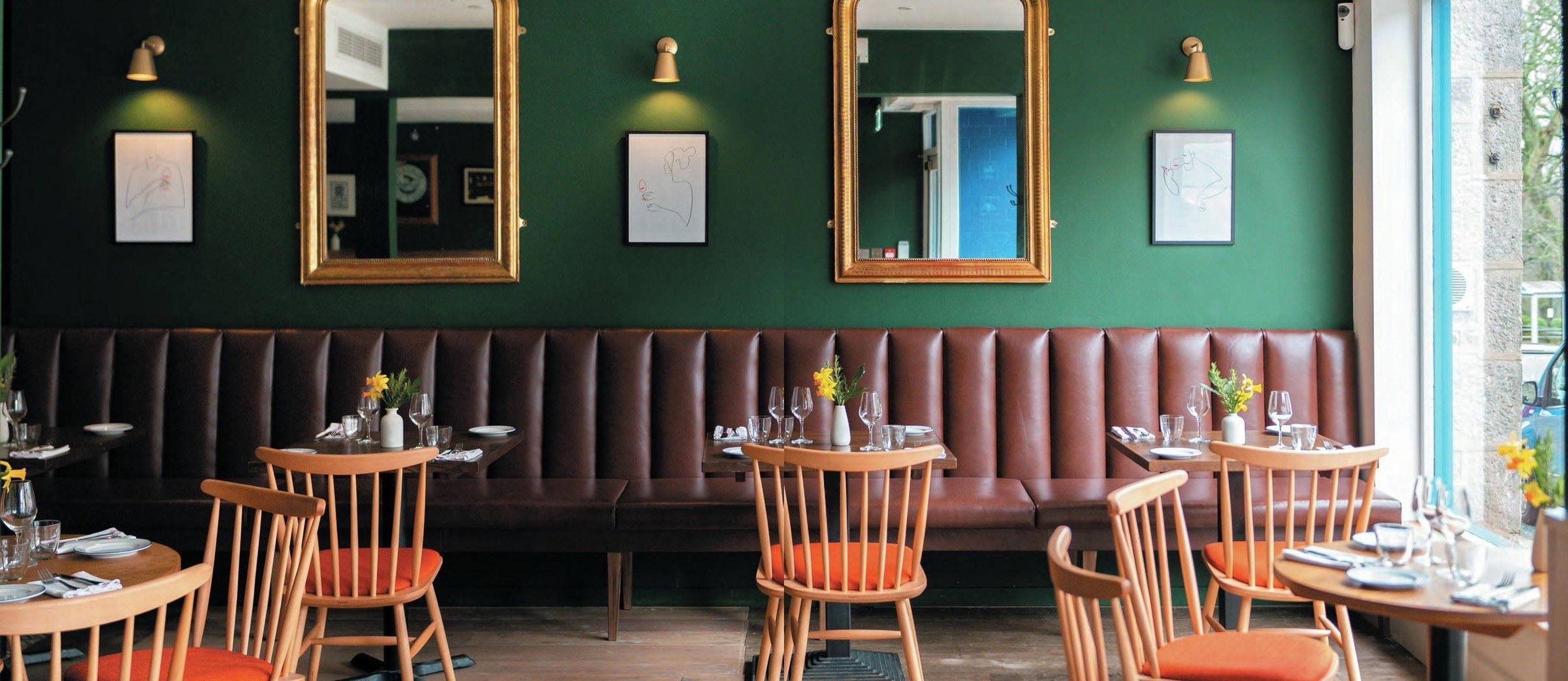
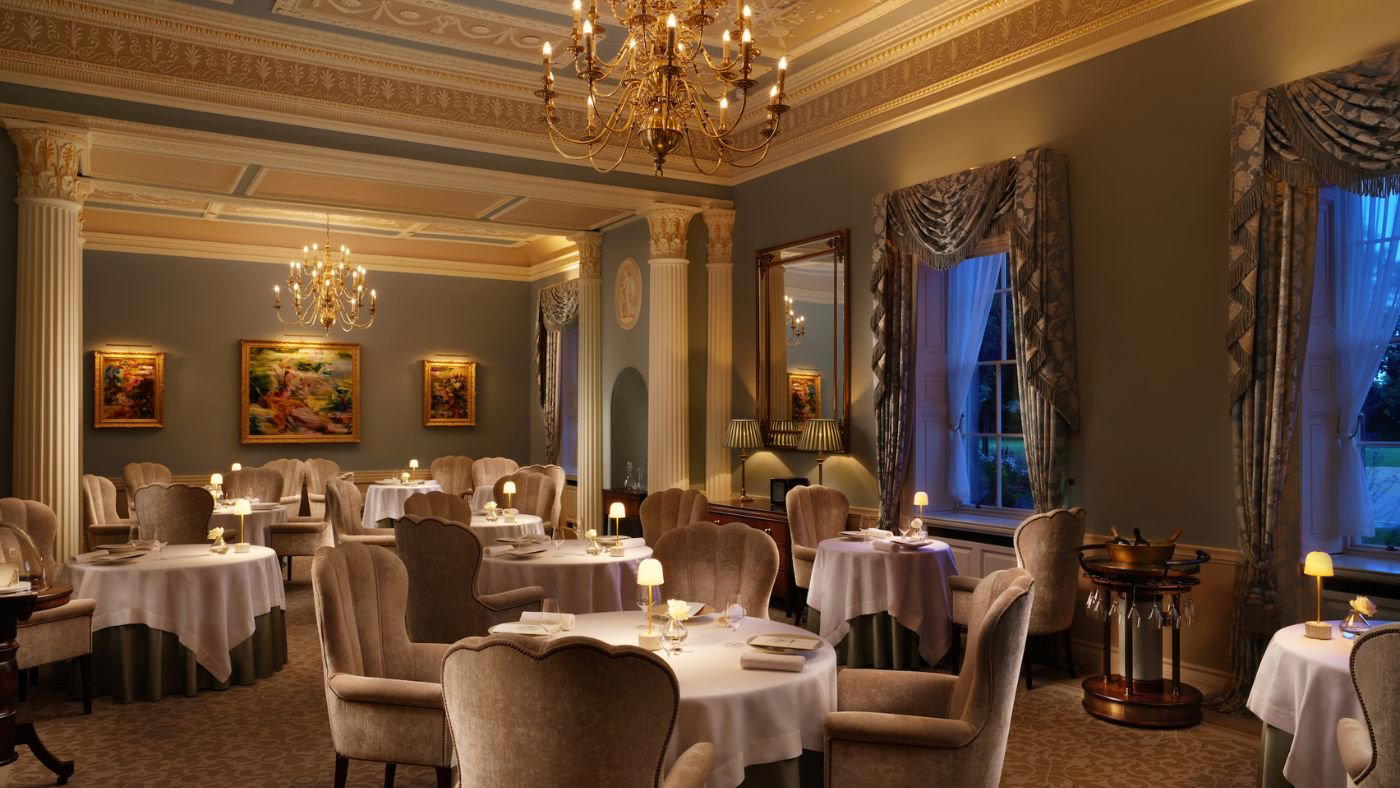
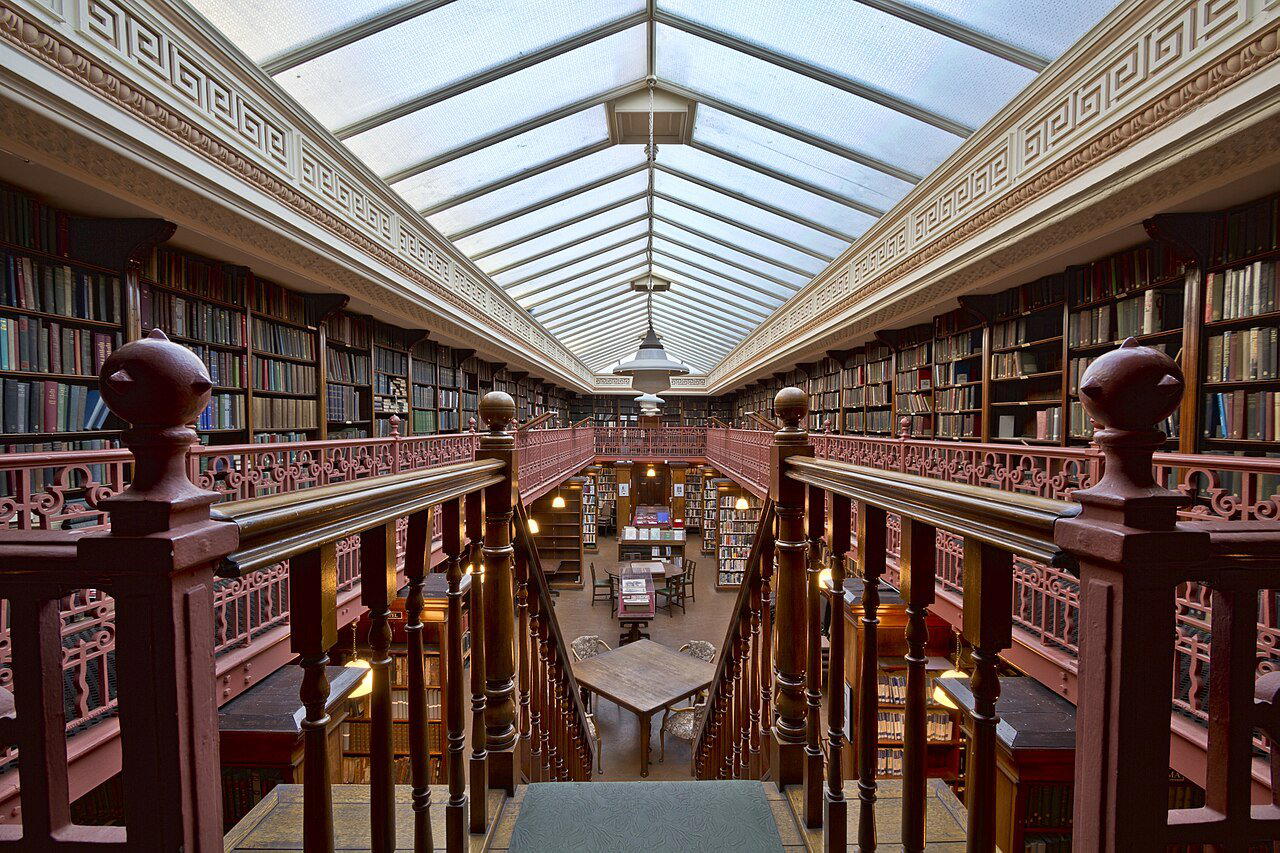
Inside, the dining room reflects a register that is quieter than the maximalist interiors common to hotel fine dining in the 1990s and 2000s. Country house restaurants in this tier have increasingly moved away from heavy draping and formal staging toward materials that echo the estate grounds: natural textures, restrained palettes, table spacing that prioritises conversation over theatre. The atmosphere at Horto reads closer to that school than to the white-tablecloth formality still maintained at some of its Michelin-starred peers.
The Sourcing Framework and What It Demands
The strongest editorial argument for any kitchen-garden restaurant is specificity: not that produce is seasonal, which is now a baseline claim across most serious dining rooms, but that the menu is structured by what is genuinely available from a named, proximate source on a given week. This is harder than it sounds. Restaurants that plant their own kitchen gardens face real constraints: yield unpredictability, seasonal gaps, and the temptation to supplement with standard supplier lines while maintaining garden-to-plate language. The leading examples in Britain, from the vegetable-forward tasting menus at Restaurant Sat Bains in Nottingham to the hyper-local produce focus at hide and fox in Saltwood, show that the discipline requires the kitchen to genuinely subordinate its menu planning to growing cycles.
Horto's kitchen garden supplies a range of herbs, vegetables, and edible flowers that vary with the North Yorkshire growing calendar. The county's climate is not the mild south-west; the season is shorter, and what can be grown reliably shifts accordingly. This geographic constraint is not a weakness in the sourcing argument. It is what gives the menu a regionally specific character that menus relying on national wholesale suppliers cannot replicate. Diners should expect the menu to change meaningfully across the year rather than cycling through a fixed set of signature dishes with seasonal garnishes swapped in.
Where Horto Sits in the Harrogate and North Yorkshire Dining Picture
Harrogate's fine dining offer is smaller than its spa-hotel reputation might suggest. Within the town, FIFTY TWO and Paradise Café represent the serious independent end of the market, with seasonal and modern cuisine formats. Horto operates in a different register: the estate hotel dining room, where the full experience runs from accommodation and grounds through to the meal itself. This positions it more directly against North of England country house restaurants than against Harrogate's independent market.
Regionally, the comparison set includes some of Britain's most decorated dining rooms. L'Enclume in the Lake District and Moor Hall in Lancashire both hold Michelin stars and operate kitchen garden programmes at a level that has become a benchmark for the northern England category. For diners travelling from outside the region, this distinction matters for expectation-setting: the ingredient sourcing ambition is comparable, but the formality, menu complexity, and price point should be calibrated accordingly.
Nationally, the country house dining form has some of its richest expressions at Gidleigh Park in Chagford and Restaurant Andrew Fairlie in Auchterarder, both of which demonstrate how the hotel-restaurant relationship can function at its most serious. The Glenturret Lalique in Crieff shows a more design-led version of the same pairing. Horto's version is grounded in the garden rather than in luxury-material curation or formal French technique.
For readers interested in how ingredient-led fine dining operates at the urban end of the spectrum, the comparison extends to city rooms such as CORE by Clare Smyth in London, Midsummer House in Cambridge, and Opheem in Birmingham. Internationally, the kitchen-garden discipline practised at Horto belongs to the same tradition that informs produce-obsessed restaurants such as Atomix in New York City, where provenance shapes every element of service, and contrasts with the classical seafood sourcing rigour of Le Bernardin. The Hand and Flowers in Marlow offers a useful domestic reference point for how a destination dining room can build reputation outside London without the country house hotel framework.
Planning Your Visit
Horto is located at Rudding Park Hotel on Rudding Lane in Follifoot, approximately three miles south of Harrogate town centre. The estate setting means the restaurant is not walkable from central Harrogate; a taxi or car is practical. Given that Rudding Park operates as a full hotel and spa, many diners combine the restaurant with an overnight stay, which changes the pace of the meal considerably. Weekend sittings book ahead more reliably than midweek, and the seasonal menu structure means that diners returning across different quarters of the year will find meaningfully different cooking. Direct booking through the hotel is the standard route. See our full Harrogate restaurants guide for broader context on the town's dining offer.
Frequently asked questions
Is Horto child-friendly?
Horto operates within the Rudding Park Hotel in Follifoot, a country house estate with grounds that suit families travelling with older children. The fine dining format, however, is calibrated toward a slower, course-by-course pace that younger children may find difficult to sustain. Families with infants or toddlers would be better directed toward the hotel's more informal dining options before considering the main restaurant.
What should I expect atmosphere-wise at Horto?
The setting is a country house hotel on a landscaped estate approximately three miles south of Harrogate town centre, which means the atmosphere reads quieter and more enclosed than a city-centre restaurant. Expect a formal dining room register rather than a buzzy neighbourhood feel — this is an occasion-led environment where pace and service structure matter as much as the food. The estate location also means guests typically arrive by car, which reinforces the sense of destination rather than drop-in dining.
How far is Horto from Harrogate town centre, and is it worth travelling out to?
Horto sits at Rudding Park Hotel on Rudding Lane in Follifoot, roughly three miles south of Harrogate town centre — a short drive rather than a walkable distance from the spa town's main streets. Within Harrogate itself, FIFTY TWO and Paradise Café cover the serious fine dining ground, so Horto fills a distinct position: estate dining with a kitchen-garden sourcing framework that neither town-centre alternative replicates. For visitors already staying at Rudding Park, the restaurant is the natural choice; for those based in Harrogate proper, the drive is a deliberate commitment to a different kind of meal.
What should I order at Horto?
Horto's editorial identity is built around its on-site kitchen garden at Rudding Park, so the strongest case for any specific dish follows what the estate is currently producing by season. Rather than arriving with a fixed order in mind, the kitchen-garden framework rewards guests who follow the kitchen's lead on vegetable and herb-forward courses. Checking directly with the restaurant ahead of your visit will give you the clearest picture of what the garden is driving on your date.
Where exactly is Horto?
Horto is located at Rudding Park Hotel, Follifoot, North Yorkshire, Rudding Ln, Harrogate HG3 1JH, United Kingdom, Harrogate.
Comparison Snapshot
| Venue | Cuisine | Price | Awards | Notes |
|---|---|---|---|---|
| HortoThis venue — the venue you are viewing | British-Mediterranean with Seasonal Garden Produce | $50–100 | Not listed | Not listed |
| CORE by Clare Smyth | Modern British Fine Dining | $150–200 | 3 Michelin Stars · World's 50 Best #97 | Modern British |
| Restaurant Gordon Ramsay | French Fine Dining | $200–300 | 3 Michelin Stars · World's 50 Best #13 | Contemporary European, French |
| Sketch, The Lecture Room and Library | Modern French Fine Dining | $200–300 | 3 Michelin Stars · World's 50 Best #18 | Modern French |
| The Ledbury | Modern British Fine Dining | $300–500 | 3 Michelin Stars · World's 50 Best #42 | Modern European, Modern Cuisine |
| Dinner by Heston Blumenthal | Historic British Fine Dining | $200–300 | 2 Michelin Stars · World's 50 Best #45 | Modern British, Traditional British |
Continue exploring
More in Harrogate
Restaurants in Harrogate
Browse all →
Bars in Harrogate
Browse all →
Details
- Cozy
- Modern
- Date Night
- Special Occasion
- Open Kitchen
- Terrace
- Craft Cocktails
- Farm To Table
- Local Sourcing
- Garden
- Street Scene
- A La Carte
- Tasting Menu
- Small Plates
- Vegetarian Friendly
- Vegan Options
- Gluten Free Options
Abundant natural daylight by day with terrace views; lights dim by night for an intimate dinner setting.