Hoppers



Michelin Bib Gourmand · The Good Food Guide GFG Good
Our verdict
A Michelin Bib Gourmand holder since at least 2024, Hoppers on Frith Street brings Sri Lankan and South Indian street food into a Soho setting modelled on the coconut-plantation toddy shops of Sri Lanka. The Sethi family operation, behind Trishna and Gymkhana, keeps prices at ££ while delivering cooking that has earned a loyal following over nearly a decade. The bowl-shaped fermented rice and coconut pancakes that name the restaurant are the entry point; the depth of the menu keeps people returning.

Pearl is the En Primeur Club membership app, where members save venues, book tables and use the concierge.
The menu
What to order
- Egg Hopper
- Lamb Kothu Roti
- Devilled Paneer
- Bone Marrow Varuval
- Chicken Biryani
What Soho's Most Loyal Tables Actually Order
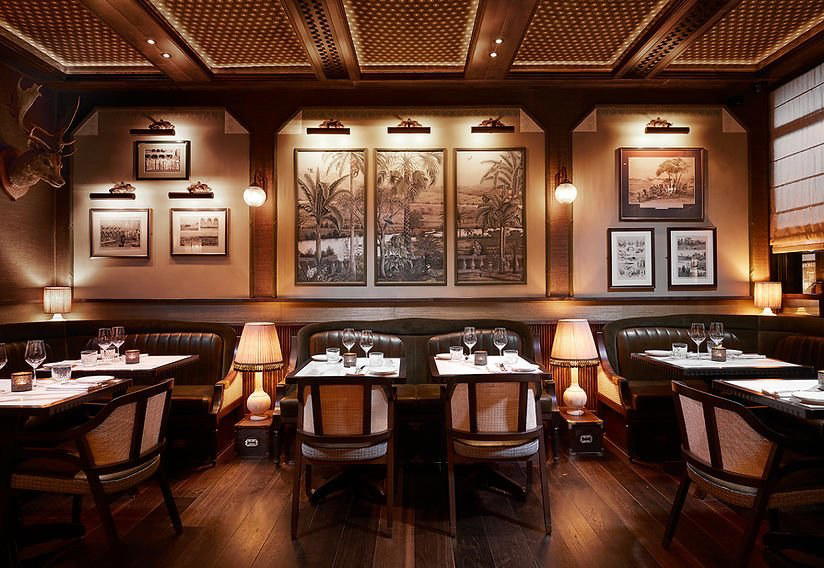
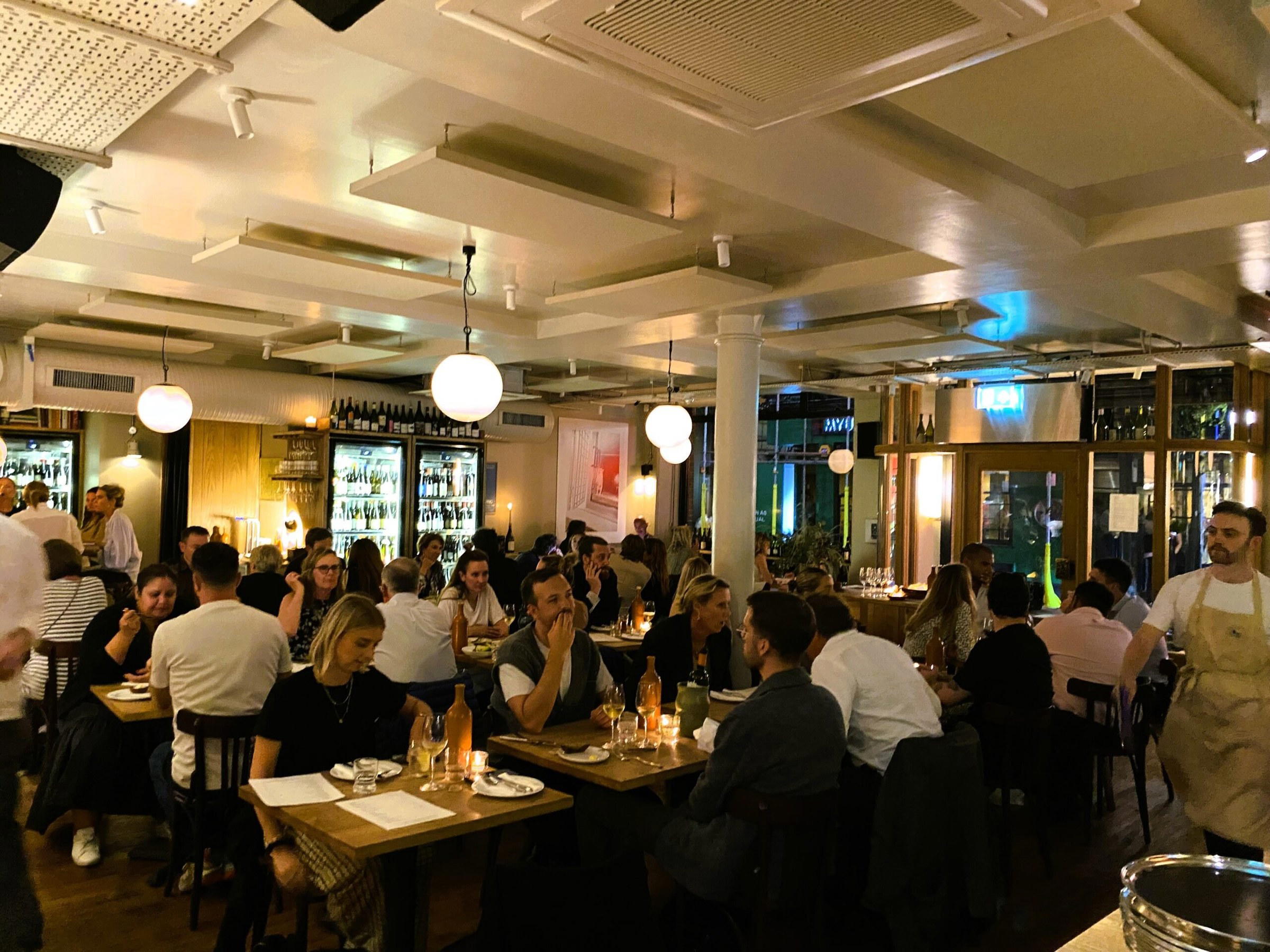
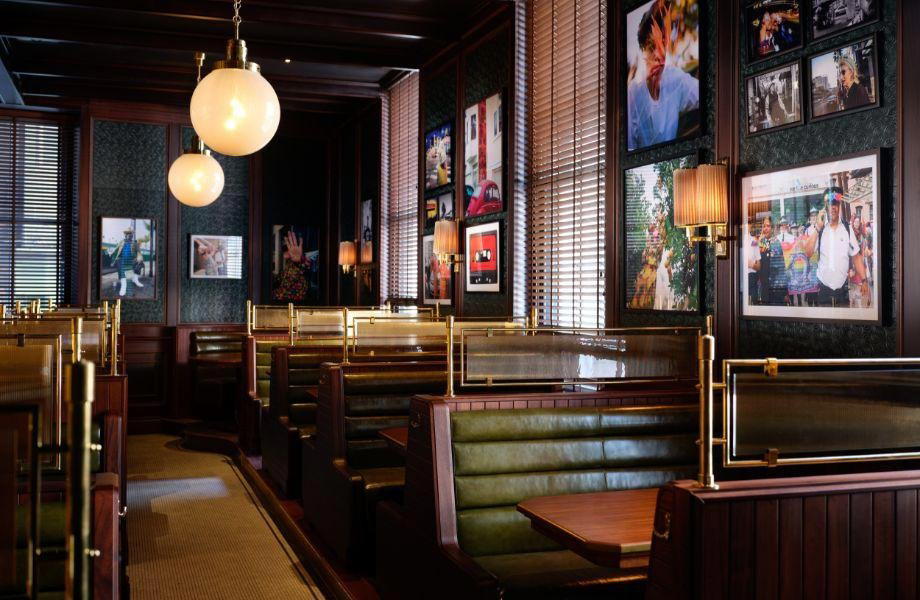
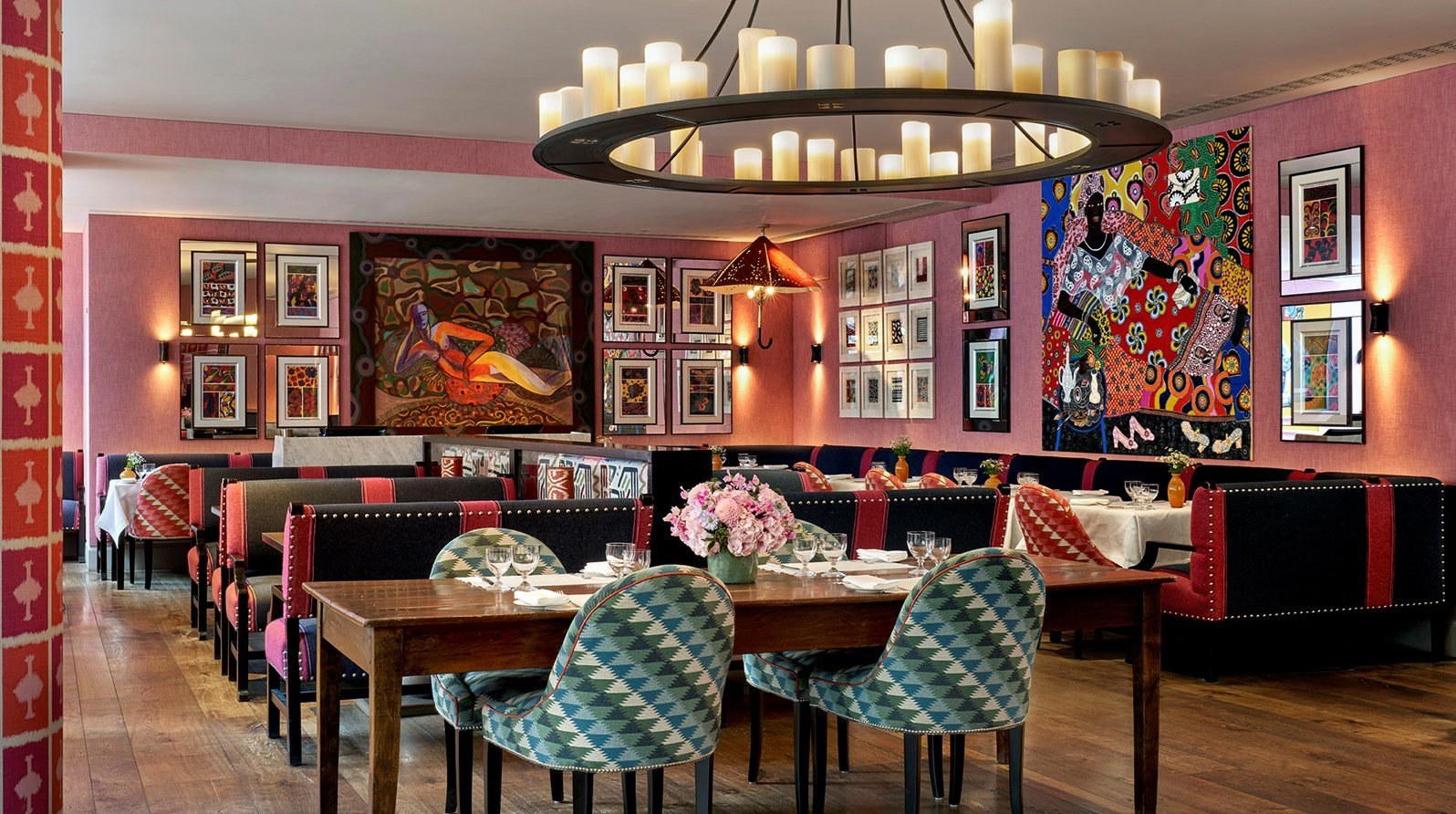
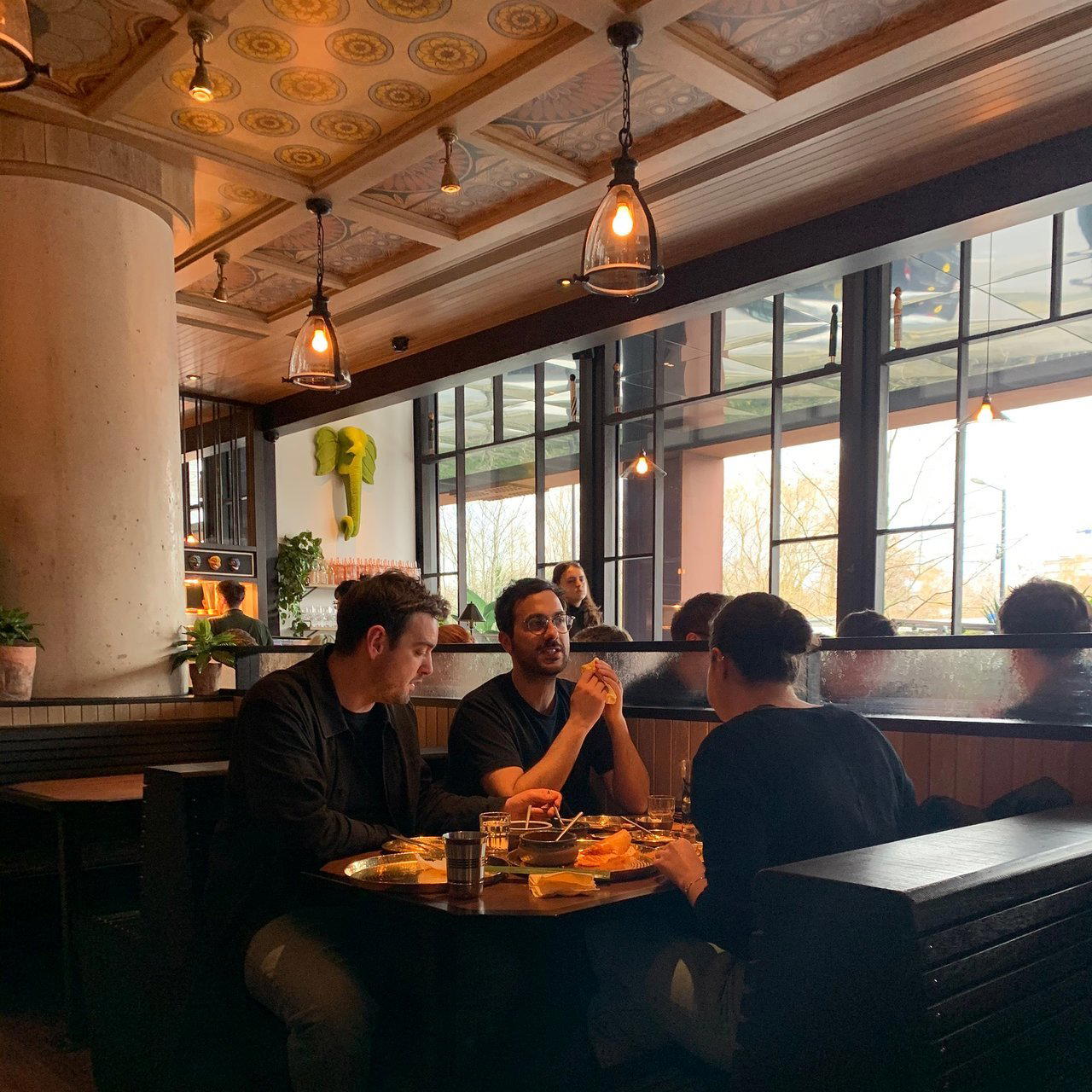
Walk down Frith Street on any given weekday evening and the queue outside number 49 tells you something useful about how London's mid-market dining has evolved since 2015. Hoppers occupies a room deliberately modelled on the shack-like toddy shops found on Sri Lanka's coconut plantations: terracotta-tiled floors laid in geometric pattern, a rattan ceiling, and Sri Lankan poster art on the walls. The effect is close and characterful without tipping into theme-restaurant territory, which is a harder balance to strike than it sounds.
Soho has always rewarded restaurants that commit to a specific culinary identity rather than hedging toward a broadly European comfort zone. The neighbourhood's regulars, who eat out frequently and compare notes, tend to gravitate toward places that have a point of view and hold it. Hoppers has held its point of view for close to a decade, earning Michelin Bib Gourmand recognition in both 2024 and 2025, the guide's signal for cooking that delivers quality above its price tier. At ££, that positioning sits a long way below the Soho and West End fine-dining bracket occupied by places like Sketch, The Lecture Room and Library or CORE by Clare Smyth, and that gap in price-to-quality ratio is precisely what sustains a repeat-visit culture.
The Menu That Rewards Familiarity
Sri Lankan cuisine operates on a logic that first-timers can find disorienting. The menu at Hoppers is concise, but the terminology, kothu, kari, sambols, short eats, assumes a degree of prior knowledge that not every diner arrives with. A glossary printed at the bottom of the menu helps, and the serving staff are equipped to walk newcomers through the structure. For those unfamiliar with the repertoire, the set menu is the more efficient route: it covers most sections of the kitchen's range and removes the paralysis of an unfamiliar ordering system.
The regulars, though, work from a different set of reference points. They know that the short eats, the smaller snacks and street-food-derived bites that open the menu, repay exploration across visits as the kitchen rotates its seasonal interpretations. A pheasant chilli fry, one such seasonal riff on the restaurant's established beef rib fry format, demonstrates the kitchen's method: pheasant breast in a crisp coating, fried with red onions, banana chillies, hot chillies, curry powder and curry leaves. The dish framework is consistent; what changes is the protein and its particular textural and flavour properties.
Seafood kothu draws the same returning trade. Squid and prawns stir-fried with chopped roti, cabbage and carrot in a spicy curry sauce is the kind of dish that reads simply on paper and delivers considerably more at the table, the roti absorbs the sauce in a way that shifts the texture across the course of eating. Black pork kari, comparable in structure to a Malaysian rendang, carries a darkly roasted spice base lifted by goraka, a sun-dried and smoked fruit native to Sri Lanka that introduces a sour, tangy, smoky note without direct parallel in most European diners' flavour memory. It arrives with dhal, sambols, raita and one of the bowl-shaped rice and coconut pancakes that name the restaurant.
The Hopper Itself
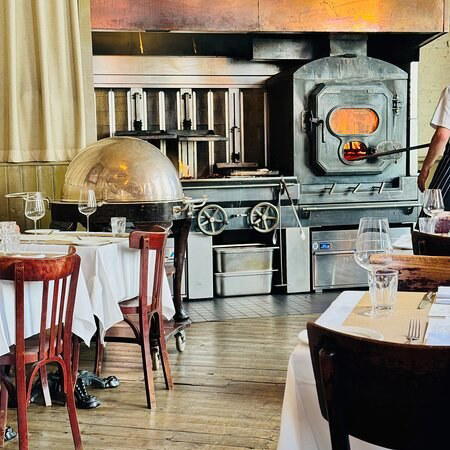
Sri Lankan hoppers, fermented rice and coconut batter cooked in a small wok to produce a thin, crisp-edged bowl with a softer, thicker base, are the restaurant's structural calling card. They function as a vehicle for kari, as a textural counterpoint to wet dishes, and as one of the cleaner illustrations of what fermentation does to a grain batter over time. The version here is the point of entry for most first-time visits and remains the reference point against which the rest of the menu is organised. Served alongside a creamy kari, the combination of crisp edge, soft centre and sauce-absorption is the dish the restaurant's name promises, and it delivers on that promise consistently across the Soho original and the two other London branches.
That the restaurant has expanded to three London locations without losing the intimacy of the original is worth noting from a format perspective. The Frith Street room reads like an independent, not a chain, a distinction that matters in a neighbourhood where dining regulars are quick to notice when a kitchen's attention has spread thin.
Drinks and the Arrack Question
The wine list runs to eight bottles, which is a deliberate choice rather than an oversight. The kitchen's spice register and the sour, fermented flavours running through the menu push toward cocktails as a more natural pairing framework. Several of the cocktails are built around Ceylon Arrack, a Sri Lankan spirit distilled from coconut flower sap, which shares enough aromatic territory with the food to work as a through-line across a meal rather than a contrast to it. The restaurant also pours its own branded beers. For wine drinkers, an affordable carafe of Rhône rosé has been noted as a reliable complement, the region's herbal, mineral character sits comfortably against curry-forward cooking without competing for attention.
The Sethi Context
Hoppers sits within the Sethi family's London portfolio alongside Trishna, which focuses on coastal Indian cooking, and Gymkhana, which holds a Michelin star and operates at a significantly higher price point. The three restaurants address different registers of Indian subcontinent cuisine and different budget brackets. Understanding that architecture explains why Hoppers is positioned as it is: the Bib Gourmand tier, the abbreviated wine list, the street-food-derived menu. For comparison, Restaurant Gordon Ramsay, The Ledbury, and Dinner by Heston Blumenthal occupy the ££££ bracket where Hoppers has no interest in competing.
London's broader dining map, which you can survey across our full London restaurants guide, hotels guide, bars guide, wineries guide, and experiences guide, includes cooking at every price tier, from the UK's destination restaurants like The Fat Duck in Bray, L'Enclume in Cartmel, Moor Hall in Aughton, Gidleigh Park in Chagford, Hand and Flowers in Marlow, and Le Manoir aux Quat' Saisons in Great Milton to internationally comparable rooms like Le Bernardin in New York and Atomix in New York. Hoppers sits at the opposite end of the formality scale from all of them, which is most of its appeal.
Planning Your Visit
Hoppers on Frith Street is open Monday evenings, Tuesday through Thursday for lunch and dinner, Friday through Saturday from midday with extended evening service to 10:45 pm, and Sunday from midday to 9 pm. The ££ price positioning makes it accessible for spontaneous visits, though the restaurant's established following means walk-in availability varies. The Soho location, 49 Frith Street, W1D 4SG, places it within a short walk of Tottenham Court Road and Leicester Square stations.
Quick reference: Hoppers, 49 Frith St, London W1D 4SG. ££. Michelin Bib Gourmand 2024 and 2025. Sri Lankan and South Indian cuisine. Open Tuesday–Sunday (closed Monday lunch).
What's the signature dish at Hoppers?
The bowl-shaped hopper, a fermented rice and coconut pancake cooked to a crisp edge with a softer centre, is the dish the restaurant is named for and built around. Served with a creamy kari, it represents the clearest expression of the kitchen's Sri Lankan street-food reference points and remains the most-ordered item across first-time and returning visits alike. The black pork kari, distinguished by goraka's smoky-sour note, draws comparable loyalty from the regulars who have worked through the broader menu.
Frequently asked questions
What should I expect cuisine-wise at Hoppers?
What days is Hoppers closed?
Hours at Hoppers: Hours: Monday 5:30–10 pm Tuesday 12–3 pm, 5:30–10 pm Wednesday 12–3 pm, 5:30–10 pm Thursday 12–3 pm, 5:30–10 pm Friday 12–3 pm, 5–10:45 pm Saturday 12–10:45 pm Sunday 12–9 pm.
What kind of recognition has Hoppers received?
Hoppers has received recognition including: Street food inspired by Tamil Nadu and Sri Lanka features at this fun little spot from the Sethi family, who also own Trishna and Gymkhana. The 'hoppers' – bowl-shaped pancakes made from fermented rice and coconut – are ideal with a creamy ….
What's the signature dish at Hoppers?
The hopper itself: a fermented rice and coconut batter pancake cooked in a small wok to produce a crisp, lacy edge with a softer, thicker base at the centre. It is the dish the restaurant is named for and the natural anchor for the black pork kari, which arrives with dhal, sambols, and raita. Hoppers has held the Michelin Bib Gourmand in both 2024 and 2025, recognition that reflects value as much as kitchen craft at this price point.
What price level is Hoppers?
Pricing at Hoppers is listed as ££.
Where do I go for Hoppers?
Hoppers is located at 49 Frith St, London W1D 4SG, United Kingdom, London.
Who is the chef connected to Hoppers?
The chef associated with Hoppers is Karam Sethi.
Compact Comparison
A quick peer reference to anchor this venue in its category.
| Venue | Cuisine | Price | Awards | Notes |
|---|---|---|---|---|
| HoppersThis venue (the venue you are viewing) | Sri Lankan & South Indian Street Food | $30–50 | Michelin Bib Gourmand · The Good Food Guide GFG Good | Not listed |
| The Ledbury | Modern British Fine Dining | $300–500 | 3 Michelin Stars · World's 50 Best #42 | Modern European, Modern Cuisine |
| Sketch, The Lecture Room and Library | Modern French Fine Dining | $200–300 | 3 Michelin Stars · World's 50 Best #18 | Modern French |
| CORE by Clare Smyth | Modern British Fine Dining | $150–200 | 3 Michelin Stars · World's 50 Best #97 | Modern British |
| Restaurant Gordon Ramsay | French Fine Dining | $200–300 | 3 Michelin Stars · World's 50 Best #13 | Contemporary European, French |
| Dinner by Heston Blumenthal | Historic British Fine Dining | $200–300 | 2 Michelin Stars · World's 50 Best #45 | Modern British, Traditional British |
Recognition history
Dated appearances from independent guides and award organizations, with the underlying list record or original source where available.
Michelin Bib Gourmand
Michelin
Opinionated About Dining Casual in Europe Recommended
Opinionated About Dining
The Good Food Guide GFG Good
The Good Food Guide
Full recognition history (5 entries)
Michelin Bib Gourmand
Michelin
Michelin Bib Gourmand
Michelin