Hongdae Korean Restaurant 홍대 밥상
Our verdict
Hongdae Korean Restaurant on Yonge Street sits within Richmond Hill's growing corridor of Korean dining, where the sourcing traditions of the Korean peninsula translate into a suburban Canadian setting. For those tracking the northward spread of GTA Korean food culture beyond the Koreatown axis, this Yonge Street address offers a reference point worth considering alongside the neighbourhood's wider dining options.

Pearl is the En Primeur Club membership app — saves, bookings, and concierge access live there. Same editors, same standards.
- Address
- 9184 Yonge St, Richmond Hill, ON L4C 7A1, Canada
- Phone
- (905) 881-5959
- Hours
- Daily 11:30 AM–11 PM
- Website
- hongdaekoreanrestaurant.ca
- Directions
- Get directions
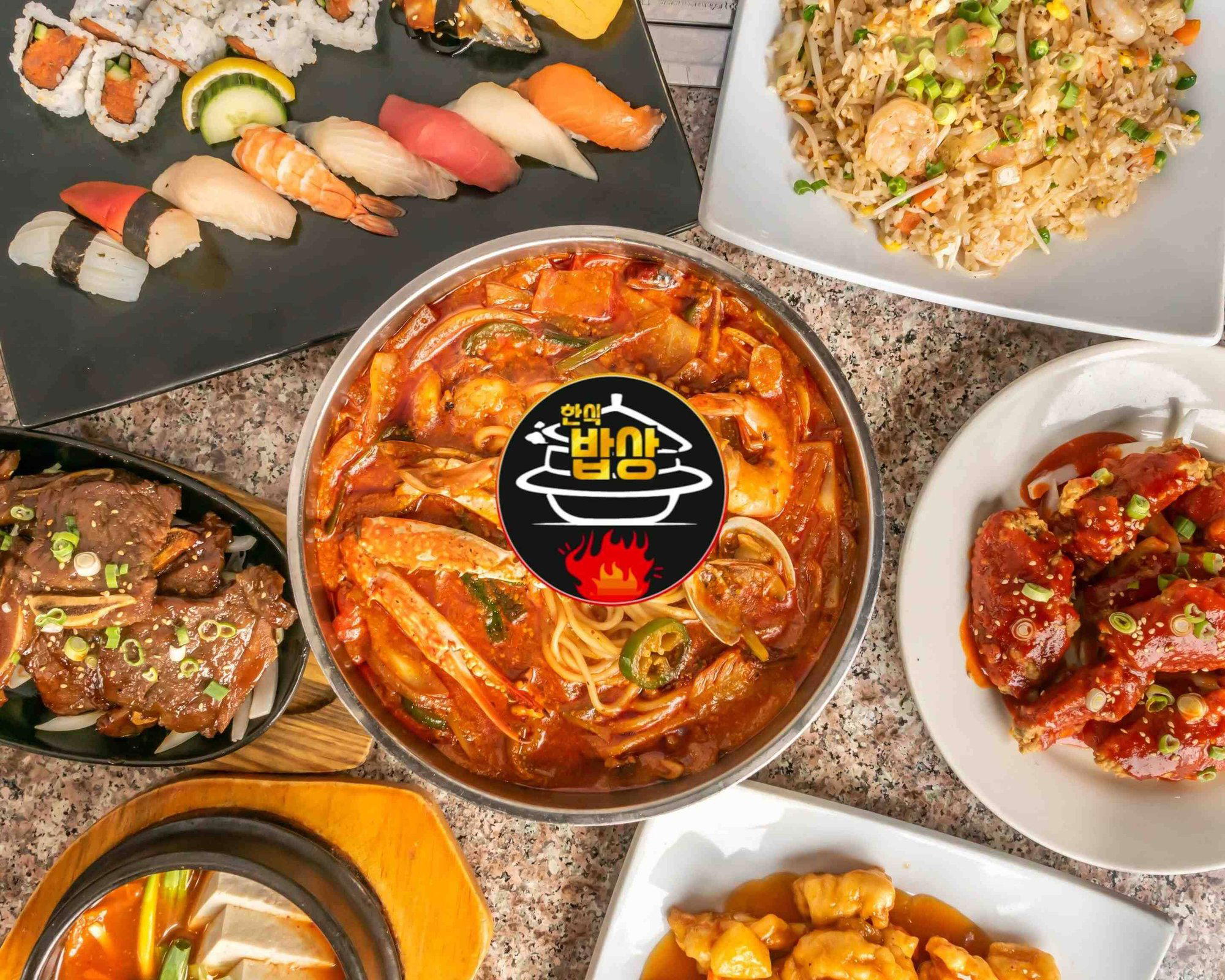
The menu
What to order
- Pork Bone Hot Pot
- Spicy Seafood Noodle Soup (Jjamppong)
- Army Stew (Budae Jjigae)
- Beef Bulgogi
Korean Sourcing Traditions on Yonge Street
Richmond Hill's stretch of Yonge Street has, over the past decade, absorbed a significant share of the GTA's northward-expanding Korean dining culture. What began as a concentration of Korean-owned grocers and bakeries has layered into a more complete food corridor, with restaurants drawing on the same ingredient supply chains that feed Toronto's established Koreatown nodes further south. Hongdae Korean Restaurant, at 9184 Yonge St, sits inside that pattern: a neighbourhood address that connects local diners to a food tradition where the sourcing of raw materials, whether fermented, fresh, or aged, carries as much weight as technique.
Korean cuisine is structurally dependent on fermentation as a sourcing strategy. Gochugaru chilli, doenjang soybean paste, and ganjang soy are not finishing flavours applied at the end of cooking; they are the scaffolding around which dishes are built, and their quality is determined months or years before a meal is served. Restaurants operating within this tradition in Canadian cities face a sourcing question that their Seoul counterparts do not: whether to import fermented staples from Korea, source from the growing number of Canadian Korean fermenters, or maintain in-house fermentation programs. The answer a kitchen chooses shapes the flavour register of everything it serves. This is the context in which any Korean restaurant on the Richmond Hill corridor should be read.
The Richmond Hill Korean Dining Context
Richmond Hill's Korean dining scene does not operate in isolation. The GTA region supports one of the largest Korean communities outside of Korea, and that population density has created supply infrastructure that reaches the suburbs. Korean grocery chains with direct import relationships operate within accessible distance of the Yonge corridor, making ingredient access meaningfully different here than in cities with smaller Korean communities. A restaurant at this address can, in principle, access the same fermented paste suppliers, the same dried anchovy stocks for broth, and the same quality of short-rib cuts as a well-resourced Toronto operator.
That infrastructure matters because Korean cooking at its most serious is ingredient-forward in a way that masks labour. A well-made doenjang jjigae does not announce its complexity; it simply tastes right in a way that a version made with inferior paste never quite achieves. The same principle applies across the menu categories that define Korean restaurant dining: the depth of a sundubu jjigae broth, the crust-to-interior ratio of a properly rested and griddle-pressed kimchi jeon, the marination time and fat content of galbi. These are not details visible on a plate; they are decisions made before service begins, at the sourcing and preparation stage.
For diners making a decision about where to spend time on the Yonge corridor, the Richmond Hill options span several dining registers. Adrak Richmond Hill brings an Indian subcontinental perspective to the same street, while Crave Restaurant and Vivo Pizza + Pasta represent the North American-Italian casual tier. Swiss Chalet and Substreet Sandwiches - Subs & Dogs anchor the fast-casual end. Korean dining on the corridor occupies a different register: cuisine that rewards familiarity with its logic, where knowing what to order matters more than menu length. See our full Richmond Hill restaurants guide for broader neighbourhood coverage.
How Korean Restaurant Quality Signals Work
Unlike the European fine dining tier, where awards from bodies like Michelin or Canada's 100 Best provide external calibration, Korean restaurants in suburban Canadian settings are rarely assessed by those frameworks. Quality signals here are community-driven: word of mouth within the Korean diaspora, repeat business patterns, and the observable indicators of kitchen discipline such as the freshness of banchan side dishes, the consistency of broth across service times, and whether house-made kimchi is offered alongside commercial alternatives.
The banchan question is worth examining. In traditional Korean dining culture, the small dishes served alongside a main, typically including kimchi variants, seasoned vegetables, dried fish, and tofu preparations, are not afterthoughts. They represent the accumulated fermentation and preparation labour of the kitchen, and their quality is a reliable indicator of overall kitchen standards. A kitchen that cuts corners on banchan typically cuts corners elsewhere. This is why experienced diners in Korean restaurants often assess the side dishes before the main course arrives.
Korean cuisine's sourcing standards also intersect with Canadian import regulations in ways that affect what any restaurant here can serve. Certain aged kimchi varieties, specific grades of dried seafood, and some regional Korean fermented products face import restrictions or availability constraints. Restaurants that work around these gaps either develop local fermentation programs or substitute with available alternatives, a compromise that produces results ranging from credible to noticeably diminished depending on the kitchen's skill and commitment.
Placing This Address in a Wider Canadian Frame
The broader Canadian dining conversation around Korean food has, in recent years, been shaped significantly by the fine dining tier. Atomix in New York City has redefined international expectations of Korean tasting-menu cuisine, while Canadian operators have looked to that model when considering how Korean ingredients and technique translate into higher-price-point formats. Closer to home, ingredient-sourcing discipline drives the reputations of benchmark Canadian restaurants in other cuisine categories: Eigensinn Farm in Singhampton built its standing on farm-to-table sourcing rigour, and Tanière³ in Quebec City has anchored its identity in hyper-local ingredient sourcing. The principle is consistent across cuisine types: sourcing decisions made at the beginning of the supply chain determine what is achievable at the table.
At the neighbourhood scale, the question for Korean restaurants on the Richmond Hill corridor is whether their sourcing and preparation standards reflect the ingredient access their location affords. The GTA Korean supply chain is genuinely capable of supporting serious kitchen work. Restaurants in Toronto's established Korean dining tier, and further afield at operations like Alo in Toronto, which sources with documented precision across cuisine categories, demonstrate what is achievable when sourcing discipline is treated as a structural commitment rather than a marketing point.
Planning a Visit
Hongdae Korean Restaurant is located at 9184 Yonge St in Richmond Hill, positioned along the main Yonge Street corridor that connects the area's dining and retail concentration. Yonge Street is accessible by GO Transit and York Region Transit, with the Richmond Hill Centre bus terminal providing connections for those arriving without a car. For diners planning a broader Richmond Hill evening, the Yonge corridor's concentration of restaurants makes it practical to confirm options across the neighbourhood before committing to a single address. Other restaurants reviewed by EP Club in the area, including Adrak Richmond Hill and Crave Restaurant, offer additional reference points for the same evening's planning.
Frequently asked questions
How do I find Hongdae Korean Restaurant íë ë°¥ì?
Hongdae Korean Restaurant íë ë°¥ì is located at î9184 Yonge St, Richmond Hill, ON L4C 7A1, Canada, Richmond Hill.
What do people recommend at Hongdae Korean Restaurant?
Korean restaurants along this stretch of Yonge Street typically anchor their menus around staple formats — rice bowls, stews, or grilled proteins — reflecting the sourcing traditions common to the GTA's Korean dining corridor. Visiting and consulting staff directly will give you the clearest picture of current offerings.
Is Hongdae Korean Restaurant íë ë°¥ì reservation-only?
Reservations are recommended for Hongdae Korean Restaurant íë ë°¥ì in Richmond Hill. Confirm current policy via the venue's official channels.
What has Hongdae Korean Restaurant íë ë°¥ì built its reputation on?
Hongdae Korean Restaurant íë ë°¥ì is best approached by focusing on the core concept and signature offerings.
A Quick Peer Check
Comparable venues nearby, for context on price, style, and recognition.
| Venue | Cuisine | Price | Notes |
|---|---|---|---|
| Hongdae Korean Restaurant 홍대 밥상This venue — the venue you are viewing | Authentic Korean Comfort Food | $20–30 | Not listed |
| Adrak Richmond Hill | Modern North Indian | $30–50 | Richmond Hill |
| Crave Restaurant | International American Comfort Dining | $20–30 | Richmond Hill |
| Swiss Chalet | Rotisserie Chicken | $20–30 | Richmond Hill |
| Substreet Sandwiches - Subs & Dogs | American Sandwiches & Hot Dogs | $10–20 | Richmond Hill |
| Vivo Pizza + Pasta | Authentic Italian Pizza & Pasta | $20–30 | Richmond Hill |
Continue exploring
More in Richmond Hill
Restaurants in Richmond Hill
Browse all →
Bars in Richmond Hill
Browse all →
Hotels in Richmond Hill
Browse all →
Wineries in Richmond Hill
Browse all →
Details
- Cozy
- Lively
- Group Dining
- Casual Hangout
- Family
- Sake Program
- A La Carte
- Soju
- Makgeolli
Current opening hours
- Monday
- 11:30 AM–11 PM
- Tuesday
- 11:30 AM–11 PM
- Wednesday
- 11:30 AM–11 PM
- Thursday
- 11:30 AM–11 PM
- Friday
- 11:30 AM–11 PM
- Saturday
- 11:30 AM–11 PM
- Sunday
- 11:30 AM–11 PM
Hours can change for holidays and private events. Last verified .
Cozy and lively with a warm, welcoming feel ideal for hearty Korean meals.