Höllriegl sits in Sarntal, a South Tyrolean valley where alpine ingredient traditions run deep and the kitchen table has always been shaped by what grows, grazes, and ferments nearby. In a region where proximity to the source is not a marketing position but an operational reality, this address represents the valley's commitment to cooking rooted in place. Sarntal's short dining scene rewards those who seek it out.
Pearl is the En Primeur Club membership app — saves, bookings, and concierge access live there. Same editors, same standards.
- Address
- Via Klara von Pölt, 9, 39058 Sarentino BZ, Italy
- Phone
- +39471623077
- Website
- hoellriegl.com
- Directions
- Get directions
 Saves & bookings on Pearl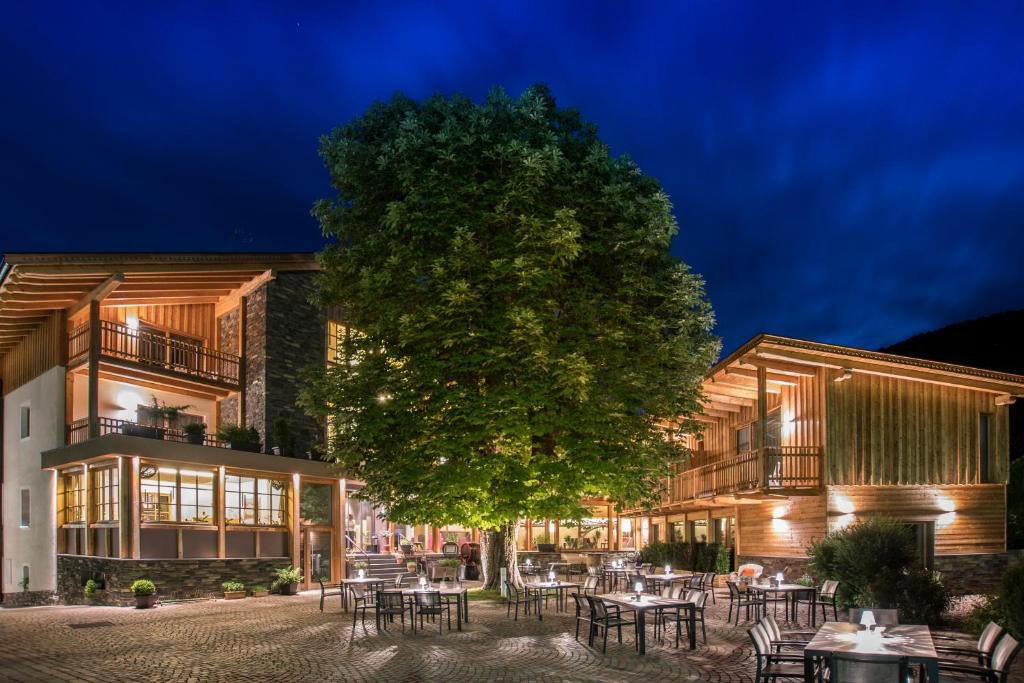
A Valley That Feeds Itself
The Sarentino valley, known in German as Sarntal, runs north from Bolzano into the Dolomite foothills, and for most of its length it remains a working agricultural corridor rather than a tourist circuit. Hayfields, apple orchards, and small dairy operations occupy the lower slopes; above the treeline, summer pasture sustains cattle that have grazed the same ridges for generations. It is the kind of geography that shapes a kitchen before a chef ever touches a knife. Höllriegl is a restaurant in Sarentino, Italy, serving Traditional Italian & South Tyrolean cuisine. Höllriegl, addressed on Via Klara von Pölt in Sarentino, belongs to this environment in a way that restaurants built around supply chains and logistics simply cannot replicate.
South Tyrol as a whole has become one of Italy's most decorated dining regions, with Michelin density that rivals Lombardy on a per-capita basis. Addresses like Atelier Moessmer Norbert Niederkofler in Brunico have made the case internationally that alpine Italian cooking deserves the same critical attention as the Adriatic fish traditions celebrated at Uliassi in Senigallia or the Emilian classicism of Dal Pescatore in Runate. Höllriegl operates in this regional context, in a valley where the sourcing logic is built into the geography rather than assembled from a preferred supplier list.
Ingredient Logic in the Alpine Kitchen
The cooking tradition of Sarntal is one where the seasons are non-negotiable. Winter closes off the upper valley; spring arrives slowly and herbs follow the snowline up the hillside week by week. This natural sequencing is not a creative constraint, it is the grammar of the local kitchen. Speck, pressed and smoked according to methods that predate modern refrigeration, functions as both a pantry staple and a flavour anchor in the colder months. Rye flour from small mill operations in the valley yields a denser, more mineral bread than the soft wheat loaves of the Italian south. Dairy from the summer Alm pastures carries a different fat profile and flavour than year-round barn milk, a distinction that serious Alpine kitchens have always known and that contemporary fine dining has only recently begun to articulate in formal terms.
This ingredient specificity connects Sarntal to a broader conversation happening across Italian alpine dining. The argument made by the leading mountain kitchens, from the Dolomites to the Piedmontese Alps, is that verticality matters as much as terroir: the altitude at which a cow grazes, the aspect of a slope where a wild herb grows, the microclimate of a cellar where a cheese ages all contribute to what ends up on the plate. At Piazza Duomo in Alba, the same logic is applied to Langhe produce; at Reale in Castel di Sangro, Abruzzo's mountain pantry is the editorial premise. In Sarntal, the pantry is narrower, harder to work with, and more honest for it.
The Setting at Höllriegl
Arriving in Sarentino from Bolzano means driving up a valley road that tightens as the walls close in, with farmsteads set back from the road and woodpiles stacked for winters that arrive early and leave late. The village sits at an elevation where the air is perceptibly thinner and the light in late afternoon takes on the quality particular to enclosed valleys, flat, clear, and cool even in summer. Höllriegl's address on Via Klara von Pölt places it within this fabric. The physical environment here is not backdrop; it is the operating context.
For a counterpoint in scale and setting, Alpenrestaurant Elisabeth and Alpes represent Sarntal's adjacent dining options, and together the three addresses give the valley a dining fabric more coherent than its size might suggest. Each operates within the same ingredient logic, but with different registers of formality and format. Our full Sarntal restaurants guide maps all three in relation to each other and to the valley's seasonal rhythms.
Where Sarntal Sits in the Wider Italian Picture
Italy's fine dining ecosystem is concentrated in a handful of reference points: the Florentine classicism of Enoteca Pinchiorri in Florence, the progressive Italian codified by Osteria Francescana in Modena and Le Calandre in Rubano, and the urban multi-starred formats represented by Enrico Bartolini in Milan. Against these urban and semi-urban reference points, the alpine valley restaurant operates on a different premise entirely: the supply chain is short not because sourcing was designed around a philosophy, but because the geography enforces it. There is no fish counter at a high-altitude Sarntal kitchen the way there is at Quattro Passi in Marina del Cantone or the seafood-led tasting menus at Le Bernardin in New York City. The mountain imposes its own menu.
This constraint is the source of the cooking's character. What alpine kitchens like those in Sarntal offer that a multi-starred urban room cannot is a legible relationship between landscape and plate. At Da Vittorio in Brusaporto or Casa Perbellini 12 Apostoli in Verona, the menu draws from a broad regional and national ingredient pool; in Sarntal, the ingredient horizon is the ridge above the village. That narrowness, for those who seek it out, is a form of clarity rarely available at larger, better-connected addresses. Internationally, this kind of constraint-led cooking is also what animates ambitious tasting menus at places like Atomix in New York City and La Pergola in Rome, though both operate with far greater resource depth than a Dolomite valley kitchen allows.
Planning a Visit
Sarentino is accessible from Bolzano by road, a drive of roughly thirty minutes into the valley. The village is a self-contained destination rather than a stop on a broader circuit, which means visits work best when anchored around the valley itself rather than treated as a day excursion from the city. Seasonal timing matters here more than at urban restaurants: the kitchen and the valley's supply structure shift meaningfully between the summer pasture months and the winter cured-meat and root-vegetable season, so the experience in July differs substantially from what you find in December.
Comparable Venues
Comparable venues nearby, for context on price, style, and recognition.
| Venue | Cuisine | Price | Notes |
|---|---|---|---|
| HöllrieglThis venue — the venue you are viewing | Traditional Italian & South Tyrolean | $$ | Not listed |
| Alpenrestaurant Elisabeth | South Tyrolean Regional | $$$ | Sarntal |
| Alpes | Modern Alpine Italian | $$$$ | Sarentino |
| Lanzenschuster | South Tyrolean Alpine Cuisine | $$ | Jenesien |
| Monzù Vladì | Creative Regional Italian | $$ | Trastevere |
| Santlhof | South Tyrolean Italian-Austrian | $$ | Cortaccia Sulla Strada Del Vino |
Continue exploring
More in Sarntal
Restaurants in Sarntal
Browse all →
Bars in Sarntal
Browse all →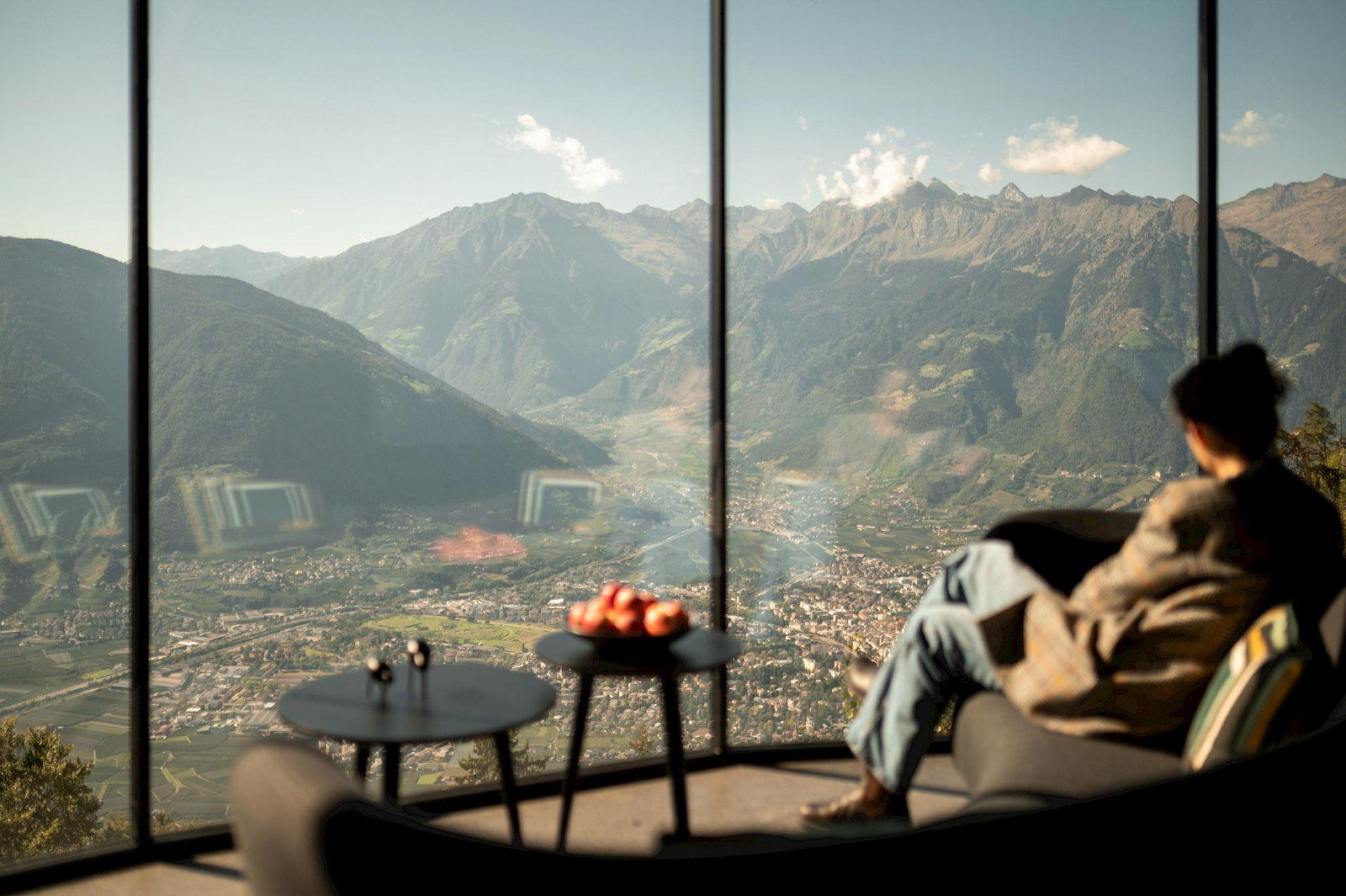
Hotels in Sarntal
Browse all →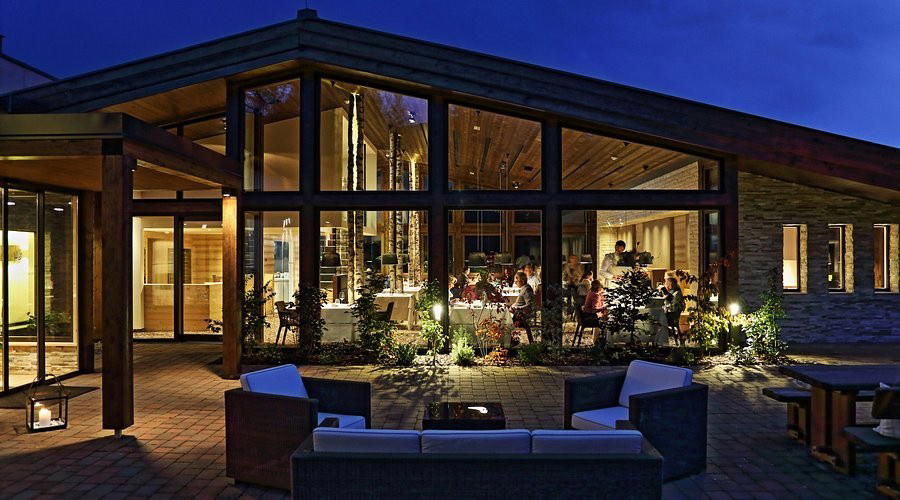
At a Glance
- Cozy
- Rustic
- Classic
- Scenic
- Family
- Casual Hangout
- Hotel Restaurant
- Terrace
- Historic Building
- Local Sourcing
- Mountain
- Street Scene
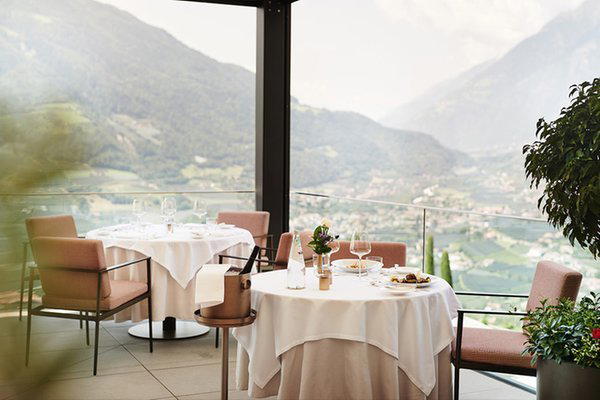
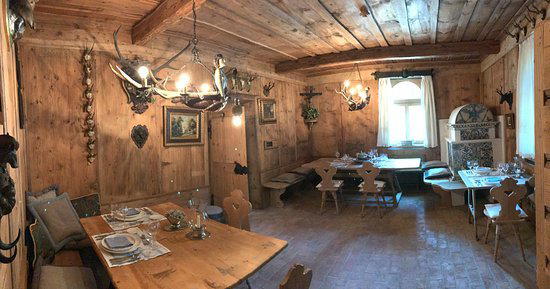
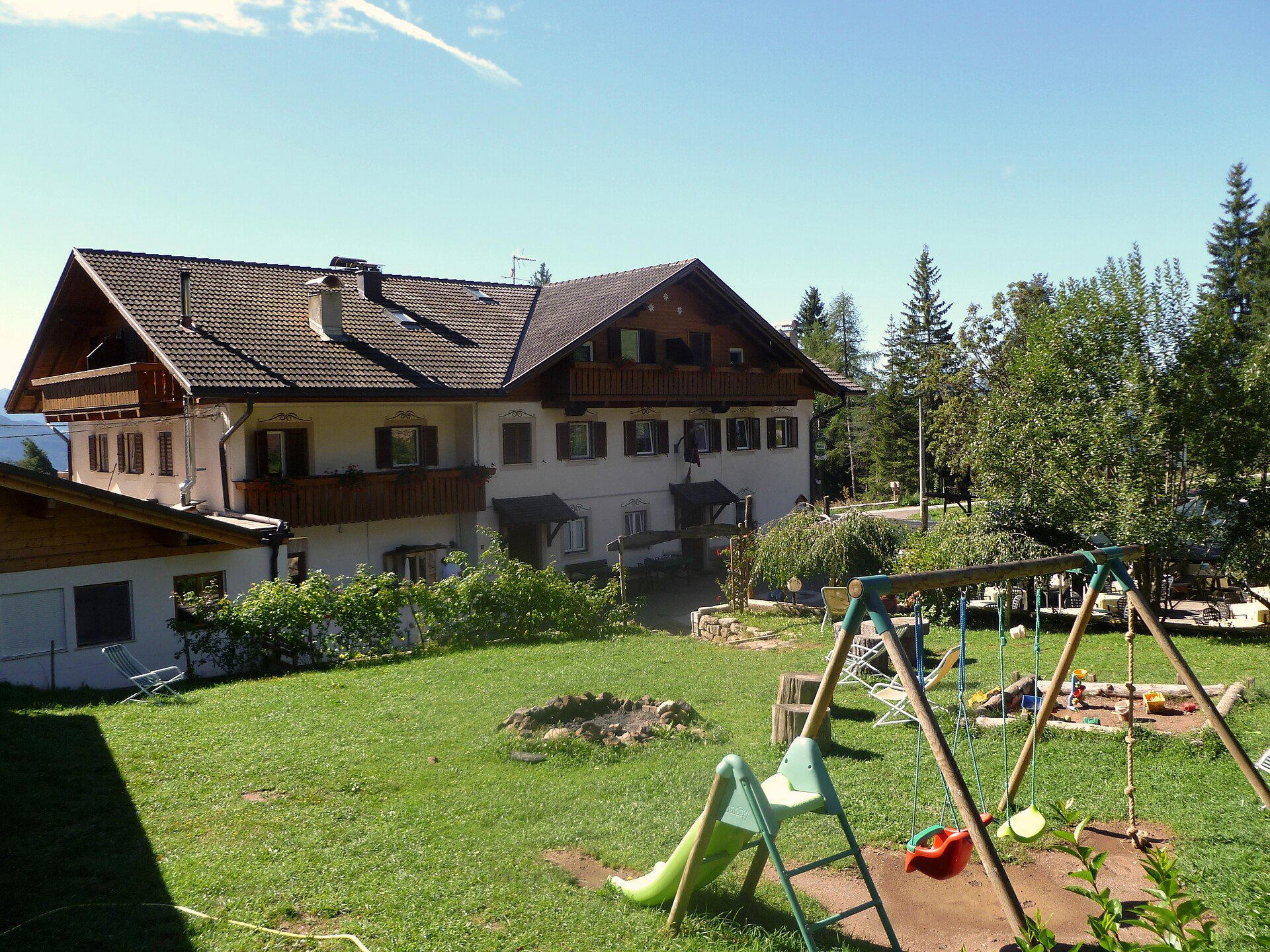
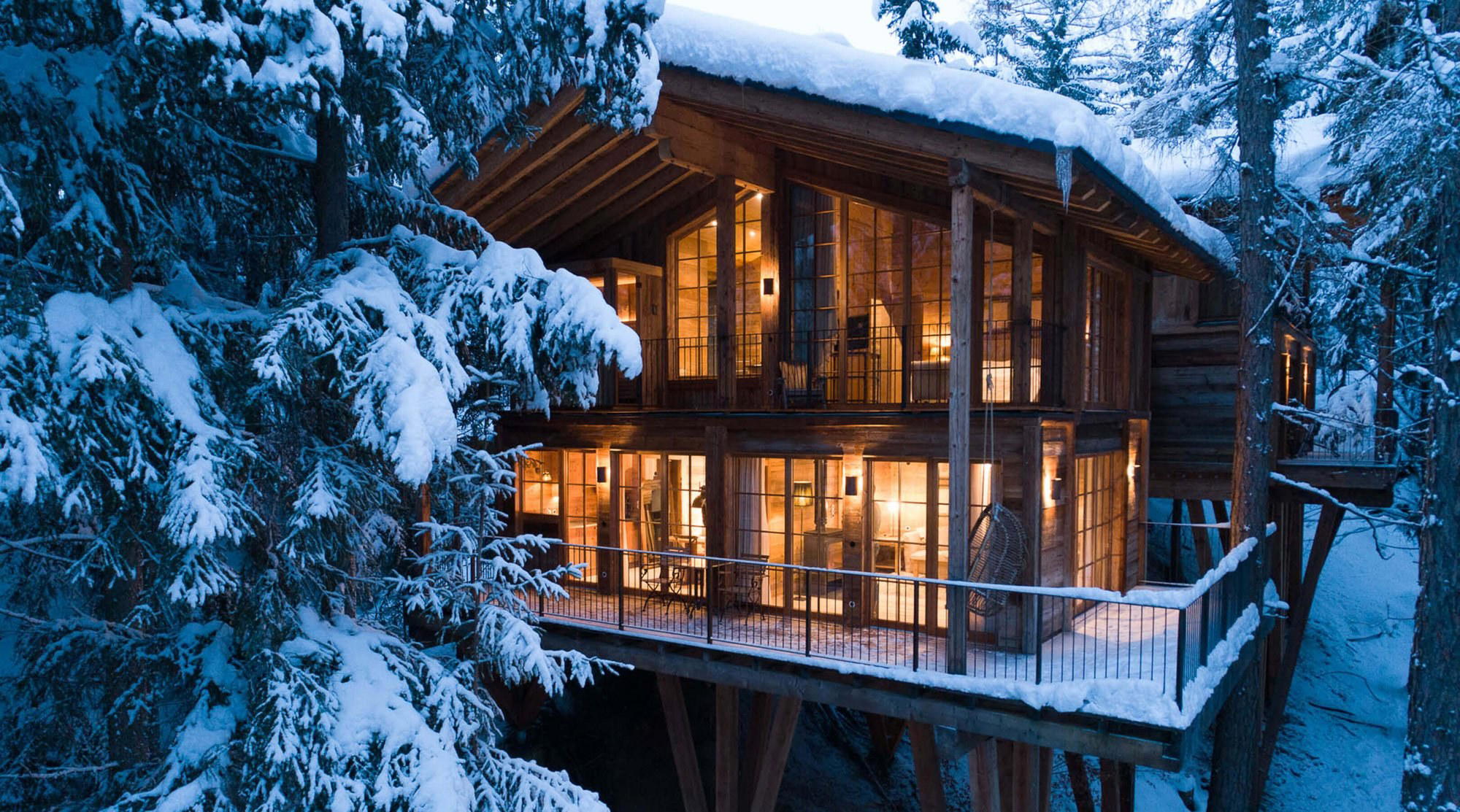
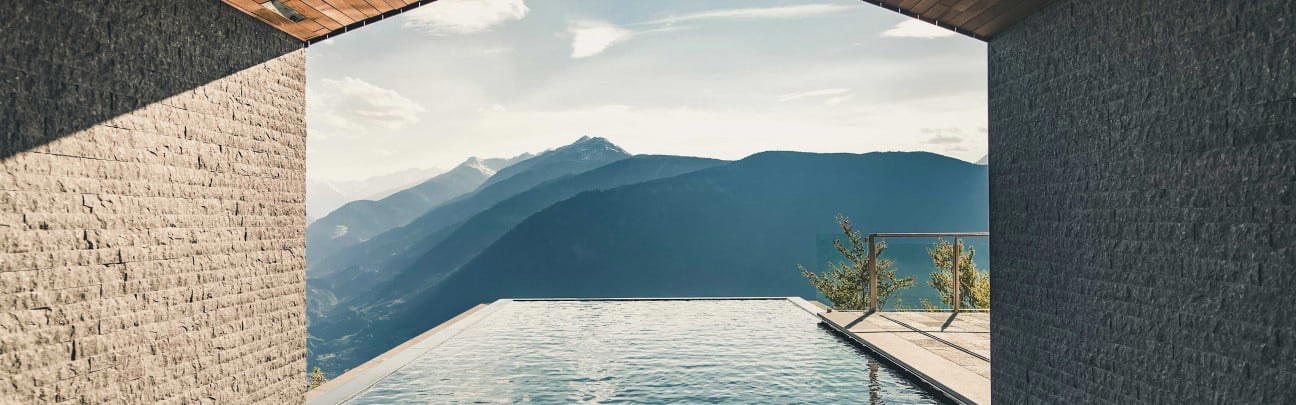
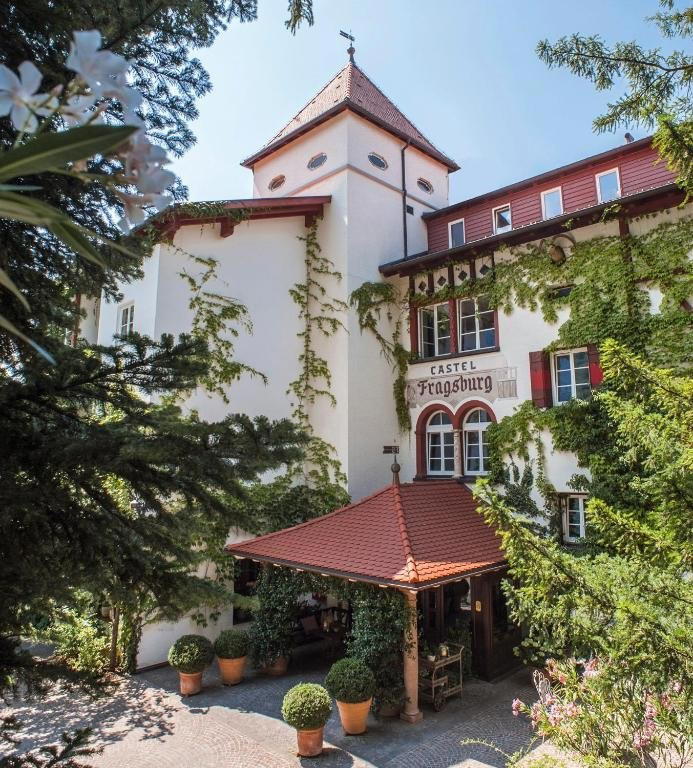
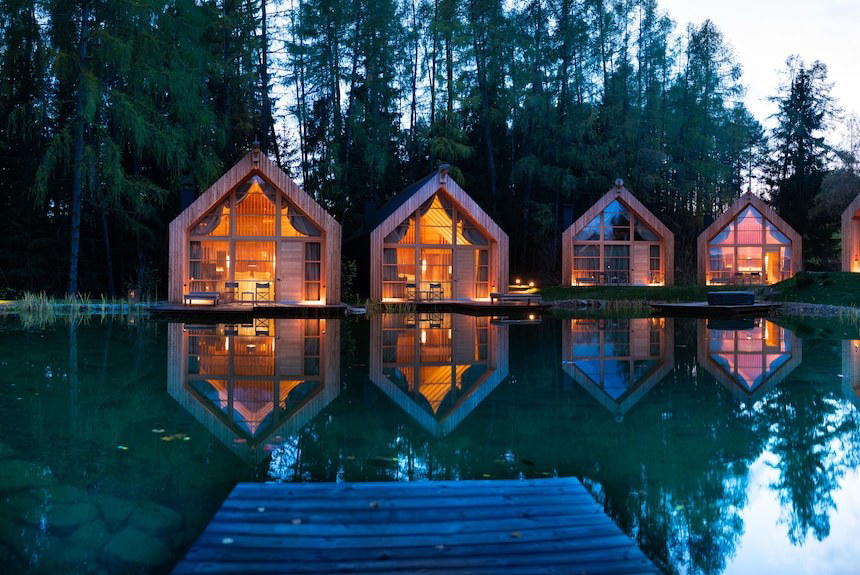
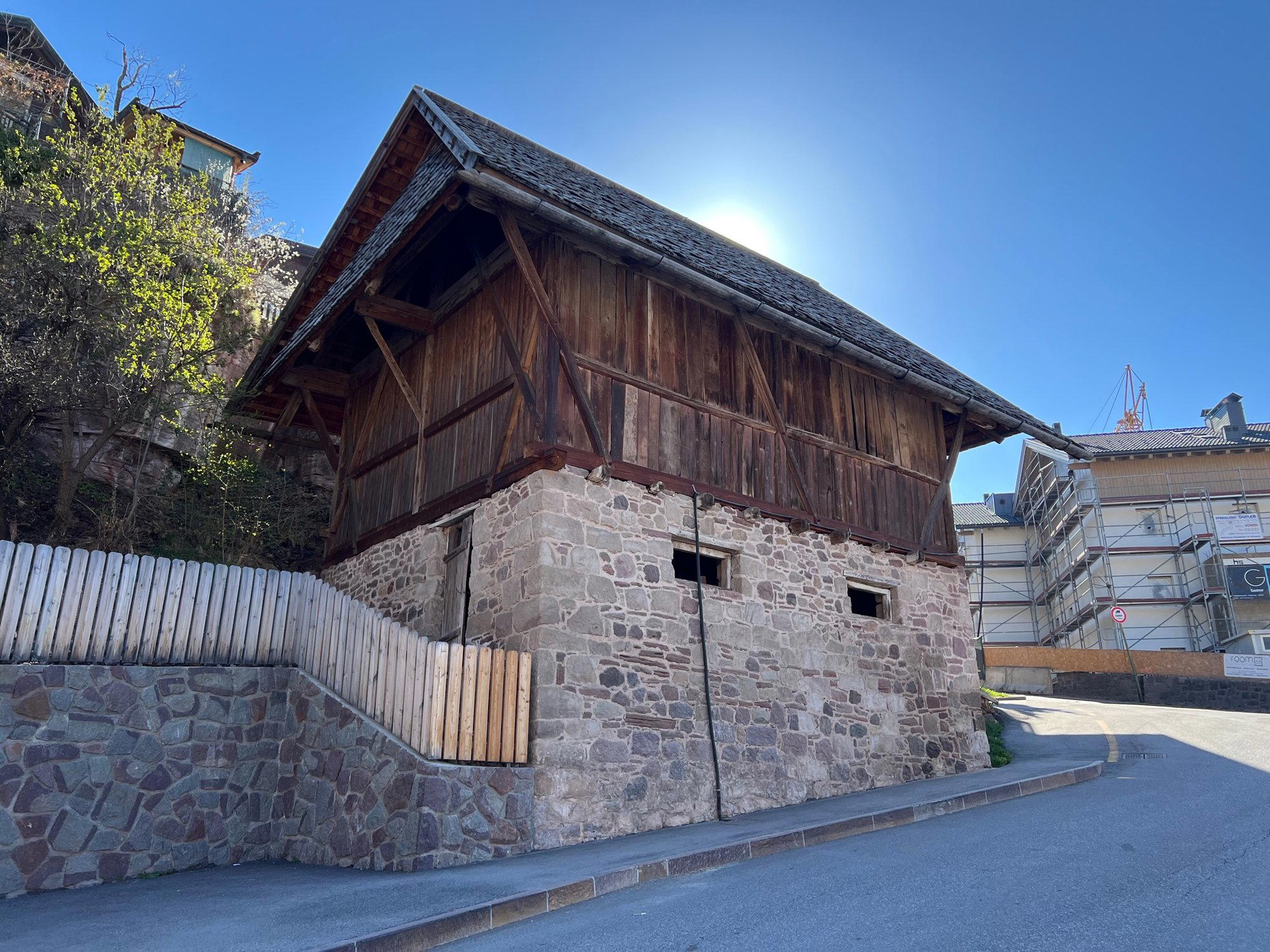
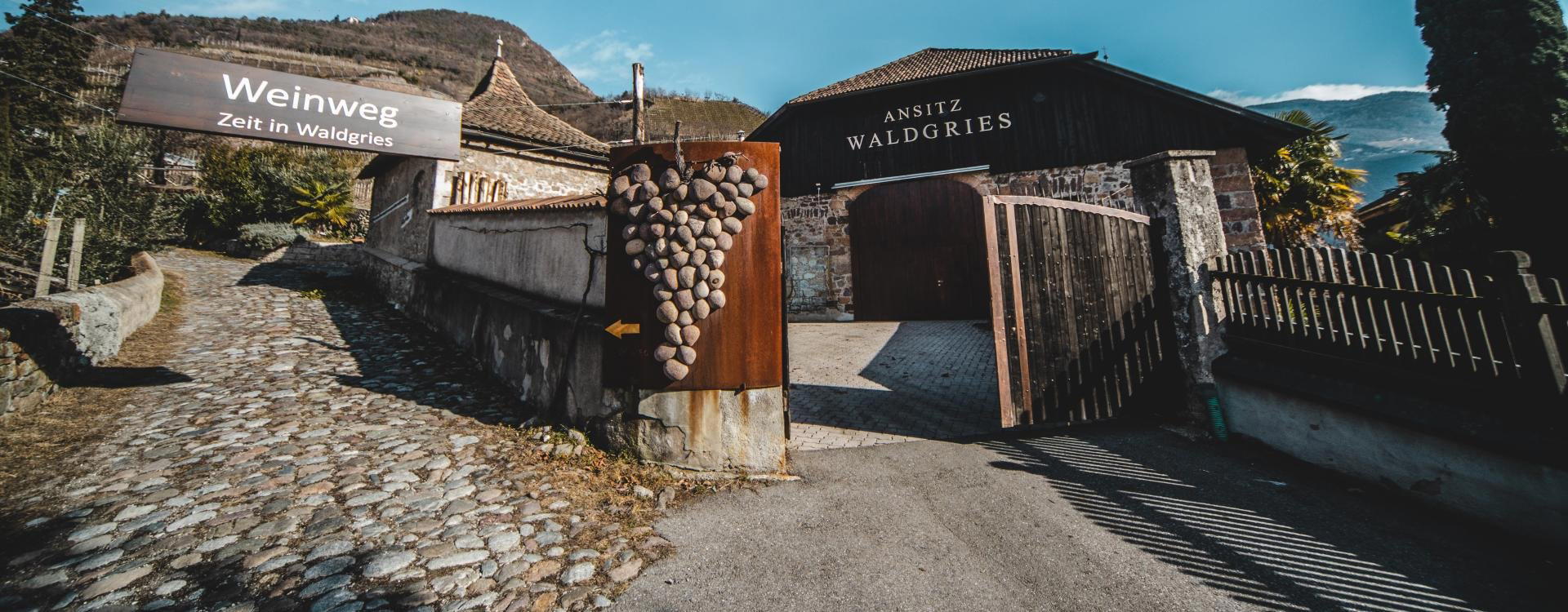
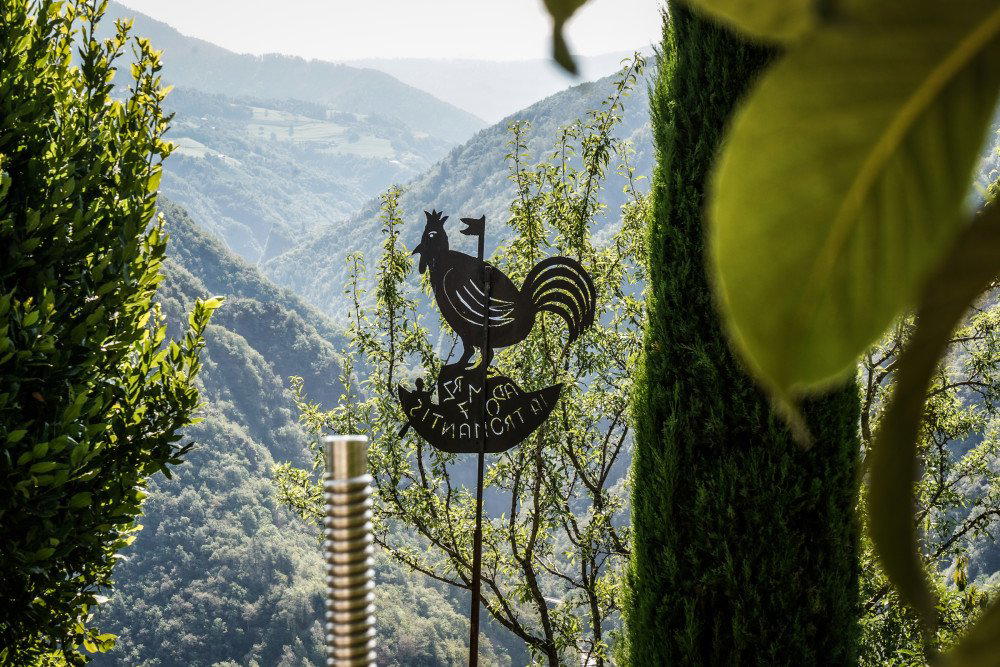
Warm, traditional, and alpine, with a rustic wood-paneled Stube, cozy chalet-style character, and a relaxed garden atmosphere framed by mountain air.