Himalaya Yorktown
Our verdict
Himalaya Yorktown brings South Asian and Himalayan cooking to the northern Westchester strip mall circuit, where the genre remains underrepresented at a serious level. Located at 34 Triangle Center in Yorktown Heights, it occupies a dining niche that rewards curiosity over convenience. For residents north of the city looking for something beyond the usual suburban roster, it draws repeat attention.

Pearl is the En Primeur Club membership app, where members save venues, book tables and use the concierge.
The menu
What to order
- Chicken Tikka Masala
- Momo
- Chicken Vindaloo
Where Westchester's Suburban Grid Meets the Himalayan Kitchen
Strip mall dining in northern Westchester operates on its own logic. The corridor running through Yorktown Heights, Somers, and Mahopac is not where food media concentrates its attention, but it is where a significant portion of the region's most consistent ethnic cooking has quietly taken hold over the past two decades. The genre follows a familiar pattern: an underserved population of South Asian professionals settled north of the city along the I-684 corridor, and restaurants followed. Himalaya Yorktown, at 34 Triangle Center, fits that demographic and geographic pattern. The Triangle Center address is functional rather than atmospheric, a parking-lot-forward complex typical of the Route 202 commercial zone, but that framing matters less once the cooking is the subject.
South Asian and Himalayan cuisines have a specific sourcing relationship with their ingredients that distinguishes them from the broader Indian restaurant category. The term "Himalayan" signals a culinary tradition rooted in Nepal, the Darjeeling hills, and the border regions of Tibet, where altitude, season, and trade routes shaped a pantry quite different from the subcontinental mainstream. Dishes from this tradition tend to rely on fermented and dried components, warming spice profiles built for high-elevation cold, and proteins sourced from highland-adapted animals. In American cities with established Nepali and Tibetan communities, these sourcing considerations translate into a distinct menu structure.
The Sourcing Logic Behind Himalayan Cooking
To understand what separates Himalayan cooking from broader South Asian formats, ingredient origin is the most useful entry point. The Nepali and Tibetan kitchen depends on a specific set of staples: timur (Sichuan pepper grown in Nepal's mid-hills), black cardamom harvested from the Ilam and Taplejung districts, mustard oil pressed from high-altitude varieties, and buffalo and yak-derived proteins that carry a flavor profile no lowland substitute replicates. These are not interchangeable pantry items. A kitchen that sources timur correctly produces a numbing-citrus heat profile distinct from Chinese Sichuan pepper; one that substitutes will taste generically spiced.
For diners coming from New York City, the comparison set matters. Restaurants like Atomix in New York City demonstrate how a specific regional culinary tradition, when executed with sourcing discipline, commands a different kind of attention than its casual-format peers. The same principle applies at a different price register in the Himalayan category. The question for any Himalayan restaurant operating outside a major urban ethnic corridor is whether it maintains access to specialist ingredients or defaults to broadly available South Asian pantry substitutes. That gap is often where the cooking either distinguishes itself or collapses into generic curry-house territory.
Westchester's suburban dining circuit does not generate the wholesale demand that sustains specialty import pipelines in the city. That structural reality means a Himalayan kitchen in Yorktown Heights is working against supply-chain friction that a comparable restaurant in Flushing or Sunnyside does not face. Some kitchens solve this through direct import relationships or periodic sourcing runs to city-based distributors. Others adapt their menus around what is locally accessible. The result is a spectrum of fidelity to the original culinary tradition that varies considerably across the suburban Himalayan restaurant category.
What the Westchester Indian-Himalayan Category Looks Like
Northern Westchester's South Asian restaurant density is meaningful but uneven. The county's Indian and Himalayan restaurants cluster in two zones: the southern tier around White Plains and Elmsford, where the population base is denser and competition more visible, and a thinner northern tier running through Yorktown, Somers, and Carmel. Himalaya Yorktown occupies the northern tier, where direct competition is limited and the nearest serious comparison is likely a 20-minute drive in any direction. That geographic position creates both an opportunity and a risk: lower competition means more loyal local regulars, but also less pressure to sharpen the cooking against peers.
Nationally, the restaurants drawing the most sustained editorial attention for ingredient-sourcing discipline operate at a different scale entirely. Blue Hill at Stone Barns in Tarrytown, roughly 25 miles south, has built its entire identity around sourcing transparency and proximity. Single Thread Farm in Healdsburg integrates sourcing from its own farm into the tasting menu architecture. The French Laundry in Napa and Le Bernardin in New York City each maintain sourcing relationships that function as part of the restaurant's competitive identity. These are not comparable operations to a neighborhood Himalayan restaurant in suburban Westchester, but they establish what sourcing discipline looks like when it is taken seriously at any level of the market.
Within the Himalayan category specifically, the sourcing conversation sits at the center of whether a given restaurant is cooking within its tradition or performing it. ITAMAE in Miami demonstrates a related dynamic in the Nikkei-Peruvian category: ingredient specificity is the difference between a genre restaurant and a representative one. The same logic holds here.
Planning a Visit to Himalaya Yorktown
Himalaya Yorktown is located at 34 Triangle Center, Yorktown Heights, NY 10598, in a commercial strip complex with surface parking. For diners coming from Manhattan or the lower Hudson Valley, the venue sits roughly an hour from Midtown by car via the Taconic State Parkway, or accessible by Metro-North to Croton-Harmon with a connecting car journey. The surrounding Triangle Center offers no particular pre- or post-dinner destination, so the visit functions as a destination in itself rather than part of an evening itinerary. For a broader look at dining options in the area, our full Yorktown Heights restaurants guide maps the wider scene.
Readers exploring sourcing-driven kitchens at higher price points elsewhere in the country may find context in venues like Bacchanalia in Atlanta, Addison in San Diego, Lazy Bear in San Francisco, Alinea in Chicago, Frasca Food and Wine in Boulder, Causa in Washington, D.C., Brutø in Denver, Providence in Los Angeles, The Inn at Little Washington, Emeril's in New Orleans, and 8½ Otto e Mezzo Bombana in Hong Kong, each operating within distinct traditions but sharing a common emphasis on where ingredients originate.
Frequently asked questions
Is Himalaya Yorktown okay with children?
Himalaya Yorktown's location at 34 Triangle Center comes with surface parking and a strip-mall format that tends toward casual, relaxed dining, conditions that generally suit families with children. Himalayan menus typically include lentil-based dishes and rice preparations that are mild enough for younger diners.
What should I expect atmosphere-wise at Himalaya Yorktown?
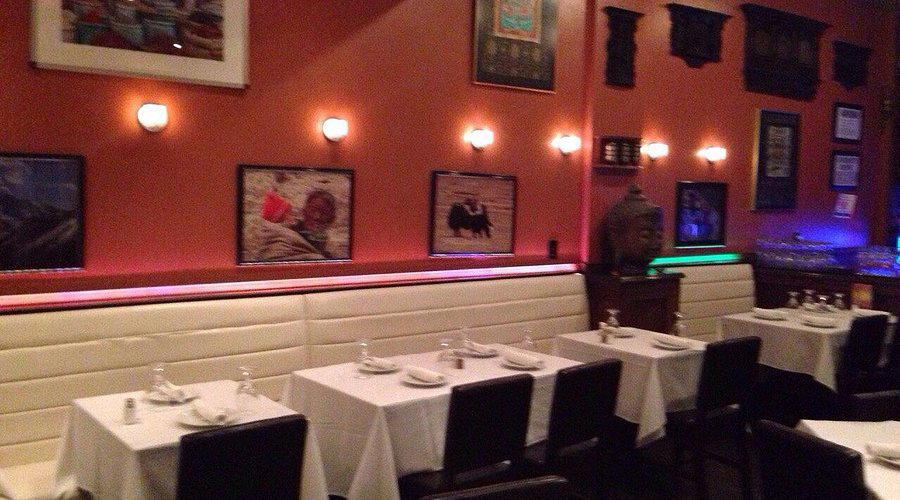
The setting is a commercial strip complex at 34 Triangle Center in Yorktown Heights, surface parking, no-frills exterior, the kind of room where the food does the talking rather than the décor. Northern Westchester's Himalayan and South Asian restaurants in this corridor tend to run casual and neighborhood-oriented, with a crowd drawn from the surrounding suburbs rather than destination diners. Expect a dining room pitched at regular customers, not occasion spending.
How does Himalayan cuisine at Himalaya Yorktown differ from the Indian restaurants elsewhere in Westchester?
Himalayan cooking draws from Nepali and Tibetan traditions rather than the Punjabi and Mughlai formats that underpin most Indian restaurants in Westchester County's southern cluster around White Plains and Yonkers. The ingredient logic differs too: Himalayan kitchens rely on techniques shaped by high-altitude agriculture, with fermented preparations, buckwheat, and distinct spice profiles that sit apart from the tandoor-and-curry framework. Himalaya Yorktown's position at 34 Triangle Center places it in northern Westchester, where this subcategory has limited direct competition.
What's the signature dish at Himalaya Yorktown?
Himalayan kitchens in this category typically anchor their menus around momos (steamed or fried dumplings), dal bhat, and thukpa noodle soups, formats that reflect Nepali and Tibetan cooking traditions rather than the broader North Indian format that dominates Westchester's South Asian scene. Confirming house specialties directly with the restaurant is the most reliable approach.
How do I find Himalaya Yorktown?
Himalaya Yorktown is located at 34 Triangle Center, Yorktown Heights, NY 10598, Yorktown Heights.
Comparable Venues
Comparable venues nearby, for context on price, style, and recognition.
| Venue | Cuisine | Price | Notes |
|---|---|---|---|
| Himalaya YorktownThis venue (the venue you are viewing) | Nepali Indian Tibetan Fusion | $20–30 | Not listed |
| Kabab King | 24/7 Pakistani & Indian kebab diner | $10–20 | Jackson Heights |
| Ahimsa | Authentic Indian Vegetarian | $20–30 | Murray Hill-Kips Bay |
| Anjappar Chettinad | Authentic Chettinad South Indian Cuisine | $20–30 | Murray Hill-Kips Bay |
| Diwali Indian Cuisine | Traditional Indian Tandoori | $20–30 | Bedford-Stuyvesant (West) |
| Saravanaas | Authentic South Indian Vegetarian | $20–30 | Gramercy |
Continue exploring
More in Yorktown Heights
Restaurants in Yorktown Heights
All restaurants in Yorktown Heights →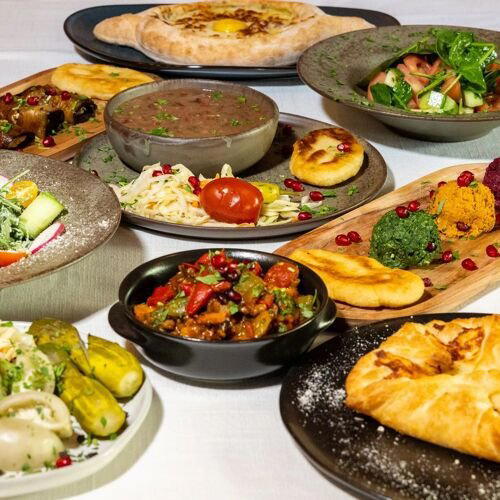
Bars in Yorktown Heights
Browse all →
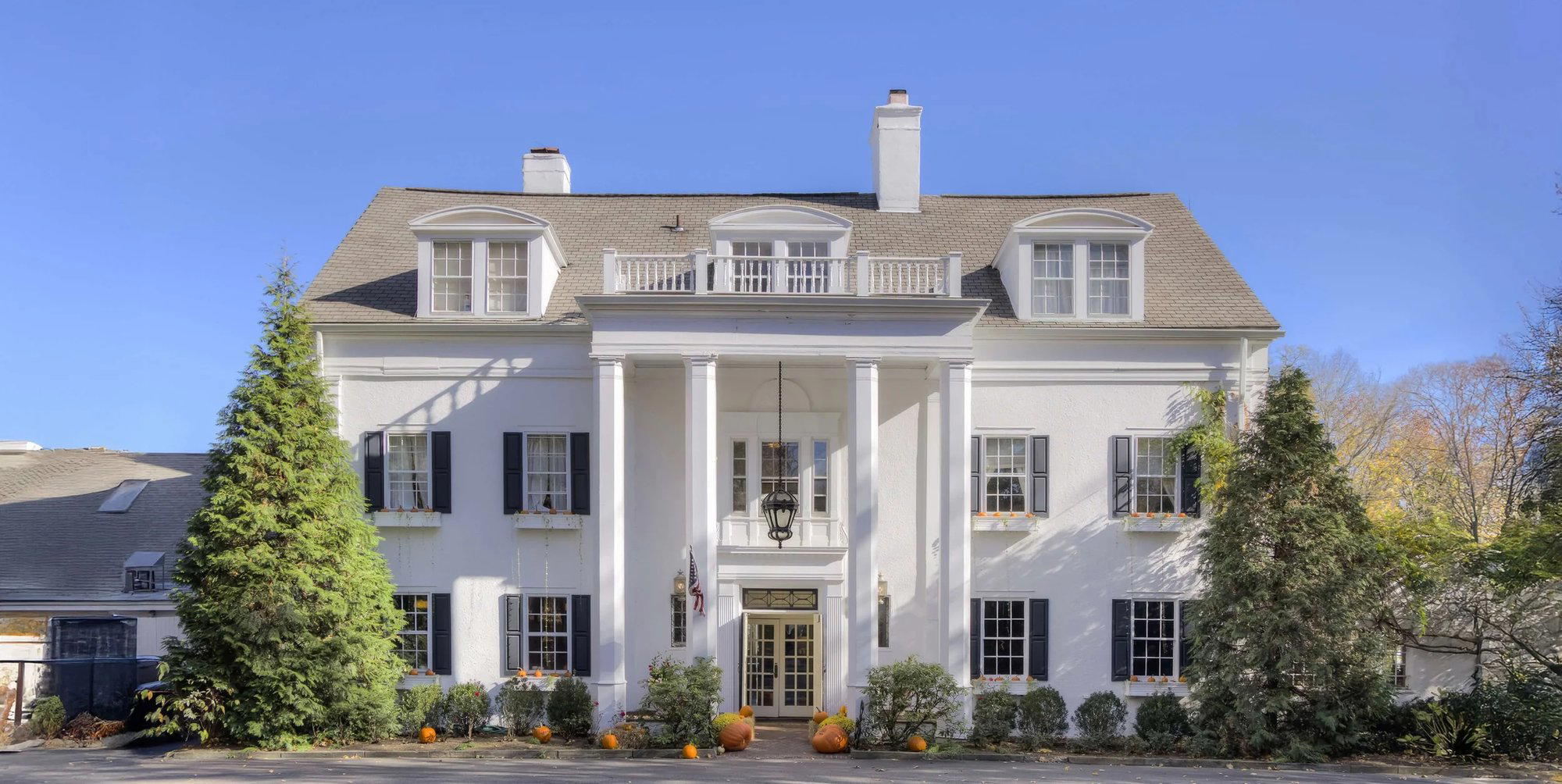
Hotels in Yorktown Heights
Browse all →
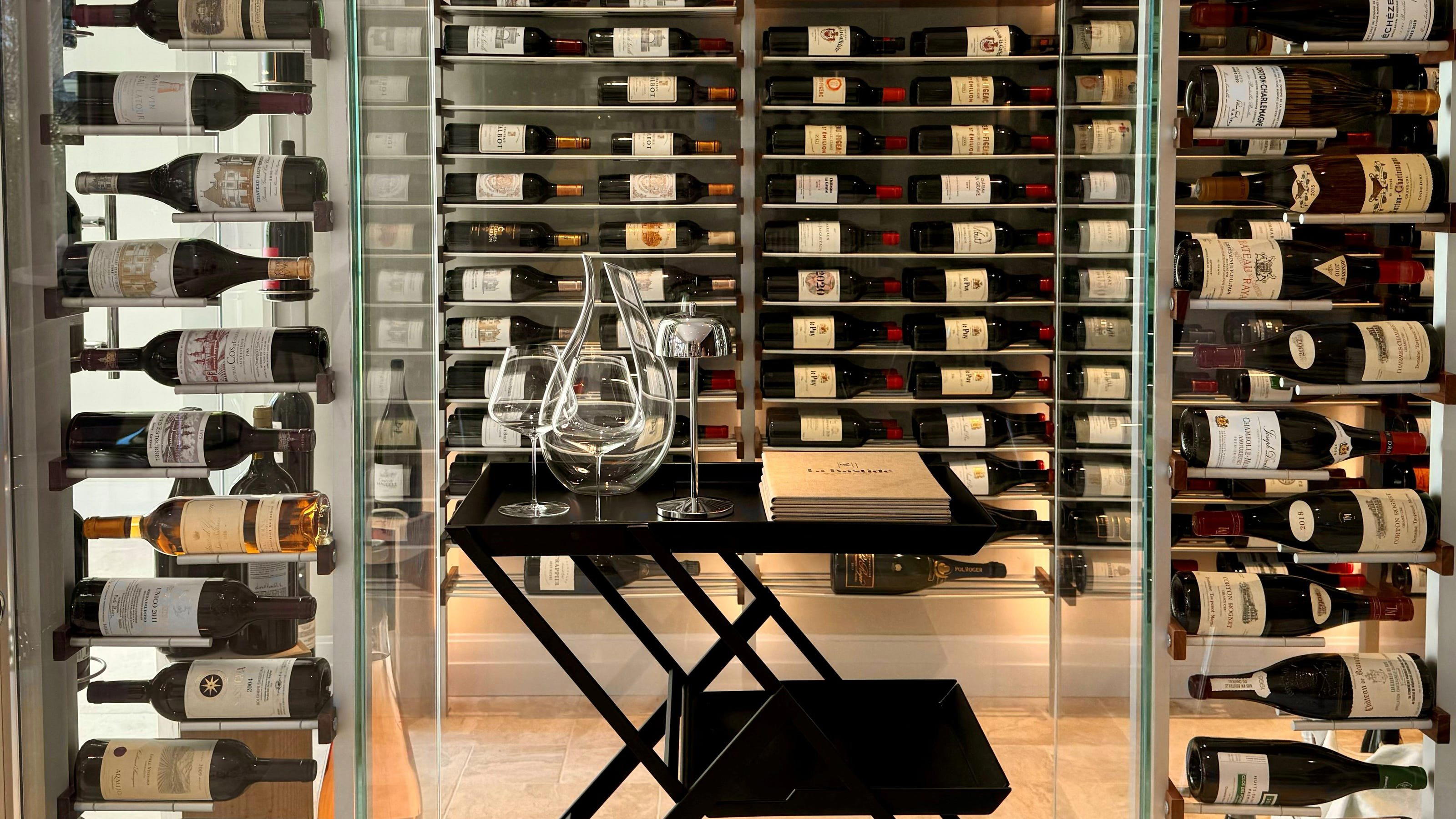
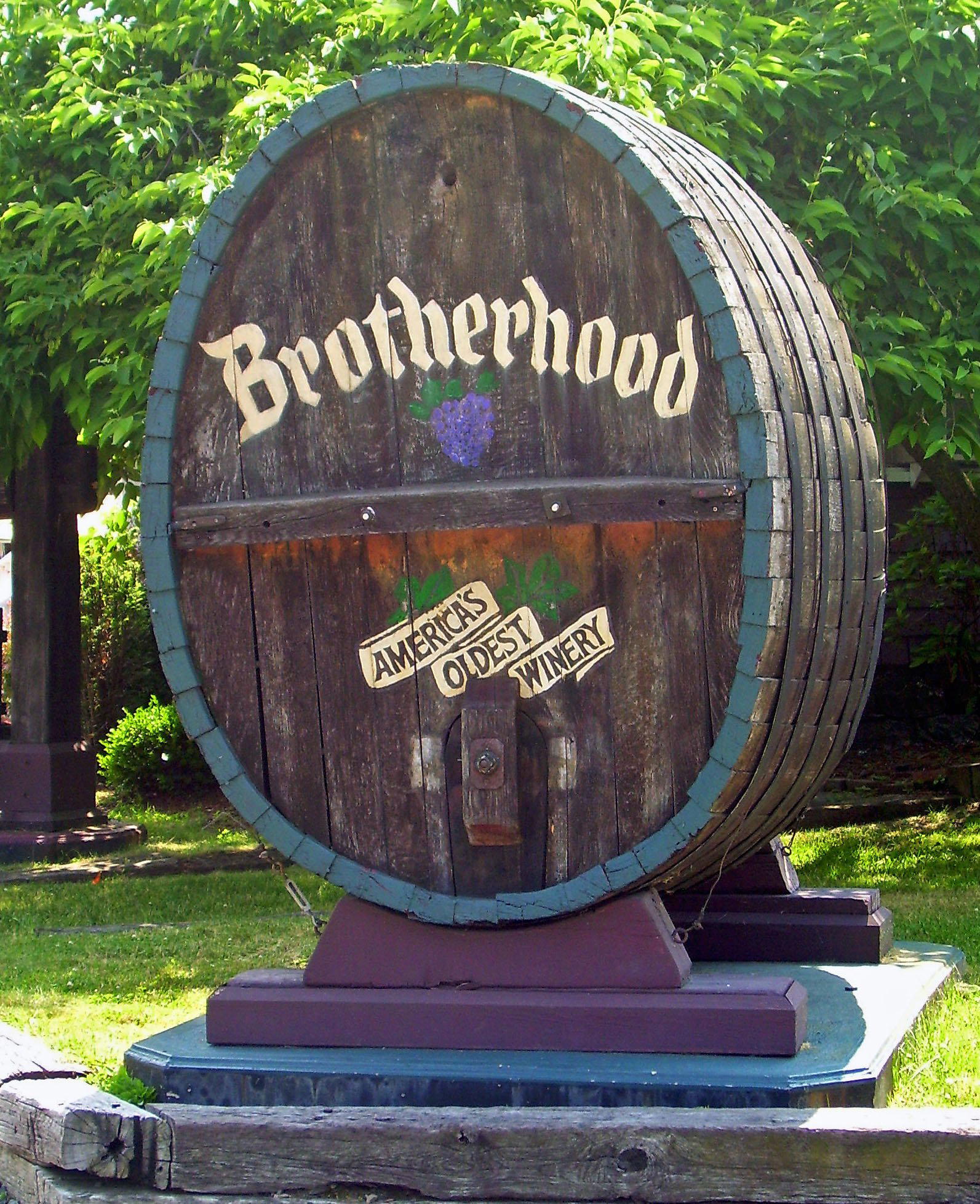
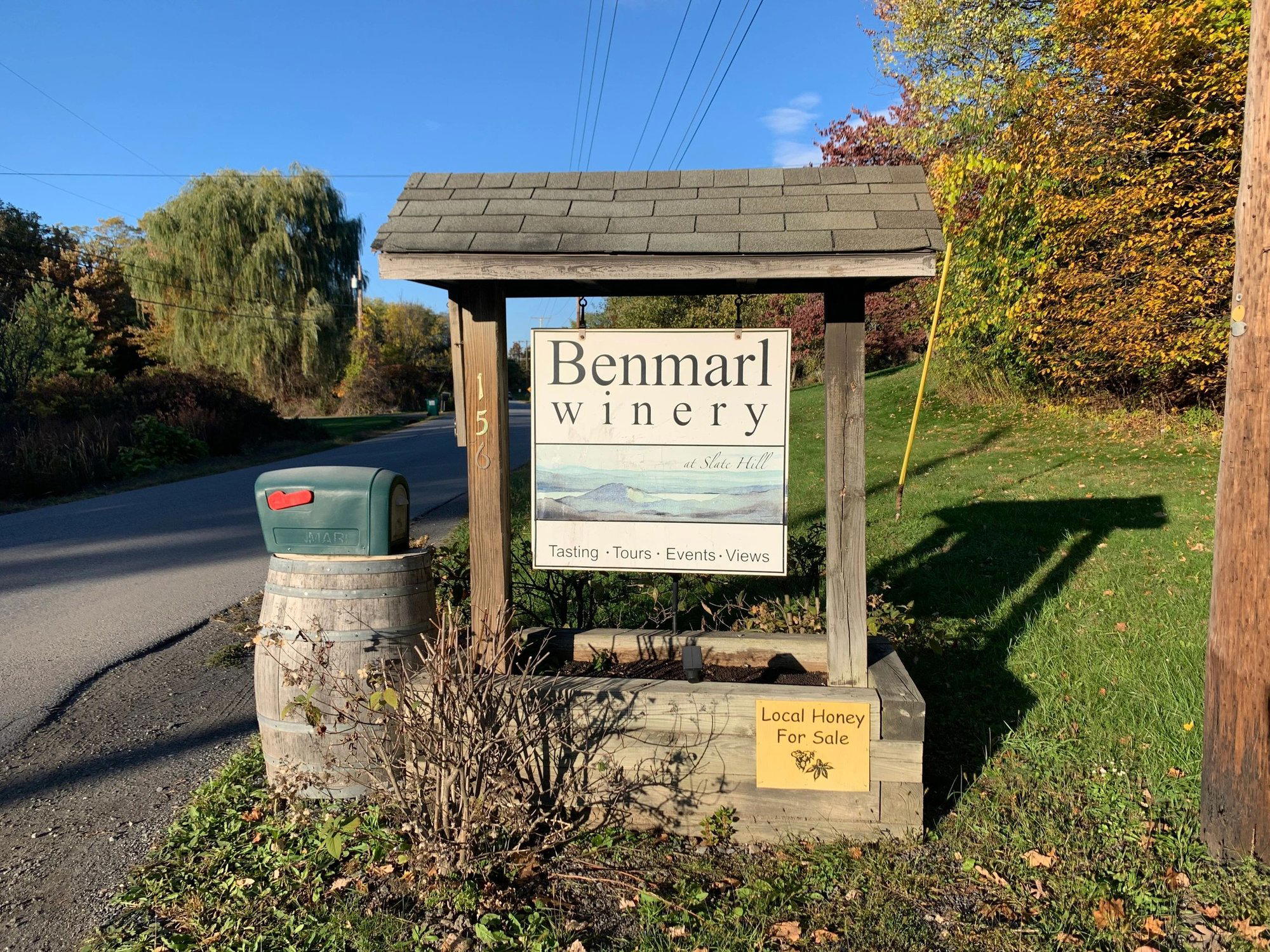
Wineries in Yorktown Heights
Browse all →
Details
- Cozy
- Family
- Group Dining
- Casual Hangout
- A La Carte
- Vegetarian Friendly
- Vegan Options
- Gluten Free Options
Current opening hours
- Monday
- 11:30 AM–3 PM, 4:30–9 PM
- Tuesday
- 11:30 AM–3 PM, 4:30–9 PM
- Wednesday
- 11:30 AM–3 PM, 4:30–9 PM
- Thursday
- 11:30 AM–3 PM, 4:30–9 PM
- Friday
- 11:30 AM–3 PM, 4:30–9:30 PM
- Saturday
- 11:30 AM–3 PM, 4:30–9:30 PM
- Sunday
- 1–8:30 PM
Hours can change for holidays and private events. Hours as of .
Comfortable and cozy with part modern, part traditional decor, well-lit, and welcoming for gatherings.