High Test Deli
Our verdict
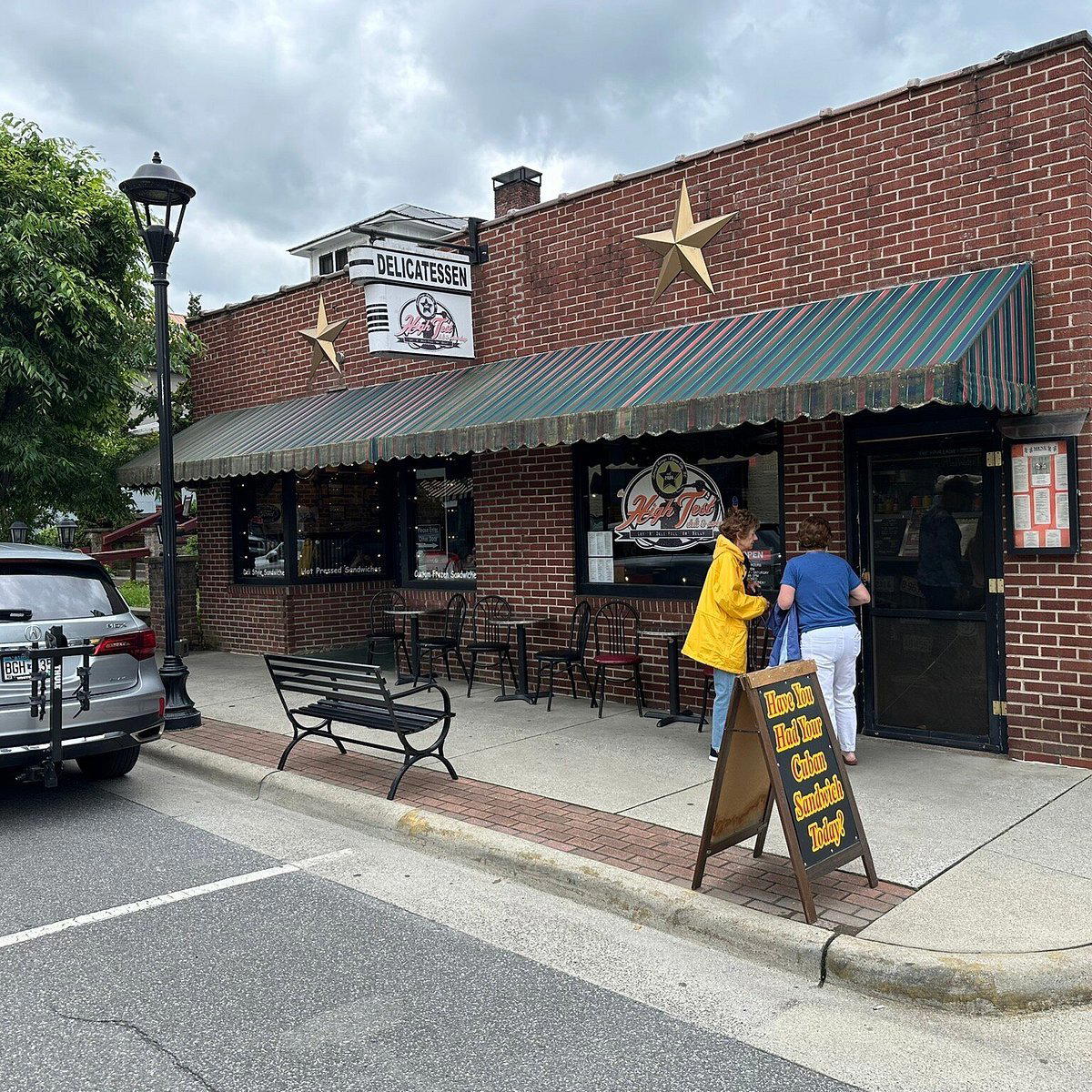
High Test Deli sits on Everett Street in downtown Bryson City, a small Appalachian town that serves as the gateway to Great Smoky Mountains National Park. In a region where locally sourced provisions define the character of everyday eating, a deli format carries real weight as a neighborhood anchor. This is where the surrounding mountains, farms, and food traditions converge on a single address.

Pearl is the En Primeur Club membership app — saves, bookings, and concierge access live there. Same editors, same standards.
- Address
- 145 Everett St, Bryson City, NC 28713
- Phone
- (828) 488-1919
- Hours
- Mon ClosedTue–Sat 11 AM–3 PMSun Closed
- Website
- thefillingstationdeli.com
- Directions
- Get directions
The menu
What to order
- Italian Turbo
- Cuban Sandwich
- Reuben (High Octane)
- French Dip (Dipstick)
- Frozen Ice Cream Sandwiches
Where Appalachian Provisions Meet the Deli Counter
Bryson City is a town of fewer than 1,500 permanent residents wedged between the Tuckasegee River and the southern boundary of Great Smoky Mountains National Park, the most visited national park in the United States. It draws hikers, fly-fishing guides, and Appalachian Trail through-hikers who need real food, not resort dining. In that context, a well-run deli on Everett Street is not a casual amenity. It is infrastructure. High Test Deli occupies that role at 145 Everett St, sitting in the small commercial core that feeds both locals and the steady stream of visitors passing through on their way into the backcountry.
Western North Carolina has developed a quietly serious food identity over the past decade, built on the same agricultural conditions that sustained mountain communities for centuries: cool summers that favor cool-weather vegetables, forested ridgelines that support heritage hog operations, and river-bottom land that has historically anchored small-scale farming. That supply chain, once invisible to urban food media, now feeds into a regional eating culture that places sourcing front and center. The deli format, at its finest, is where those local provisions are most honestly expressed, closer to the producer and further from the tasting-menu theatrics you find at destination restaurants like Single Thread Farm in Healdsburg or Blue Hill at Stone Barns in Tarrytown.
The Sourcing Logic Behind Appalachian Deli Cooking
In mountain communities, the deli tradition is tied to preservation. Cured meats, pickled vegetables, and fermented condiments are not trend items here; they are the practical result of growing seasons that end abruptly and winters that historically made fresh produce unavailable for months. What distinguishes a serious Appalachian deli from a generic sandwich counter is whether it still draws on that regional logic or simply assembles commodity ingredients behind a counter with local signage.
Western North Carolina sits within a larger agricultural corridor that includes Haywood, Macon, and Swain counties, all of which support small-scale vegetable farming, pasture-raised livestock, and increasingly, specialty grain production. The presence of that supply base means a deli in Bryson City has genuine options when it comes to sourcing, options that a comparable operation in a food desert would not. This is the same agricultural seriousness, at a different scale and price tier, that informs the sourcing-forward programs at restaurants like Smyth in Chicago, Oyster Oyster in Washington, D.C., and The Wolf's Tailor in Denver, where provenance is treated as an editorial position rather than a marketing footnote.
At the deli tier, the sourcing argument is often made through specificity: which farm, which county, which curing method. That specificity is what separates a venue from a generic lunch stop and positions it within the broader regional food conversation that has made Asheville, fifty miles northeast of Bryson City, a nationally recognized food destination. Bryson City operates at a smaller scale and lower profile, but the agricultural resources are the same.
Bryson City as a Food Town, Not Just a Trail Town
The town's food character has shifted as the visitor mix has changed. The Nantahala Outdoor Center, whitewater operations on the Nantahala River, and the Great Smoky Mountains Railroad all bring different visitor profiles, from serious backcountry trekkers to family tourists, each with different expectations of what lunch should look like. A deli format addresses all of them without pretension, which is precisely the format's structural advantage over either the casual chain or the reservation-required dining room.
For context on what serious sourcing-led cooking looks like at the upper end of the American spectrum, you can trace a line from farm-integrated fine dining at Bacchanalia in Atlanta or Frasca Food and Wine in Boulder down through regional anchors in smaller markets. High Test Deli occupies the accessible, everyday end of that spectrum, where sourcing decisions are expressed through the composition of a sandwich or a prepared item rather than through a tasting menu format. That is not a lesser version of the same idea; it is a different application of it, and arguably the one with wider daily relevance.
The Everett Street address places the deli within walking distance of Bryson City's small downtown, which includes a stretch of locally owned shops and the Swain County Courthouse. Foot traffic here is a combination of residents running midday errands and visitors oriented toward the railroad depot nearby. The deli sits at that intersection, which gives it a dual audience that most small-town restaurants would manage awkwardly. The deli format handles both without structural compromise. For a broader map of where High Test Deli fits within the town's eating options, see our full Bryson City restaurants guide.
Planning Your Visit
Bryson City is accessible via US-74 West from Asheville, roughly an hour's drive through the Smokies corridor. The town does not have a major hotel infrastructure; most visitors stay in cabin rentals in the surrounding valleys or use Bryson City as a day stop between hiking destinations. High Test Deli's Everett Street location makes it a practical midday stop before or after time on the trails, without requiring a reservation or a commitment to a long meal format. Given the town's scale, even peak-season visitor volume is manageable compared to larger Smoky Mountain gateway towns. Specifics on current hours and payment should be confirmed directly before visiting, as operating details for smaller independent operations in mountain towns shift with seasons and staffing.
Frequently asked questions
Can I bring kids to High Test Deli?
Deli-format spots in small Appalachian towns like Bryson City generally run casual, counter-service operations that work well for families. High Test Deli at 145 Everett St sits in a walkable part of town close to the Tuckasegee River, which makes it a practical stop before or after outdoor activities. Nothing in the venue's profile suggests any age restrictions.
What is the atmosphere like at High Test Deli?
Bryson City has fewer than 1,500 permanent residents, and its food spots tend to reflect that scale: counter-forward, unfussy, and oriented toward the mix of locals and outdoors visitors passing through. High Test Deli on Everett St fits that grain — a working deli in a small mountain town rather than a destination dining room.
Is High Test Deli a good stop after hiking the Nantahala Gorge or trails in Great Smoky Mountains National Park?
High Test Deli at 145 Everett St, Bryson City sits within a short distance of the southern gateway to Great Smoky Mountains National Park and the Nantahala River corridor, making it a geographically logical refueling stop after time outdoors. Bryson City's food character has grown alongside its outdoor visitor economy, and deli-format spots that prioritize cured and preserved Appalachian provisions fit the practical needs of that crowd well.
What's the best thing to order at High Test Deli?
Given the deli format and the broader Appalachian provisions tradition Bryson City sits within, cured meats and house-made condiments are the category to watch at counters like this one. Check directly at 145 Everett St or ask staff what's house-made that day.
What part of town is High Test Deli in?
High Test Deli is located at 145 Everett St, Bryson City, NC 28713, Bryson City.
Should I book High Test Deli in advance?
Deli counters in towns of Bryson City's size typically operate on a walk-in basis. If you're planning a visit around a specific time or group size, contacting the venue directly through their address at 145 Everett St is the most reliable approach.
What do critics highlight about High Test Deli?
No formal critical reviews or award citations are currently documented for High Test Deli. In the Western North Carolina food conversation, Bryson City has drawn attention more recently as a food town in its own right rather than just a trailhead, and counter-service spots rooted in local sourcing have been part of that shift.
Comparable Venues
Comparable venues nearby, for context on price, style, and recognition.
| Venue | Cuisine | Price | Notes |
|---|---|---|---|
| High Test DeliThis venue — the venue you are viewing | American Deli | $10–20 | Not listed |
| Beasley’s Chicken & Honey | Southern fried chicken & comfort food | Not listed | Downtown Raleigh |
| Fork Lore | Southern American Farm-to-Table | $20–30 | Biltmore Park |
| Tupelo Honey - South Asheville | Southern Comfort Food | $20–30 | South Asheville |
| Peter's Pancakes & Waffles | Classic Southern Breakfast Diner | $10–20 | Cherokee |
| Lupie's Cafe | American Comfort Food & Chili | $10–20 | Monroe Road |
Continue exploring
More in Bryson City
Restaurants in Bryson City
Browse all →
Bars in Bryson City
Browse all →
Details
- Rustic
- Cozy
- Casual Hangout
- Family
- Group Dining
- Solo
- Standalone
- A La Carte
- Vegetarian Friendly
- Vegan Options
- Gluten Free Options
Current opening hours
- Monday
- Closed
- Tuesday
- 11 AM–3 PM
- Wednesday
- 11 AM–3 PM
- Thursday
- 11 AM–3 PM
- Friday
- 11 AM–3 PM
- Saturday
- 11 AM–3 PM
- Sunday
- Closed
Hours can change for holidays and private events. Last verified .
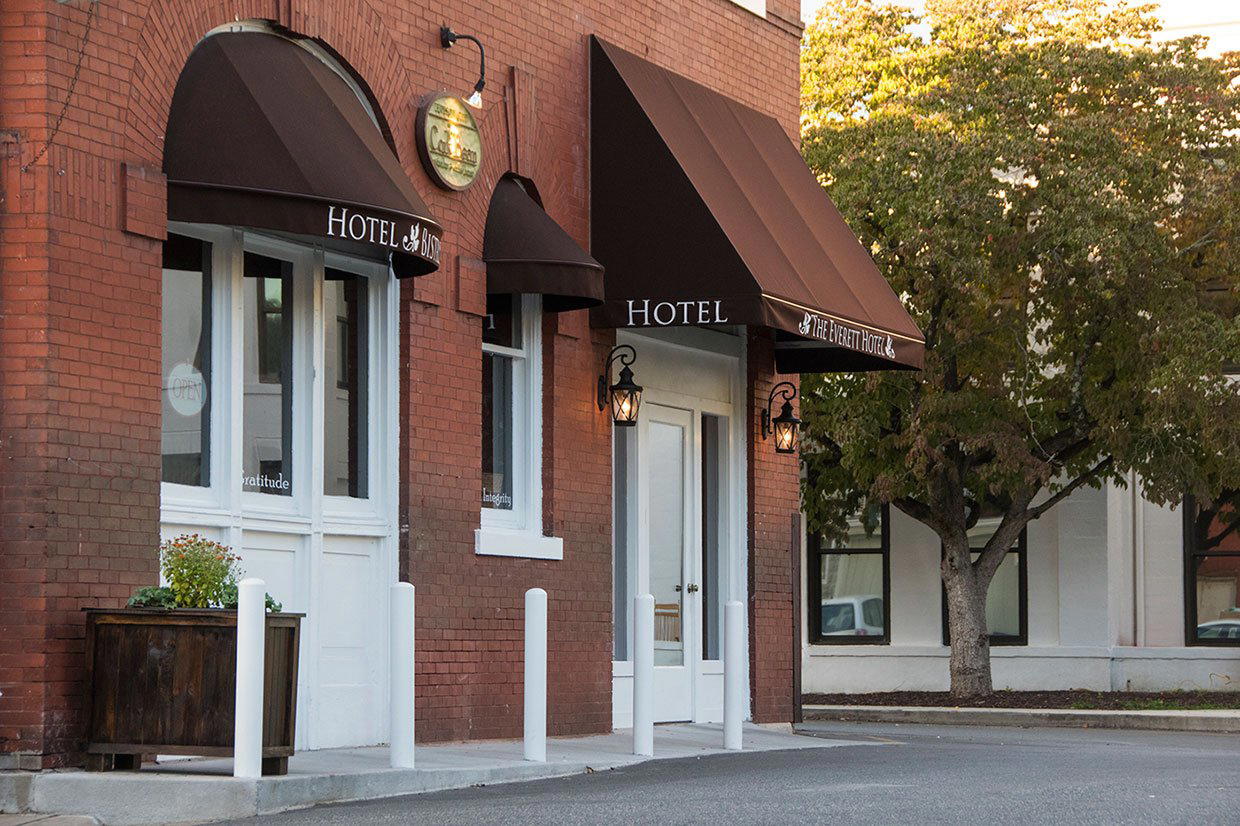
Casual and quaint with a playful automotive-themed interior; bright, clean, and welcoming despite limited seating; hole-in-the-wall charm with high energy during busy periods.