Fork Lore
Fork Lore sits in Asheville's Town Square dining corridor, where the city's appetite for ingredient-forward Southern cooking meets a more structured, multi-course sensibility. The kitchen frames meals as deliberate progressions rather than à la carte selections, placing it in a different register from the casual mountain fare that dominates the broader Asheville dining scene. For visitors already familiar with the city's independent restaurant culture, it represents a considered next step.
Pearl is the En Primeur Club membership app — saves, bookings, and concierge access live there. Same editors, same standards.
- Address
- 43 Town Square Blvd, Asheville, NC 28803
- Phone
- +18282092715
- Website
- forkloreasheville.com
- Directions
- Get directions
 Saves & bookings on Pearl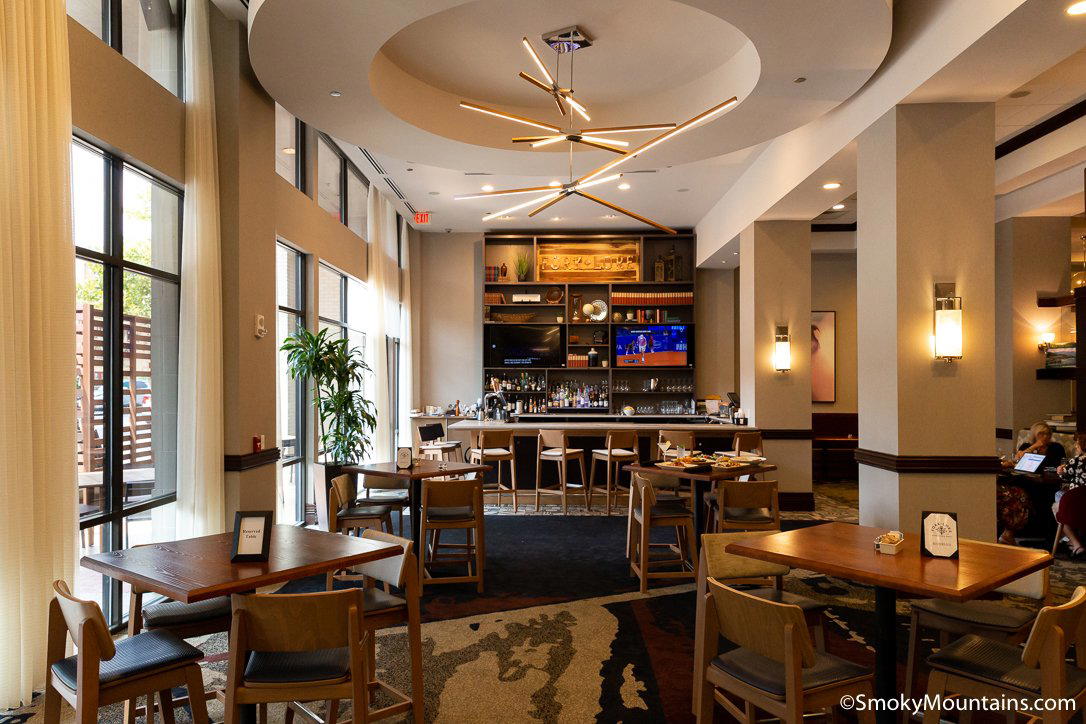
Where the Meal Has a Shape
Asheville's dining identity has long been anchored in two modes: the relaxed farm-to-table ethos that spread across the region in the early 2010s, and a newer wave of internationally inflected kitchens drawing on the city's growing creative population. Fork Lore, at 43 Town Square Blvd, arrives at the intersection of those two currents. The address places it within easy reach of the downtown core, in a corridor that has quietly accumulated some of the more serious dining options the city now offers. What separates Fork Lore from the surrounding field is less about genre and more about structure: the meal here is conceived as a progression, not a menu to be assembled at will.
That structural commitment matters in a city where the dominant register is convivial and informal. Asheville's most talked-about rooms, from the Spanish tapas format at Cúrate to the wood-fired approach at All Souls Pizza, are built around sharing and lateral movement across a menu. A kitchen that asks diners to follow a sequence, course by course, occupies a different position in the local hierarchy, and makes different demands on both the kitchen and the guest.
The Arc of the Table
Multi-course tasting formats have become the grammar of ambitious American dining over the past decade. The logic that drives rooms like Lazy Bear in San Francisco or Smyth in Chicago — where the meal unfolds as a deliberate narrative from lighter, more acidic early courses through richer mid-sections to a resolved finish — has migrated from coastal fine dining into regional cities with genuine force. Asheville, with its concentration of independent kitchens and a visitor base that skews toward food-literate travelers, was a plausible landing point for that shift.
At Fork Lore, the progression principle shapes the experience before the first course arrives. Early plates in a well-constructed tasting sequence tend to be architectural: high acidity, clean protein, something that calibrates the palate rather than loads it. The middle of the meal is where ambition concentrates, where a kitchen's command of fat, heat, and seasoning becomes legible. A strong finish closes the loop without simply adding sweetness. Whether Fork Lore's kitchen executes that arc with the consistency of a French Laundry or the ingredient-first precision of Single Thread Farm in Healdsburg is a question the room itself answers, but the ambition is evident in the format choice.
The regional American tradition that surrounds Fork Lore in Asheville is not a limiting context. The Southern Appalachian larder, ramps, sorghum, Appalachian trout, heritage pork, hickory-smoked preparations, is deep enough to sustain serious tasting menus without retreating into cliché. The kitchens that have done this most credibly, from Blue Hill at Stone Barns in Tarrytown to Addison in San Diego, demonstrate that regional identity and technical discipline are not competing values. Fork Lore's position in Asheville reads as part of that same argument applied to a mountain-Southern context.
Asheville's Dining Tier Structure
The city's restaurant scene has stratified in ways that mirror what happened in mid-sized American cities when serious culinary investment arrived in waves. At the entry tier, places like Addissae Ethiopian Restaurant and All Day Darling serve distinct communities with clear purpose and low price points. The middle tier includes full-service dining rooms with beverage programs and longer menus. Above that sits a smaller cohort of kitchens where the format itself signals a different level of intent: longer meals, set sequences, higher per-cover investment. Asheville Proper and, at a more formal register, the Dining Room at Inn on Biltmore Estate also occupy the upper end of that spectrum.
Fork Lore operates within this upper tier, which in Asheville remains a small cohort. The city does not have the density of structured tasting rooms that a market like New York sustains, compare the field to Atomix in New York City or Le Bernardin to understand how different the competitive environment is, but that scarcity is itself an argument for the format. A destination tasting room in Asheville captures a visitor base that arrives specifically for food-led travel and has already exhausted the casual tier.
Planning a Visit
Town Square Blvd sits within the southeastern arc of Asheville's downtown grid, close enough to the central business district to be walkable from most hotels in the core, but removed from the densest pedestrian traffic of the River Arts and South Slope corridors. That positioning is consistent with how serious tasting rooms tend to locate: adjacent to activity without being consumed by it. Visitors combining Fork Lore with a broader Asheville dining itinerary would find logical pairings in the more casual formats listed above, treating Fork Lore as the anchor meal of a multi-day visit rather than one stop among several in a single evening. For a comprehensive map of the city's options, our full Asheville restaurants guide covers the range from neighbourhood staples to special-occasion rooms.
Reservation logistics for structured tasting menus in this tier typically require advance planning of two to four weeks during peak mountain tourism season, which in Asheville concentrates in late spring through fall foliage season (roughly April through November). Walk-in availability at counter seats, where offered, provides an alternative entry point but is not guaranteed. Specific booking method and current hours are best confirmed directly with the venue.
The Broader Argument
The migration of the tasting menu format into regional American cities is one of the more interesting structural shifts in domestic dining over the past decade. Rooms like Emeril's in New Orleans, Providence in Los Angeles, and The Inn at Little Washington established that the format could anchor in non-coastal or secondary markets without losing its identity. At a European register, Atelier Moessmer Norbert Niederkofler in Brunico demonstrates how regional ingredient traditions can carry a multi-course format without reference to metropolitan fine dining conventions at all.
Fork Lore's contribution to Asheville's dining argument is, at its core, about what a meal is for. The tasting progression format insists that a meal has a beginning, a development, and a resolution, that dinner is something that happens to you in sequence, not a list of options you assemble. In a city where the default register is convivial and lateral, that insistence is a position, and positions, in dining as in criticism, are worth taking seriously.
How Fork Lore Asheville compares with similar nearby venues.
| Venue | Cuisine |
|---|---|
| Dining Room at Inn on Biltmore Estate | American Fine |
| Aurelia at Castle Hill | American Coastal |
Continue exploring
More in Asheville
Restaurants in Asheville
Browse all →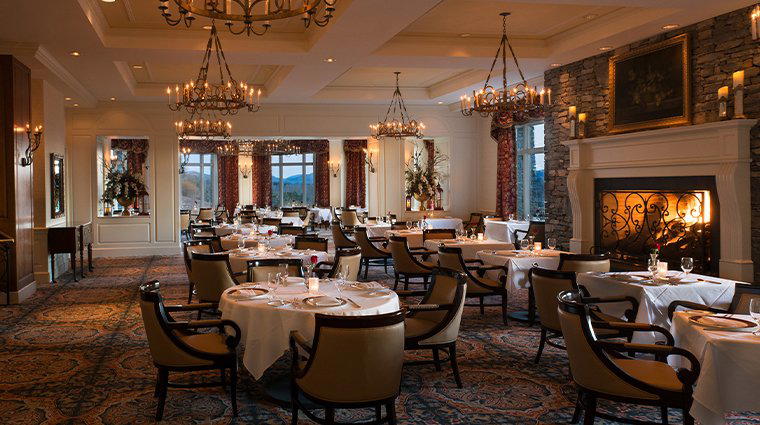
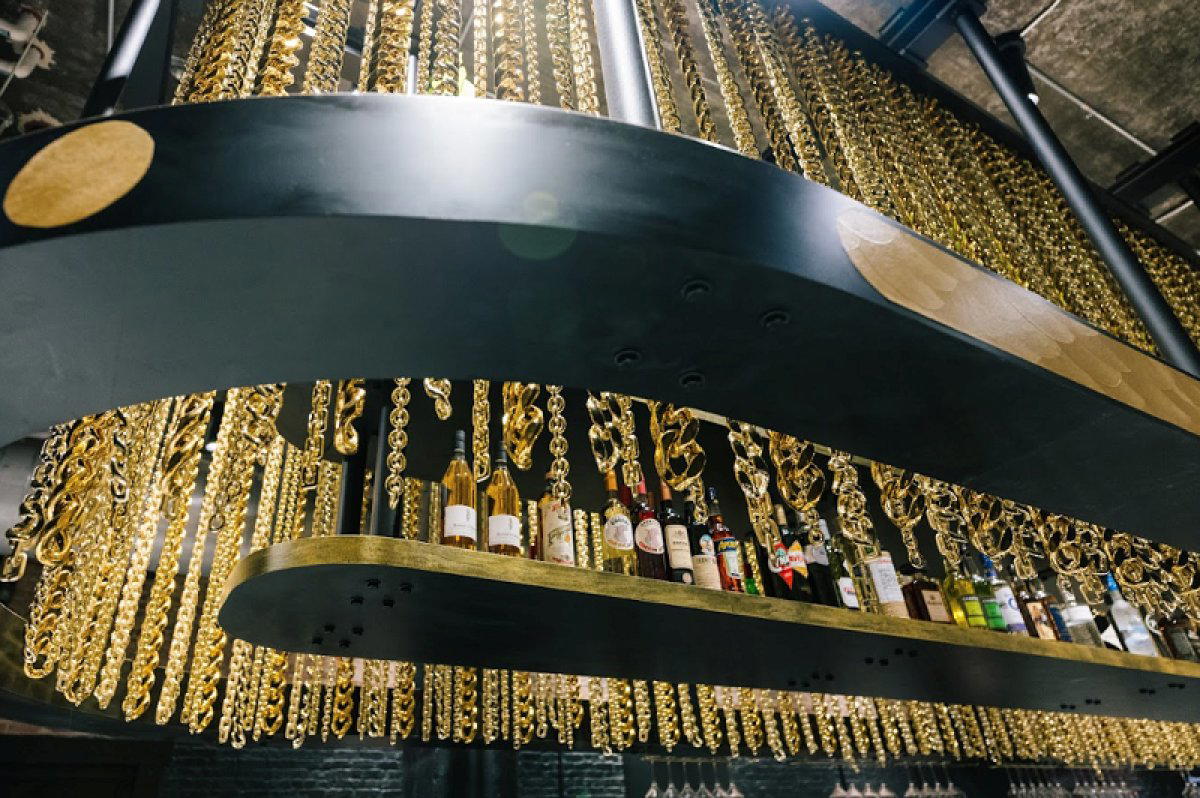
Bars in Asheville
Browse all →
At a Glance
- Rustic
- Cozy
- Brunch
- Casual Hangout
- Open Kitchen
- Craft Cocktails
- Local Sourcing
Current opening hours
- Monday
- 6:30 AM–10 PM
- Tuesday
- 6:30 AM–10 PM
- Wednesday
- 6:30 AM–10 PM
- Thursday
- 6:30 AM–10 PM
- Friday
- 6:30 AM–10 PM
- Saturday
- 7 AM–10 PM
- Sunday
- 7 AM–10 PM
Hours can change for holidays and private events. Last verified .
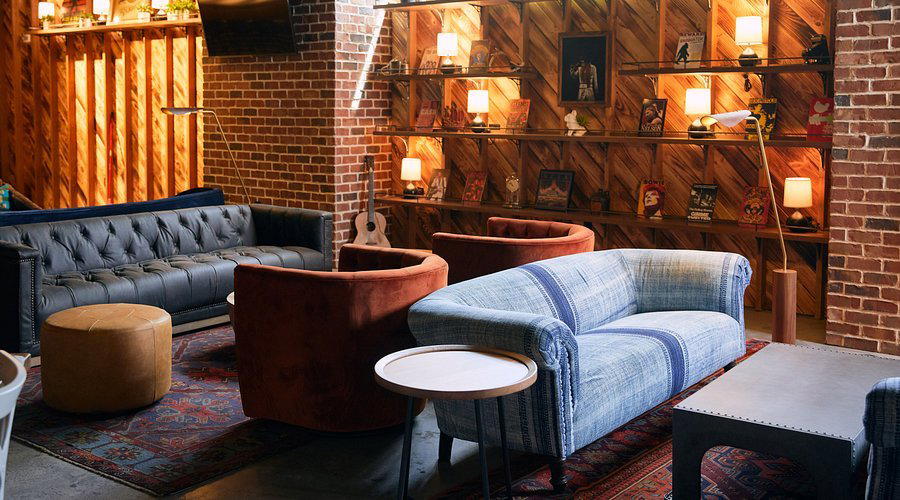
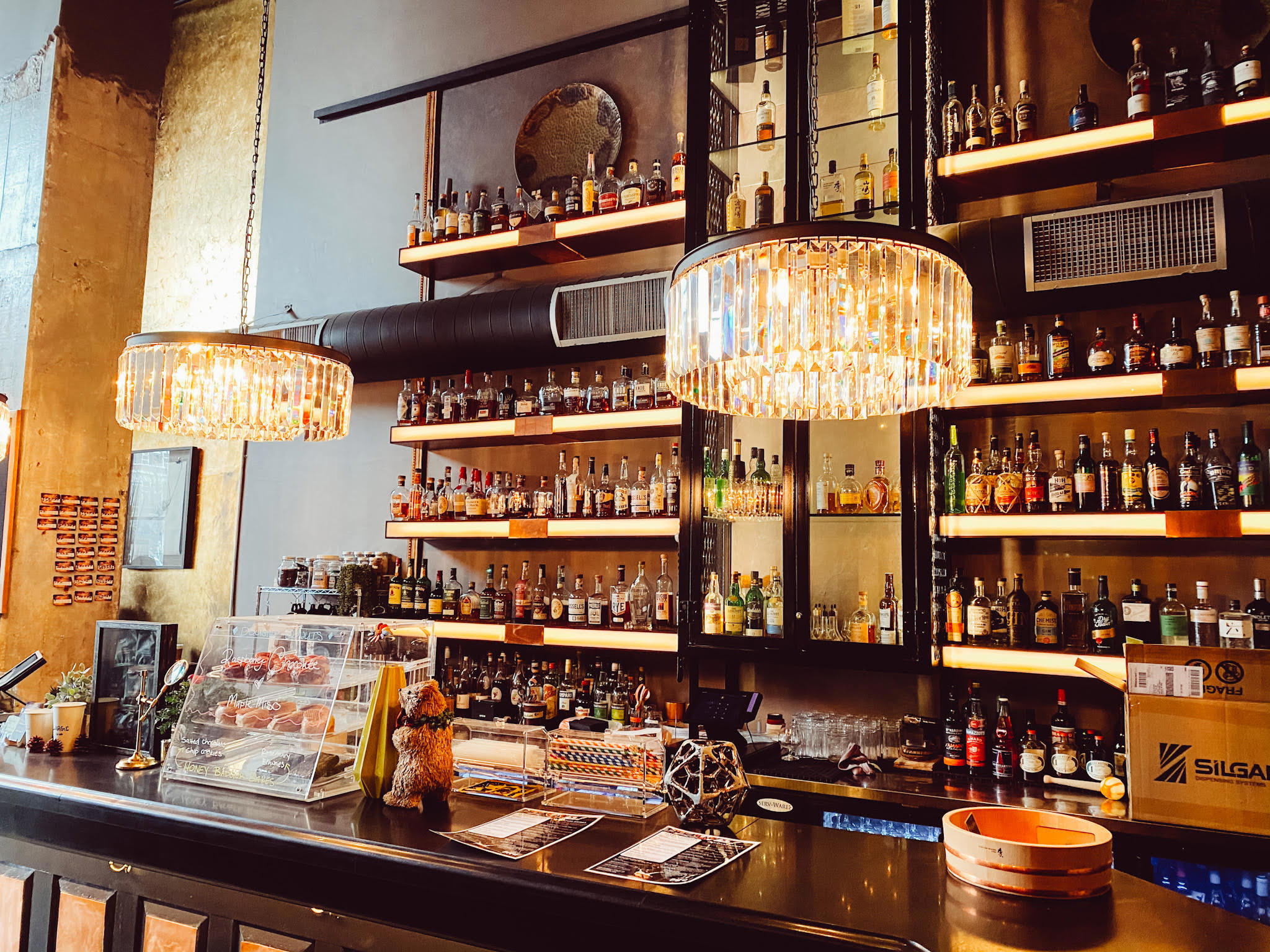
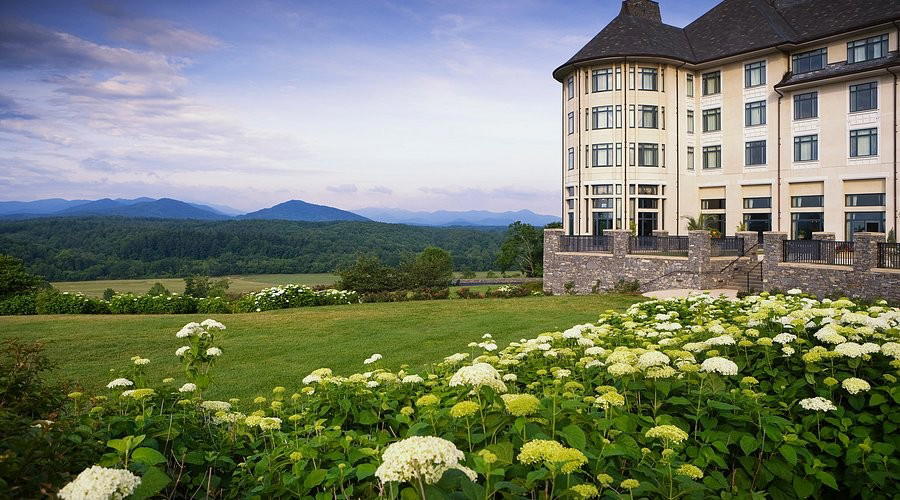
Casual and welcoming atmosphere in a hotel-adjacent town square setting with comfortable seating for all-day dining.
Know Before You Go
- Getting there
- 43 Town Square Blvd, Asheville, NC 28803