Dancing Bear Appalachian Bistro


Dancing Bear Appalachian Bistro in Townsend, Tennessee holds a 1-Star Accreditation from the World of Fine Wine London Awards, placing it among a small cohort of regionally committed restaurants earning international recognition. The kitchen draws from Appalachian tradition, grounding its menu in the ingredients and foodways of the surrounding Great Smoky Mountains. For visitors moving through the quiet gateway town of Townsend, it represents a serious dining stop in an area more often associated with scenic drives than destination cooking.
Pearl is the En Primeur Club membership app — saves, bookings, and concierge access live there. Same editors, same standards.
- Address
- 7140 E Lamar Alexander Pkwy, Townsend, TN 37882
- Phone
- (865) 336-2138
- Website
- dancingbearlodge.com
- Directions
- Get directions
 Saves & bookings on Pearl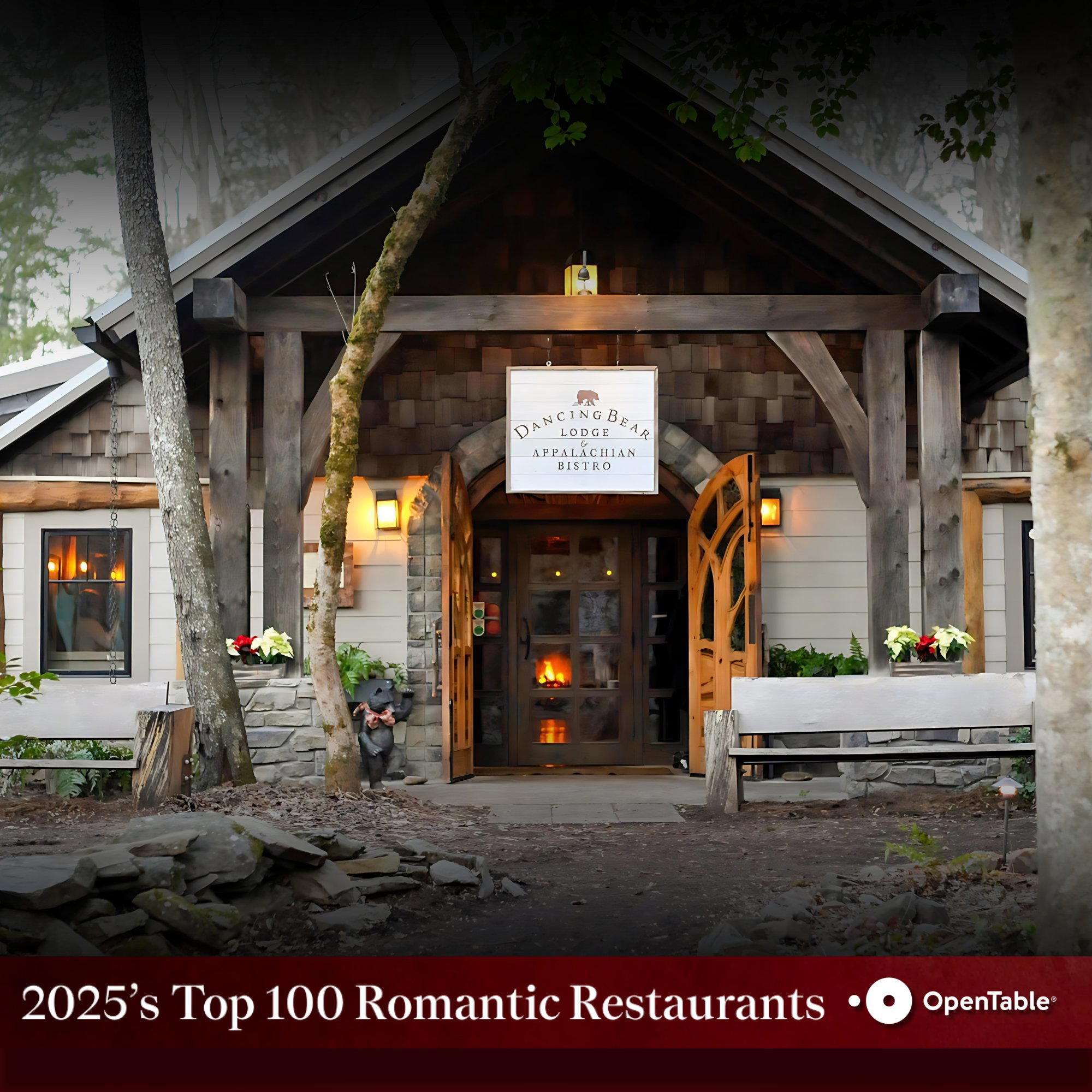
Where the Smokies Meet the Plate
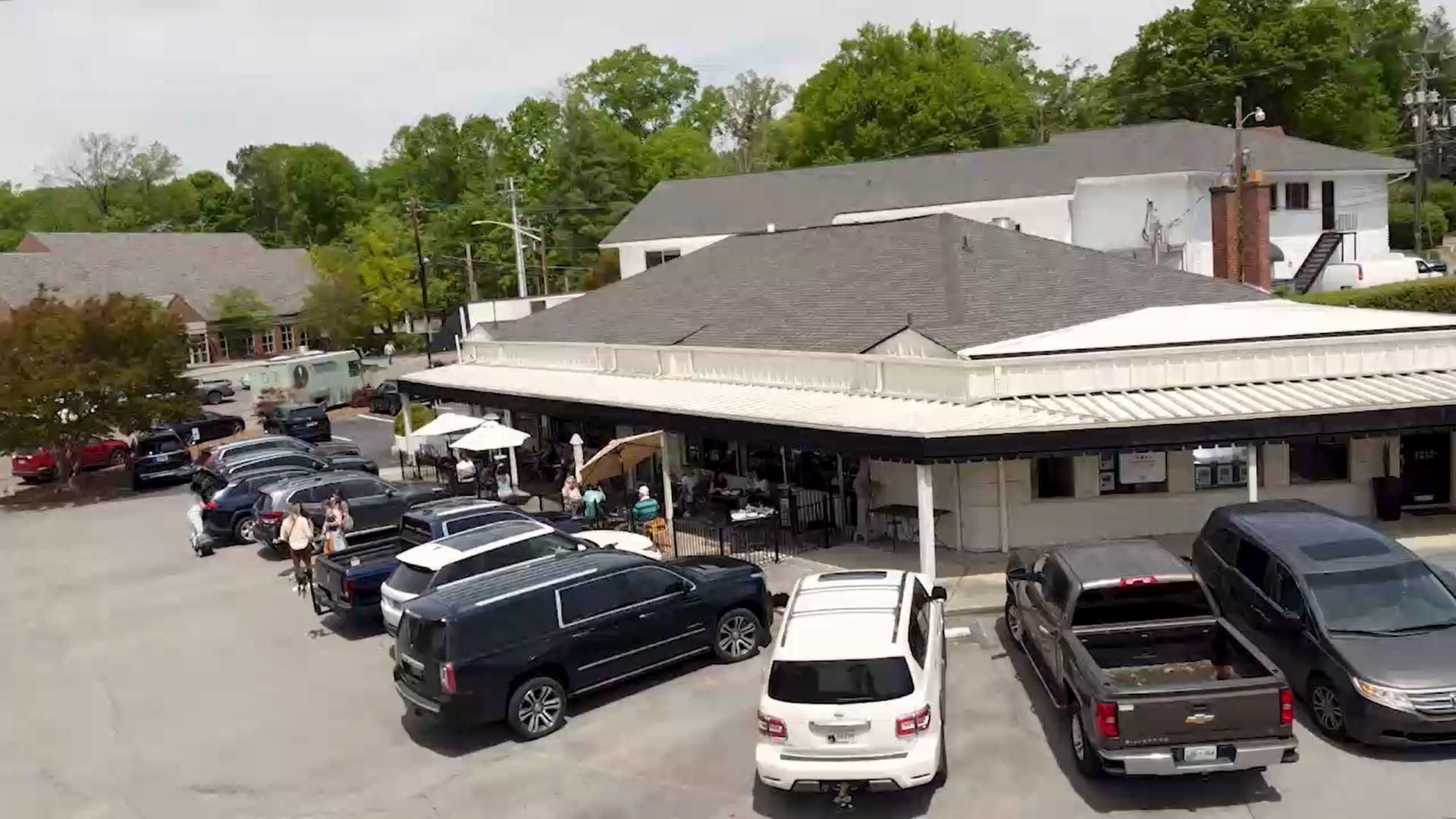
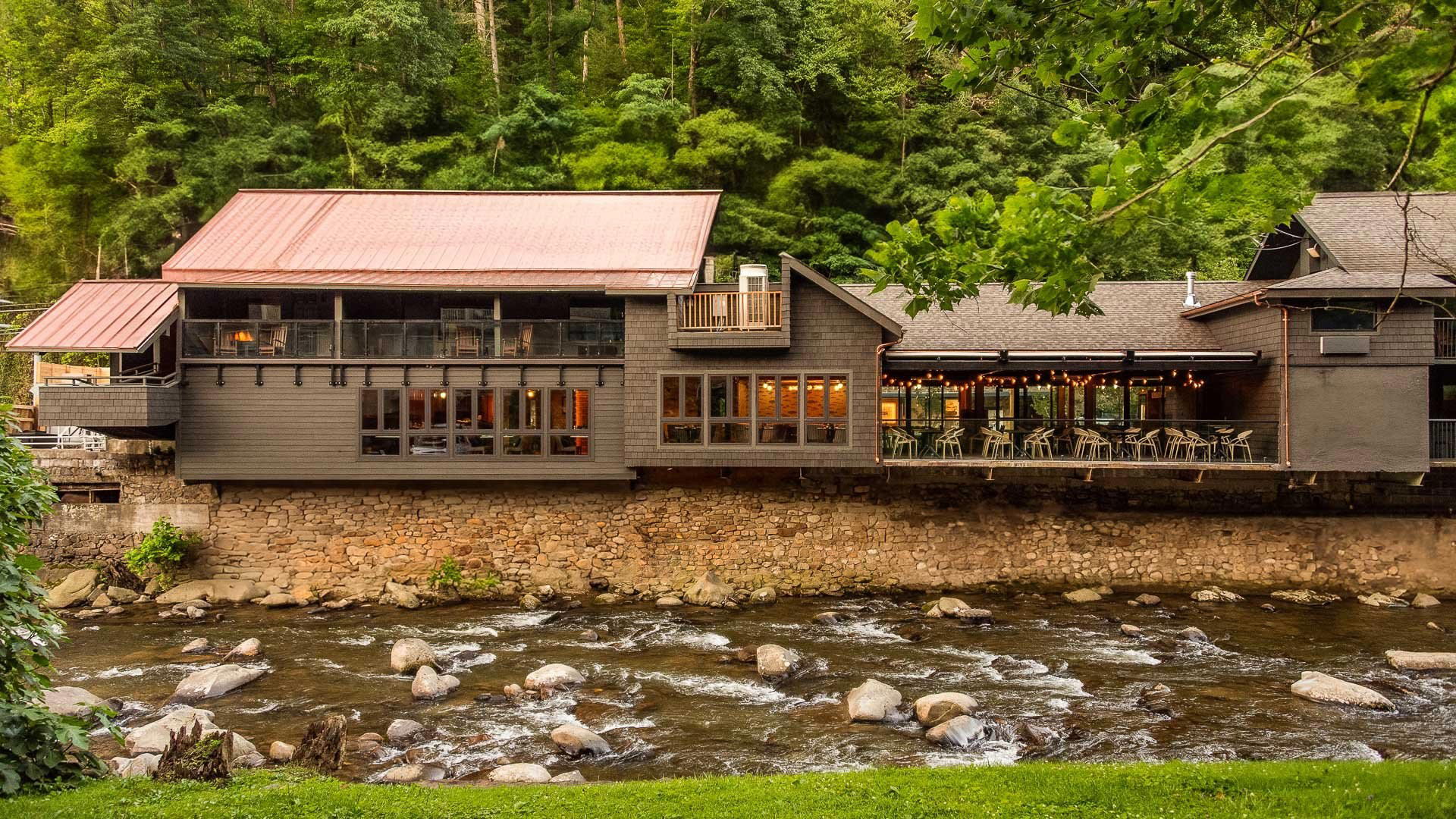
Townsend sits at the quieter western entrance to Great Smoky Mountains National Park, a town that has long functioned as a staging point rather than a destination in its own right. The East Lamar Alexander Parkway runs through it with the unhurried rhythm of a mountain road, and Dancing Bear Appalachian Bistro occupies a position along that corridor that signals something different from the surrounding range of lodges and outfitters. The building sits with a directness that suits the region: no theatrical concealment, no performative rusticity, just a structure that reads as grounded in where it actually is.
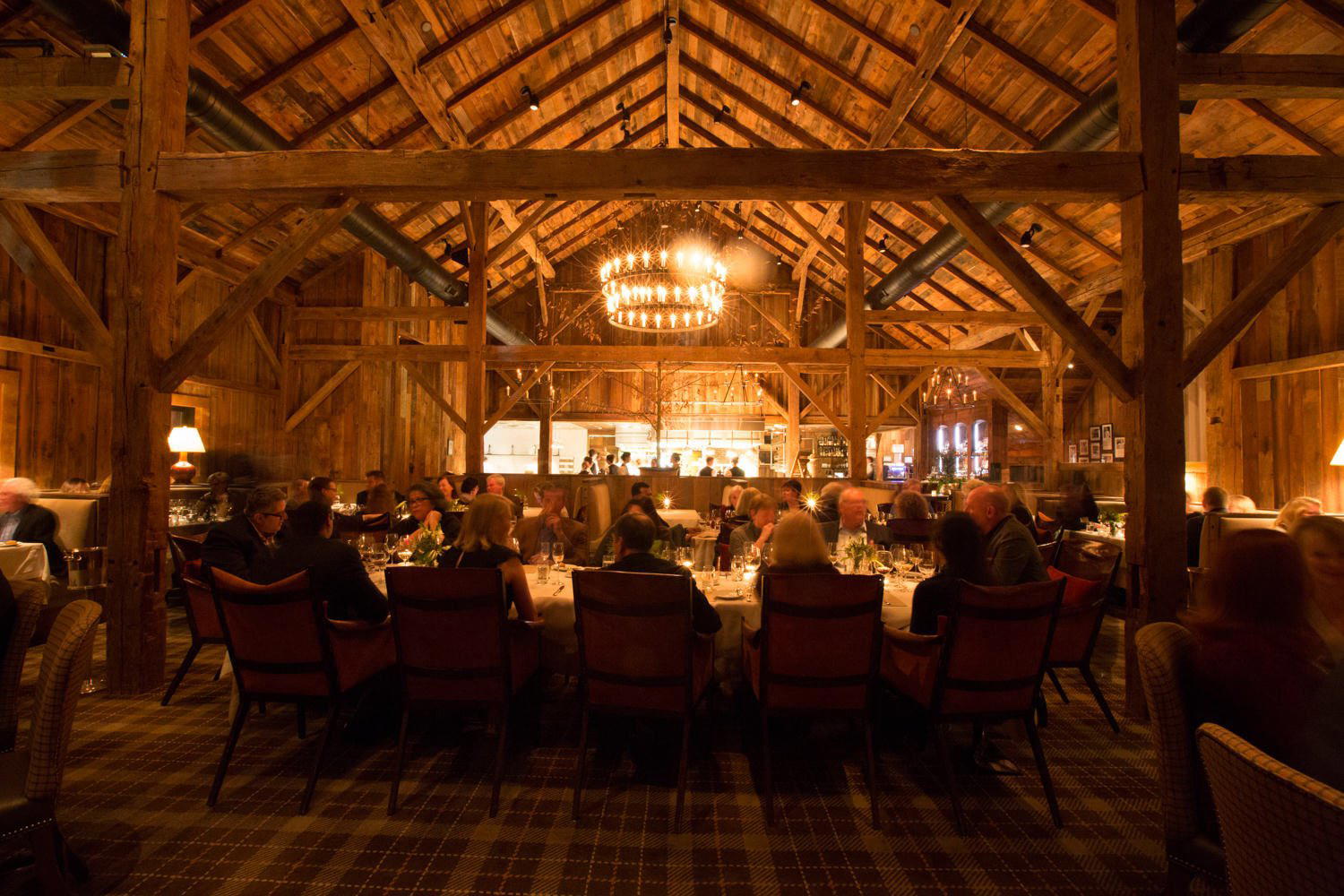
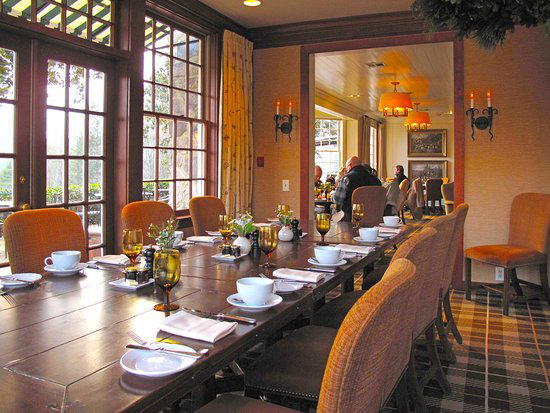
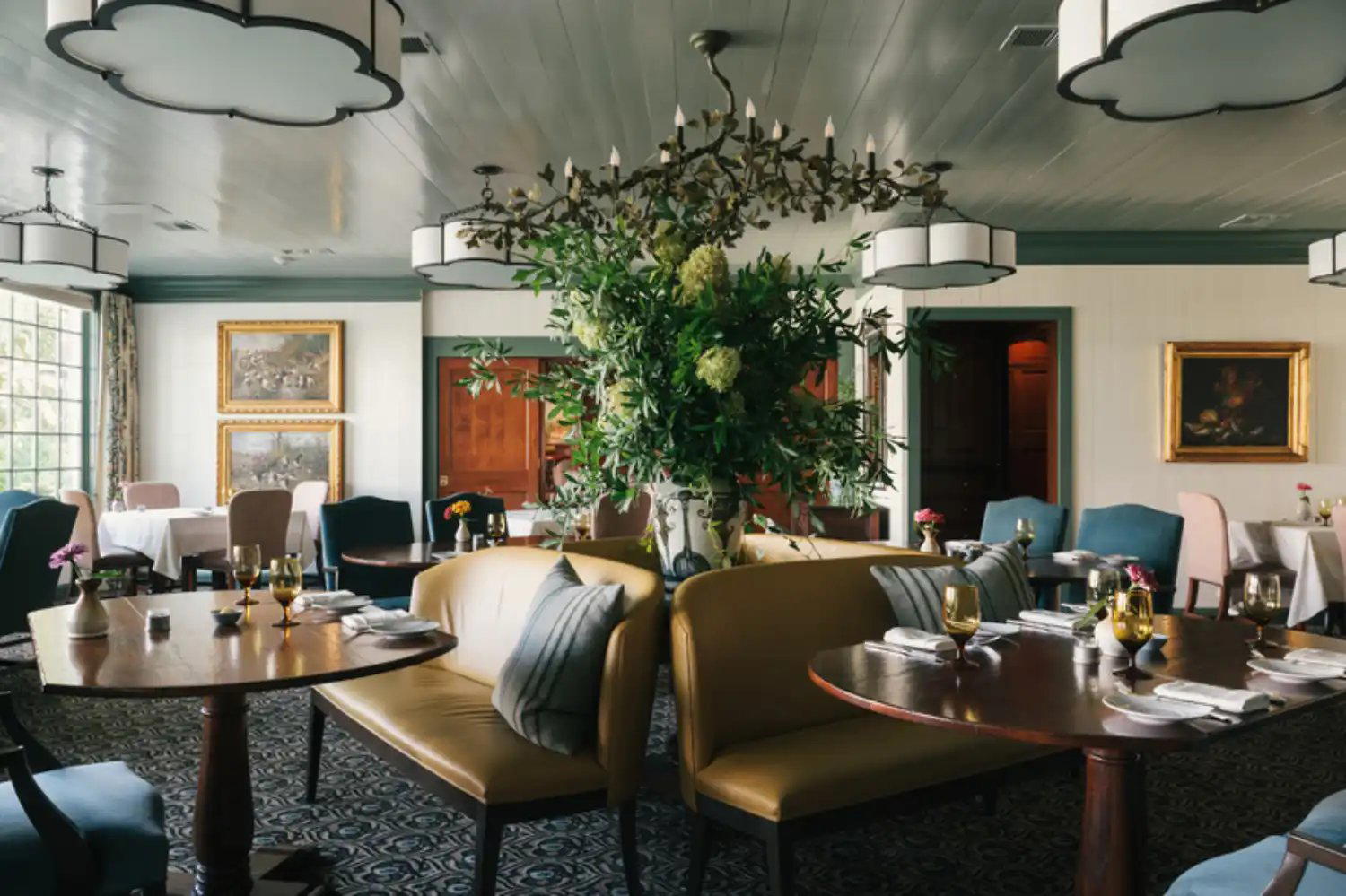
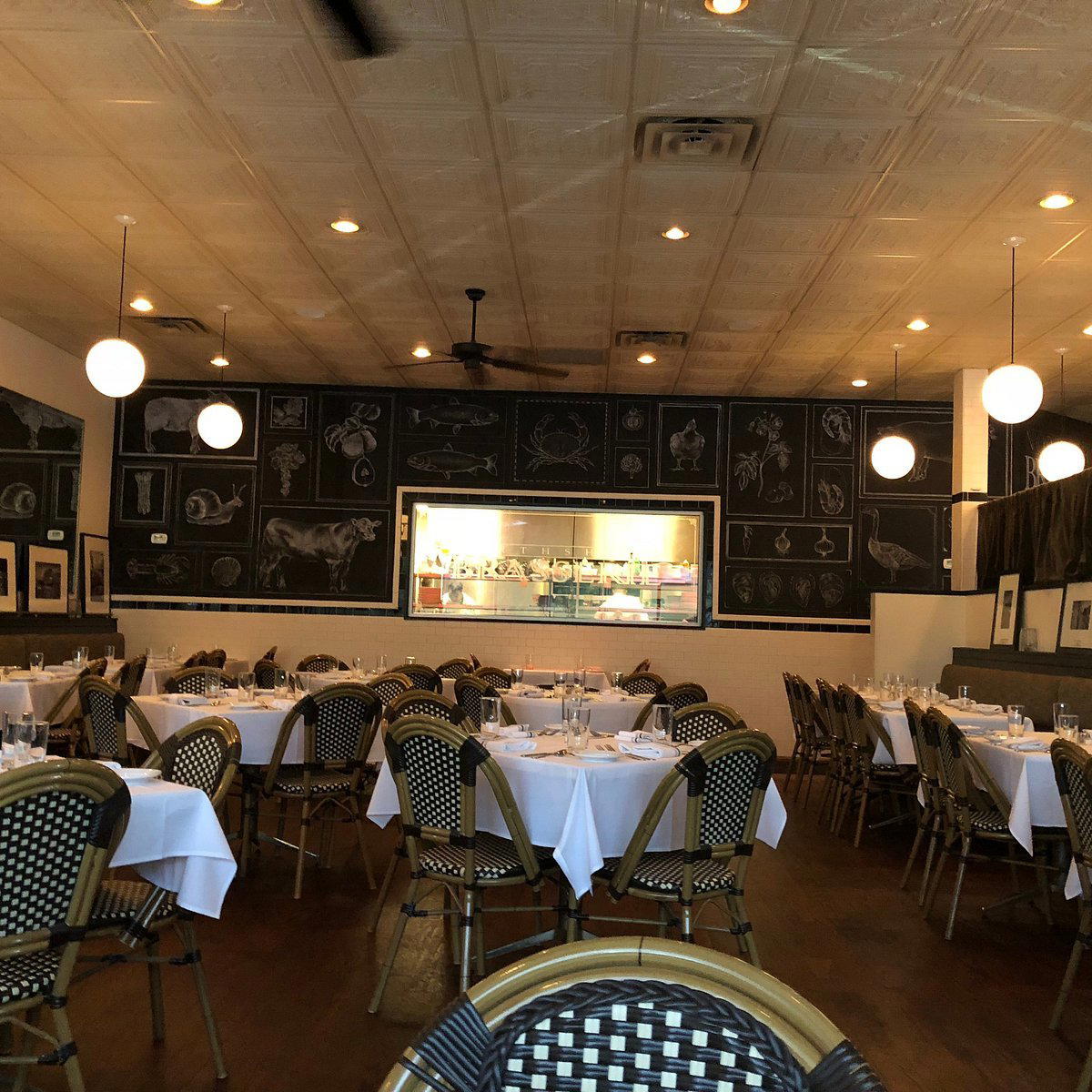
That sense of rootedness extends to the dining room. Appalachian interior traditions favour materials that age rather than gleam, and the bistro fits within that sensibility. Arriving guests come in from a setting where the ridge lines of the Smokies are a constant visual presence, and the transition indoors doesn't ask them to forget that. This is a kitchen that takes its geographic position as a working premise rather than a marketing angle.
The Appalachian Sourcing Argument
American regional cooking has gone through a long reckoning with what "local" and "seasonal" actually mean in practice. In particularly serious iterations, from Blue Hill at Stone Barns in Tarrytown to Single Thread Farm in Healdsburg, the sourcing thesis drives menu structure: what grows near, what's in season now, and what the surrounding food culture has historically known how to do with those ingredients. Dancing Bear Appalachian Bistro operates within this same argument, applied to one of America's most historically distinct culinary regions.
Appalachian foodways are older and more specific than most American regional cooking gets credit for. The mountains produced distinct preservation traditions, a particular relationship with foraged ingredients, and a protein-forward diet shaped by the land's carrying capacity. Ramps, pawpaws, sorghum, country ham, trout from cold mountain streams, and a deep tradition of putting up what summer produces for winter use: these aren't quaint heritage notes. They're a coherent culinary system that predates the farm-to-table framing by generations. A kitchen that takes this seriously has more material to work with than most American regional programs.
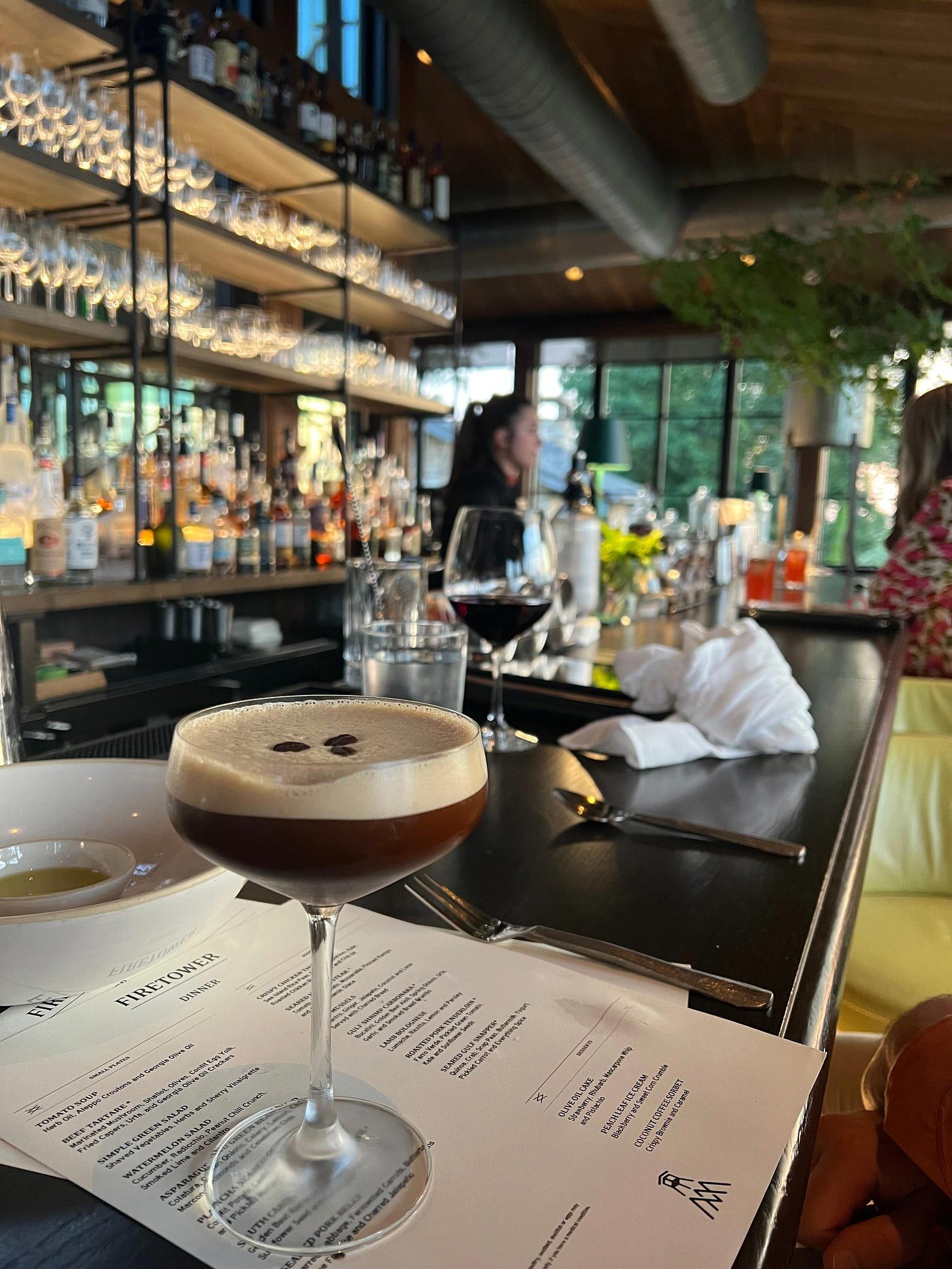
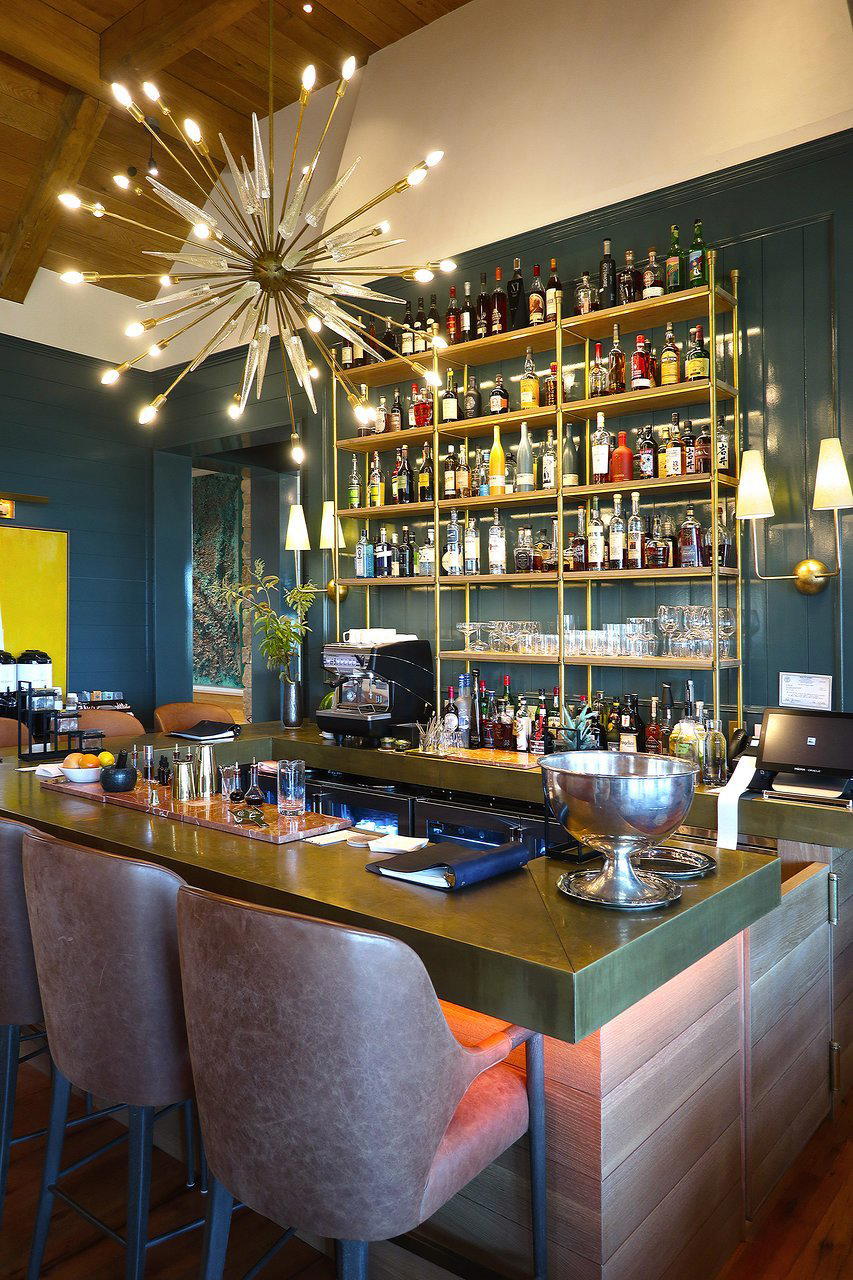
The World of Fine Wine 1-Star Accreditation recognizes a wine program taken seriously alongside the kitchen. That signal matters in a region where wine lists often run as afterthoughts. The accreditation places the bistro in conversation with programmes that understand pairing as an editorial act, not a formality.
Regional Recognition in Context
Tennessee's restaurant scene has historically concentrated its critical mass in Nashville and Memphis, with the eastern mountain corridor receiving less sustained attention from national food media. That distribution means a 1-Star Accreditation earned in Townsend carries a different weight than the same credential in an already-dense dining market. In cities like New York, the credential sits alongside dozens of peer operations. In a small gateway town at the edge of a national park, it marks a restaurant operating well above its immediate competitive set.
For context on the broader American fine-dining field: operations at the far end of the ambition spectrum, places like Alinea in Chicago, The French Laundry in Napa, and Le Bernardin in New York City, tend to occupy urban centres where the density of culinary infrastructure, supplier networks, and critical attention creates particular conditions. Restaurants like Dancing Bear occupy a different category entirely: serious cooking done at considerable remove from those nodes, dependent on relationships with regional producers and a different kind of guest relationship.
Closer to home, The Barn at Blackberry Farm occupies the highest tier of Townsend dining, operating within the destination-resort framework of Blackberry Farm with a nationally recognised wine programme and a kitchen that has drawn serious critical attention for years. Dancing Bear occupies a different position in the same geography: accessible without a resort reservation, drawing visitors and locals rather than exclusively retreat guests, and making an argument for Appalachian cooking on its own terms rather than within the luxury lodge context.
What the Bistro Format Means Here
The bistro designation carries weight when applied honestly. In the French tradition from which the word derives, a bistro implies a certain directness: fewer courses, less ceremony, but no reduction in the quality of sourcing or execution. Applied to Appalachian cooking, the format suggests a menu that leads with the ingredients rather than with technique as spectacle. This positions the restaurant differently from progressive American programs like Lazy Bear in San Francisco, where elaborate format and chef-driven theatrics are central to the proposition. The bistro frame implies that the Smokies themselves are doing most of the heavy lifting.
That framing also has implications for the dining experience as a whole. Visitors to this part of Tennessee are often in the middle of multi-day park itineraries: hiking, driving the scenic loop roads, spending time at elevation. A kitchen that sources from the same mountains its guests have been walking through creates a coherent arc to the day. The foraged ingredient, the heritage breed, the local grain: these connect the table to the landscape in a way that no amount of fine-dining format can manufacture.
Planning a Visit
Townsend itself is covered in depth in our full Townsend restaurants guide, which maps the dining options across the town's various price points and formats. For those planning an extended stay, our full Townsend hotels guide covers lodging options from resort-scale properties to smaller independent stays.
Seasonal programming in Appalachian kitchens tends to shift substantially across the calendar, and availability at small-format operations in high-traffic tourist corridors can compress quickly around holiday weekends and peak park-entry periods.
For travellers comparing Dancing Bear to other regionally rooted American programs before committing to a visit, the comparison with sourcing-driven operations like Providence in Los Angeles, Addison in San Diego, and The Inn at Little Washington in Washington is instructive for understanding format expectations, though the Appalachian bistro operates at a distinct price point and formality level from those operations. The throughline is seriousness about where the food comes from, not equivalence in format or ceremony.
In Context: Similar Options
Comparable venues nearby, for context on price, style, and recognition.
| Venue | Cuisine | Price | Awards | Notes |
|---|---|---|---|---|
| Dancing Bear Appalachian BistroThis venue — the venue you are viewing | Modern Appalachian Bistro | $$$ | Not listed | Not listed |
| The Barn at Blackberry Farm | Foothills Cuisine | $$$$ | Not listed | Walland |
| The Appalachian | Modern Southern Appalachian | $$$ | Not listed | Historic Downtown Sevierville |
| The Old Mill Restaurant | Southern Country Comfort | $$ | Not listed | Pigeon Forge |
| The Restaurant at RT Lodge | Southern American Fine Dining | $$$ | Michelin Plate | Maryville |
| The Greenbrier | Polished Appalachian Steakhouse | $$$$ | Not listed | Greenbrier |
Recognition history
Dated appearances from independent guides and award organizations, with the underlying list record or original source where available.
Wine Spectator Award of Excellence
Wine Spectator
World's Best Wine Lists Awards WBWL 1-Star
World's Best Wine Lists Awards
At a Glance
- Rustic
- Romantic
- Cozy
- Elegant
- Scenic
- Date Night
- Special Occasion
- Celebration
- Open Kitchen
- Historic Building
- Extensive Wine List
- Farm To Table
- Local Sourcing
- Mountain
Current opening hours
- Monday
- Closed
- Tuesday
- 5–9 PM
- Wednesday
- 5–9 PM
- Thursday
- 5–9 PM
- Friday
- 5–9 PM
- Saturday
- 5–9 PM
- Sunday
- 10:30 AM–1:30 PM, 5–9 PM
Hours can change for holidays and private events. Last verified .
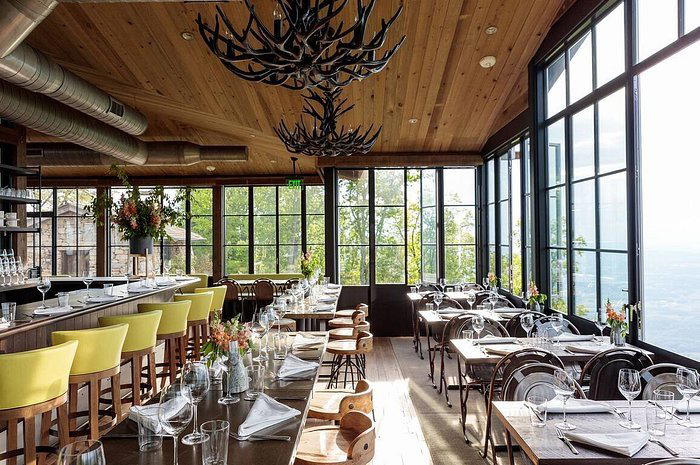
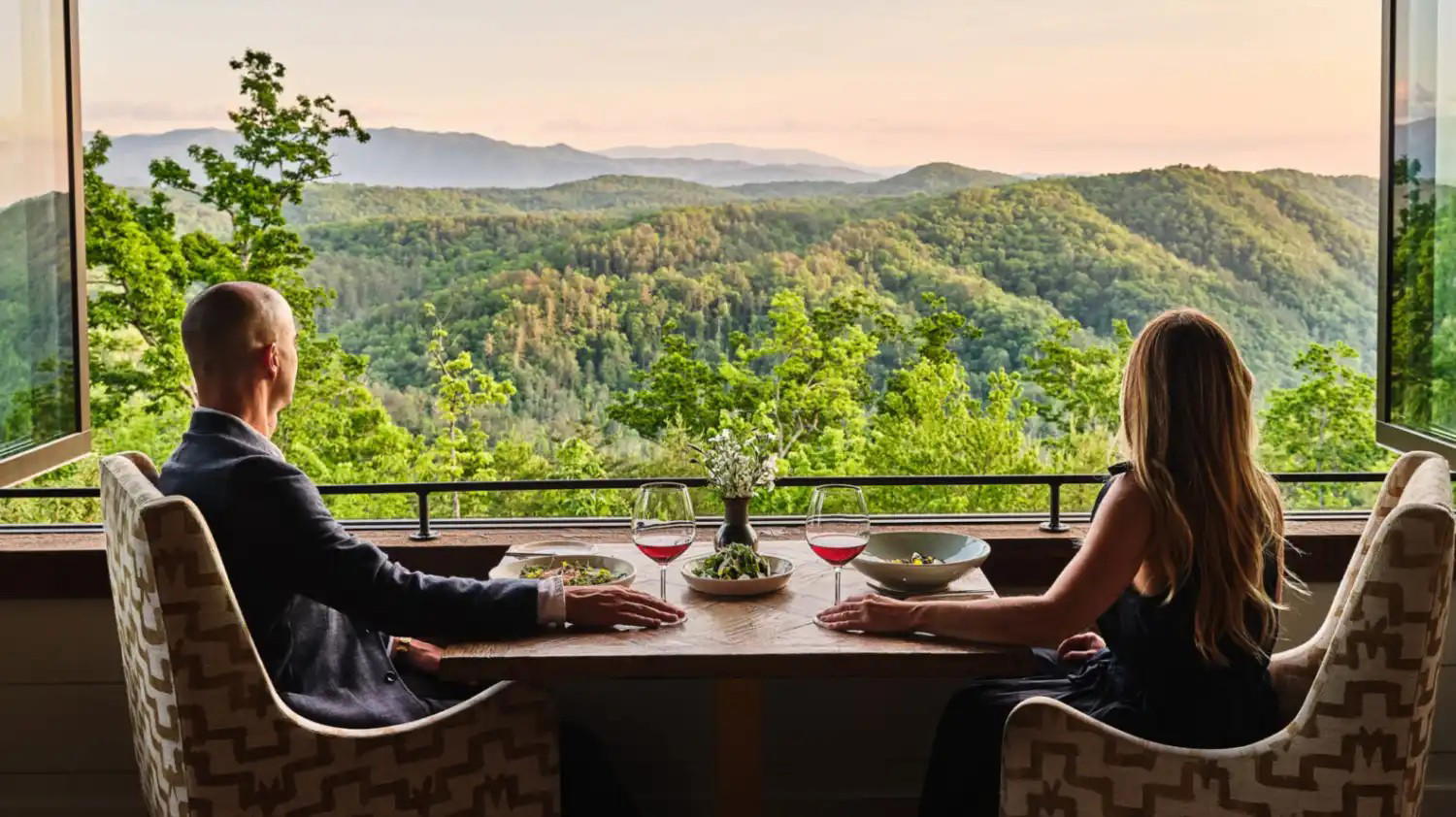
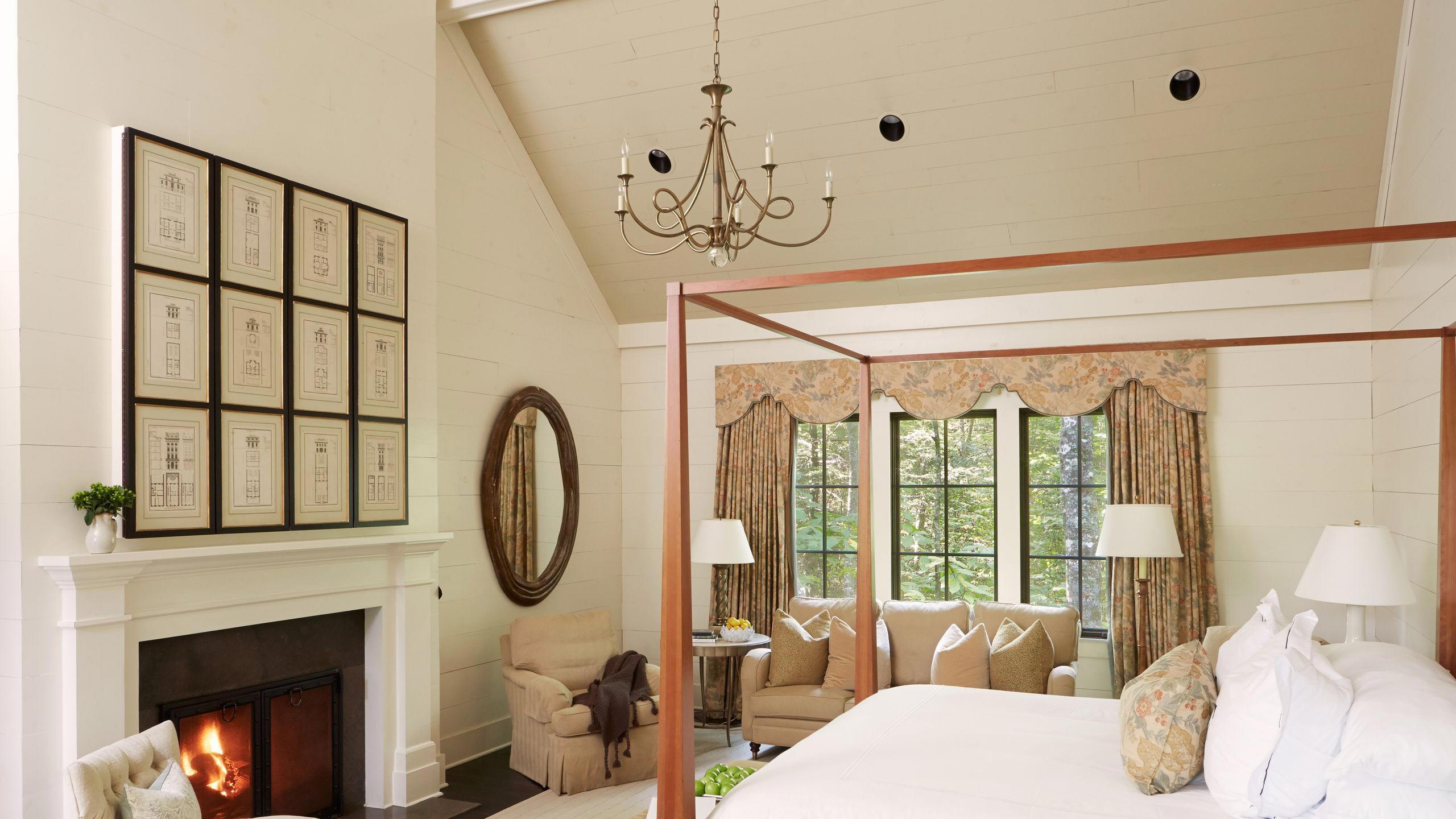
Rustic yet elegant atmosphere bathed in rich mountain scenery, with a relaxing pace, cozy indoor spaces featuring a roaring fireplace, and a beautiful redesigned patio.