On Selegie Road, where the Rochor and Little India precincts converge, Hathaway Autograph brings modern interpretations of Southeast Asian cooking to a part of Singapore that runs on neighbourhood habit rather than tourist itinerary. The address alone signals a different register from the Orchard and Marina Bay dining clusters, and the cuisine follows that logic: familiar regional foundations reframed through a contemporary kitchen.
Pearl is the En Primeur Club membership app — saves, bookings, and concierge access live there. Same editors, same standards.
- Address
- 189 Selegie Rd, Singapore 188332
- Directions
- Get directions
 Saves & bookings on Pearl
Where Selegie Road Sets the Terms
Selegie Road occupies a corridor between two of Singapore's most densely characterful precincts. To the north, Little India's wet markets and tiffin carriers operate on rhythms largely unchanged for decades. To the south, Rochor and Bugis carry the architectural memory of shophouse Singapore. A restaurant at number 189 sits inside that compression of registers, and the dining mode that works here tends toward the considered rather than the theatrical. Hathaway Autograph reads that context correctly. It is a restaurant at 189 Selegie Rd, Singapore 188332, serving Southeast Asian and British Fusion at a price tier of 3. The approach is modern Southeast Asian cooking, a category that in Singapore's current restaurant scene sits between the hawker vernacular and the multi-course tasting formats that dominate the upper end of the Singapore restaurant circuit.
The Category It Occupies
Singapore's fine-dining tier has consolidated around European frameworks. Odette and Les Amis operate within French Contemporary lineages. Zén works from a Scandinavian foundation. Jaan by Kirk Westaway anchors itself in British produce sensibility. The approachable modern Southeast Asian register is a different proposition: it draws on the region's ingredient vocabulary, its ferments, its aromatics, its structural reliance on balance between acid, heat, and sweetness, while reframing those elements for a dining room context. This is the space where Meta has operated with some critical recognition, and where a broader cohort of smaller, neighbourhood-anchored restaurants has found ground over the past five years. Hathaway Autograph positions itself within that cohort.
Reading the Meal as a Sequence
The editorial angle most useful for understanding how modern Southeast Asian restaurants distinguish themselves is the sequence of a meal from first to last course. In this format, the opening dishes function as a statement of vocabulary: which ingredients the kitchen privileges, how it handles heat and acid at low intensity, whether it works from a single national tradition or moves across the region. Southeast Asian cooking at this register frequently opens with something cold, bright, and high-acid, a salad or a raw preparation that declares the kitchen's confidence with balance. The middle of the meal in this tradition tends to be where protein and ferment meet, often in forms that reference Malaysian, Indonesian, or Thai technique without direct replication. The final savoury course and the dessert stage are where the modern framing becomes most apparent: regional ingredients applied to formats that owe something to European plating logic.
This progression, vocabulary declaration, regional technique, contemporary resolution, is the structural logic behind most serious modern Southeast Asian menus in Singapore. Restaurants that execute it well tend to earn the kind of consistent return visits that sustain a Selegie Road address, where passing tourist traffic is not the primary driver.
The Neighbourhood as Context
The Selegie Road stretch rewards comparison with how other mid-to-upper neighbourhood dining addresses work across Singapore's districts. Béni in Orchard operates within a hotel-adjacent premium zone where the clientele arrives with a specific occasion in mind. Etna in Outram and Fu He Delights in Rochor are shaped by the mixed residential and commercial pressures of their respective districts. Selegie sits closer to the Rochor character: a local density that has historically supported everything from budget Indian-Muslim to mid-tier Chinese, with occasional higher-register openings that succeed by offering something the neighbourhood's existing fabric doesn't. A modern Southeast Asian address here competes less with the fine-dining circuit and more with the strong casual-dining inertia of the surrounding streets, which makes the quality threshold different from, say, the same concept on Ann Siang Hill or Tras Street.
For comparison across Singapore's broader neighbourhood dining spread, Haidilao in Sembawang, KTMW in Bedok, and Asian Twist by 365 Food in Queenstown illustrate how differently the same broad Southeast Asian cuisine category is interpreted across the island's residential zones. The Selegie context places Hathaway Autograph closer to the mid-register aspiration of those addresses than to the destination-dining gravity of the CBD cluster.
What Singapore's Modern Southeast Asian Scene Looks Like in Practice
The broader category has international reference points. Atomix in New York demonstrates how Korean culinary tradition can be reframed through fine-dining sequencing without losing the integrity of its source material, a useful model for what succeeds and what fails in regional-cuisine modernisation. Le Bernardin in New York shows what happens when a single-ingredient focus (in that case, fish) is sustained across an entire tasting menu: the discipline produces clarity. Both examples point to the same principle that applies in Singapore's modern Southeast Asian tier: restraint in the number of ideas per plate tends to outperform ambition at the expense of coherence.
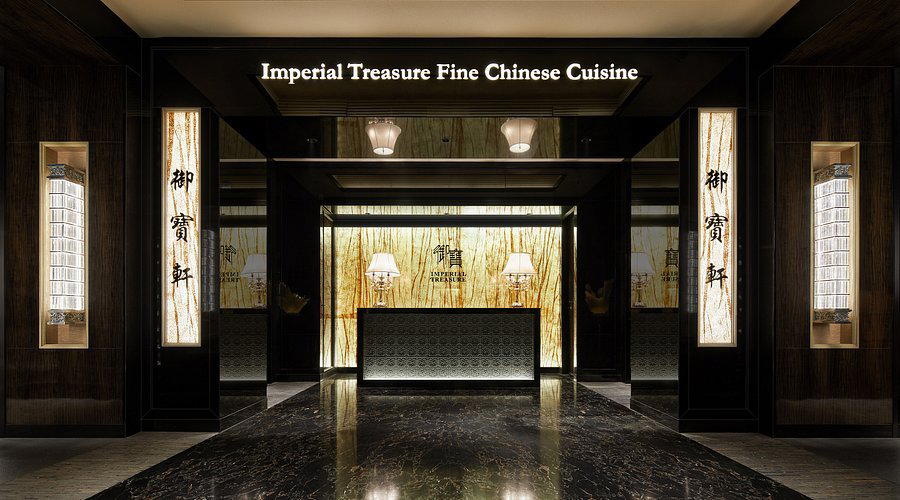
In Singapore specifically, the category also has pressure from the hawker tradition, which is not easily dismissed. Imperial Treasure Fine Chinese Cuisine in the Downtown Core demonstrates how Chinese cooking can sustain a formal dining room format; the Southeast Asian equivalent has fewer long-running precedents, which is part of what makes newer entrants in this space interesting to track.
Planning a Visit
The restaurant is located at 189 Selegie Road, Singapore 188332, a short walk from Dhoby Ghaut MRT station where the North-South, North-East, and Circle lines intersect, one of the better-connected access points in central Singapore. For pricing context, the restaurant sits at a price tier of 3.
Credentials Lens
Comparable venues nearby, for context on price, style, and recognition.
| Venue | Cuisine | Price | Notes |
|---|---|---|---|
| Hathaway AutographThis venue — the venue you are viewing | Southeast Asian and British Fusion | $$$ | Not listed |
| Restaurant Born | Contemporary French-Chinese Fusion | $$$$ | CHINATOWN |
| SUSHISAMBA Singapore | Japanese-Peruvian-Brazilian Fusion | $$$$ | CECIL |
| The Coastal Settlement | Local Fusion with Contemporary Twist | $$ | CHANGI POINT |
| Basilico | Italian All-Day Dining | $$$ | TANGLIN |
| Sushi Ashino | Edomae Jukusei Sushi Omakase | $$$ | CHINATOWN |
Continue exploring
More in Singapore
Restaurants in Singapore
Browse all →
Bars in Singapore
Browse all →
At a Glance
- Modern
- Elegant
- Brunch
- Family
- Hotel Restaurant
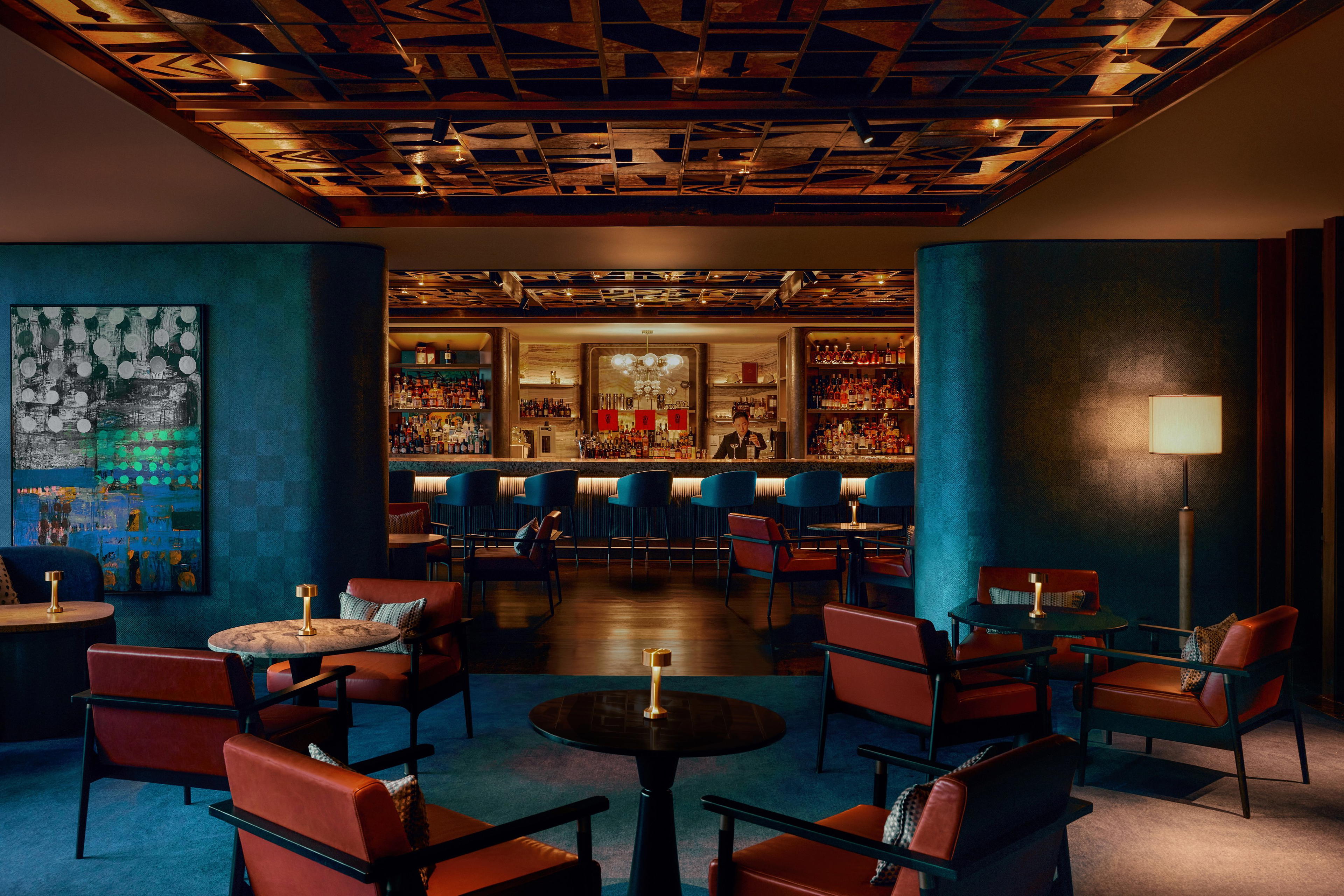
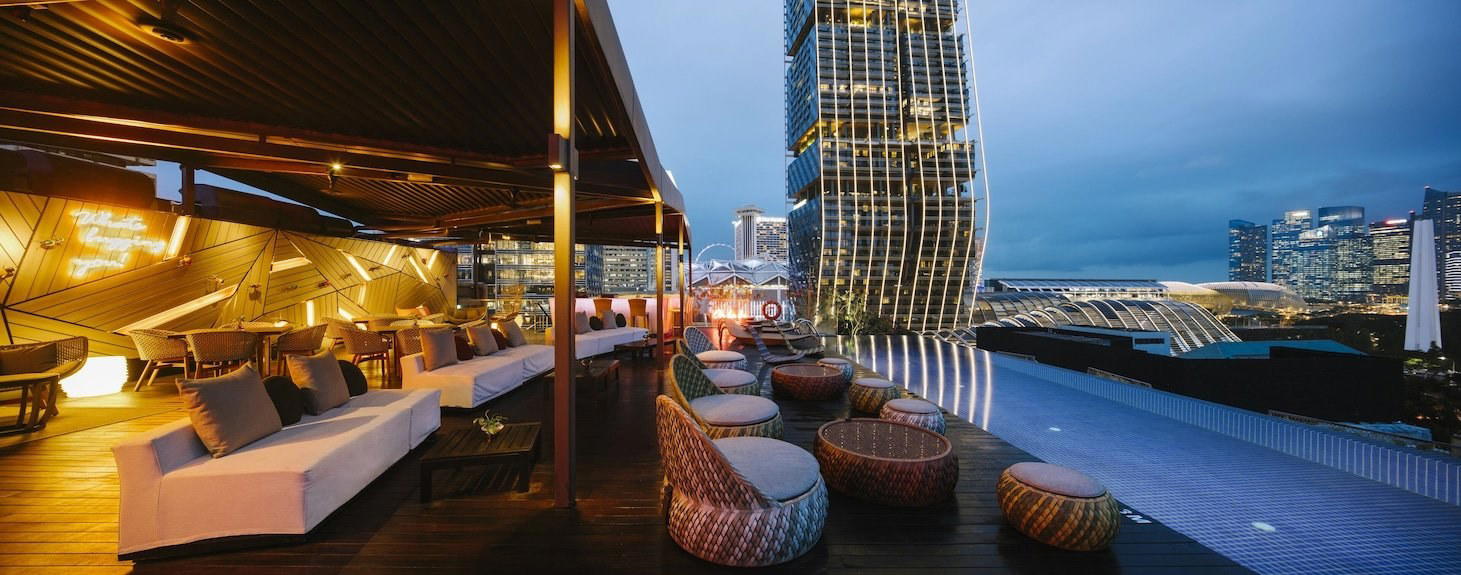
Invigorating cosmopolitan atmosphere with indoor and alfresco seating options.