Haštalská 753/18
On a quiet lane in Staré Město, Haštalská 753/18 occupies a corner of Prague's Old Town where medieval street plans and contemporary dining sensibilities converge. The address sits within walking distance of the city's most-discussed restaurant tables, yet operates at a remove from the tourist-facing strip. For visitors piecing together a serious Prague itinerary, it belongs on the shortlist alongside the neighbourhood's more-documented addresses.
 Discover on Pearl
Pearl is the En Primeur Club membership app — saves, bookings, and concierge access live there. Same editors, same standards.
Staré Město's Quieter Corner
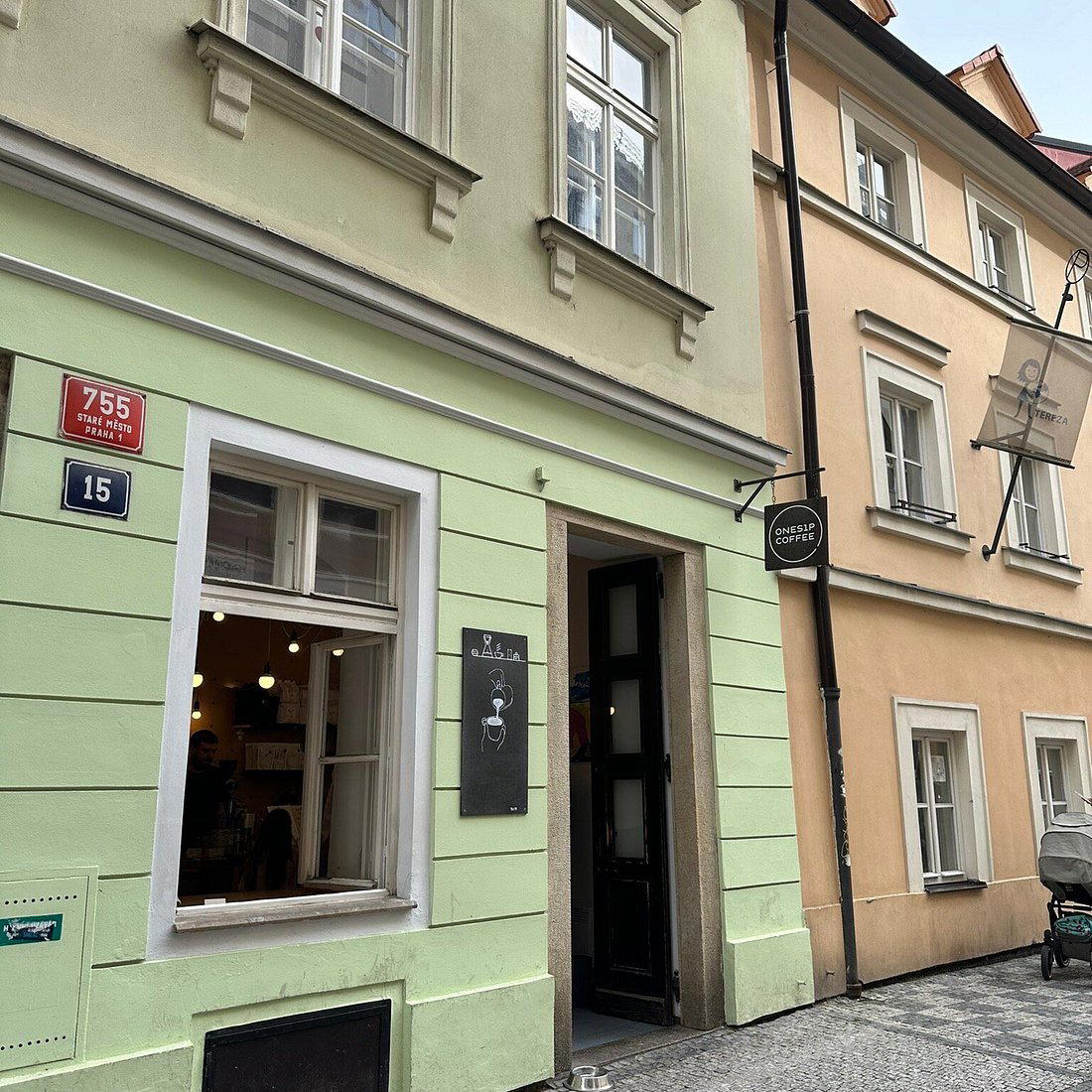
Prague's Old Town divides sharply between its tourist-facing perimeter, where menus in six languages and laminated photographs of svíčková dominate, and its interior lanes, where a different category of address operates for a more deliberate clientele. Haštalská is one of those interior streets: a cobblestoned cut through the northern quarter of Staré Město, running close to the Haštal Church and within easy reach of the Old Town Square without being consumed by it. Haštalská 753/18 is a restaurant in Prague serving Modern Czech Cuisine, with a price tier of 4 and an approximate spend of $95 per person. The building at number 753/18 sits in that in-between zone, where the foot traffic thins and the dining room, by implication, fills with people who came specifically rather than incidentally.
This matters more than it might seem. In a city where Old Town real estate has pushed many serious kitchens toward the river-adjacent tourist belt or outward to residential neighbourhoods like Vinohrady and Žižkov, an address that holds its position in Staré Město's quieter interior carries a locational argument in itself. The geography signals a particular kind of intention, both from the operator and the guest.
Where Czech Sourcing Meets Contemporary Kitchens
The broader shift in Prague's serious restaurant scene over the past decade has been away from the Central European comfort-food canon and toward kitchens that interrogate their own supply chains. La Degustation Bohême Bourgeoise, operating at the €€€€ tier with a French-Czech framework, represents one pole of that shift: historically informed, technically elaborate, ingredient-obsessive. At the €€€ level, addresses like Alma and Amano have staked claims in a different register, leaning into produce-forward formats that connect kitchen to farm more visibly. The pattern across these kitchens is consistent: the sourcing story has become the credibility story.
Czech agriculture gives serious kitchens genuine material to work with. Bohemia and Moravia produce game, freshwater fish from managed river systems, forest mushrooms with a seasonal specificity that rivals the French model, and root vegetables that have anchored Central European cooking for centuries. The question each kitchen answers differently is whether to treat that larder as heritage or as raw material for something more contemporary. The most interesting addresses in Prague currently do both, using traditional Czech ingredients as a foundation while applying techniques and plating philosophies imported from French, Nordic, and Japanese traditions. 420 Restaurant and Alcron each occupy different positions within that broader framework.
The Old Town Address as Context
What an address like Haštalská 753/18 offers, in a city reorganising its serious dining scene, is proximity to the cultural infrastructure that draws international visitors while maintaining the operational remove that serious kitchens require. The street itself is not a dining destination in the way that, say, the riverfront or the blocks around Náměstí Míru have become. It is a working part of the old city, with a parish church, residential buildings, and the kind of quietude that encourages a different pace of eating.
That quietude is increasingly rare in Staré Město. As short-term rental conversions have thinned the residential population of Prague's historic core, the streets that retain genuine neighbourhood character have become more valuable to the restaurants that occupy them. A kitchen drawing on regional Czech sourcing, operating in that environment, positions itself against the tourist-trap model by default, and against the formal tasting-menu tier by geography and implied format.
For context on how Prague's dining scene extends beyond the capital, Na Spilce in Pilsen, Pavillon Steak House in Brno, and Cattaleya in Čeladná each represent how Czech regional cooking is being reframed outside the capital, with similar sourcing conversations happening in kitchens from Olomouc to Chrudim. Smaller towns like Písek, Šumperk, Děčín, and Budyně nad Ohří are producing kitchens that benchmark against Prague addresses rather than deferring to them, and V Bezovém Údolí in Kryštofovo Údolí demonstrates how a rural Czech setting can carry a sourcing argument more directly than any city address.
Planning a Visit
Haštalská runs through the northern section of Staré Město and is accessible on foot from the Old Town Square in under five minutes, or from the Náměstí Republiky metro station (Line B) in a similar timeframe. The street is not served by tram directly, but the surrounding network makes the area direct to reach from most Prague districts. As with many addresses in this part of the old city, evening visits benefit from arriving early to move through the competing foot traffic on the surrounding lanes. Booking ahead is advisable for any serious Prague Old Town address; the density of demand relative to quality supply in this neighbourhood means that walk-in availability at dinner is unpredictable. Reservation is essential.
Internationally, the sourcing-led approach that defines the best of Prague's current generation finds echoes in kitchens as different as Le Bernardin in New York City and Lazy Bear in San Francisco, both of which have built credibility on ingredient provenance rather than format alone.
Comparable Venues
Comparable venues nearby, for context on price, style, and recognition.
| Venue | Cuisine | Price | Awards | Notes |
|---|---|---|---|---|
| Haštalská 753/18This venue — the venue you are viewing | Modern Czech Cuisine | $$$$ | , | |
| Terasa U Zlaté studně | Modern Czech with International Influences | $$$$ | , | Mala Strana |
| Eska | Modern Czech with Neo-Nordic Influences | $$$ | Karlin | |
| Kantýna | Traditional Czech Grillhouse | $$ | , | Praha 2 |
| Ventana | Hotel Buffet Breakfast | $$$ | , | Stare Mesto |
| Le Palais | Modern Czech & International Fine Dining | $$$$ | , | Praha 2 |
At a Glance
- Elegant
- Sophisticated
- Intimate
- Classic
- Date Night
- Special Occasion
- Business Dinner
- Celebration
- Open Kitchen
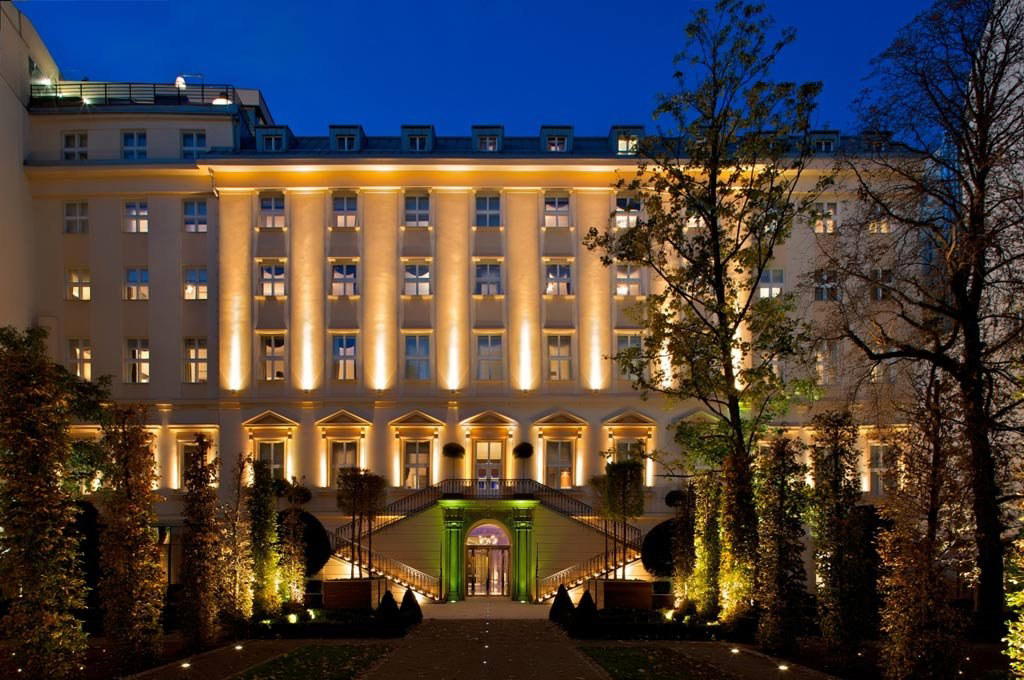
- Historic Building
- Standalone
- Extensive Wine List
- Sommelier Led
- Local Sourcing
- Farm To Table
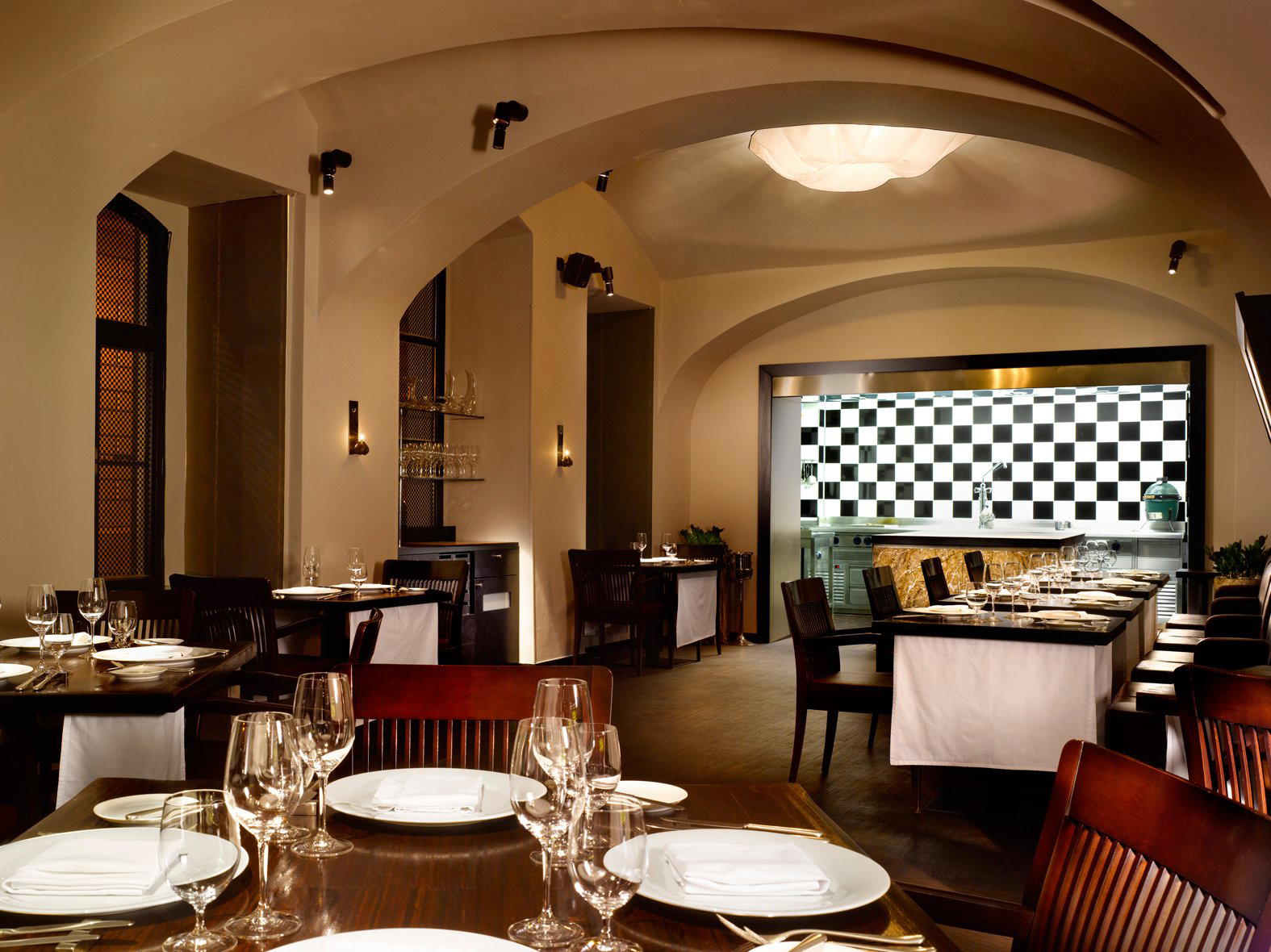
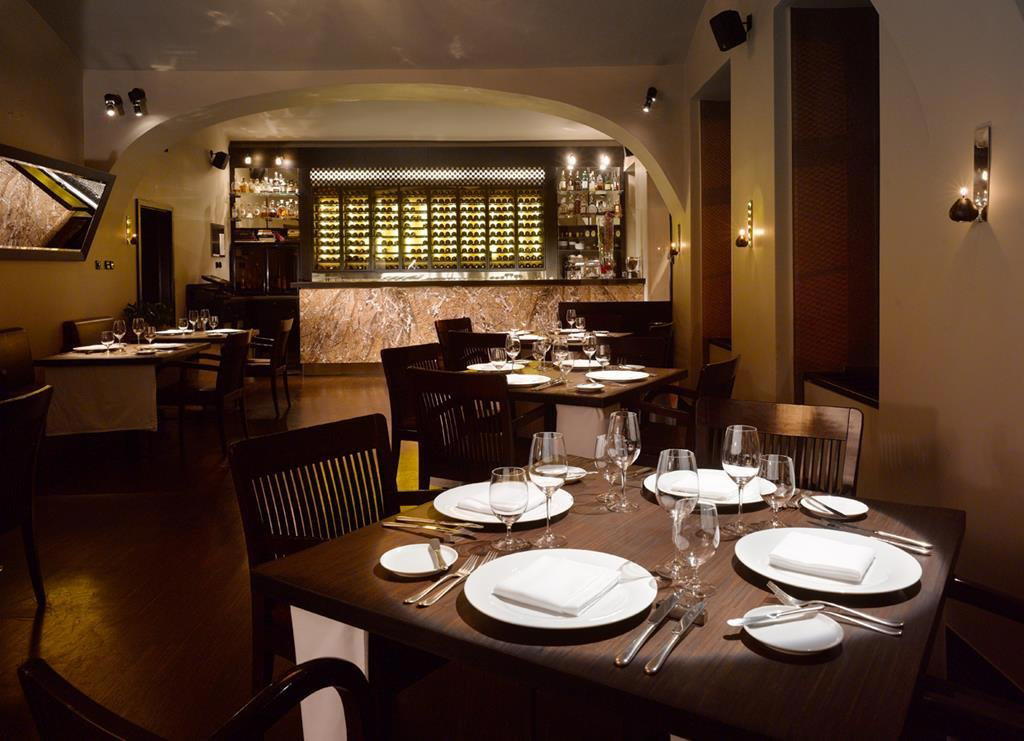
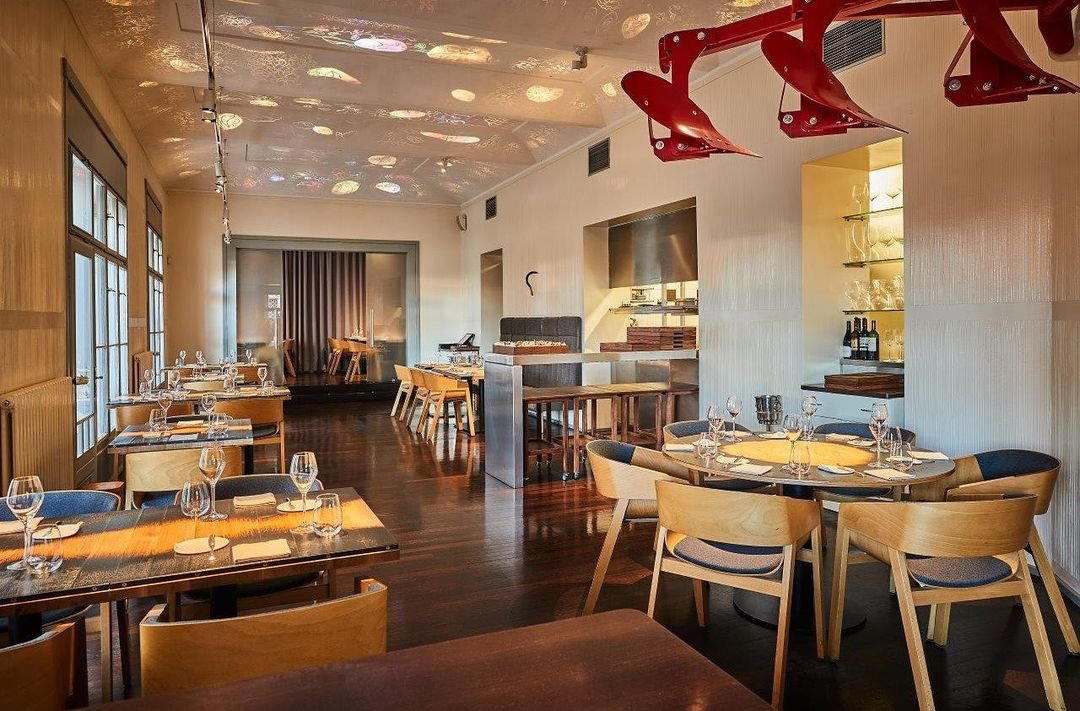
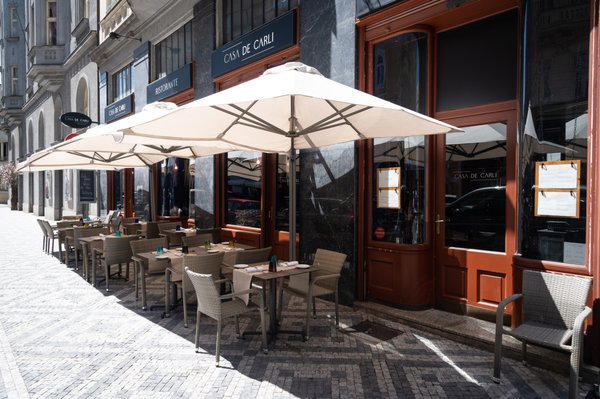
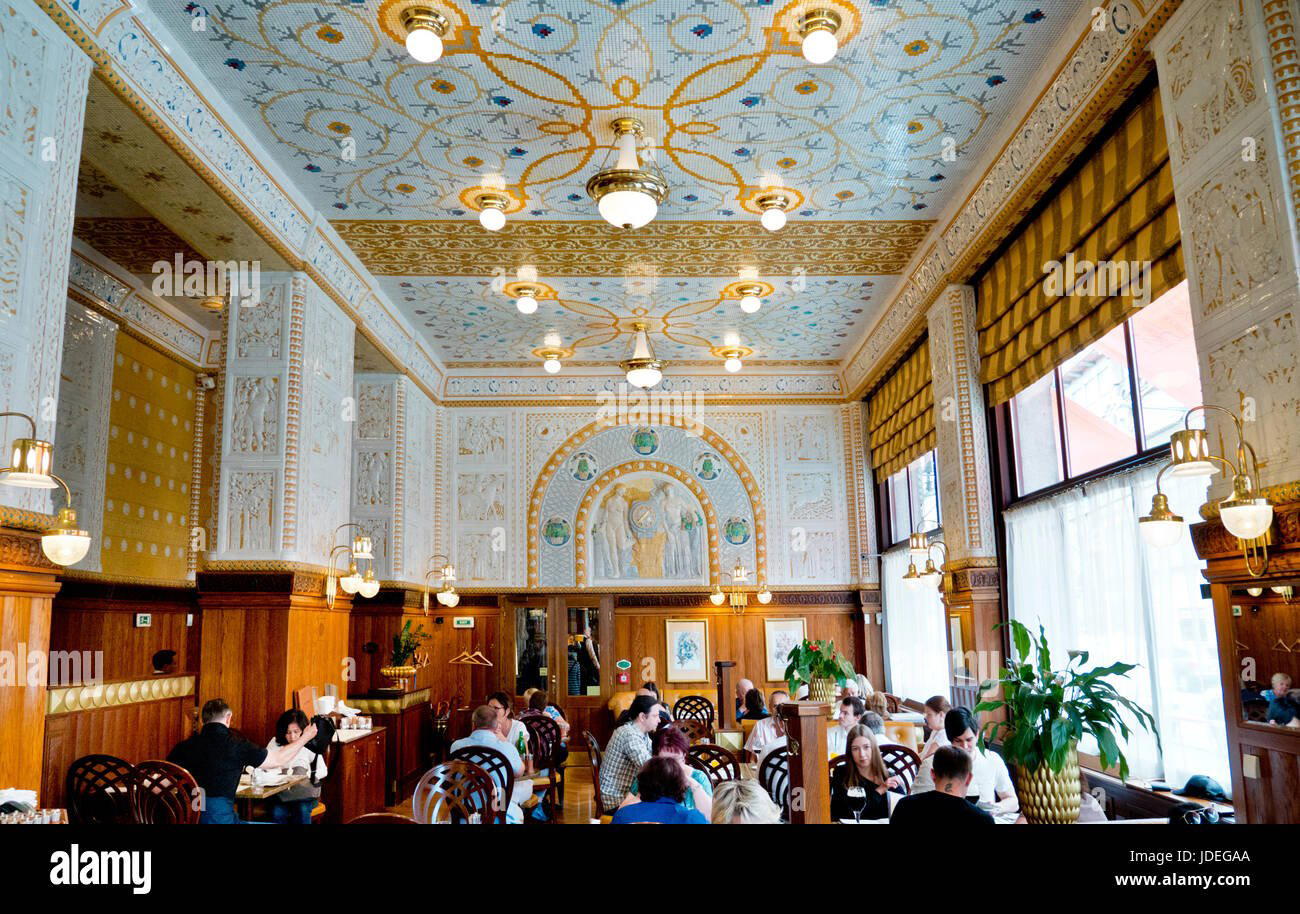
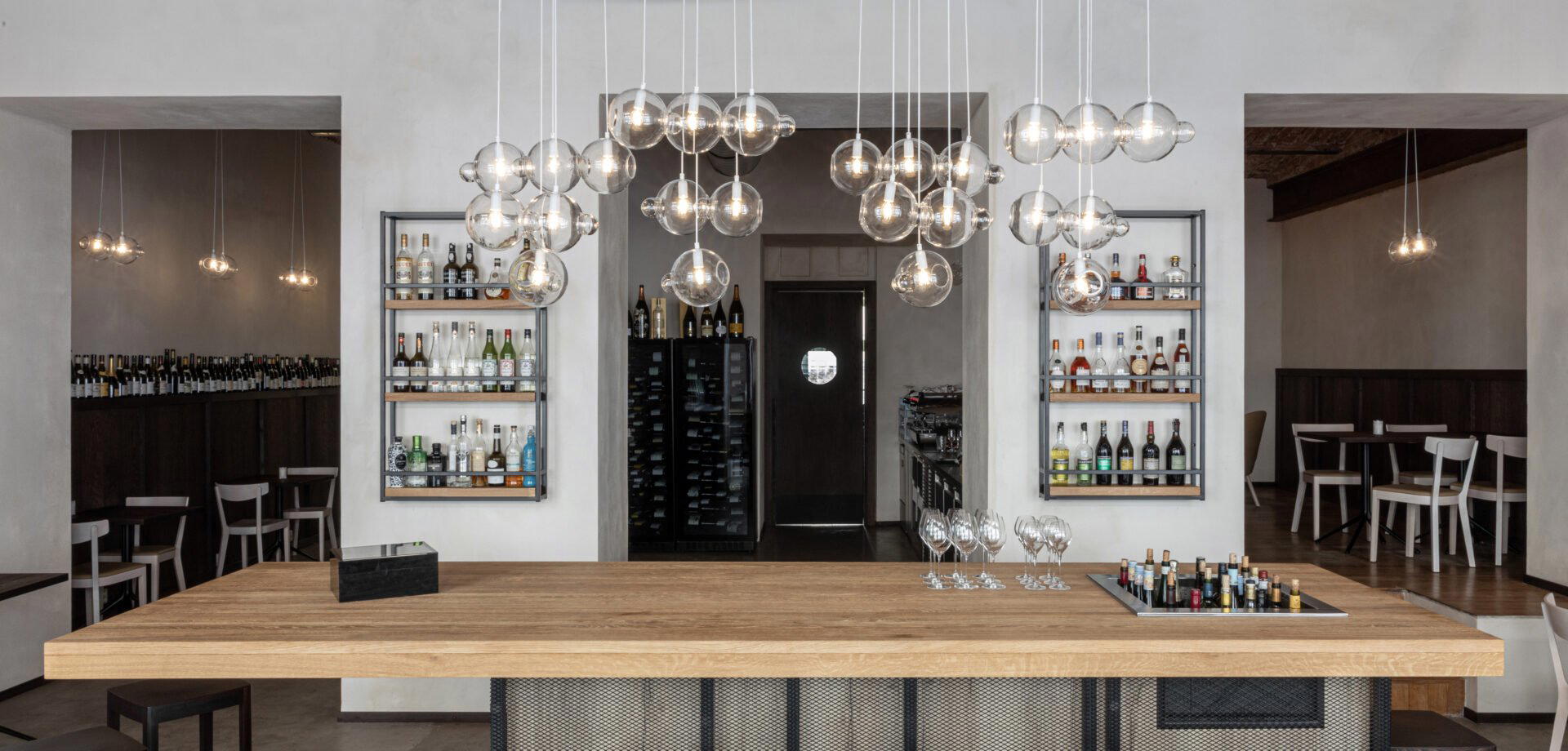
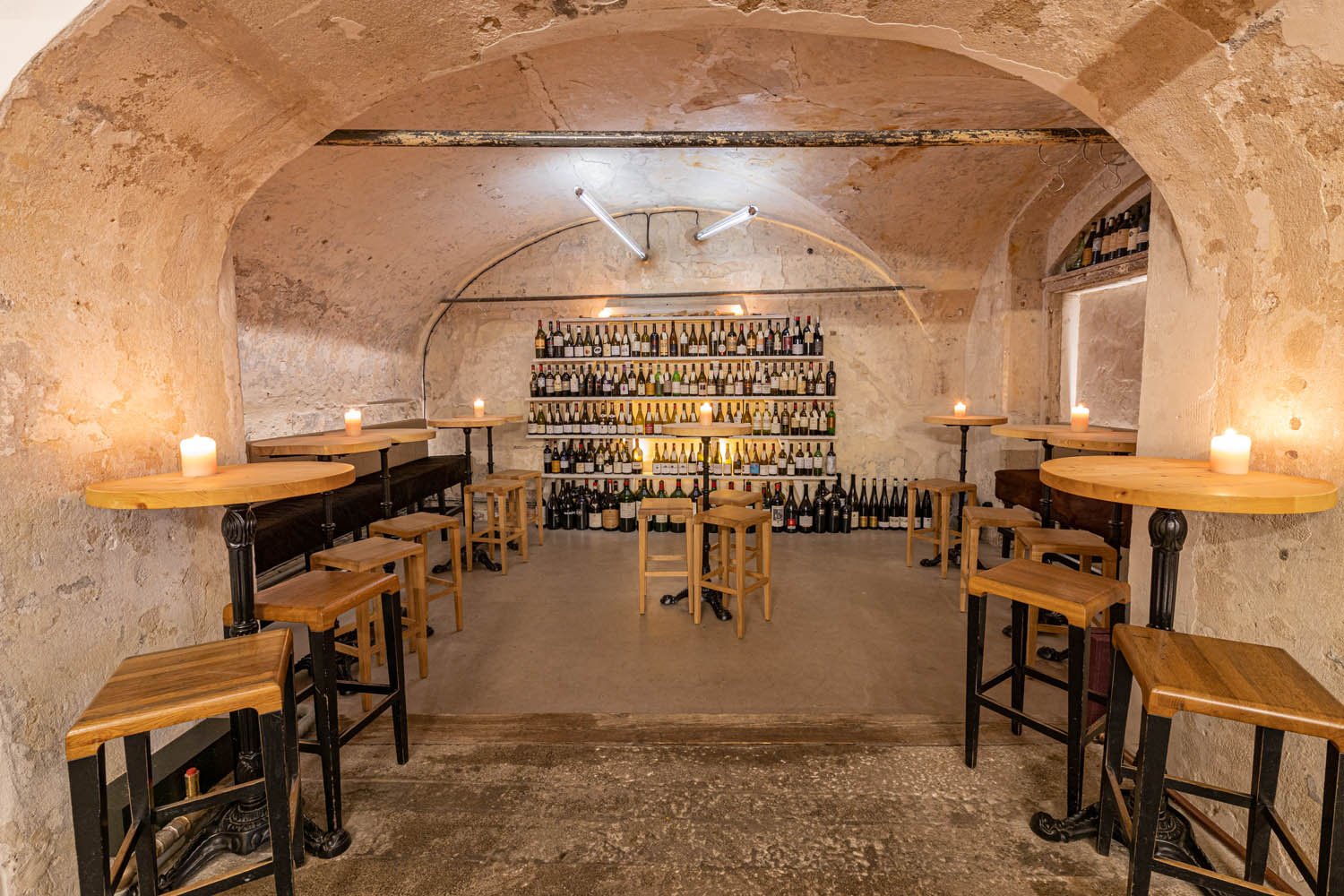
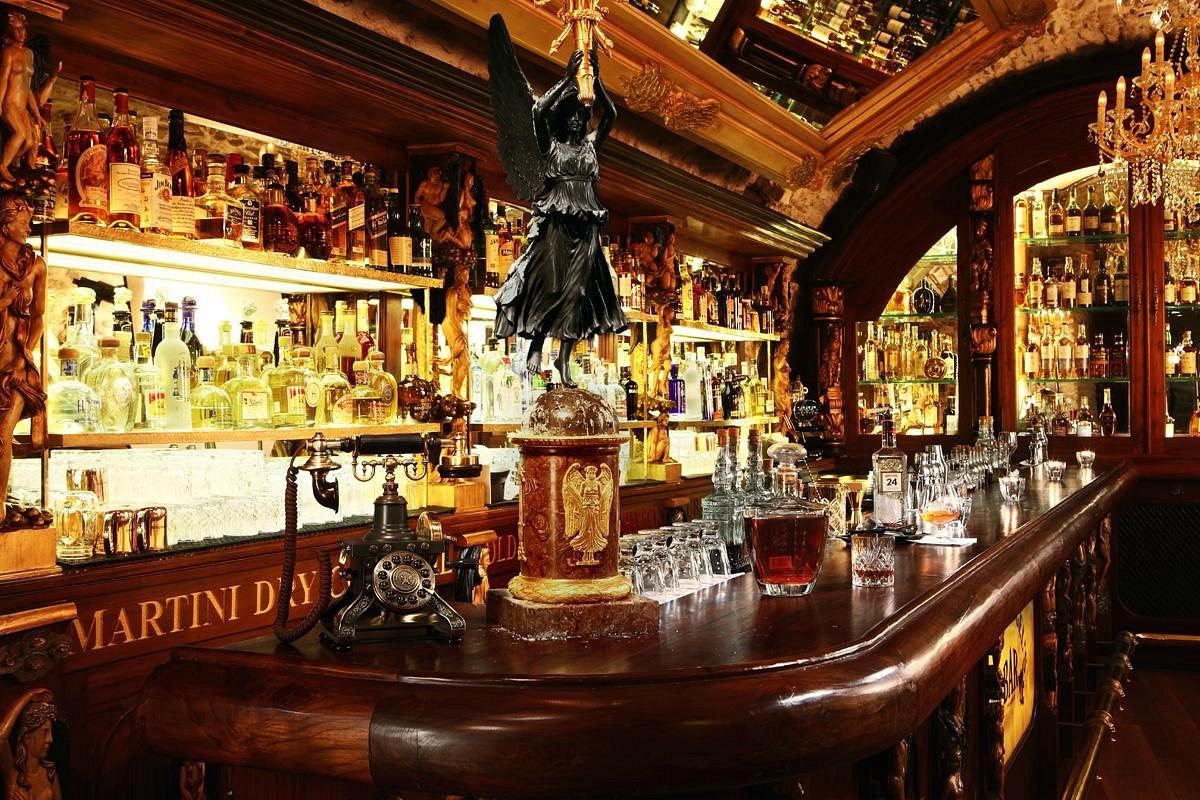
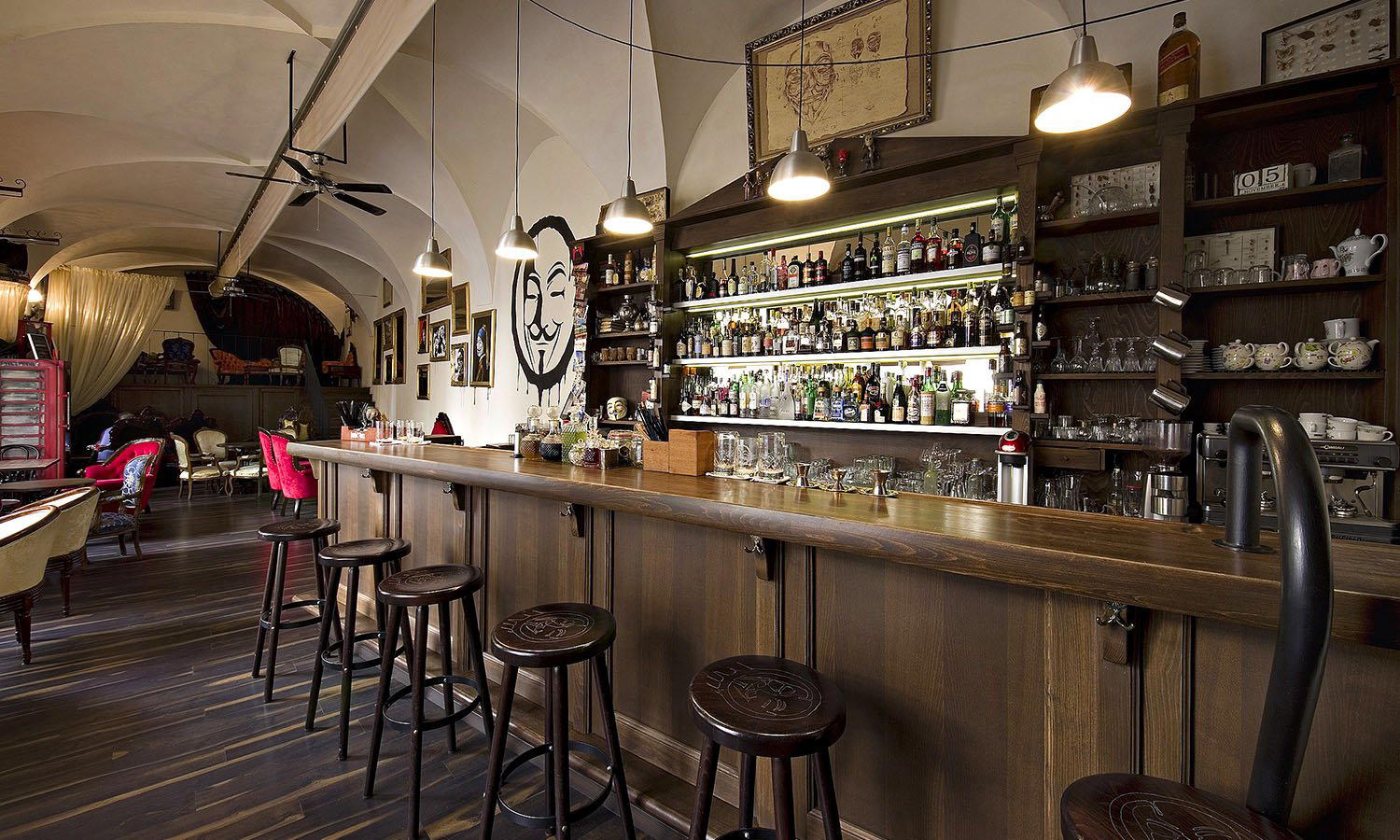
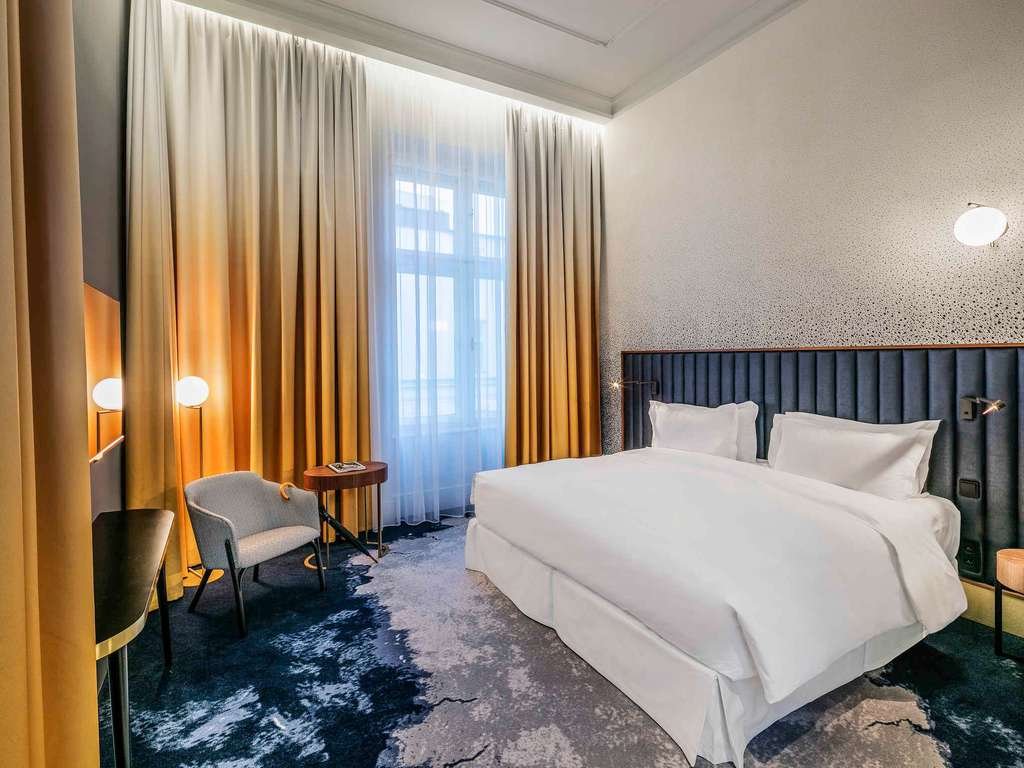
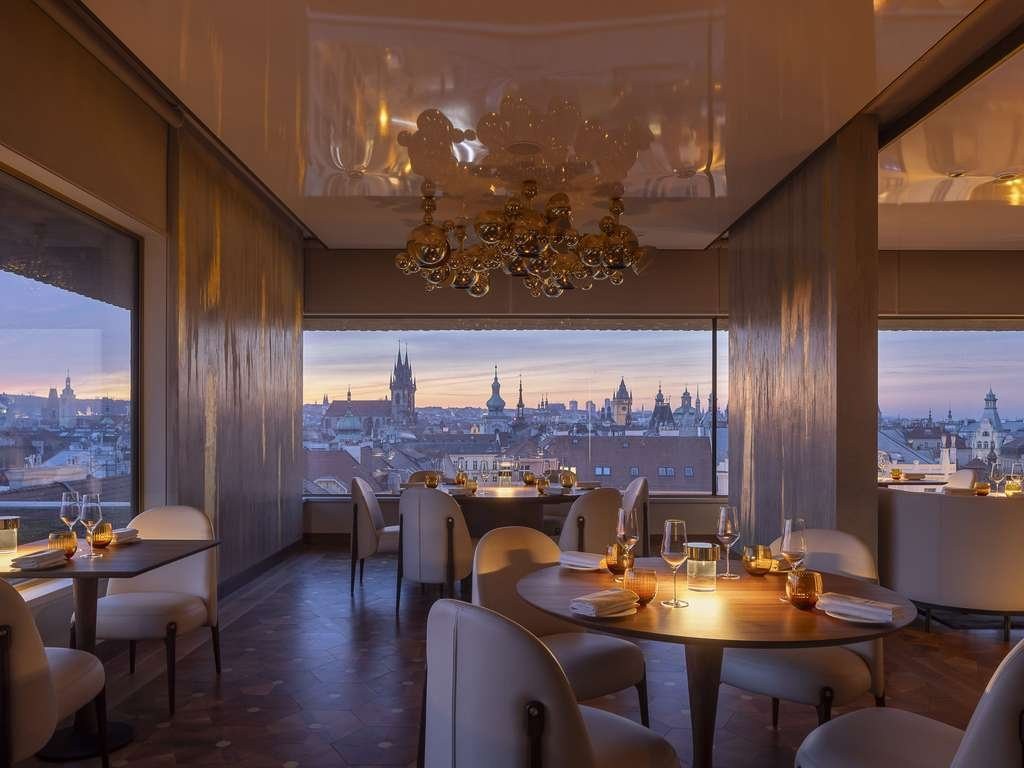
Intimate L-shaped dining room with an entirely open kitchen visible to diners, creating a sophisticated yet approachable atmosphere with refined lighting and contemporary design.