Terasa U Zlaté studně
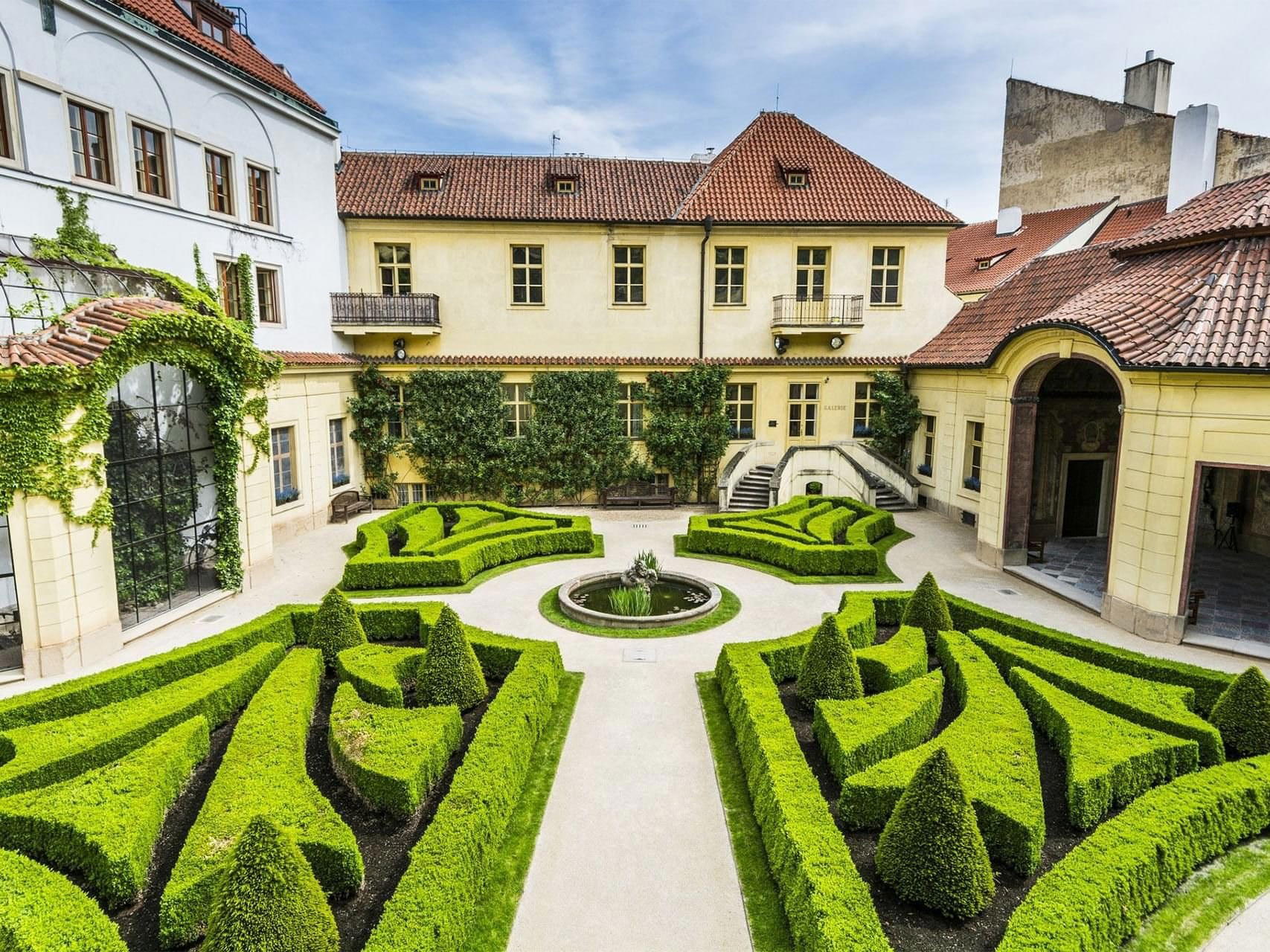
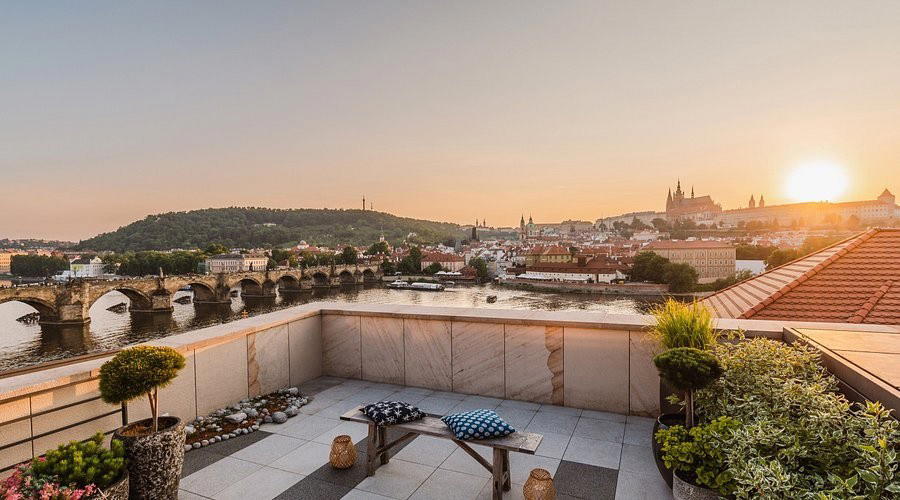
Terasa U Zlaté studně occupies one of Malá Strana's most coveted rooftop positions, where Prague Castle and the red-tiled roofscape of the Lesser Town converge into a single, uninterrupted panorama. The terrace sits above the historic golden-well courtyard that gives the address its name, placing diners at an elevation few restaurants in the Czech capital can match. For a city with growing fine-dining ambition, this is one of the addresses where setting and kitchen credibility arrive together.
Pearl is the En Primeur Club membership app — saves, bookings, and concierge access live there. Same editors, same standards.
- Address
- U Zlaté studně 166 /4, 118 00 Malá Strana, Czechia
- Phone
- +420257533322
- Website
- terasauzlatestudne.cz
- Directions
- Get directions
 Saves & bookings on Pearl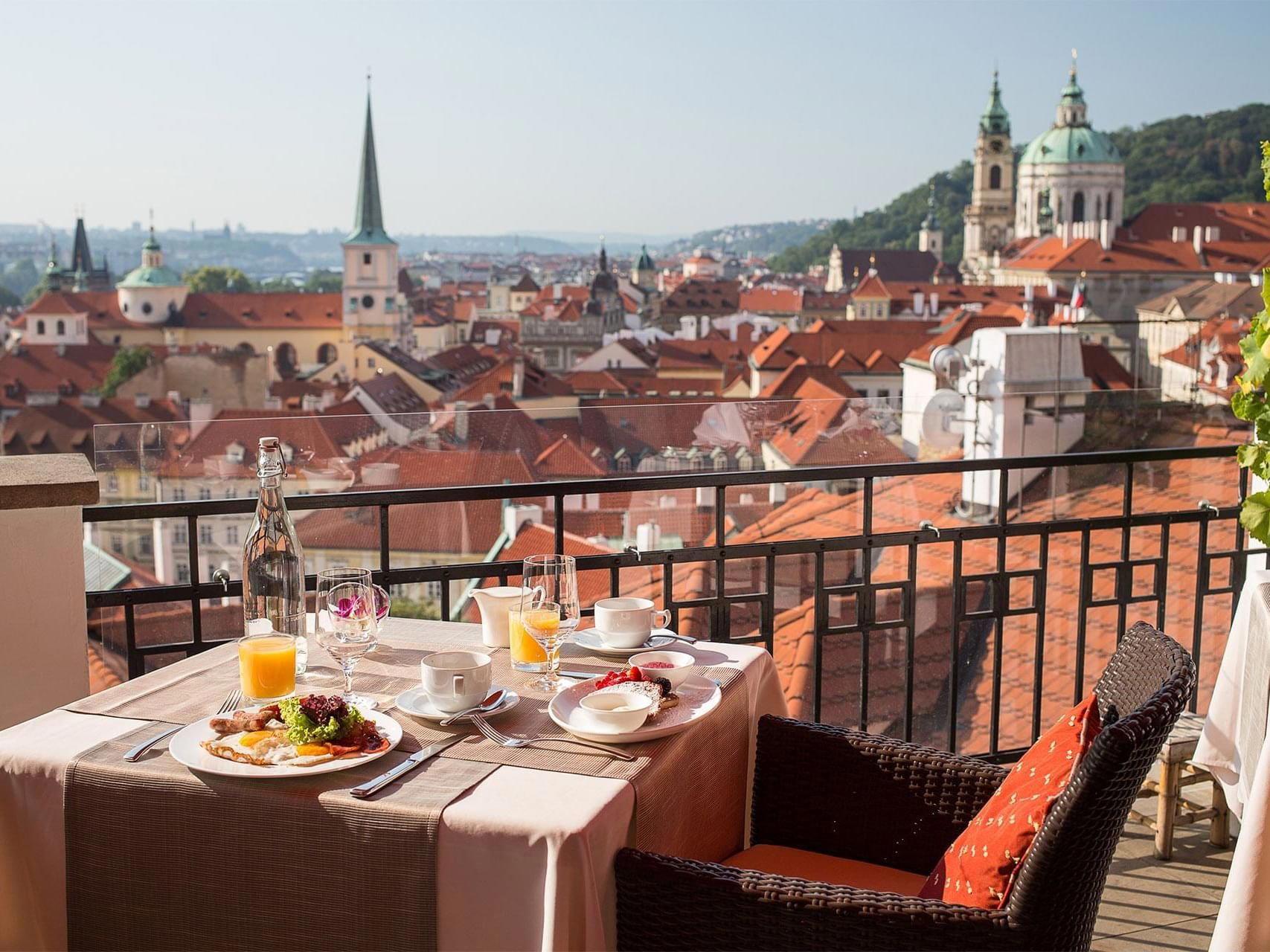
A View That Sets the Terms
Malá Strana operates under a different pressure than the rest of Prague's dining scene. Its streets are narrow, its buildings Baroque, and its visitors are often those who have already exhausted the Old Town and crossed the Charles Bridge looking for something that does not feel staged. At this end of the city, a restaurant earns attention through physical position as much as through what arrives on the plate. Terasa U Zlaté studně, the Terrace at the Golden Well, is a restaurant in Malá Strana, Prague, with Modern Czech with International Influences cuisine and a price tier of 4. It holds among the more architecturally fortunate positions in the district: a rooftop setting on U Zlaté studně 166/4, in the 118 00 postal district of Malá Strana, where the garden and terrace look directly toward Prague Castle and across the compressed terracotta skyline of the Lesser Town below.
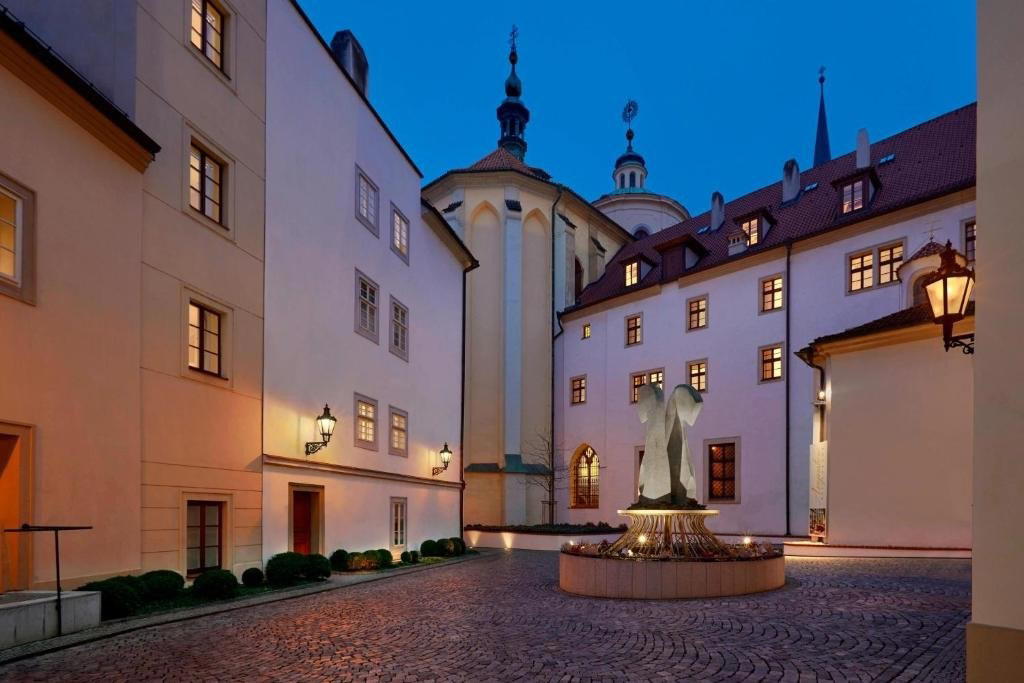
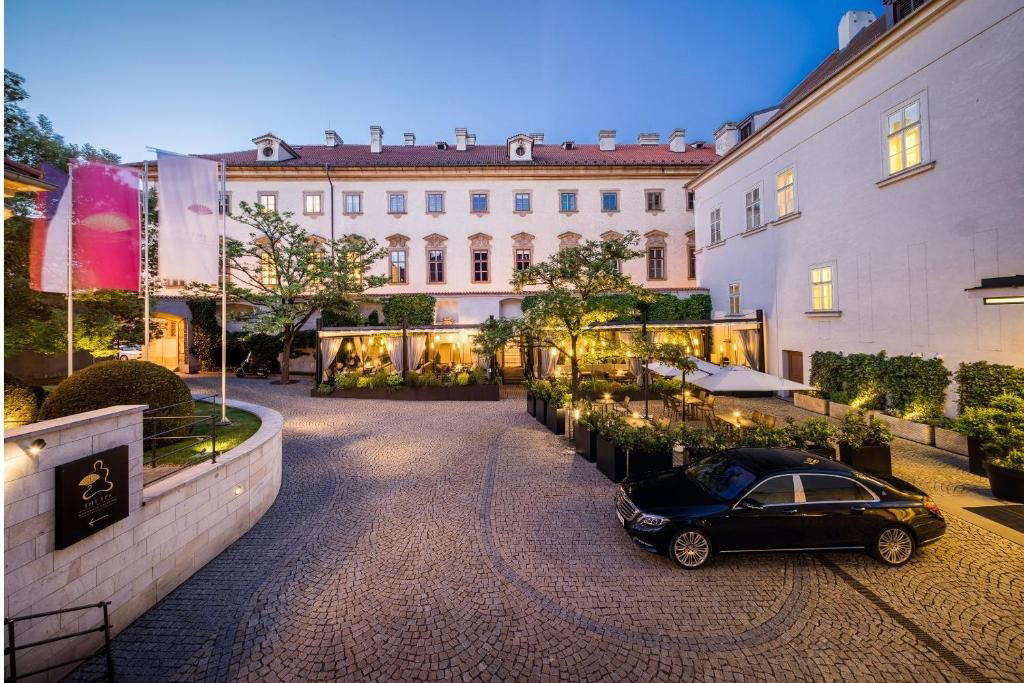
The approach matters here. The narrow lane off which the address sits is the kind of street that requires a deliberate decision to enter. There is no signage visible from a main thoroughfare, no queue marking the entrance. Arriving on foot from the castle side or climbing from the river through Malá Strana's ascending lanes, the building presents itself quietly. The terrace itself is only revealed once you move through the interior, and the sight-line that opens up when you step outside, the castle to one side, the city's tiled planes dropping toward the river on the other, functions as a physical punctuation mark. It is the moment the visit begins.
Where Prague's Rooftop Dining Sits
Prague's fine-dining tier has compressed and clarified over the past decade. At the leading, a small cluster of tasting-menu restaurants now benchmarks itself against Central European peers rather than against local competition. La Degustation Bohême Bourgeoise, with its Michelin star and French-Czech architecture, represents one pole of that spectrum: a formal, interior-focused experience where the kitchen is the primary spectacle. Alcron, operating in a different register with its Modern European orientation, represents another. Terasa U Zlaté studně belongs to a third category: venues where the physical setting and the cooking are intended to function as a single whole, neither element subordinate to the other.
That category is smaller and more contested than it appears. Prague has a number of rooftop terraces, but most sit on hotel blocks or above commercial properties where the view is incidental to the operation below. The addresses that combine genuine culinary seriousness with a historically embedded position are fewer. Among Prague's inner-district options, Terasa U Zlaté studně and a small number of peers in Malá Strana and Hradčany constitute this sub-tier. For comparison with the broader Prague restaurant scene, the gap between a view-led address and a merely scenic terrace is often visible in the booking lead time required and the price calibration of the menu.
The Sensory Register of the Terrace
Rooftop dining in Central European cities carries a seasonal specificity that shapes how these venues should be understood. Prague's summer evenings, particularly from late May through early September, deliver the conditions under which a terrace like this operates at its highest capacity: the light holds late, the castle is illuminated after dusk, and the ambient temperature stays warm enough to eat outside without the thermal management that glass-enclosed terraces require. The sound register up here is distinct from street level, the city's noise floor drops, replaced by a more diffuse background that sits comfortably under conversation.
In this sense, the restaurant participates in a broader Central European tradition of refined garden dining, where the architecture of the surrounding city becomes the dining room's fourth wall. Budapest, Vienna, and Salzburg each have analogous addresses where the exterior setting is load-bearing in the experience. Prague's version benefits from the particular compression of Malá Strana's roofscape and the castle's dominance of the western skyline, which gives the view a more theatrical vertical dimension than a flat cityscape would provide.
Positioning Against Peers
Visitors considering the restaurant alongside other fine-dining options in Prague should understand the trade-off the address represents. Restaurants like 420 Restaurant or Alma offer strong kitchen programs in interior settings where lighting, acoustics, and plate presentation are fully controlled. Amano occupies a different price tier with a more accessible format. Emperor Square in Prague 1 offers another framing of the city's premium dining conversation.
The restaurant makes a different offer: the kitchen operates in service of an experience where external conditions, weather, light, season, the changing quality of the view across an evening, are as much a part of the proposition as anything on the menu. Diners who calibrate their choices primarily by tasting-menu ambition or wine-list depth may find peer addresses more technically focused. Those for whom the full sensory context of a dinner, where they are, what they can see, how the air feels at altitude above an ancient city, is part of the evaluation will find this address difficult to pass over.
Planning Your Visit
Given the terrace's position in Malá Strana and the limited access points of the surrounding streets, arriving by foot from either the castle or the Charles Bridge is one practical approach. Tram lines serving Malostranské náměstí place the address within a short walk. For context on the broader Czech dining scene beyond Prague, BRATRS in Brno and Bylo, nebylo in Liberec offer reference points for how regional ambition outside the capital is developing. Elsewhere in the country, La Chica in Plzen and U Lípy in Hrensko demonstrate how far the Czech Republic's dining geography now extends. For wine exploration alongside a visit, Vinařství Gurdau in Kurdejov represents the country's Moravian wine production at a serious level.
Reservations are essential, especially in terrace season.
Compact Comparison
Comparable venues nearby, for context on price, style, and recognition.
| Venue | Cuisine | Price | Notes |
|---|---|---|---|
| Terasa U Zlaté studněThis venue — the venue you are viewing | Not listed | $$$$ | Not listed |
| Haštalská 753/18 | Josefov, Modern Czech Cuisine | $$$$ | Not listed |
| THE FARM | Not listed | $$ | Pelc Tyrolka, Czech Urban Bistro with Farm-to-Table Focus |
| Terasa U Prince | Not listed | $$$$ | Stare Mesto (Old Town), International Grill with Czech Influences |
| Le Palais | Not listed | $$$$ | Praha 2, Modern Czech & International Fine Dining |
| Barva im Manifesto Market | Smichov, Authentic Ukrainian Street Food | $$ | Not listed |
At a Glance
- Romantic
- Elegant
- Sophisticated
- Scenic
- Cozy
- Date Night
- Special Occasion
- Celebration
- Rooftop
- Terrace
- Historic Building
- Hotel Restaurant
- Panoramic View
- Skyline
- Street Scene
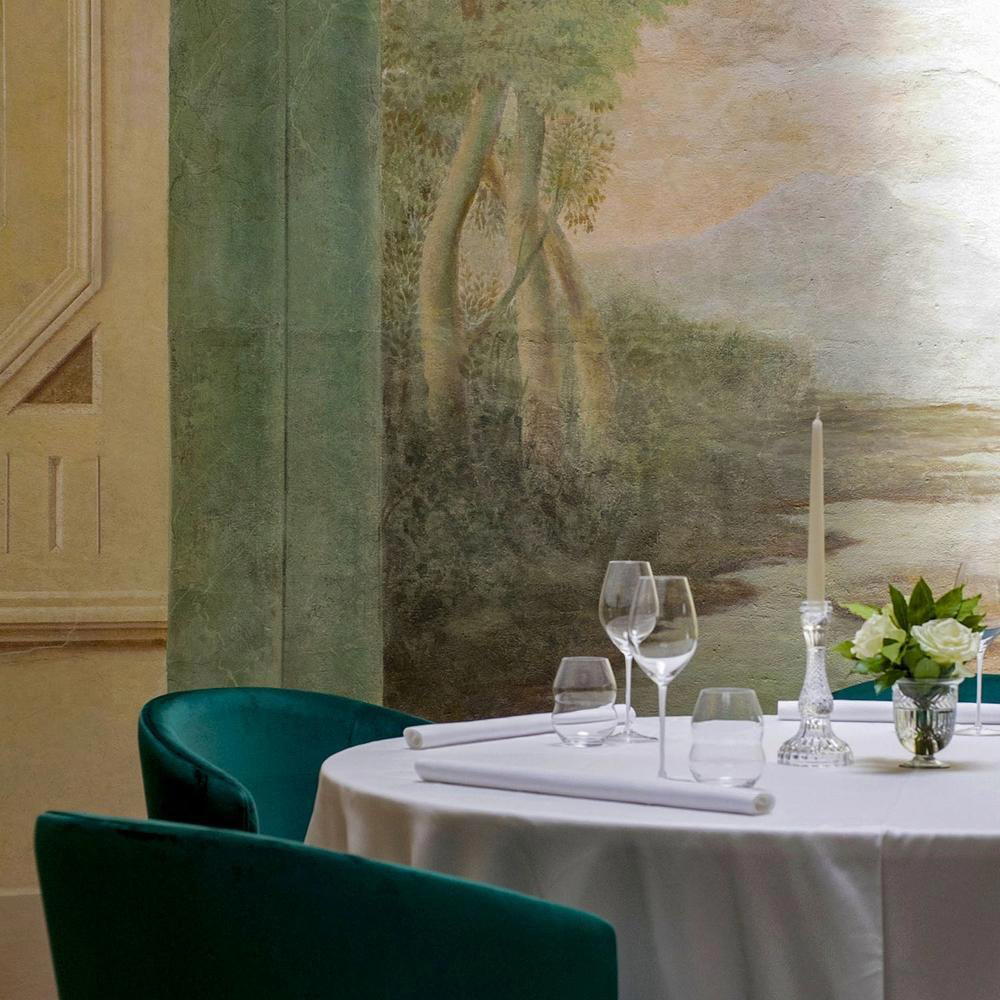
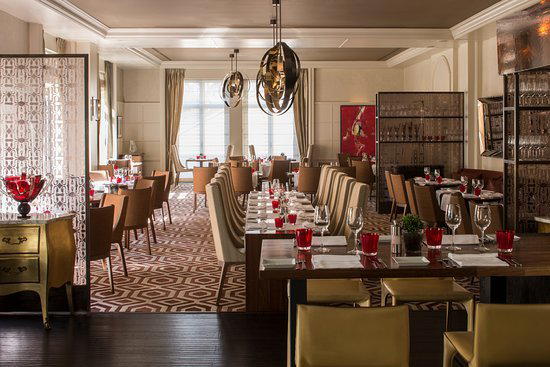
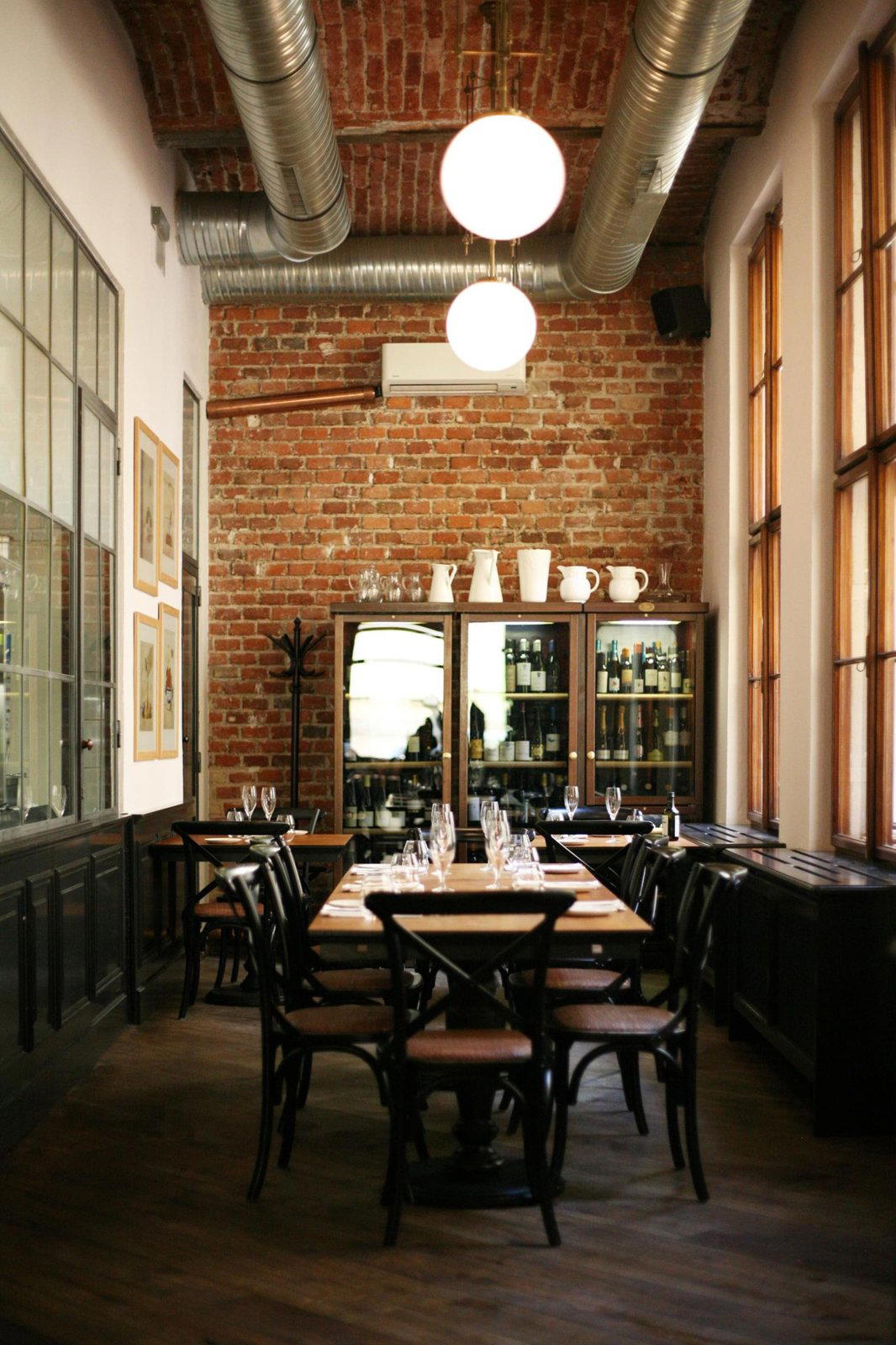
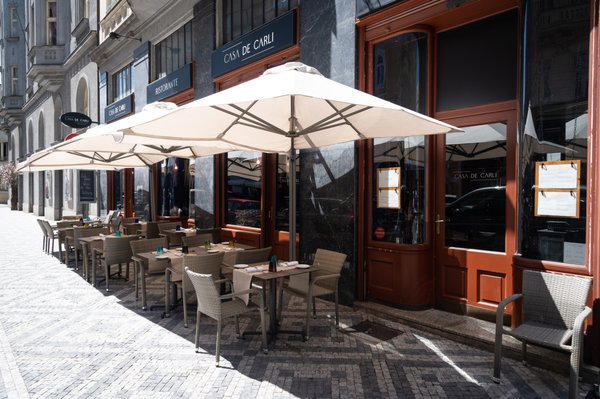
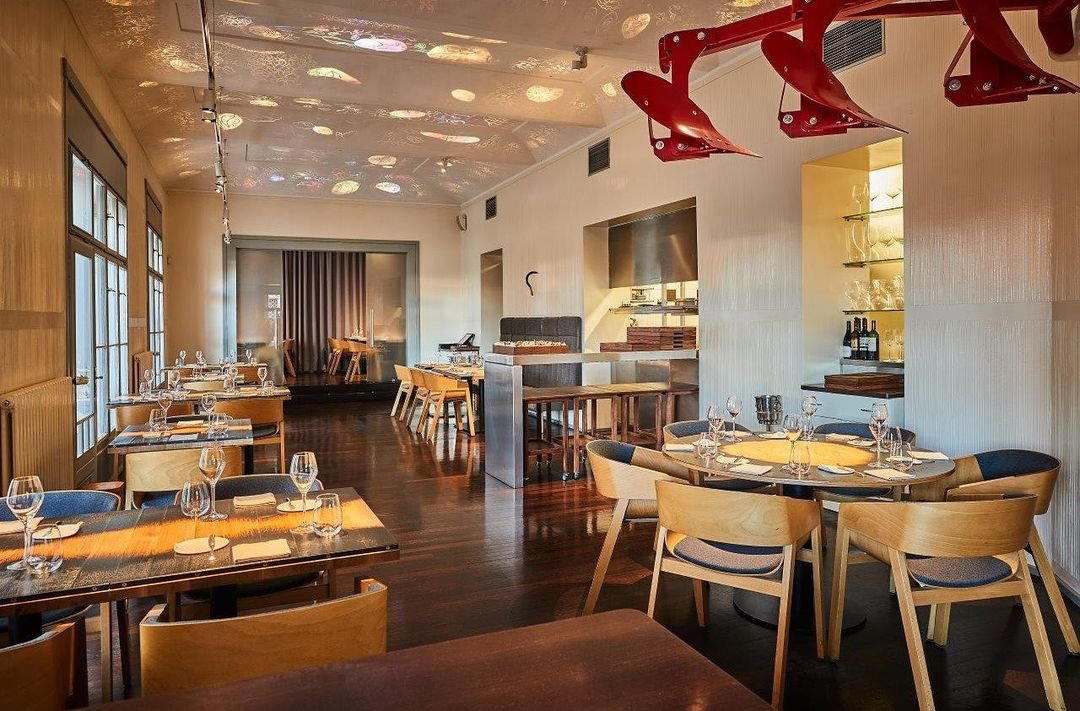
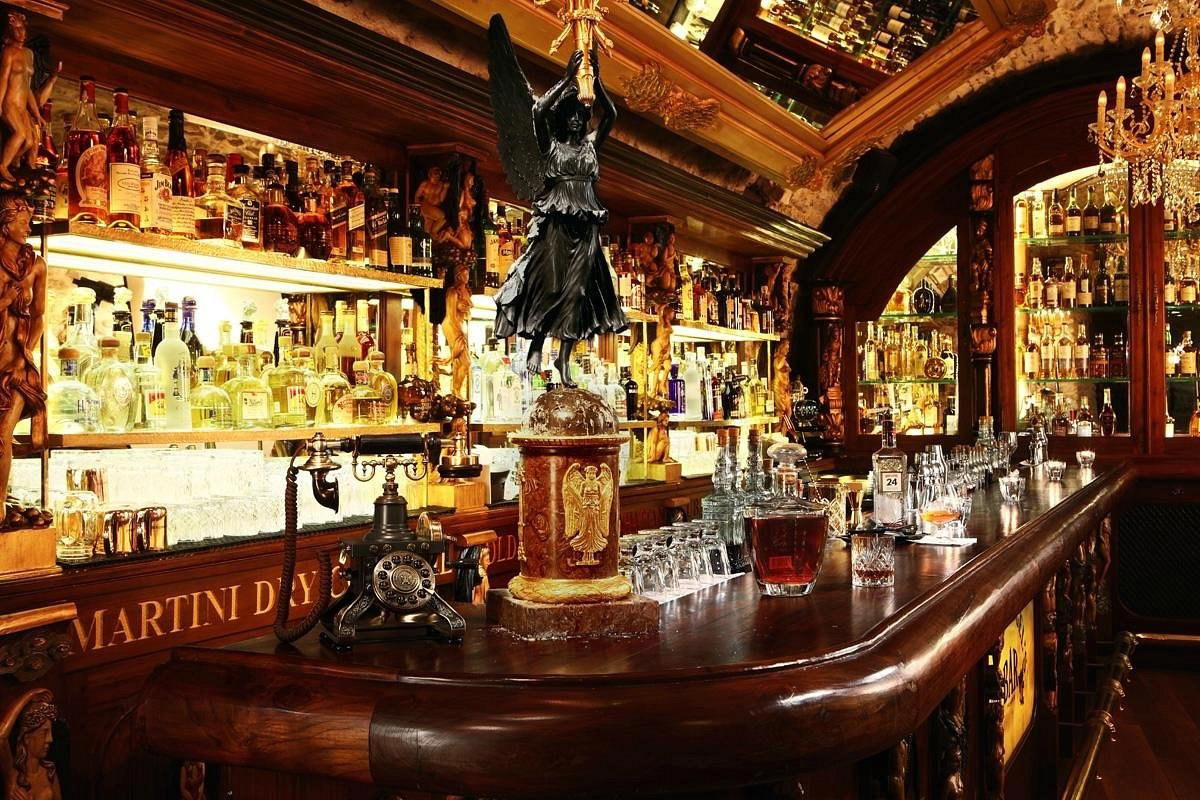
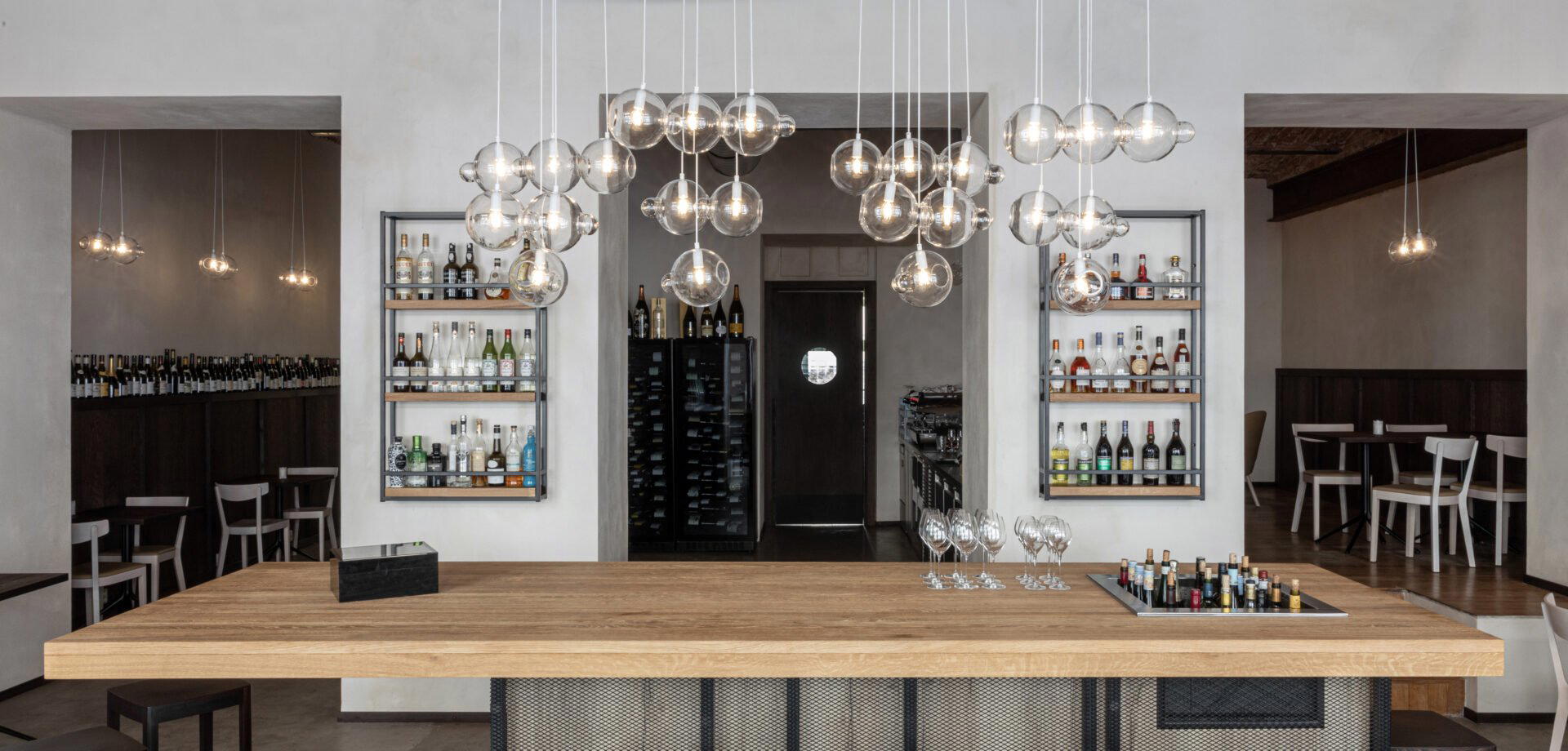
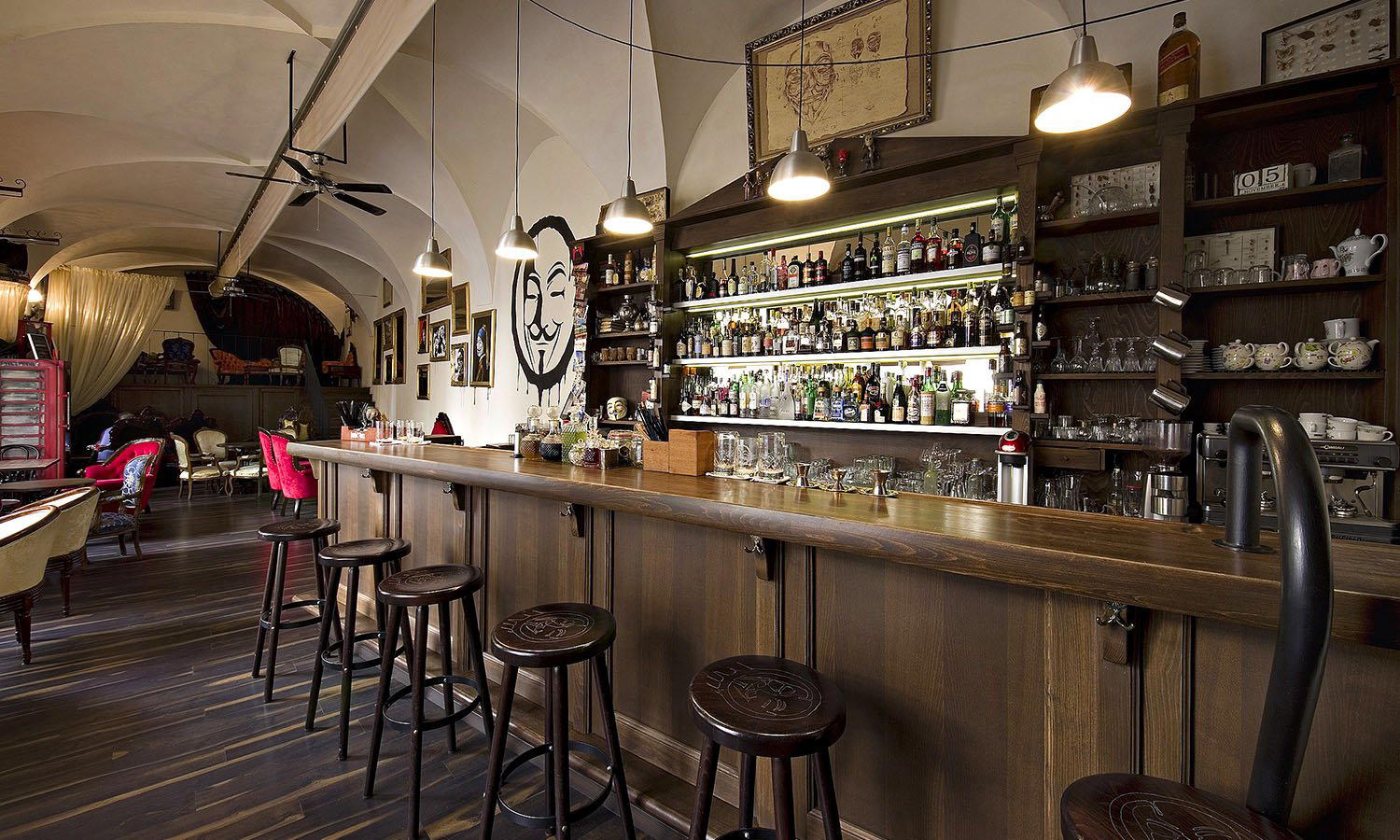
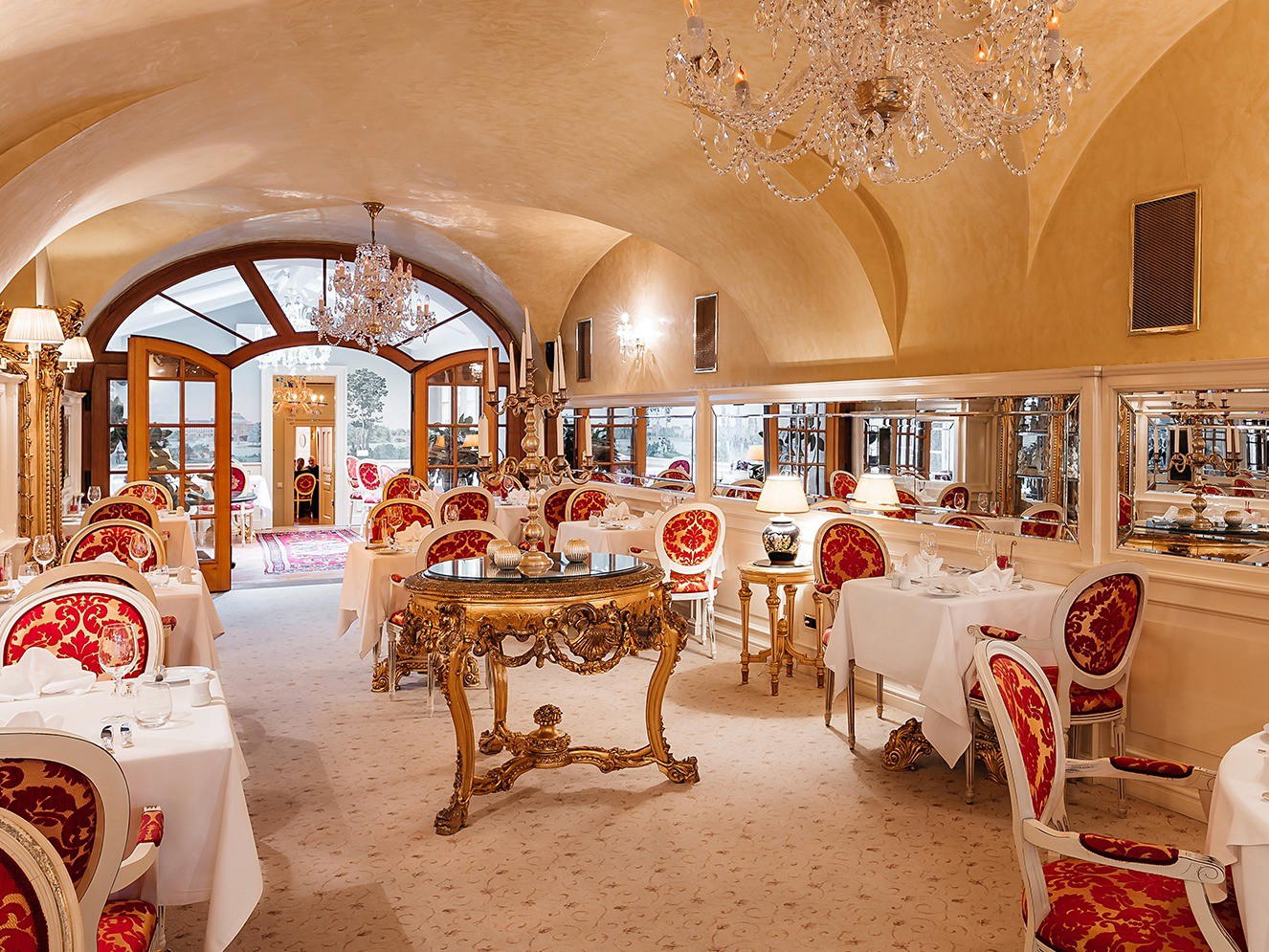
Modern design blended with Renaissance elements, bright and cozy interior with large windows, sophisticated terrace atmosphere.