Harvester Kitchen by Bryan
Harvester Kitchen by Bryan occupies a ground-floor unit in downtown Sioux Falls, positioning itself within a city that has built a quietly serious restaurant scene over the past decade. The name signals intent: sourcing and provenance are front of mind here, placing it closer in spirit to farm-to-table formats found in larger American food cities than to the conventional mid-plains dining room.
Pearl is the En Primeur Club membership app — saves, bookings, and concierge access live there. Same editors, same standards.
- Address
- 196 E 6th St Unit 101, Sioux Falls, SD 57104
- Phone
- +16052712015
- Website
- harvesterkitchensf.com
- Directions
- Get directions
 Saves & bookings on Pearl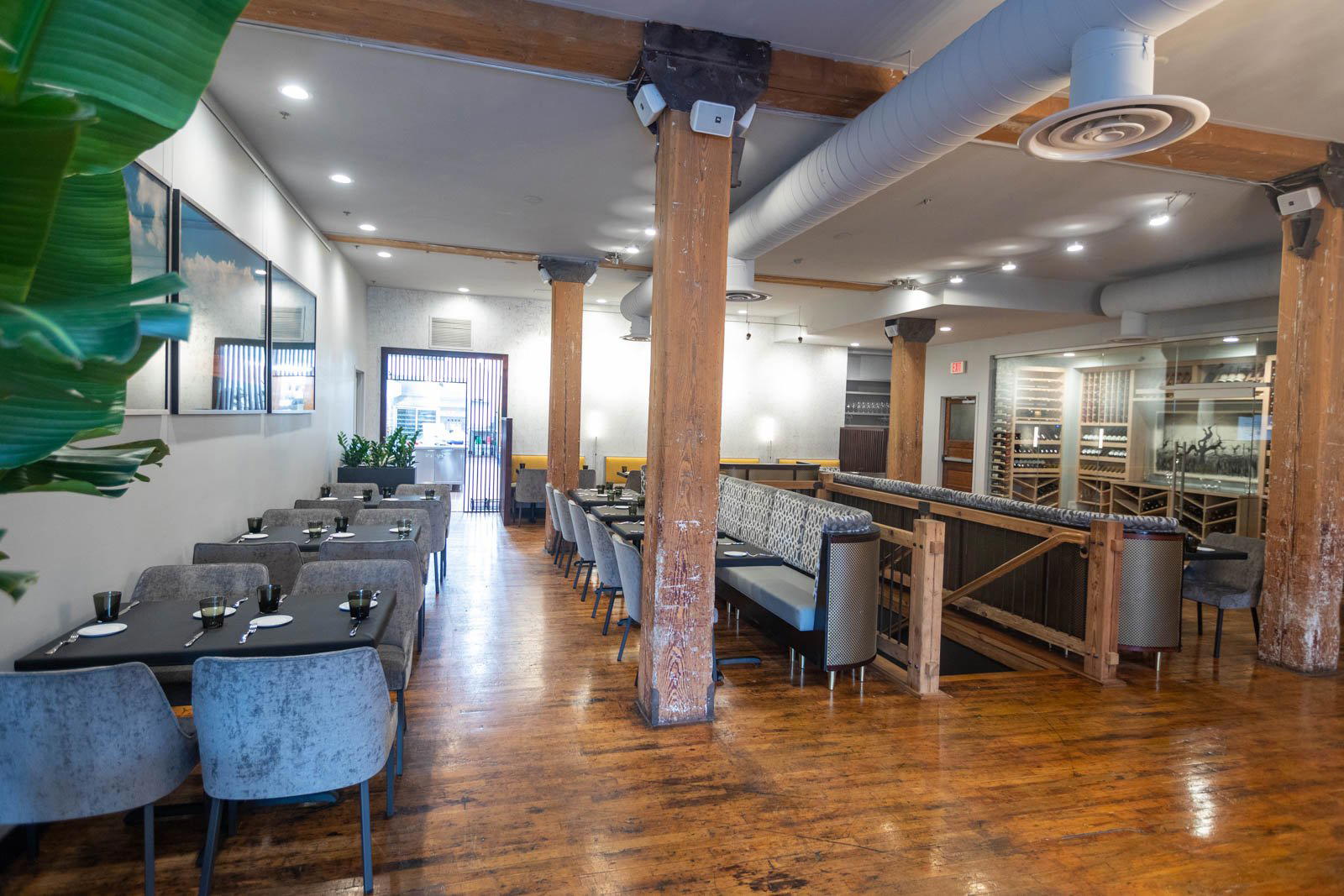
Downtown Sioux Falls and the Sourcing Turn
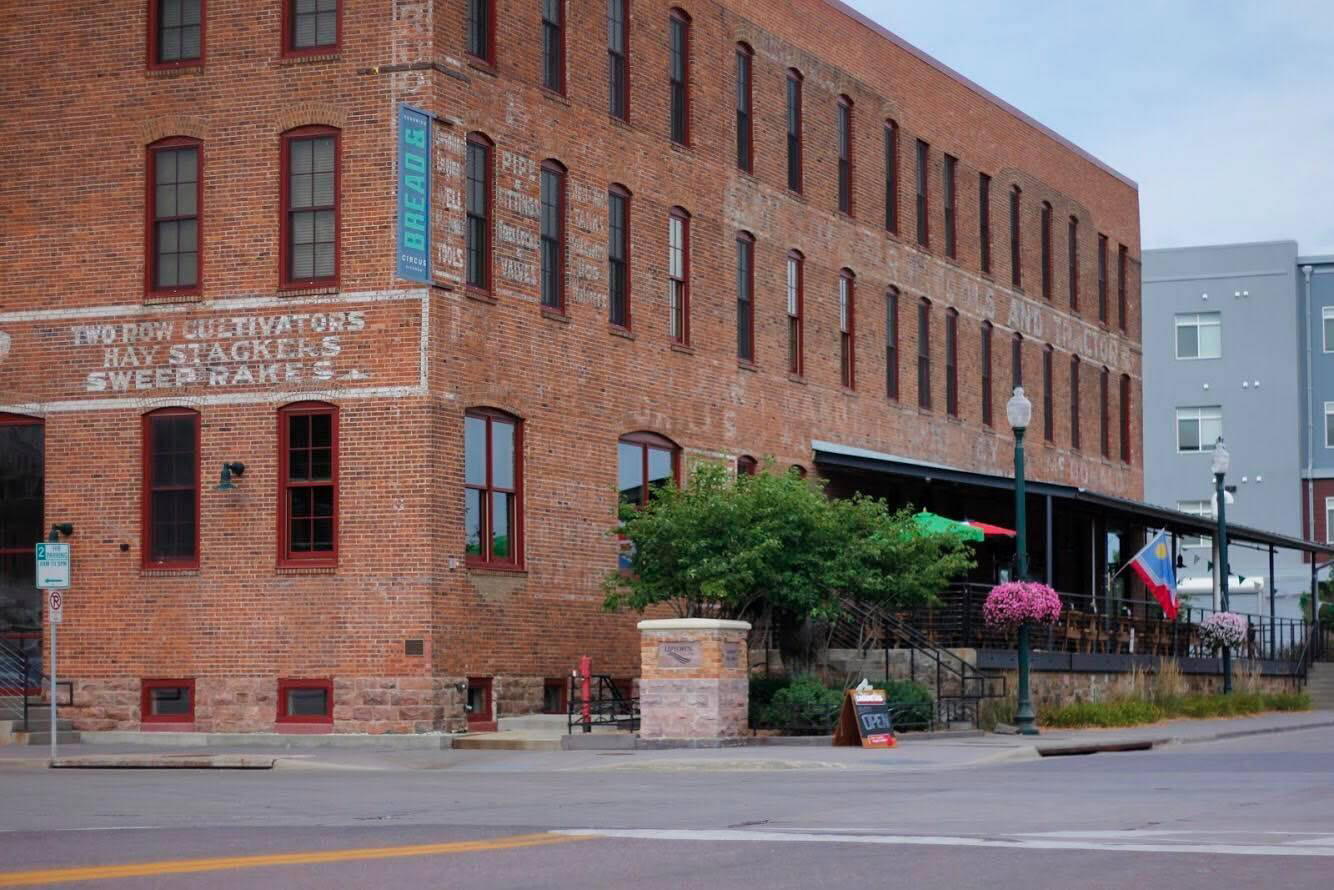
Walk east along 6th Street in downtown Sioux Falls and the built environment shifts from civic monuments to a lower-rise commercial strip where independent restaurants have been accumulating critical mass for several years. At 196 E 6th St, Harvester Kitchen by Bryan occupies a ground-floor unit that reads from the outside as deliberate rather than decorative: no marquee signage, no elaborate facade dressing. That restraint is consistent with a category of American restaurant that has made ingredient provenance, rather than theatrical presentation, its primary editorial statement.
The name itself does substantive work. "Harvester" anchors the concept to the agricultural supply chain — to fields, growers, and seasonal rhythms — before a single dish arrives at the table. In a state where agriculture is not a romantic abstraction but an economic reality, that framing carries different weight than it would in a coastal city where farm-to-table branding can function as marketing shorthand. South Dakota sits inside one of the most productive agricultural zones in North America, and restaurants that take that geography seriously have access to a supply chain that operations in denser metro areas cannot replicate at the same proximity.
What the Sourcing Frame Means in Practice
Across American dining, the most credible ingredient-led programs share a structural characteristic: the menu is built backward from available supply rather than forward from a fixed recipe set. This approach has defined some of the country's most closely watched kitchens. Single Thread Farm in Healdsburg operates its own farm as the literal source of the menu. Blue Hill at Stone Barns in Tarrytown has made the relationship between farming and cooking its defining institutional identity. These are the benchmark formats for producer-driven dining in the United States, and they set the conceptual standard against which sourcing claims elsewhere are implicitly measured.
Harvester Kitchen by Bryan operates in a different tier and a different context, but the orientation toward supply and harvest carries a logic that is independent of geography or scale. A kitchen named for the act of harvesting is making a claim about where attention is directed. In a Plains city with direct access to regional grain, beef, and seasonal produce, that claim has material support that a similarly named concept in a coastal market might have to work harder to justify.
The broader shift toward sourcing transparency in American restaurants is well-documented. Where a previous generation of ambitious cooking emphasized technique and classical reference, the current wave, particularly outside major coastal markets, has moved toward legibility of origin: knowing the county, the producer, sometimes the variety. Lazy Bear in San Francisco and Addison in San Diego have each, in different registers, made sourcing narrative part of the dining experience itself. Harvester Kitchen by Bryan sits in a version of that current, applied to the specific agricultural reality of the Northern Plains.
Sioux Falls as a Dining City
Sioux Falls has developed a restaurant scene with more range than its population of roughly 200,000 would typically suggest. The reasons are structural: a stable regional economy, a downtown that has seen sustained reinvestment, and a dining public with demonstrated appetite for formats beyond chain casual. The result is a set of independent operators across multiple cuisine categories that collectively give the city a restaurant identity worth mapping.
The competition in downtown Sioux Falls spans a spectrum. Morrie's Steakhouse occupies the classic American steakhouse tier, where regional beef and a conventional format are the draw. Carnaval Brazilian Steakhouse offers the rodizio format, a high-volume, protein-forward experience that competes on a different axis entirely. BibiSol and KPOT Korean BBQ and Hot Pot represent the city's appetite for interactive, culturally specific formats. Maribella Ristorante holds the Italian formal-dining position.
Within that set, Harvester Kitchen by Bryan's name suggests it is positioning itself as the sourcing-conscious, chef-driven option: the kind of place that competes less on cuisine category and more on kitchen philosophy and ingredient quality. That is a more specific and harder-to-scale position, but it is also the one most likely to generate the kind of repeat local following and out-of-market interest that defines a city's dining identity over time. For a full map of how these operators fit together, the full Sioux Falls restaurants guide provides useful orientation.
The Broader American Reference Points
It is worth situating what ingredient-led cooking at a serious level looks like in the American context, because the standards set in major markets do travel, if unevenly. The French Laundry in Napa, Alinea in Chicago, Le Bernardin in New York City, Providence in Los Angeles, and Atomix in New York City all operate at the upper tier of American restaurant culture, where sourcing specificity, technique, and hospitality are held to documented standards. Emeril's in New Orleans and The Inn at Little Washington in Washington represent a different lineage: chef-driven destination restaurants that built regional identity before national recognition arrived.
None of these are direct comparators for Harvester Kitchen by Bryan. They are, however, useful calibration points for understanding what sourcing-led cooking can mean at different scales and in different markets. The ambition the name signals is legible against that broader American conversation, even if the execution and context are specific to Sioux Falls. 8 1/2 Otto e Mezzo Bombana in Hong Kong demonstrates that the same orientation toward provenance and technique can operate across wildly different geographies, which is part of why sourcing-led concepts have global rather than purely regional relevance as a format.
Planning a Visit
Harvester Kitchen by Bryan is located at 196 E 6th St, Unit 101, in downtown Sioux Falls, within walking distance of the Falls Park area and the broader central business district. Restaurants in this category and this market tend to run tighter services than high-volume operations, which makes advance planning more relevant than it would be for a casual drop-in format.
Continue exploring
More in Sioux Falls
Restaurants in Sioux Falls
Browse all →
At a Glance
- Intimate
- Cozy
- Elegant
- Modern
- Date Night
- Special Occasion
- Business Dinner
- Open Kitchen
- Historic Building
- Extensive Wine List
- Sommelier Led
- Farm To Table
- Local Sourcing
- Skyline
- Street Scene
Current opening hours
- Monday
- Closed
- Tuesday
- Closed
- Wednesday
- Closed
- Thursday
- 5–8:30 PM
- Friday
- 5–8:30 PM
- Saturday
- 5–8:30 PM
- Sunday
- 5–8:30 PM
Hours can change for holidays and private events. Last verified .
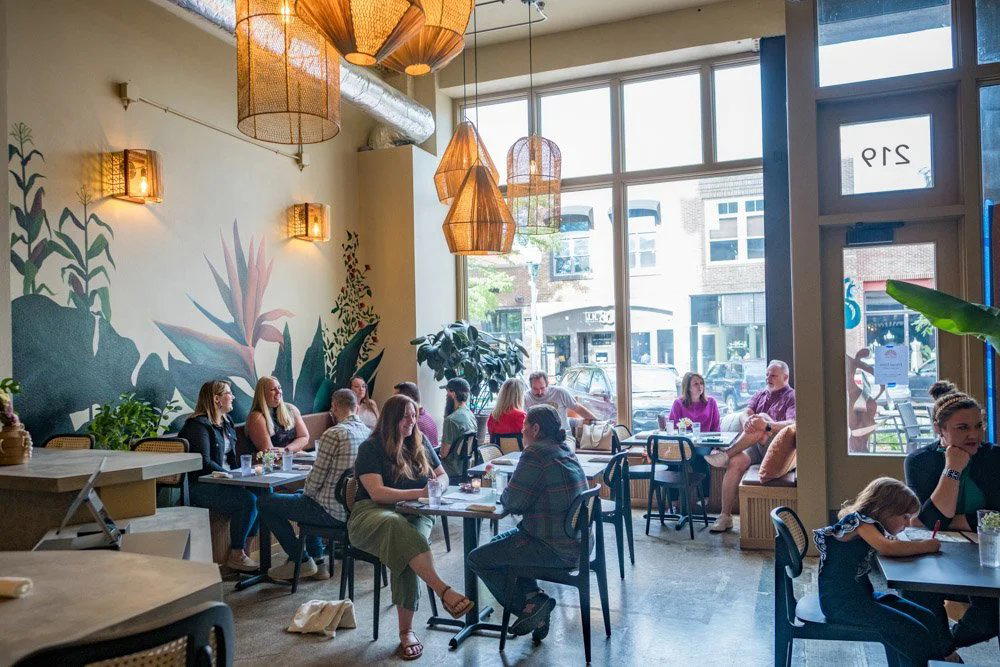
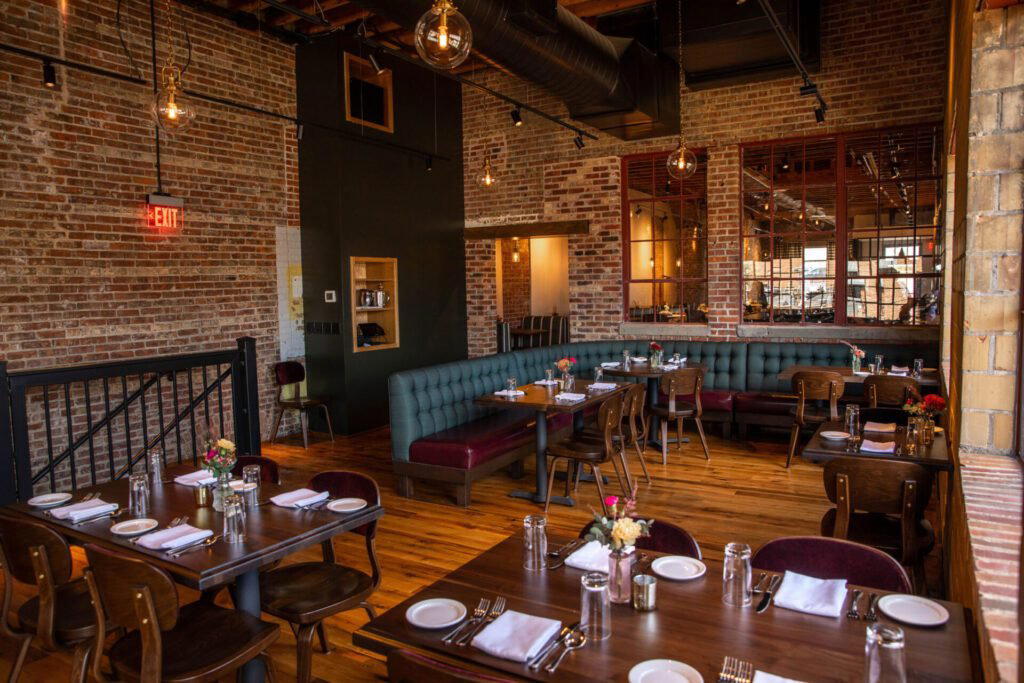
Warm welcoming atmosphere like a polished dinner party in a windowed loft-style space with sunset views, comfortable seating, fireplaces, and moderate noise level.
Know Before You Go
- Getting there
- 196 E 6th St Unit 101, Sioux Falls, SD 57104