BibiSol

James Beard Award Semi Finalist
Our verdict
BibiSol occupies a South Dakota address on Phillips Avenue, Sioux Falls' central commercial corridor, placing it within a dining scene that has grown considerably more ambitious over the past decade.

Pearl is the En Primeur Club membership app, where members save venues, book tables and use the concierge.
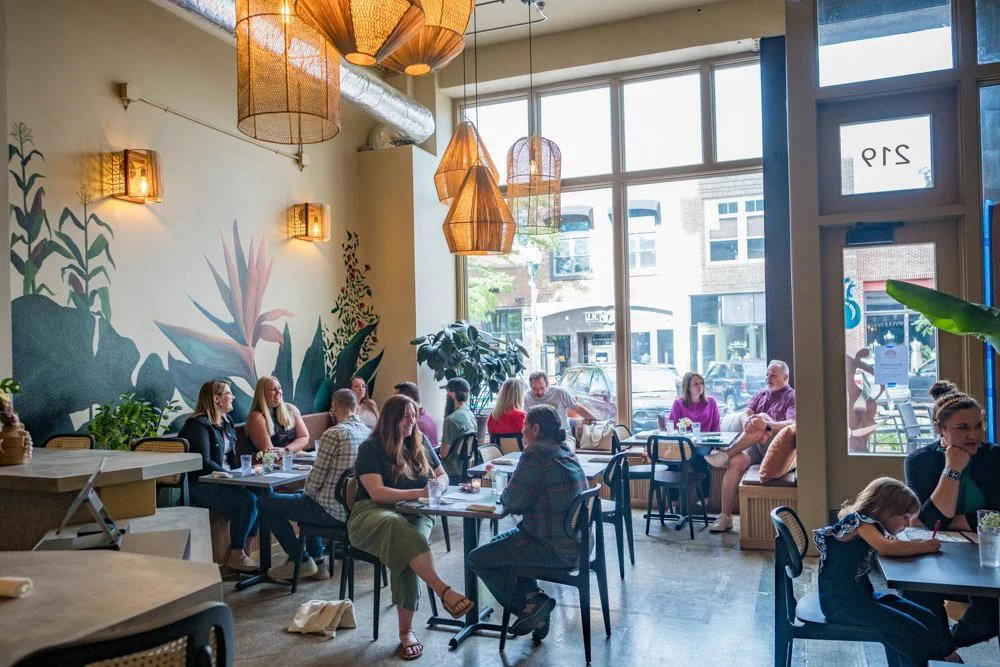
Phillips Avenue and the Changing Shape of Sioux Falls Dining
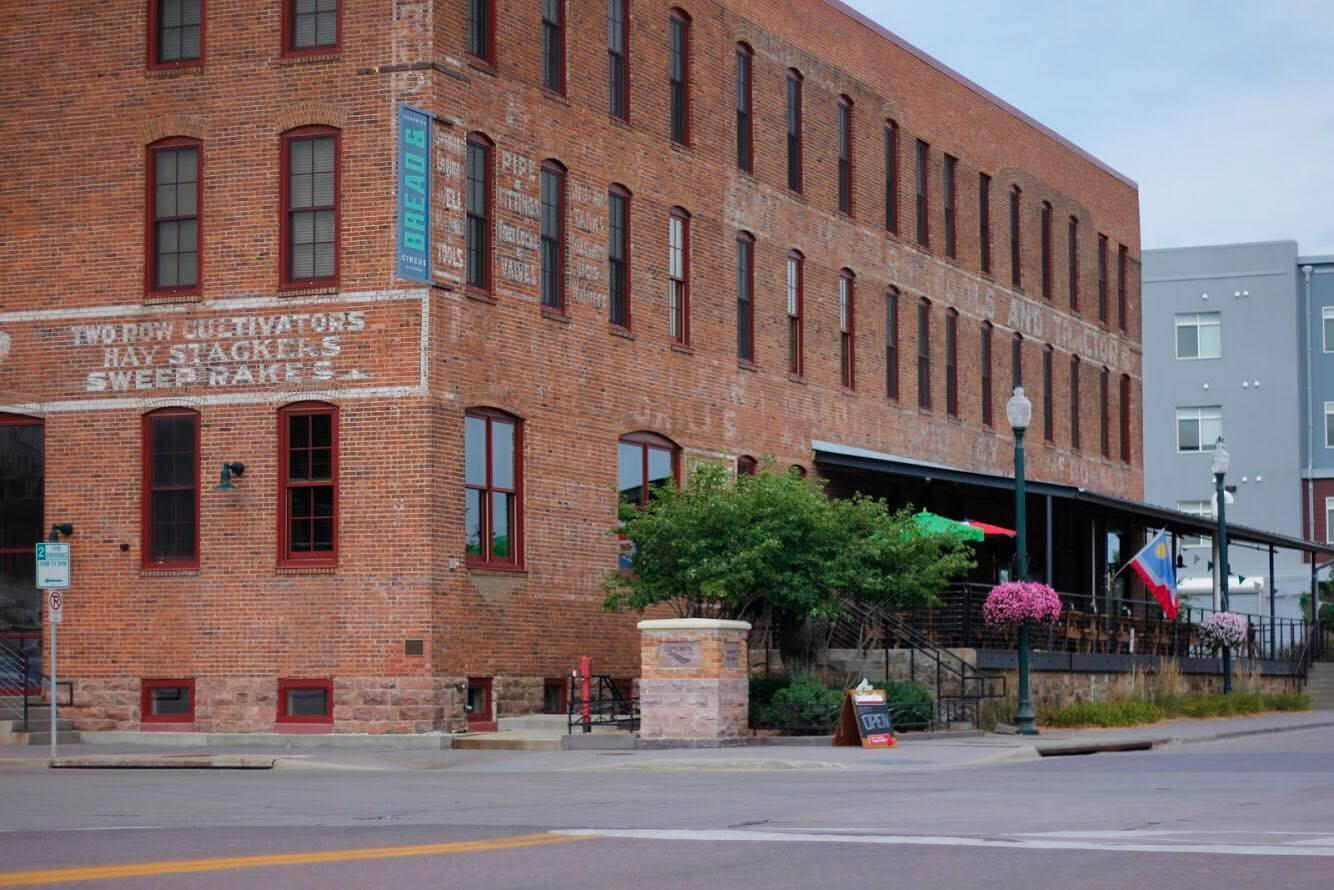
South Dakota's largest city has spent the better part of a decade rewriting what a mid-sized Great Plains dining scene can look like. Phillips Avenue, the north-south spine running through downtown Sioux Falls, has become the most visible expression of that shift: a corridor where independent restaurants now occupy storefronts that once turned over quickly between franchise operators. BibiSol sits at 219 S Phillips Ave, which places it in the thicker part of that corridor, surrounded by a mix of established independents and newer concepts still finding their footing.
The broader pattern here matters more than any single address. Sioux Falls has seen consistent population growth over the past fifteen years, driven partly by its status as a regional economic hub and partly by South Dakota's tax structure, which has attracted a professional class with spending habits calibrated to coastal restaurant norms. That demographic pressure has created demand for restaurants operating at a higher level of culinary intentionality than the market historically supported. BibiSol, whatever its specific format, enters that context, which means it competes not just with neighbouring tables but with shifting diner expectations about provenance, preparation, and purpose.
Sourcing and the Question of Place
One of the most consequential changes in American independent restaurants over the past two decades has been the normalization of ingredient sourcing as a front-of-house conversation. Restaurants at Smyth in Chicago and Single Thread Farm in Healdsburg have made supply chain transparency a structural part of their identity, to the point where menus function as sourcing documents as much as ordering tools. That posture has filtered outward, and regional cities across the Midwest now host restaurants where the provenance question is asked routinely.
South Dakota sits inside one of the more interesting agricultural zones for this conversation. The state produces significant volumes of beef, bison, pork, sunflowers, corn, and soybeans, with a ranching and farming culture that predates the current farm-to-table vocabulary by generations. The practical question for any serious independent restaurant in Sioux Falls is how directly it connects to that supply chain. Relationships with producers in the region around the city, within the roughly 150-mile band that includes eastern South Dakota, southwest Minnesota, and northwest Iowa, can give a kitchen access to product quality that is difficult to replicate through broadline distribution.
This is the framing that separates the more interesting Sioux Falls openings from the less interesting ones. Restaurants like Harvester Kitchen by Bryan and Maribella Ristorante represent different approaches to the regional dining question, one leaning into local sourcing narratives, the other drawing on imported European culinary tradition. BibiSol's position relative to those peers will depend on the choices it makes about where its food comes from and how explicitly it communicates those choices to the room.
Understanding BibiSol requires some sense of what else is happening within walking distance. Morrie's Steakhouse anchors the higher end of the local steakhouse tier, a format that holds particular cultural weight in a beef-producing state. Carnaval Brazilian Steakhouse brings a different protein-forward format, the rodízio model, which has proven durable in mid-sized American cities precisely because it offers theatrical abundance at a predictable price point. KPOT Korean BBQ & Hot Pot represents the interactive dining format that has expanded aggressively across the country's regional cities in the past five years, offering a participatory experience that works well in markets where novelty is still commercially meaningful.
What is clear is that the Phillips Avenue corridor has enough diversity that a new concept needs a legible identity to register. The restaurants that have built durable followings in downtown Sioux Falls have generally done so through a specific combination: a clear point of view about food, a physical space that rewards return visits, and a staff capable of communicating the kitchen's intentions to a room that may not arrive with deep culinary fluency.
What American Sourcing-Led Restaurants Have Established
The sourcing-led restaurant model, as practiced at Blue Hill at Stone Barns in Tarrytown, Providence in Los Angeles, and Addison in San Diego, has demonstrated that ingredient provenance can function as a genuine differentiator rather than a marketing layer. The discipline required is substantial: producer relationships take years to develop, seasonal constraints require menu flexibility, and the kitchen must be technically capable of doing justice to ingredient quality rather than masking mediocre product with heavy preparation. When it works, as it does at The Inn at Little Washington in Washington and Atelier Moessmer Norbert Niederkofler in Brunico in very different contexts, the result is a restaurant that cannot be replicated by a competitor who simply copies the menu, because the supply relationships are structural.
For Sioux Falls specifically, the parallel question is whether the city's restaurant scene develops that kind of embedded, regionally grounded identity or continues to expand primarily through format imports from larger markets. The evidence from comparable Great Plains cities, Omaha, Des Moines, Kansas City, suggests that both tracks run simultaneously: national formats expand, and a smaller cohort of independent operators builds something more specifically rooted. BibiSol's place in that story is not yet established in the public record, but its address on Phillips Avenue puts it in the cohort where the more interesting version of that story is most likely to develop.
Planning a Visit
BibiSol is located at 219 S Phillips Ave in downtown Sioux Falls, a walkable address from most of the city's central hotels and within a few blocks of the Washington Pavilion and the Falls Park area. For visitors arriving from outside the city, Sioux Falls Regional Airport is a short drive from downtown, with connections from several major hubs. The Phillips Avenue corridor sees consistent foot traffic on weekends, so walk-in availability on Friday and Saturday evenings may be more limited than mid-week visits. For a broader map of the Sioux Falls dining scene, the EP Club Sioux Falls restaurants guide covers the full range of independent options currently operating in the city.
Frequently asked questions
What's the address for BibiSol?
BibiSol is located at 219 S Phillips Ave, Sioux Falls, SD 57104, Sioux Falls.
How does BibiSol fit into the broader Sioux Falls dining scene on Phillips Avenue?
Where steakhouses on the same street anchor the traditional end of the spectrum, BibiSol represents the sourcing-driven, produce-forward counter-argument that has gained ground across American mid-sized cities. Understanding one helps calibrate expectations for the other.
What should I eat at BibiSol?
BibiSol sits within the sourcing-led wave reshaping Phillips Avenue, so the most coherent order follows seasonal availability rather than a fixed signature. The kitchen's position in downtown Sioux Falls places it close to regional supply chains that have defined the better independent restaurants in South Dakota's largest city. Check what's current on arrival rather than anchoring expectations to a specific dish from a past visit.
Can I walk in to BibiSol?
BibiSol is at 219 S Phillips Ave in downtown Sioux Falls, a walkable corridor with meaningful foot traffic, which means walk-in availability depends heavily on day and time. Phillips Avenue restaurants at this address tier tend to fill on Thursday through Saturday evenings. Calling ahead is the practical move; a reservation confirms your seat without requiring you to commit far in advance.
What's the defining dish or idea at BibiSol?
The organising idea at BibiSol is place-specific sourcing: letting regional producers set the terms of the menu rather than running a static, chef-authored list. That approach puts it in conversation with the broader American independent restaurant model that Blue Hill at Stone Barns made mainstream, scaled down to the realities of a mid-sized Great Plains city. The result is a menu that shifts with the South Dakota growing calendar.
Fast Comparison
Comparable venues nearby, for context on price, style, and recognition.
| Venue | Cuisine | Price | Awards | Notes |
|---|---|---|---|---|
| BibiSolThis venue (the venue you are viewing) | Modern Mexican | Not listed | James Beard Award Semi Finalist | Not listed |
| Maribella Ristorante | Upscale Northern Italian | Not listed | Wine Spectator Award of Excellence | Downtown |
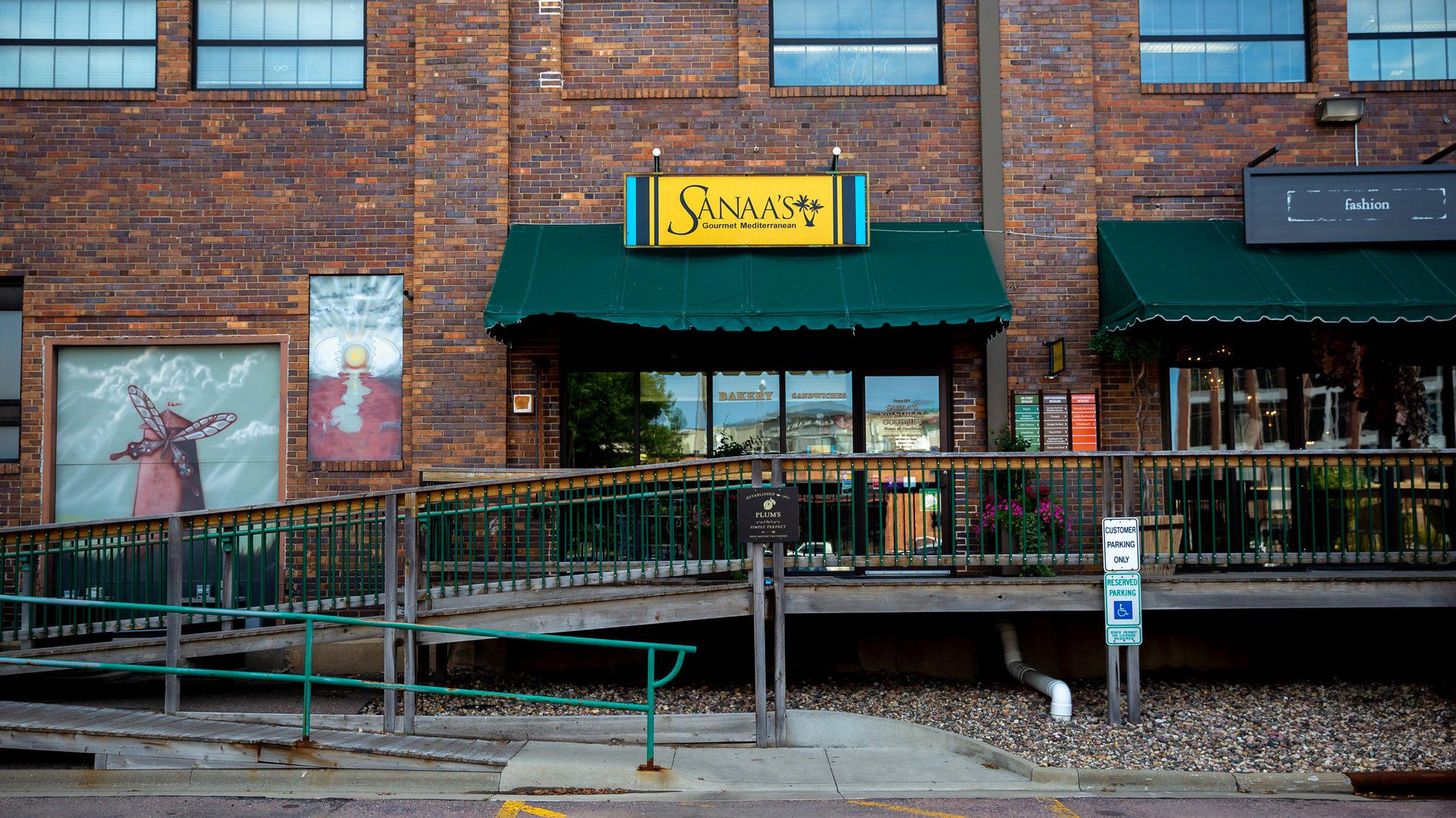
| Sanaa's Gourmet Mediterranean | Gourmet Mediterranean & Middle Eastern | $10–20 | Not listed | Downtown |
| Carnaval Brazilian Steakhouse | Brazilian Rodizio Steakhouse | $50–100 | Not listed | Sioux Falls |
| KPOT Korean BBQ & Hot Pot | Korean BBQ & Hot Pot | $30–50 | Not listed | Sioux Falls |
| Harvester Kitchen by Bryan | Innovative American | Not listed | Not listed | downtown |
Recognition history
Dated appearances from independent guides and award organizations, with the underlying list record or original source where available.
James Beard Award Semi Finalist
James Beard Award
Continue exploring
More in Sioux Falls

Details
- Modern
- Trendy
- Date Night
- Casual Hangout
- Open Kitchen
- Craft Cocktails
- Farm To Table
- Local Sourcing
- A La Carte
Current opening hours
- Monday
- Closed
- Tuesday
- 11 AM–8 PM
- Wednesday
- 11 AM–8 PM
- Thursday
- 11 AM–8 PM
- Friday
- 11 AM–8 PM
- Saturday
- 11 AM–8 PM
- Sunday
- 10 AM–2 PM
Hours can change for holidays and private events. Hours as of .
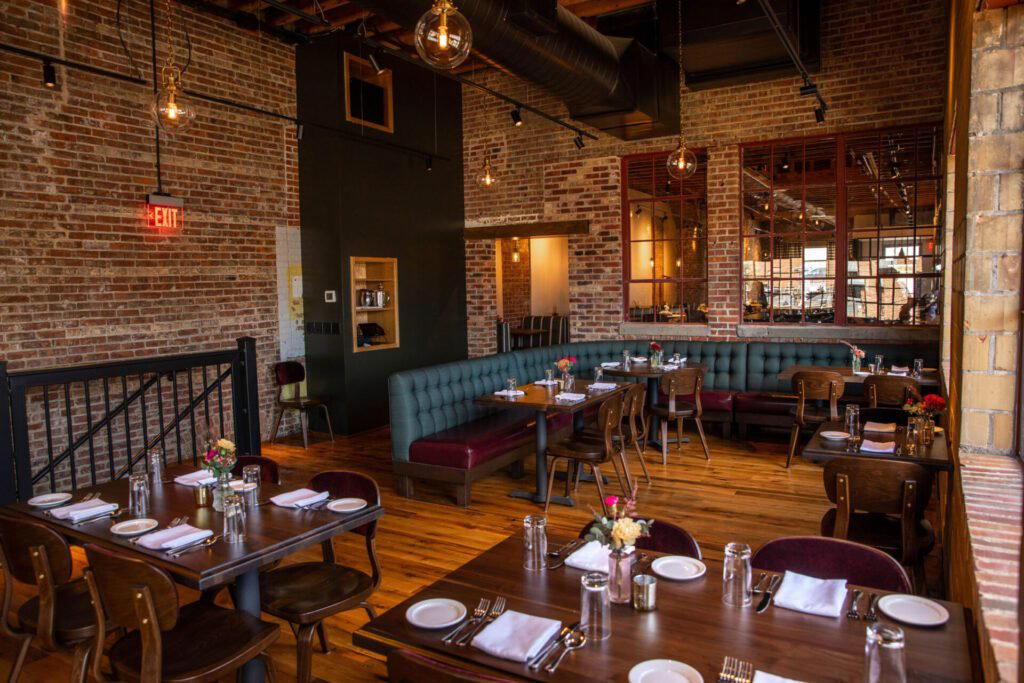
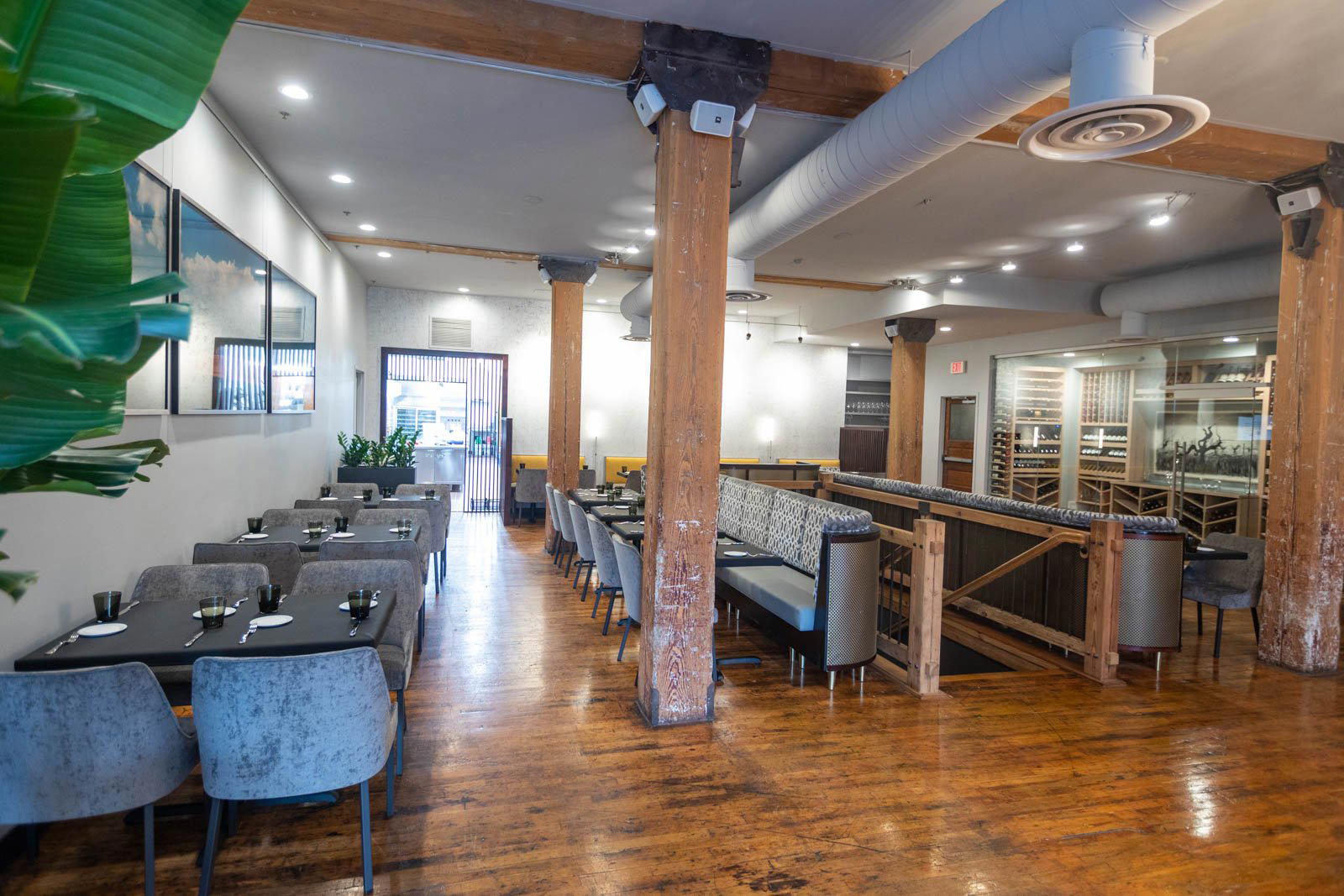
Warm atmosphere with moderate noise in a wonderful setting.