Harvest sits within Muscat's emerging dining scene, where locally sourced ingredients and the agricultural rhythms of Oman's interior increasingly shape what appears on the plate. The restaurant represents a growing current in the city's food culture: one that looks to the date farms of the Batinah coast, the fisheries of the Arabian Sea, and the spice routes that have long defined Omani cooking as the foundation for a contemporary menu.
Pearl is the En Primeur Club membership app — saves, bookings, and concierge access live there. Same editors, same standards.
- Address
- Bareeq Al Shatti, Al Kharjiya Street, Muscat 103, Oman
- Phone
- +968 7191 9156
- Website
- marriott.com
- Directions
- Get directions
 Saves & bookings on Pearl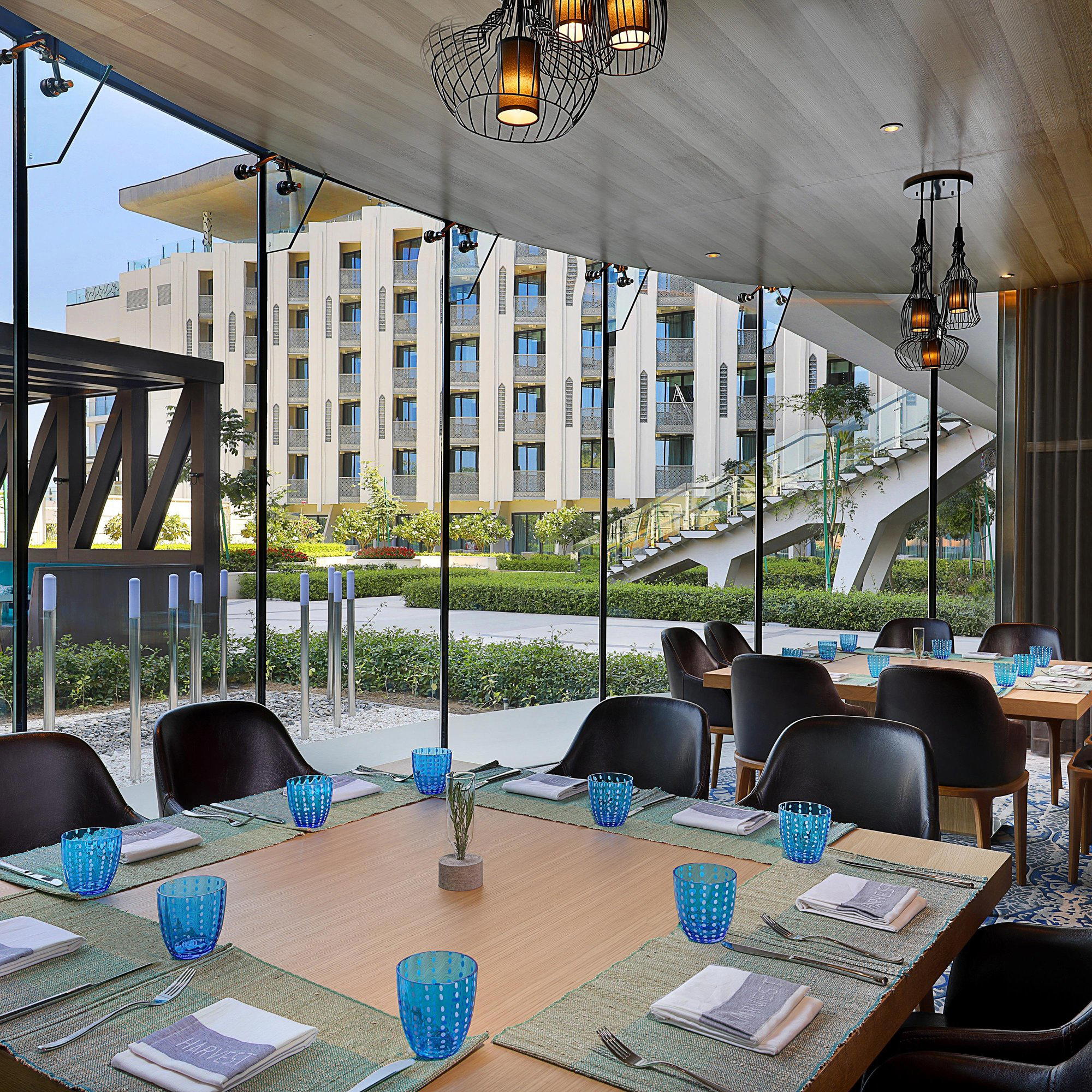
Where Oman's Ingredients Set the Table
Muscat's restaurant scene has spent the past decade sorting itself into two broad camps: international hotel dining rooms that import their culinary logic wholesale from Europe or Southeast Asia, and a smaller, more deliberate group of venues that treat the Omani pantry as a point of departure rather than a footnote. Harvest places itself in that second camp, working within a city where the sourcing conversation is still relatively young but gaining considerable traction. For context on how the wider city is developing, see our full Muscat restaurants guide.
The name itself signals intent. In a Gulf capital where many restaurants position themselves through imported luxury, a name like Harvest points toward the land and the seasonal cycle. That positioning matters because Oman's agricultural and maritime resources are more substantial than most visitors expect. The Batinah plain produces dates, limes, and root vegetables. The Arabian Sea supplies hamour, kingfish, and a range of shellfish that rarely reach international menus but are deeply embedded in Omani domestic cooking. The Dhofar region, far to the south near Salalah, contributes frankincense and a distinct microclimate that supports coconut, banana, and tropical produce almost unique in the Arabian Peninsula.
The Sourcing Logic Behind Omani Cooking
Understanding what makes ingredient-led dining meaningful in Muscat requires understanding what Omani cuisine actually draws on. Unlike Gulf neighbors whose food cultures were reshaped rapidly by petrochemical wealth and mass importation, Oman retained stronger connections to its fishing communities, its interior farming villages, and its position as a historic trade intermediary between South Asia, East Africa, and the Arab world. Zanzibar was an Omani sultanate until 1856, and that connection left traces in the spice profile of Omani cooking: cardamom, turmeric, dried limes, and tamarind appear with a frequency and confidence that distinguishes the cuisine from Emirati or Saudi counterparts.
Restaurants that work seriously with this tradition, as Bait Al Luban in Muscat has done with its long-standing Omani menu, and as Bait Al Luban in Mutrah continues to demonstrate near the old souq, are working with a cuisine that has genuine historical depth. The sourcing question for any Muscat venue, then, is not simply about locality as a marketing concept but about whether the kitchen is actually engaging with the seasonal and geographic specificity that gives Omani food its character.
Atmosphere and Setting
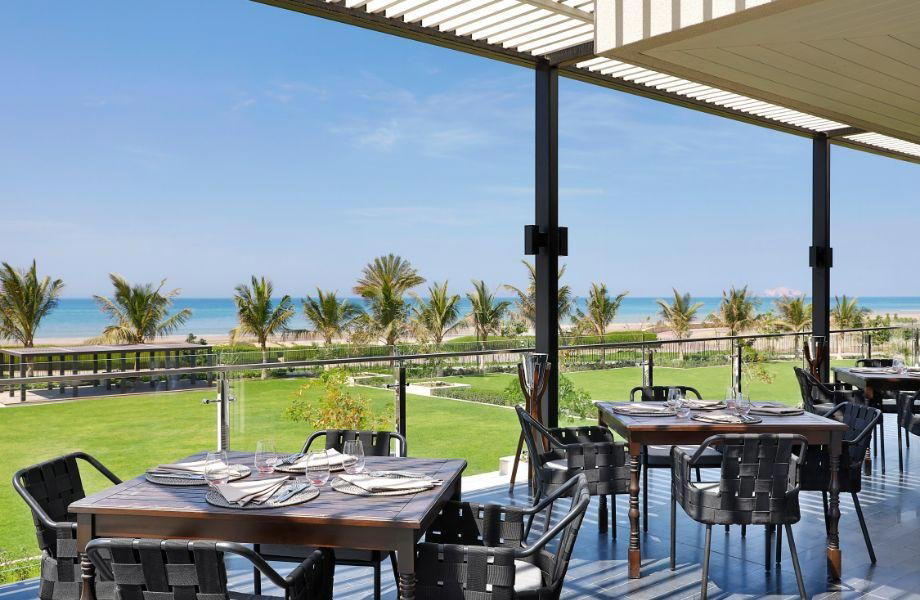
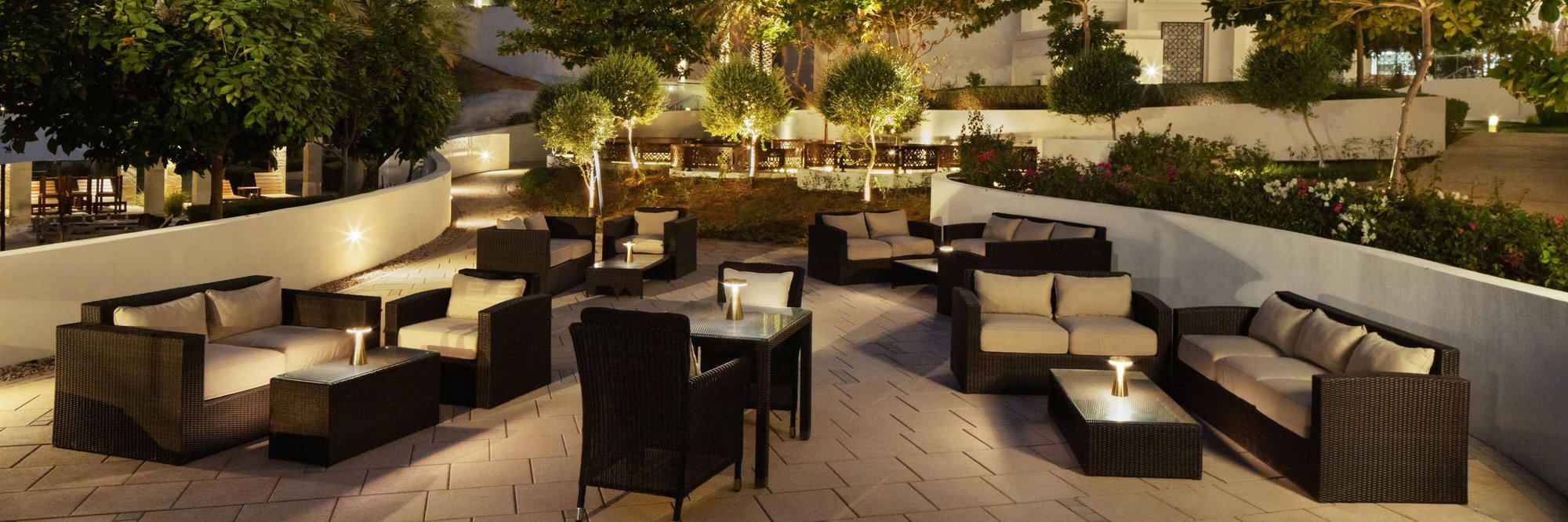
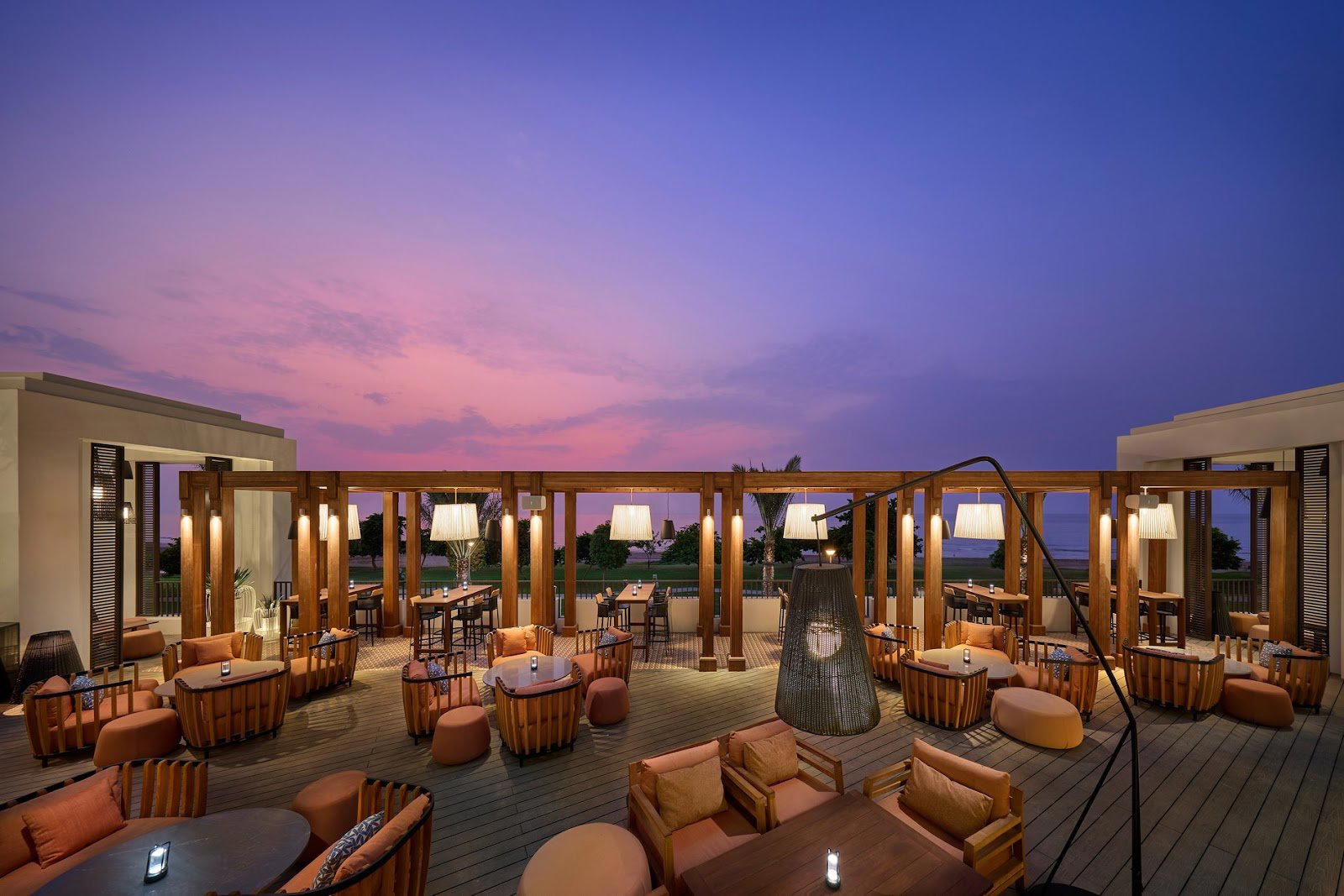
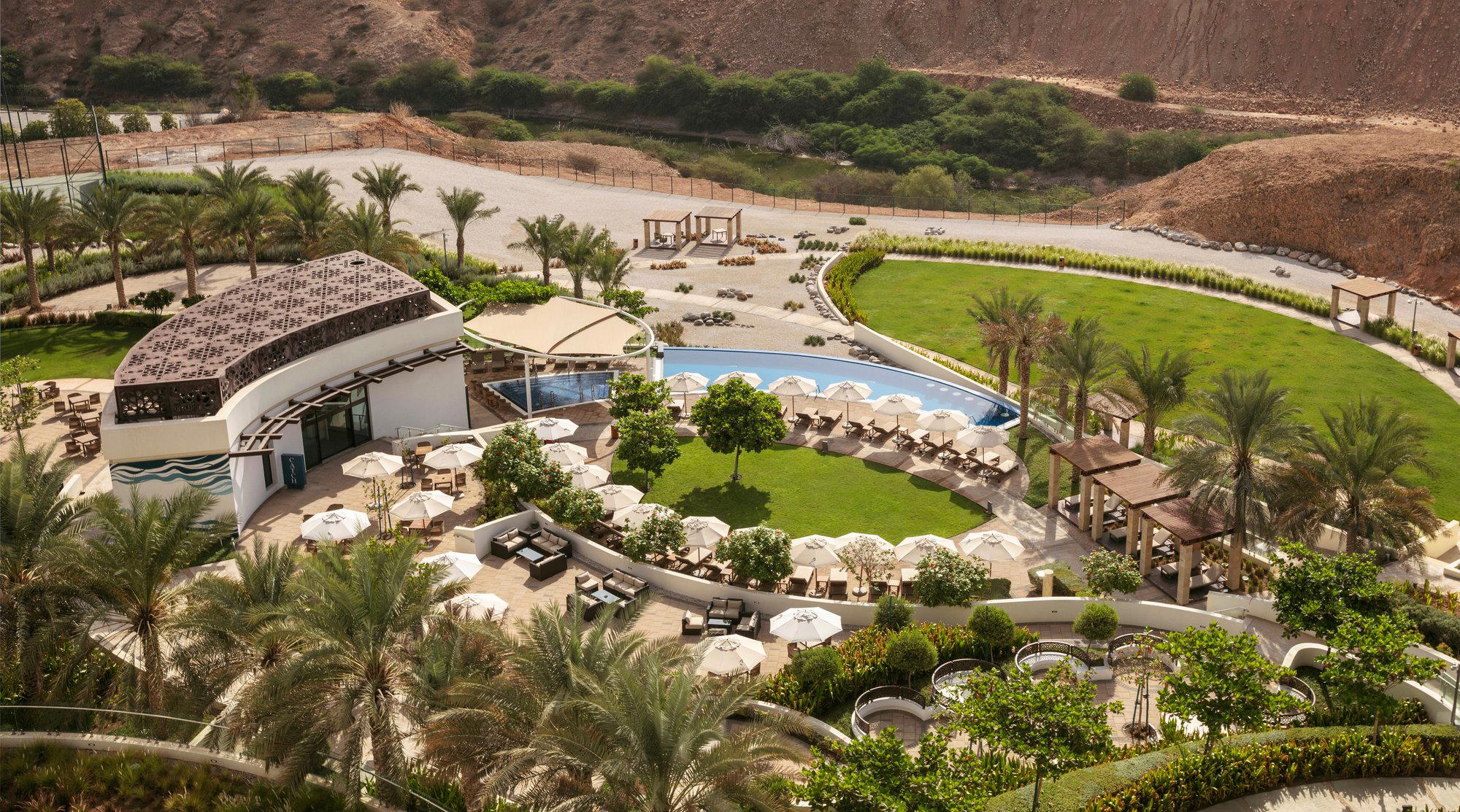
Approaching a restaurant in Muscat, the environmental cues tend to separate venues quickly into those designed for the expat compound circuit and those oriented toward a more mixed local and visitor audience. Harvest, based in the capital, occupies a city where outdoor dining is viable for much of the year, with the cooler months from October through March representing the period when terrace or open-air formats become genuinely pleasant rather than aspirational. The heat of the Gulf summer, which pushes Muscat temperatures above 40°C between June and September, compresses the city's active dining calendar into that cooler window, and venues that understand this seasonal rhythm tend to program their menus accordingly.
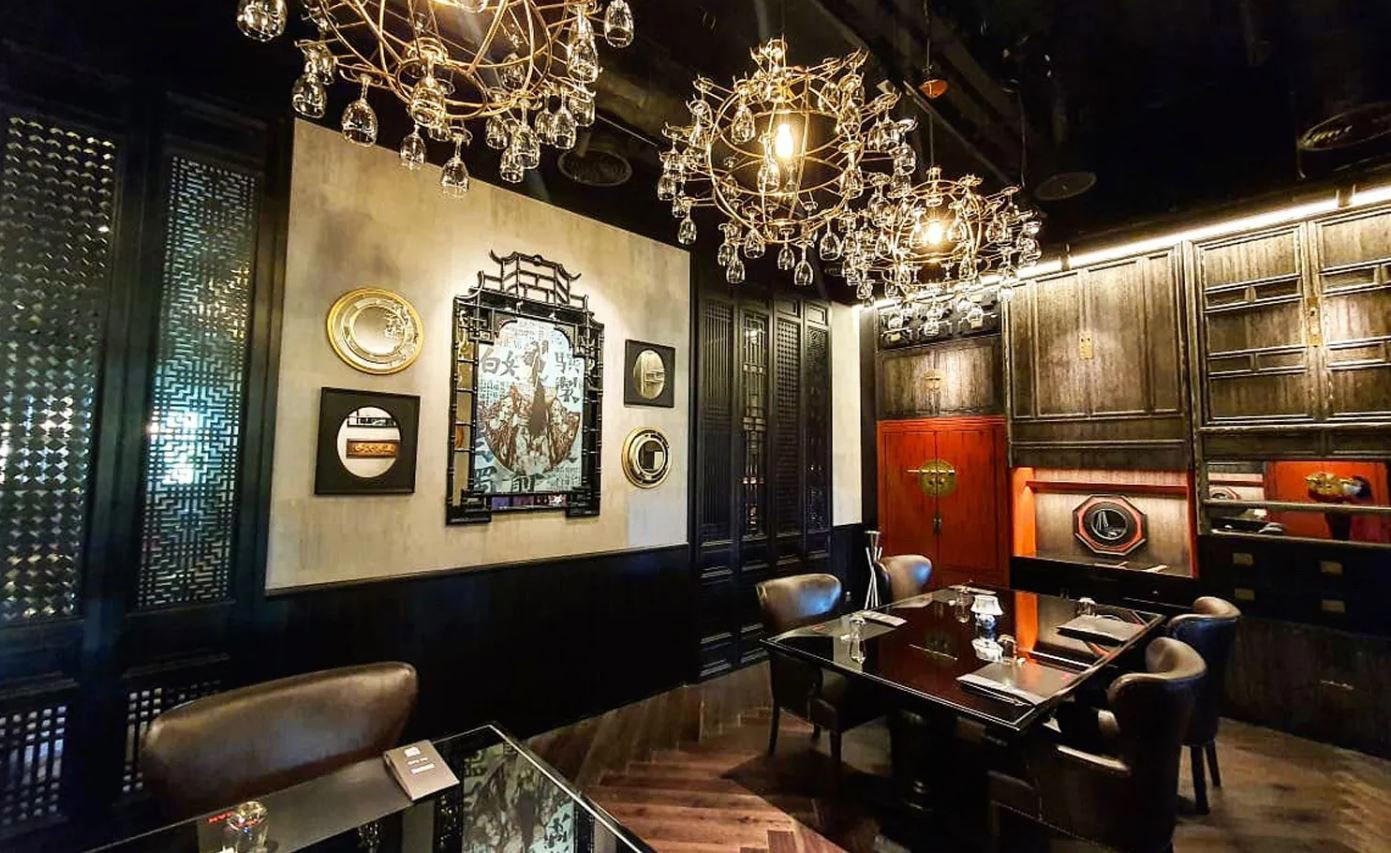
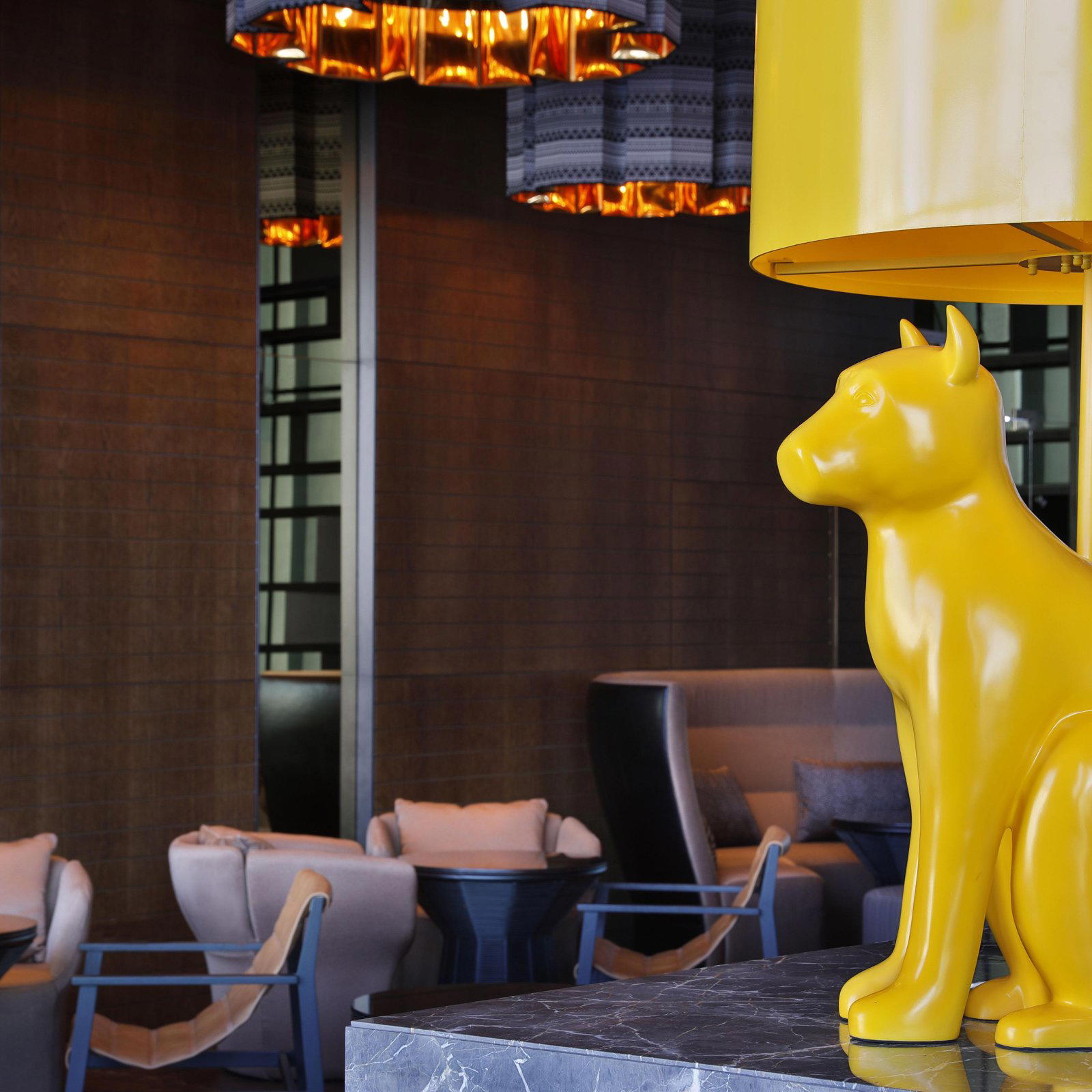
Inside, Muscat's better mid-tier and premium venues have moved away from the maximalist interiors that dominated Gulf hospitality a decade ago, toward spaces where natural materials, quieter palettes, and more considered acoustics create an environment better suited to conversation. Whether Harvest follows this direction or occupies a different register is something that a booking inquiry will clarify, since the venue's specific format details are best confirmed directly ahead of a visit.
Harvest in Muscat's Competitive Set
Muscat's dining spectrum runs from the informal grills and shawarma counters found across the city, represented at the street level by places like Bypass Grills and Shawarma in Salalah and the kind of neighborhood-anchored spots such as Tuk Tuk in Al Mawalih, up through traditional Omani formats like Al Mandoos in Seeb, and into the resort-standard dining found at properties like Sense on The Edge at Six Senses Zighy Bay or Spice Market at Six Senses Zighy Bay.
Within that range, venues that foreground ingredient provenance tend to occupy a mid-to-upper price tier, where the kitchen investment required to source locally and cook seasonally needs to be reflected in what guests pay. This is a pattern visible across the region and at higher volume in cities where the ingredient-led movement is more mature. Restaurants like Lazy Bear in San Francisco or Aponiente in El Puerto de Santa María demonstrate how sourcing-focused programs price and communicate at their respective market peaks. In Muscat, that conversation is earlier in its development, which means there is both more room for interpretation and less established framework for guests to use as a reference.
For guests benchmarking Harvest against international standards, it is worth noting that the ambition represented by sourcing-led Omani cooking has few direct equivalents in fine dining globally. The cuisine sits outside the circuits that generate Michelin recognition or World's 50 Best coverage, which venues like Le Bernardin in New York City, Atomix, or Amber in Hong Kong inhabit. That absence is not a quality signal in either direction; it reflects the structural reality that Gulf dining has not yet been meaningfully integrated into the international awards infrastructure.
Planning a Visit
Muscat operates on Gulf Standard Time and the city's dining rhythm pushes later than European norms, with peak dinner service typically beginning around 8pm and extending well past 10pm, particularly on Thursday and Friday evenings when the weekend begins. Visitors planning around the cooler season will find the city more animated and restaurant bookings more competitive from November through February. Direct confirmation of current hours, pricing, and reservation availability at Harvest is recommended ahead of any visit, as operational details in Muscat's independent dining sector can shift with seasonal demand.
At-a-Glance Comparison
| Venue | Cuisine |
|---|---|
| HarvestThis venue — the venue you are viewing | This venue |


At a Glance
- Modern
- Lively
- Family
- Group Dining
- Casual Hangout
- Hotel Restaurant
- Terrace
- Craft Cocktails
- Local Sourcing
- Organic
Current opening hours
- Monday
- 6:30–11 AM, 12:30–3:30 PM
- Tuesday
- 6:30–11 AM, 12:30–3:30 PM
- Wednesday
- 6:30–11 AM, 12:30–3:30 PM
- Thursday
- 6:30–11 AM, 12:30–3:30 PM
- Friday
- 6:30–11 AM, 12:30–3:30 PM
- Saturday
- 6:30–11 AM, 12:30–3:30 PM
- Sunday
- 6:30–11 AM, 12:30–3:30 PM
Hours can change for holidays and private events. Last verified .
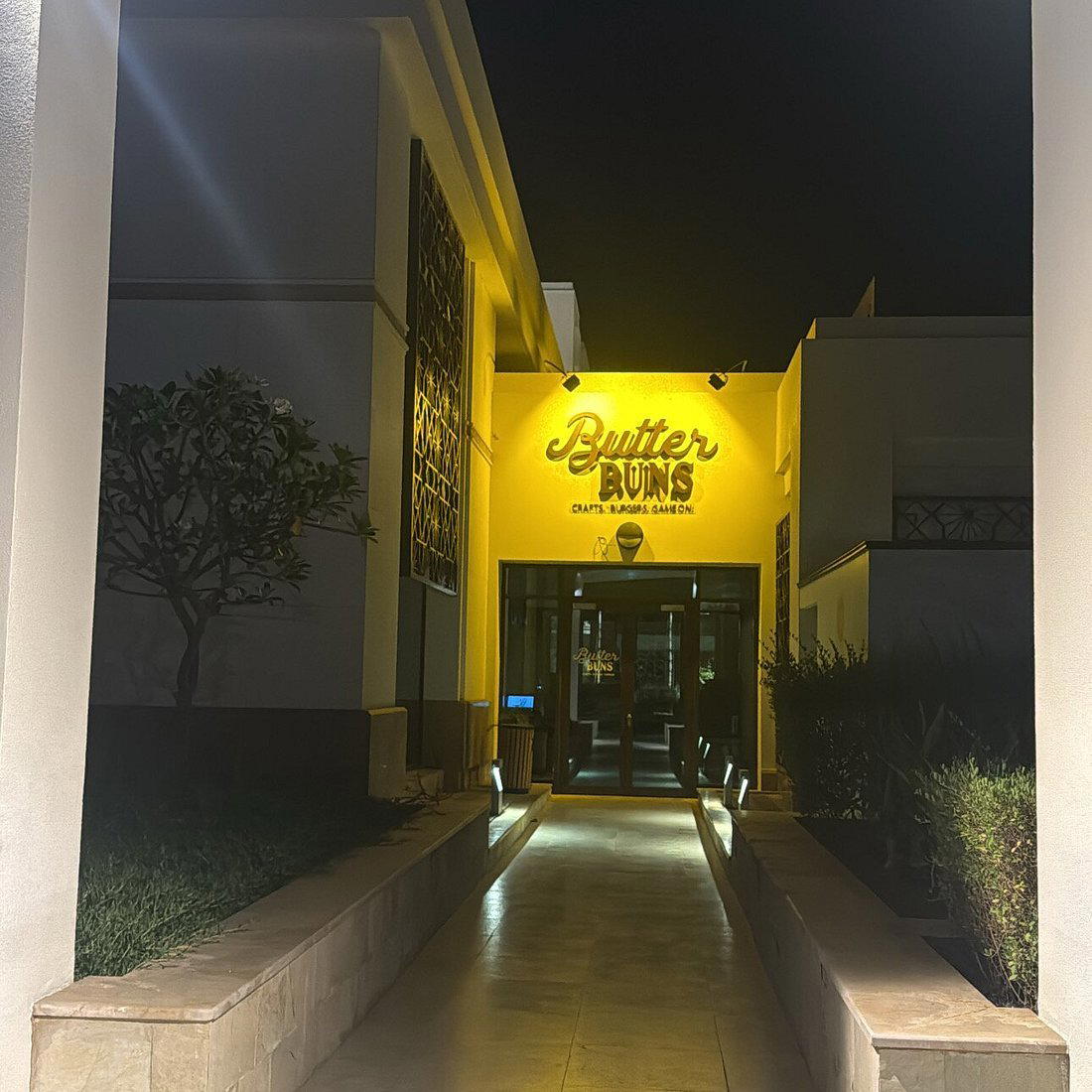
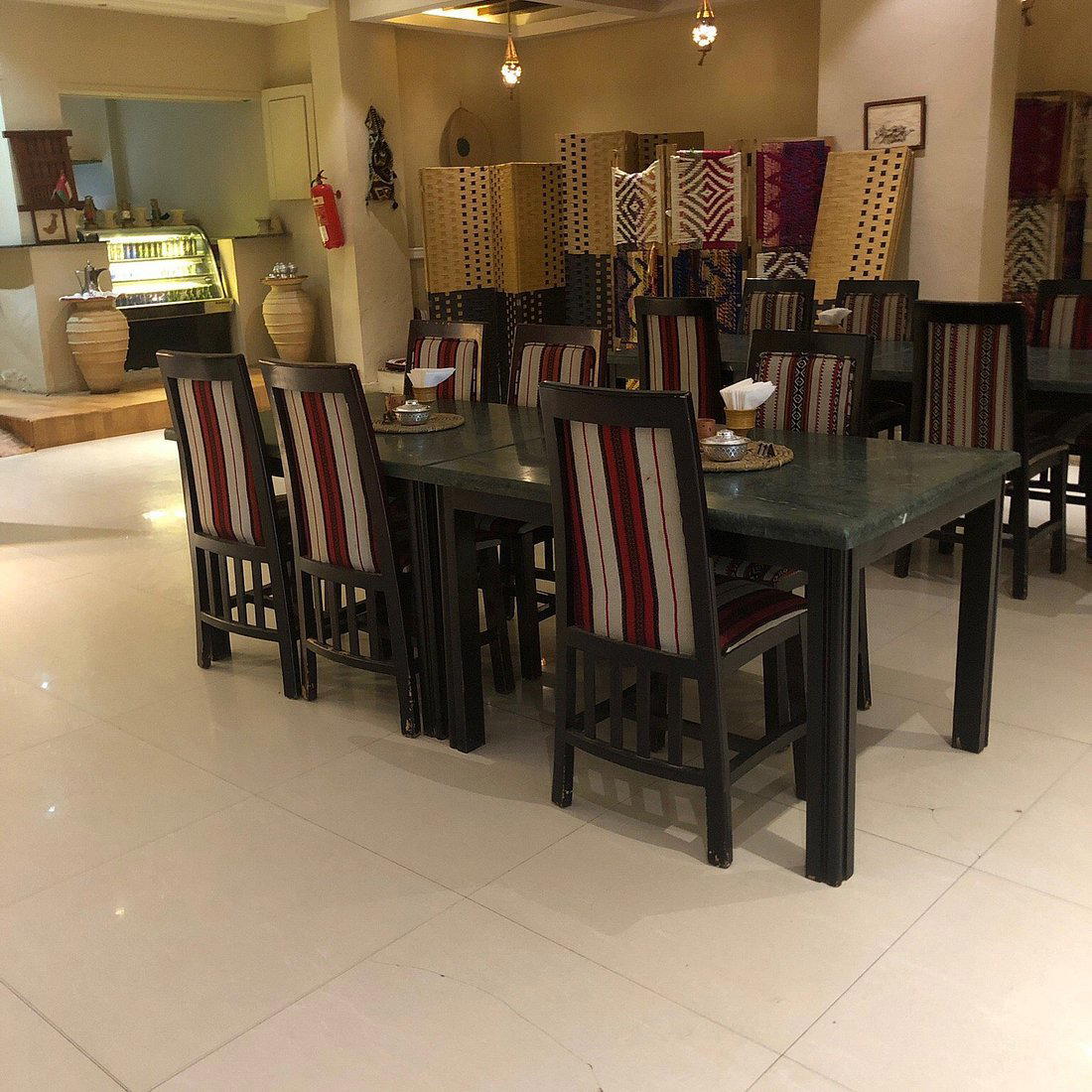
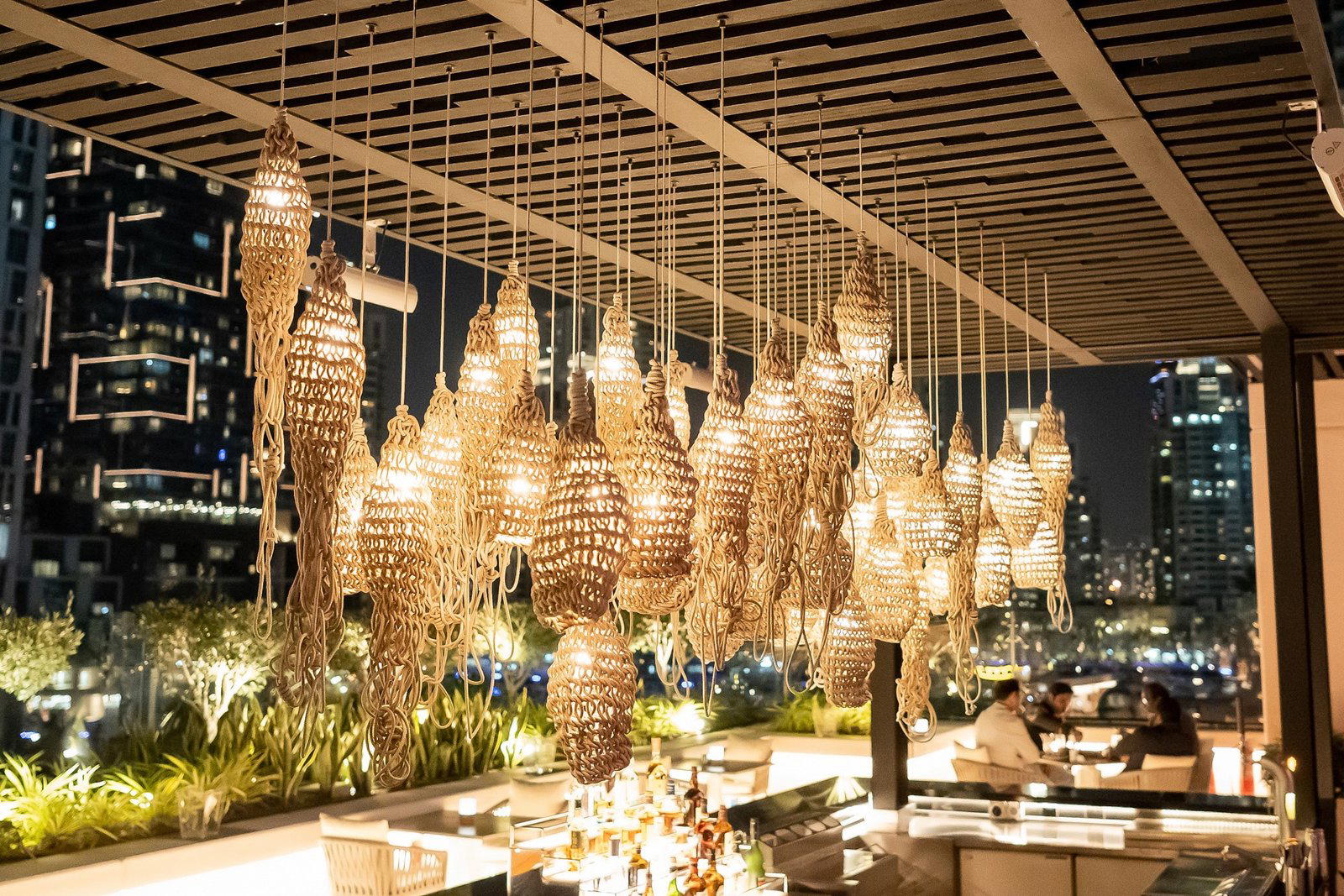
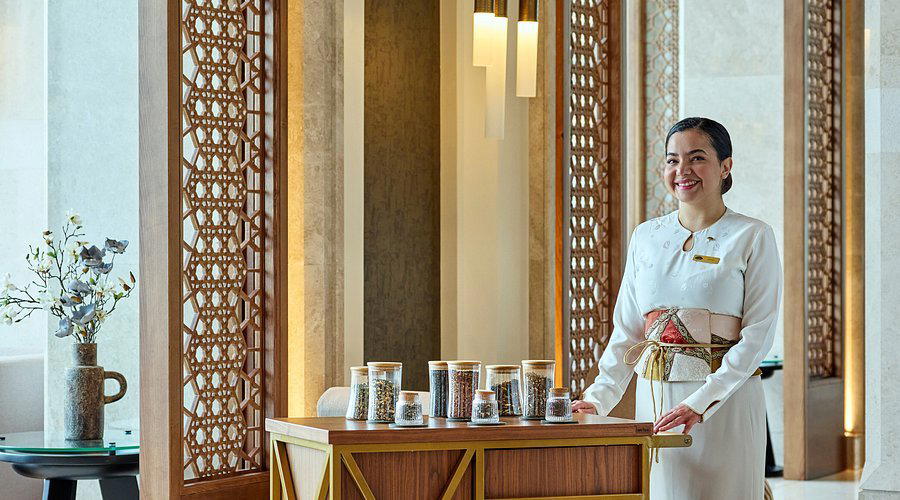
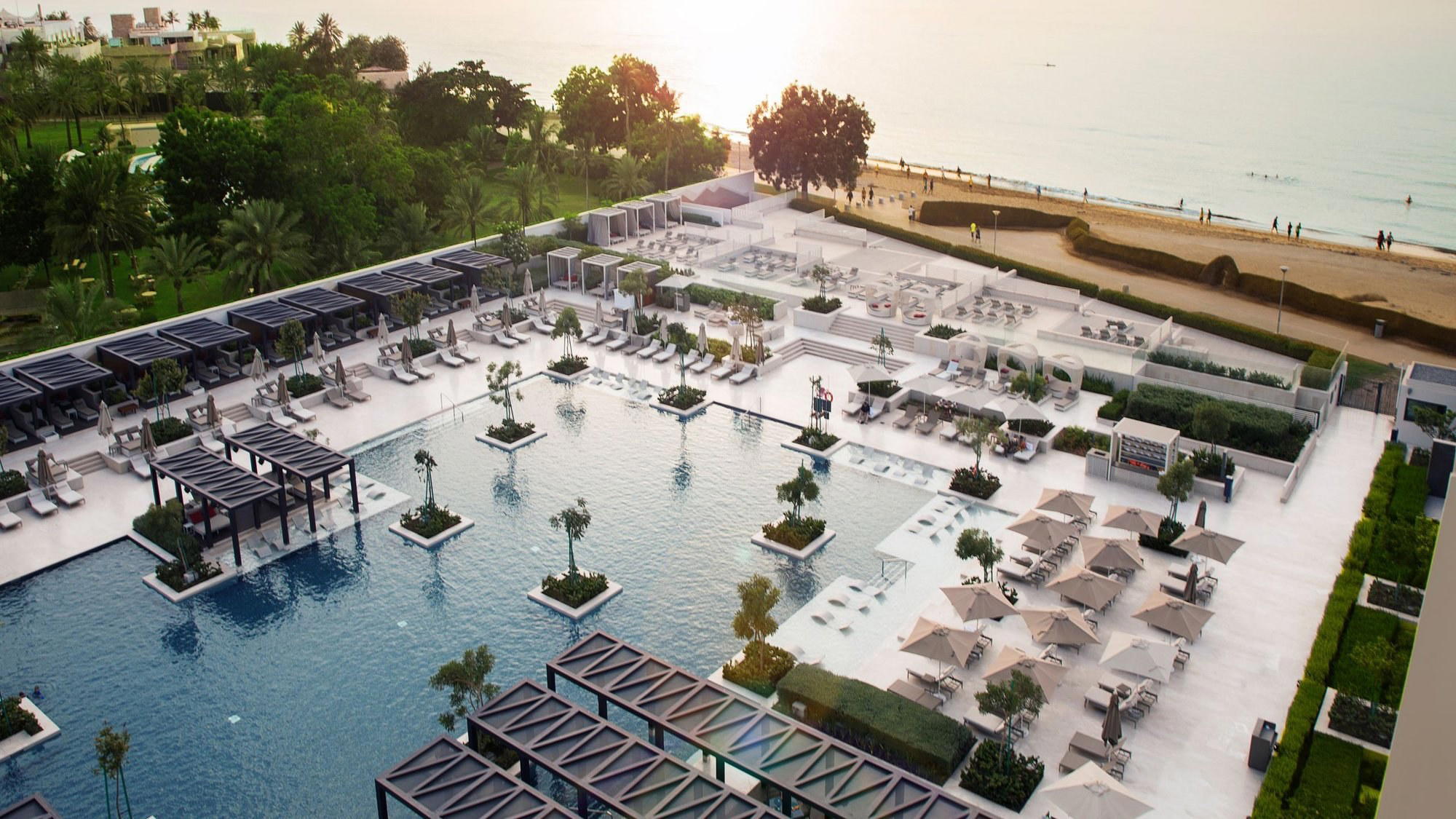
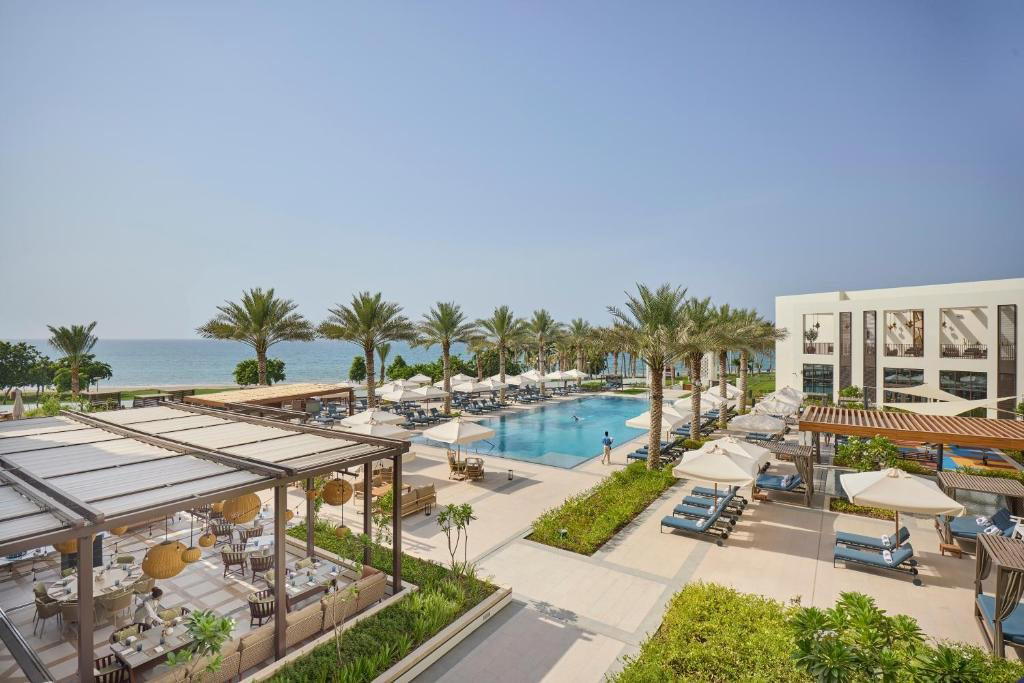
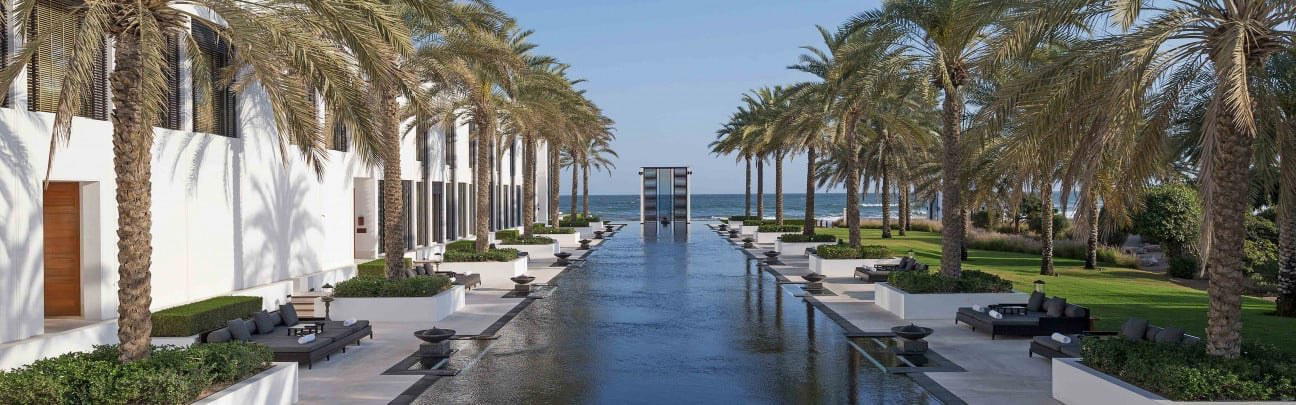
Modern hotel-restaurant setting with communal seating; seasonal outdoor events add warm lighting and a lively atmosphere.
Know Before You Go
- Getting there
- Bareeq Al Shatti, Al Kharjiya Street, Muscat 103, Oman