Bukhara belongs to the Muscat dining conversation around origin, spice, and the way Gulf cities absorb food traditions from across the Indian Ocean. With no public awards or chef-led mythology to lean on, the useful read is comparative: place it against the city’s Omani, hotel, and international dining rooms, then judge how clearly the kitchen communicates sourcing, seasoning, and format.
Pearl is the En Primeur Club membership app — saves, bookings, and concierge access live there. Same editors, same standards.
- Address
- Street 6, 335 Al Mouj, PO Box 57
- Website
- kempinski.com
- Directions
- Get directions
 Saves & bookings on Pearl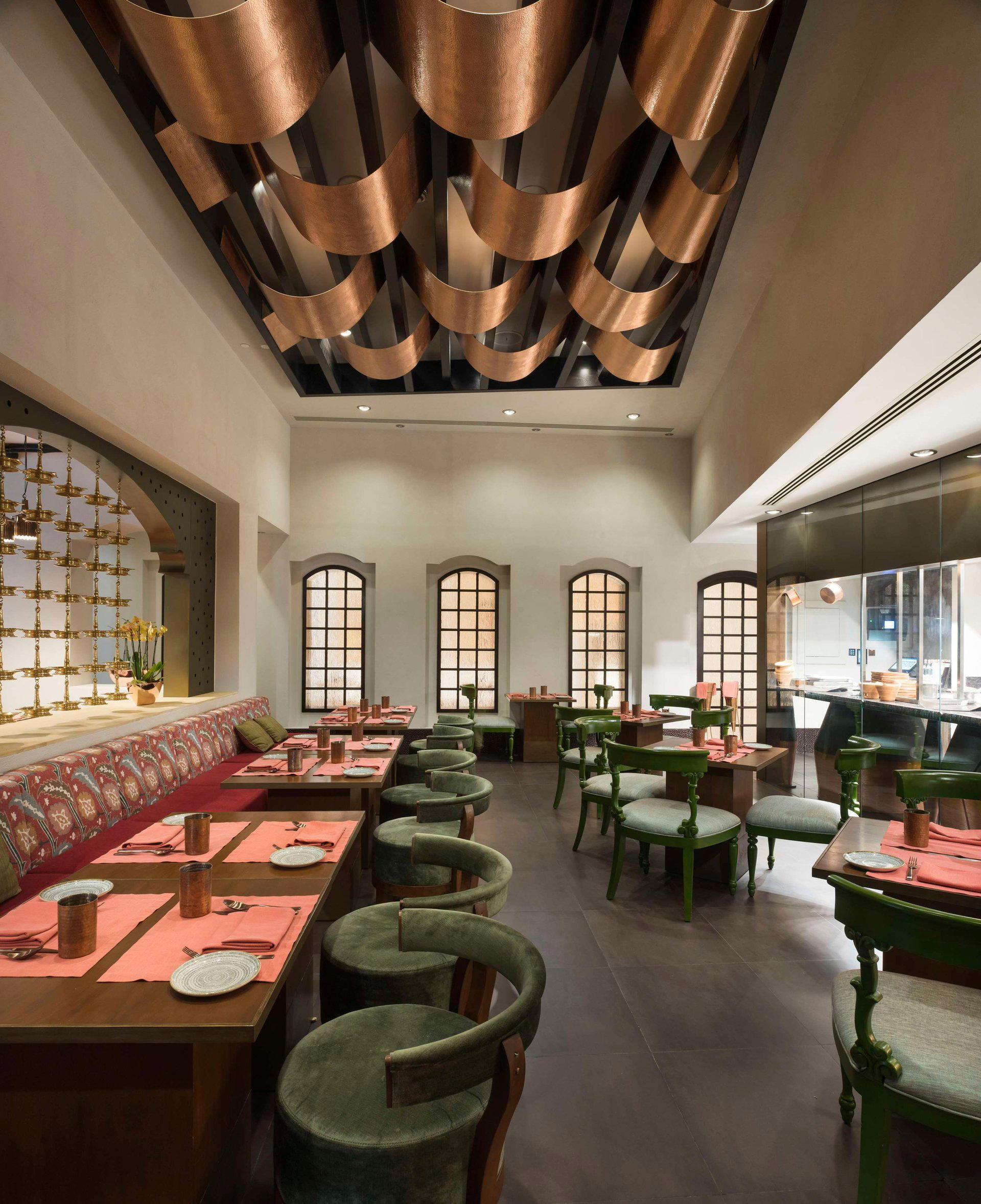
Muscat changes the tempo of dining across the capital. The city’s older restaurant addresses tend to read through souq streets, corniche traffic, hotel lobbies, and family dining rooms; here the approach is composed, planned, and international in tone. That matters for Bukhara because a restaurant with this name enters a conversation larger than one room: the Gulf’s long appetite for grills, breads, rice, spice, and slow-cooked sauces shaped by trade routes across South Asia, Iran, East Africa, and Arabia.
The stronger question is not whether Bukhara can be reduced to a label. It is how clearly the meal connects flavour to origin. In Muscat, ingredient sourcing is not a decorative subject. Fish, dates, limes, rice, lamb, dairy, saffron, cardamom, and smoke all carry regional meaning, and imported luxury ingredients only make sense when they sharpen that meaning rather than blur it. Restaurants in this lane are judged by restraint: spice should define structure, not cover weak produce; bread should arrive as part of the meal’s architecture, not as filler; grilled meats and vegetables need enough char to speak of fire without flattening the ingredient underneath.
Why sourcing matters in Muscat's Indian Ocean dining culture
Muscat’s restaurant scene is shaped by proximity as much as by fashion. Oman looks toward the Arabian Sea, the Gulf, the Indian subcontinent, and Zanzibar at once, so menus often carry overlapping references rather than clean national borders. That is why a restaurant such as Bukhara should be read beside Omani-rooted tables, seafood rooms, hotel dining, and polished international imports, not in isolation.
For a grounded local comparison, other Muscat dining rooms place Omani cooking closer to the centre of the frame, while additional regional restaurants point to the city’s broader appetite for Gulf and regional comfort cooking. Seafood-focused addresses show the other side of the sourcing question: in a coastal capital, fish is never just a menu category, it is a test of freshness and handling. Hotel dining often answers with range and reliability, while other Asian-leaning rooms reflect the city’s willingness to treat international dining as part of its mainstream rather than an imported novelty.
Bukhara sits within that matrix. The name signals a northward imagination, toward grill culture with roots beyond Oman, but the Muscat setting changes the expectation. Diners should look for how the kitchen handles staples that travel well across the region: rice cooked with discipline, breads that carry heat and texture, pulses with depth, and meat or vegetables treated with enough patience to make spice feel integrated. In a city where many restaurants compete on setting, sourcing discipline is the quieter separator.
The Muscat setting puts polish before theatre
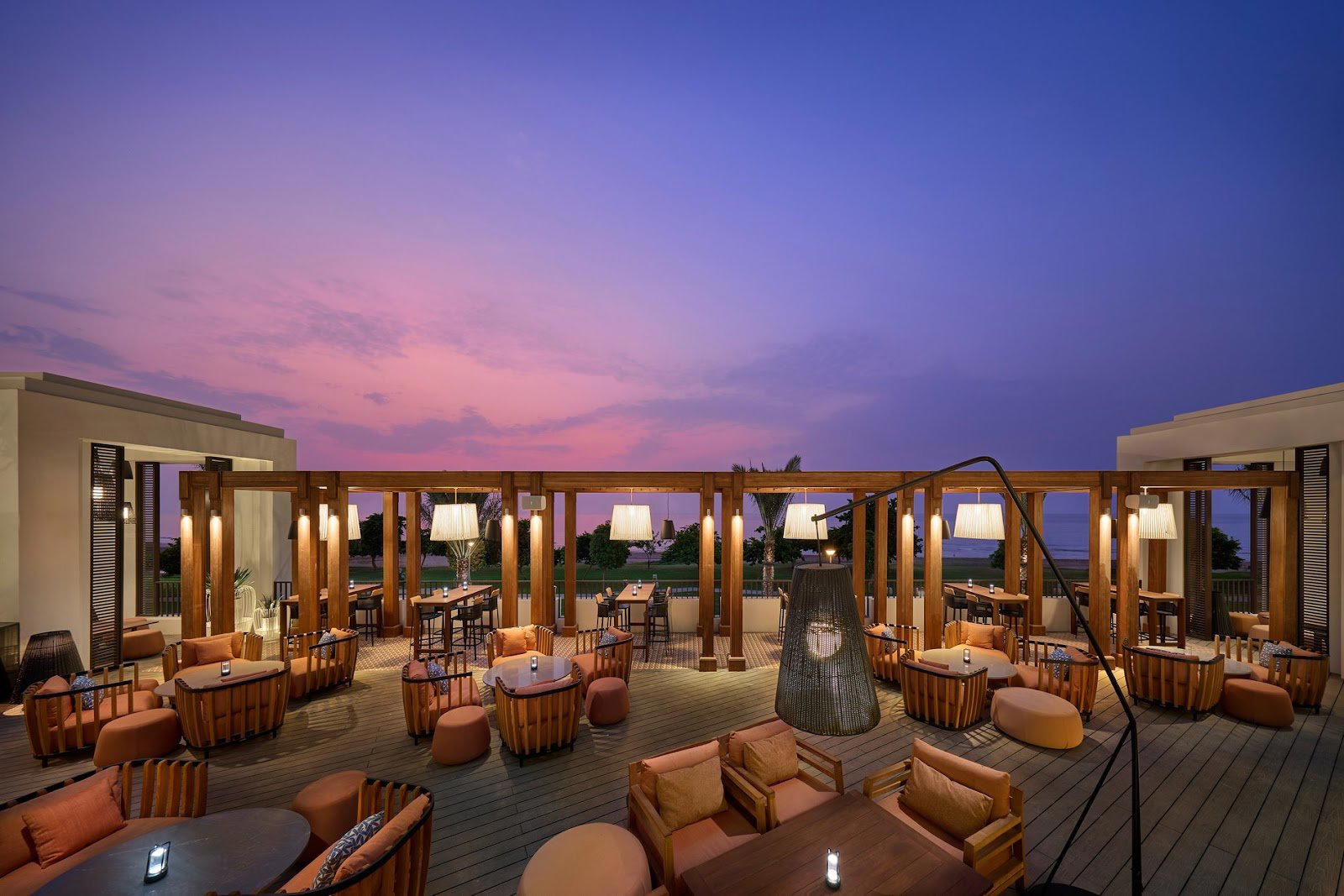
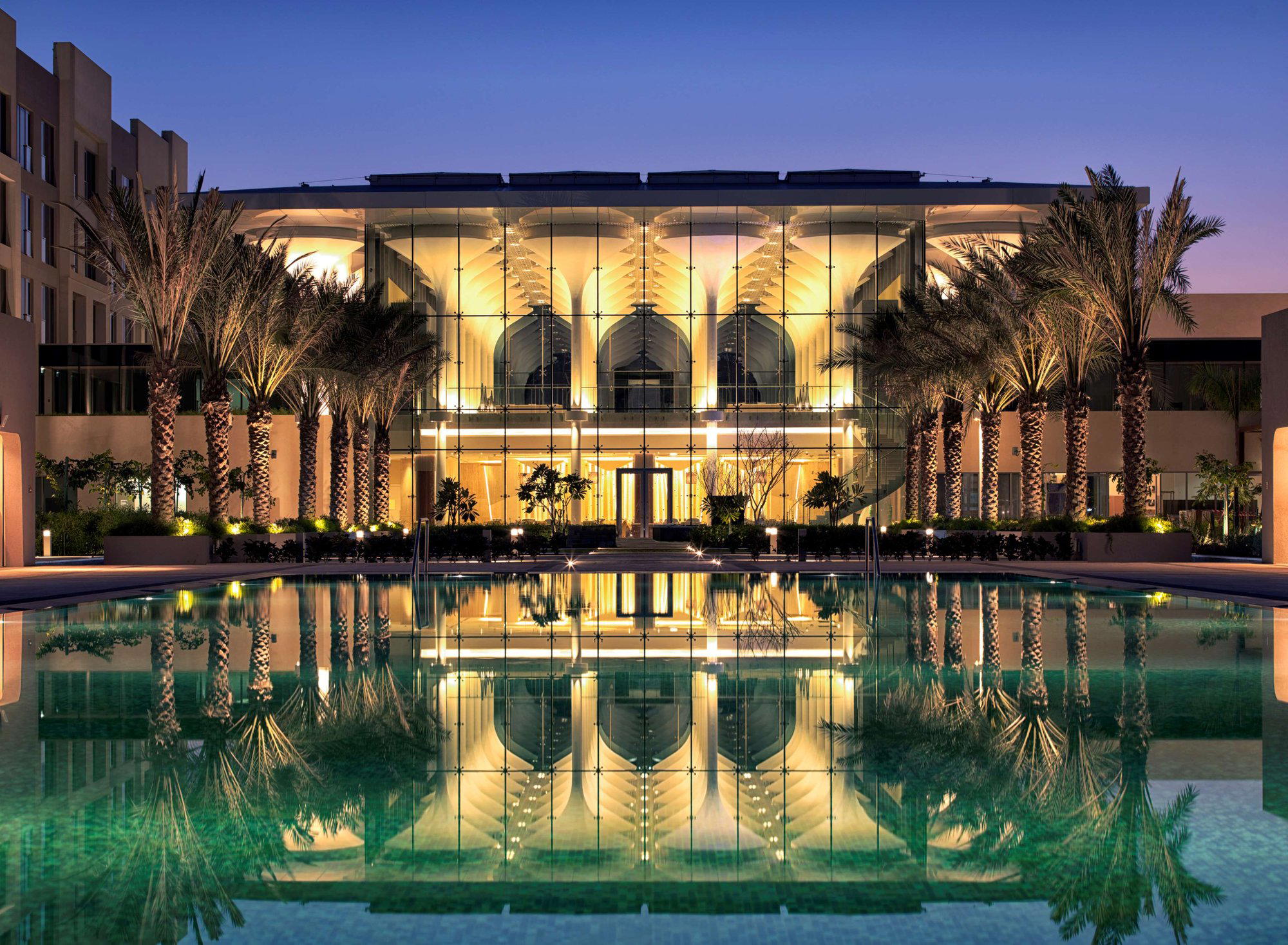
Muscat is not a single dining mood. Its restaurant map moves between older commercial quarters, hotel-led rooms, contemporary leisure addresses, and family-focused tables, each with a different tempo. That creates a varied atmosphere: some nights are about street-life friction, others about composed evenings, group tables, and a clientele moving between restaurants, cafés, hotels, and the water. Bukhara’s position within Muscat places it in the city’s polished casual-to-premium conversation rather than the old-school canteen or heritage-house category.
That distinction helps set expectations. Muscat now has enough international dining to make sameness a risk. Soi Soi, Café One, Roberto’s, Novikov Café, and COYA all speak to a capital where global formats arrive with recognisable codes: branded interiors, social dining, and menus designed for mixed groups. Bukhara has to be judged against that broader urban pattern, where atmosphere matters but cannot compensate for vague cooking. In this tier, clarity is the point: what is being grilled, what is being sourced locally or regionally, what is imported because it is necessary, and what is simply decorative.
Oman’s wider dining map adds useful context without needing to turn Bukhara into a survey of the country. Mountain, coastal, resort, and neighbourhood restaurants each pull the conversation in different directions, from agricultural identity to family comfort cooking to polished seaside leisure. Those contrasts matter because familiar ideas can shift meaning by audience, setting, and service style. Bukhara should therefore be read as a Muscat room first: part of a capital where international polish has to meet local expectations for generosity, rhythm, and ingredient sense.
How to read the meal without award shorthand
Bukhara should not be reduced to external shorthand alone, which makes the reader’s assessment more practical and, in some ways, more useful. In award-heavy cities, medals can flatten judgment. In Muscat, the sharper read is operational: whether the menu has a clear point of view, whether the room suits both families and business dinners, and whether the kitchen treats spice as a sourcing language rather than a volume setting.
Use the city as the guide. For a broader sweep of the capital’s tables, start with a full Muscat restaurants guide, then cross-check the trip around hotels, bars, wineries, and activities through full Muscat hotels, bars, and wineries guides, and Our full Muscat experiences guide. Broader comparisons are useful only as contrast: tightly focused formats tend to succeed when sourcing and identity are explicit. Bukhara’s test is the Muscat version of the same principle: a clear kitchen, a room that fits the city, and enough ingredient intelligence to make the name mean something on the plate.
At a Glance
- Elegant
- Modern
- Sophisticated
- Lively
- Business Dinner
- Group Dining
- Family
- Celebration
- Date Night
- Special Occasion
- Open Kitchen
- Hotel Restaurant
- Local Sourcing
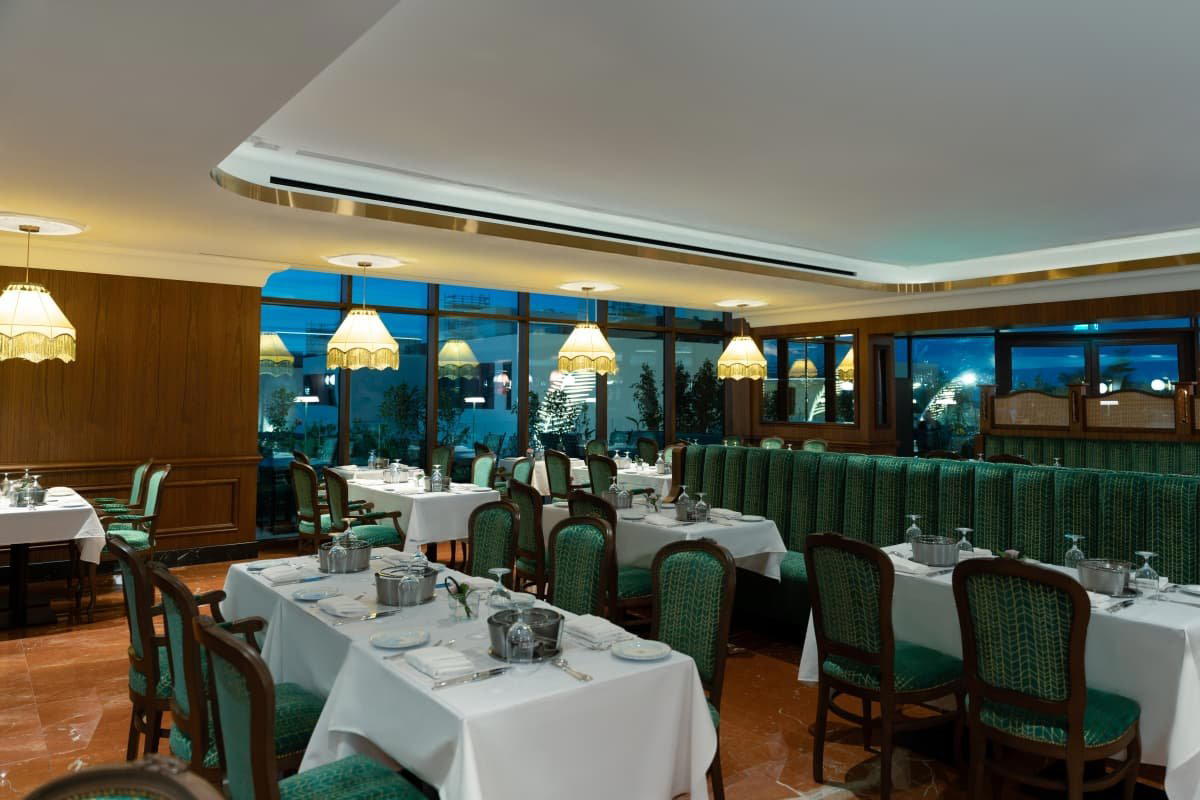
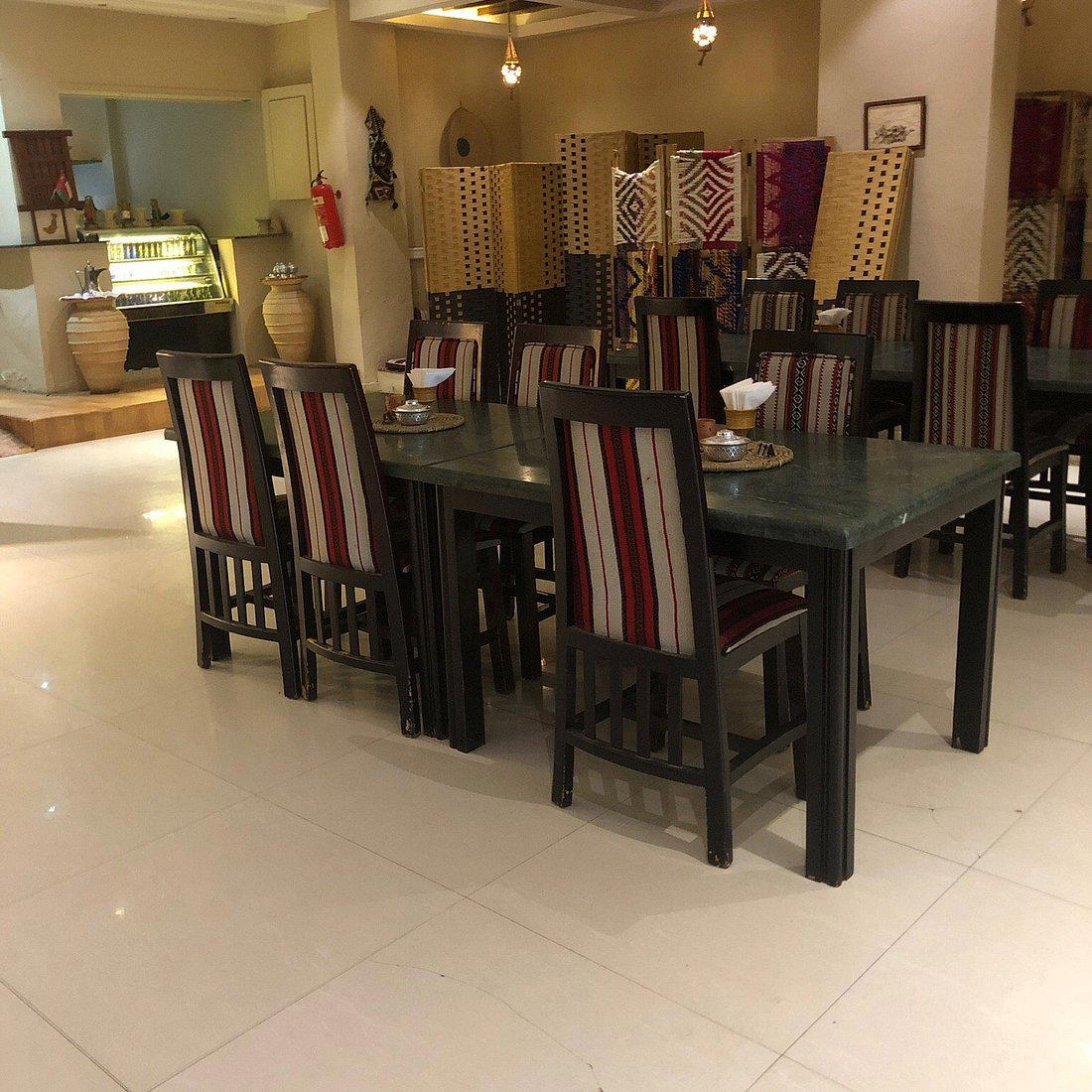
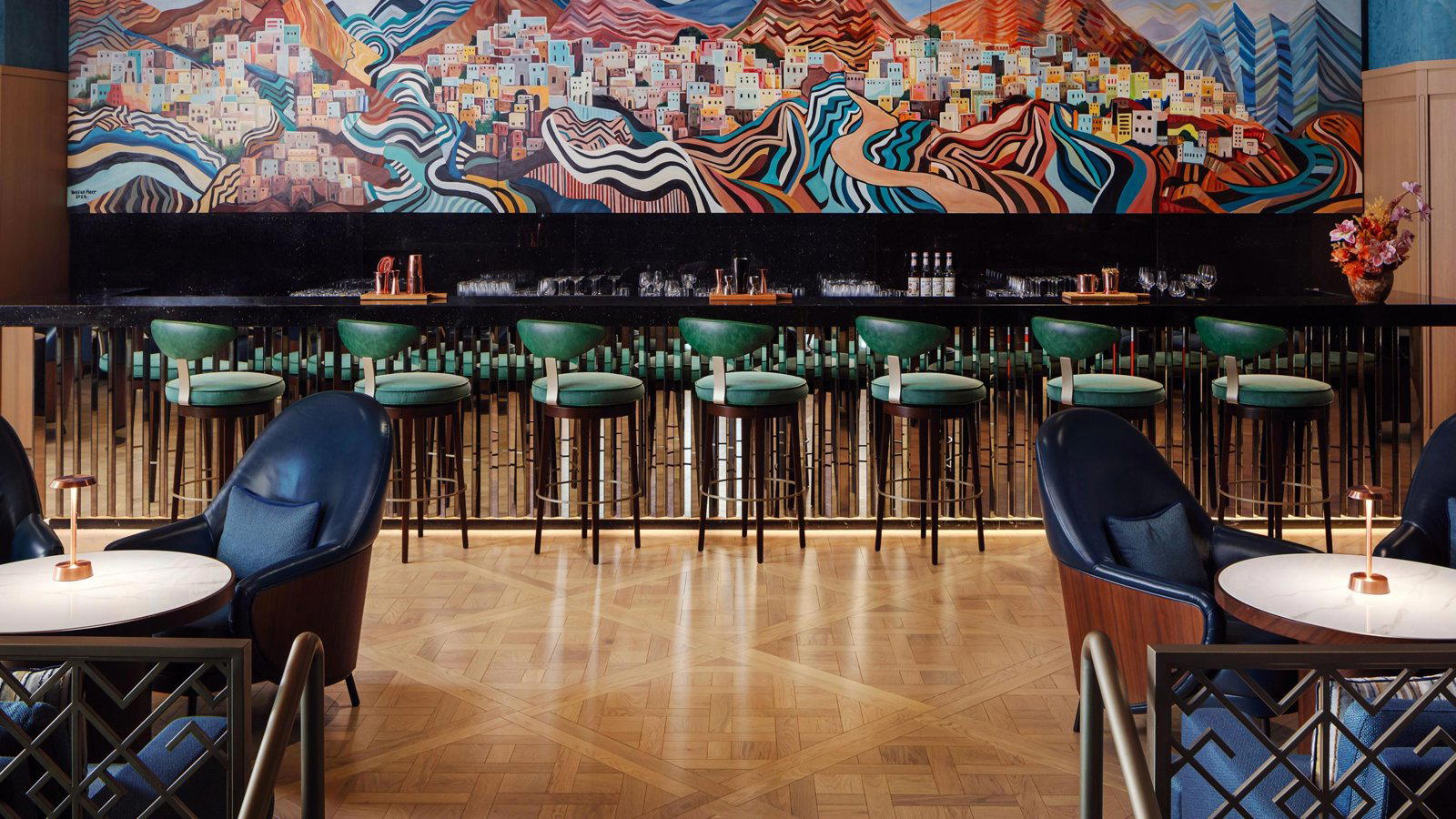
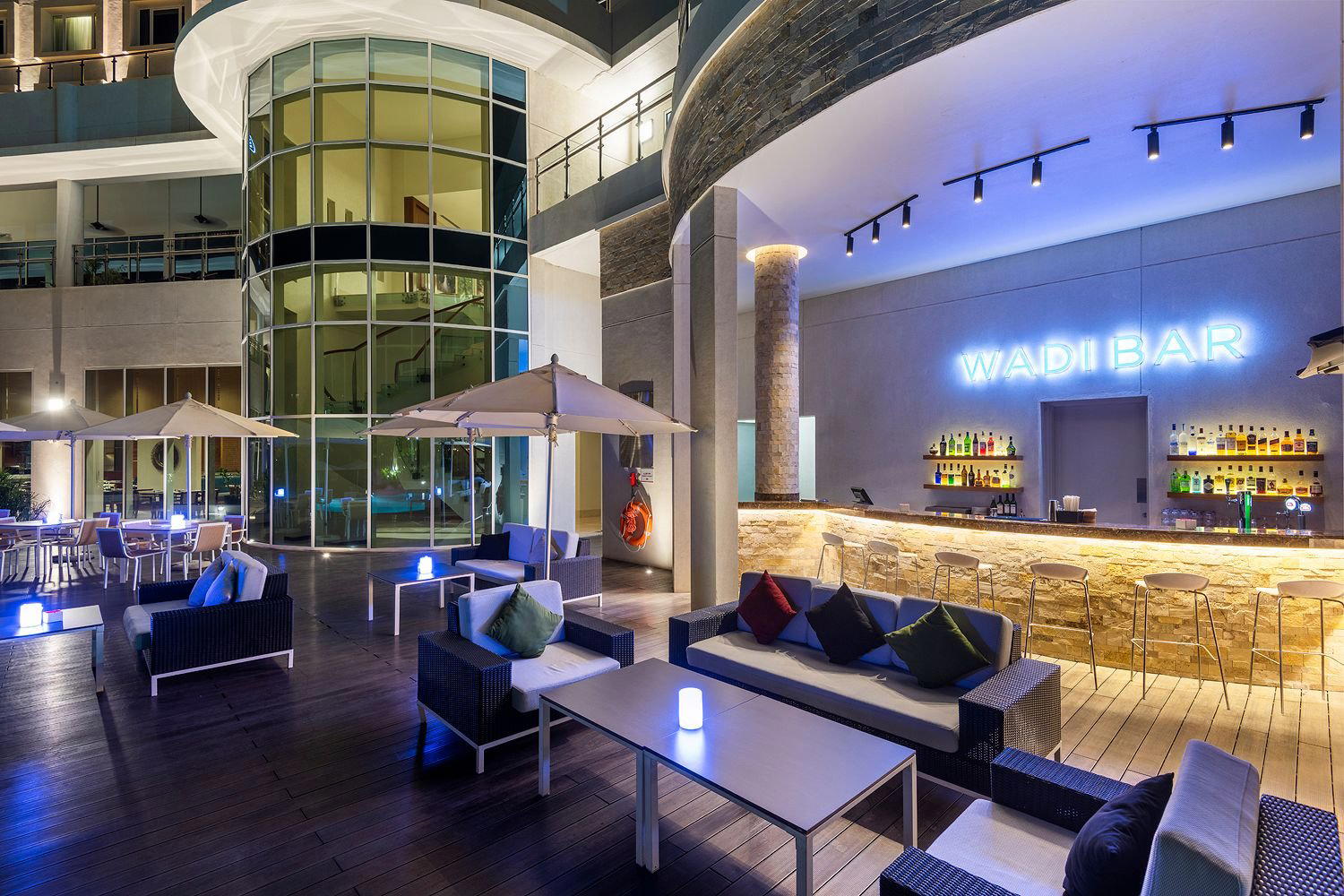
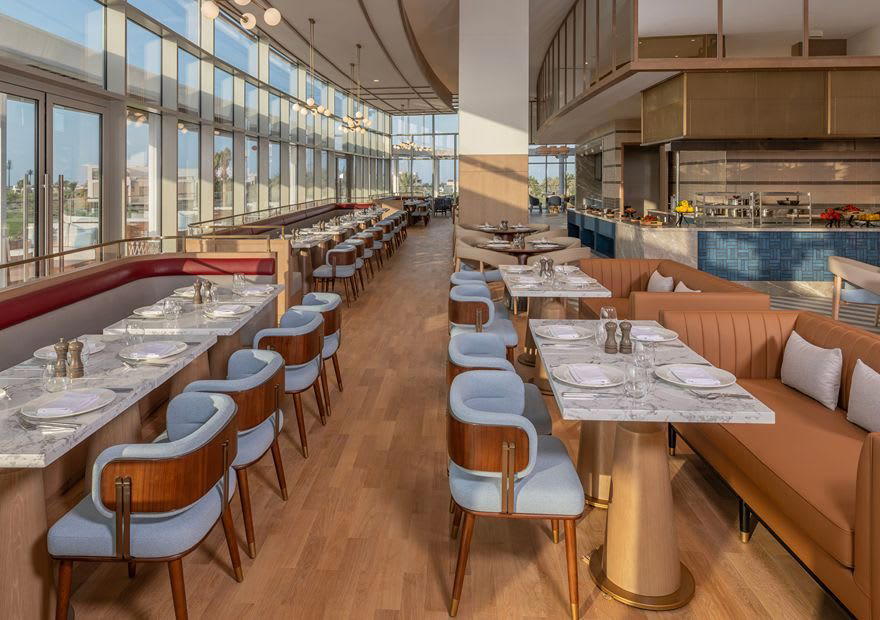
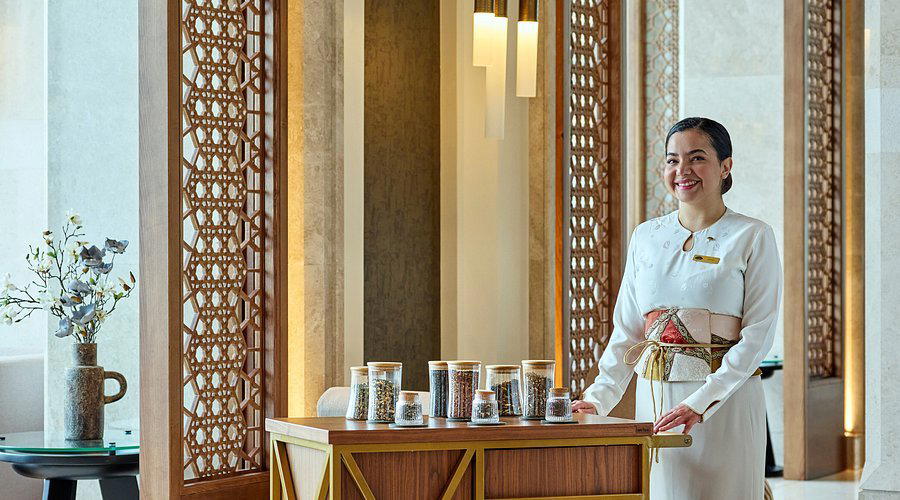
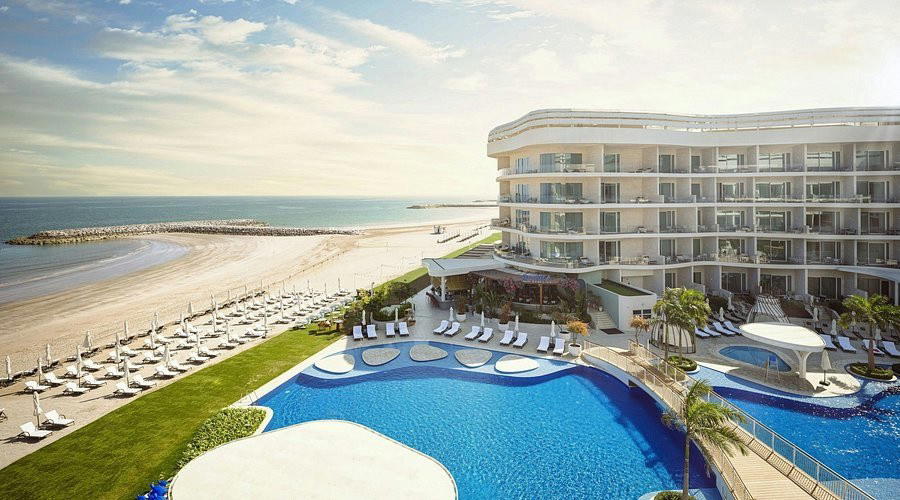
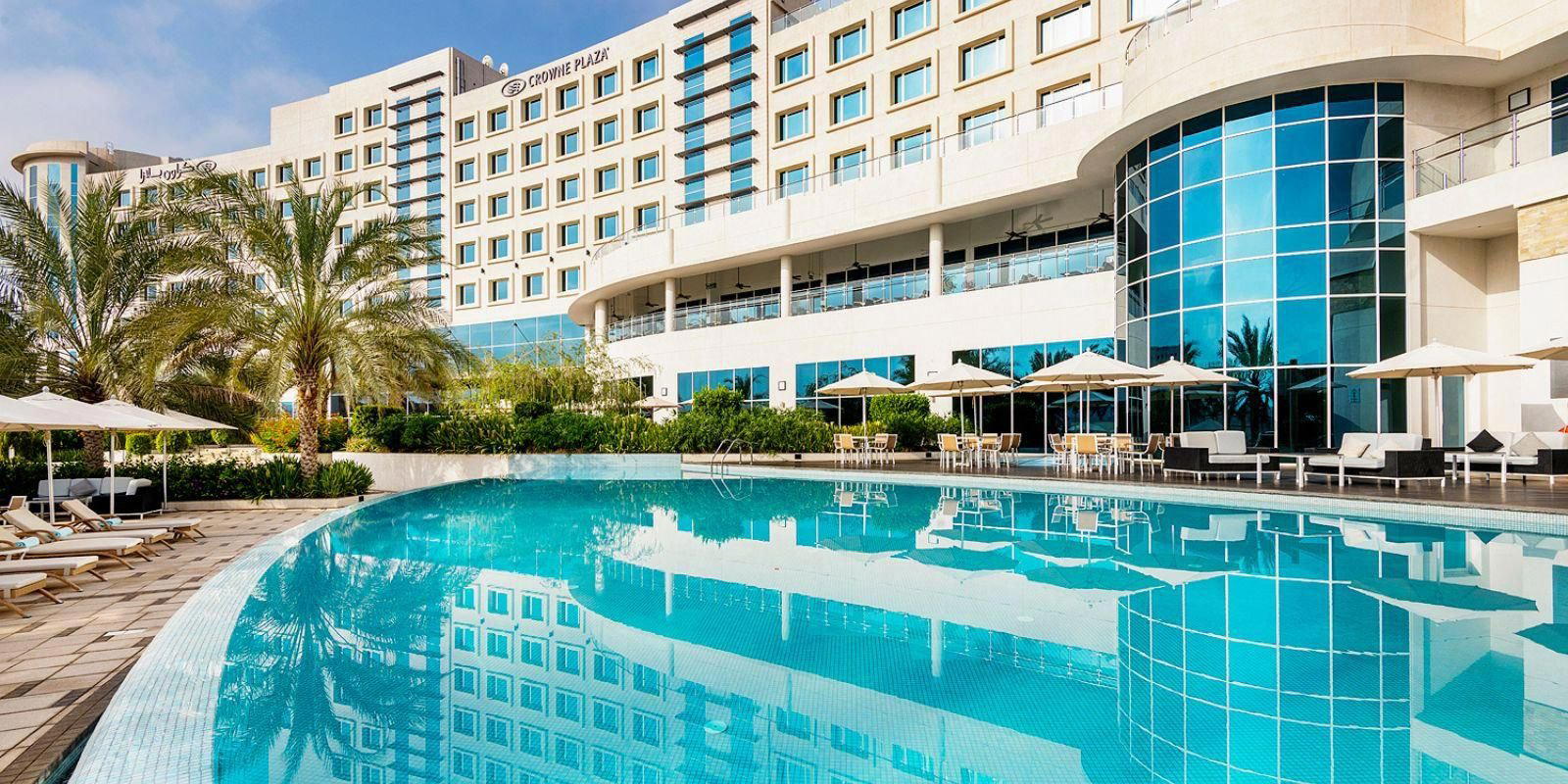
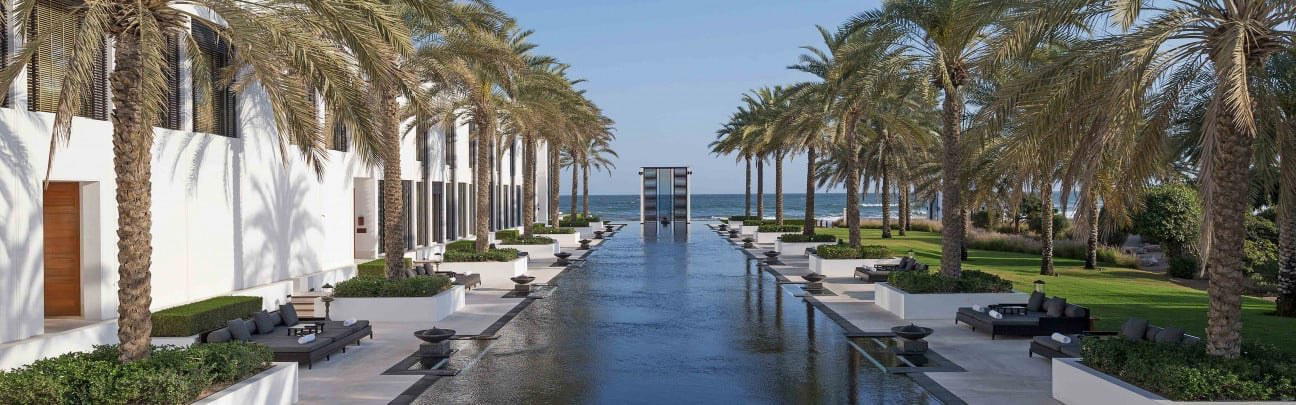
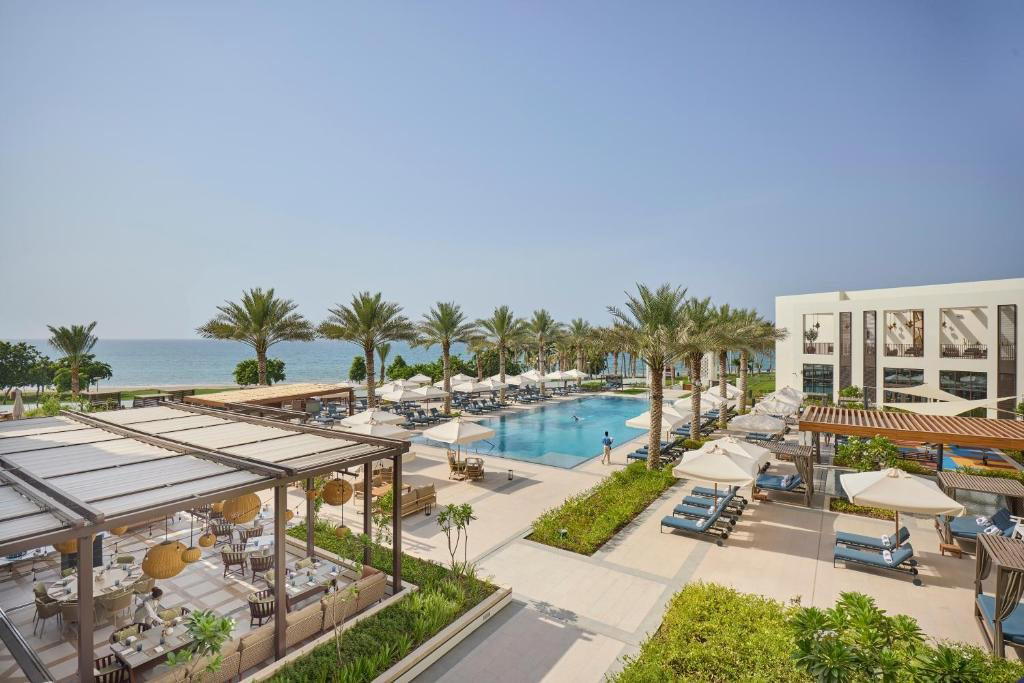
Warm and inviting hotel-restaurant setting with an open-style kitchen and tandoor ovens, contemporary interiors that reference Indian heritage, and aromas of spices creating a lively yet refined atmosphere ideal for relaxed but polished dinners.
Know Before You Go
- Reservations
- Recommended
- Dress code
- Casual
- Getting there
- Street 6, 335 Al Mouj, PO Box 57