Our verdict
Ba Ban sits on Al Kharjiya Street in Muscat, a city where restaurant choices often split between hotel dining rooms, Omani heritage kitchens, and international formats shaped by the Gulf’s trading routes. The useful lens here is sourcing: seafood, rice, spices, dates, and imported pantry goods define how Muscat tables read, even when a venue does not publish a detailed menu or chef profile.

Pearl is the En Primeur Club membership app, where members save venues, book tables and use the concierge.
The menu
What to order
- Omani lobster rice
- Wagyu beef dim sum
- Wok-fried Australian lamb
- Wasabi prawns fried dumpling
- Profiteroles with Omani frankincense
Muscat puts a dining room inside the working rhythm of the city rather than only on a resort promenade. The city’s restaurant culture is shaped by port traffic, hotel capital, family dining, and a pantry that has always looked outward: rice from trade routes, spices moving through the Gulf, seafood from the coast, dates and citrus from Omani agriculture. That matters more than decorative claims about authenticity. In Muscat, what reaches the table often says as much about geography as it does about cuisine.
Muscat dining is built on trade-route ingredients, not a single script
Omani eating has never been a closed tradition. The country’s coastline, long maritime history, and proximity to India, East Africa, Iran, and the Arabian Peninsula created a food culture where rice, cardamom, dried lime, grilled fish, slow-cooked meats, and date sweetness appear in different combinations across homes, cafeterias, hotel buffets, and polished dining rooms. A restaurant in Muscat enters that conversation whether it labels itself regional, international, or something broader.
That is why sourcing is the more useful way to read Ba Ban than a checklist of signatures. When a venue does not publish a detailed public menu, the responsible assessment is category-level rather than dish-specific: Muscat restaurants work with a mixed economy of local seafood, Omani agricultural products, imported proteins, and global pantry staples. The stronger kitchens in the city tend to make those inputs feel coherent rather than simply expensive.
For travellers mapping the city by appetite, the range is instructive. Heritage-leaning Omani meals are better understood through other Muscat dining rooms rather than a single address, while hotel-led breadth and coastal or seafood-facing meals sit within their own parts of the capital’s restaurant culture. Ba Ban belongs in the city’s broader restaurant grid rather than a narrow heritage category.
The useful comparison is between polished Muscat formats
Muscat does not have the same public award infrastructure that defines dining decisions in cities with dense Michelin or 50 Best coverage. For Ba Ban, the available public record makes format, location, and category fit more useful than trophy-counting. In this market, a polished room in Muscat competes less with destination tasting counters and more with restaurants designed for business dinners, family meals, and travellers who want a controlled setting without committing to a hotel dining room.
That comparison also explains why peer reading matters. CHAR, Harvest, Essenza, The Mandarin Cake Shop, and Rawya occupy nearby Muscat conversations around contemporary dining, hotel-adjacent eating, specialist formats, and polished casual service. Without assigning claims that are not public, they show the city’s spread across different restaurant and hospitality styles. Ba Ban should be judged against that mixed field rather than against old-market restaurants or resort-only venues.
Oman’s wider restaurant map adds another layer. Inland, mountain, coastal, and resort-area dining are often tied more visibly to landscape, domestic tourism routes, and the expectations of each setting. Around the capital, other Muscat dining rooms point to the importance of everyday regional dining as much as special-occasion rooms. Ba Ban is best placed within that capital-side context, where convenience, polish, and city rhythm matter as much as any single culinary label.
How to place Ba Ban in a Muscat itinerary
The sensible role for Ba Ban is as a Muscat city meal, not as a claim-driven pilgrimage. Its Muscat location puts it within the capital’s urban dining circuit, useful for travellers building a day around the city rather than a single resort.
For a fuller read on the capital, use our full Muscat restaurants guide alongside our full Muscat hotels guide, our full Muscat bars guide, our full Muscat wineries guide, and our full Muscat experiences guide. Cross-city references to unnamed specialist venues elsewhere are useful reminders that formats travel differently from city to city; in Muscat, context still begins with the Gulf table, local supply, and the capital’s split between hotels, family restaurants, and contemporary dining rooms.
Frequently asked questions
Is Ba Ban good for families?
Ba Ban sits in Muscat, so it works as a city meal rather than a special-occasion outlier. For families, that usually matters more than a headline claim, and the Muscat location gives it easy urban context.
What kind of setting is Ba Ban?
The clearest read is a Muscat city setting. That places Ba Ban in the capital’s everyday dining circuit, not in a remote resort enclave.
Where is Ba Ban located?
Muscat.
What's the best way to book Ba Ban?
Use Muscat as the starting point, then arrange the rest through local hotel or concierge channels in the city.
What do critics highlight about Ba Ban?
The strongest critical angle is location: Ba Ban is a Muscat restaurant, which makes it part of the city’s core dining conversation. That kind of urban placement matters when a venue is being judged in Oman’s capital.
Comparison Snapshot
Comparable venues by cuisine and price in the same metro.
| Venue | Cuisine | Price |
|---|---|---|
| Ba BanThis venue (the venue you are viewing) | Modern Chinese at W Muscat | $50–100 |
| CHAR | Mediterranean Grill & Global Steaks | $100–150 |
| Harvest | Healthy Seasonal International | $30–50 |
| Essenza | Authentic Italian trattoria-style dining | $50–100 |
| The Mandarin Cake Shop | Patisserie & Dessert Boutique | Not listed |
| Rawya | Euro-Asian Brasserie | Not listed |
Continue exploring
More in Muscat
Restaurants in Muscat
All restaurants in Muscat →
Details
- Modern
- Trendy
- Elegant
- Energetic
- Sophisticated
- Romantic
- Date Night
- Business Dinner
- Group Dining
- Family
- Celebration
- Special Occasion
- After Work
- Hotel Restaurant
- Design Destination
- Private Dining
- Craft Cocktails
- Extensive Wine List
- Zero Proof
- Local Sourcing
- A La Carte
- Set Menu
- Tasting Menu
- Cocktails
- Wine
- Spirits
- Vegetarian Friendly
- Vegan Options
- Gluten Free Options
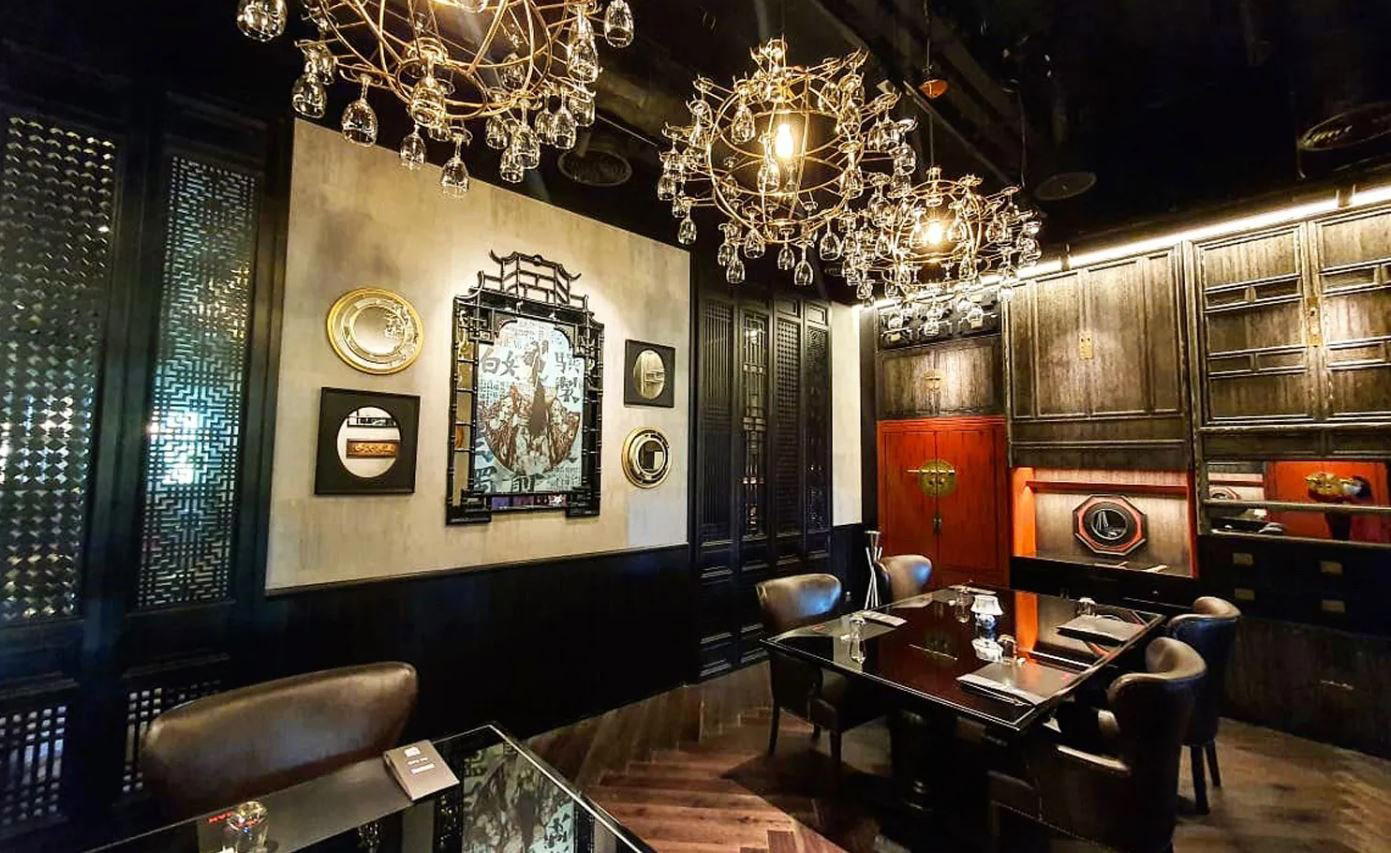
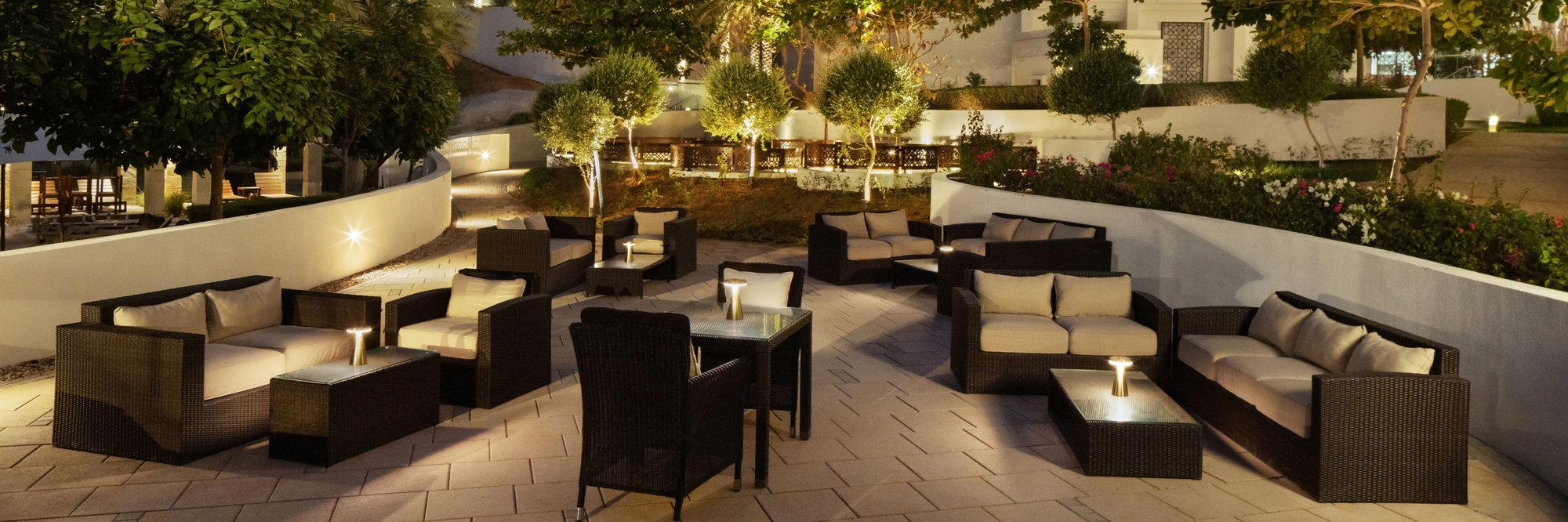
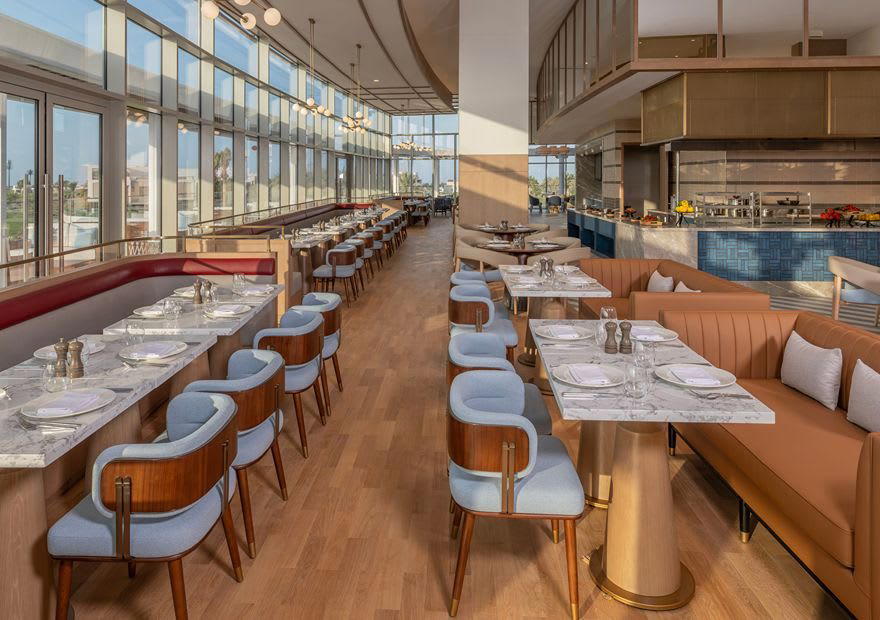
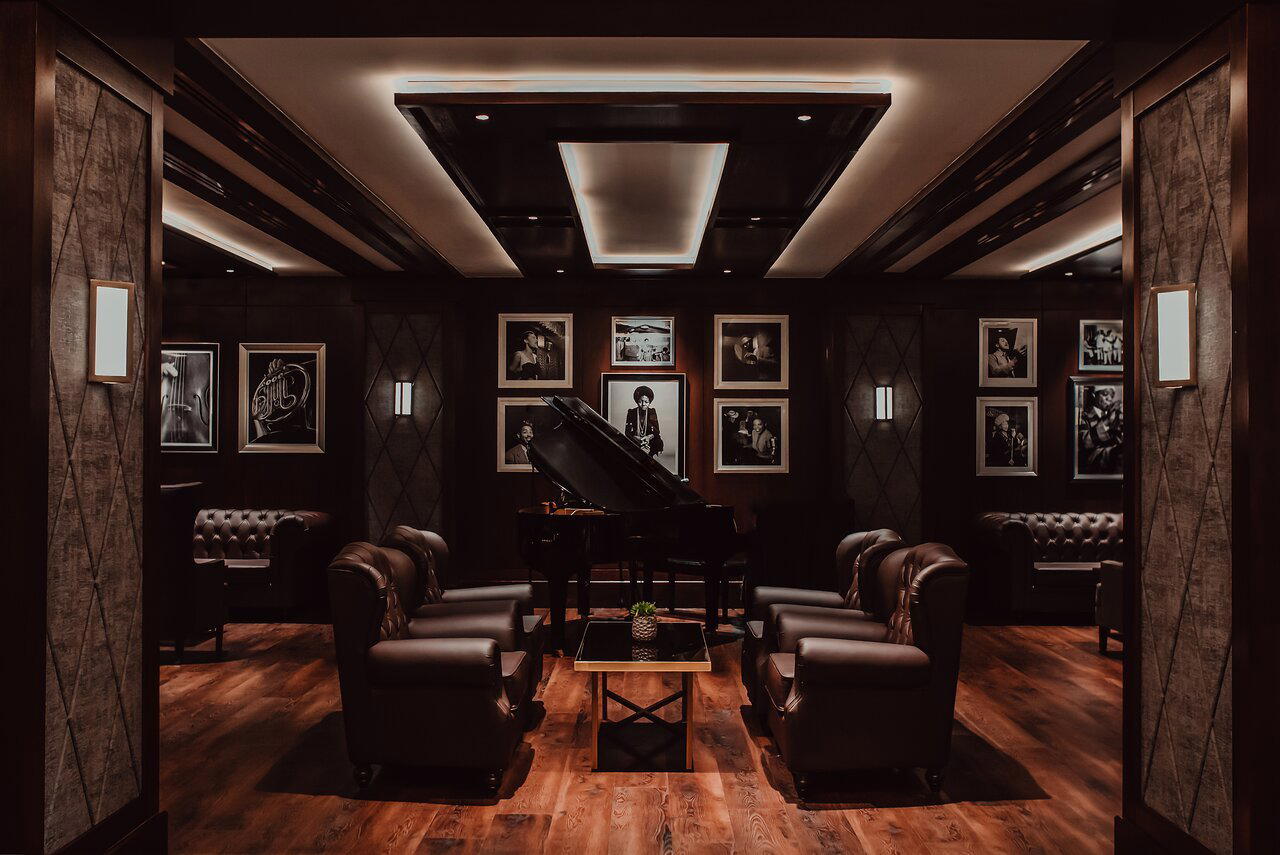
Slick and moodily lit with a chic, music-driven Shanghai Bund concept, Ba Ban feels energetic yet polished, featuring dark contemporary design, a lively dining room and a stylish bar atmosphere suited to couples and groups alike.