Our verdict
Catch sits in Muscat’s Airport Hills district, away from the older waterfront dining corridors and closer to the capital’s newer hotel, convention, and business traffic. With no public awards, chef attribution, price band, or signature list attached, it reads less as a trophy-table proposition than as part of Muscat’s expanding contemporary restaurant map.

Pearl is the En Primeur Club membership app, where members save venues, book tables and use the concierge.
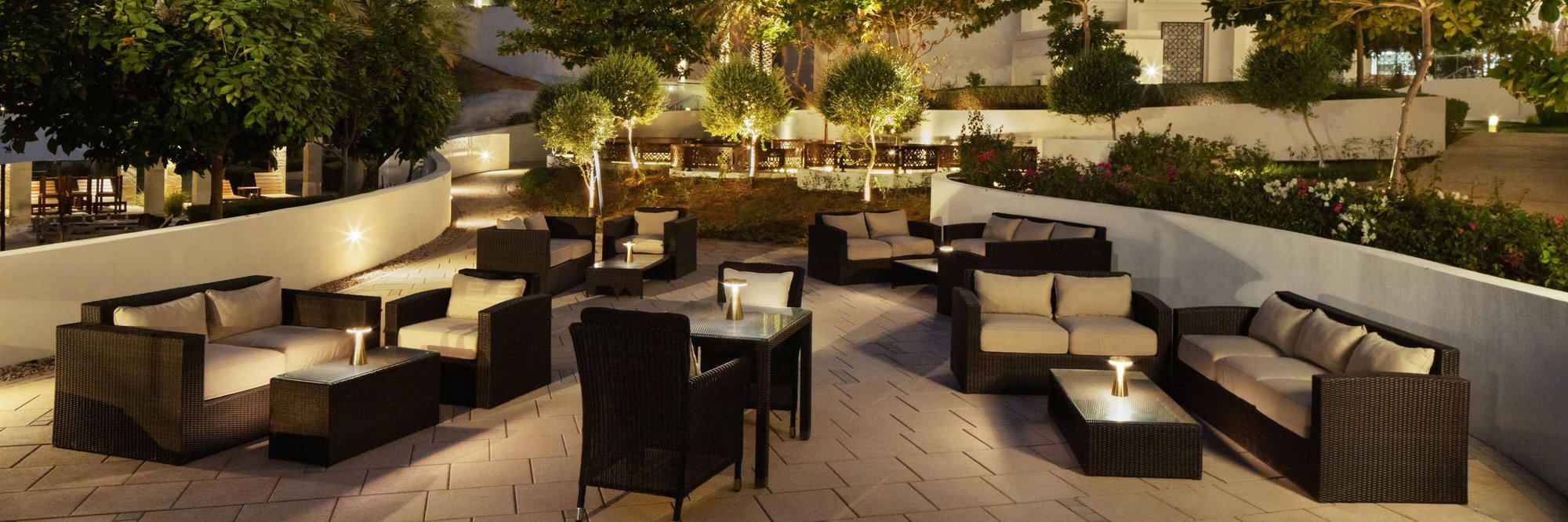
The menu
What to order
- Catch Gazpacho Shrimp
- Seafood from the Gulf of Oman
- Classic American burgers
Muscat has a different rhythm from older waterfront narratives or beachside hotel strips: broader roads, newer development, and a dining audience shaped by business travel, city movement, and the capital’s growth. It is a city where movement matters: people are often arriving, leaving, crossing between districts, or choosing somewhere that fits neatly around a schedule rather than anchoring an entire evening. Catch belongs to that contemporary side of Muscat, where restaurants are judged less by inherited neighbourhood romance and more by whether the room, service style, and menu make sense for a capital increasingly split between Omani tradition, hotel dining, and international formats. In that sense, its appeal is less about nostalgia and more about how confidently it serves the practical geography around it.
Muscat dining and the capital's newer restaurant geography
Muscat’s restaurant culture is not concentrated in a single district. Older Omani dining has strong reference points in the capital’s more historic and waterfront-facing areas, where some dining rooms connect the table to frankincense, rice dishes, grilled fish, and the city’s trading history. Those addresses tend to carry a sense of place before the first order is taken: the harbour, the old commercial routes, the smell of the sea, and the memory of a city built around exchange. Hotel restaurants often serve a broader international audience, with the polish, scale, and all-day flexibility that hotel dining usually implies. Muscat’s newer restaurant map adds another layer: practical, contemporary, and oriented toward people moving between meetings, flights, and the city’s expanding districts.
That context matters because Catch is not documented through the usual prestige signals. Public records do not provide a detailed awards profile, named chef credentials, public price bracket, or stated cuisine category. In a city where recognition can be patchy and English-language listings often under-describe local venues, the absence of those markers shifts the decision-making. It also asks diners to read the restaurant through setting and use-case rather than through a ready-made hierarchy of critical praise. The useful question is not whether this is a trophy reservation; it is whether the location and format suit the occasion better than a heritage Omani table, a hotel dining room, or a beach-adjacent restaurant. For some meals, that distinction is decisive: convenience, clarity, and a contemporary Muscat address can matter more than a long list of external endorsements.
Sea, spice, and the capital's mixed dining tradition
Muscat’s food identity is built from the sea, Gulf trade routes, East African links, Indian Ocean spices, and the social weight of rice, grilled meats, dates, coffee, and seafood. That makes seafood-led and catch-of-the-day language culturally legible here, even when a venue does not publish a detailed menu. The idea of the sea is not an imported theme in Muscat; it is part of the city’s everyday frame, whether expressed through traditional cooking, hotel buffets, grilled fish, or contemporary restaurant shorthand. The city’s stronger dining comparisons are often category-based rather than award-based: Omani cooking, sea-facing cues, hotel dining, casual restaurants, and other international registers all sit within the same capital map.
For travellers building a Muscat itinerary, Catch fits a practical slot rather than a ceremonial one. It is better read against the city’s current expansion than against the older souq-and-harbour narrative. That does not make it less relevant; it simply places it in a different chapter of the capital’s dining story. Muscat is not only a city of heritage restaurants and resort terraces, but also of newer areas where dining follows offices, roads, airport access, and changing residential patterns. That is also why cross-checking the wider field helps: Our full Muscat restaurants guide maps the capital’s dining spread, while Our full Muscat hotels guide, Our full Muscat bars guide, Our full Muscat wineries guide, and Our full Muscat experiences guide place the restaurant decision inside the broader trip.
How to position Catch in an Oman dining plan
Oman rewards itinerary thinking. A capital dinner has a different role from an inland meal, a coastal comparison, a southern city table, or a mountain stop. Each of those contexts carries its own logic: the inland stop, the coastal city table, the mountain pause, the practical Muscat dinner, the heritage address in the old capital fabric. Within Muscat, heritage-leaning choices answer a different brief from a contemporary city venue. One leans into memory and Omani reference points; the other is more naturally aligned with the capital’s newer urban movement.
The sensible editorial read is this: Catch is a Muscat option for diners who value location and contemporary city convenience over heavily documented accolades. Travellers seeking a destination meal with clear culinary authorship may want a more fully signposted restaurant; those already moving through Muscat have a more natural reason to consider it. That is the most useful way to judge the address, especially when public information is limited: not as a definitive expression of Omani cuisine, and not as a heavily credentialed fine-dining target, but as a restaurant whose relevance depends on where you are in the city and what the meal needs to accomplish. For a wider contrast, resort dining, casual Muscat rooms, and tightly defined specialist formats sit in other lanes entirely, while Catch remains best understood through its practical role in the capital’s dining landscape.
Frequently asked questions
What part of town is Catch in?
Catch is located in Muscat.
Do they take walk-ins at Catch?
Walk-ins depend on availability rather than a fixed rule, especially at a Muscat address. For an evening seat, arriving early is the sensible approach.
What's the signature at Catch?
No signature dish is listed in the public record, so the clearest anchor is the place itself: Catch in Muscat. Expect the menu to define the experience rather than a single named plate. Check the venue's official channels for the latest details.
Can Catch adjust for dietary needs?
Dietary adjustments are a question to raise directly when planning a meal at Catch in Muscat. The practical move is to confirm any restrictions before arrival.
Is Catch good for families?
Catch’s Muscat location makes it a straightforward option for a broader dining plan in the capital. Family suitability usually comes down to the room layout, pacing, and the menu format on the day.
What's the vibe at Catch?
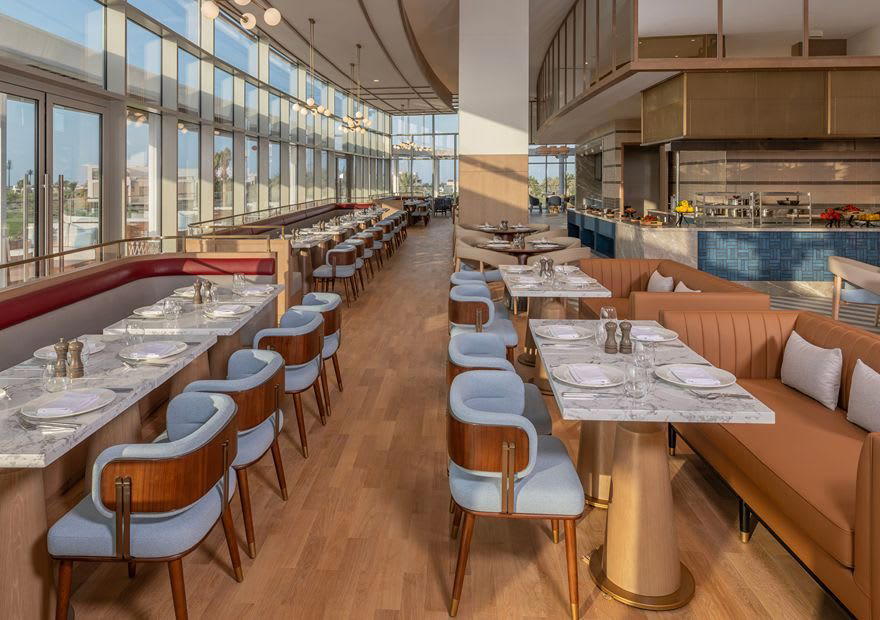
The setting reads as modern urban dining in Muscat. That puts it closer to a capital restaurant stop than a destination tasting-room experience.
Price Lens
Nearby venues at a similar price tier for orientation.
| Venue | Cuisine | Price | Awards |
|---|---|---|---|
| Catch | Modern Seafood Fine Dining | $150–200 | Michelin Plate · Wine Spectator Best of Award of Excellence |
| Butter Buns | American sports bar & burger joint | $20–30 | Not listed |
| JW Market | Cafe and Bakery | $10–20 | Not listed |
| Pink Salt | Modern Steakhouse and Fire-Cooked Grill | Not listed | Not listed |
| Rawya | Euro-Asian Brasserie | Not listed | Not listed |
| The Mandarin Cake Shop | Patisserie & Dessert Boutique | Not listed | Not listed |
Continue exploring
More in Muscat
Restaurants in Muscat
All restaurants in Muscat →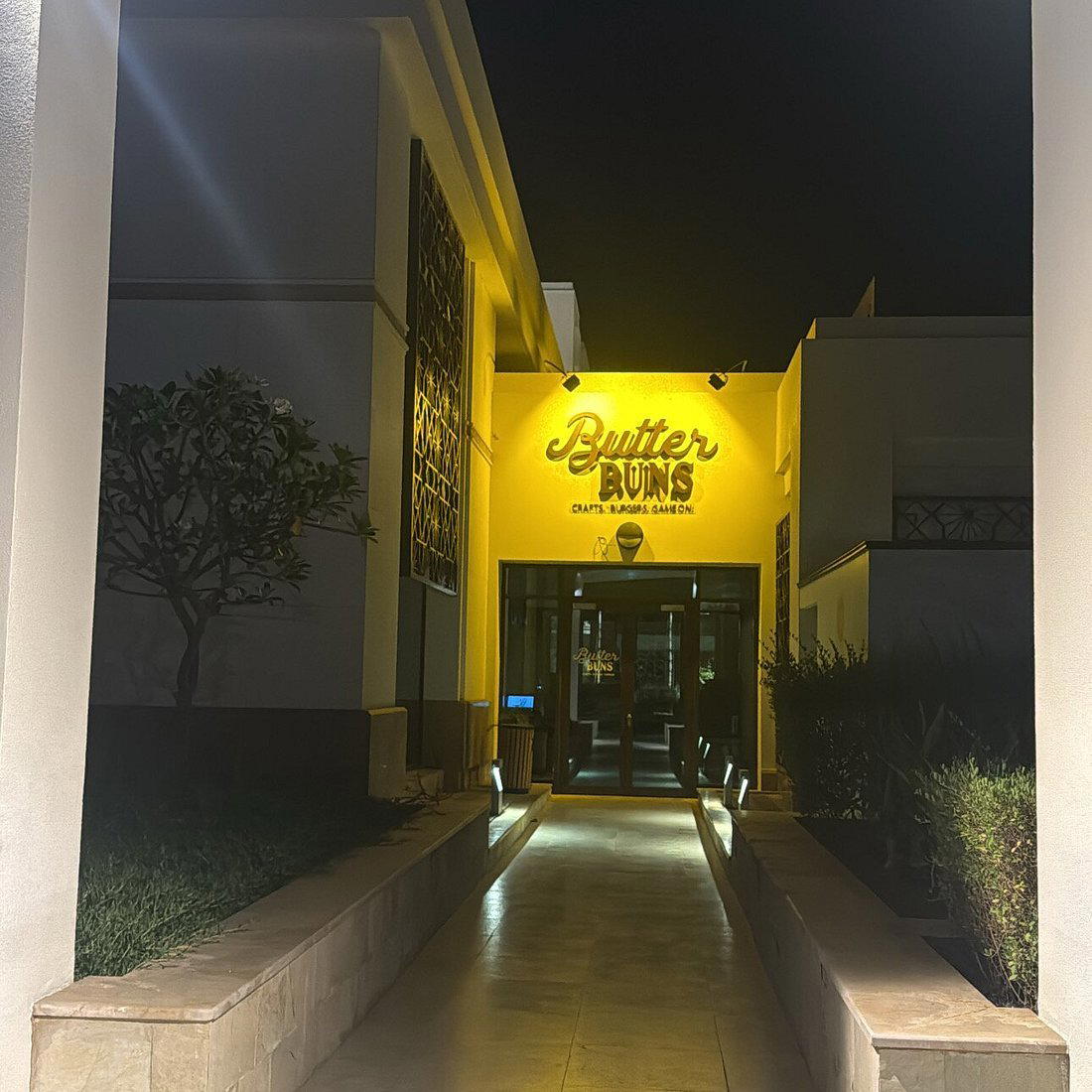
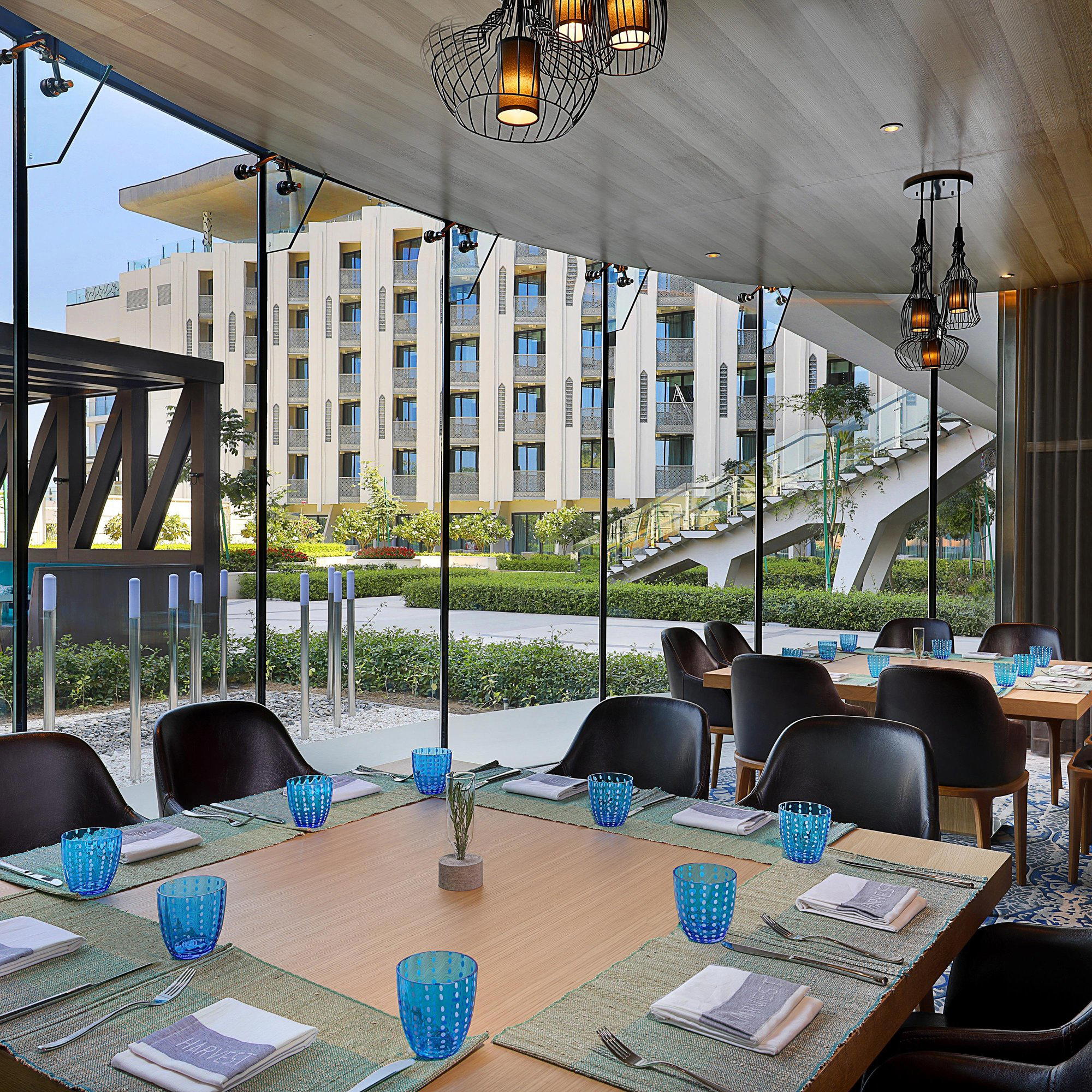
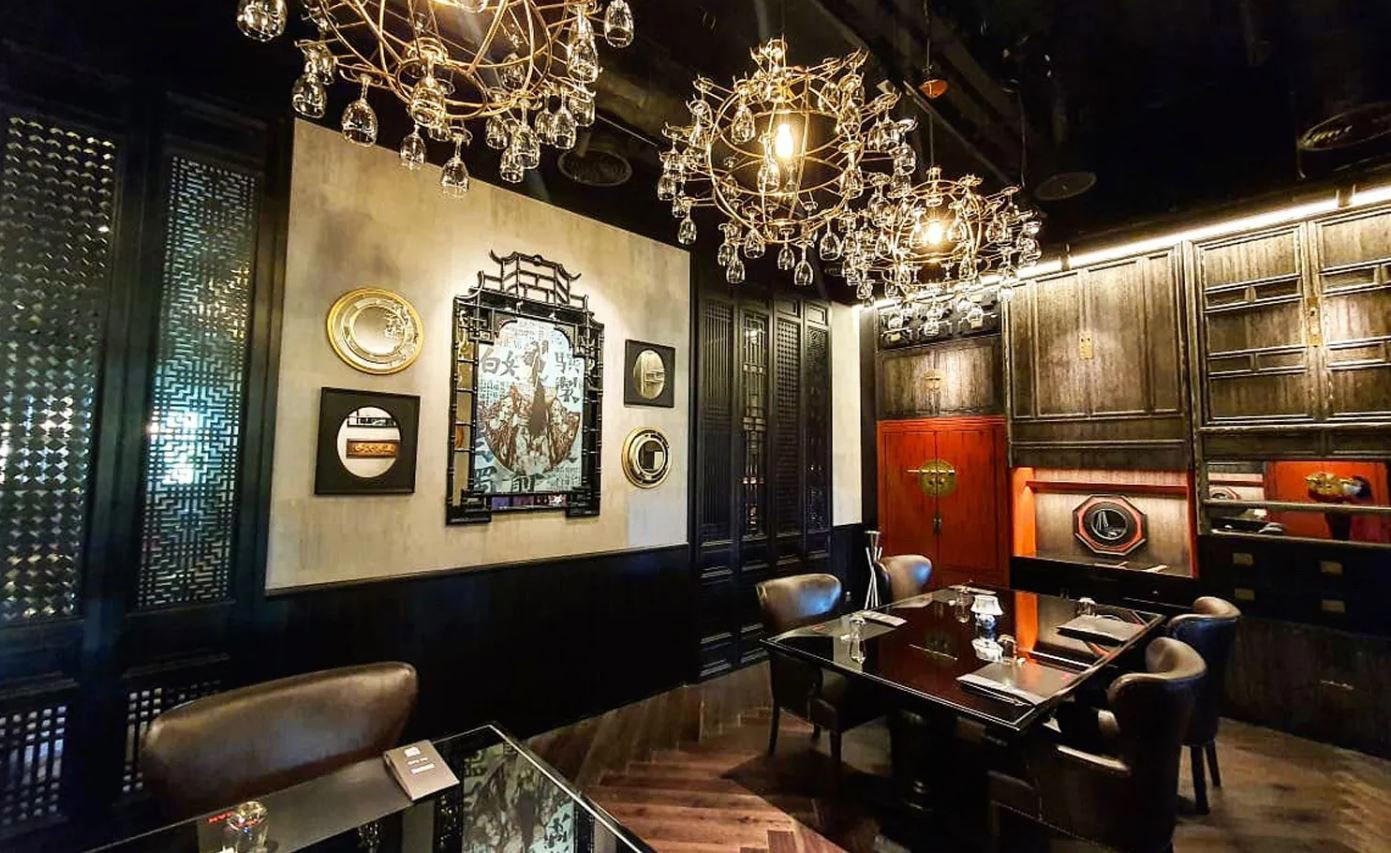
Details
- Modern
- Lively
- Trendy
- Date Night
- Group Dining
- Casual Hangout
- After Work
- Garden
- Hotel Restaurant
- Terrace
- Garden
- A La Carte
- Cocktails
- Shisha
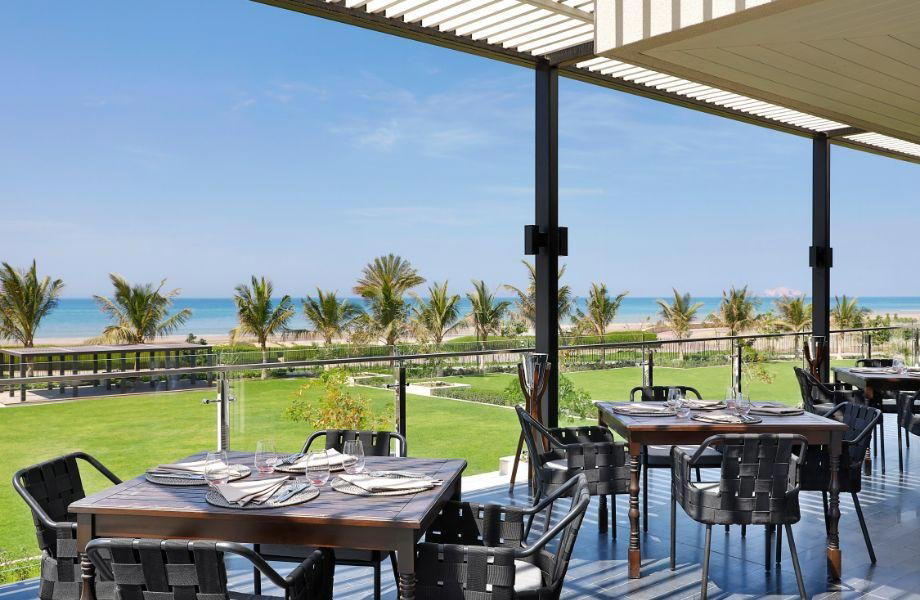
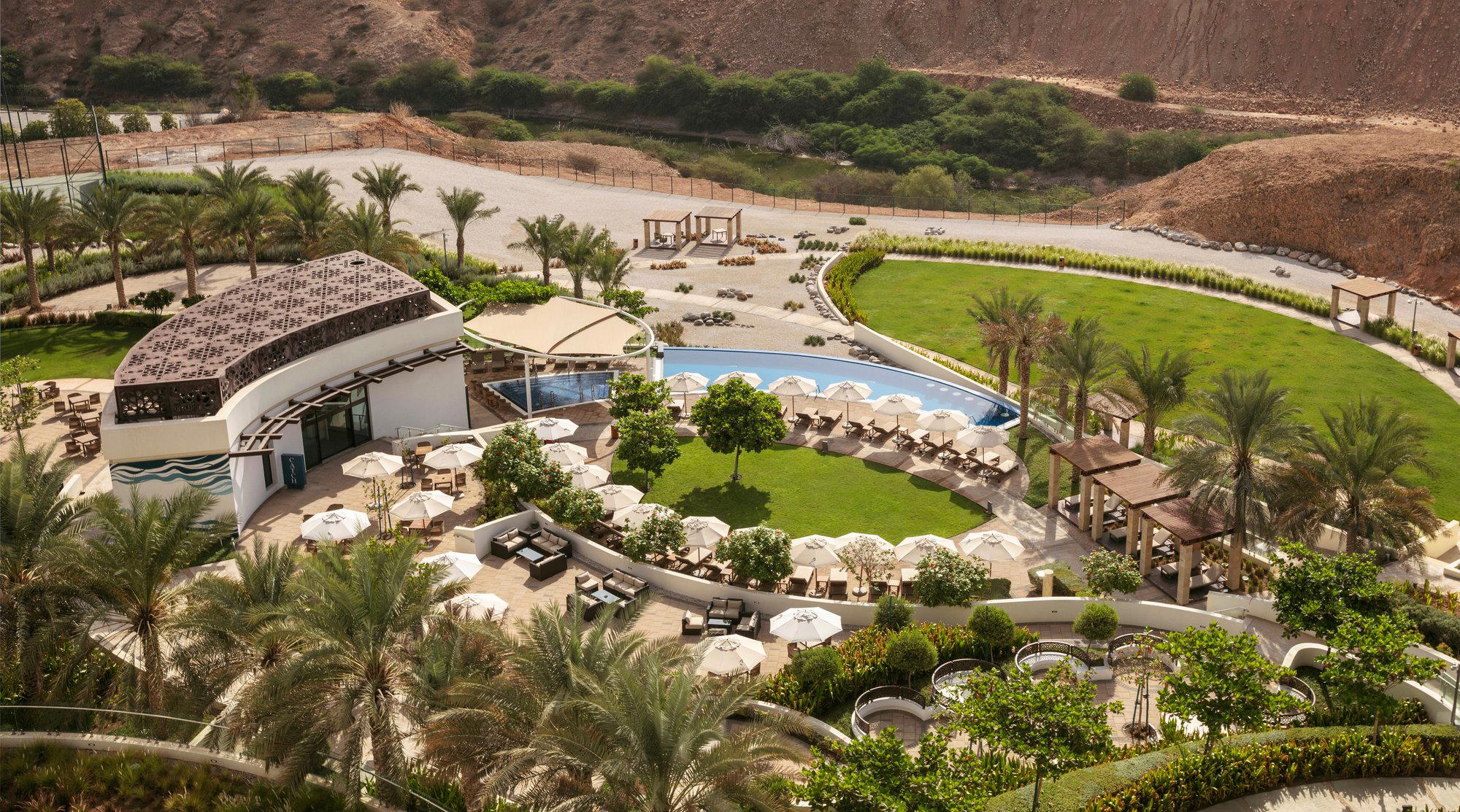
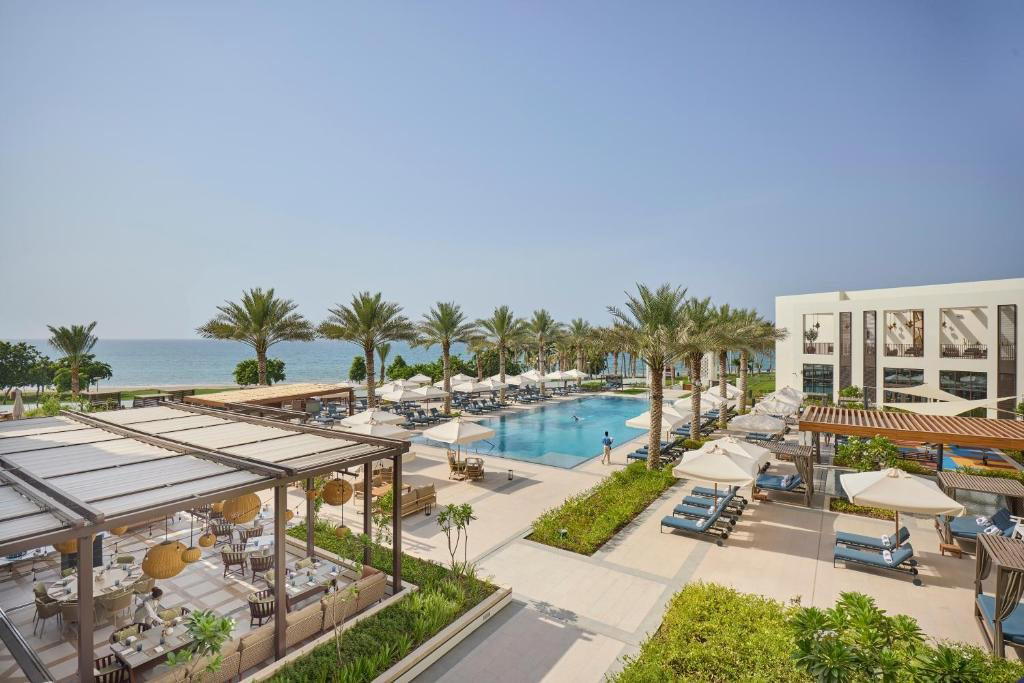
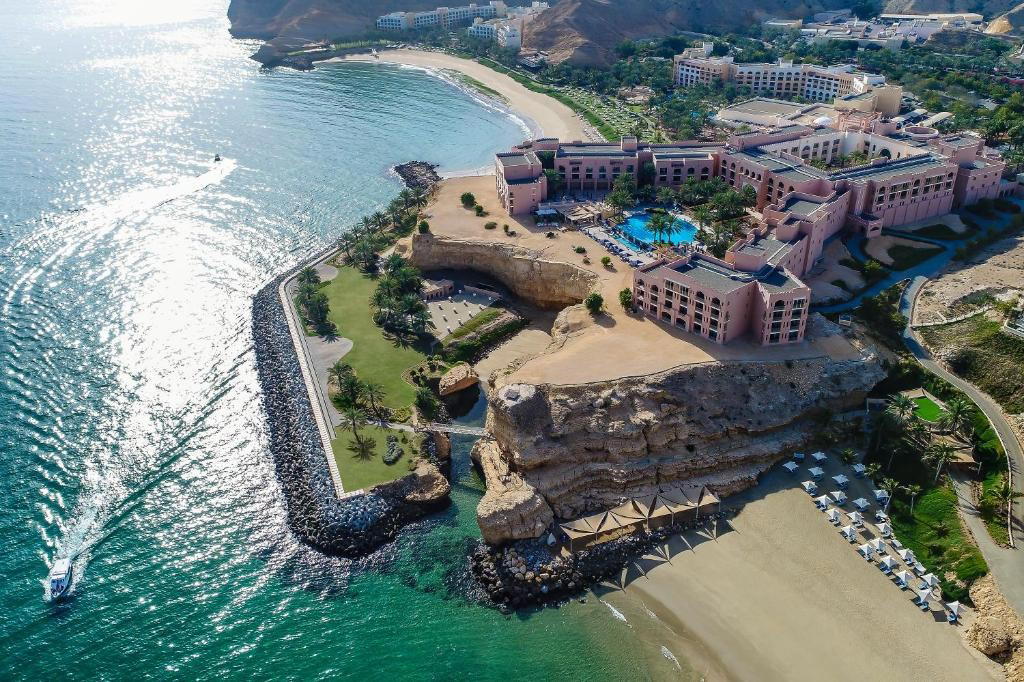
Described as a modern garden oasis beside the pool with Mediterranean vibes and exclusive entertainment, creating a relaxed yet lively resort-style atmosphere.