Haru
Our verdict
Haru sits inside Los Altos, a city where restaurant judgment often begins with sourcing discipline rather than spectacle.

Pearl is the En Primeur Club membership app — saves, bookings, and concierge access live there. Same editors, same standards.
- Address
- Los Altos, United States
- Directions
- Get directions
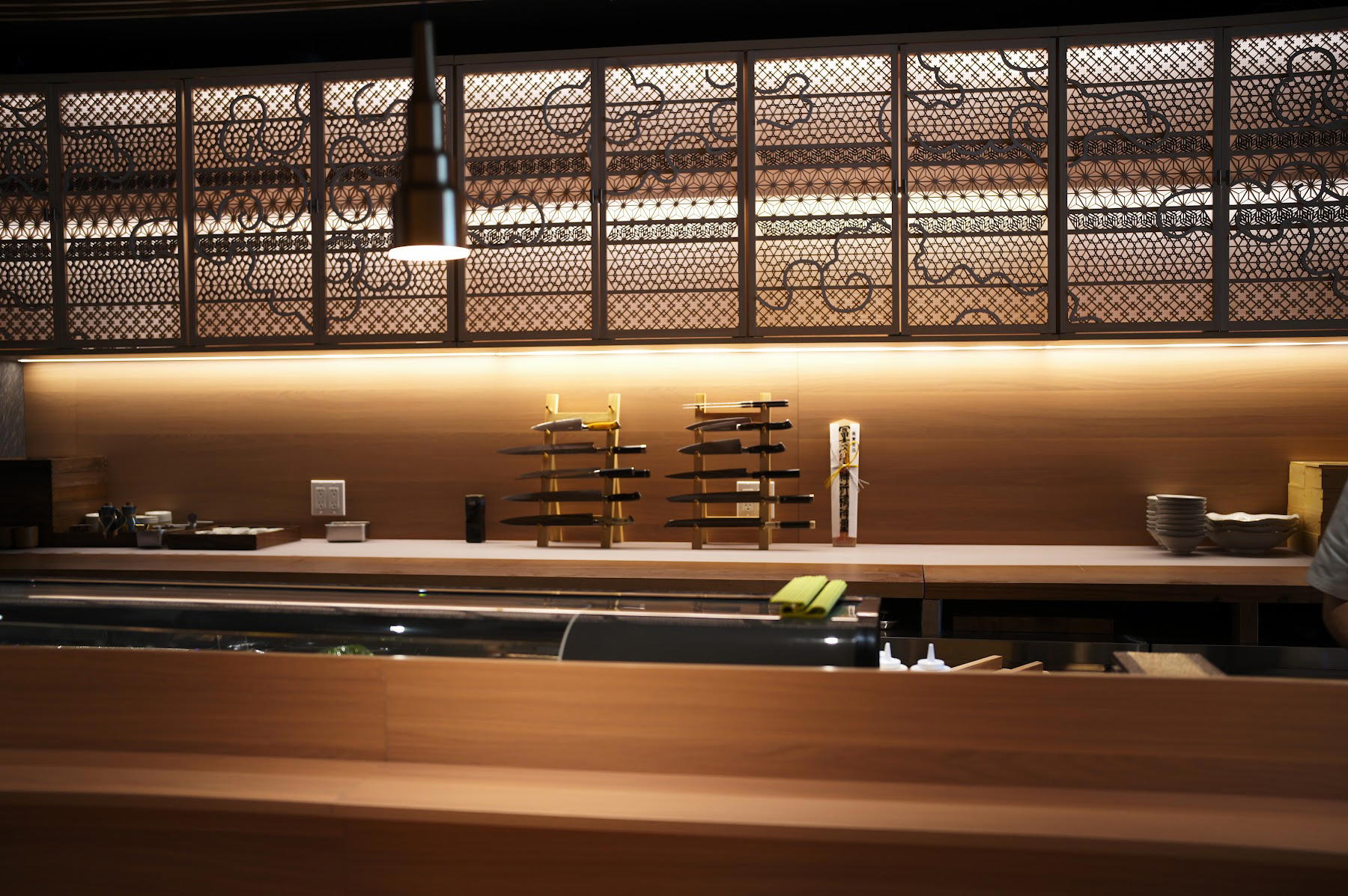
What the Los Altos setting tells you before the menu does
Downtown Los Altos has a particular rhythm: low-rise storefronts, early-evening family traffic, Peninsula professionals arriving after the commute, and restaurants that have to earn repeat local use rather than rely on tourism volume. That matters for how a restaurant such as Haru should be read. In a city this compact, dining rooms are judged less by theatrical arrival and more by whether the kitchen can make sourcing, consistency, and value feel coherent across ordinary weeknights as well as planned dinners.
The ingredient question is especially relevant here because Los Altos sits between two strong food systems. To the north and west are San Francisco and the coast, with seafood distribution, wine culture, and produce-driven restaurant habits. To the south and east are Silicon Valley suburbs where affluent diners support polished neighborhood restaurants without always demanding the long-form tasting-menu grammar of San Francisco or Napa. A Los Altos restaurant operates inside that tension: it can be casual enough for regular use, but it is also measured against a Bay Area dining culture that takes farm networks, seasonality, and kitchen precision seriously.
That absence should not be dressed up as mystery or converted into invented detail. It simply changes the editorial task. The useful assessment is not a menu-by-menu portrait, but a reader’s framework for placing the venue within Los Altos: a small-city restaurant market where proximity to Northern California farms, Bay Area seafood channels, and a demanding local customer base shapes expectations before any dish arrives.
Ingredient sourcing is the real Peninsula benchmark
In Northern California, sourcing is not a decorative talking point. It is the baseline against which restaurants are judged. The region’s dining culture was shaped by farmers’ markets, coastal fisheries, and a long habit of naming producers on menus. Even restaurants that do not operate in the tasting-menu tier are compared against that standard. Freshness is not enough; diners expect produce to make seasonal sense, seafood to feel appropriate to the region, and pricing to reflect the quality of inputs rather than generic luxury signals.
Los Altos sharpens that pressure because it lacks the anonymity of a large restaurant city. A restaurant can attract first-time interest, but regulars decide its durability. This is where ingredient discipline becomes practical rather than romantic. Menus in this kind of market need ingredients that travel well from nearby suppliers, dishes that can be executed reliably across services, and enough flexibility to respond to Northern California seasons without forcing a constant reinvention of the room. The point is not that every Los Altos restaurant needs to resemble a farm restaurant in Sonoma County. The point is that weak sourcing is easier to notice in a region trained to notice it.
Haru’s record does not provide named farms, seafood purveyors, signature dishes, or a chef’s sourcing philosophy, so none should be assumed. Still, the venue belongs to a dining area where ingredient credibility is a local expectation. For readers comparing nearby options, that means asking direct questions when current menus are available: how seasonal is the produce, whether seafood or meat sourcing is identified, whether a set menu or à la carte format is in use, and whether pricing tracks the ambition of the ingredients. Those questions reveal more than adjectives ever will.
How Los Altos compares with the larger Bay Area dining circuit
Los Altos is not San Francisco, and that is part of the appeal. San Francisco’s serious dining rooms often compete through tasting-menu structure, cellar depth, technical service, and national recognition. Benu in San Francisco, Lazy Bear in San Francisco, and Saison in San Francisco belong to a different competitive set, one shaped by destination dining, formal reservation planning, and critical scrutiny beyond the neighborhood. Napa and Sonoma add another model, where agricultural identity becomes part of the restaurant’s operating logic, as seen at The French Laundry in Napa and Single Thread Farm in Healdsburg.
Los Altos restaurants usually work with a different compact. The room has to serve locals, not only culinary pilgrims. The sourcing may still be serious, but the format often needs to feel compatible with suburban life: children at early tables, business dinners, couples who prefer a quieter room, and residents who choose convenience only when the cooking justifies it. In this context, Haru should be evaluated less against national tasting-menu landmarks such as Alinea in Chicago, Le Bernardin in New York City, or Emeril’s in New Orleans, and more against the expectations of a Peninsula neighborhood with unusually high culinary literacy.
That distinction protects readers from a common error: treating every premium restaurant page as if it belonged to the same hierarchy. A restaurant without listed awards is not automatically minor, and a restaurant with national recognition is not automatically right for a weeknight in Los Altos. Awards are trust signals, but they are not the only useful signals. In a city of regulars, practical trust is built through repeatability, ingredient clarity, and whether the dining room makes sense for the occasion.
The useful comparison for Haru begins in Los Altos itself. Amber India gives the city an established Indian reference point, while Aurum (Indian) points to a more contemporary way of reading Indian dining in the same market. Barbayani Greek Taverna brings a Mediterranean register, where seafood, olive oil, grilled meats, herbs, and produce sit at the center of the table. Cafe Vitale and Campagne One Main broaden the map toward neighborhood Italianate and wine-friendly formats.
Seen together, these restaurants suggest a city that is not chasing a single dining identity. Los Altos is more interesting as a collection of polished neighborhood formats than as a one-cuisine destination. That makes ingredient sourcing the common denominator. Indian restaurants in this market are judged on spice freshness, lentil and rice quality, dairy handling, bread texture, and meat consistency. Greek cooking depends on the integrity of olive oil, seafood, produce, yogurt, and charcoal or grill work. Italian-leaning formats rise or fall on pasta texture, tomato quality, greens, cheeses, and wine compatibility. Whatever Haru’s current cuisine or menu format, it competes in a city where ingredient quality is understood across cuisines, not only within one tradition.
For a reader choosing among these rooms, the decision should start with occasion and sourcing signals rather than vague prestige. A table built around spice complexity points in one direction; a seafood-and-grill evening points in another; a quieter neighborhood meal with wine pushes elsewhere. The city rewards restaurants that know what ingredients they can handle consistently.
Price, awards, and the absence of hard data
That matters because price is not a side detail in Bay Area dining; it determines the correct comparison. A casual neighborhood restaurant, a mid-range special-occasion room, and a tasting-menu counter can all use good ingredients, but they make different promises. Without a confirmed price range, readers should avoid assuming either affordability or luxury positioning. The sharper approach is to verify current menu pricing directly through the venue’s own channels before planning a group dinner, business meal, or family outing.
The awards field is also empty. That does not mean a negative judgment; it means there is no listed awards credential to use as editorial evidence. Without those signals, the evidence shifts to format, sourcing transparency, consistency, and fit for the city. In Los Altos, those softer signals carry weight because the market is driven by residents who return only when a restaurant works in practice.
There is also no chef name or biography in the record. EP Club does not fill that gap with unsupported biography or invented philosophy. Chef credentials can be valuable when they explain technique, training lineage, or sourcing relationships, but they should never become the whole story. Here, the better frame is structural: a Los Altos restaurant has to translate Bay Area ingredient expectations into a room that works for local life. Haru can be assessed through that lens until more verified venue detail is available.
Planning a meal around Haru
That means planning should begin with current venue-confirmed information rather than third-party assumptions. In Los Altos, dinner timing can matter: early services often suit families and local regulars, while later tables can feel calmer as the downtown pace thins. For group meals, confirm the reservation process, cancellation terms, and table size limits before setting plans, especially if the occasion depends on a fixed schedule.
Dress expectations should also be verified. Los Altos generally leans polished-casual rather than formal in the old metropolitan sense, but that is a city-level observation, not a confirmed rule for Haru. The same caution applies to children. The city is family-oriented, yet child-friendliness depends on menu flexibility, room acoustics, pacing, and the restaurant’s own policy. Price matters here as well: a higher-priced or tasting-menu format usually asks more patience from younger diners than a flexible neighborhood à la carte meal. Because no price range is listed, families should check current details before committing.
Readers building a wider trip can use Haru as one point in a broader Los Altos itinerary rather than treating a single meal as the whole plan. EP Club’s city pages are useful for that broader scan: Our full Los Altos restaurants guide maps nearby dining, while Our full Los Altos hotels guide helps with overnight planning. The adjacent categories also matter in a small city, especially for travelers pairing dinner with a bar, winery visit, or local activity: Our full Los Altos bars guide, Our full Los Altos wineries guide, and Our full Los Altos experiences guide give the meal a wider frame.
Editorial verdict
Haru is currently a context-led entry rather than a data-rich restaurant profile. The name and city are confirmed; the details that usually anchor a critical restaurant assessment are not. That makes the responsible verdict narrower but still useful: in Los Altos, the relevant question is how a restaurant handles ingredient quality within a neighborhood market that notices both sourcing and consistency. Until verified menu, price, chef, and booking data are available, the intelligent comparison is with the city’s broader restaurant mix and the Bay Area’s ingredient-driven habits.
For EP Club readers, that means approaching the venue with specific checks rather than generic expectations. Confirm the current menu, ask how reservations work, look for ingredient transparency, and compare the occasion against nearby alternatives. A serious Los Altos dinner does not need national awards to make sense, but it does need clarity: what the kitchen is sourcing, how the format works, and whether the experience fits the reason for going.
Frequently asked questions
Is Haru child-friendly?
Check the venue's official channels for the latest details.
Is Haru formal or casual?
That leaves format unresolved, so the safest reading is simply a Los Altos restaurant entry rather than a formally defined room.
What should readers know about Haru in Los Altos?
The key detail is the location: Haru is recorded in Los Altos, California.
Comparable Venues Nearby
Comparable venues nearby, for context on price, style, and recognition.
| Venue | Cuisine | Price | Notes |
|---|---|---|---|
| HaruThis venue — the venue you are viewing | Japanese Sushi Restaurant | Not listed | Not listed |
| Chef Chu's | Authentic Chinese | $20–30 | San Antonio Road |
| Cafe Vitale | Authentic Italian | $30–50 | Downtown Los Altos |
| Urfa Bistro | Turkish Mediterranean | $50–100 | Downtown Los Altos |
| Sumika | Japanese Yakitori Izakaya | $30–50 | Downtown Los Altos |
| Amber India | Authentic North Indian Mughlai | Not listed | Los Altos |
Continue exploring
More in Los Altos
Restaurants in Los Altos
Browse all →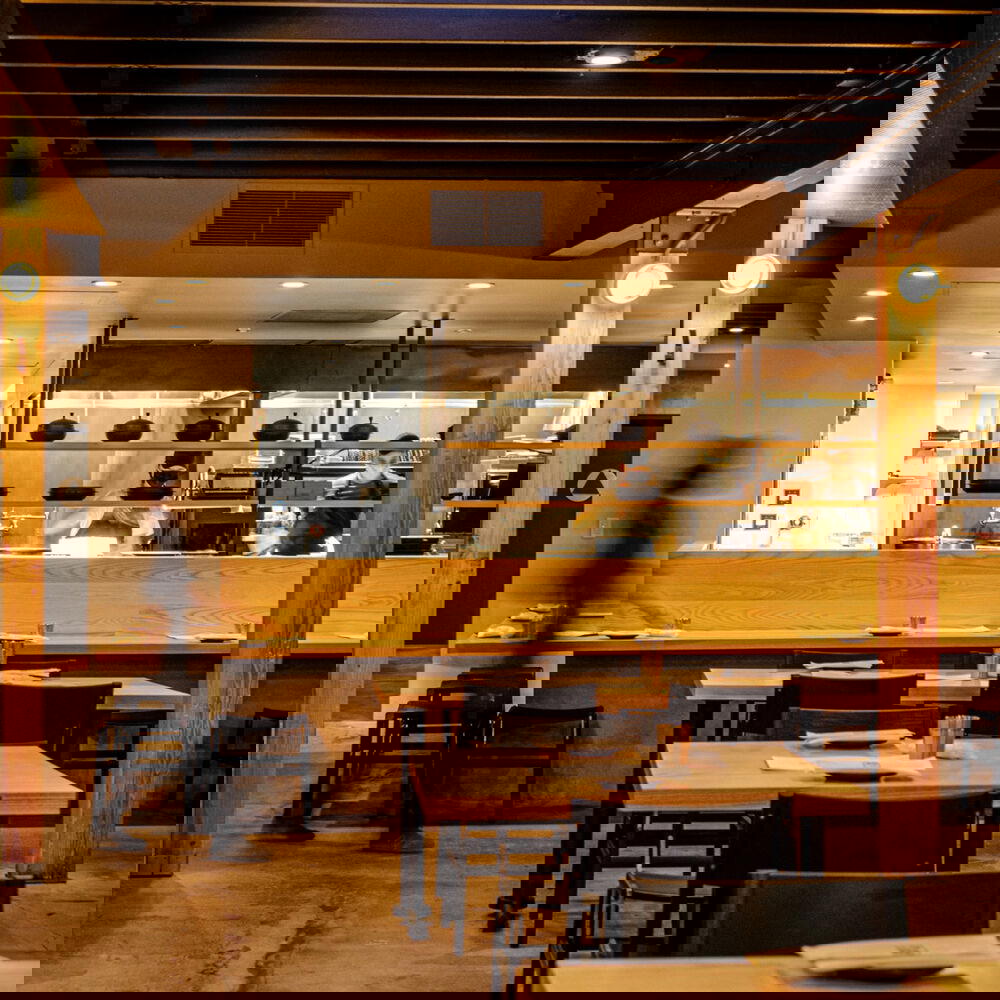
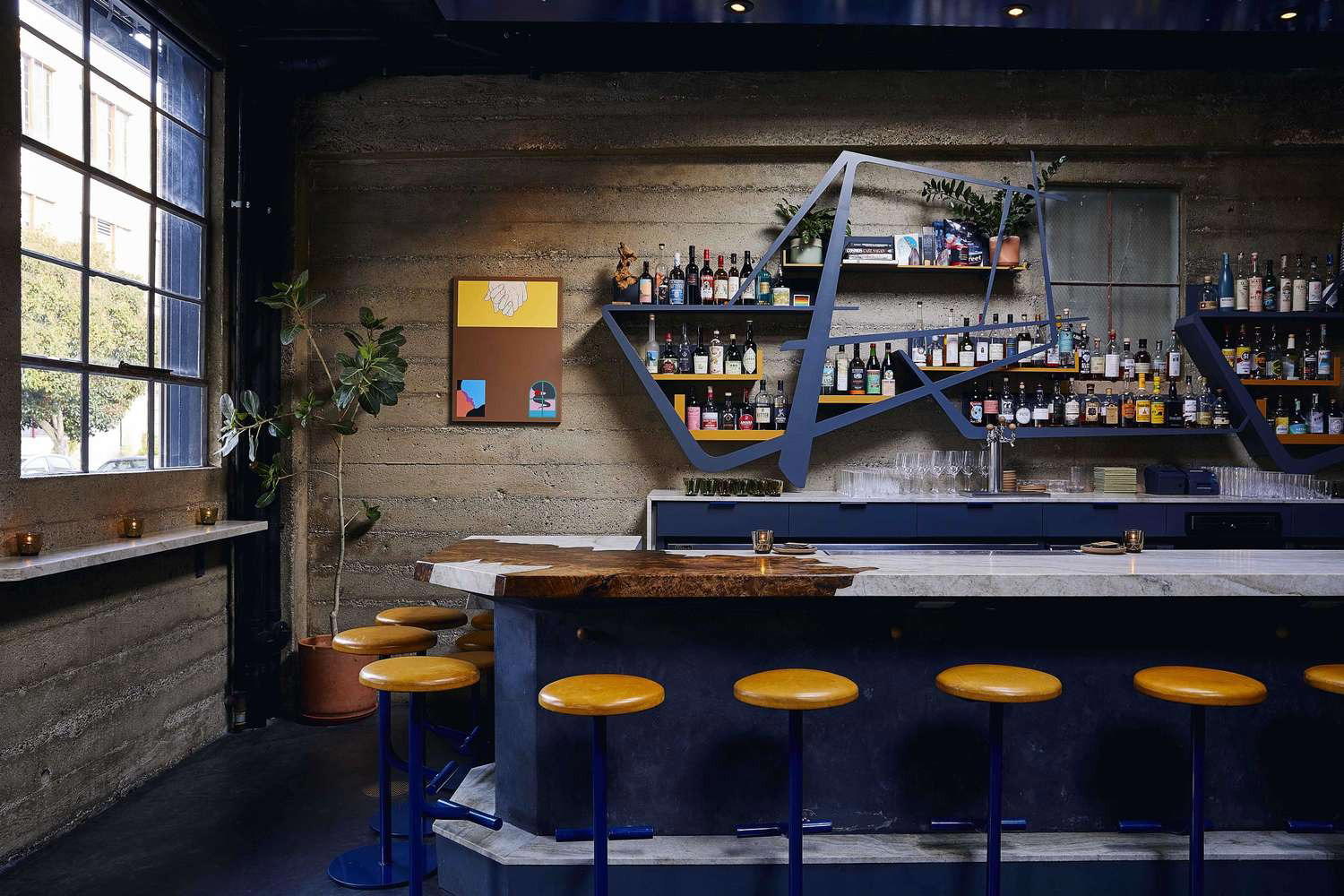
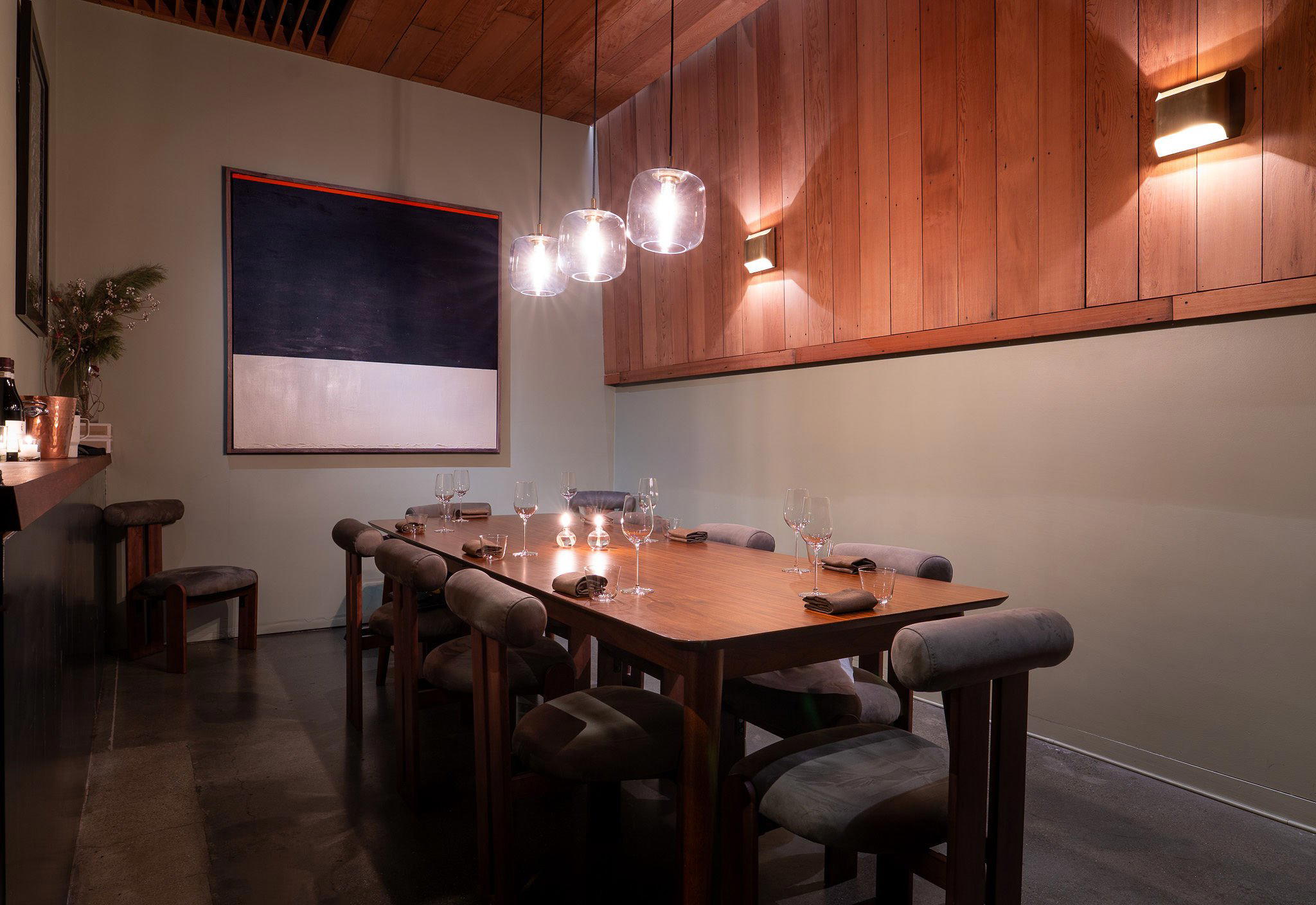
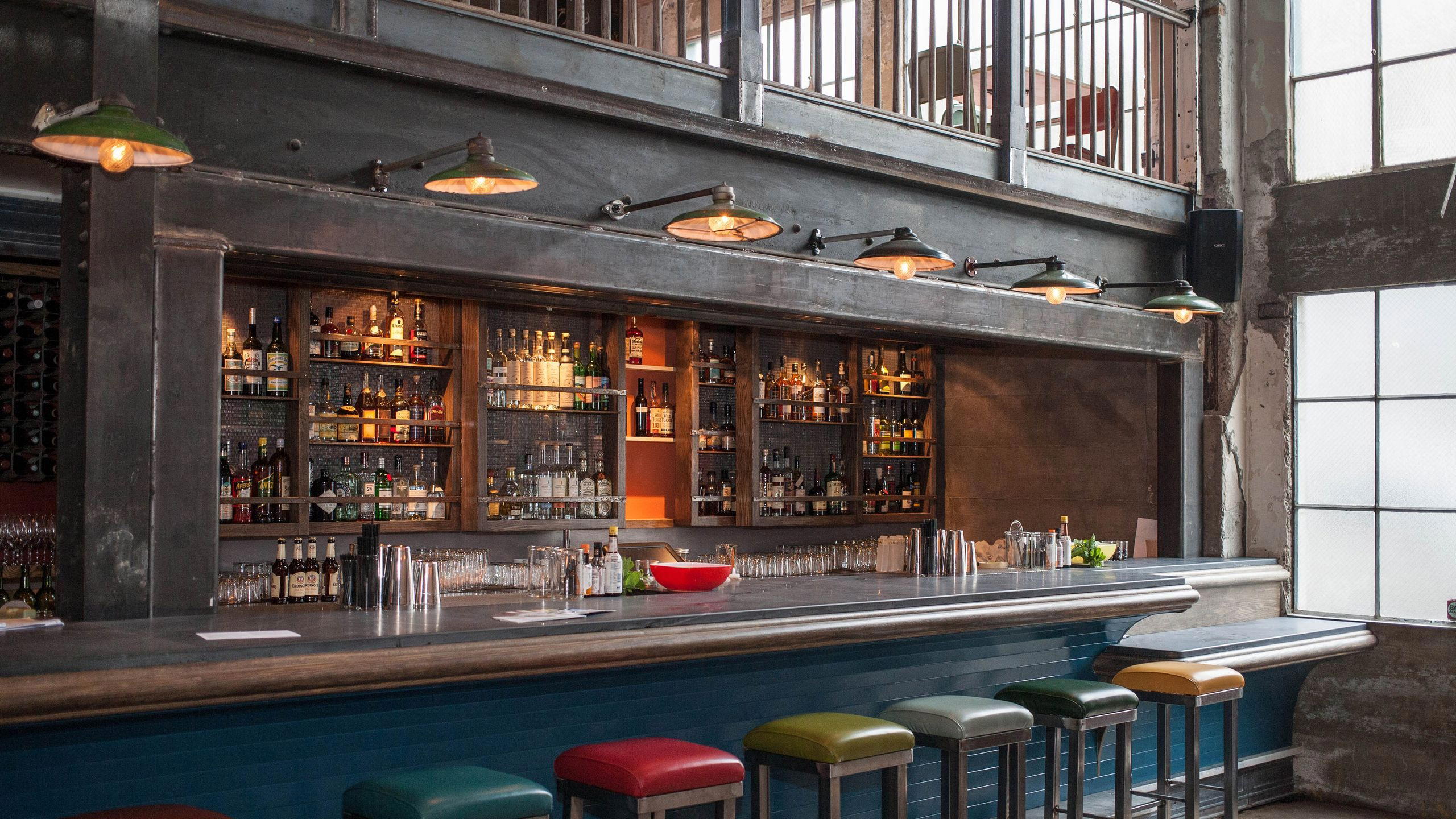
Bars in Los Altos
Browse all →

Hotels in Los Altos
Browse all →






Details
- Casual Hangout
- Solo
- After Work
- Chefs Counter
- Standalone
- A La Carte
- Counter Dining
Casual Japanese restaurant atmosphere centered around a sushi bar, with interaction between guests and sushi chefs emphasized in hiring materials.