Harpoon Harry's Crab House
Our verdict
Harpoon Harry's Crab House brings a seafood-focused menu to the heart of Pigeon Forge, Tennessee, where crab and coastal fare sit somewhat apart from the Smoky Mountain region's dominant barbecue and Southern comfort traditions. For visitors seeking an alternative to the area's landlocked defaults, it occupies a recognizable niche in a town that otherwise skews heavily toward country cooking and tourist-oriented American fare.

Pearl is the En Primeur Club membership app — saves, bookings, and concierge access live there. Same editors, same standards.
- Address
- 112 Community Center Dr, Pigeon Forge, TN 37863
- Phone
- (865) 428-2006
- Hours
- Daily 11 AM–9 PM
- Website
- harpoonharryscrabhouse.com
- Directions
- Get directions
- Booking
- Book on the venue's website
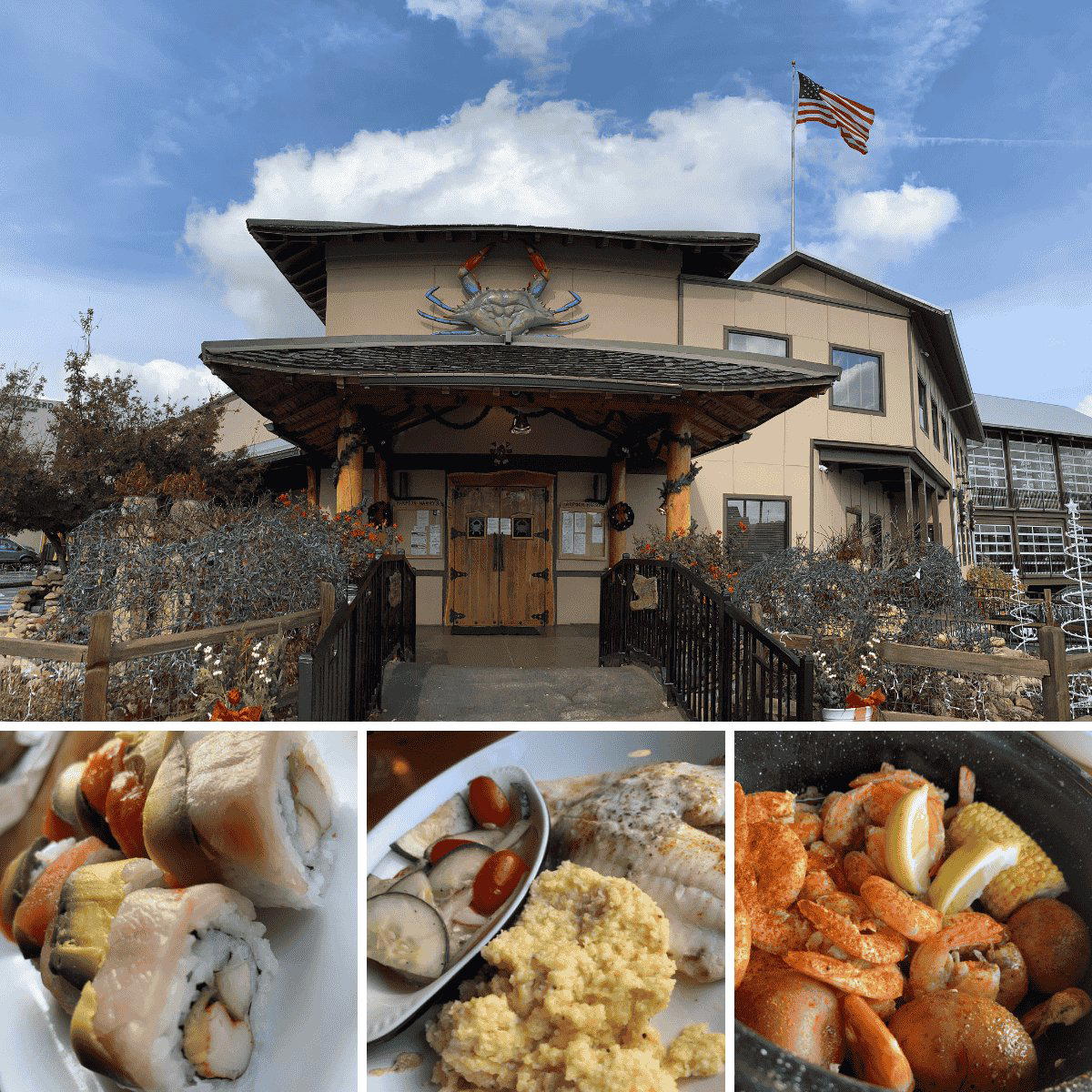
The menu
What to order
- Cowboy Shrimp
- Seafood Stuffed Lobster
Seafood in the Smokies: What Harpoon Harry's Represents
Pigeon Forge is not a coastal town. Its dining identity is built around Tennessee barbecue, Southern catfish, and the kind of all-you-can-eat formats that have served the area's high-volume tourism since Dollywood put the region on the national map. Against that backdrop, a crab house is a deliberate departure. Harpoon Harry's Crab House, located at 112 Community Center Dr in Pigeon Forge, sits in a category that has no obvious local precedent: seafood-forward, crab-centric dining in a landlocked mountain town built for family tourism. That positioning alone shapes everything about how to read and use this restaurant.
The question a seafood restaurant in this geography always has to answer is sourcing. In coastal markets, crab operations often draw on regional fisheries with short supply chains. Stone crab comes up from the Florida Gulf, Dungeness moves down the Pacific Coast, and blue crab cycles through the Chesapeake with enough regional identity to function as a menu narrative on its own. Inland, none of those logistical advantages apply. Pigeon Forge sits roughly 500 miles from the nearest major crab-fishing coast, which means any crab house operating here is working with product that travels. How that product is handled, stored, and prepared matters more in this context than it would in Baltimore or Charleston, where the supply chain's natural compression does some of the quality work for you. For venues operating in similar positions, see how sourcing-focused formats like Single Thread Farm in Healdsburg or Blue Hill at Stone Barns in Tarrytown approach supply-chain distance and ingredient provenance as a defining editorial choice.
The Scene at 112 Community Center Drive
Community Center Drive sits within the corridor of Pigeon Forge's commercial strip, a stretch of the city that runs attractions, family restaurants, and entertainment venues in a format geared toward visitors in town for two or three nights. The physical environment in this part of Pigeon Forge is high-turnover and visually busy. A crab house format, with its associations of dock-side informality, paper-lined tables, and the tactile work of breaking down shell-on crab, translates reasonably well into that context. The format is inherently social and hands-on in a way that suits family tourism without requiring fine-dining infrastructure or a wine program.
That informality is part of what separates a crab house from the upper tier of American seafood dining. Restaurants like Le Bernardin in New York City or Providence in Los Angeles approach seafood as a precision exercise, with sourcing narratives and preparation techniques that function as the editorial core of the menu. A crab house operates on different terms: abundance, directness, and the pleasure of eating with your hands. Those are valid terms, and in Pigeon Forge's specific tourism context, they may be the more appropriate ones.
Where It Sits in Pigeon Forge's Dining Picture
Pigeon Forge's restaurant scene divides roughly between Southern tradition operations and the chain-adjacent, tourist-facing formats that fill the commercial strip. Huck Finn's Catfish represents the Southern catfish tradition, a category with deep regional roots and a format that reads as authentically local. Calhoun's Pigeon Forge anchors the barbecue and Tennessee-smoke end of the spectrum. Local Goat New American Restaurant and Azul Cantina both occupy the newer, more format-diverse middle ground. Song and Hearth: A Southern Eatery takes the Southern comfort tradition in a slightly more considered direction.
Harpoon Harry's Crab House sits outside all of those categories. Seafood-focused dining is underrepresented in this market relative to its appeal to the visitor base, and a crab house format specifically has no direct competitor in the immediate area. That gap in the market is a practical argument for the venue's existence, even if it doesn't function as a quality credential on its own. Our full Pigeon Forge restaurants guide maps the broader competitive field if you're building a longer itinerary across several meals.
Crab House Dining as a Format: What to Expect
The crab house format is one of the more durable categories in American casual dining. It emerged most strongly in the mid-Atlantic and Gulf Coast regions, where crab picking became both a culinary tradition and a social ritual. Blue crab steamed with Old Bay, snow crab legs served with drawn butter, Dungeness crab ordered by the pound: the format is defined by its directness and its emphasis on the ingredient over preparation technique. Compared to the tasting menu precision of venues like Alinea in Chicago or the sourcing-obsessive frameworks of The French Laundry in Napa, a crab house asks a different question: can you get good, fresh shellfish on the table with minimum interference?
In coastal markets, the answer often involves proximity to fisheries. In Pigeon Forge, it involves supply chain management and product selection from distributors who service the Southeast interior. That's not a disqualifying condition, but it's the operative context. Visitors who arrive expecting the live-tank immediacy of a Baltimore waterfront crab shack or the day-boat sourcing of a New England fish house may be calibrating against the wrong reference point. The relevant question is whether Harpoon Harry's delivers competent, satisfying crab house dining in a market where nothing else in the category exists. For American seafood executed at a higher technical register, venues like Addison in San Diego or Emeril's in New Orleans represent what sourcing ambition and culinary precision look like at scale. For international reference points on seafood technique, 8 1/2 Otto e Mezzo Bombana in Hong Kong and Atomix in New York City illustrate how ingredient provenance can function as the organizing principle of an entire menu.
Planning Your Visit
Pigeon Forge operates on strong seasonal rhythms, with peak visitation concentrated around spring and fall leaf season, plus summer family travel periods. During those windows, the commercial strip's restaurant stock runs at capacity, and wait times at established venues can be significant. Booking ahead where possible, or arriving early in the dinner service, is the practical approach across this part of town, not only at Harpoon Harry's. Venues like Lazy Bear in San Francisco or The Inn at Little Washington require weeks of advance planning; Pigeon Forge's casual tier operates on shorter windows, but the tourist volume during peak season still rewards early planning.
Frequently asked questions
Can I bring kids to Harpoon Harry's Crab House?
Harpoon Harry's sits on Community Center Drive in Pigeon Forge, a corridor built almost entirely around family tourism. The crab house format, with its hands-on eating and casual pace, is a natural fit for families traveling with children. Pigeon Forge's dining culture broadly skews toward all-ages environments, and nothing about this venue's positioning suggests otherwise.
What's the vibe at Harpoon Harry's Crab House?
The address at 112 Community Center Drive places it squarely inside Pigeon Forge's commercial strip, a high-traffic zone of family attractions and tourist-facing restaurants. The crab house format itself tends toward the casual and communal — paper-lined tables, shellfish mallets, and shared platters are the norm in this dining category. Expect an informal, lively atmosphere consistent with the surrounding area.
Is Harpoon Harry's Crab House one of the few dedicated seafood restaurants in Pigeon Forge?
Pigeon Forge's dining identity is built around Tennessee barbecue, Southern catfish, and buffet-style formats — not seafood. A crab house concept in this market occupies a distinct niche, given that the nearest coastline is several hundred miles away. That positioning makes Harpoon Harry's one of the few venues in the area operating specifically within the crab house dining category rather than the region's dominant Southern tradition formats.
What's the must-try dish at Harpoon Harry's Crab House?
The crab house format, developed most prominently in mid-Atlantic and Gulf Coast dining culture, typically anchors its menu around whole or cluster crab preparations — the format's defining offering.
Where is Harpoon Harry's Crab House in Pigeon Forge?
Harpoon Harry's Crab House is located at 112 Community Center Dr, Pigeon Forge, TN 37863, Pigeon Forge.
How hard is it to get a table at Harpoon Harry's Crab House?
Pigeon Forge runs on strong seasonal peaks — spring, summer family travel, and fall leaf season drive significant foot traffic through the entire Community Center Drive corridor. During those windows, popular casual dining spots in the area can see meaningful waits, particularly on weekends. Arriving outside peak hours or on weekday evenings is the standard strategy for this part of Tennessee.
Side-by-Side Snapshot
Comparable venues nearby, for context on price, style, and recognition.
| Venue | Cuisine | Price | Notes |
|---|---|---|---|
| Harpoon Harry's Crab HouseThis venue — the venue you are viewing | Seafood & Sushi | $20–30 | Not listed |
| Local Goat New American Restaurant | New American | $20–30 | Pigeon Forge Parkway |
| Huck Finn's Catfish | Southern Catfish and Fried Chicken | $20–30 | Parkway |
| Azul Cantina | Modern Mexican Tex-Mex | $30–50 | Mountain Mile |
| The Old Mill Restaurant | Southern Country Comfort | $20–30 | Pigeon Forge |
| Wild Bear Tavern | Bavarian-Style German | $20–30 | Pigeon Forge |
Continue exploring
More in Pigeon Forge
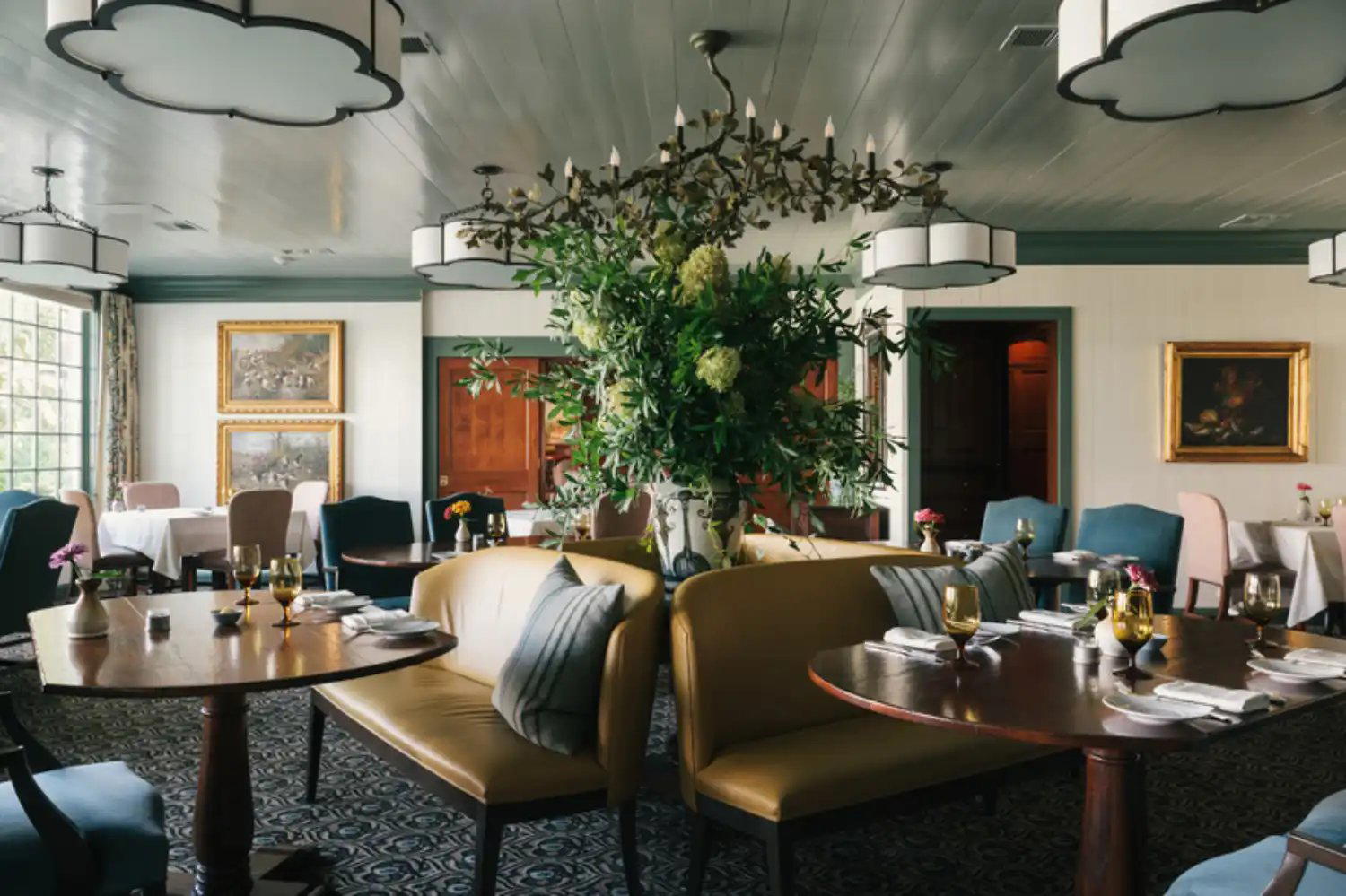
Restaurants in Pigeon Forge
Browse all →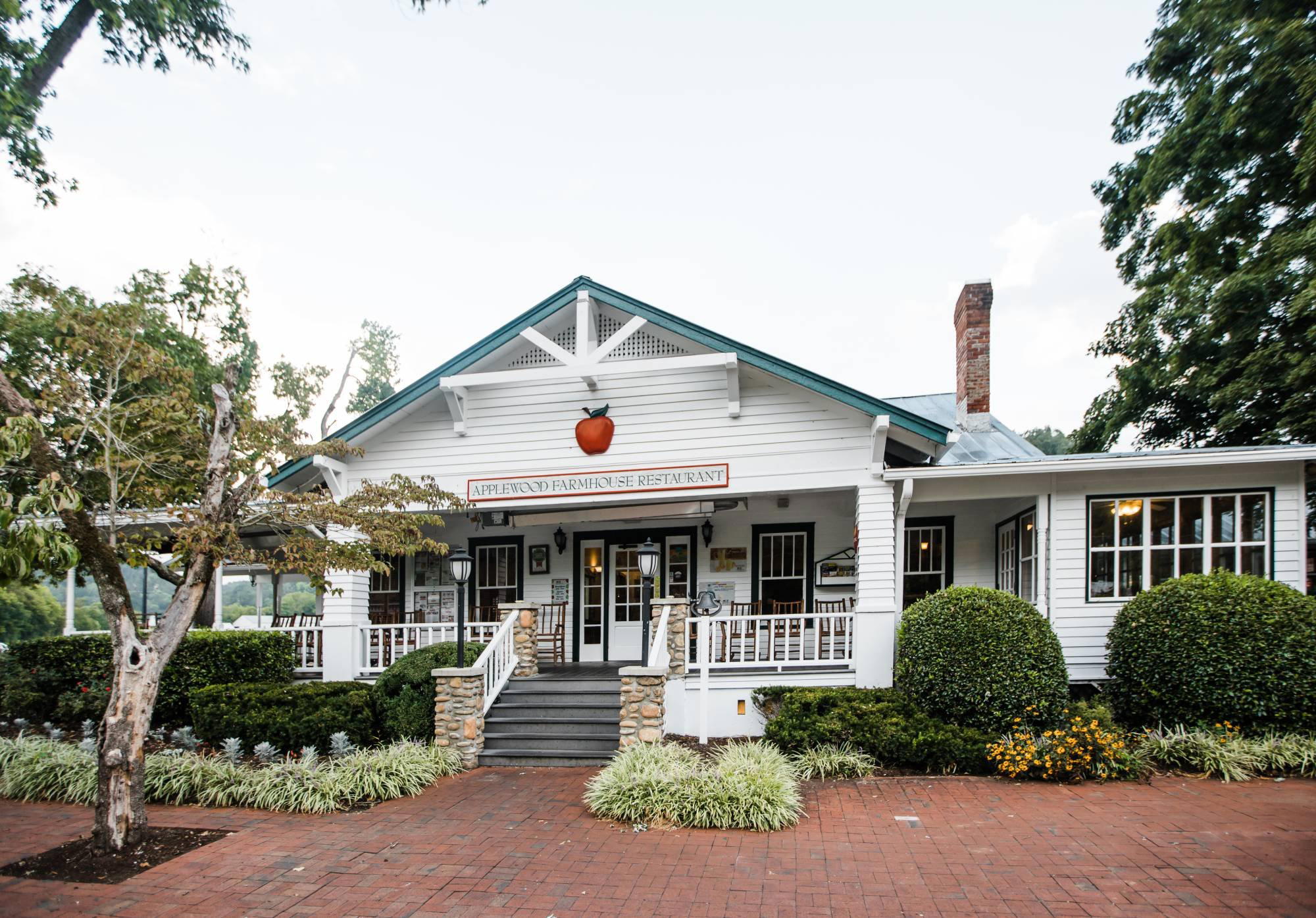
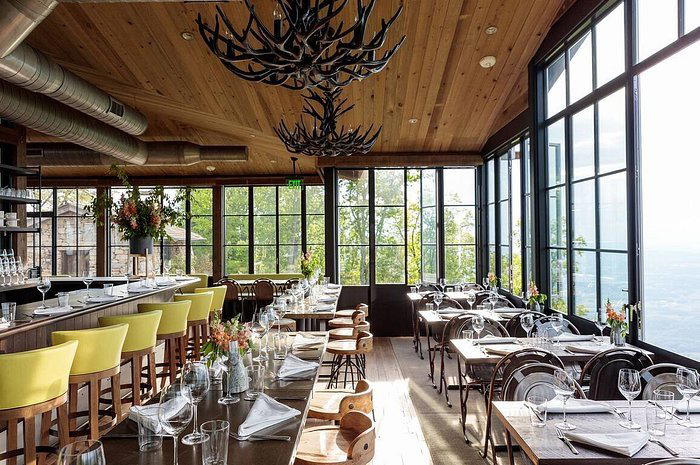
Bars in Pigeon Forge
Browse all →
Details
- Lively
- Rustic
- Family
- Group Dining
- Casual Hangout
- Open Kitchen
- Beer Program
- Sustainable Seafood
- A La Carte
- Vegetarian Friendly
- Gluten Free Options
Current opening hours
- Monday
- 11 AM–9 PM
- Tuesday
- 11 AM–9 PM
- Wednesday
- 11 AM–9 PM
- Thursday
- 11 AM–9 PM
- Friday
- 11 AM–9 PM
- Saturday
- 11 AM–9 PM
- Sunday
- 11 AM–9 PM
Hours can change for holidays and private events. Last verified .
Casual, energetic Florida-inspired seafood shack atmosphere with lively indoor/outdoor seating.