Wild Bear Tavern
Our verdict
Wild Bear Tavern sits on the Pigeon Forge Parkway, anchoring the kind of casual, hearty American dining that defines the Smoky Mountains corridor. The tavern format draws from Appalachian tradition — wood-heavy interiors, crowd-friendly portions, and a menu oriented around the region's comfort-food vernacular. For visitors working through the Parkway's dining strip, it represents a mid-tier, atmosphere-first option in a market that skews heavily toward casual family formats.

Pearl is the En Primeur Club membership app — saves, bookings, and concierge access live there. Same editors, same standards.
- Address
- 4236 Parkway, Pigeon Forge, TN 37863
- Phone
- (865) 868-0737
- Hours
- Daily 8:30–11:30 AM, 12–9 PM
- Website
- opentable.com
- Directions
- Get directions
- Booking
- Book on OpenTable
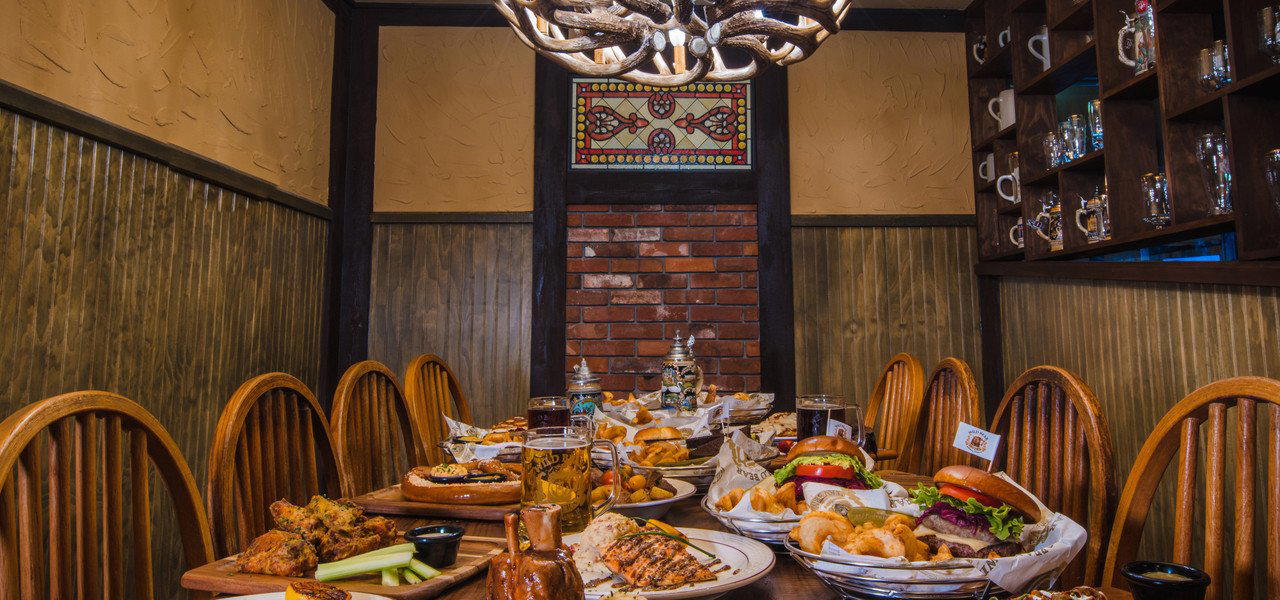
The menu
What to order
- Pork shank
- Potato pancakes
- Giant pretzel
- Schnitzel
- Apfelstrudel
Appalachian Comfort Dining on the Pigeon Forge Parkway
The Smoky Mountains corridor has always operated on a particular logic: high visitor volume, a strong preference for familiar formats, and a dining culture rooted in Southern Appalachian tradition. The Parkway in Pigeon Forge runs through the middle of that logic, lined with restaurants that range from chain outposts to locally operated taverns that lean into the region's woodsy, cabin-culture aesthetic. Wild Bear Tavern, at 4236 Parkway, occupies that second category — a tavern-format property whose name and positioning speak directly to the bear-country mythology that defines the Smokies as a travel destination.
Tavern dining in mountain resort towns follows a distinct playbook. The interior language tends toward exposed timber, warm lighting, and oversized portions that communicate generosity rather than refinement. That format has deep roots in Appalachian hospitality culture, where communal eating around hearty food has historically been less about restaurant theatre and more about practical abundance. Visitors arriving from urban markets accustomed to the technical precision of places like Le Bernardin in New York City or the farm-driven tasting formats at Blue Hill at Stone Barns in Tarrytown will find the register here is entirely different — and that difference is the point.
The Smokies Dining Scene and Where the Tavern Format Fits
Pigeon Forge's restaurant market is built around volume. The Parkway draws millions of visitors annually, and the dining strip reflects that with a range of formats that compete primarily on accessibility, price signalling, and familiarity. Within that market, casual American taverns and Southern comfort houses form the dominant tier. Seafood concepts like Harpoon Harry's Crab House pull in visitors seeking something outside the mountain-food default, while catfish-specific operators like Huck Finn's Catfish lean into the region's freshwater fishing tradition. Mexican-inflected concepts such as Azul Cantina offer contrast, and New American formats at Local Goat New American Restaurant position toward the higher-engagement visitor. Established Tennessee operators like Calhoun's Pigeon Forge bring regional brand recognition to the strip.
Wild Bear Tavern sits within the comfort-American tier of that competitive set. The tavern name and mountain-wildlife branding locate it firmly within the Smokies identity market, a positioning choice that functions well in a destination where visitors are actively seeking an experience that feels native to the geography. For a broader orientation to what the Pigeon Forge dining corridor offers across categories and price points, the full Pigeon Forge restaurants guide provides comparative framing.
Cultural Roots: Why Appalachian Tavern Food Matters
The tavern format in the American South and Appalachian region carries specific cultural weight. Before the twentieth century, the mountain communities of East Tennessee developed a food tradition built around what was available: game, freshwater fish, cornmeal, smoked meats, and preserved vegetables. That tradition informed the cooking style that eventually became the template for Southern Appalachian restaurant culture, hearty, protein-forward, relatively restrained in technique, and built around the idea that a meal should satisfy rather than impress.
Contemporary mountain taverns in the Smokies region are the commercial translation of that heritage. They operate as accessible points of entry into a regional food identity for visitors who may be encountering Appalachian-inflected cooking for the first time. That function is worth taking seriously. The same dynamic operates at a different register at places like Lazy Bear in San Francisco, where communal format and fire-based cooking reference American wilderness traditions in a fine-dining key. The Pigeon Forge version is less architecturally considered but more directly rooted in the actual geography it references.
Across the wider American dining conversation, the tension between heritage-rooted comfort formats and technically ambitious tasting menus, represented by venues like Alinea in Chicago or The French Laundry in Napa, rarely resolves in favour of one mode over the other. Both serve real needs. Tavern dining in mountain resort contexts serves a specific and genuine one: food that lands quickly, satisfies consistently, and connects to the place where it is served.
Reading the Room: What to Expect in Format and Setting
The Parkway address positions Wild Bear Tavern in the heart of Pigeon Forge's commercial strip, where foot and vehicle traffic peaks during summer months and the October leaf season. That seasonal rhythm matters for timing. Summer weekends and the fall foliage window, roughly late September through early November, represent peak demand periods across the entire Pigeon Forge dining corridor, and walk-in waits at popular Parkway restaurants extend meaningfully during those windows. Visitors with fixed itineraries should factor that into planning regardless of which dining format they choose.
The tavern's positioning on the Parkway also means it operates in a high-competition, high-visibility segment. In that environment, the relevant question for any visitor is less about fine-dining criteria and more about whether a given format matches the pace and tone of a Smokies itinerary. A family arriving from a day at Dollywood or a morning hike in the national park is looking for a different kind of meal than the guest arriving from an evening at a property like Single Thread Farm in Healdsburg or Providence in Los Angeles. Context is the operating variable, and the tavern format is calibrated for the former.
Planning Your Visit
Wild Bear Tavern is located at 4236 Parkway, Pigeon Forge, TN 37863, positioned along the main commercial corridor with parking typical of Parkway establishments. During the Smokies' peak periods, summer holidays and October foliage season, arriving early or at off-peak meal times (before noon for lunch, before 6pm for dinner) reduces wait times across the Parkway corridor generally.
Frequently asked questions
Where exactly is Wild Bear Tavern?
Wild Bear Tavern is located at 4236 Parkway, Pigeon Forge, TN 37863, Pigeon Forge.
How does Wild Bear Tavern fit into a Smoky Mountains itinerary focused on regional food?
Pigeon Forge sits at the gateway to Great Smoky Mountains National Park, and the Parkway's dining options skew heavily toward tourist-volume formats — seafood chains, pancake houses, and dinner shows. A tavern anchored in Appalachian comfort traditions offers a different register for visitors whose itinerary extends beyond the park trails into the food culture of the Tennessee mountain corridor.
What's the signature dish at Wild Bear Tavern?
The tavern format in the Appalachian tradition typically anchors around hearty comfort staples — think smoked meats, skillet sides, and regionally inflected mains — though specific dishes should be confirmed directly with the venue before visiting.
Should I book Wild Bear Tavern in advance?
Pigeon Forge's Parkway corridor runs at high seasonal volume, particularly in summer and fall during leaf season, when walk-in waits at comfort-dining spots can stretch considerably. Contacting Wild Bear Tavern directly at its 4236 Parkway location before arrival is the practical move, especially for groups or weekend evenings.
What makes Wild Bear Tavern worth seeking out?
In a resort strip built around high-volume tourist formats, the tavern model offers something more grounded: a dining identity tied to Appalachian tradition rather than generic family-chain output. For visitors staying in Pigeon Forge who want a meal that reflects the mountain region's culinary culture, that alignment matters more than novelty.
Is Wild Bear Tavern allergy-friendly?
Anyone with specific dietary requirements should contact the venue at 4236 Parkway, Pigeon Forge, TN 37863 directly before visiting to confirm what can be accommodated.
Pricing, Compared
Comparable venues nearby, for context on price, style, and recognition.
| Venue | Cuisine | Price | Notes |
|---|---|---|---|
| Wild Bear TavernThis venue — the venue you are viewing | Bavarian-Style German | $20–30 | Not listed |
| Calhoun's Pigeon Forge | Tennessee BBQ & Steakhouse | $10–20 | Pigeon Forge Parkway, Tennessee BBQ & Steakhouse |
| Azul Cantina | Modern Mexican Tex-Mex | $30–50 | Mountain Mile, Modern Mexican Tex-Mex |
| Local Goat New American Restaurant | New American | $20–30 | Pigeon Forge Parkway, New American |
| Huck Finn's Catfish | Southern Catfish and Fried Chicken | $20–30 | Parkway, Southern Catfish and Fried Chicken |
| Harpoon Harry's Crab House | Seafood & Sushi | $20–30 | Pigeon Forge strip, Seafood & Sushi |
Continue exploring
More in Pigeon Forge
Restaurants in Pigeon Forge
Browse all →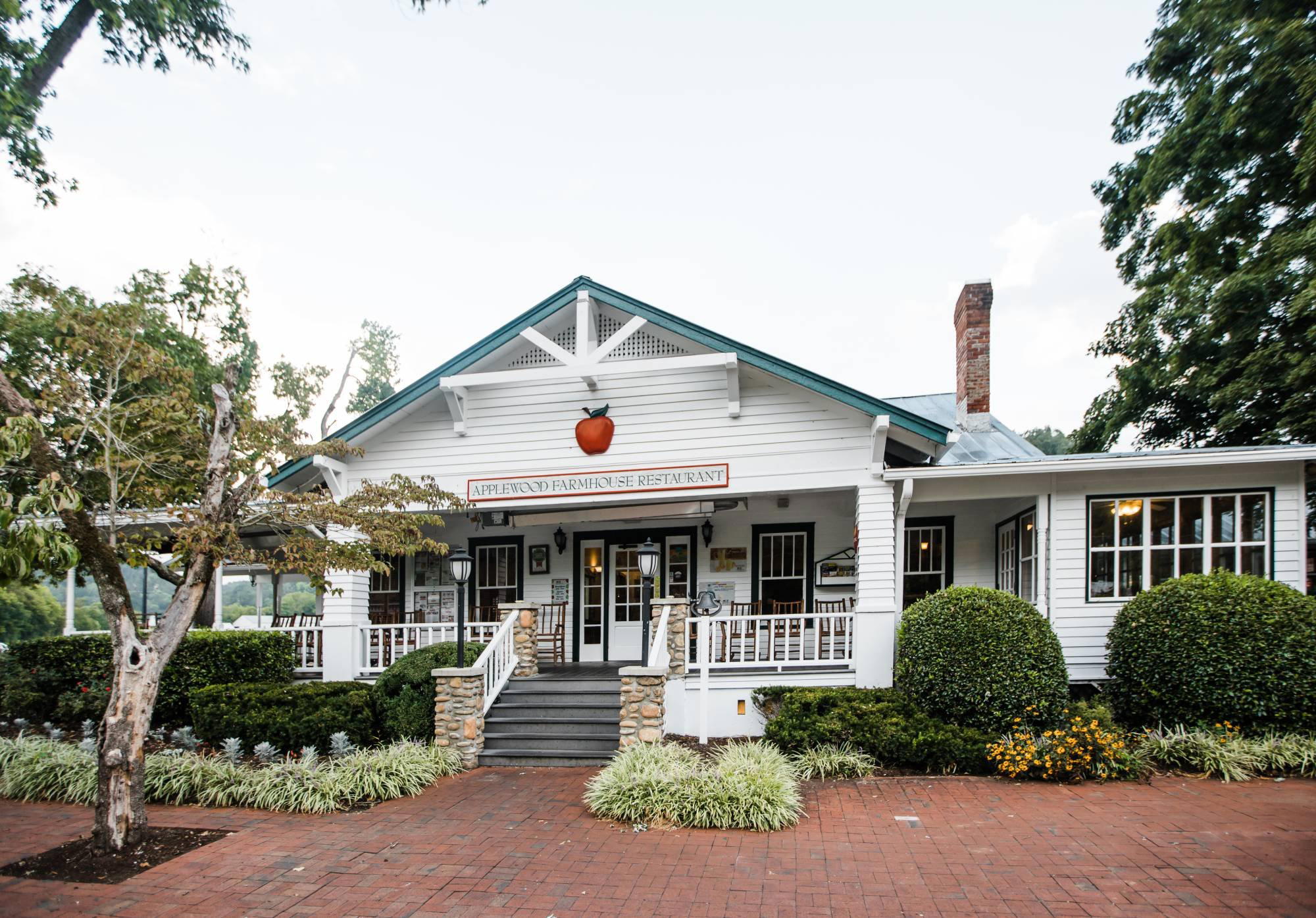
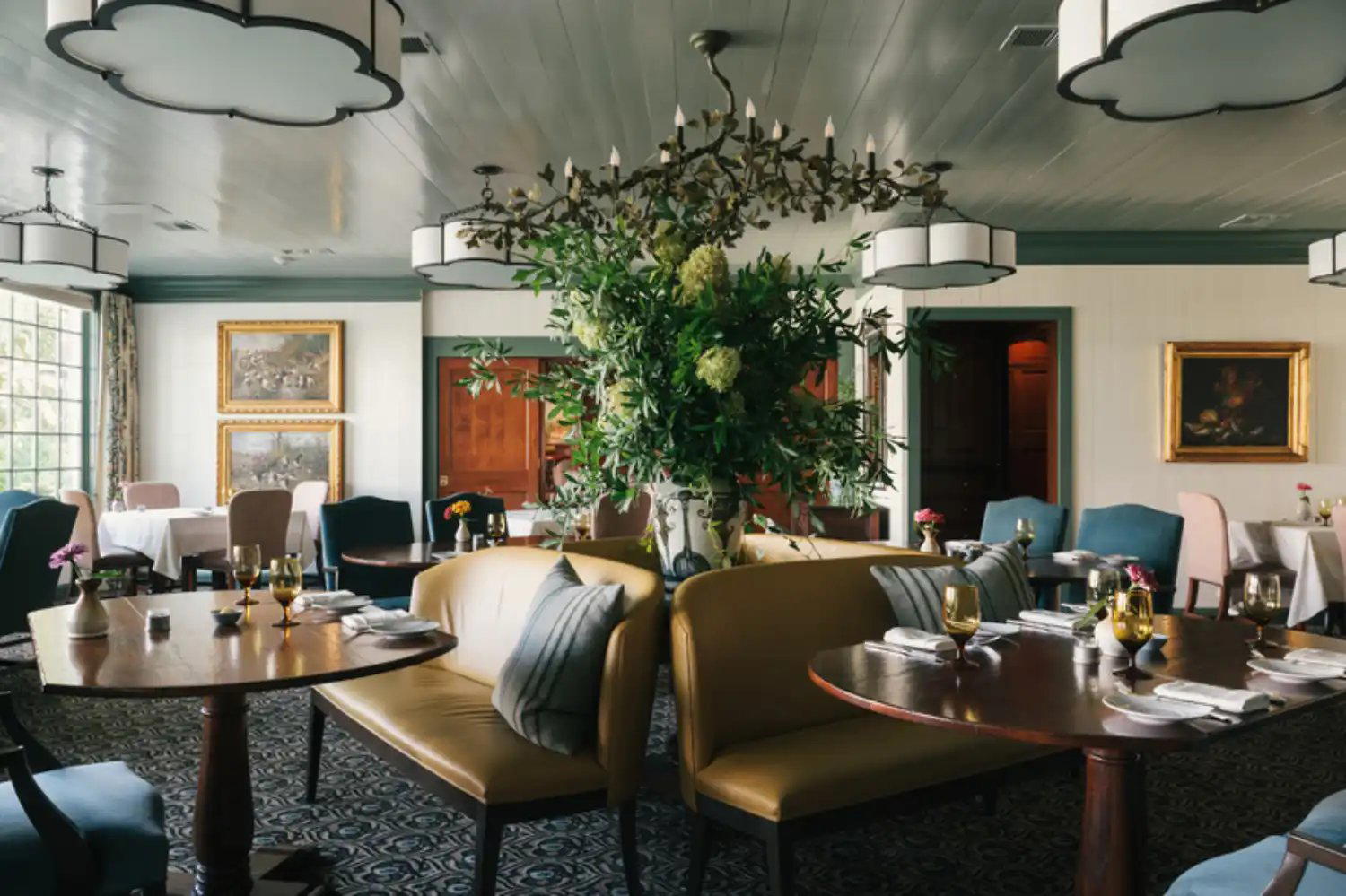
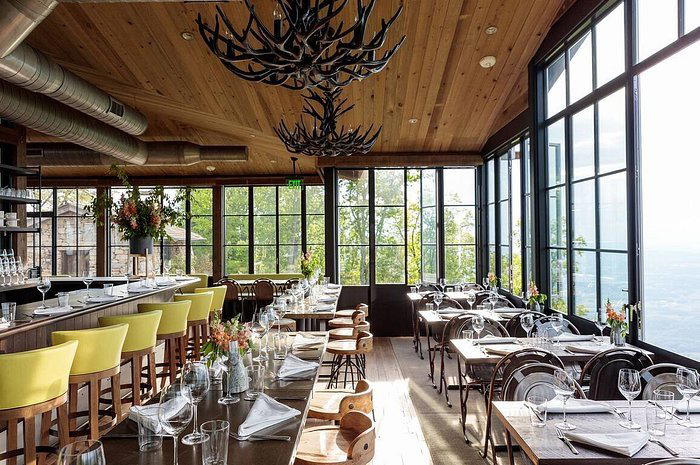
Bars in Pigeon Forge
Browse all →
Details
- Rustic
- Cozy
- Family
- Casual Hangout
- Historic Building
- Beer Program
- A La Carte
- Beer Program
- Vegetarian Friendly
- Gluten Free Options
Current opening hours
- Monday
- 8:30–11:30 AM, 12–9 PM
- Tuesday
- 8:30–11:30 AM, 12–9 PM
- Wednesday
- 8:30–11:30 AM, 12–9 PM
- Thursday
- 8:30–11:30 AM, 12–9 PM
- Friday
- 8:30–11:30 AM, 12–9 PM
- Saturday
- 8:30–11:30 AM, 12–9 PM
- Sunday
- 8:30–11:30 AM, 12–9 PM
Hours can change for holidays and private events. Last verified .
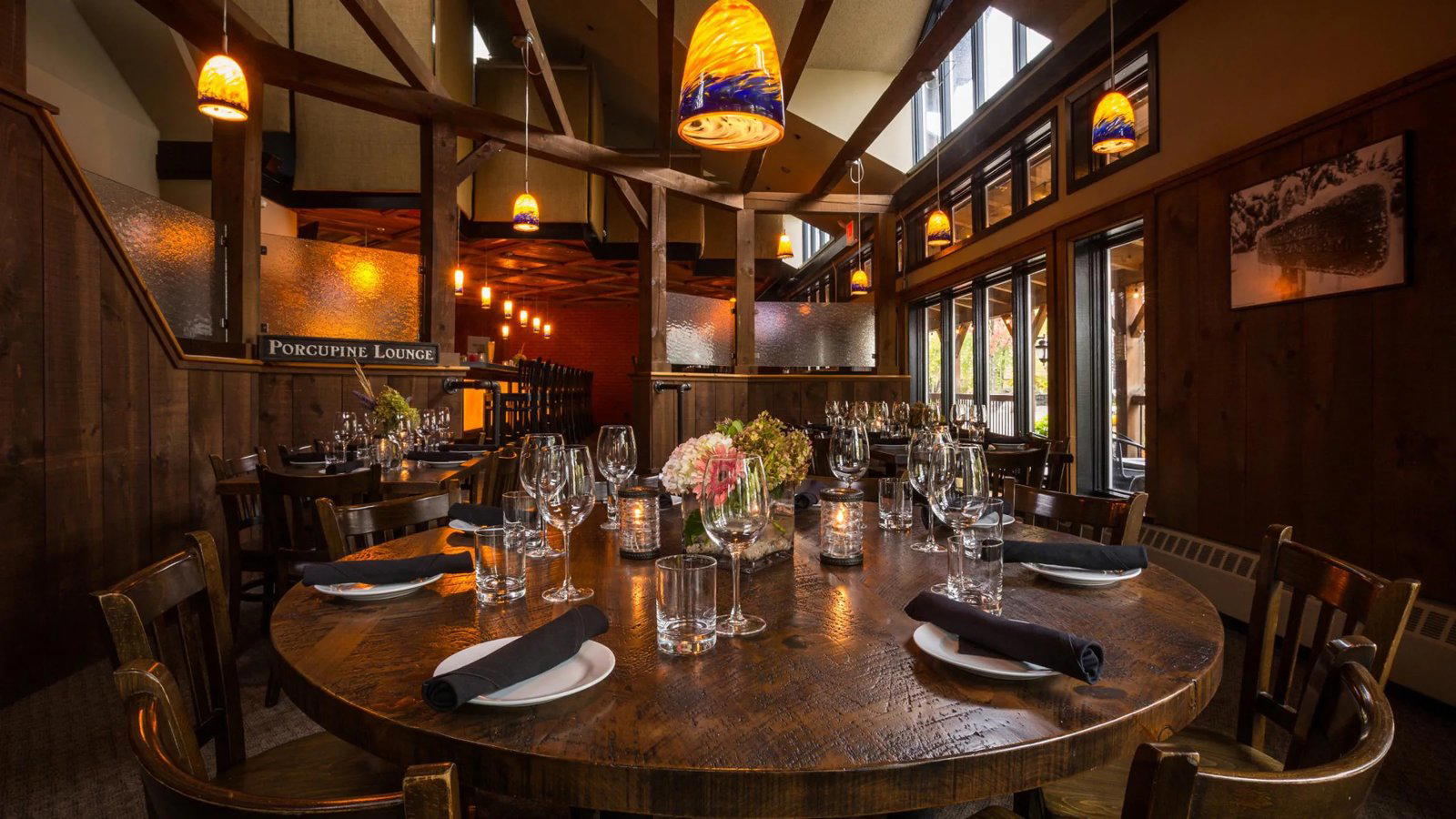
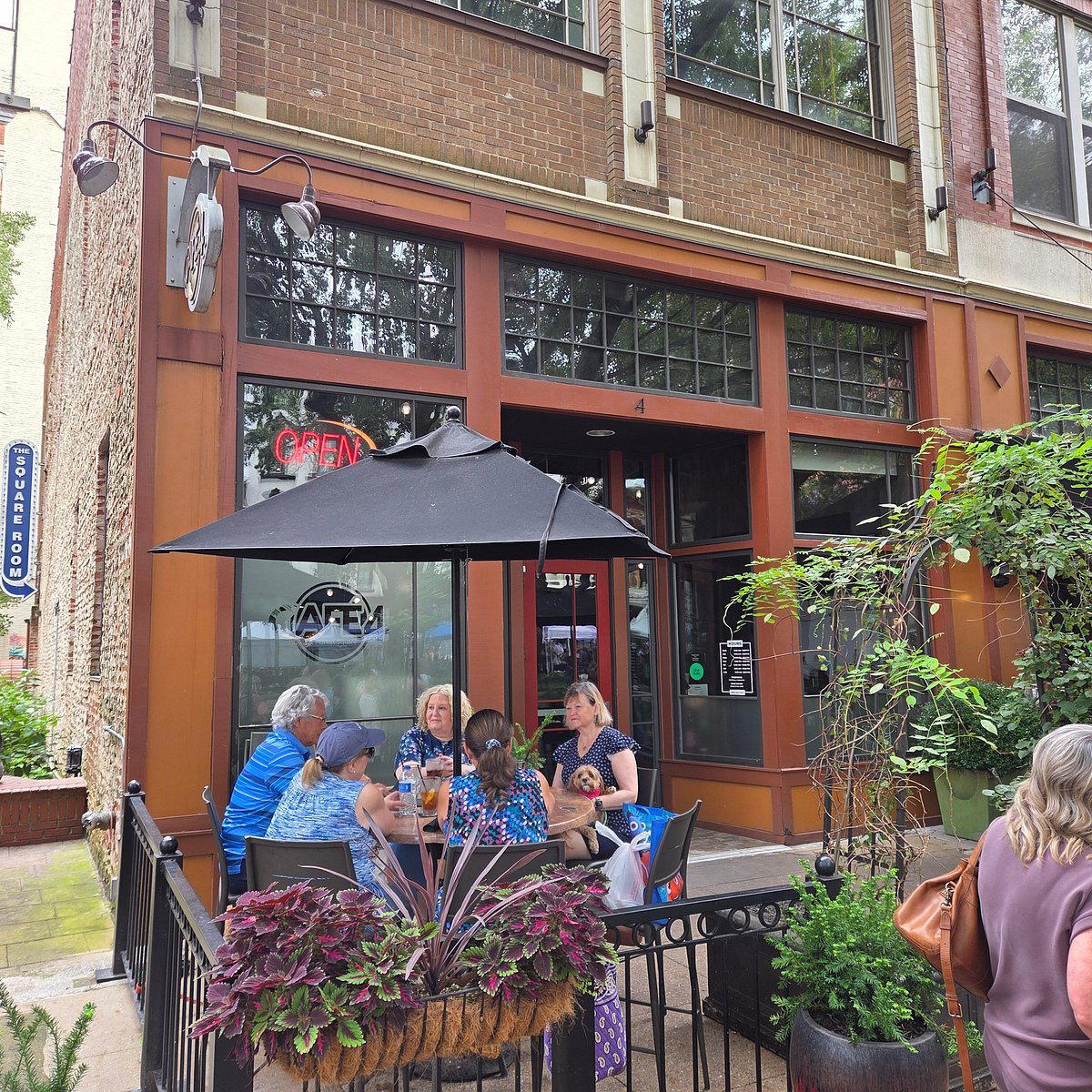
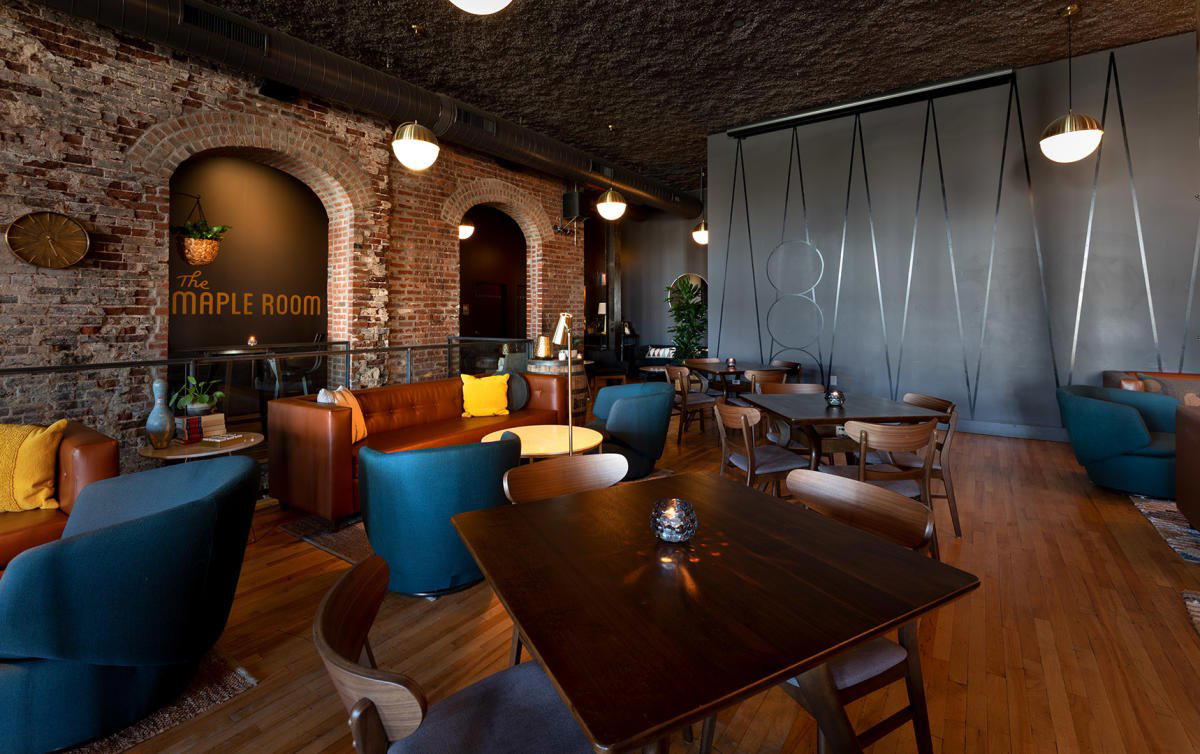
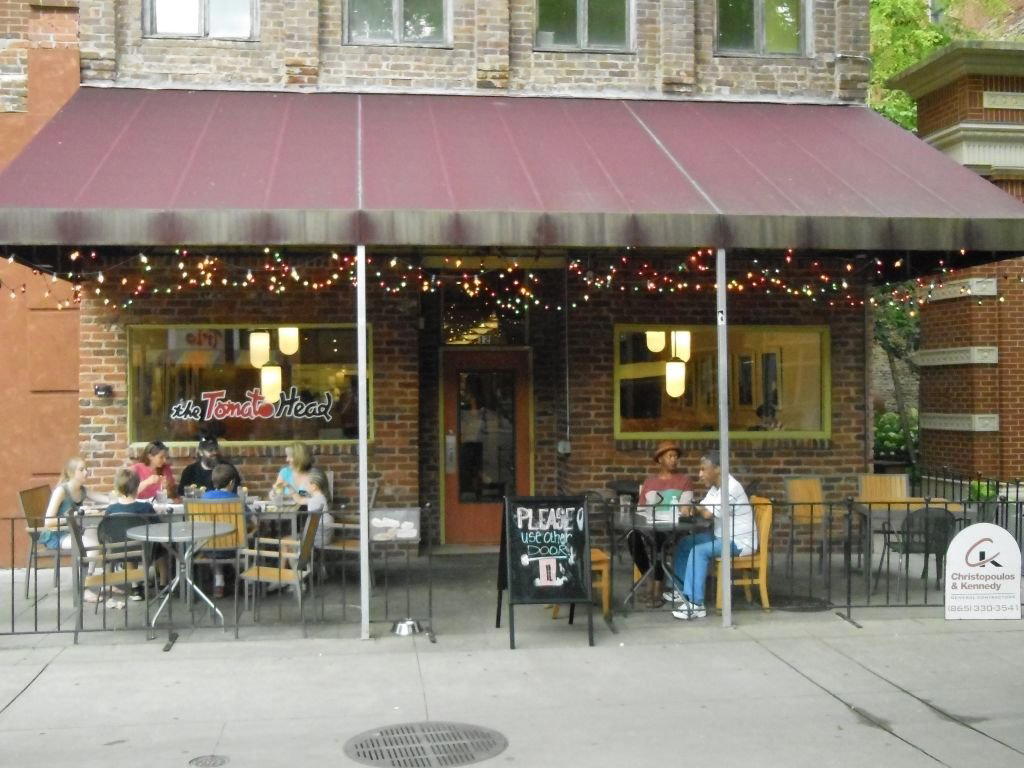
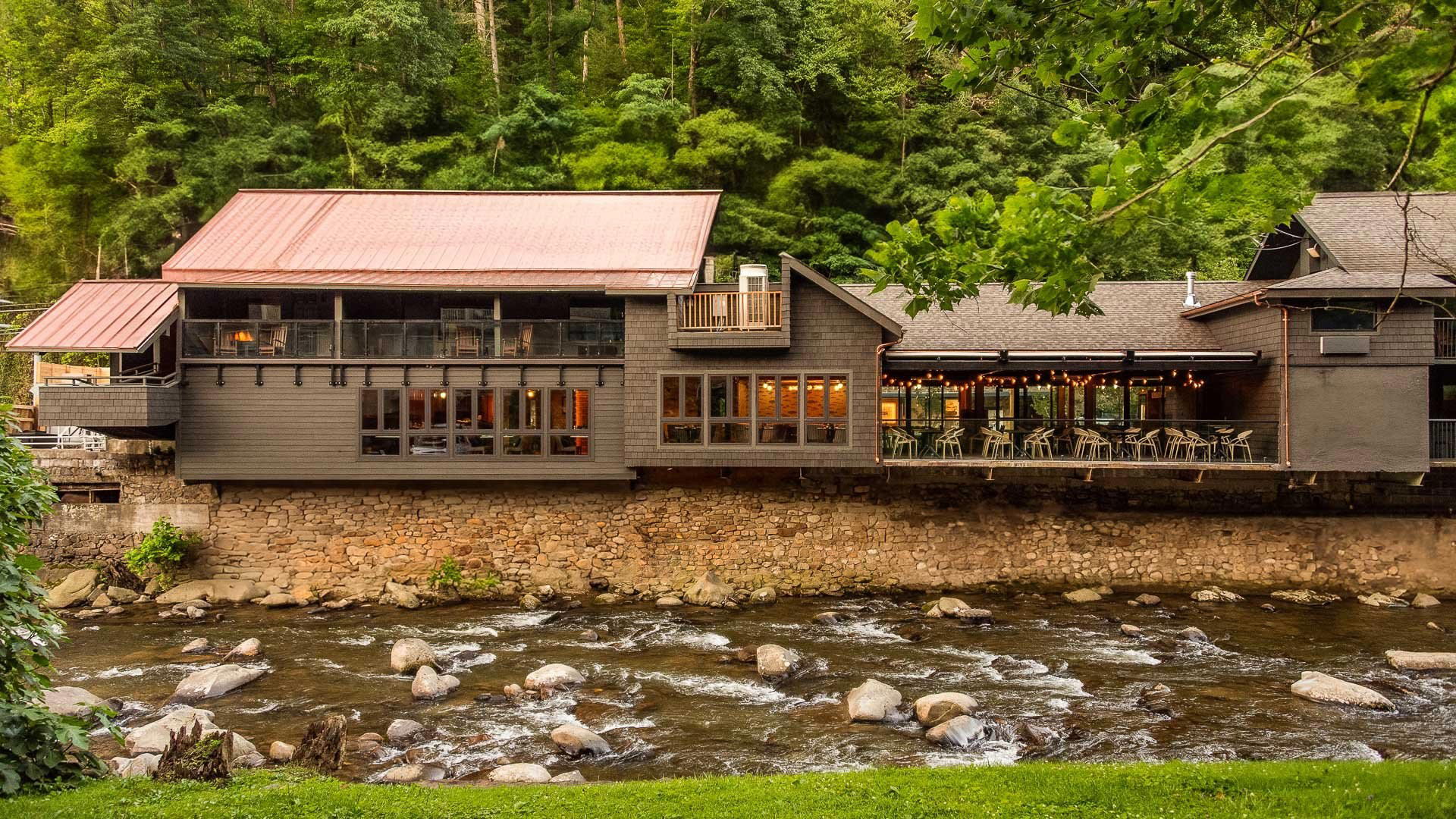
Cozy tavern atmosphere with southern charm, warm lighting, and a welcoming vibe ideal for families.