Hachi Örebro occupies a central address on Järntorgsgatan in one of Sweden's most quietly ambitious mid-sized cities. The restaurant sits within a dining scene that has been steadily outpacing expectations for a city of its scale, where Japanese culinary disciplines are gaining ground alongside Scandinavian produce-led traditions. For visitors assessing Örebro's upper tier, Hachi is a reference point worth understanding in context.
 Discover on Pearl
Pearl is the En Primeur Club membership app — saves, bookings, and concierge access live there. Same editors, same standards.
- Address
- Järntorgsgatan 4, 703 39 Örebro, Sweden
- Phone
- +46195542521
- Website
- hachiorebro.com
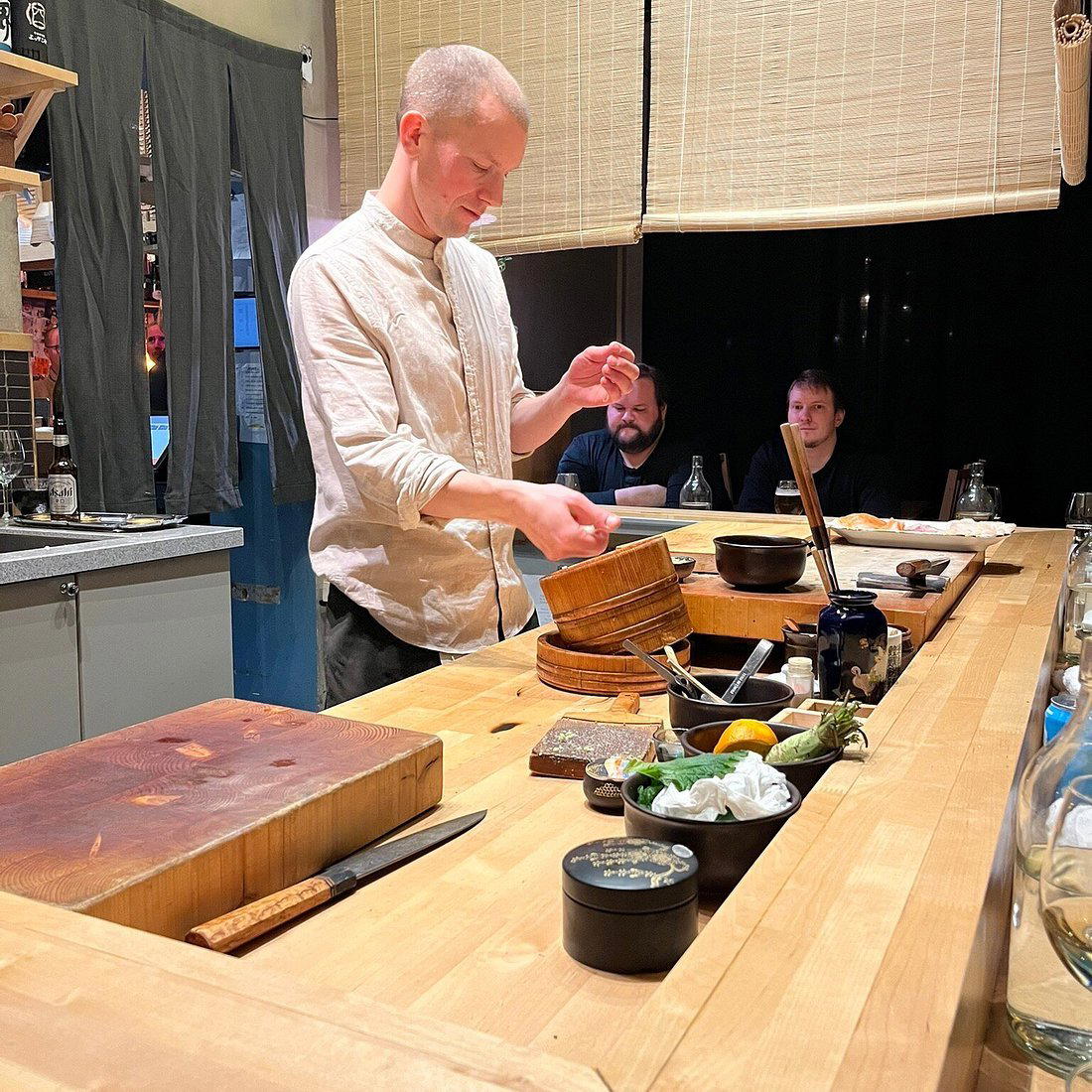
Where Japanese Discipline Meets a Swedish Interior City
Järntorgsgatan cuts through the older commercial core of Örebro, a street that has accumulated a concentration of independent restaurants over the past decade in the way that secondary Swedish cities often do when genuine local demand outpaces chain dining. The address at number 4 places Hachi Örebro close to the pedestrian flow of a city centre that, for its size, sustains a more considered restaurant culture than most visitors anticipate. Örebro is not usually framed alongside Stockholm or Gothenburg, but that contrast is precisely what makes its upper-tier dining worth examining.
Japanese cuisine in Swedish cities outside the capital has followed a particular trajectory. Early sushi bars aimed squarely at lunch volume gave way, in city after city, to a second generation of operators who brought greater technical rigour and a stronger relationship with Japanese culinary philosophy. That shift is evident in Stockholm's more recognised venues, where restaurants like Frantzén have demonstrated how Japanese precision can be woven into Nordic fine dining at the highest level. In mid-sized cities, the same evolution is happening on a different timeline and at a different price register, with Hachi Örebro representing that current moment in a city building genuine dining credibility.
The Cultural Weight of the Name and the Format
The name Hachi, the Japanese word for eight, carries layered resonance in Japanese cultural tradition. Eight is considered a number of prosperity and balance, a detail that suggests intentionality in how the restaurant has positioned itself. Across Japanese dining culture, the number also appears in the context of constrained, focused formats: eight seats, eight courses, eight ingredients. The cultural framing of the name sets an expectation of discipline and proportion rather than volume and excess.
Japanese culinary traditions that have transferred most successfully to Scandinavian contexts tend to be those with the strongest structural overlap with Nordic food values: seasonality, restraint, product-led thinking, and the elevation of craft over decoration. Swedish diners, accustomed to new Nordic cooking's emphasis on foraged and fermented ingredients, have shown a strong appetite for Japanese omakase and kaiseki formats that operate on similar principles. This convergence has driven growth in Japanese-influenced dining at Örebro's tier of city, creating space for operators who can execute at a level that satisfies diners already calibrated by exposure to Stockholm's more established scene.
Örebro's Dining Scene in Broader Context
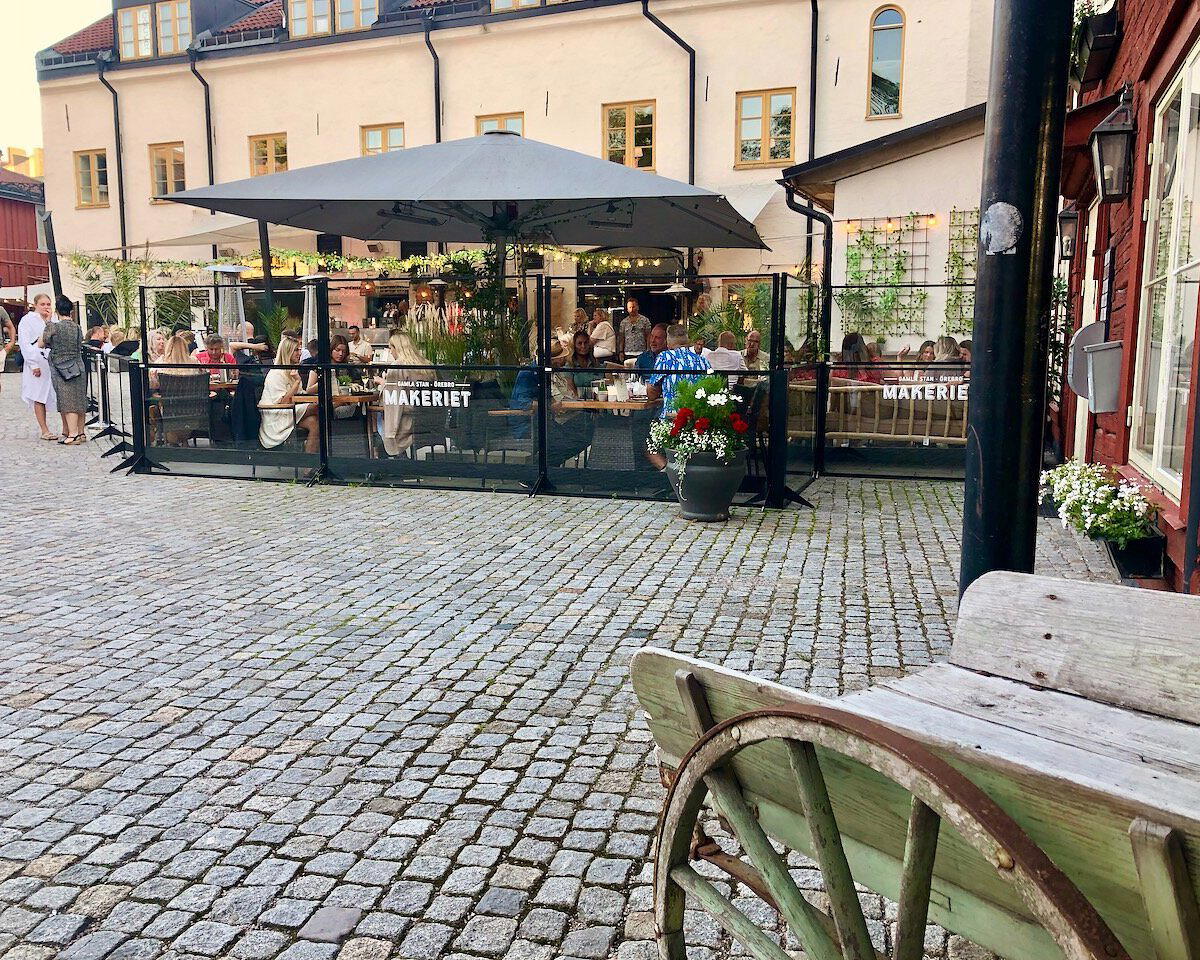
Assessing Hachi requires understanding what Örebro has built around it. The city's restaurant culture spans a meaningful range, from ingredient-led Swedish cooking at venues like Gro Stallbacken to the more casual neighbourhood formats represented by Kitchenette Ågatan 3 and the Italian-influenced Cantina N3. Amano and Makeriet add further range to a scene that, taken as a whole, punches above what a city of roughly 155,000 residents might be expected to sustain.
Across Sweden's provincial and mid-sized cities, the pattern of dining ambition has followed investment in creative industries and the migration of Stockholm-trained kitchen professionals who find lower overheads and a loyal local audience more attractive than competing in an oversaturated capital market. This dynamic has produced some of the country's more interesting dining outside the major centres. Vollmers in Malmö, VYN in Simrishamn, Signum in Mölnlycke, and ÄNG in Tvååker are all examples of serious cooking that has found its footing at a remove from the capital. Knystaforsen in Rydöbruk, PM & Vänner in Växjö, Adrian Restaurang in Borås, Brasserie Park in Jonköping, and 28+ in Gothenburg extend that argument further across the western and southern regions. Hachi sits inside this broader shift, representing Örebro's entry into a conversation about what Swedish regional dining can achieve when it commits to a specific culinary tradition with genuine seriousness.
For global reference points on what Japanese culinary rigour can achieve at its apex, Le Bernardin in New York City and Atomix in New York City illustrate the ceiling of Japanese-influenced precision cooking in a Western urban context, offering a useful frame for understanding the ambition that even smaller-format Japanese restaurants in European cities are increasingly benchmarking against.
Planning a Visit
Hachi Örebro is located at Järntorgsgatan 4 in central Örebro, within walking distance of the main rail station and the city's compact historic core. Örebro is approximately two hours from Stockholm by direct train on the Mälarbanan line, making it a practical day-trip or short-break destination for capital-based diners. Reservations are essential, and the restaurant follows a smart casual dress code. As with most serious Japanese-format restaurants operating in Nordic cities at this tier, advance booking is advisable, particularly for weekend sittings.
A Pricing-First Comparison
Comparable venues nearby, for context on price, style, and recognition.
| Venue | Cuisine | Price | Awards | Notes |
|---|---|---|---|---|
| Hachi ÖrebroThis venue — the venue you are viewing | Järntorgsgatan, Modern Japanese Omakase | $$$ | , | |
| Gro Stallbacken | $$$ | 1 recognition | City Center, Modern European Fine Dining with Vegan Focus | |
| Kitchenette Ågatan 3 | $$$ | 1 recognition | :null, Nordic-European with Spanish influences | |
| Makeriet | Stallbacken, Swedish-European Wine Bar | $$ | , | |
| Veto | $$ | , | Central Örebro, Nordic Cuisine with Mediterranean Flavors | |
| Amano | Stallbacken, Modern Italian Fine Dining | $$$ | 1 recognition |
Continue exploring
More in Örebro
At a Glance
- Intimate
- Elegant
- Sophisticated
- Date Night
- Special Occasion
- Celebration
- Chefs Counter
- Open Kitchen
- Sake Program
- Beer Program
- Local Sourcing
- Sustainable Seafood
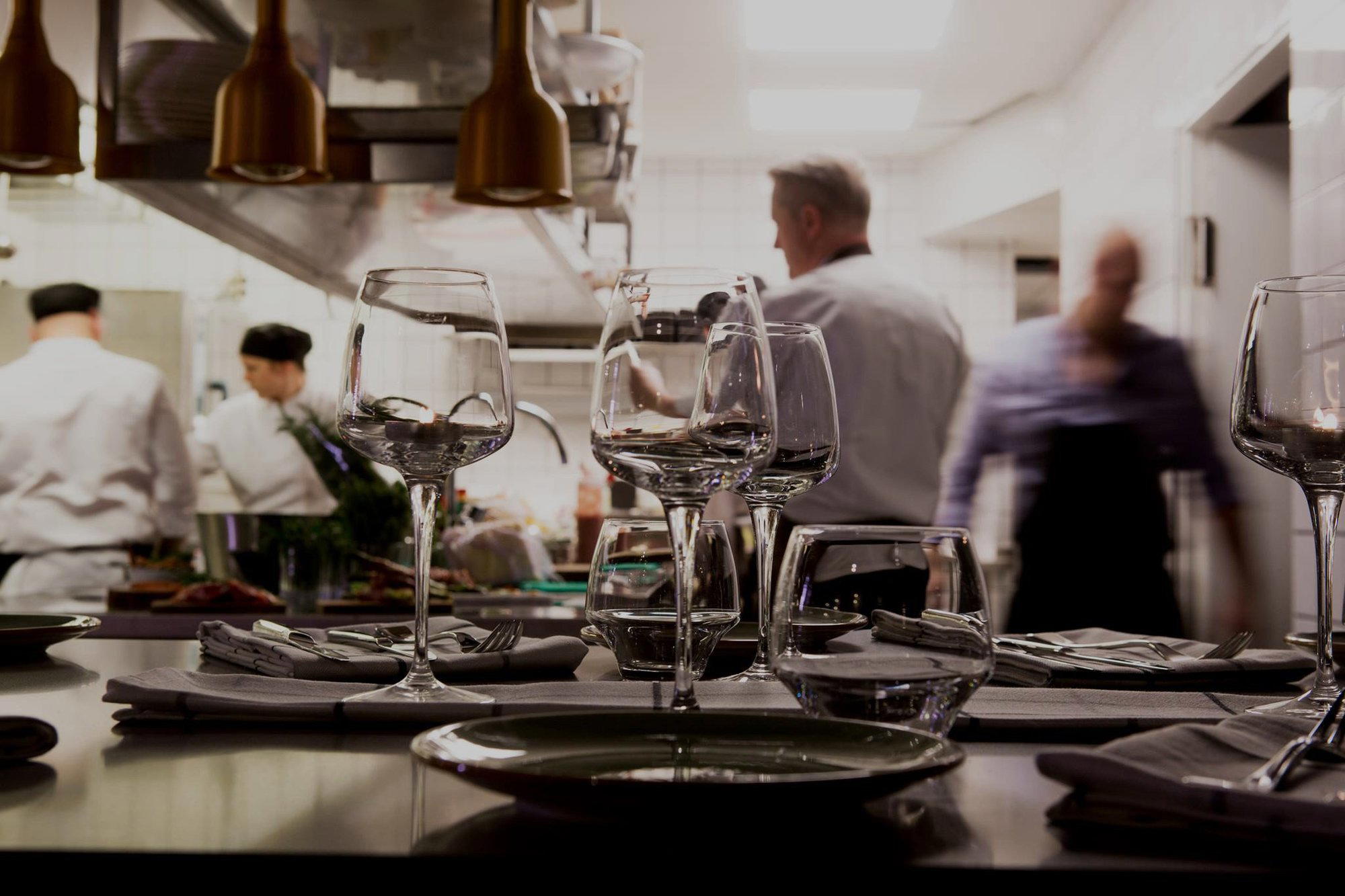
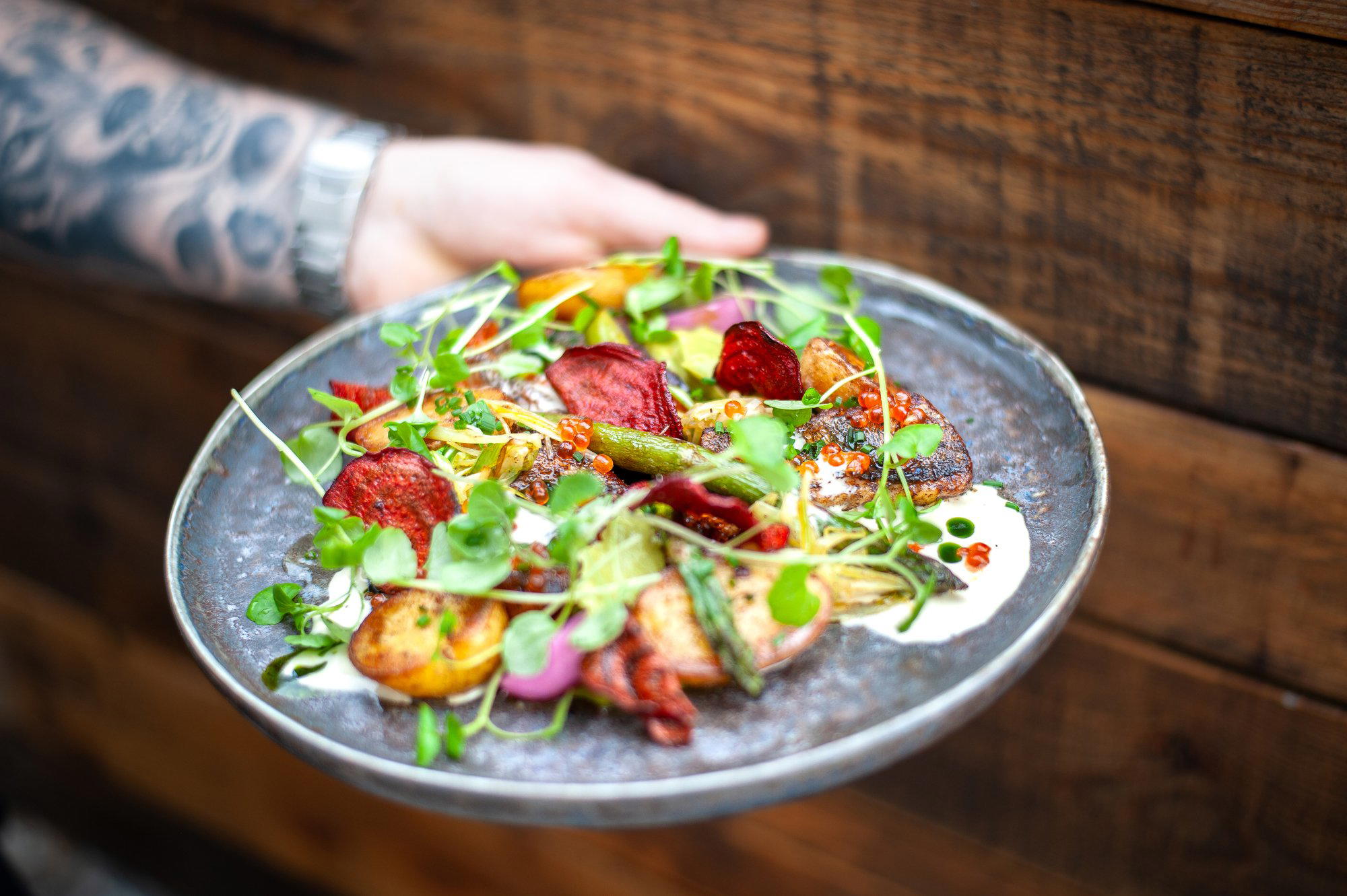
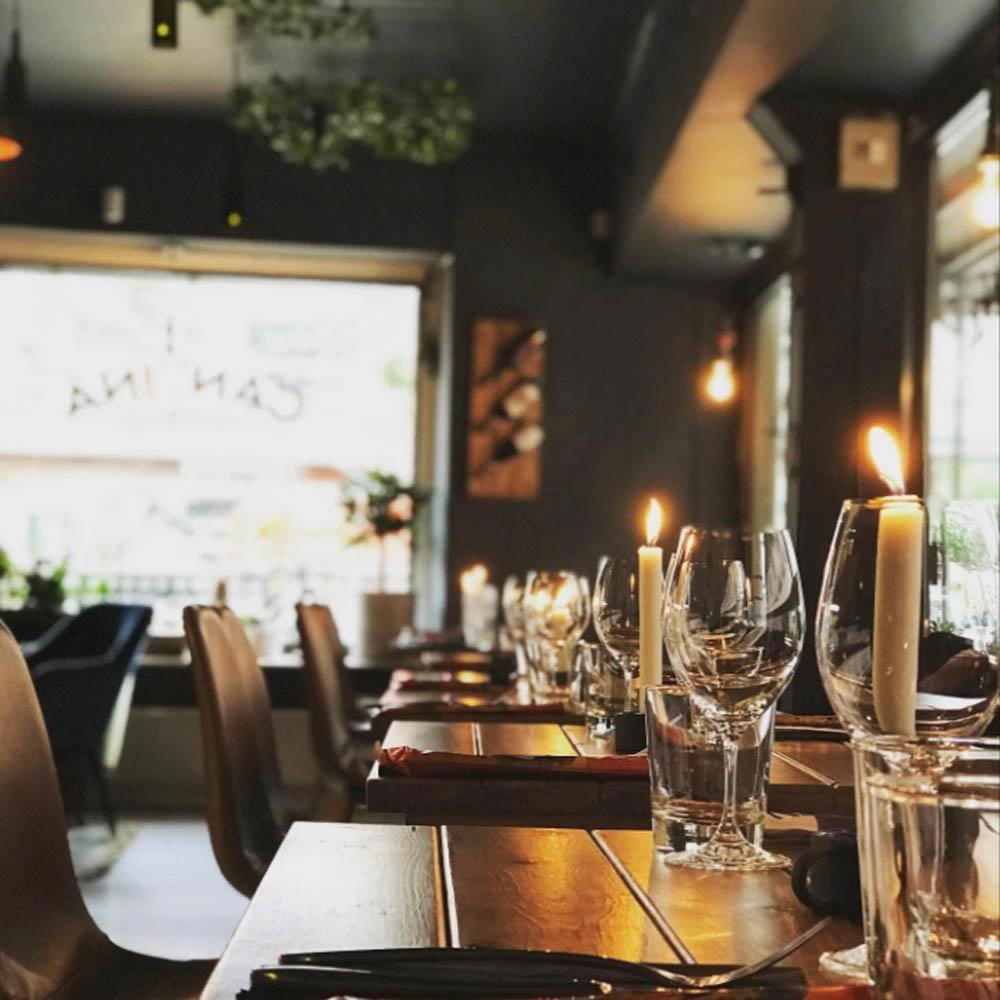
Intimate and genuine atmosphere with open kitchen counter seating, curated hip hop and reggae soundtrack, and a focus on the chef's passionate preparation visible to diners.