
Cantina N3 occupies a corner of Örebro's compact dining scene at Näbbtorgsgatan 3, where the city's appetite for ingredient-led cooking meets a format that sits closer to neighbourhood cantina than formal restaurant. In a city that punches above its size for serious cooking, it belongs to the tier of addresses worth planning around rather than stumbling into.
Pearl is the En Primeur Club membership app — saves, bookings, and concierge access live there. Same editors, same standards.
- Address
- Näbbtorgsgatan 3, 702 23 Örebro, Sweden
- Website
- cantinan3.com
- Directions
- Get directions
 Saves & bookings on Pearl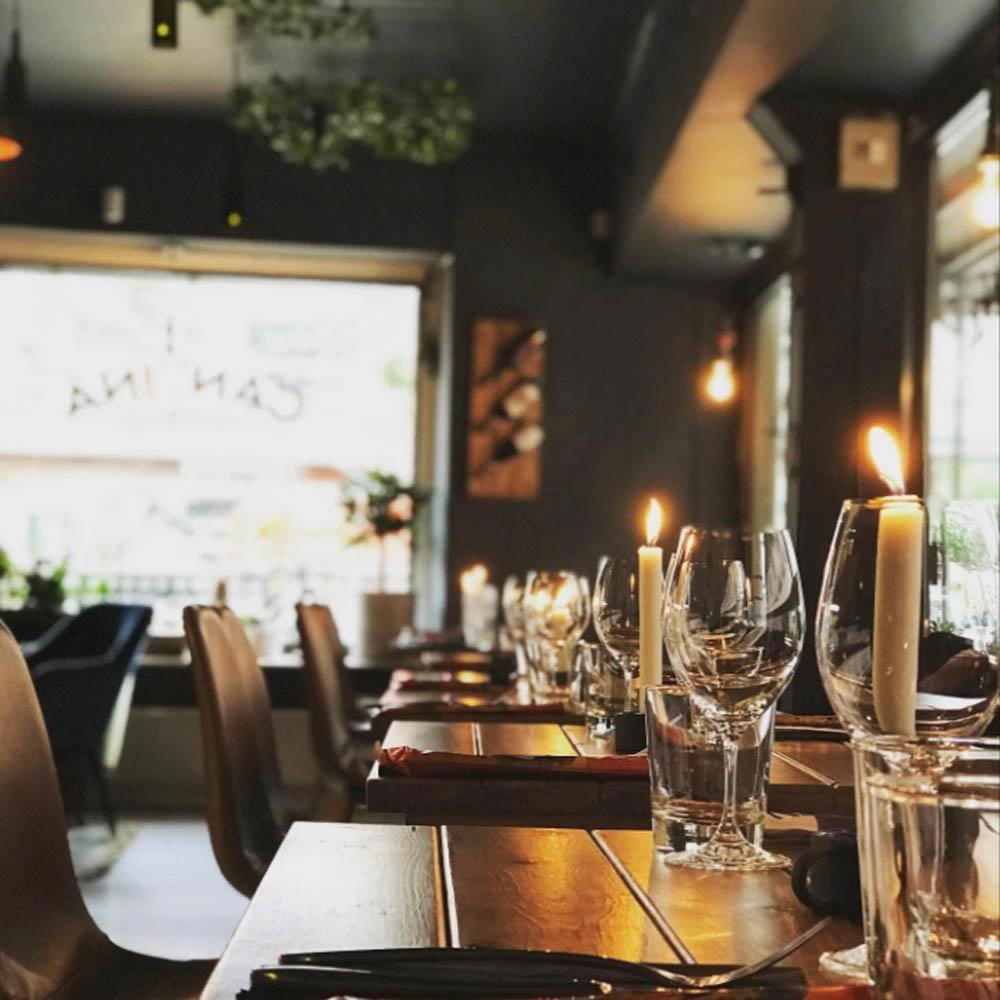
Örebro's Dining Scene and Where Cantina N3 Sits Within It
Swedish mid-sized cities have spent the last decade quietly building dining cultures that reward closer attention. Örebro is among the clearest examples: a city of around 160,000 that has developed a restaurant tier operating on assumptions more typical of Stockholm or Gothenburg than a regional centre. The addresses along and around the central streets increasingly reflect a kitchen culture where sourcing discipline and seasonal restraint carry more weight than formal credential signalling. Cantina N3, at Näbbtorgsgatan 3, sits inside that current. Its name implies something unpretentious — a cantina, a numbered address, nothing more — and that studied informality is its own kind of statement in a dining environment where the loudest rooms are rarely the most interesting ones.
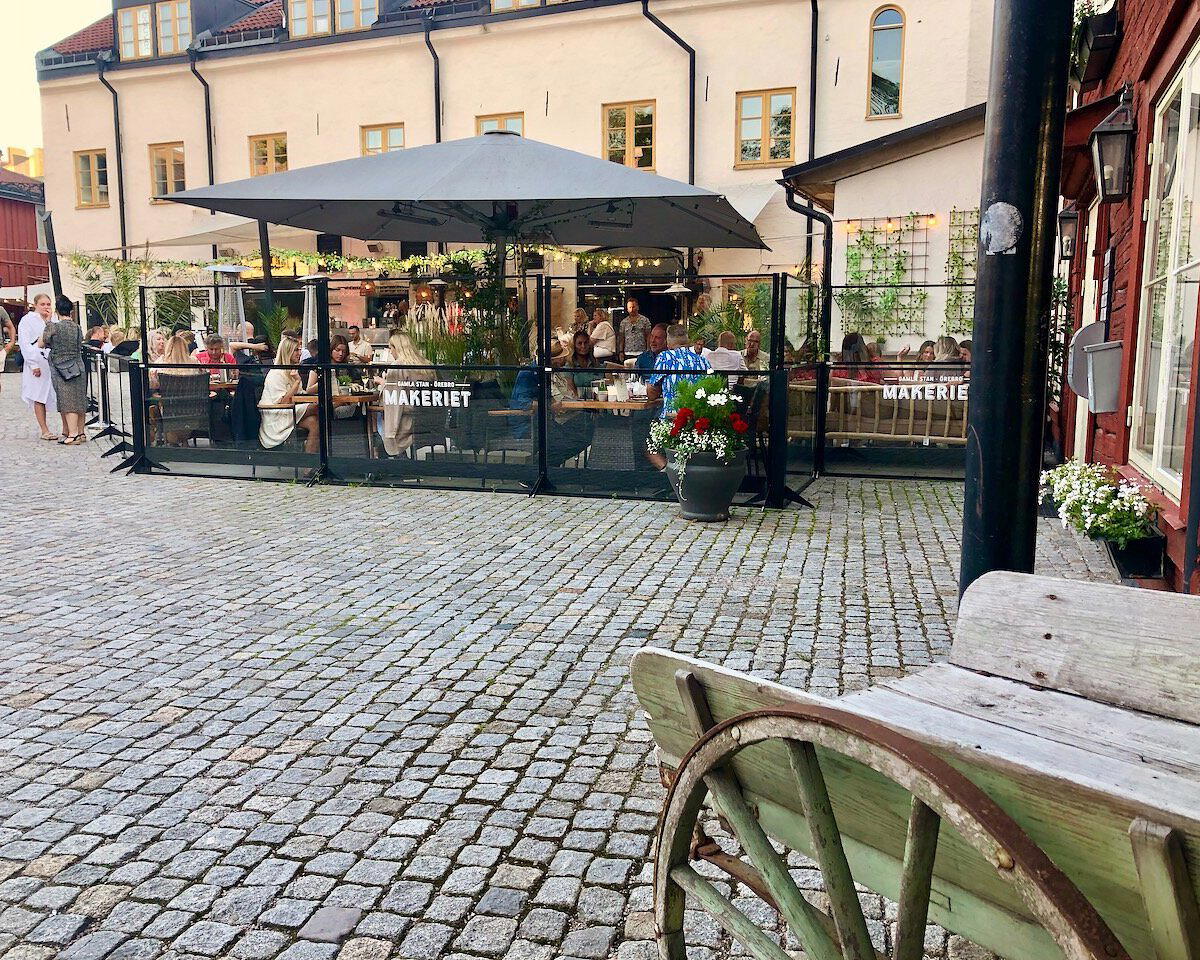
For a broader picture of where Cantina N3 sits relative to the rest of the city's options, the full Örebro restaurants guide maps the scene across price points and formats. Compared with neighbours like Hachi Örebro, which takes a more defined Japanese-influenced position, or Makeriet and Veto, Cantina N3 represents the cantina-format end of the spectrum: more accessible in register, but not without considered intent behind the food.
The Address and What It Signals
Näbbtorgsgatan is a short street, and Cantina N3's positioning at number 3 puts it within easy reach of Örebro's pedestrian core without sitting directly on the tourist-facing main drag. In Scandinavian dining terms, that kind of address, close enough to be found, slightly removed enough to feel deliberate, tends to attract a local-repeat clientele more than a passing tourist trade. That matters for sourcing-led restaurants in particular, because the Swedish kitchen-to-farm relationship has historically depended on local producers finding reliable restaurant partners rather than seasonal transience.
Across Sweden's more ambitious regional dining rooms, from ÄNG in Tvååker to Knystaforsen in Rydöbruk, the defining characteristic is a kitchen that treats the distance between field and plate as a design constraint rather than a marketing angle. Cantina N3 operates in a less remote context than those countryside addresses, but the underlying logic, that where ingredients come from shapes what a kitchen can honestly do, applies across the category.
Ingredient Sourcing in the Swedish Regional Context
Sweden's food culture has undergone a structural shift since the early 2000s. The New Nordic movement that was crystallised at the institutional level by restaurants in Copenhagen and later Stockholm created a downstream effect in regional cities: kitchens that might previously have defaulted to imported produce and generic European technique began taking Scandinavian seasonality seriously as a creative constraint. In Örebro's case, the surrounding Närke region offers a legitimate local larder, grain, dairy, freshwater fish, forest produce, that gives kitchens sourcing ambitions a plausible regional anchor.
The cantina format at addresses like Cantina N3 is often better placed to work with that larder than a tasting-menu room would be, precisely because the daily-changing, lower-volume cooking inherent to the format allows for more direct producer relationships. A single supplier delivering fifty covers' worth of produce each morning is a different conversation from supplying a two-hundred-seat dining room. That structural reality shapes what ends up on the plate as much as any kitchen philosophy does.
For comparison, the sourcing conversation at the highest level of Swedish fine dining, Frantzén in Stockholm or Vollmers in Malmö, involves years-long producer relationships and bespoke growing contracts. The cantina tier operates differently: the ingredient sourcing is more opportunistic, more seasonal in a week-by-week sense rather than a menu-season sense, and the kitchen's flexibility is part of what makes it function. PM & Vänner in Växjö and Signum in Mölnlycke sit in a middle tier that shares some characteristics with both ends of that spectrum.
How Cantina N3 Compares to the Broader Swedish Dining Field
Swedish regional dining increasingly splits into two legible camps: the destination-format room that asks guests to travel specifically for the experience, and the neighbourhood anchor that builds its reputation on consistency and accessibility over time. Cantina N3 reads as the latter. It is not the kind of address that appears in the same conversation as VYN in Simrishamn or Sydkustens at Pillehill in Skivarp, which position themselves as reasons to make a journey. It operates on a different premise: that a well-run, ingredient-attentive room in a city of Örebro's size serves a different but equally valid function in the dining ecosystem.
Internationally, the cantina format has a long track record of producing more interesting food per dollar (or krona) than its surface-level informality suggests. Le Bernardin in New York City sits at one extreme of the formality-to-quality axis; Lazy Bear in San Francisco demonstrated that communal, casual-coded formats could carry serious culinary ambition. Cantina N3 is not making claims at either of those levels, but it occupies the local expression of the same underlying argument: format should serve the food, not the other way around.
Other addresses in the wider region that take a similar neighbourhood-anchor position include Hoze in Gothenburg, Claesgatan 8 in Malmö, Bistro Jarlen in Halmstad, and Archipelago of Gothenburg in Styrso, each calibrated to its local context rather than a national or international competitive set.
Planning a Visit
Cantina N3 is at Näbbtorgsgatan 3, 702 23 Örebro, a short walk from the city centre. Örebro is approximately two hours from Stockholm by direct train on the main western line, making it a practicable day trip or a one-night stop for travellers already moving between Stockholm and Gothenburg. Given that the venue's phone and booking details are not publicly confirmed in current sources, approaching via direct contact at the address or checking current third-party booking platforms is the practical route. Hours, pricing, and format specifics should be confirmed directly before visiting, as cantina-format restaurants in this tier frequently adjust both seasonally.
In Context: Similar Options
| Venue | Cuisine |
|---|---|
| Cantina N3This venue — the venue you are viewing | This venue |
Recognition history
Dated appearances from independent guides and award organizations, with the underlying list record or original source where available.
White Guide Sweden Restaurants - Recommended
White Guide
Continue exploring
More in Örebro
Restaurants in Örebro
Browse all →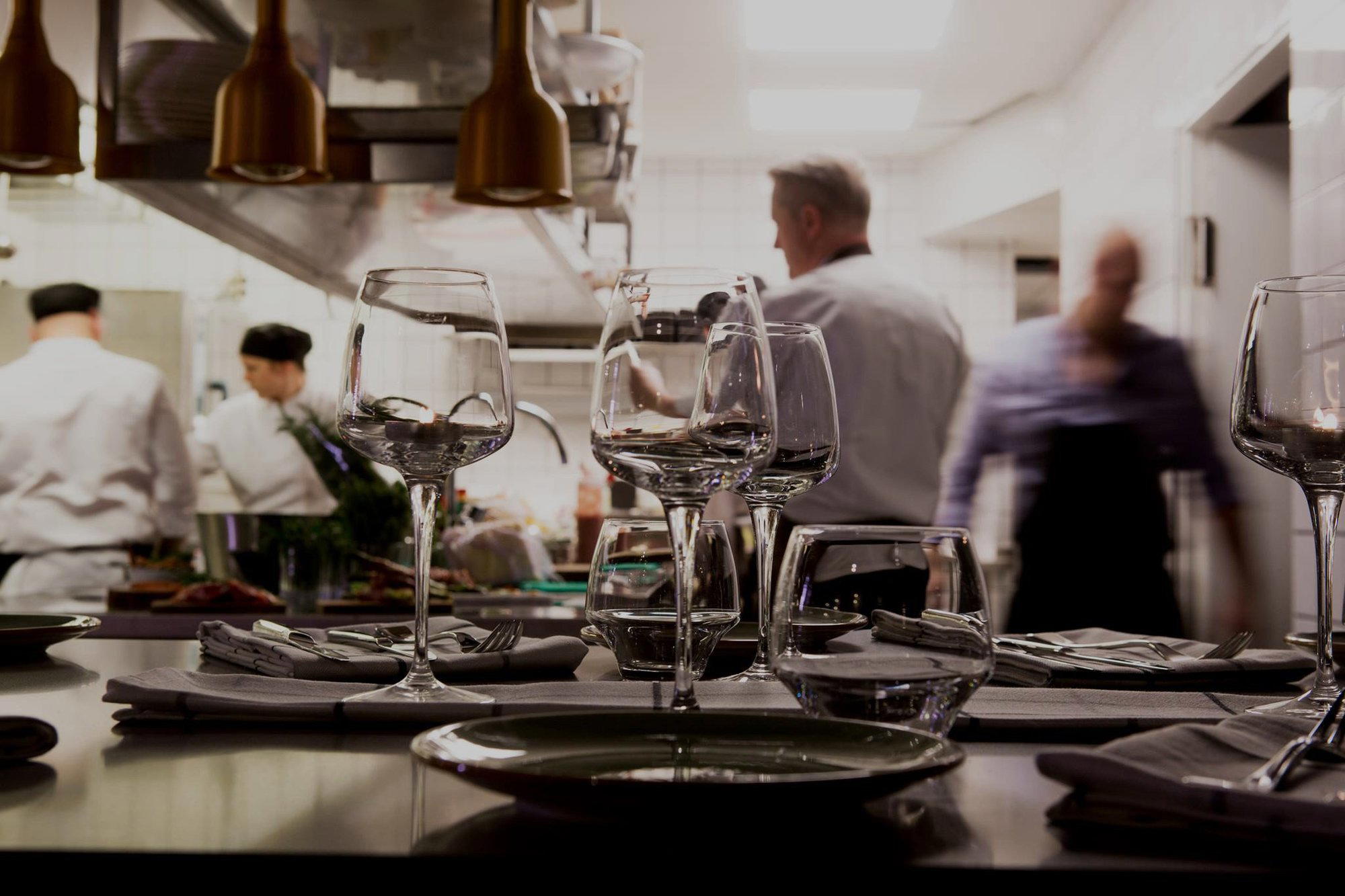
Bars in Örebro
Browse all →
Hotels in Örebro
Browse all →
At a Glance
- Cozy
- Intimate
- Rustic
- Date Night
- Casual Hangout
- Wine Cellar
- Extensive Wine List
Current opening hours
- Monday
- Closed
- Tuesday
- Closed
- Wednesday
- 4:30–11 PM
- Thursday
- 4:30–11 PM
- Friday
- 11:30 AM–2 PM, 4:30–11 PM
- Saturday
- 1–11 PM
- Sunday
- Closed
Hours can change for holidays and private events. Last verified .
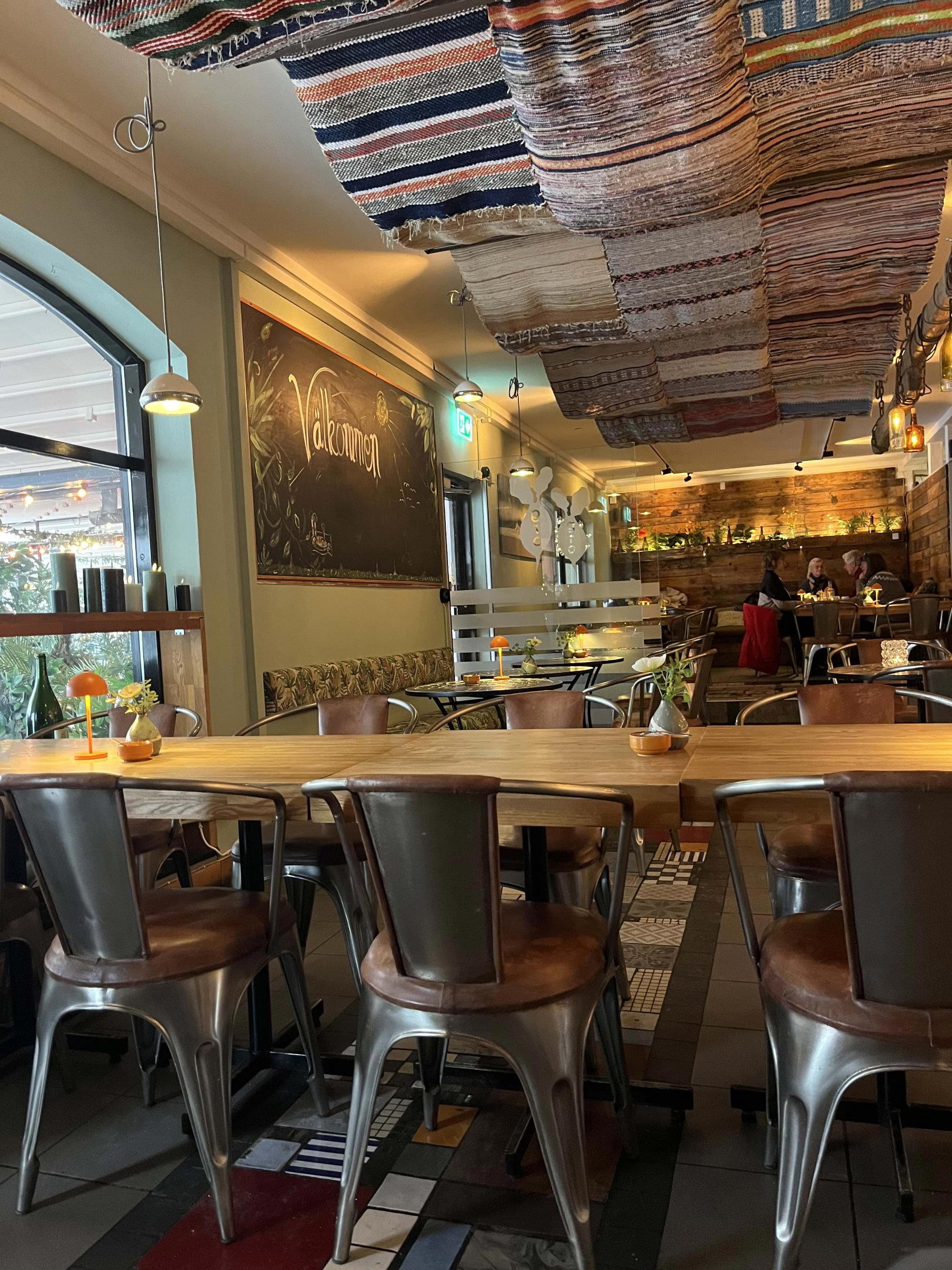
Cozy and inviting with warm Italian charm, described as a little piece of Italy with a familiar family feel.
Know Before You Go
- Getting there
- Näbbtorgsgatan 3, 702 23 Örebro, Sweden