Habanero's - Metarie
A Mexican restaurant on Veterans Memorial Boulevard in Metairie, Habanero's operates in a dining corridor where seafood houses and international kitchens define the local competitive set. The menu architecture signals the kind of accessible, heat-forward cooking that has sustained neighborhood Mexican dining across the New Orleans metro for decades. Worth knowing before you go: the address at 3301 Veterans Memorial Blvd places it squarely in the commercial stretch of Metairie that rewards planners over wanderers.
Pearl is the En Primeur Club membership app — saves, bookings, and concierge access live there. Same editors, same standards.
- Address
- 3301 Veterans Memorial Blvd, Metairie, LA 70002
- Phone
- +15043815663
- Website
- opentable.com
- Directions
- Get directions
 Saves & bookings on Pearl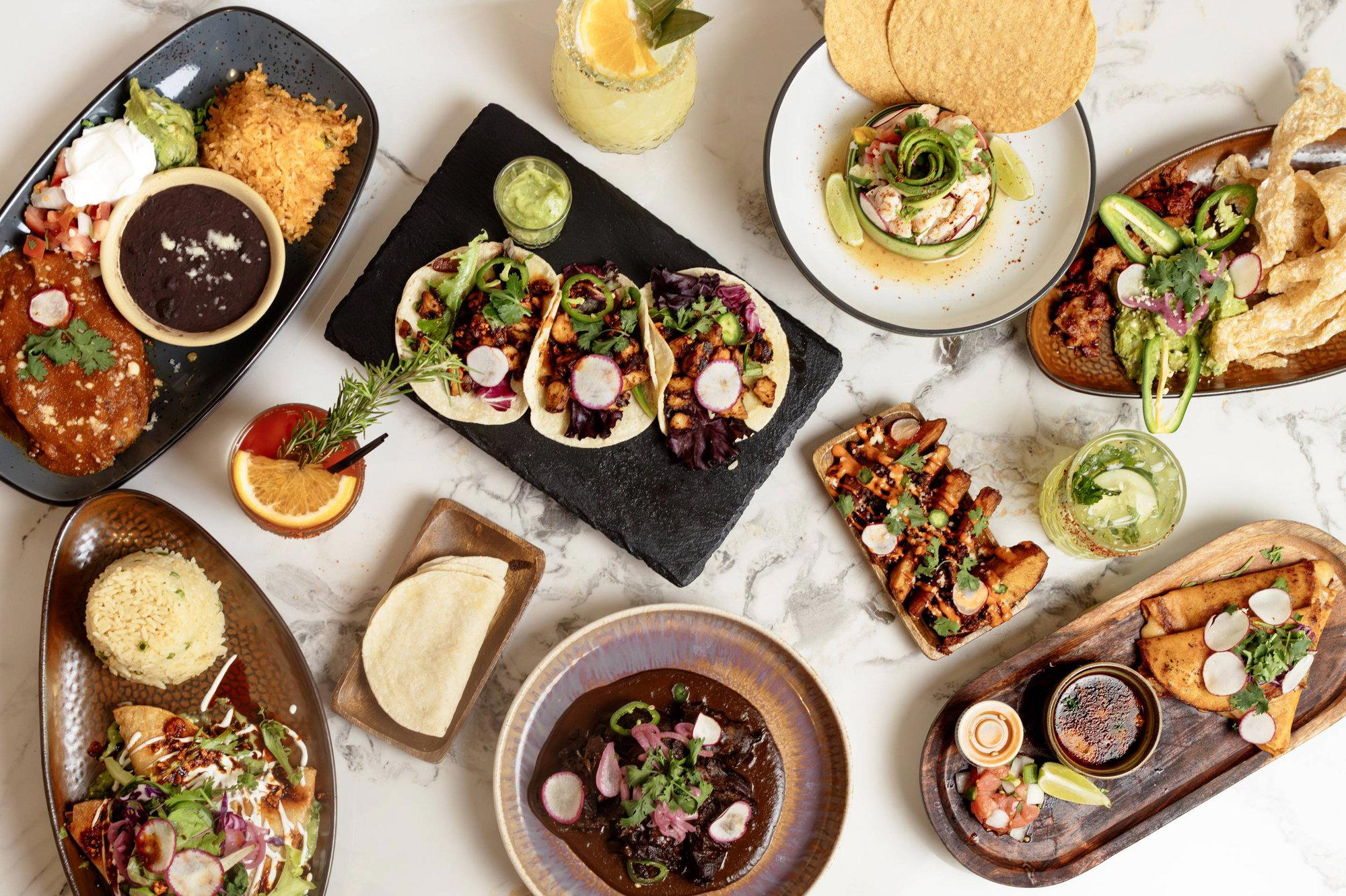
Veterans Boulevard and the Metairie Dining Pattern
Veterans Memorial Boulevard is not a destination strip in the way that Magazine Street or the French Quarter are destinations. It is a working commercial corridor, the kind of road where a resident of Kenner or Old Metairie runs errands and then stays for dinner. The restaurants that survive here do so by serving a neighborhood rather than a tourism economy, and that distinction shapes everything from menu length to price positioning. Habanero's at 3301 Veterans Memorial Blvd sits squarely in that context, operating alongside a mix of international kitchens that includes Byblos, Acropolis Cuisine, and A Tavola, each serving the same repeat-customer logic that defines this stretch of the metro.
Mexican cooking in the New Orleans metropolitan area occupies a particular niche. The city's own culinary tradition is so dominant and so deeply encoded into the local identity that any other cuisine tends to be measured against how well it serves as an alternative to that tradition rather than how it compares to the leading examples of its own kind. A neighborhood Mexican restaurant in Metairie is not competing with Le Bernardin in New York City or Alinea in Chicago. It is competing with the decision to order a po'boy instead.
What Menu Architecture Tells You About a Place
The way a Mexican restaurant organizes its menu is one of the more reliable signals of where it sits in the broader category. At the entry level, menus default to the Tex-Mex architecture that became the American standard in the 1970s and 1980s: combination plates, enchiladas in a single red sauce, fajita platters built for visual drama. Moving up the register, menus begin to differentiate by region, by protein treatment, and by the use of chiles as something more than heat delivery systems.
Habanero's name is itself a signal worth reading carefully. The habanero chile sits at a specific point on the Scoville scale, far above the jalapeños and chipotles that anchor most accessible American-Mexican menus. A restaurant that puts the habanero in its name is either making a bold promise about heat tolerance or using the word as branding shorthand for something livelier than the average combination plate. Which of those two readings applies here matters to anyone planning a meal with heat-averse company.
In the broader Metairie dining scene, this kind of positioning question is common across international kitchens. Byblos Market and Beraca Restaurant both operate within the same neighborhood logic, offering cuisines that require the diner to calibrate expectations against a local context rather than against the flagship examples of their category. The restaurants that work in this environment tend to prioritize consistency and value over ambition, because the repeat customer is the business model.
The Neighborhood Mexican Format and How It Functions
Across the American South, the neighborhood Mexican restaurant format has settled into a recognizable pattern over the past three decades. Lunch service leans on combination plates and quick-turn tables. Dinner opens into a wider menu with more protein options, and the bar program, where it exists, runs margaritas as the primary vehicle. The format is efficient, the margins on drinks subsidize the kitchen, and the room tends to read casual enough that families with children and groups of adults after work coexist without friction.
That format has proven durable precisely because it asks little of the diner. The decision architecture is simple, the price points are accessible, and the geographic and demographic spread of Mexican restaurants across American suburbs means that most diners arrive with a working familiarity with the format. This is a different logic from the one that governs a tasting menu counter like The French Laundry in Napa or an omakase program like Atomix in New York City, where the menu architecture is itself the product. At a neighborhood Mexican restaurant, the menu is a catalogue of familiar forms, and the quality of execution within those forms is what separates a good example from a forgettable one.
Placing Habanero's in the Metro Context
The New Orleans metro supports a range of dining ambition levels, from the high-end destination restaurants that draw visitors from across the country to the neighborhood standbys that anchor specific corridors. Emeril's in New Orleans represents one end of that spectrum, a restaurant with documented national recognition and a menu built to communicate that status. Habanero's on Veterans Boulevard represents the other end, a local restaurant serving a local population without the apparatus of press coverage or award cycles that define the higher-status tier.
That positioning is neither a criticism nor a limitation. The neighborhood restaurant tier is where most dining actually happens for most people most of the time. The restaurants in that tier that sustain themselves over years do so by getting the fundamentals right repeatedly: consistent food, reasonable prices, a room that functions well for the specific community it serves. Longevity at a specific address in a working commercial corridor is its own form of credential, even when it does not translate into the kind of verifiable award data that appears on destination-tier venues like Providence in Los Angeles or Blue Hill at Stone Barns in Tarrytown.
Planning a Visit: What to Know Before You Go
That absence is itself a practical signal: Reservations are recommended, and current hours should be checked before visiting. Calling ahead or checking current hours through a local search before making the drive on Veterans Boulevard is the sensible approach, particularly if you are coming from outside the immediate neighborhood. The address at 3301 Veterans Memorial Blvd is in a commercial zone that is easy to access by car; street and lot parking in this stretch of Metairie is generally available without the friction that accompanies parking in central New Orleans.
Recognition Snapshot
Comparable venues nearby, for context on price, style, and recognition.
| Venue | Cuisine | Price | Notes |
|---|---|---|---|
| Habanero's - MetarieThis venue — the venue you are viewing | Modern Mexican | $$ | Not listed |
| Tacos del Cartel Metairie | Polished Mexican Fusion | $$ | Metairie |
| A Tavola | Modern Italian | $$ | Metairie |
| Vincent's | Classic Italian with Louisiana Seafood | $$ | Metairie |
| Impastato's Restaurant | Creole-Italian Sicilian | $$ | French Market Plaza |
| Los Jefes Grill | Authentic Mexican Grill | $$ | Fat City |

At a Glance
- Lively
- Trendy
- Casual Hangout
- Group Dining
- Brunch
- Open Kitchen
- Craft Cocktails
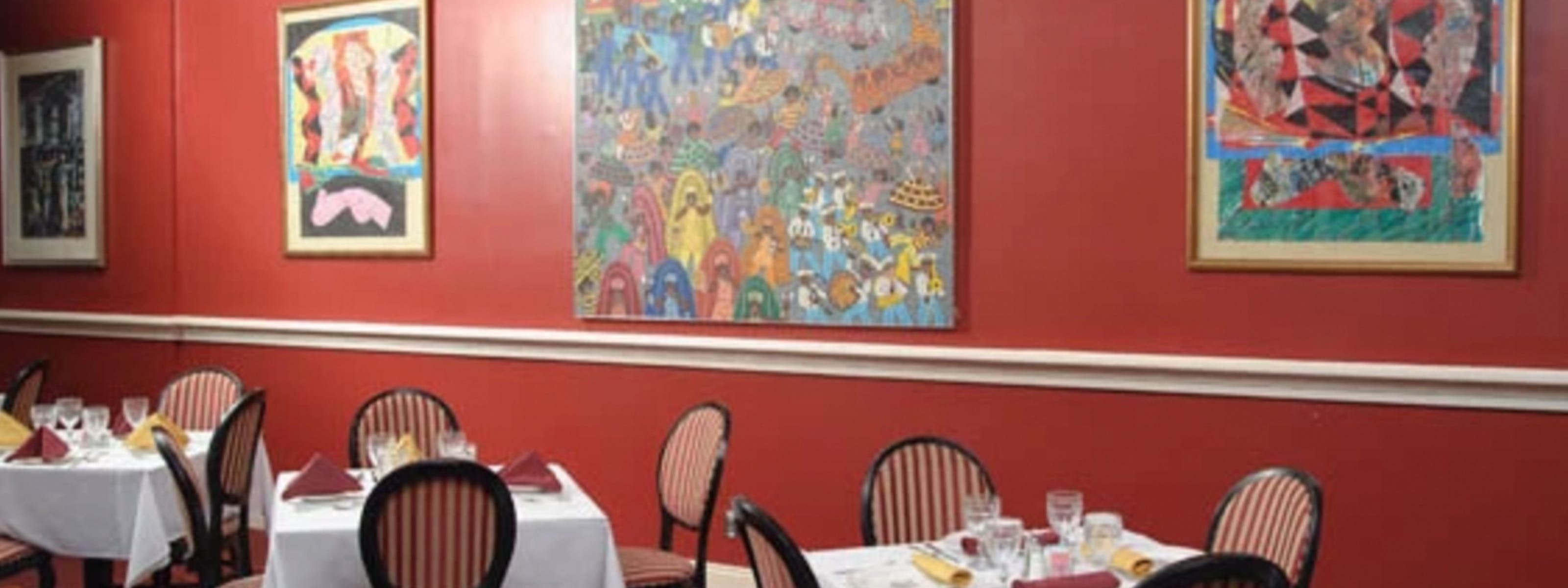
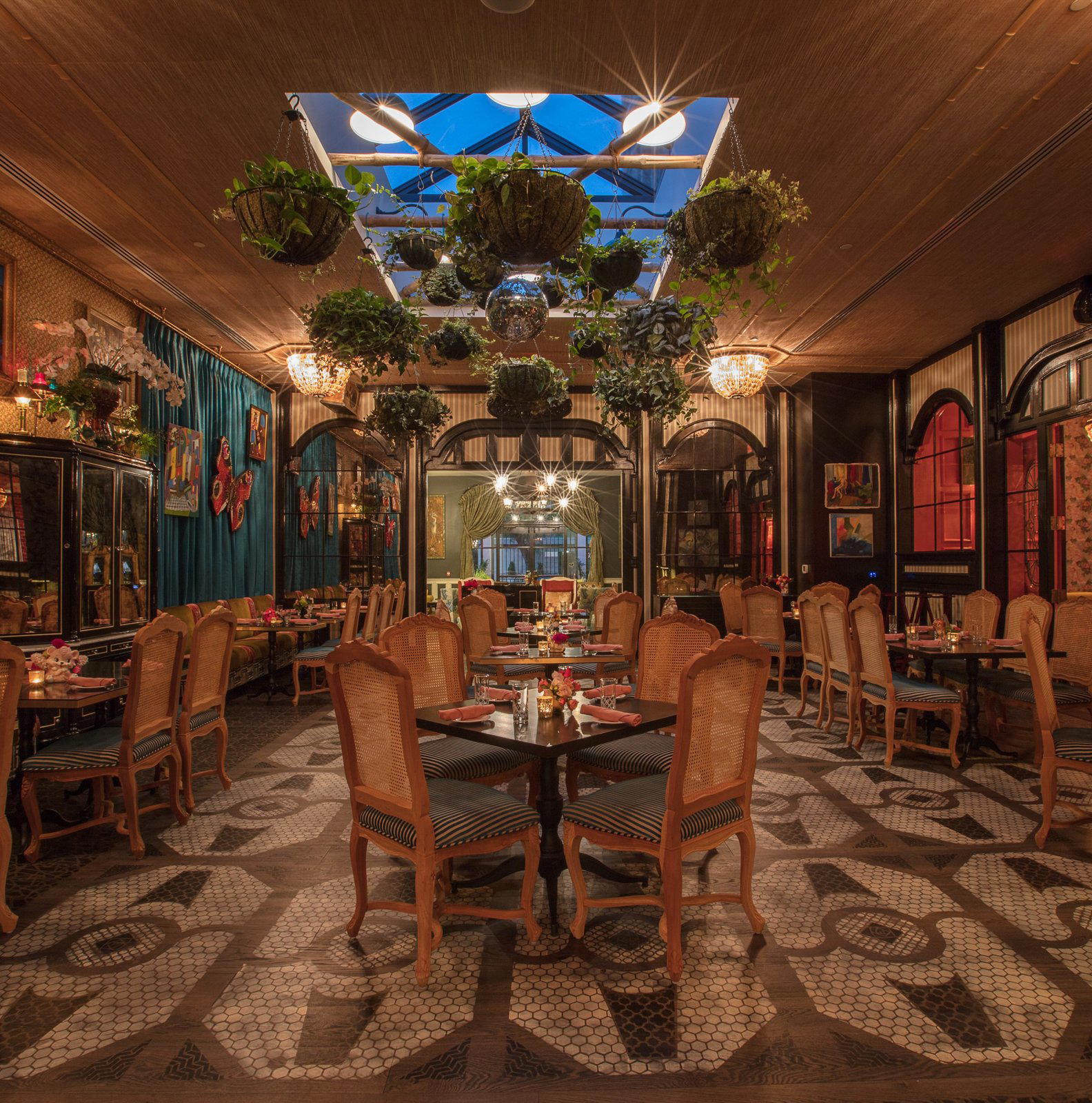
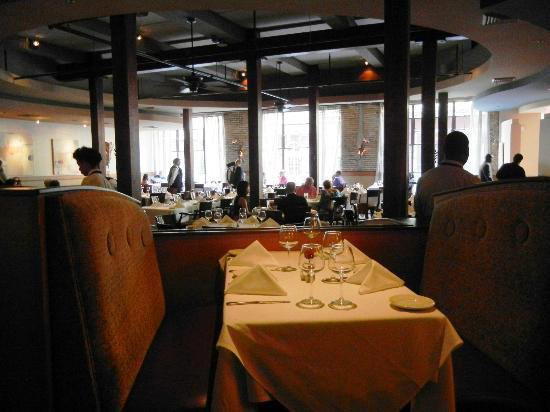
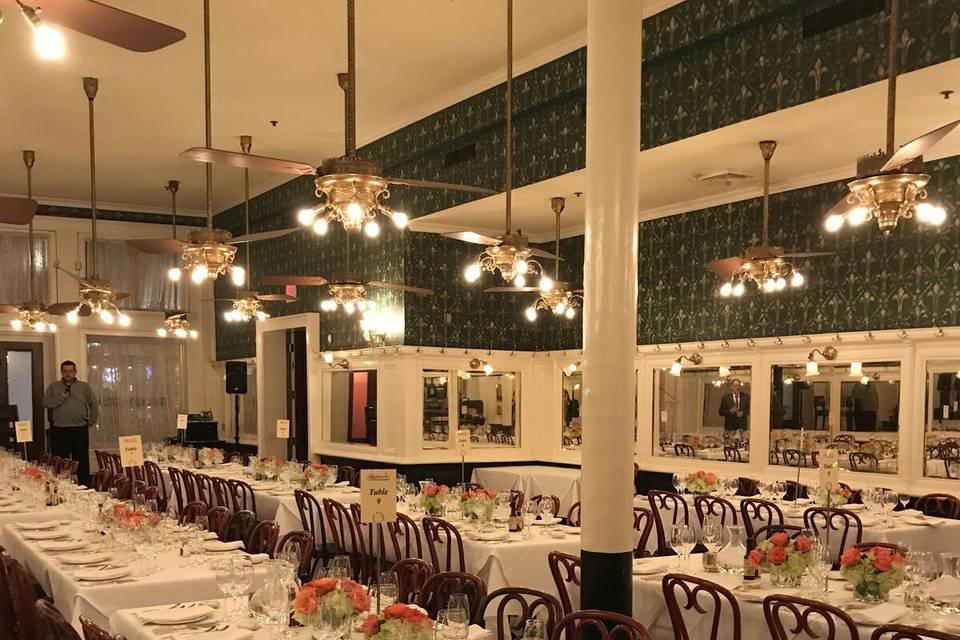
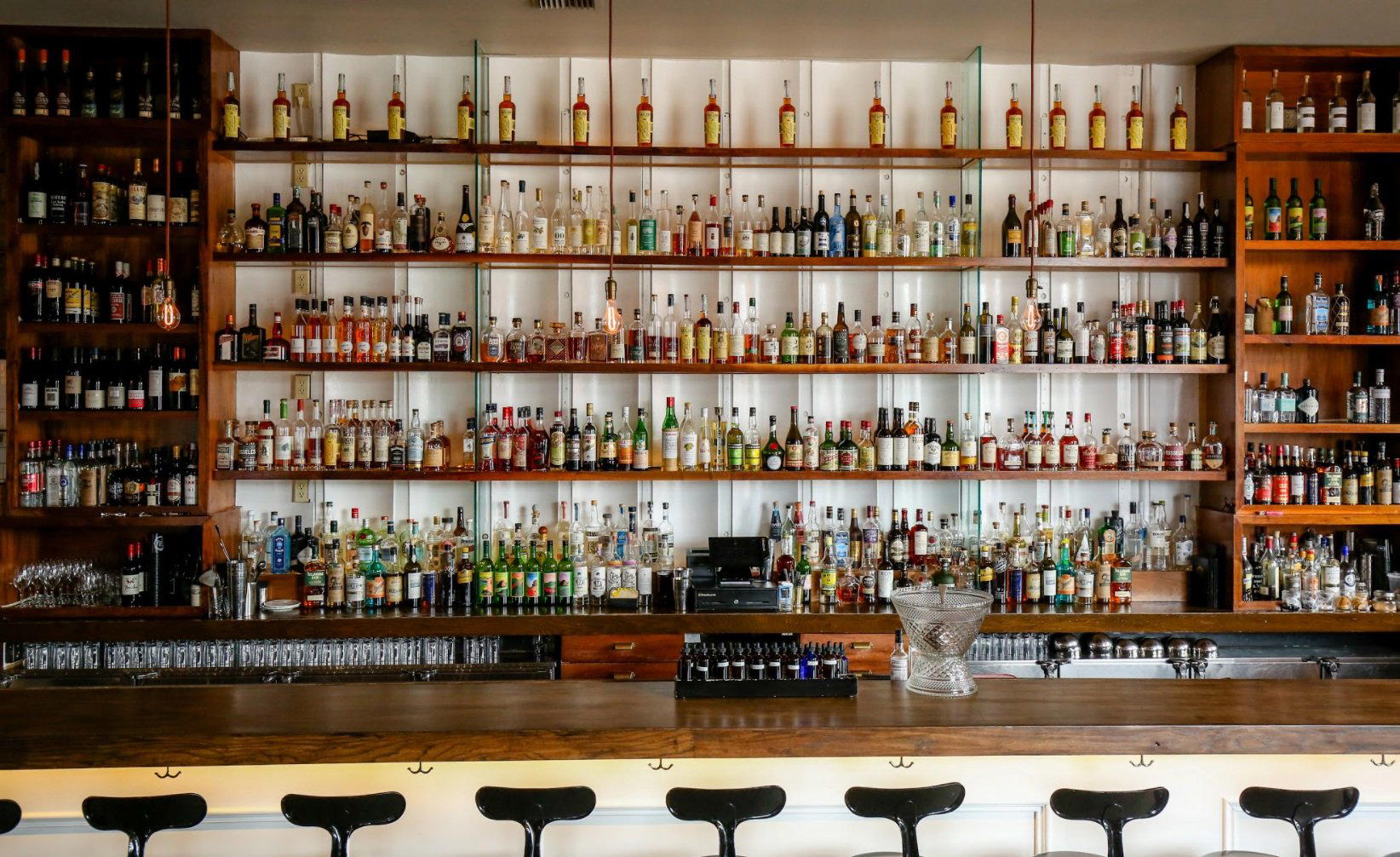
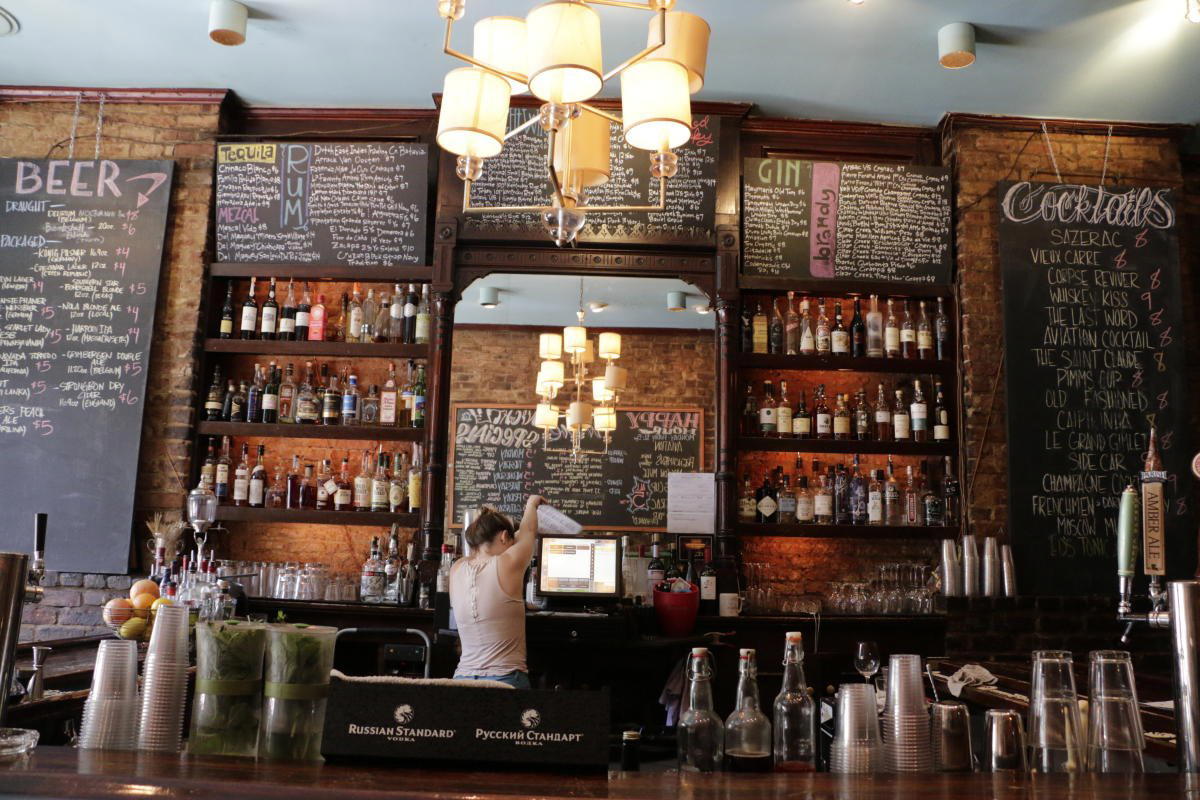
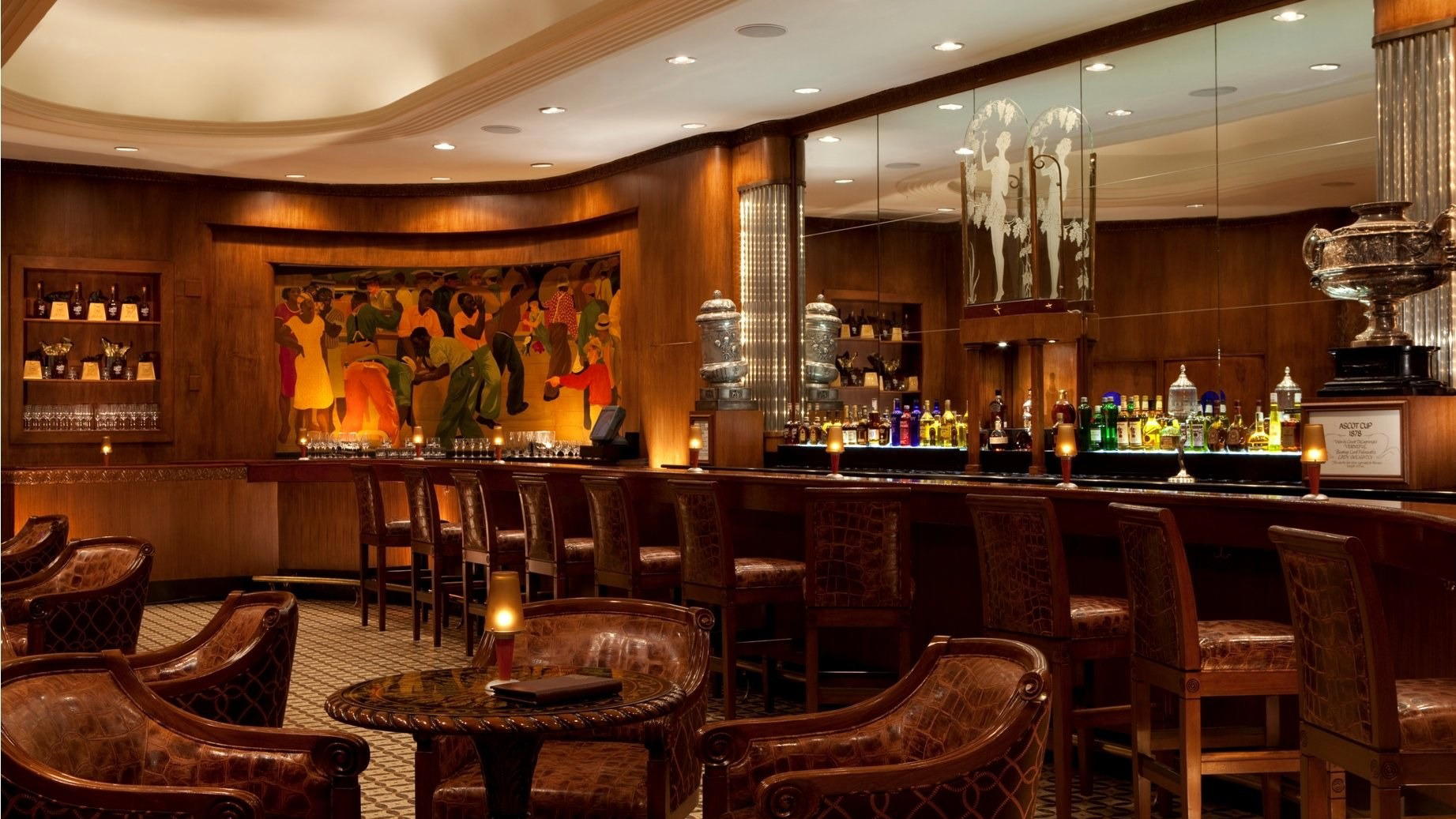
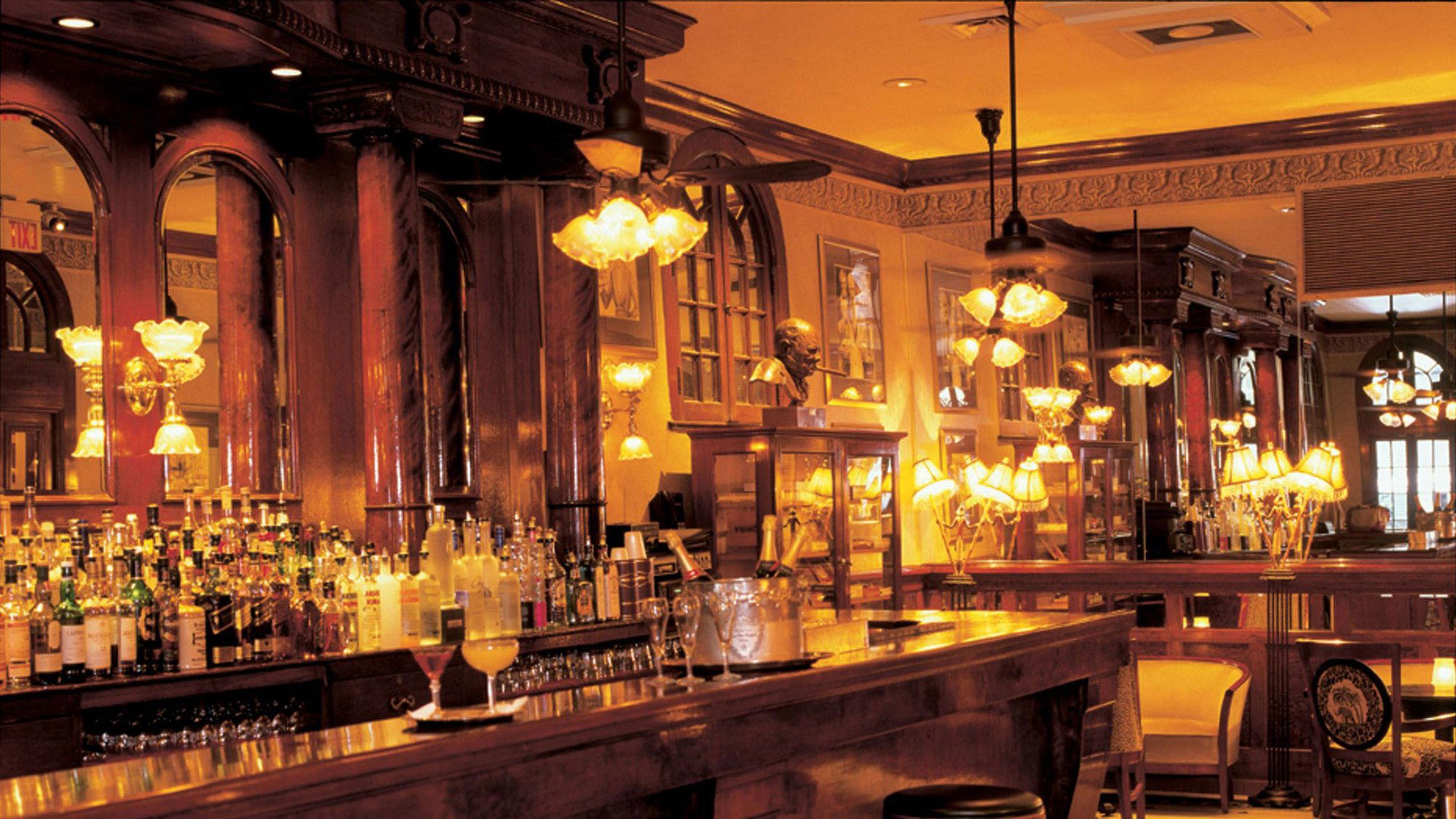
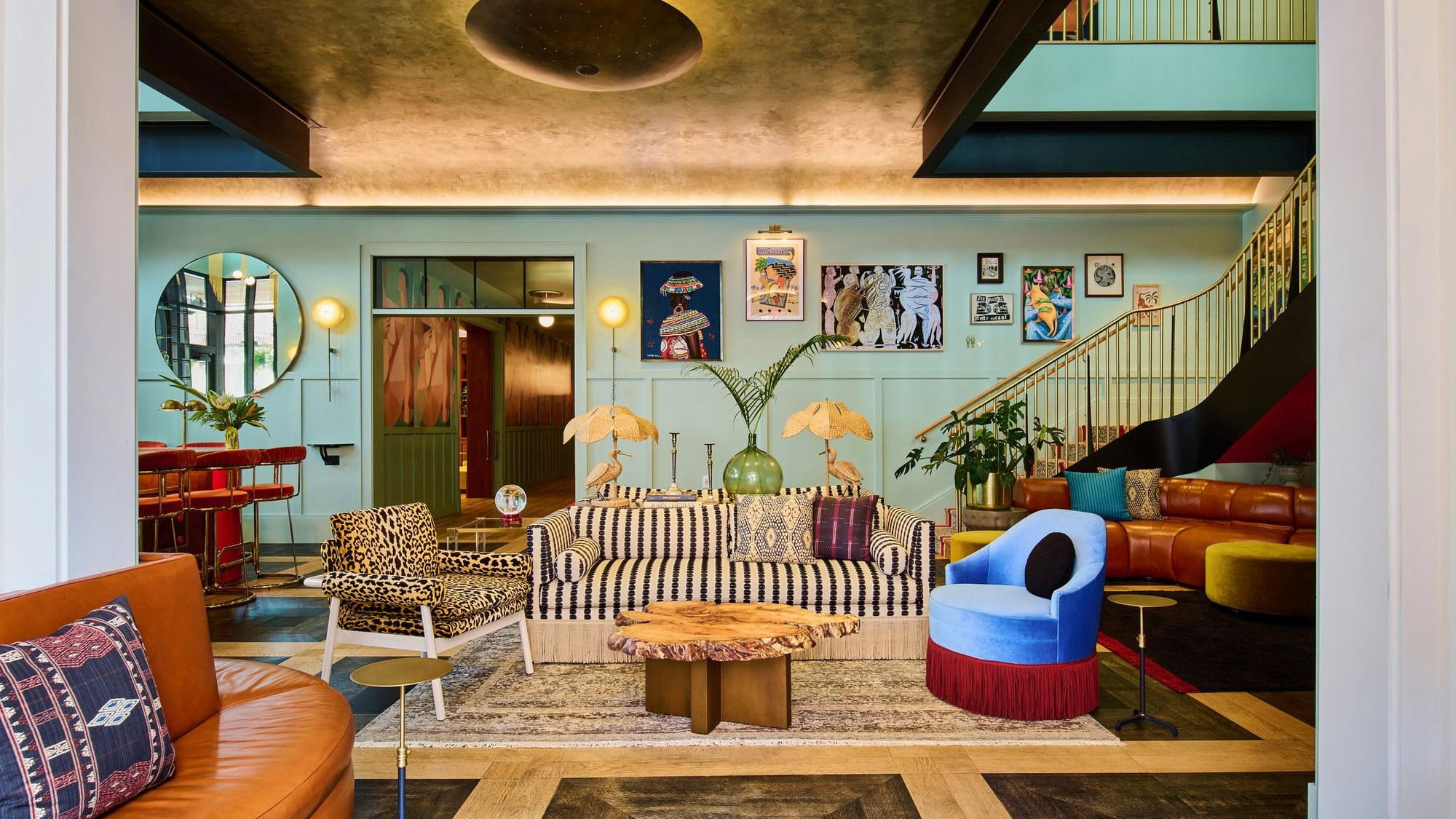
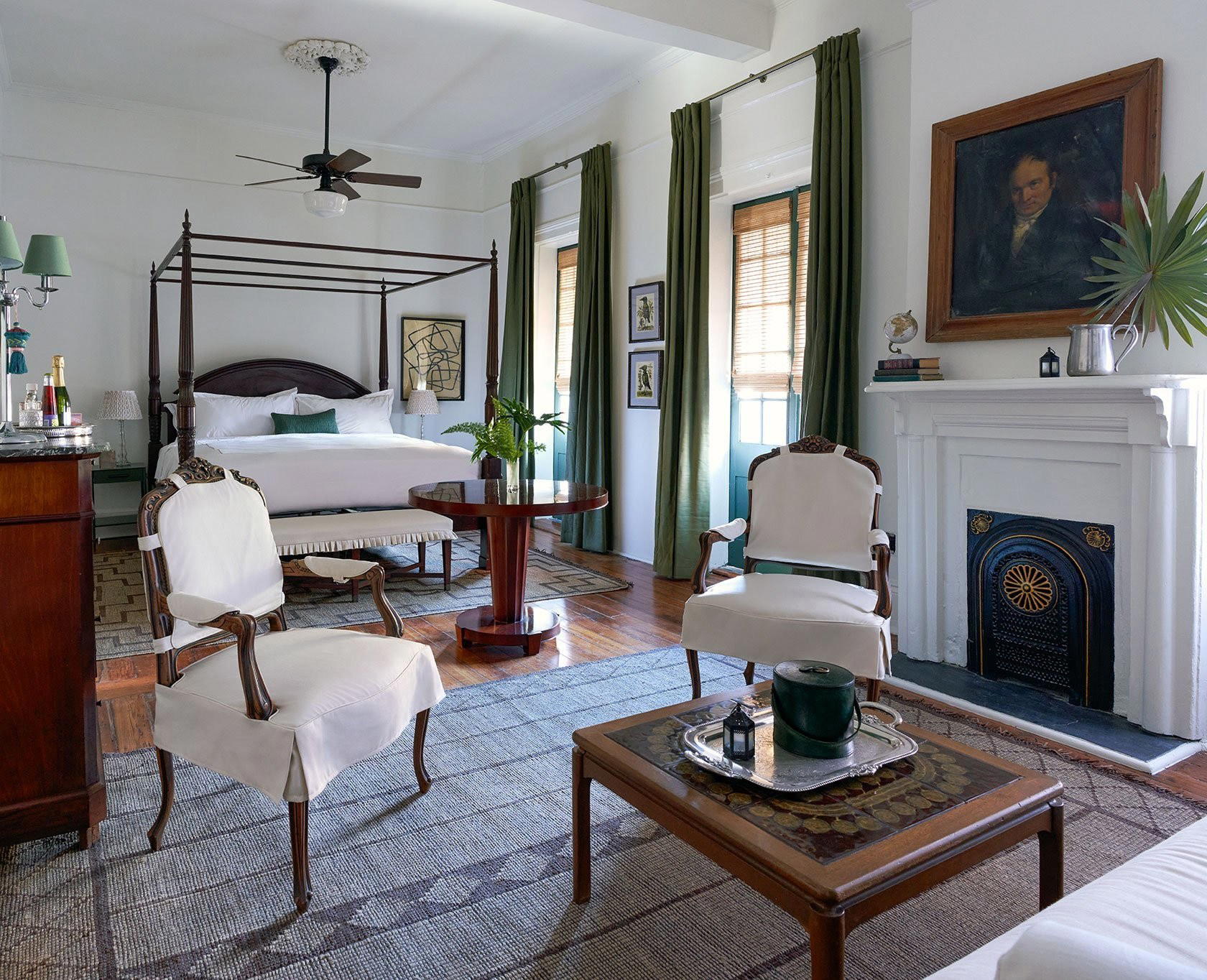
Casual atmosphere with bar lounge featuring cocktails and happy hour specials.